Discover the newest ads from around the world—fresh releases, trending formats, and innovative brand storytelling.
Latest
This is collection about consumner.


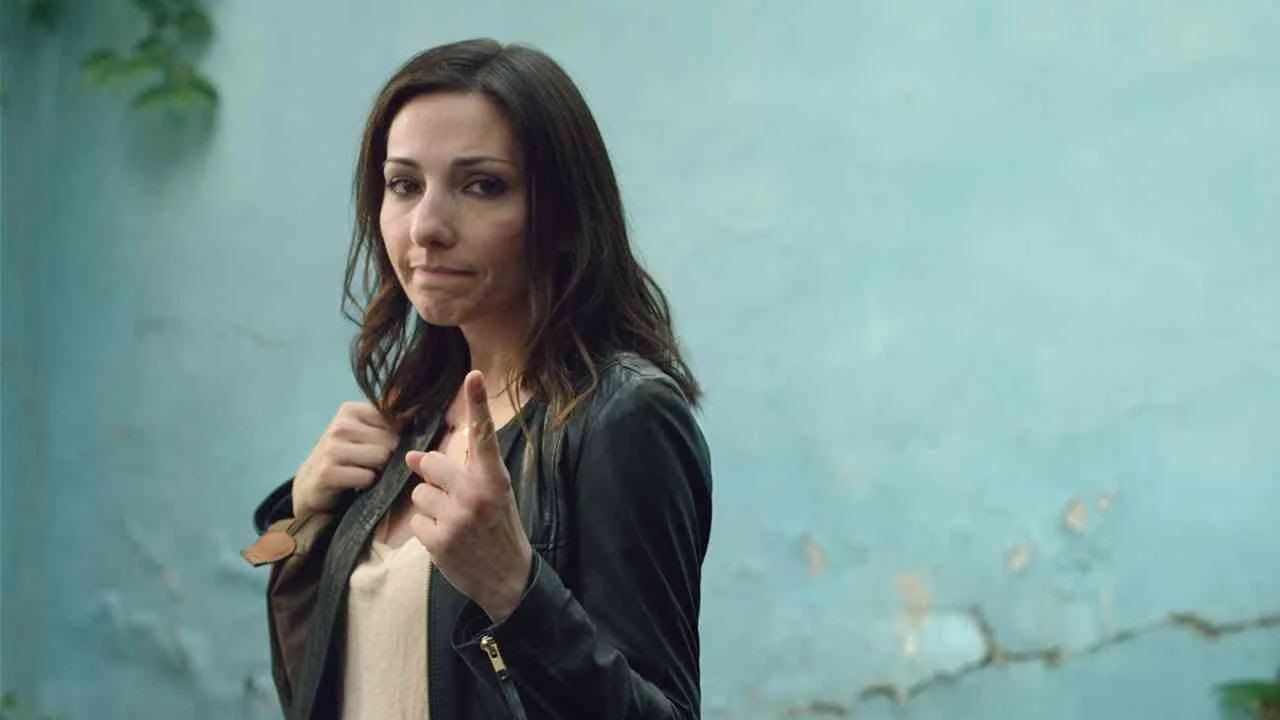

Calvin Klein Jeans Rewrites Intimacy With The Full Story

Latest
Calvin Klein Jeans Rewrites Intimacy With The Full Story
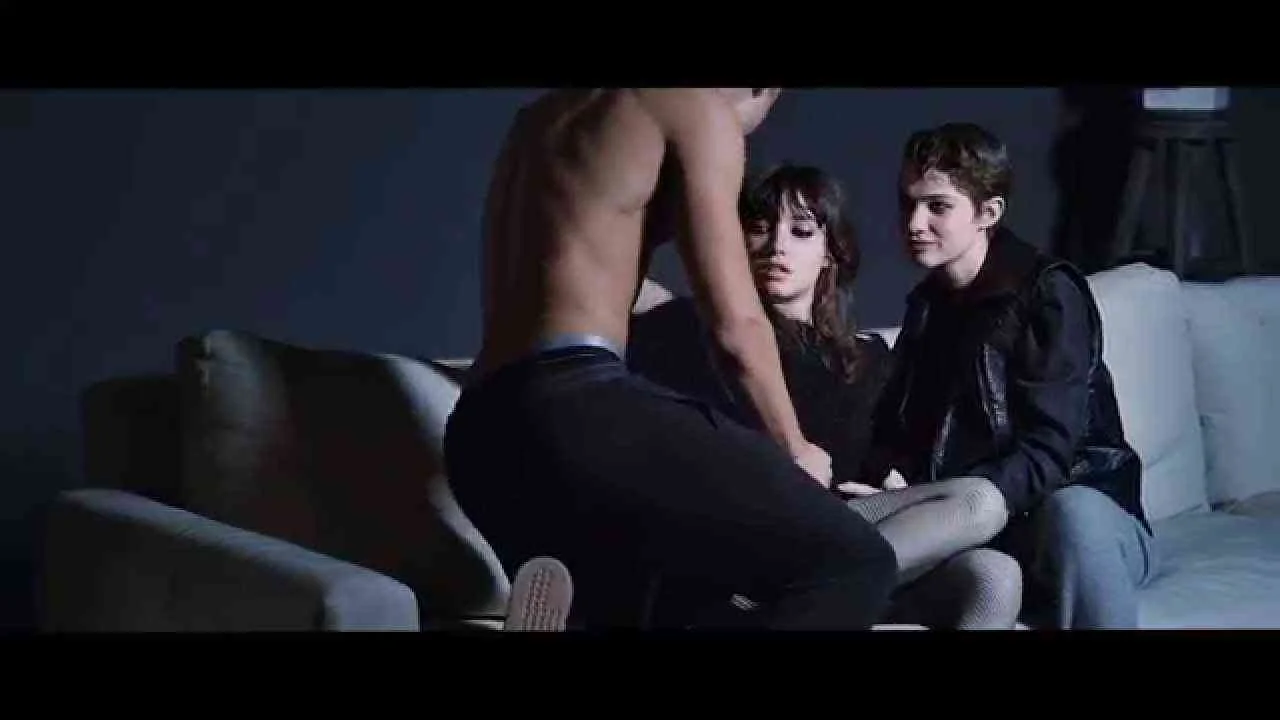
How Calvin Klein Jeans Captured Digital Intimacy in Its 2015 Full Story Campaign Calvin Klein Jeans launched 'The Full Story' in July 2015, a multimedia out-of-home and digital campaign created by Mother New York that used real-life intimate stories, provocative imagery, and sexually charged text-message screenshots to reframe how young people think about love, dating, and connection in the United States and across 27 global markets. The campaign, formally titled 'Meet Us' and anchored by the hashtag #mycalvins, set out to capture an unfiltered portrait of youth intimacy in a smartphone-first era. Rather than constructing a romantic ideal, the work drew directly from authentic stories shared by young people around the world, then translated those raw narratives into large-format visuals deployed across non-traditional outdoor media. In the United States, the campaign's most significant placement was on Calvin Klein's iconic Houston Street billboard in SoHo, where a same-sex embrace debuted on August 3rd — a deliberate editorial statement embedded within one of New York City's most visible street furniture locations. The campaign operated simultaneously across digital, print, and out-of-home channels, with partnerships spanning Vice, Facebook, and Instagram. Its most strategically distinctive move was its integration within Tinder, making Calvin Klein Jeans one of the first brands permitted to advertise inside the dating app, according to reporting by Fashion Week Daily. Running across 27 markets, the campaign reached key global cities including Bangkok and São Paulo through large-format static LED screens and street furniture placements, ensuring that the intimacy-driven creative landed in the physical environments where its target audience actually moved. The Clapboard Score for this campaign is 81 out of 100, reflecting its creative ambition, channel innovation, and cultural relevance within the fashion and apparel category.
Bar One Bets on Everyday Heroism With The Fireman TVC
How Bar One Made a Fireman the Face of South African Snack Resilience Bar One's 2015 television commercial 'The Fireman' is a South African confectionery ad created by JWT Johannesburg, directed by Hylton Tannenbaum, and produced by Bioscope Films, in which a firefighter eats a Bar One chocolate bar and channels a surge of energy to break through a door with an axe. Published on July 30, 2015, the campaign plants Bar One squarely within a narrative tradition that South African advertising has long found fertile ground: the celebration of ordinary people performing extraordinary acts under pressure. The commercial runs as a single film asset and sits within the confectionery and snacks category , targeted at a domestic South African audience. Its creative premise is both immediate and legible — a firefighter, already a symbol of selfless endurance, reaches for Bar One at a moment of physical and professional demand, and the snack becomes the hinge between struggle and breakthrough. The campaign was created for Nestlé South Africa, as reported by Millward Brown, and represents a continuation of Bar One's established energy-and-endurance brand platform rather than a departure from it. In South Africa, where consumer trust in confectionery brands is built over decades of consistent positioning, 'The Fireman' reinforces what Bar One has long argued: that sustained energy is not a luxury but a practical necessity, available in the palm of a hand. The Clapboard Score for this campaign is 63 out of 100, reflecting solid strategic clarity and competent craft execution within a category where emotional differentiation is the primary competitive lever.
Vim Power Flyer Puts Household Energy Into Israeli Recreation
How Vim Power Flyer Repositioned a Household Brand in the Israeli Leisure Market Vim's Power Flyer campaign is a July 2015 direct-media initiative created by M&C Saatchi Tel Aviv in Israel, designed to reframe the household cleaning brand through the language of energy, recreation, and active living, anchored by the brand statement 'WE ARE NEW.' Published on July 30, 2015, Power Flyer sits at an unusual intersection: a domestic product brand making a calculated move into the Recreation and Leisure category in the Israeli market. The campaign's archive classification — Recreation, Leisure — signals an intentional strategic pivot. Rather than leading with the functional performance of a dishwashing product, the creative proposition invites active Israelis to associate Vim with the momentum and vitality of their leisure lives. The core message, 'WE ARE NEW,' operates as a brand declaration, positioning Vim not as a legacy cleaning label but as an energised, forward-facing presence in everyday Israeli life. In Israel, where consumer brands face a compact but discerning market, standing out requires more than product claims. Power Flyer uses the direct medium — reaching individuals rather than broadcasting to mass audiences — to make that proposition feel personal and immediate. With a single media asset, the campaign is built around concentrated creative impact rather than volume. The Clapboard Score for Power Flyer is 52 out of 100, reflecting a campaign that demonstrates clear strategic intent and category ambition while leaving room for broader executional scale. The campaign was developed by M&C Saatchi Tel Aviv, the agency formed in January 2015 when M&C Saatchi acquired a majority stake in Ben-Natan Golan Advertising, as confirmed by mcsaatchiplc .com, marking the network's formal entry into the Israeli advertising market within the same year the campaign launched.
Melbourne International Film Festival Turns Emotion Into a Selling Tool
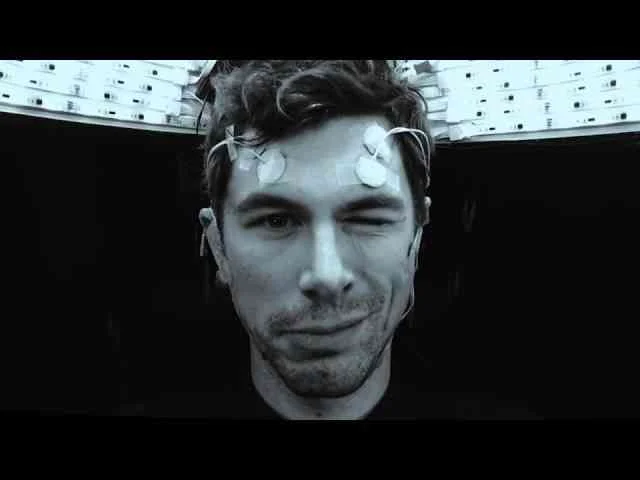
How the MIFF Emotion Simulator Redefined Experiential Film Festival Marketing The Melbourne International Film Festival's 2015 Emotion Simulator is an experiential marketing campaign created by McCann Melbourne that used a custom-built chair fitted with 12 facial-muscle electrodes to compress a feature film's full emotional arc into a one-minute, body-felt sensory preview, allowing Australian audiences to physically experience a film before choosing to see it. MIFF launched the campaign in July 2015 in Melbourne, Australia, at a moment when the festival's program had expanded to more than 370 titles, including 28 world premieres and 163 Australian premieres, according to reporting sourced from linkedin .com. That volume of choice created genuine paralysis for audiences with limited prior affinity for foreign-language and art-house cinema — a strategic problem explicitly identified by Managing Director Adrian Mills, as documented by Little Black Book . The Emotion Simulator addressed this directly: rather than asking audiences to trust a trailer or a critic's prose, it invited them to sit in the chair and feel the film's happiness, sadness, disgust, fear, anger, and surprise stimulated in sequence through electrodes placed around six major facial muscle groups. The campaign's tagline, "Feel the film before you see the film," expressed both the mechanic and the promise with unusual precision. A chair-mounted camera recorded every session, generating a personalised clip that participants could share across social media — transforming a single physical installation in Melbourne into a self-distributing content engine. That dual function, direct demonstration and social amplification, gave the Emotion Simulator a reach far beyond the festival's physical footprint in Australia. Clapboard rates this campaign 70 out of 100, recognising its technical originality and award pedigree against the inherent scale limitations of a single-city ambient installation.
Preview Magazine Turns Fashion Into a Tool for Female Empowerment
How Preview Magazine and Publicis Redefined Filipino Fashion Culture in 2015 Preview Magazine's 'Fashion is Power' is a 2015 ambient and integrated campaign created by Publicis JimenezBasic in the Philippines that taught Filipino women self-defense techniques using everyday fashion accessories — high heels, handbags, and umbrellas — as defensive tools, reframing personal style as an instrument of physical and psychological empowerment, according to Magzter . The campaign was produced for Preview Magazine, the Philippines' leading fashion and beauty title published by Summit Media, and launched in July 2015, according to Adobomagazine . Its core mechanic was both practical and conceptually bold: free self-defense classes were offered to women, with instruction built around the accessories already in their possession. Instructional audiovisual content was embedded in the magazine itself and distributed through fashion retail environments , making the medium inseparable from the message. The campaign was classified as ambient in format, according to the Ads of the World archive, and operated across an integrated channel mix that brought editorial, experiential, and in-store touchpoints into a single coherent idea. In the Philippines, where fashion media competes fiercely for cultural relevance among a young, digitally engaged readership, Preview Magazine positioned itself not merely as a style authority but as a platform for female confidence and self-determination. The proposition — that fashion empowers identity and that Preview unlocks authentic self-expression in Filipino culture — gave the brand a social dimension that transcended conventional magazine marketing, according to The Clio Awards . The Clapboard Score for 'Fashion is Power' is 66 out of 100, reflecting a campaign with genuine conceptual originality whose documented reach remained modest relative to its creative ambition, according to Publicisgroupe Ph .
How Persil ProClean Used Science and Super Bowl to Challenge Tide
How Persil ProClean Turned Super Bowl 2018 Into a Science Lesson for US Laundry Shoppers Persil ProClean's 2018 campaign 'The Professional,' created by DDB New York, is a 30-second Super Bowl commercial that uses the recurring character 'The Professional,' played by Peter Hermann, alongside science communicator Bill Nye to dramatise the brand's 10 Dimensions of Clean formula and assert Persil's standing as the most technically advanced household laundry detergent in the United States. The campaign aired on February 4, 2018, during the Super Bowl, placing Persil ProClean among the most scrutinised advertising slots in the US market. According to Ad Age , this marked the third consecutive Super Bowl in which Persil featured 'The Professional' character, establishing a continuity of brand identity unusual for a detergent that had only entered the United States as recently as 2015. The spot's creative conceit — The Professional emerging from a television set during a Super Bowl party in a direct reference to the horror film The Ring, as reported by Ad Age — gave the campaign an immediate cultural hook that extended its reach well beyond the broadcast window. Henkel , the German parent company behind Persil, positioned the ProClean line in the United States as a premium, performance-first household product from its launch through a partnership with Walmart, as documented by Adweek . 'The Professional' campaign continues that strategic posture, framing Persil ProClean not as a lifestyle brand but as a scientifically credible cleaning solution backed by measurable results. In the United States, where the House and Garden category is fiercely competitive, the decision to invest in a Super Bowl slot — estimated at slightly more than five million US dollars, according to Ad Age — signals the scale of Henkel's ambition for the ProClean range and its willingness to sustain a long-running narrative to build brand equity.
Pictionary Turns Post-Holiday Blues Into a Brief for Getting It Wrong
How Pictionary's 'The Fish' Campaign Reframed Getting It Wrong as the Whole Point Pictionary's 'The Fish' is a single-film campaign created by LOLA MullenLowe Madrid and published in Spain in January 2018, designed to combat post-holiday blues by celebrating the comedic pleasure of drawing badly rather than the competitive satisfaction of winning. The campaign centres on a deceptively simple narrative. A man goes about an ordinary day carrying what appears to be a peculiar accessory, and only at the film's conclusion does the audience realise the absurd, tender truth behind what he has been doing. That structural reveal — built entirely on delayed comprehension — mirrors the core Pictionary experience: the gap between what a player intends to draw and what everyone else sees is not a failure state but the game's primary source of joy. Mattel, which owns the Pictionary brand, partnered with LOLA MullenLowe to make that insight the emotional engine of a January release timed to the deflation that follows the winter holiday period. In Spain, January has cultural weight as a post-festivity lull, arriving after the extended celebration of Christmas, New Year, and the Three Kings holiday on 6 January. LOLA MullenLowe positioned Pictionary as a corrective — a reason for friends and families to gather again and laugh together, specifically by doing something imperfectly. The campaign consisted of a single media asset, as documented by Adsoftheworld , and relied entirely on the film's storytelling craft to carry the brand message without supplementary executions. Clapboard assigns this campaign a score of 66 out of 100, reflecting a strong creative concept with room for broader campaign architecture. The film was submitted to the industry record at Clapboard.com and trade outlets including Marketingdirecto .com, where its January 2018 launch was publicly reported.
The Lone Ranger
The campaign The Lone Ranger, launched in the United Kingdom in December 2017, was developed for the brand Aromat by the ad agency MOFILM. This engaging film campaign, situated within the food industry, brings to life a dramatic and entertaining showdown between two characters, The Lone Ranger and Miellie Mike, who face off in the ultimate battle, leaving audiences captivated by the question of who will emerge victorious. Through its singular media asset, the campaign effectively leverages storytelling and brand positioning to create a memorable narrative that highlights Aromat's distinctiveness and appeals to consumers seeking bold flavors. The creative use of the duel metaphor energizes the brand's messaging, reinforcing its identity in a competitive market by embodying a sense of excitement and challenge. Overall, this campaign demonstrates a strategic blend of visual storytelling and brand engagement designed to resonate with food enthusiasts and solidify Aromat's presence in the UK market during 2017.
DoCoMo 3 Second Cooking Turns Network Speed Into Absurdist Cinema
How DoCoMo's 3 Second Cooking Made LTE Speed Visible in Japan DoCoMo's "3 Second Cooking" is a 2015 Japanese electronics and technology campaign created by Tokyu Agency and NTT Advertising, produced by AOI Pro., in which two absurdist short films dramatize the speed of NTT DoCoMo's LTE and LTE Advanced network by depicting food cooked in exactly three seconds through spectacular, physics-defying contraptions. The campaign comprises two executions. The first, "3-Second Cooking: Shrimp Frying Cannon," was released in November 2014 and linked to DoCoMo's expanded LTE network proposition. The second, "3-Second Cooking: Super Fried Dumpling," followed in February 2015 and was tied to DoCoMo's LTE Advanced service, branded in Japan as Premium 4G. The combined campaign was formally published in June 2015, entering the international awards circuit as a unified body of work, per reporting at adsoftheworld .com and aoi-pro .com. The campaign's central mechanic is deceptively simple. Rather than communicating network speed through data rates or technical specifications, the creative team at Tokyu Agency chose to make speed tangible through an everyday act — cooking — executed at a scale and velocity no kitchen could accommodate. Shrimp are flash-fried by a cannon. Dumplings are cooked through equally improbable means. Each film holds rigorously to the three-second premise, mirroring the brand's promise of near-instantaneous data performance across the Japanese market. The Clapboard Score for this campaign is 73 out of 100, reflecting strong creative concept and award-validated craft against a narrowly defined product context.
Leica 100 Centennial Film Turns Photography History Into Art
How Leica's '100' Film Redefined Centennial Advertising in Brazil Leica's '100' is a two-minute film created by F/Nazca Saatchi & Saatchi in Brazil that recreates more than 35 historical Leica photographs to commemorate the centenary of the first Leica camera and celebrate the opening of Leica Gallery São Paulo, marking one of the most awarded pieces of advertising in 2015. The campaign carries a dual purpose that sets it apart from conventional electronics or technology brand anniversaries. Rather than cataloguing a century of product innovation, the film positions Leica not as a camera manufacturer but as the instrument through which modern visual history was made. In Brazil, where the Leica Gallery São Paulo opened in the Higienópolis neighbourhood, the campaign served as both a cultural statement and a commercial announcement, grounding a global heritage brand in a specific local moment. The gallery opening was planned for November 2014, according to reporting by G1 Globo and Luerzer's Archive, with the film premiering on 2 and 3 October 2014 in São Paulo ahead of that event. The film was subsequently published and archived as a Brazilian campaign in June 2015, per Ads of the World, aligning its wider international distribution with the awards season that would bring it its greatest recognition. The campaign contains a single media asset — the film itself — which is notable given the density of narrative it achieves within approximately two minutes. Across each recreated image, the production traces how Leica cameras were present at defining moments of the twentieth and twenty-first centuries, making the centennial argument not through words but through the accumulated weight of the photographs themselves. Clapboard rates this campaign 78 out of 100.
PFLAG Imagines the Memories Same-Sex Couples Never Got to Make
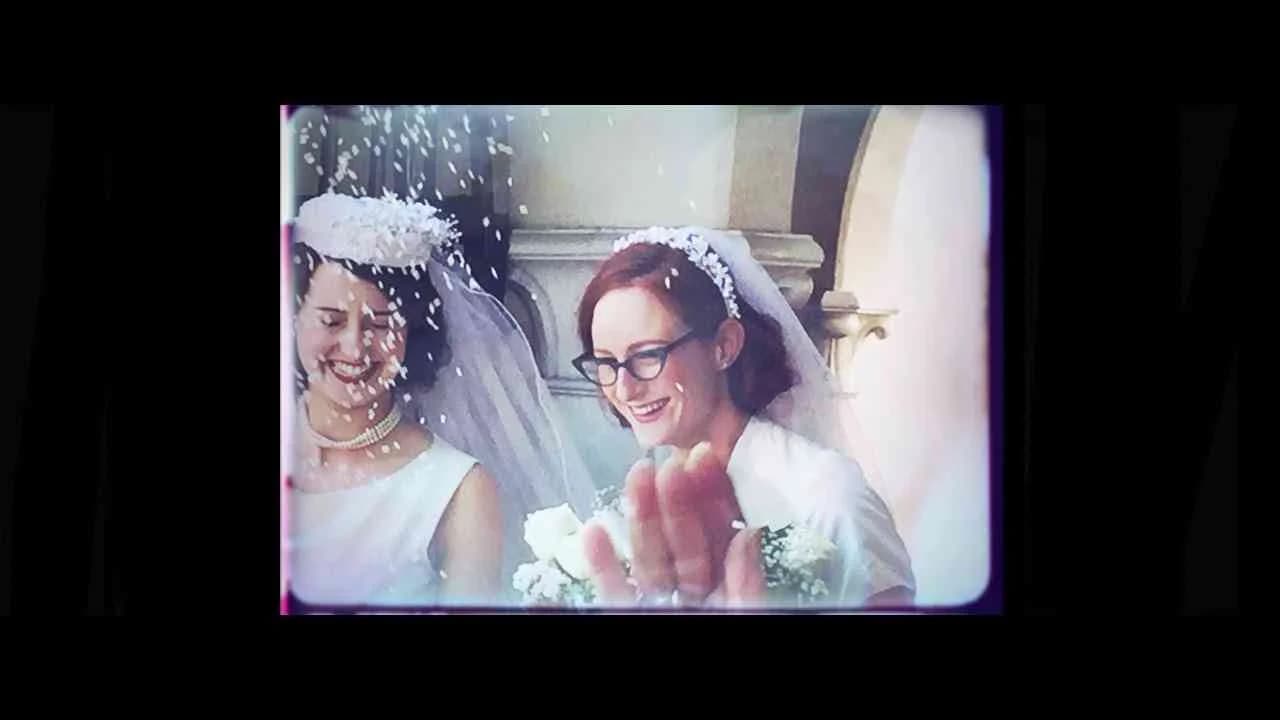
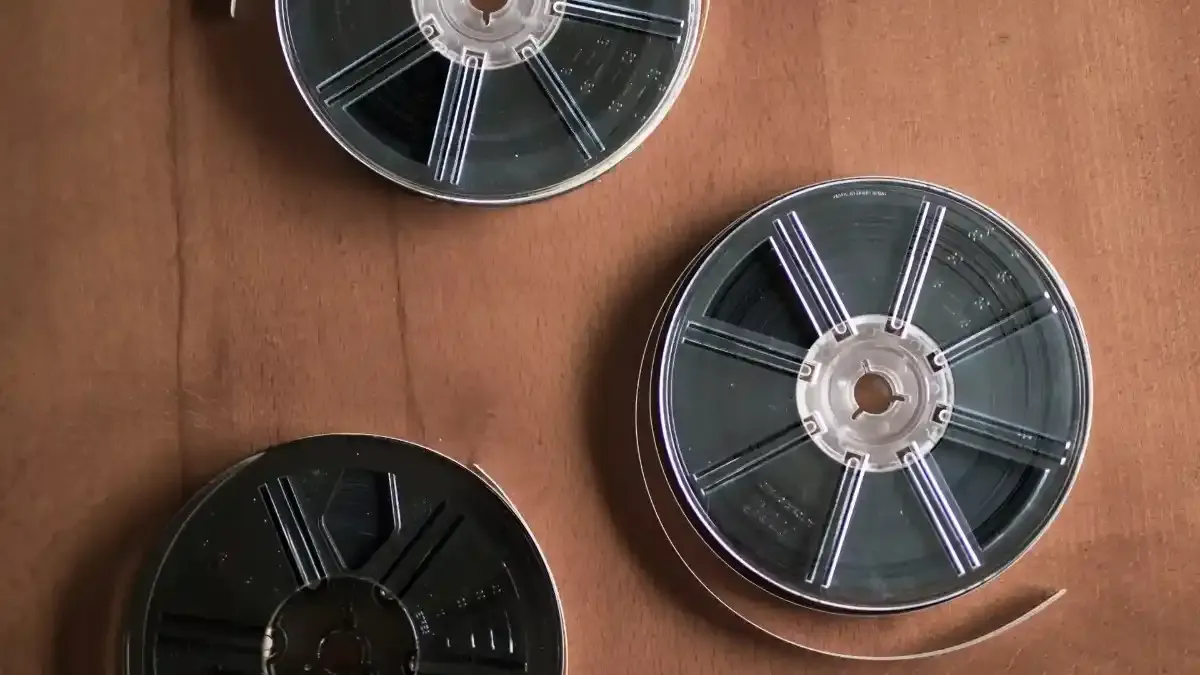
How PFLAG and FCB Turned Absent Same-Sex Wedding Footage Into a Case for Marriage Equality Nobody's Memories is a 2015 public-interest film created by FCB Toronto and FCB Chicago for PFLAG, using reconstructed 8mm-style wedding footage to depict the same-sex marriages that could not legally happen before marriage equality, closing with the message: "For all the memories that never happened. Let's make marriage legal for everyone, everywhere." Published in June 2015, the campaign arrived at a decisive moment in the United States, weeks before the Supreme Court's landmark Obergefell v. Hodges ruling made same-sex marriage a constitutional right across the country. PFLAG, the organisation historically focused on supporting families of LGBTQ people, used Nobody's Memories to shift its public voice toward explicit legal and social-justice advocacy. The campaign directed audiences to the Love Made Legal website and petition, translating emotional engagement into civic action. The principal creative asset was a 60-second film, supported by print extensions, as documented by Strategyonline Ca . The film simulated the texture of archival home video — the grain, the light leaks, the amateur framing of 8mm footage — to conjure celebrations that history had denied to same-sex couples. In doing so, it made absence visible and personal rather than abstract and political. The campaign launched across a run period spanning April to June 2015, according to strategyonline.ca, placing it squarely within the final weeks of legal debate over same-sex marriage in the United States. Clapboard scores Nobody's Memories 71 out of 100, recognising its emotional architecture and cultural timing as its primary strengths.
Channel 4 and Viktoria Modesta Redefine Disability in Prototype
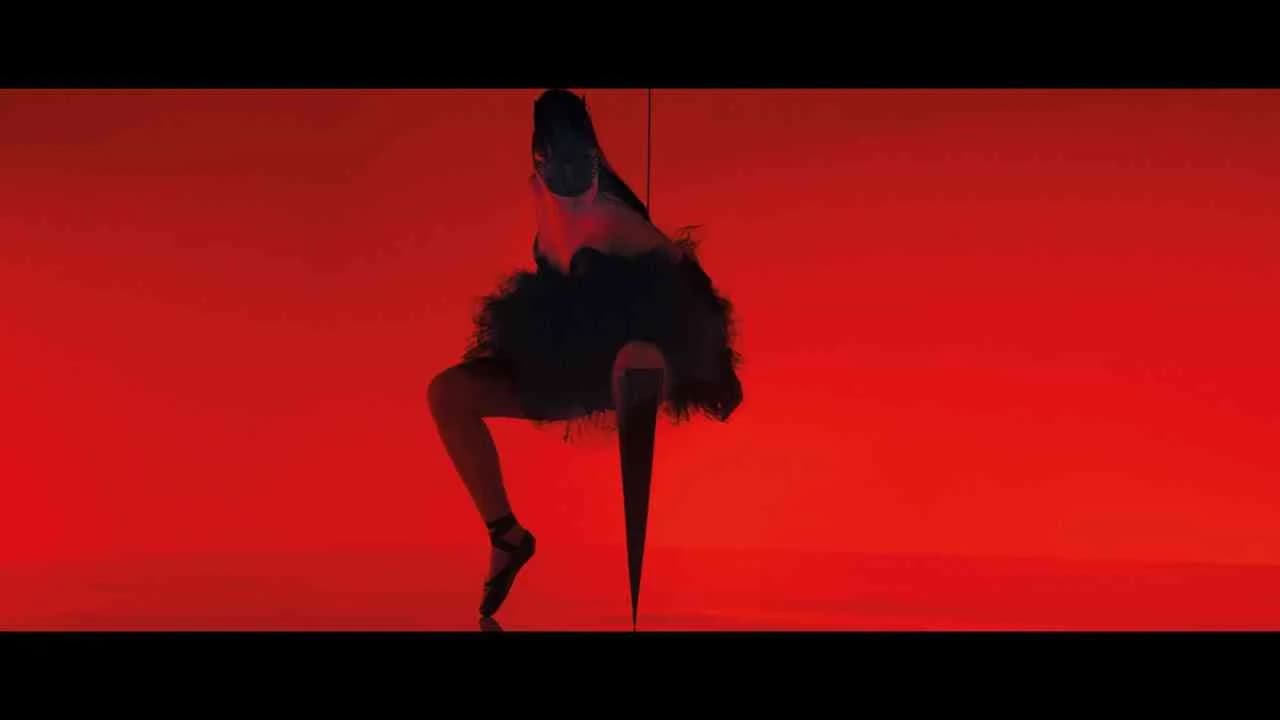
How Channel 4's Prototype Introduced an Amputee Pop Artist to the United Kingdom Channel 4's Prototype is a digital campaign created by 4creative, published in the United Kingdom in June 2015, that introduced Viktoria Modesta — described by Channel 4 as the world's first bionic pop artist — as a symbol of radical self-expression under the broadcaster's Born Risky brand platform. The campaign centres on a single, arresting media asset: a promotional film featuring Viktoria Modesta, a Latvian-born, London-based amputee pop artist whose performance and visual identity challenge conventional representations of disability in mainstream media. Rather than positioning disability as limitation, Prototype frames it as aesthetic and creative power. The film was first announced in December 2014, broadcast during advertising breaks on Channel 4, and a longer version was simultaneously published online, extending its reach into digital environments where audiences could engage with it on their own terms. In the United Kingdom, the campaign sits within a broader strategic lineage that began with Channel 4's celebrated 2012 Meet the Superhumans campaign for the London Paralympic Games — a predecessor that redefined how British broadcasters represent disabled athletes and artists. Prototype carries that lineage forward, shifting the register from sport to pop culture and amplifying the broadcaster's commitment to difference as a defining editorial and commercial value. The campaign was produced under the Born Risky platform, the creative philosophy that has guided 4creative's output and shaped Channel 4's identity as the United Kingdom's most deliberately provocative public service broadcaster.
.webp)
Creative Collaboration Platform: The Backbone of Modern Creative WorkWhat is a creative collaboration platform?Clapboard defines a creative collaboration platform as the operational core for today’s distributed creative teams. This is not a collection of digital collaboration tools stitched together; Clapboard’s system
Understanding the Creative Production MarketplaceWhat is a Creative Production Marketplace?Clapboard defines a creative production marketplace as a structured ecosystem where brands, agencies, and production talent converge to execute video, advertising, and branded content at scale. Unlike the legacy agency or freelanREAD FULL ARTICLE
The Urgent Need for a Creative Production Operating SystemWhy Traditional Creative Production Models Break DownClapboard sees the creative production landscape shifting under pressure. Content velocity is no longer a buzzword—it’s a mandate. Modern advertising demands relentless output across dozens of channels, each wREAD FULL ARTICLE