The Clapboard Ad Archive showcases iconic electronics campaigns, offering valuable references for brand strategists and creative teams in marketing.
Electronics
Leica 100 Years Centennial – Leica | Clapboard Ad Archive
Electronics
Leica 100 Years Centennial – Leica | Clapboard Ad Archive
Leica's "100" campaign, launched in Brazil in June 2015 and created by Saatchi & Saatchi, celebrates the iconic brand’s centennial milestone alongside the opening of the Leica Gallery in São Paulo. This evocative film campaign pays homage to Leica’s rich photographic heritage by meticulously recreating 35 historical Leica photographs, highlighting the brand’s enduring legacy in the electronics and technology industry. Through a powerful visual narrative, the campaign not only commemorates 100 years of innovation and craftsmanship but also connects with both photography enthusiasts and new audiences by showcasing timeless moments captured through Leica lenses. Distributed primarily via film media, the campaign reinforces Leica’s prestigious positioning as a pioneer in photography while fostering deeper emotional engagement with the brand. With over 584,000 views, 3,700 likes, and more than 100 comments, the campaign demonstrates considerable audience resonance and digital engagement, reflecting Leica's ability to inspire a global community of creatives and collectors. By blending historical reverence with contemporary storytelling, the "100" campaign reinforces Leica’s commitment to its heritage while opening new avenues for brand connection and cultural relevance in the competitive technology and electronics market.
3 second cooking - shrimp, 3 second cooking - dumplings
The campaign 3 second cooking - shrimp, 3 second cooking - dumplings, launched in Japan in June 2015, was developed for DoCoMo by Tokyu Agency. This innovative film campaign leverages quick, engaging cooking visuals to create a memorable connection between everyday convenience and cutting-edge technology, aligning with DoCoMo's position in the electronics and technology sector. By featuring mouth-watering images of shrimp and dumplings, each prepared in just three seconds, the campaign effectively symbolizes speed and efficiency—core attributes associated with DoCoMo's services. The use of film as the medium allows for dynamic storytelling, capturing viewers' attention quickly and driving home the seamless user experience promoted by the brand. The two media assets complement each other, reinforcing the campaign's narrative and enhancing brand recall through repetition and thematic consistency. Positioned in a highly competitive market, this thoughtfully executed campaign aims to strengthen brand affinity by appealing to consumers' desire for smart, time-saving solutions. Through its creative approach and clear messaging, it underscores DoCoMo's commitment to innovation while highlighting lifestyle relevance, thereby fostering a deeper emotional connection with both existing customers and potential new audiences. { "campaign_title": "3 second cooking - shrimp, 3 second cooking - dumplings", "publication_date": "June 2015", "country": "Japan", "brand": "DoCoMo", "agency": "Tokyu Agency", "medium": "Film", "industry": "Electronics, Technology", "media_assets_count": 2 }
The Collective Project
The Collective Project, launched in June 2015 in the United States, represents a strategic digital campaign crafted for Microsoft by the ad agency Possible. Positioned within the Electronics and Technology industry, this initiative leverages a single impactful media asset to engage its target audience through innovative digital channels. The campaign was designed to highlight Microsoft's commitment to collaborative innovation and technological advancement, resonating with a tech-savvy demographic seeking cutting-edge solutions. By utilizing digital media, the campaign effectively amplified brand visibility and communicated Microsoft's role in shaping a connected future. The Collective Project stands as a testament to the power of integrated storytelling within the digital landscape, merging creativity and technology to foster a collective vision of progress and empowerment. This campaign underscores Microsoft's strategic focus on driving engagement through meaningful content that bridges technology and human experience in a dynamic and evolving market environment.
Late night snack, One night strand, Hippie pinata, Card, ...
In July 2015, Neato Robotics partnered with the creative team at Doner to launch a distinctive film campaign that expertly captures the innovative spirit of the Electronics and Technology industry. This campaign, featuring five unique media assets, leverages compelling storytelling and engaging visual narratives to highlight Neato Robotics’ cutting-edge solutions in home automation. With creative titles such as Late Night Snack, One Night Strand, Hippie Pinata, and Card, the campaign explores various facets of the brand’s identity, blending relatable scenarios with the futuristic appeal of its robotic technology. The campaign’s strategic use of film as a medium allows for an immersive experience, effectively communicating Neato Robotics’ commitment to convenience, efficiency, and smart living. By combining playful and imaginative themes with practical demonstrations, the campaign resonates with tech-savvy consumers and positions Neato Robotics as a leader in the home robotics market. The collaboration with Doner showcases a sophisticated integration of brand storytelling and technology-driven innovation, elevating audience engagement and reinforcing Neato Robotics’ market presence through a visually striking and emotionally appealing marketing initiative.
3 word addresses
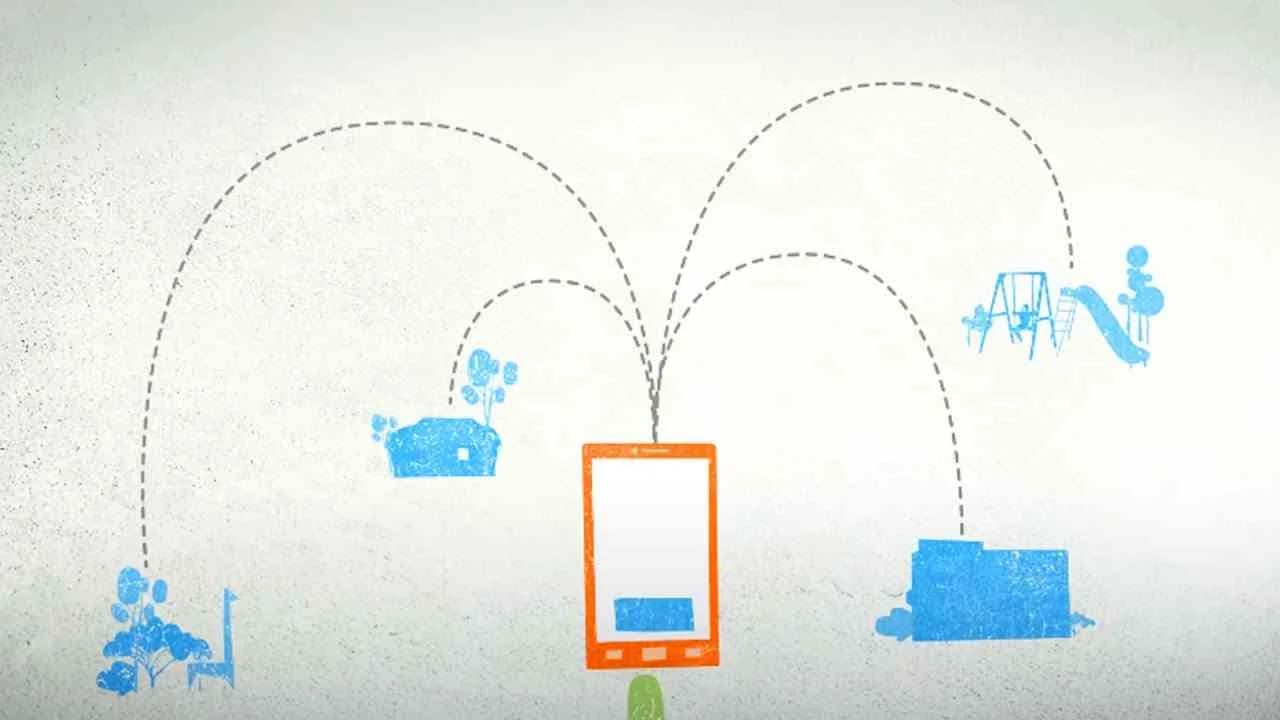
Launched in July 2015 in the United Kingdom, the digital campaign "3 word addresses" was developed for the innovative brand what3words, a pioneering player in the Electronics and Technology industry. This campaign effectively showcased what3words’ groundbreaking addressing system, designed to simplify location sharing by assigning unique three-word combinations to every 3m x 3m square on the globe. The campaign gained significant recognition by winning the prestigious Cannes Lions Innovation Grand Prix in 2015, highlighting its creativity and impact within the digital advertising landscape. With a targeted approach leveraging a single compelling media asset, the campaign resonated with tech-savvy audiences by emphasizing ease of use, precision, and global accessibility. Despite its simplicity, the message powerfully communicated the potential to revolutionize navigation and logistics, addressing real-world challenges in an increasingly connected world. Garnering over 32,000 views and sparking conversations with 60 likes and multiple comments, the campaign established strong engagement and brand awareness. Using clear, concise language crafted in English, the campaign tailored its messaging to the UK market while positioning what3words as a disruptive technology solution poised to transform everyday interactions with location information. This campaign remains a benchmark for digital innovation campaigns in the tech sector, blending creativity with functionality to convey a complex technological concept in an accessible and memorable way.
Shubham Banerjee
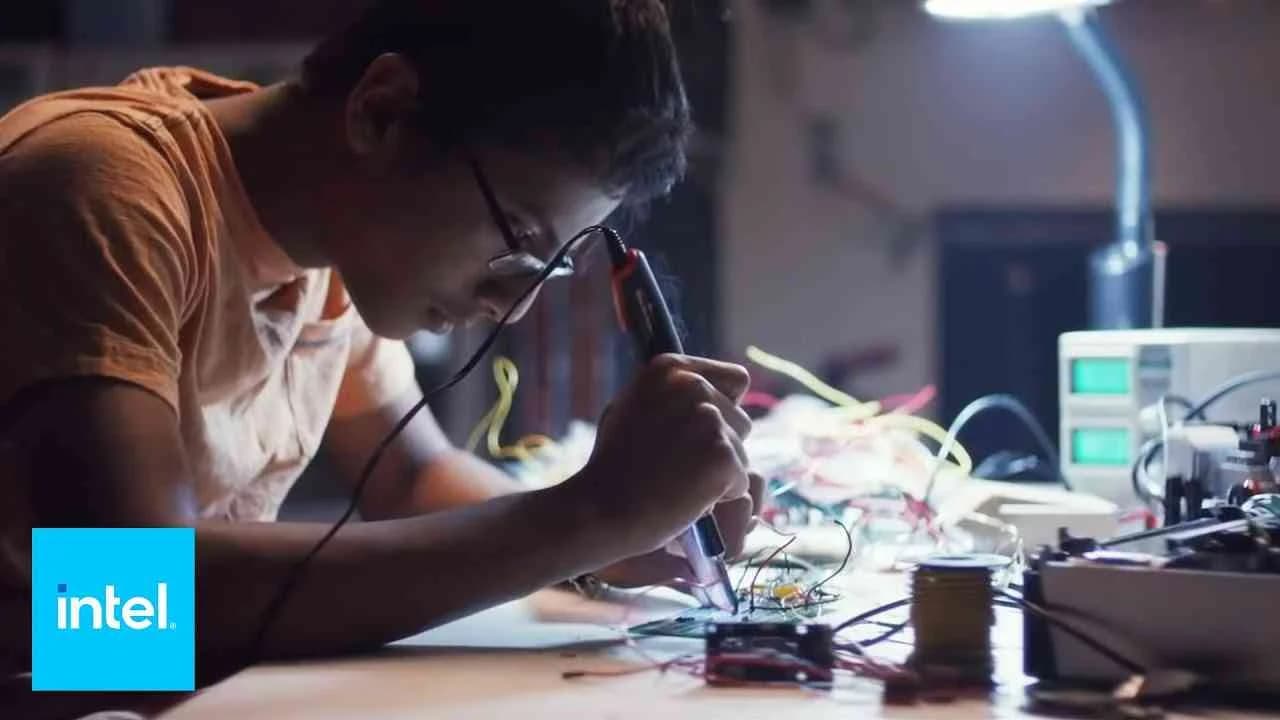
Launched in August 2015 in the United States, the digital campaign "Shubham Banerjee & Intel Edison Meet The Makers" from Intel showcases the inspiring story of Shubham Banerjee, an eighth grader and inventor who developed a low-cost braille printer leveraging Intel Edison technology. This innovation aims to provide over 200 million blind individuals with affordable access to reading, transforming lives through technology. The campaign captures Shubham’s journey balancing school and football practice while establishing his startup, Braigo Labs Inc., to bring his product to market. Traditionally, braille printers have cost upwards of $2,000, but Shubham’s version sells for just $500, making this essential tool significantly more accessible. Through compelling storytelling and strategic digital engagement, the campaign elevates Intel’s commitment to silicon innovation by highlighting how its technology empowers young creators to solve real-world challenges. Garnering considerable attention with over 1.5 million views, nearly 4,000 likes, and substantial conversations from the audience, the campaign exemplifies Intel’s mission to extend computing technology to enrich lives globally. The call to action invites viewers to explore more stories in the Meet the Makers series on Intel’s dedicated maker platform and subscribe to Intel’s YouTube channel, reinforcing ongoing engagement with a tech-savvy community. As a narrative grounded in human impact and technological advancement, this campaign successfully merges emotional resonance with brand positioning in the electronics and technology sector, strengthening Intel’s image as an enabler of creativity and inclusive innovation.
Lifestyle
Misfit's Lifestyle campaign, launched in the United States in November 2024, strategically positions the brand within the Electronics and Technology industry by highlighting the seamless integration of modern wearable technology into everyday life. This film-based campaign leverages visual storytelling to connect emotionally with tech-savvy consumers who value both functionality and style in their lifestyle choices. By focusing on relatable scenarios where Misfit products enhance daily experiences, the campaign effectively communicates the brand’s commitment to innovation, design, and user-centric technology. With a single media asset driving its message, the campaign aims to capture attention through a concise yet impactful narrative that resonates with an audience seeking to harmonize technology with their personal and active lifestyles. Language is kept accessible and engaging, appealing to a broad demographic while fostering brand awareness and loyalty. Despite modest initial engagement metrics, the campaign serves as a foundational piece in reinforcing Misfit’s identity as a leader in wearable technology, emphasizing how its products seamlessly fit into varied aspects of life, from fitness to casual use. Overall, the Lifestyle campaign reflects a thoughtful blend of marketing and communication efforts designed to elevate brand perception and inspire consumer connection in a competitive market.
Day 3 - Feel the future, Day 2 - Engage the future, Day 1 - Envision the future
The campaign "Day 3 - Feel the future, Day 2 - Engage the future, Day 1 - Envision the future" was launched by IBM in the United Kingdom in November 2014, targeting the electronics and technology sector through a digital medium. This innovative three-part series strategically guides the audience through a journey that begins with envisioning future possibilities, progresses to active engagement with emerging technologies, and culminates in a sensory experience of the future. The campaign’s structured narrative effectively positions IBM as a forward-thinking leader at the intersection of innovation and practical application, demonstrating its commitment to shaping and interacting with the evolving technological landscape. By leveraging three distinct media assets, the campaign not only captures attention but also deepens user immersion across multiple touchpoints, fostering a strong emotional and intellectual connection with the brand. Tailored for a discerning UK market, the messaging aligns IBM’s technological expertise with the aspirations of businesses and consumers eager to explore the potential of tomorrow’s digital breakthroughs today. Through a seamless blend of compelling visuals and thought-provoking content, the campaign underscores IBM’s role as an enabler of progress, encouraging the audience to feel, engage with, and ultimately envision the future in partnership with the brand. This approach not only reinforces IBM's market positioning but also stimulates curiosity and inspiration, essential for maintaining leadership in a rapidly evolving industry sector.
The Maker
Launched in December 2014 in the United States, The Maker campaign for Motorola, crafted by the acclaimed agency Droga5, stands as a compelling example of storytelling within the Electronics and Technology industry. This film medium campaign leverages a singular powerful media asset to showcase Motorola's innovative spirit and commitment to craftsmanship. By highlighting the intricate process of creation and the dedication behind the brand’s technology, The Maker bridges the personal and the technological, resonating with consumers who value authenticity and ingenuity. Through evocative visuals and a narrative that celebrates hands-on craftsmanship in a tech-driven world, the campaign positions Motorola not merely as a device manufacturer but as a brand that values and empowers the creative maker within everyone. The collaboration with Droga5 ensures a high level of creative excellence, with a focus on emotional engagement and brand storytelling, ultimately enhancing Motorola’s image as an innovator in a competitive market. This campaign reinforces the notion that technology is more than functionality; it is an art form that requires passion, precision, and vision, aligning Motorola with a culture of innovation and quality that appeals to both existing customers and potential new audiences alike.
Give Luci
Give Luci is a captivating film campaign launched in the United States in December 2014 for the innovative electronics and technology brand Luci, developed by the renowned ad agency FCB. This campaign strategically leverages powerful storytelling through a single media asset to highlight Luci's unique value proposition in a highly competitive market. By focusing on emotional engagement and technological advancement, the campaign aims to strengthen brand awareness and consumer connection, positioning Luci as a must-have product in its category. The visual narrative is crafted to resonate deeply with a diverse audience, appealing to both tech-savvy consumers and those seeking practical, reliable electronics solutions. The timing of the campaign, set in 2014, coincided with a rising consumer interest in smart and sustainable technology, allowing Luci to establish a strong foothold in this evolving industry landscape. The campaign’s multimedia film format serves not only to demonstrate product features but also to evoke an aspirational lifestyle aligned with innovation and modern living. FCB’s creative execution ensures that Give Luci communicates a compelling message of accessibility, convenience, and cutting-edge design, ultimately driving consumer action through a memorable brand experience. This campaign exemplifies how integrated marketing communications can be utilized to boost product visibility and reinforce brand identity in the electronics sector. In terms of digital presence, the associated YouTube video asset encapsulates the essence of the campaign, offering an engaging and shareable format optimized for online platforms. Please provide the JSON data for the YouTube video to enable extraction of specific requested fields.
Falcon - Samsung | Clapboard Ad Archive
Samsung’s Falcon campaign, launched in the United Kingdom in Year by Iris, leverages the universal symbolism of its namesake to position the Galaxy Tab atop the performance-driven segment of the electronics and technology market. Eschewing a conventional narrative or overt demonstration, the campaign’s film asset orbits around the metaphorical power of the falcon—synonymous with speed, precision, and superior vision—qualities that Samsung aims to transpose onto the Galaxy Tab to capture the attention of tech-forward consumers. By aligning the product’s sleek functionality with the aesthetic gravitas and prowess of the falcon, the creative strategy sidesteps expected tech tropes and shifts the conversation to one of aspiration and capability, making the case that the Galaxy Tab is not just another device, but a tool engineered for users who demand high performance and instinctive responsiveness. The visuals—sleek, dynamic, and hyper-focused—construct a sensory bridge between the technology’s capabilities and the promise of heightened experience, deploying an approach that sits squarely in Clapboard’s FORMAT#9—Symbolize the Benefit category. Iris’s handling of the visual metaphor signals an understanding of how abstracted representation can lend a brand both gravitas and intrigue, particularly in a market saturated with literal product demos or user testimonial formats. With no explicit competitor targets or didactic exposition, the creative focuses all attention on the single-minded association between the Galaxy Tab and the falcon’s legendary abilities, reinforcing Samsung’s leadership and pushing against the conventions of feature-driven advertising. This campaign earns 52/100 in Clapboard’s global creative archive. For an industry chasing tangible proof points and function-first storytelling, Falcon endures as evidence that conceptual symbolism, when expertly aligned to product truth, can still carve out attention and foster brand stature.
Backseat - WIND Mobile | Clapboard Ad Archive
Backseat anchors WIND Mobile’s 2014 marketing in a sharp articulation of everyday consumer frustration, constructed by McCann as a film-driven campaign for the increasingly contested Canadian electronics sector. The premise orients itself from the outset on a distinctly familiar pain point, zeroing in on those moments when mobile reliability lets us down — the eponymous backseat serving as both literal and figurative ground for the issue, with its setting reinforcing how easily users are pushed aside or left disconnected by bigger, less attentive carriers. Through this, the campaign seizes the creative territory of Clapboard’s FORMAT#2—Show the Problem, staging a scenario in which the audience can immediately locate their own experiences. Instead of abstraction or overt brand posturing, Backseat peels back the corporate promise to something more immediate: a dramatized but credible demonstration of how connectivity failures intrude on modern life, realized with strong visual and emotional cues native to the film medium. McCann’s decision to focus on a solitary, high-impact media asset amplifies message retention, ensuring that every second of narrative is geared toward making WIND Mobile’s proposition not merely distinct, but directly relevant for the target market. By presenting WIND Mobile as the decisive answer to the everyday challenges faced by customers relegated to the corner of the market, the campaign confidently sidesteps the grandiose in favor of proximity and resonance — the story isn’t about technological wizardry, but about a practical liberation from frustration, effortlessly woven into the lived experience of Canadian consumers in 2014. The single-asset approach also sustains campaign clarity, amplifying its presence across both broadcast and digital channels, and positioning WIND Mobile as the nimble outsider capable of listening where legacy brands have grown complacent. The result is a communications intervention that foregrounds user-centric service as the hero, rather than the technology per se, driving emotional connection and brand affinity in a segment saturated by indifferent solutions. The campaign earns 53/100 in Clapboard’s global creative archive. As Canadian telecommunications continued to polarize between entrenched players and agile disruptors, Backseat demonstrates how clear-eyed dramatization of consumer pain points can carve out a distinct and memorable platform for challenger brands.
FAQs for the Playlist: Electronics■
Top questions to this curated campaign playlist
Professionals analyze electronics campaigns to identify successful messaging, visual language, and audience targeting. These references inform concept development, tone, and media strategy, helping teams craft relevant, differentiated work that resonates with tech-savvy consumers and aligns with evolving product innovations.
Studying the evolution of electronics advertising reveals how brands navigated rapid technological change, consumer adoption, and competitive shifts. This context sharpens strategic insight into positioning, innovation narratives, and category expectations, enabling planners to anticipate market dynamics and craft future-proof campaigns.
Electronics advertising reflects cultural values, media environments, and technological adoption rates, causing distinct creative approaches across regions and eras. For example, early ads emphasized product education, while recent campaigns focus on lifestyle integration and emotional connection, illustrating shifting consumer priorities and media consumption.
Many assume electronics ads rely solely on technical features, but the most effective campaigns balance product benefits with emotional storytelling and user experience. Overemphasizing specs can alienate audiences; successful ads translate complex technology into relatable, aspirational narratives that engage diverse consumers.
Iconic campaigns provide benchmarks for innovation, craft, and cultural impact, sharpening professional judgment and inspiring original thinking. By analyzing these exemplars, creatives and strategists refine their ability to solve commercial challenges with clarity and creativity—archived in Clapboard's global ad archive.
Creative Collaboration Platform: The Backbone of Modern Creative WorkWhat is a creative collaboration platform?Clapboard defines a creative collaboration platform as the operational core for today’s distributed creative teams. This is not a collection of digital collaboration tools stitched together; Clapboard’s system

Understanding the Creative Production MarketplaceWhat is a Creative Production Marketplace?Clapboard defines a creative production marketplace as a structured ecosystem where brands, agencies, and production talent converge to execute video, advertising, and branded content at scale. Unlike the legacy agency or freelanREAD FULL ARTICLE
The Urgent Need for a Creative Production Operating SystemWhy Traditional Creative Production Models Break DownClapboard sees the creative production landscape shifting under pressure. Content velocity is no longer a buzzword—it’s a mandate. Modern advertising demands relentless output across dozens of channels, each wREAD FULL ARTICLE

.webp)