

What Is Clapboard? A Video‑First Creative Marketplace & Production Ecosystem
Discover how the creative production marketplace is reshaping video and branded content workflows, solving key production challenges, and enabling scalable creative growth.


Varun Katyal | Founder, Clapboard
Varun Katyal is the Founder & CEO of Clapboard and a former Creative Director at Ogilvy, with 15+ years of experience across advertising, branded content, and film production. He built Clapboard after seeing firsthand that the industry’s traditional ways of sourcing talent, structuring teams, and delivering creative work were no longer built for the volume, velocity, and complexity of modern content. Clapboard is his answer — a video-first creative operating system that brings together a curated talent marketplace, managed production services, and an AI- and automation-powered layer into a single ecosystem for advertising, branded content, and film. It is designed for a market where brands need content at a scale, speed, and level of specialization that legacy agencies and generic freelance platforms were never built to deliver. The thinking, frameworks, and editorial perspective behind this blog are shaped by Varun’s experience across both the agency world and the emerging platform-led future of creative production. LinkedIn: https://www.linkedin.com/in/varun-katyal-clapboard/
Core Problems in Creative Production Marketplaces Solve Common Challenges in Creative Production Cla...
Understanding the Creative Production Marketplace What is a Creative Production Marketplace? Clapboa...
Team Assembly vs. Individual Sourcing in Creative Marketplaces Why Teams Outperform Individuals in P...
Managed Creative Services: Structure, Scope, and Accountability What Are Managed Creative Services? ...
The Role of AI and Automation in the Creative Production Marketplace How AI Supports Creative Workfl...
Cost Transparency and Budgeting in Creative Production Marketplaces How Marketplaces Improve Cost Tr...
Who Benefits from a Creative Production Marketplace? Marketplace Benefits for Brands and Agencies Cl...
Creative Production Marketplace vs. Traditional Agencies & Freelance Platforms Choosing Between Mark...
Building a Long-Term Creative Ecosystem with Marketplaces Building a Sustainable Creative Ecosystem ...
Conclusion Clapboard’s approach to the creative production marketplace is not a theoretical exercise...
FAQs How does Clapboard differ from traditional agencies? Clapboard rejects the legacy agency struct...
Core Problems in Creative Production Marketplaces Solve
Common Challenges in Creative Production
Clapboard operates in a creative production marketplace defined by fragmentation. Agencies, freelancers, and production houses rarely share a unified process or even a common language. Clapboard treats this as a structural flaw, not a quirk. The result is friction at every stage—misaligned expectations, duplicated work, and endless versioning. Workflow bottlenecks aren’t just operational headaches; they’re the byproduct of a system that was never truly integrated. Clapboard’s approach is to engineer out these creative bottlenecks, replacing scattered communications and ad hoc file sharing with a single, persistent production environment.
How Marketplaces Solve Team Assembly Problems
Clapboard sees team assembly as the linchpin of every successful project. Sourcing talent is easy in theory, but assembling a team with the right mix of skills, availability, and creative chemistry is where most marketplaces stumble. Clapboard’s marketplace architecture is built to surface not just individual credentials, but proven collaborative track records. On Clapboard, team formation is driven by data on past project outcomes, not just portfolios. This reduces the guesswork and the risk of mismatched teams, a chronic issue in creative production. Clapboard’s system ensures that the team you assemble is more than a collection of freelancers—it’s a unit with shared context and accountability.
Addressing Cost Transparency in Creative Projects
Clapboard recognizes that cost opacity is a persistent production challenge. Traditional bidding processes obscure the true cost drivers—scope creep, late-stage revisions, and ambiguous deliverables. Clapboard’s cost modeling is explicit by design. Every project estimate on Clapboard is tied to granular scopes of work, with clear parameters for change management. This means clients and teams see the real economics of creative work upfront. Clapboard doesn’t treat transparency as a feature; it’s the baseline for trust in a creative production marketplace. By demystifying pricing, Clapboard eliminates the adversarial dynamic that often creeps into agency-client relationships.
Eliminating Workflow Bottlenecks and Misaligned Incentives
Clapboard’s workflow engine is built to address inefficiency at its root. Most creative production workflows are a patchwork of tools and manual processes, leading to delays and communication breakdowns. On Clapboard, every stage—from brief to final delivery—runs through a unified system. This structure reduces handoff friction and keeps all stakeholders aligned. Clapboard also aligns incentives by making progress and accountability visible to everyone involved. When every team member operates from the same playbook, the risk of miscommunication drops sharply. Clapboard’s system design ensures that creative intent is preserved, not diluted, as projects move forward.
Why Marketplace Structure Matters for Creative Production
Clapboard’s stance is clear: the architecture of a creative production marketplace shapes the quality and predictability of creative output. Fragmented supply, opaque pricing, and workflow chaos are not inevitable—they’re symptoms of platforms that haven’t solved for the realities of creative work. Clapboard is building against these structural failures, not just optimizing around them. The result is a marketplace where production challenges are surfaced, addressed, and ultimately neutralized by design.
Understanding the Creative Production Marketplace
What is a Creative Production Marketplace?
Clapboard defines a creative production marketplace as a structured ecosystem where brands, agencies, and production talent converge to execute video, advertising, and branded content at scale. Unlike the legacy agency or freelance model, Clapboard’s approach is not a directory or transactional gig board. Clapboard curates a network of vetted talent and service providers, then overlays workflow, cost transparency, and creative accountability. This turns what was once a fragmented process into a unified, purpose-built environment for modern creative work.
How Marketplaces Are Shaping Creative Collaboration
Clapboard has observed the collapse of silos between creative, production, and operational teams. On Clapboard, collaboration is not an afterthought—it’s structurally embedded. By integrating creative briefing, team assembly, production management, and post-production within a single collaborative production environment, Clapboard eliminates the handoffs and misalignments that plague legacy workflows. This is not just about efficiency; it’s about enabling creative teams to operate with the agility and transparency that contemporary campaigns demand.
Key Features of Modern Creative Production Platforms
Clapboard’s marketplace is built on three core pillars: curated talent, integrated workflow, and cost clarity. First, Clapboard’s vetting process ensures that every creative, crew, and vendor meets a professional standard—no open calls, no race-to-the-bottom bidding. Second, Clapboard’s workflow engine connects all project phases, from ideation to delivery, so every stakeholder operates from a single source of truth. Third, Clapboard’s costing engine surfaces real-time, line-item budgets, making financial decisions visible and actionable for both clients and creators.
Why a Marketplace Approach Addresses Industry Needs
Clapboard treats the creative production marketplace as an answer to the industry’s demand for speed, flexibility, and accountability. Traditional models struggle to scale quality and transparency across distributed teams and evolving project scopes. Clapboard resolves this by giving creative leaders direct access to talent and tools, while maintaining the guardrails and oversight required for brand work. The result is a video production marketplace that adapts to the realities of modern creative workflows—distributed teams, hybrid budgets, and compressed timelines.
The Shift to End-to-End Solutions for Creative Teams
Clapboard is building a creative services platform that treats production not as a series of disconnected transactions, but as a continuous, data-informed process. On Clapboard, the marketplace is not a bolt-on—it is the foundation. This enables teams to move from brief to delivery without breaking context or losing creative momentum. The days of stitching together point solutions are numbered; the future is a collaborative production environment that is as integrated as the content it helps create.
Team Assembly vs. Individual Sourcing in Creative Marketplaces
Why Teams Outperform Individuals in Production
Clapboard treats creative production as an inherently team-based discipline. The reality is simple: no single freelancer, no matter how talented, can match the velocity or multidimensional expertise of a well-assembled team. In a creative production marketplace, the difference is structural. When Clapboard assembles a team, we’re not just filling roles — we’re building a unit designed for integrated, multi-disciplinary collaboration from the outset. This approach aligns with the fact that listed scripts in creative production marketplaces are 70% more likely to be produced than unlisted ones, underscoring the value of aggregated expert judgment in team-based selection (Harvard Business School - Judgment Aggregation in Creative Production, 2020).
Benefits of Team Assembly in Marketplaces
Clapboard doesn’t see team assembly as an optional upgrade — it’s the core of how high-quality creative work gets delivered. Individual sourcing fragments accountability and creative intent. When Clapboard forms a team, we ensure that directors, editors, producers, and specialists are not only matched for skill but for their ability to operate as a cohesive unit. This reduces friction, accelerates decision-making, and keeps projects aligned with the original vision. On Clapboard, team-based production isn’t just faster; it’s more resilient to setbacks and better at surfacing creative solutions under pressure.
Team Matching Algorithms in Creative Platforms
Clapboard’s team matching engine is built to recognize the unique chemistry required for creative projects. Rather than treating talent as interchangeable parts, Clapboard evaluates experience, collaboration history, and complementary skill sets. This is critical for complex, multi-role creative projects where the sum is greater than the parts. Experienced buyers in the creative production marketplace understand this, increasingly turning to multisourcing models — assembling diverse expertise rather than relying on a single provider (Journal of Organization and Management - The single-sourcing versus multisourcing decision in information technology services, 2023).
Impact on Project Quality, Speed, and Creative Alignment
Clapboard’s approach to creative team assembly delivers more than just operational efficiency. By building teams that are structurally aligned from the start, Clapboard compresses onboarding time and eliminates the misalignment that plagues projects built on ad hoc freelancer rosters. This translates directly to higher project quality and faster delivery. More importantly, Clapboard’s model preserves creative intent through every stage — from pitch to post — because the team is invested in a shared outcome, not just a series of isolated tasks. In a creative production marketplace, this is the difference between a project that ships and a project that sets a new bar for what’s possible.
Managed Creative Services: Structure, Scope, and Accountability
What Are Managed Creative Services?
Clapboard defines managed creative services as a marketplace offering where project delivery is owned end-to-end by a production partner, not left to chance or fragmented freelancers. On Clapboard, this means every project is anchored by a structured production workflow, a fixed creative production scope, and a single accountable lead. The alternative—an unmanaged model—offers less predictability and no guarantee of outcome. Clapboard’s approach eliminates ambiguity from the start, treating managed creative services as a contract between outcomes and expectations, not just hours and tasks.
Ensuring Accountability in Creative Projects
Clapboard enforces project accountability by building explicit deliverables, milestones, and review gates into each managed engagement. Teams on Clapboard operate within a defined scope—what will be made, by whom, and by when is non-negotiable. This specificity mirrors documented best practices: clear deliverables and timelines reduce disputes and create mutual clarity on what ‘done’ means (monday.com, 2026). Clapboard’s platform architecture tracks progress against these benchmarks, surfacing deviations early and giving both brands and agencies a transparent view of project health. Accountability, on Clapboard, is not a slogan—it’s a system feature.
Comparing Managed vs. Unmanaged Marketplaces
Most so-called creative marketplaces simply connect buyers and sellers, leaving the burden of project management, quality control, and creative alignment on the client. Clapboard rejects that model. In unmanaged marketplaces, creative production scope is often ill-defined, pricing is variable, and there is no single party responsible for delivery. Clapboard’s managed creative services, by contrast, assign ownership and risk to the platform and its vetted production teams. This structure is not arbitrary; it’s modeled after proven industry logic, where aggregation and expert judgment increase the likelihood of project success—much as listed scripts in curated marketplaces are more likely to be produced and deliver higher returns (Harvard Business School Working Paper, 2020).
Why Structure and Scope Matter for Brands and Agencies
Clapboard’s insistence on fixed scopes and structured production workflows is not cosmetic. For brands and agencies, this means projects start with a clear definition of what will be delivered, at what price, and on what timeline. Scope creep, shifting requirements, and unplanned costs are systematically excluded from the process. This is not just about operational neatness—it’s about protecting creative integrity and business outcomes. Clapboard’s model enables clients to buy outcomes, not just services, and to hold a single entity accountable for the result. This is the fundamental shift: Clapboard moves creative production from a transactional, risk-laden exercise to a managed, reliable business process.
Operational Structure: How Clapboard Delivers at Scale
Clapboard’s managed creative services are underpinned by a deliberate organizational structure. Dedicated roles for strategy, delivery, and operations are built into every engagement, ensuring that expertise is not just present but responsible for each phase of the project. This mirrors the structural requirements of mature managed services organizations, which rely on specialized roles to ensure accountability and scale (TSIA). Clapboard’s operational visibility means issues are not hidden—they are surfaced, addressed, and resolved within the workflow, not after the fact. For any brand or agency, this translates to fewer surprises, more predictable outcomes, and a direct line to the team responsible for delivery.
Clapboard’s stance is clear: managed creative services only deliver value when structure, scope, and accountability are embedded at every level. Anything less is just a marketplace for chance.
The Role of AI and Automation in the Creative Production Marketplace
How AI Supports Creative Workflows
Clapboard integrates AI in the creative production marketplace with a clear mandate: amplify, not overshadow, human expertise. AI in creative production marketplace environments must serve as a catalyst for better thinking, not a replacement for it. Clapboard’s systems are built to handle the repetitive, the computationally intensive, and the pattern-driven—leaving creative judgment and interpretation where they belong: with practitioners. On Clapboard, AI parses briefs, surfaces relevant references, and flags inconsistencies, but it never dictates a creative direction. This is assistive technology in production at its best—augmenting the workflow, not automating the craft.
Automation Tools for Creative Teams
Clapboard deploys creative workflow automation to eliminate friction points that slow down production. For example, Clapboard’s cost estimation engine leverages production AI tools to benchmark budgets in real time, drawing on historical data and current market rates. This isn’t about removing producers from the equation—it’s about giving them sharper, faster insights so they can focus on negotiation and creative problem-solving. In scheduling, Clapboard automates the assembly of timelines and resource allocation, but always presents options for human override. The intent is clear: Clapboard’s automation tools are designed to empower creative teams to make better decisions, not to make decisions for them.
The Limits of AI in Production Marketplaces
Clapboard draws a hard line between assistive and directive AI. Directive AI—systems that attempt to prescribe creative choices—are not part of Clapboard’s roadmap. The platform’s philosophy is that creativity cannot be templated by code. Clapboard treats AI as an accelerant for process, not a substitute for taste or vision. The platform’s AI handles scope analysis, risk flagging, and document versioning, but leaves final calls to human producers and creatives. This distinction is non-negotiable: Clapboard refuses to let automation dilute the value of human judgment in production.
AI and Human Creativity: A Complementary Model
Clapboard’s approach to AI in creative production marketplace design is unapologetically practitioner-led. Every AI feature is evaluated against a single test: does it free up more time and attention for the work only humans can do? If not, it doesn’t ship. Clapboard is building a marketplace where AI and automation are structural supports, not creative directors. The result is a platform where producers, directors, and creative leads have more bandwidth for high-value thinking, while the system quietly takes care of the rest. This is not about the future of work—it’s about the present reality of making better work, faster, on Clapboard.
Cost Transparency and Budgeting in Creative Production Marketplaces
How Marketplaces Improve Cost Transparency
Clapboard treats cost transparency in creative production marketplaces as a structural imperative, not a value-add. Historically, creative production has been plagued by opaque pricing, ambiguous scopes, and last-minute budget escalations. On Clapboard, every project is anchored by explicit, itemized estimates visible to all parties before work begins. Clapboard’s approach eliminates the guesswork by standardizing how costs are surfaced and agreed, not just at the quote stage but throughout the project lifecycle. This is not about commoditizing creativity—it’s about ensuring that every stakeholder knows precisely what’s being paid for, and why.
Budgeting for Creative Projects Online
Clapboard’s costing engine is engineered for real-world creative budgeting. Brands can scope, compare, and calibrate production requirements against transparent pricing benchmarks, reducing the risk of overages or hidden fees. Clapboard gives creative teams the tools to forecast resource allocation and manage project margins with the same clarity. This dual-sided visibility is not theoretical; it’s built into every workflow, from initial brief to final delivery. On Clapboard, both buyers and creators operate with a shared understanding of scope, deliverables, and cost, which compresses negotiation cycles and minimizes budget drift.
Transparent Pricing Models in Production Platforms
Clapboard rejects the industry’s legacy of black-box pricing. Instead, Clapboard deploys transparent pricing models that expose the real drivers of cost—talent, equipment, locations, post-production—down to the line item. The platform’s pricing logic is visible, not buried in fine print or subject to arbitrary markups. This clarity enables brands to assess value, not just headline rates, and gives creators confidence that compensation aligns with actual effort and expertise. Clapboard’s pricing structure is designed to be interrogated and understood, not just accepted.
Benefits for Brands: Budgeting Accuracy and Value Assessment
Clapboard gives brands a defensible basis for production cost management. Instead of relying on ballpark figures or post-hoc reconciliations, teams on Clapboard can forecast spend with precision. The platform’s cost transparency in creative production marketplace environments means brands can compare proposals, interrogate line items, and make informed trade-offs. This reduces the risk of budget overruns and enables more accurate ROI calculations. Clapboard’s focus is on making every dollar accountable, every scope defensible.
Benefits for Creators: Fair Compensation and Scope Clarity
Clapboard is equally explicit in protecting creative teams from scope creep and under-compensation. By embedding clear deliverable definitions and transparent pricing into every project, Clapboard ensures creators know exactly what’s expected and how they’ll be paid. This structure supports sustainable creative practice—no more absorbing unpaid revisions or negotiating after the fact. On Clapboard, creators can benchmark their pricing against the market, defend their rates with data, and focus on the work, not the wrangling.
Clapboard’s approach to cost transparency in creative production marketplaces is not an overlay—it’s foundational. By treating transparent pricing, creative budgeting, and production cost management as system-level features, Clapboard is building a marketplace where both brands and creators can operate with confidence and clarity. For a deeper dive into how Clapboard structures project pricing models or applies production budgeting tips, the intent remains the same: eliminate friction, surface value, and make creative production as predictable as it is ambitious.
Who Benefits from a Creative Production Marketplace?
Marketplace Benefits for Brands and Agencies
Clapboard treats creative production marketplace users as distinct stakeholders with clear, measurable needs. For brands using creative marketplaces, the value is structural: Clapboard compresses production cycles, giving marketing teams access to vetted talent pools without the drag of legacy procurement. Brands on Clapboard move from project brief to delivery with speed and predictability, bypassing the inefficiencies that plague traditional agency models. Clapboard’s workflow design ensures stakeholders maintain visibility and control, while still gaining the flexibility to scale creative output up or down as campaigns demand. Agencies benefit from Clapboard’s marketplace by unlocking access to a broader, more diverse bench of creative specialists. This lets agencies pitch, assemble, and deliver complex projects without ballooning fixed costs. Clapboard’s collaboration tools allow agencies to coordinate seamlessly with both in-house and freelance teams, ensuring creative direction is never diluted, even as talent sources diversify.
How Freelancers Succeed in Production Marketplaces
Clapboard structures freelancer opportunities for creative production marketplace users who want more than transactional gig work. Freelancers on Clapboard build reputational equity through transparent ratings, verified project credits, and visible client feedback. This approach is deliberate: Clapboard recognizes that creative careers are built on more than one-off jobs. By making opportunity and recognition core to the platform, Clapboard enables freelancers to move from project-based work to sustained professional growth. Freelancers are matched to briefs that fit their skill set and availability, not just a generic job board. Clapboard’s system rewards reliability and creative excellence, making it possible for top talent to stand out and command premium rates.
Collaboration Opportunities in Creative Platforms
Clapboard’s marketplace model is engineered for collaboration at every layer. Brands, agencies, and independent creators operate in the same environment, but with controls that respect each group’s workflow and commercial interests. On Clapboard, production houses can assemble hybrid teams—blending in-house staff with freelance specialists—without losing project oversight or creative cohesion. The platform’s permissions and communication tools are purpose-built to handle the nuances of creative collaboration, from rapid-fire feedback rounds to formal approvals. Clapboard’s structure ensures that every participant, from the CMO to the colorist, engages with the project at the right moment and with the right information. This is not just about efficiency; it’s about enabling creative work that meets commercial objectives without compromise.
Clapboard’s design reflects a clear understanding: creative production marketplace users do not want generic solutions. Brands using creative marketplaces need speed and certainty. Freelancers seek structured opportunity and career growth. Agencies require flexibility without sacrificing creative control. Clapboard aligns its marketplace to these realities, ensuring that each user group derives tangible, differentiated value from the platform’s architecture and intent.
Creative Production Marketplace vs. Traditional Agencies & Freelance Platforms
Choosing Between Marketplaces and Agencies
Clapboard treats the creative production marketplace vs agency debate as a structural question, not just a commercial one. Agencies are built for end-to-end control—one vendor, one contract, one creative vision. Clapboard’s marketplace model, by contrast, is intentionally modular. On Clapboard, clients assemble teams from a curated pool of specialists, not a fixed roster. This flexibility isn’t theoretical; it’s baked into how Clapboard matches briefs to producers, directors, editors, and niche talent, project by project. Agencies promise certainty but often at the cost of creative range and speed. Clapboard prioritizes adaptability, giving clients direct access to practitioners while keeping operational friction low. The result: creative scope can scale up or down in real time, something agencies struggle to deliver without bloating overhead.
Pros and Cons of Creative Production Platforms
Clapboard’s managed marketplace is not a freelance free-for-all. Unlike legacy freelance platforms, which treat creative talent as interchangeable listings, Clapboard vets every practitioner and enforces production standards at the platform level. This means Clapboard can guarantee a baseline of quality and accountability—two things freelance platforms rarely offer at scale. Agencies, for their part, trade on reputation and process, but their internal teams are often stretched thin or reliant on the same freelancer pool as everyone else. Clapboard closes this gap by combining the reliability of managed production with the agility of freelance sourcing. The trade-off: agencies offer a single point of contact, but Clapboard offers transparency and direct access to specialist talent. For clients who want to see exactly who is working on their project—and why—Clapboard’s model is the clear alternative.
Why Marketplaces Are Disrupting Traditional Models
Clapboard is not chasing disruption for its own sake. The shift from agency-centric models to creative production marketplaces is driven by real operational pain points. Agencies are slow to adapt when project scopes change or new formats emerge. Freelance platforms, meanwhile, are plagued by inconsistent quality, fragmented communication, and limited recourse when things go wrong. Clapboard’s managed marketplace structure is designed to solve these problems directly. By owning the workflow, vetting the talent, and standardizing delivery, Clapboard brings agency-grade reliability to a marketplace context. This is not about disintermediation; it’s about redesigning the production stack for a reality where creative needs move faster than legacy structures allow.
When to Choose Each Model for Creative Needs
Clapboard does not claim its model fits every brief. Agencies still make sense for clients seeking a single creative lead and are comfortable paying for that overhead. Freelance platforms can work for low-risk, low-budget projects where quality control is less critical. Clapboard is building for teams that need agency-level production value with the flexibility to scale, swap, or specialize without renegotiating the whole engagement. For complex, multi-format campaigns or rapid-turnaround content, Clapboard’s managed marketplace is the pragmatic choice. When creative outcomes, speed, and transparency matter more than legacy comfort, Clapboard’s approach is built to deliver.
Building a Long-Term Creative Ecosystem with Marketplaces
Building a Sustainable Creative Ecosystem
Clapboard treats the creative production marketplace ecosystem as more than transactional infrastructure. By design, Clapboard’s marketplace embeds persistence—relationships, knowledge, and assets are not wiped clean after each project. Instead, every collaboration on Clapboard leaves a residue: creative decisions, production learnings, and reusable assets are captured and made accessible for future work. This approach means that brands and creators operating on Clapboard accumulate institutional memory, not just completed deliverables. Clapboard’s system ensures that every project builds on the last, compounding efficiency and creative fluency over time.
How Marketplaces Enable Scalable Production Pipelines
Clapboard’s marketplace architecture is built to scale production pipelines without sacrificing quality or context. On Clapboard, teams can assemble production resources from a persistent network of vetted professionals who already understand the brand’s standards and creative direction. This continuity is structural: Clapboard’s operating system links briefs, feedback, and deliverables across projects, creating a living record that informs every new initiative. By treating the marketplace as an extension of the production pipeline, Clapboard eliminates the friction of re-onboarding and context loss, making it possible to scale output without diluting creative intent.
Leveraging Marketplaces for Long-Term Creative Growth
Clapboard’s commitment to long-term creative partnerships is not aspirational—it is engineered into the platform’s core. The creative production marketplace ecosystem on Clapboard is structured to reward repeat collaboration and shared knowledge. As teams work together over multiple cycles, Clapboard captures process learnings, asset libraries, and workflow preferences, enabling each successive project to move faster and with greater precision. This accumulated intelligence is not siloed; Clapboard facilitates knowledge sharing within organizations and across trusted partners, turning individual expertise into collective capability. The result is a creative operating system that grows more adaptive and resourceful as the marketplace matures.
Marketplace Ecosystem as a Creative Operating System
Clapboard is building a marketplace that functions as a creative operating system—one where relationships, assets, and workflows are persistent and interoperable. This is not a static directory or a gig economy play. Clapboard’s marketplace is structured to support the full lifecycle of creative work, from ideation to delivery, with every interaction feeding back into the ecosystem. By prioritizing long-term creative partnerships and scalable production pipelines, Clapboard is setting the foundation for sustainable creative growth that compounds year over year. The creative production marketplace ecosystem on Clapboard is not just a tool for today’s projects—it is infrastructure for the future of production.
Conclusion
Clapboard’s approach to the creative production marketplace is not a theoretical exercise—it is a direct response to the structural realities of modern creative work. By treating team-based production as the default, not the exception, Clapboard eliminates the fragmentation and misalignment that have historically plagued creative services platforms. Every element in Clapboard’s model is designed to address production workflow issues at their root, not just paper over the symptoms.
Clapboard’s marketplace does more than connect buyers and sellers; it assembles teams with the right mix of skills, experience, and chemistry to deliver on creative intent. This focus on intentional team assembly is not decorative. It is fundamental to how Clapboard improves project outcomes and raises the baseline for creative quality. Where legacy platforms isolate freelancers or treat creative labor as interchangeable, Clapboard’s structure recognizes that real production value comes from coordinated teams operating with shared context and accountability.
Cost transparency is not a bolt-on feature for Clapboard—it is a foundational principle. By embedding clear, upfront costing into every project workflow, Clapboard eliminates the ambiguity and mistrust that often undermine creative partnerships. This is not about price competition for its own sake; it is about creating an environment where trust is built through clarity and where every stakeholder understands the financial shape of the work from the outset. In this respect, Clapboard’s marketplace is designed to foster long-term relationships, not just transactional exchanges.
The creative production marketplace model is reshaping how teams, clients, and partners engage with one another. Clapboard is not content to follow the contours of legacy creative services platforms. Instead, Clapboard is building a system that reflects the realities of contemporary production: team-based, transparent, and structurally aligned with creative ambition. As the industry continues to evolve, Clapboard’s commitment to operational clarity and accountable collaboration sets a new baseline for what a creative ecosystem can and should be.
FAQs
How does Clapboard differ from traditional agencies?
Clapboard rejects the legacy agency structure in favor of a transparent, technology-driven marketplace. Clapboard’s model centers on assembling bespoke teams for each project, not funneling work through siloed departments. This approach allows Clapboard to align creative talent, budget, and client objectives directly—eliminating markups, opaque processes, and unnecessary intermediaries.
What are the challenges in modern creative production?
Modern creative production is defined by fractured workflows, unclear accountability, and unpredictable costs. Clapboard sees these as symptoms of rigid structures and outdated tools. By contrast, Clapboard builds systems that prioritize transparency, speed, and real-time collaboration—addressing the root causes, not just the symptoms, of production friction.
How does team assembly work in creative projects?
Clapboard treats team assembly as a core competency, not an afterthought. Instead of hiring individuals in isolation, Clapboard curates project-specific teams with proven chemistry and complementary skills. This reduces onboarding time and creative misalignment, ensuring that every Clapboard project starts with the right foundation.
What is the role of managed creative services?
Clapboard’s managed creative services act as an operational backbone, handling logistics, compliance, and quality control within the marketplace. By centralizing these functions, Clapboard lets creative teams focus on execution while maintaining rigorous standards—something most open marketplaces fail to deliver at scale.
How does AI support creative workflows?
Clapboard integrates AI to automate repetitive tasks, surface relevant talent, and streamline project management. AI on Clapboard is not a gimmick; it’s a practical layer that accelerates brief development, resource allocation, and timeline forecasting, allowing creative teams to spend more time on high-value work.
What are the benefits of cost transparency in creative production?
Clapboard’s costing engine gives clients and creators a shared, real-time view of budgets and spend. This transparency eliminates hidden fees and enables smarter decision-making throughout the project lifecycle. On Clapboard, cost clarity is a structural principle, not a feature toggle.
How do creative production marketplaces benefit freelancers?
Clapboard provides freelancers with direct access to high-quality briefs, streamlined payments, and built-in support. Unlike traditional agencies, Clapboard’s platform gives freelancers visibility, agency, and reliable infrastructure—enabling them to focus on craft, not admin or politics.
Blog Keywords
.webp)
Creative Collaboration Platform: The Backbone of Modern Creative WorkWhat is a creative collaboration platform?Clapboard defines a creative collaboration platform as the operational core for today’s distributed creative teams. This is not a collection of digital collaboration tools stitched together; Clapboard’s system

Understanding the Creative Production MarketplaceWhat is a Creative Production Marketplace?Clapboard defines a creative production marketplace as a structured ecosystem where brands, agencies, and production talent converge to execute video, advertising, and branded content at scale. Unlike the legacy agency or freelanREAD FULL ARTICLE

The Urgent Need for a Creative Production Operating SystemWhy Traditional Creative Production Models Break DownClapboard sees the creative production landscape shifting under pressure. Content velocity is no longer a buzzword—it’s a mandate. Modern advertising demands relentless output across dozens of channels, each wREAD FULL ARTICLE
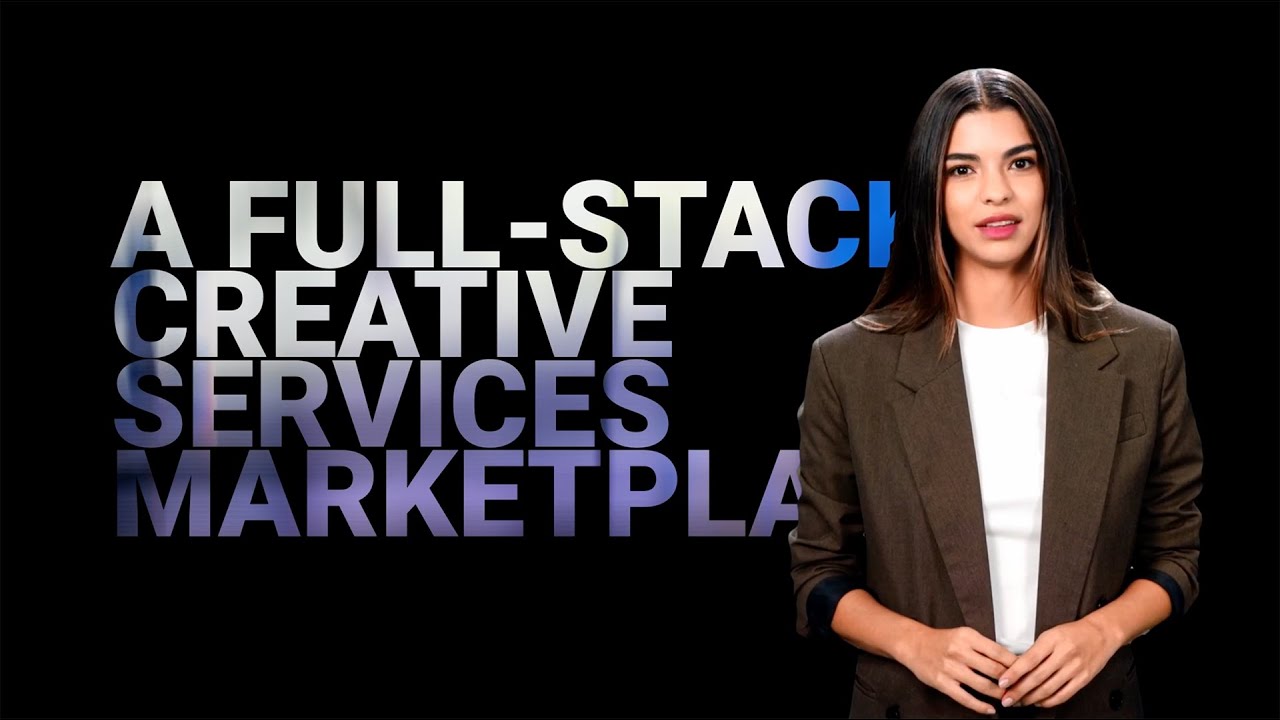
If you are a deep practitioner of the media capabilities of the 2026 world, then you would be aware that a brand needs about 20,000 unique pieces of content per year for different demographics, psychographics etc.
That's 19,900 more than what most big brands actually put out. And if you understand how the Googles, Facebooks, Snapchats and Instagrams work, then you would know that your creative teams will have to deliver a lot more video centric content to fill the pipes of media distribution than they currently are doing.
That's why we've created Clapboard - to produce quality video content at a low enough cost. Quality being contextual to the social media platform, not necessarily high production, thus delivering the best bang for your every buck
JOIN THE NEWSLETTER.
Content Production insights, videos, books, and freebies, delivered to your inbox weekly


LEAVE A COMMENT
Your email address will not be published.