


Varun Katyal | Founder, Clapboard
Varun Katyal is the Founder & CEO of Clapboard and a former Creative Director at Ogilvy, with 15+ years of experience across advertising, branded content, and film production. He built Clapboard after seeing firsthand that the industry’s traditional ways of sourcing talent, structuring teams, and delivering creative work were no longer built for the volume, velocity, and complexity of modern content. Clapboard is his answer — a video-first creative operating system that brings together a curated talent marketplace, managed production services, and an AI- and automation-powered layer into a single ecosystem for advertising, branded content, and film. It is designed for a market where brands need content at a scale, speed, and level of specialization that legacy agencies and generic freelance platforms were never built to deliver. The thinking, frameworks, and editorial perspective behind this blog are shaped by Varun’s experience across both the agency world and the emerging platform-led future of creative production. LinkedIn: https://www.linkedin.com/in/varun-katyal-clapboard/
Pre-Production Planning: Turning Ideas Into Actionable Blueprints
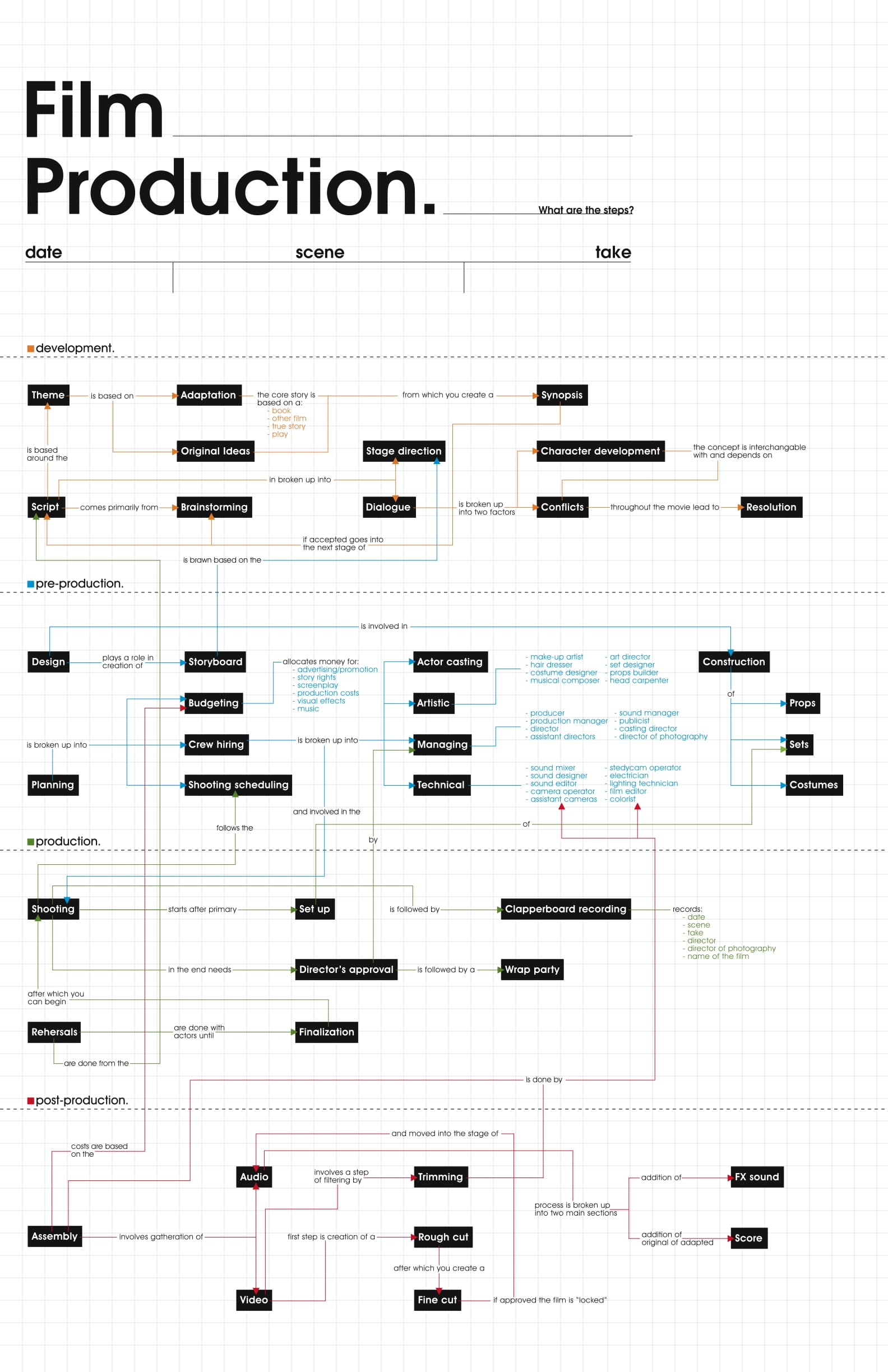
Pre-production in ad film production is where creative ambition meets operational discipline. This phase is not a formality—it's the crucible that determines whether a concept survives the rigors of the shoot or collapses under its own weight. Every decision here is a hedge against chaos later.
Essential pre-production steps for ad films
It starts with a script breakdown. The script is dissected into actionable shot lists, each element mapped to locations, props, and crew needs. This process is less about bureaucracy, more about precision. The goal: eliminate ambiguity before the first frame is shot. Brainstorming, alignment with the brand’s message, and screenplay drafting are foundational, but the script breakdown is where abstraction becomes logistics (Fraggell Productions, 2023).
How to build an ad film production schedule
Ad film scheduling is a balancing act between creative intent and practical constraint. Shoots are sequenced for efficiency—location grouping, talent availability, and daylight hours all factor in. Schedules are living documents, evolving through pre-production meetings where storyboards are signed off and last-minute adjustments made (Storyflowe, 2023). The production planning checklist is not just a tool; it’s a safeguard against the domino effect of a single missed detail.
Casting strategies for impactful commercials
Casting for commercials is both art and strategy. The right faces can crystallize a brand’s narrative in seconds. The casting process explained: it’s about more than looks or line delivery—it’s about finding talent who inhabit the brief’s emotional and cultural subtext. Principal actors are locked early, with chemistry reads and director sign-off ensuring alignment with the campaign’s intent.
Budget and resource allocation run parallel to all of this, shaping decisions rather than dictating them. Pre-production is the only phase where you can still afford to change your mind—after this, the meter’s running.
The Production Phase: Bringing Creative Vision to Life
What happens during the ad film production phase?
The ad film production phase is where intent becomes image, and every prior decision is tested by the realities of the set. This is not just about rolling cameras—it's about orchestrating a team of specialists, each with a defined role. Camera operators, sound engineers, directors, makeup artists, and lighting technicians converge, translating creative vision into tangible footage. Their collaboration is not accidental; it's the result of careful preparation that pays off only when the cameras roll (WF Creative, 2024).
Best practices for a smooth commercial shoot
On-set collaboration is the engine of commercial filming techniques. The director and cinematographer must work in lockstep, aligning on shot composition, lighting, and movement. Dialogue delivery and camera angles are calibrated to reinforce the message, not distract from it. Using multiple camera setups is standard—each angle is a potential asset in the edit, expanding creative options and safeguarding against continuity issues (Fraggell Productions, 2024). Lighting, often underestimated, is sculpted to define mood and guide the viewer’s eye. Clear, consistent communication across departments is non-negotiable; it’s what separates a seamless shoot from a chaotic one. For those seeking to refine their process, on-set best practices and cinematography tips are essential references.
Overcoming common production challenges
No production escapes friction. Weather shifts, technical malfunctions, and last-minute creative pivots are routine. The best teams respond with flexibility, not panic—problem-solving is embedded in the culture of effective ad film production. Director-cinematographer synergy is crucial here: when vision and execution are aligned, setbacks become opportunities for invention. The production phase rewards those who can adapt, improvise, and still deliver footage that meets both creative and commercial objectives.
Post-Production Mastery: Editing, Sound, and Finishing Touches
Step-by-step guide to ad film post-production
Ad film post-production is where intention meets execution. The process begins with assembling a rough cut — the narrative skeleton that defines rhythm and pacing. Here, commercial video editing is not about stringing shots together, but about sculpting meaning. Each decision, from shot duration to transition style, is a negotiation between creative vision and brand message. As the cut tightens, feedback loops with stakeholders become crucial. Final lock is only achieved when both the director’s eye and the client’s objectives align.
How music and sound elevate commercial videos
Sound design in ads is not an afterthought; it’s a narrative force. Well-crafted soundtracks and original jingles can transform the emotional temperature of an ad, making it memorable or even iconic. The layering of dialogue, effects, and music requires technical precision and cultural sensitivity. A single sonic detail — the snap of a product, the swell of a melody — can anchor a brand in the audience’s mind. For a deeper dive, see our guide to sound design essentials.
Color grading techniques for impactful ads
Color grading is the invisible hand that steers perception. Subtle shifts in tone can evoke trust, excitement, or nostalgia. In ad film post-production, grading is often the final brushstroke, harmonizing all visual elements. Visual effects, when integrated thoughtfully, amplify story without distracting from it. The finishing stage is relentless: every frame scrutinized, every pixel justified. It’s a process as much about discipline as inspiration. For more on workflow efficiency, explore our video editing workflow insights.
Avoiding Common Pitfalls in the Ad Film Production Process
Top mistakes to avoid in ad film production
The ad film production process is often derailed by a handful of predictable missteps. Chief among them: inadequate pre-production planning. Rushed scripts, unclear briefs, or ambiguous roles invite confusion and compromise creative intent. A lack of alignment between stakeholders—brand, agency, and production—breeds inefficiency and late-stage friction. These are not rookie errors; even seasoned teams fall prey when pressure mounts.
How to keep your ad film on track
Communication breakdown is another silent saboteur. When creative vision and commercial objectives are not translated into actionable directives, the result is a film that pleases no one. The solution is rigorous, ongoing dialogue. Early table reads, production meetings, and iterative feedback loops keep the process honest and adaptive. This is not bureaucracy—it’s the architecture of clarity.
Lessons learned from failed commercial shoots
Commercial production challenges often stem from neglecting audience insights or brand strategy. Films that chase trends or dazzle with craft but forget who they’re speaking to rarely deliver impact. Equally, underestimating the value of post-production is a classic ad film mistake. Editing, sound, and color are not afterthoughts; they are where the film’s promise is fulfilled or squandered.
Continuous improvement is not optional. Smart teams review each project with a critical eye, dissecting what worked and what didn’t. This discipline—learning as much from failure as from success—sharpens both creative and operational edge. For those committed to ad campaign optimization, vigilance against these pitfalls is the price of progress.
Conclusion
The ad film production process is a discipline apart—distinct from other forms of commercial video production not just in scale, but in intent and structure. Each stage, from concept to delivery, serves a clear function: aligning creative storytelling with strategic brand objectives, while navigating constraints that are often tighter and more complex than in other video genres. This is not simply a matter of technical execution; it’s about orchestrating a series of creative and logistical decisions that must cohere under pressure.
What defines effective ad film work is not just the polish of the final cut, but the rigour of the planning behind it. Strategic pre-production, detailed script development, and disciplined production planning are not bureaucratic hurdles—they are the foundation upon which creative choices can thrive. Collaboration, both within the core team and across client and agency lines, is the engine that drives clarity and innovation. It is in these exchanges that the project’s intent is sharpened and its risks are mitigated.
Common pitfalls—misaligned briefs, rushed timelines, unclear roles—are not minor obstacles but critical failure points. Addressing them early and systematically is non-negotiable for any team serious about efficiency and quality. The difference between a forgettable spot and a resonant, effective ad film often lies in how these issues are anticipated and resolved, not just in post-production but from the very outset.
Ultimately, the ad film production process rewards those who respect both the art and the architecture of the work. It is a craft built on precision, collaboration, and an unflinching commitment to creative storytelling within real-world constraints.
FAQs
What is the ad film production process?
The ad film production process moves through concept development, pre-production, production, and post-production. Each stage demands distinct expertise—from shaping the creative brief to final delivery. Success depends on clear vision, disciplined planning, and seamless collaboration across creative and client teams.
How do I develop a strong concept for an ad film?
Start by interrogating the brand’s objectives and audience. Translate these into a single-minded insight or narrative hook. Test the concept’s clarity and distinctiveness before moving to scripts or storyboards. The best concepts are both strategically sound and immediately visualizable.
What are the essential pre-production steps for ad films?
Pre-production covers script lock, storyboarding, casting, location scouting, crew assembly, and scheduling. It’s also the stage for budgeting, permits, and technical planning. Rigor here prevents chaos later. A well-run pre-production sets the tone for a focused, efficient shoot.
What happens during the ad film production phase?
Production is where creative intent meets practical reality. Directors, DPs, and crew execute the plan, adapting to on-set challenges. Collaboration is constant—between creative, agency, and client. Every decision, from lighting to performance, must serve the concept and brand message.
How is post-production handled in ad film production?
Post-production involves editing, sound design, color grading, and final approvals. This is where the raw footage becomes a coherent, compelling ad. Tight feedback loops and decisive creative leadership are essential to avoid endless revisions and maintain narrative integrity.
What are common mistakes to avoid in ad film production?
Frequent pitfalls include unclear briefs, rushed pre-production, overcomplicated concepts, and lack of alignment between stakeholders. Avoiding these requires discipline, honest communication, and a willingness to challenge assumptions before cameras roll.
How can I improve my ad film production workflow?
Invest in pre-visualization, clarify roles, and standardize feedback processes. Encourage open dialogue between creative and production teams. Streamlining logistics frees up mental space for creative problem-solving—where the best work happens.
.webp)
Creative Collaboration Platform: The Backbone of Modern Creative WorkWhat is a creative collaboration platform?Clapboard defines a creative collaboration platform as the operational core for today’s distributed creative teams. This is not a collection of digital collaboration tools stitched together; Clapboard’s system
Understanding the Creative Production MarketplaceWhat is a Creative Production Marketplace?Clapboard defines a creative production marketplace as a structured ecosystem where brands, agencies, and production talent converge to execute video, advertising, and branded content at scale. Unlike the legacy agency or freelanREAD FULL ARTICLE
The Urgent Need for a Creative Production Operating SystemWhy Traditional Creative Production Models Break DownClapboard sees the creative production landscape shifting under pressure. Content velocity is no longer a buzzword—it’s a mandate. Modern advertising demands relentless output across dozens of channels, each wREAD FULL ARTICLE
JOIN THE NEWSLETTER.
Content Production insights, videos, books, and freebies, delivered to your inbox weekly


LEAVE A COMMENT
Your email address will not be published.