



Varun Katyal | Founder, Clapboard
Varun Katyal is the Founder & CEO of Clapboard and a former Creative Director at Ogilvy, with 15+ years of experience across advertising, branded content, and film production. He built Clapboard after seeing firsthand that the industry’s traditional ways of sourcing talent, structuring teams, and delivering creative work were no longer built for the volume, velocity, and complexity of modern content. Clapboard is his answer — a video-first creative operating system that brings together a curated talent marketplace, managed production services, and an AI- and automation-powered layer into a single ecosystem for advertising, branded content, and film. It is designed for a market where brands need content at a scale, speed, and level of specialization that legacy agencies and generic freelance platforms were never built to deliver. The thinking, frameworks, and editorial perspective behind this blog are shaped by Varun’s experience across both the agency world and the emerging platform-led future of creative production. LinkedIn: https://www.linkedin.com/in/varun-katyal-clapboard/
Key Roles and Responsibilities in Film Pre Production
Essential film pre production team members
The film pre production process is defined by its people. At its core, the pre production team includes the director, producer, cinematographer, first assistant director (1st AD), and department heads. Each brings distinct expertise: the director shapes vision, the producer secures resources, the cinematographer designs the look, and department heads—from production design to sound—translate creative intent into actionable plans.
Director and producer responsibilities during pre-production
Director responsibilities in pre-production are both creative and practical. The director interprets the script, works with casting, and collaborates with key creatives to lock the film’s visual and emotional tone. The producer, meanwhile, orchestrates logistics: budgets, schedules, contracts, and compliance. Tension and synergy between the two roles are inevitable, but clarity here is critical. For a deeper dive, see our guide to director vs producer roles.
How the 1st AD keeps pre-production on track
The 1st AD is the operational backbone. They translate creative ambition into executable timelines, running meetings and ensuring communication flows between departments. Their job is to anticipate bottlenecks, enforce deadlines, and make sure every department is aligned—without stifling creative problem-solving. When the 1st AD is empowered, the pre production team moves with purpose.
Role clarity isn’t bureaucracy—it’s momentum. When film crew roles are understood and respected, collaboration sharpens, decisions accelerate, and the entire film pre production process becomes less about firefighting and more about building. For practical steps on team assembly, explore our piece on assembling your film crew.
Understanding the Film Pre Production Process: Foundations for Success
The film pre production process is where a project’s ambitions are translated into actionable plans. It’s not a mere checklist before the cameras roll—pre-production is the architectural phase of filmmaking, where creative vision meets operational reality. In a landscape where budgets, schedules, and creative stakes are high, this stage is the crucible that determines whether a film project will thrive or unravel.
What is the film pre production process?
At its core, pre-production is the structured preparation that bridges concept and execution. It encompasses script refinement, casting, location scouting, budgeting, storyboarding, and assembling the crew. This is the period when the abstract—ideas, mood boards, treatments—becomes concrete, shaping the film’s DNA before production begins. For anyone asking what is pre production, it’s the strategic phase where filmmaking planning is formalized and risks are anticipated.
Key deliverables of pre-production in filmmaking
Effective pre-production yields more than just paperwork. The outcomes—locked scripts, detailed budgets, shooting schedules, casting decisions, and visual plans—become the north star for the entire filmmaking workflow. These deliverables are not bureaucratic hurdles; they are the tools that allow creativity to flourish within constraints, ensuring each department is aligned before the first shot is called.
Why pre-production matters for filmmakers
Strong pre-production is the difference between reactive problem-solving and proactive filmmaking. It enables teams to anticipate challenges, safeguard creative intent, and maximize resources. Film project preparation at this stage is not about stifling spontaneity; it’s about building a foundation that supports creative risk-taking. In short, robust pre-production is the silent engine behind every successful film.
Script Locking, Breakdown, and Creative Planning
How to lock your film script for pre-production
Locking the script is the commitment point in the script development process. Once a script is locked, every page and scene number becomes fixed—even if changes are required later. The convention is to add or label revisions in a way that preserves the original numbering, such as inserting scene 3A between scenes 3 and 4 (WriteDirect, 2025). This discipline is not about bureaucracy; it’s about ensuring that every department—production, art, wardrobe, locations—can reference the same document without confusion. It’s the difference between an organized pre-production and a shoot plagued by miscommunication.
Script breakdown essentials for filmmakers
The script breakdown in film is where creative ambition meets operational reality. Every scene is dissected into its core elements: locations, props, cast, costumes, effects, and technical needs. This breakdown is the first and most integral step of pre-production. It aligns the entire crew on every visual and logistical detail, enabling clear communication and informed planning (No Film School, 2025). Without a thorough breakdown, budgets are guesswork, schedules slip, and creative intent becomes vulnerable to compromise. This is not an administrative task—it’s the foundation of creative pre production.
Storyboarding and creative planning in pre-production
Storyboarding and shot planning translate words on the page into images on the screen. This is where directors, DPs, and designers interrogate each moment: What is essential? What can be achieved within the constraints of time, budget, and space? Smart storyboard planning doesn’t just illustrate intent—it clarifies what’s possible. The process demands a pragmatic balance: hold fast to the creative vision, but shape it with the realities surfaced by the script breakdown. This is where artistry and logistics finally align.
Budgeting and Resource Allocation in the Film Pre Production Process
How to budget for film pre production
Budgeting in film pre production process is not a theoretical exercise—it's an act of translation. The script becomes a ledger. Every character, location, and set piece is analyzed for its financial impact. The process begins with a granular script breakdown, isolating each production element and mapping it to anticipated costs. Rate sheets from trusted crew, equipment, and vendors are gathered, grounding projections in real numbers rather than wishful thinking (EMS Payroll, 2023).
Resource allocation strategies for filmmakers
Effective resource allocation is as much about negotiation as it is about arithmetic. Department heads must be involved early, not just to estimate costs, but to surface creative priorities and potential efficiencies. This collaboration reveals where money moves the needle and where it merely pads comfort. Pre-production expenses—script development, casting, location scouting, permits, insurance, and core crew—should be scrutinized for both necessity and value (Rentman, 2023).
Cost control tips during pre-production
Cost control in filmmaking is rarely about slashing line items indiscriminately. It's about anticipating where overruns are most likely and building in resilience. Experienced producers consistently allocate 10-15% of the total budget as contingency, accepting that unpredictability is the only constant (Filmustage Blog, 2023). This buffer is not a luxury; it's a discipline, protecting both the schedule and the creative vision when the unexpected arrives.
Production budgeting tips are only as useful as their practical application. Templates can standardize, but only clear-eyed collaboration and rigorous scenario planning keep a project solvent. For those seeking structure, a dedicated film budget template and robust resource planning for productions are foundational—not optional—tools.

Logistics: Securing Locations, Permits, and Insurance
Location scouting and selection in film pre production
Film pre production logistics begin with location scouting—a process that balances creative vision against practical realities. The right location can elevate narrative, but it must also accommodate technical needs, crew access, and budget constraints. Scouting is not just about aesthetics; it’s a negotiation with geography, infrastructure, and local sensibilities. Shortlists are built, site visits are meticulous, and contingency options are non-negotiable. For deeper insight, see our guide on location management for film.
Film permit requirements and best practices
Securing film permits is a legal and diplomatic exercise. Each municipality has its own regulations, timelines, and sensitivities. Permits are not a box-ticking formality—they are a contract with the local community and authorities. Failing to secure the right permissions can halt production. Best practice is to engage early, communicate transparently, and document every approval. This approach minimizes disruption and builds goodwill, which is often more valuable than any single location.
Insurance essentials for film projects
Production insurance is not optional; it’s the backbone of risk management. Comprehensive coverage should address cast, crew, equipment, and third-party liabilities. The realities of set life—unpredictable weather, equipment failure, injury—demand robust policies. Insurance for film productions is not just about compliance; it’s about safeguarding creative and financial investment. Risk mitigation also extends to safety protocols and emergency planning, ensuring that setbacks do not become shutdowns.
Film pre production logistics are the architecture beneath the art. When executed rigorously, they enable creative freedom, protect resources, and keep the production moving forward—regardless of what the shoot day brings.
Casting, Crew Assembly, and Equipment Readiness
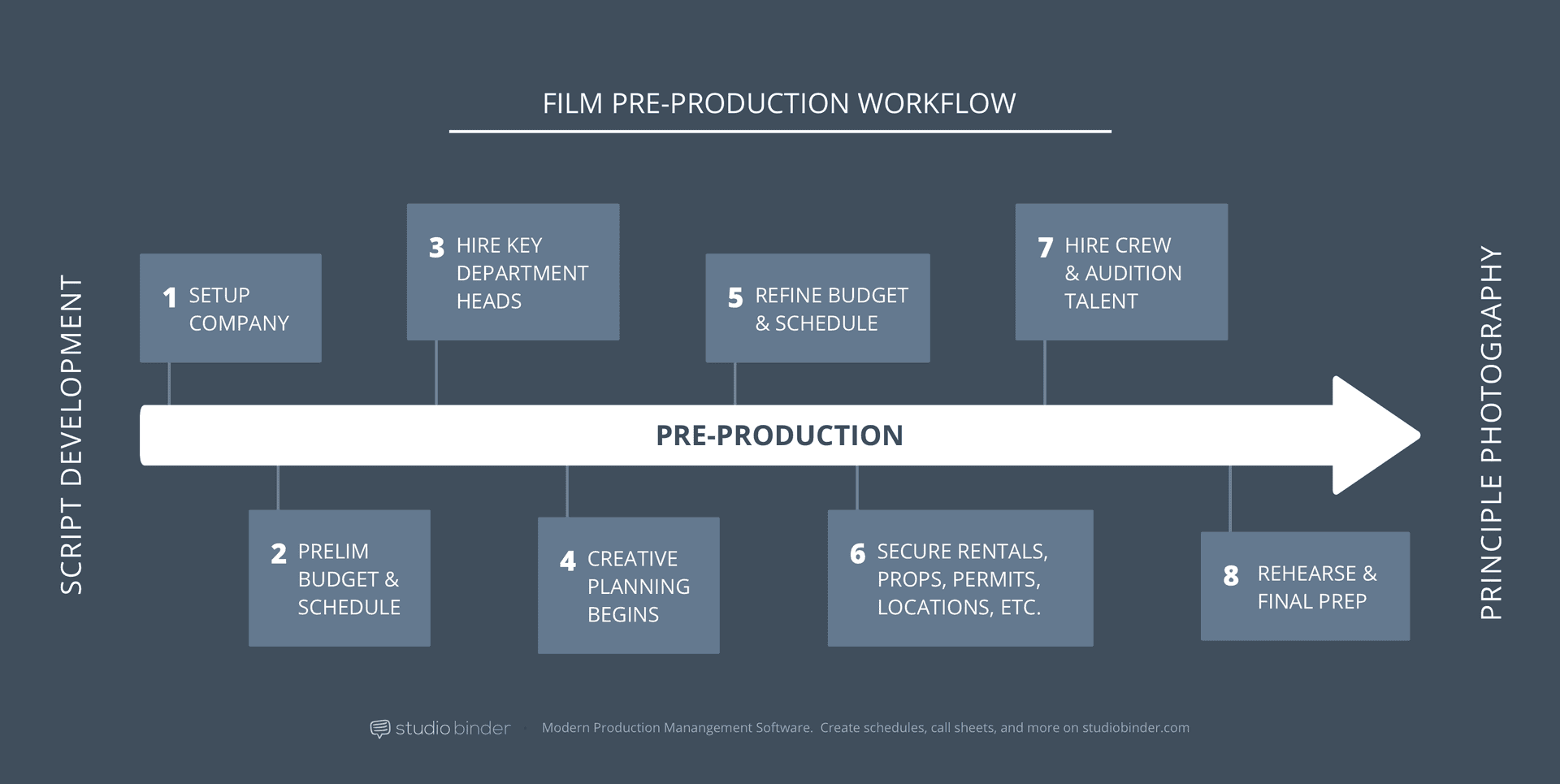
In film pre-production, the convergence of casting and crew in film pre production marks the moment when creative vision becomes operational reality. This is where scripts transform into schedules, and ideas are assigned to people and tools—each decision shaping the final film’s tone and efficiency.
How to cast actors during pre-production
Effective casting starts with a forensic script breakdown. Each character’s function, arc, and nuance must be distilled before actor auditions begin. Casting calls for film should be targeted, not scattershot—seek performers who embody the emotional and technical demands of the role. Chemistry reads and callback sessions are not indulgences; they’re essential to gauge on-screen dynamics and commitment.
Building your film crew: hiring strategies
Hiring film crew is a strategic exercise. Department heads—cinematographer, production designer, sound mixer—set the tone for their teams. Prioritize practitioners who bring both technical mastery and a collaborative mindset. Vet experience, but also look for those who can adapt under pressure. The right crew elevates the shoot; the wrong one drags it down.
Equipment prep and technical readiness for film shoots
Equipment preparation is more than ticking boxes on an equipment checklist for productions. Inventory every item, double-check rentals, and run technical checks on cameras, sound, and lighting. Schedule rehearsals to test setups and workflows. A final all-hands briefing aligns expectations and surfaces last-minute issues before they become on-set crises.
In sum, the rigor of casting, crew assembly, and equipment readiness is not bureaucracy—it’s the scaffolding that lets creative risk thrive on set.
Conclusion
The film pre production process is not a box-ticking exercise—it is the architecture upon which filmmaking success is built. Every decision, from initial script development to the granular details of production budgeting and location scouting, defines the boundaries and possibilities of the finished film. These early choices are not isolated tasks; they are deeply interconnected, forming a chain reaction that shapes every creative and logistical outcome down the line.
Effective filmmaking planning is where vision is translated into actionable steps. This is where abstract ideas become schedules, budgets, and real-world logistics. The process demands both creative foresight and operational discipline. When pre production is approached rigorously, it becomes the invisible force that keeps the filmmaking workflow coherent, adaptive, and resilient in the face of inevitable challenges.
Collaboration is the engine of this phase. Assembling your film crew and clarifying roles early ensures that every team member understands their responsibilities and how they fit into the larger process. This clarity is not just about avoiding confusion—it is about empowering specialists to anticipate needs, solve problems before they surface, and contribute meaningfully to the collective vision.
Ultimately, the pre production process is where the DNA of a film is set. It is the foundation that supports every creative risk, every logistical hurdle, and every moment on set. For any filmmaker seeking consistency and excellence, mastering pre production is not optional—it is essential. The craft begins long before the camera rolls.
FAQs
What is the film pre production process?
Film pre production is the strategic phase where a project moves from concept to actionable blueprint. It covers script locking, budgeting, scheduling, location scouting, casting, and assembling the creative and technical teams. Every department aligns their vision and resources before a single frame is shot, setting the foundation for production.
Why is pre production important for filmmakers?
Pre production is where risk is mitigated and creative intent is clarified. It transforms ideas into executable plans, preventing costly missteps on set. Filmmakers who invest in this phase control outcomes, protect budgets, and ensure that the final film aligns with their vision—both aesthetically and operationally.
How do I lock my film script for pre-production?
Locking a script involves finalizing dialogue, scene order, and structure, then circulating the version to all key collaborators. This "locked" script serves as the master reference for scheduling, budgeting, and breakdowns. Any changes after this point are tracked as revisions, not wholesale rewrites.
What are the key deliverables of pre-production in filmmaking?
Key deliverables include the locked script, detailed shooting schedule, budget, cast and crew lists, location agreements, permits, storyboards, and shot lists. These documents ensure every stakeholder understands their role and the project’s logistical parameters before cameras roll.
How can I budget for film pre production?
Budgeting for pre production requires a granular breakdown of all anticipated costs—script development, location fees, casting, insurance, and pre-visualization. Prioritize essential expenditures, build in contingency, and use actual quotes rather than estimates wherever possible to maintain financial discipline.
What are the requirements for securing filming locations and permits?
Securing locations involves identifying viable sites, negotiating terms, and obtaining written agreements. Permits require submitting applications to local authorities, providing insurance, and often accommodating community or regulatory stipulations. Start early—delays here can halt production before it begins.
How do I cast actors during pre-production?
Casting typically begins with breakdowns and auditions, either through agencies or open calls. Shortlisted talent are reviewed by the director and producers, with chemistry reads or callbacks as needed. Final offers are formalized with contracts, locking in the cast for scheduled shoot dates.
.webp)
Creative Collaboration Platform: The Backbone of Modern Creative WorkWhat is a creative collaboration platform?Clapboard defines a creative collaboration platform as the operational core for today’s distributed creative teams. This is not a collection of digital collaboration tools stitched together; Clapboard’s system

Understanding the Creative Production MarketplaceWhat is a Creative Production Marketplace?Clapboard defines a creative production marketplace as a structured ecosystem where brands, agencies, and production talent converge to execute video, advertising, and branded content at scale. Unlike the legacy agency or freelanREAD FULL ARTICLE

The Urgent Need for a Creative Production Operating SystemWhy Traditional Creative Production Models Break DownClapboard sees the creative production landscape shifting under pressure. Content velocity is no longer a buzzword—it’s a mandate. Modern advertising demands relentless output across dozens of channels, each wREAD FULL ARTICLE

JOIN THE NEWSLETTER.
Content Production insights, videos, books, and freebies, delivered to your inbox weekly


LEAVE A COMMENT
Your email address will not be published.