

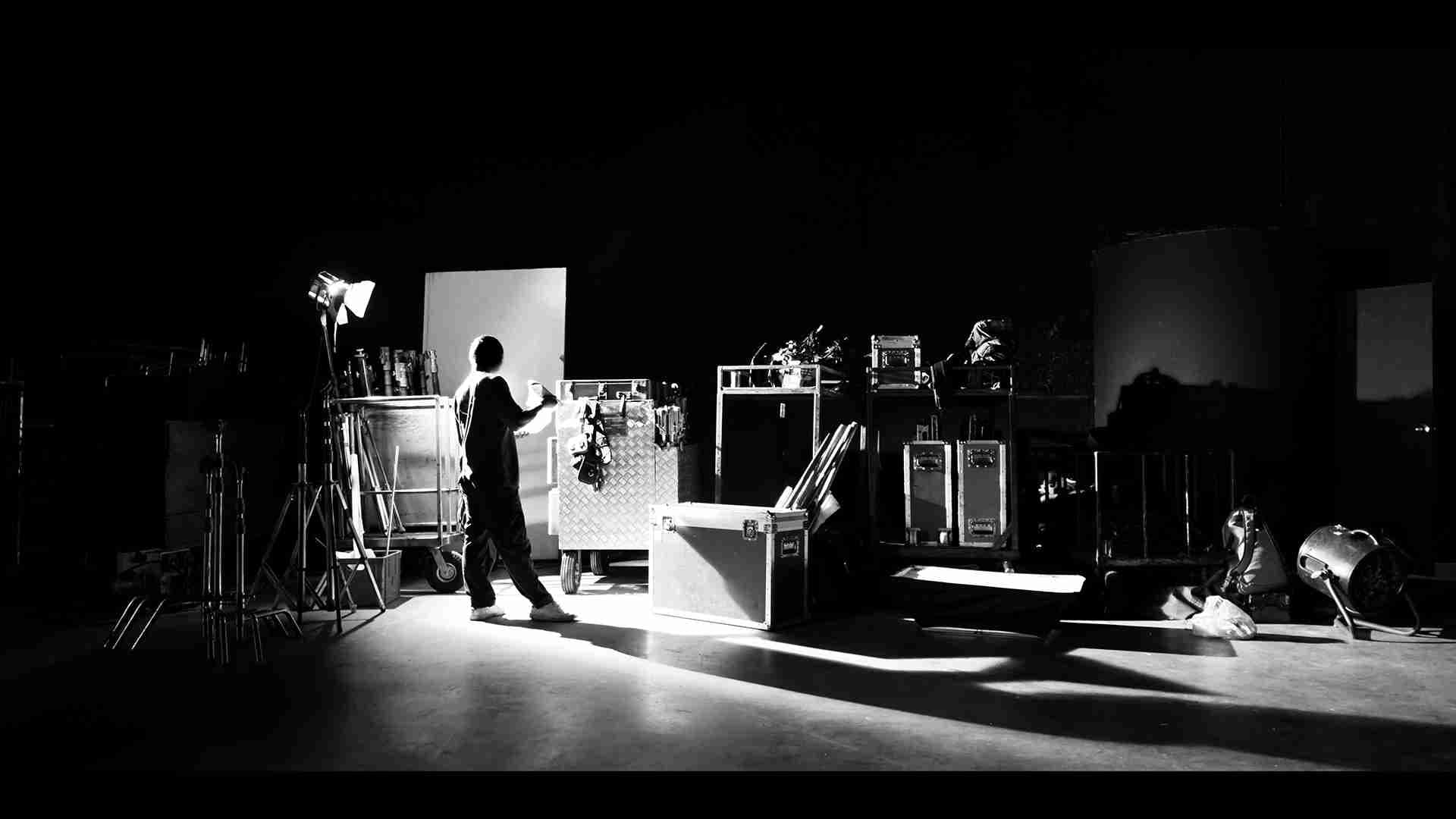
Unpacking the Gaffer Role in Film ProductionThe gaffer role in film production is one of those positions that quietly defines the visual character of a film, yet rarely draws the spotlight. Historically, the term “gaffer” has roots in British slang, referring to a foreman or boss—apt, considering the gaffer is the chief lighting technician and head of the film lighting department. On any movie set, the gaffer is not just another technical hand; they are a creative collaborator whose decisions shape every frame’s mood, texture, and clarity. Understanding this role is foundational for anyone seeking real insight into how a film’s look is engineered, not just imagined.What does a gaffer do in film
Producing■


0:00 / 0:00

0:00 / 0:00

0:00 / 0:00

0:00 / 0:00
.jpg&w=3840&q=75)
0:00 / 0:00

0:00 / 0:00
0:00 / 0:00

0:00 / 0:00

0:00 / 0:00
Film & Video Producing FAQs■
Top questions about producing projects from brief to delivery
Producers establish clear communication channels, define roles early, and use detailed call sheets and production calendars to align the crew. Prioritizing contingency plans and regular check-ins helps anticipate delays. Resources like Clapboard Hub offer practical frameworks for streamlining crew workflows and keeping projects on track.
Detailed budgeting ensures resources are allocated efficiently, preventing overspend and enabling contingency reserves. It guides decision-making across departments and helps secure financing by demonstrating fiscal responsibility. Accurate budgets also facilitate realistic scheduling and scope management, reducing risk throughout production.
Low-budget productions demand flexible multitasking, tighter resource allocation, and often smaller crews, requiring producers to prioritize essentials and creative problem-solving. Large-scale projects involve complex logistics, specialized departments, and stricter compliance, necessitating detailed planning and delegation to maintain efficiency.
Many assume producers step back after filming wraps, but effective producers remain actively involved in post-production oversight. They coordinate schedules, manage budgets, and facilitate communication between editors, sound, and visual effects teams to ensure the final product aligns with creative and financial goals.
Mastery in planning and budgeting enhances a producer’s reputation for reliability and efficiency, leading to increased trust from financiers and collaborators. It enables handling diverse projects with confidence, opening opportunities for larger or more complex productions. Clapboard Hub provides insights to refine these critical skills for career advancement.
.webp)
Creative Collaboration Platform: The Backbone of Modern Creative WorkWhat is a creative collaboration platform?Clapboard defines a creative collaboration platform as the operational core for today’s distributed creative teams. This is not a collection of digital collaboration tools stitched together; Clapboard’s system

Understanding the Creative Production MarketplaceWhat is a Creative Production Marketplace?Clapboard defines a creative production marketplace as a structured ecosystem where brands, agencies, and production talent converge to execute video, advertising, and branded content at scale. Unlike the legacy agency or freelanREAD FULL ARTICLE

The Urgent Need for a Creative Production Operating SystemWhy Traditional Creative Production Models Break DownClapboard sees the creative production landscape shifting under pressure. Content velocity is no longer a buzzword—it’s a mandate. Modern advertising demands relentless output across dozens of channels, each wREAD FULL ARTICLE

JOIN THE NEWSLETTER.
Content Production insights, videos, books, and freebies, delivered to your inbox weekly


