

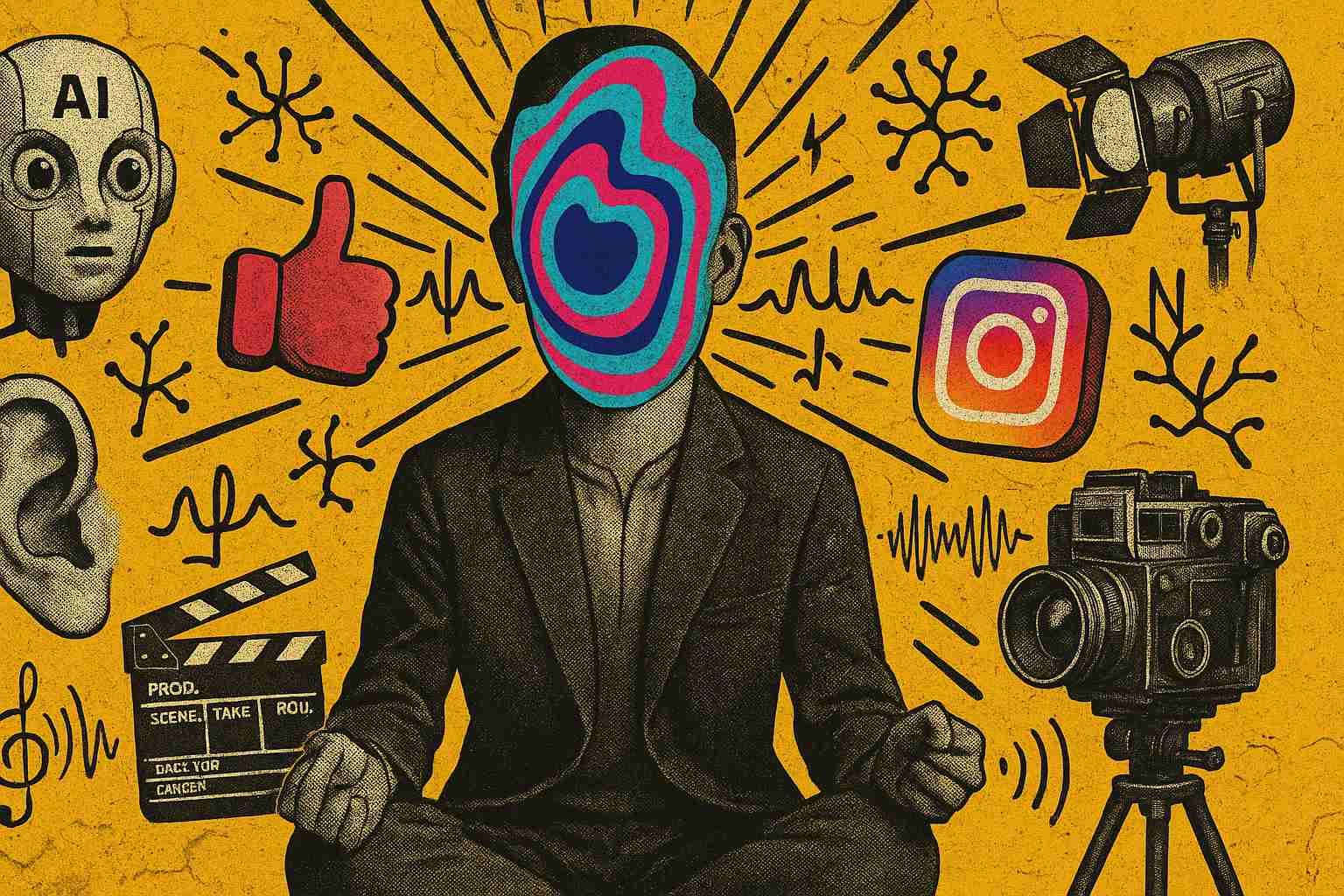
Why Symbolism in Storytelling Resonates with AudiencesSymbolism in storytelling is not a decorative flourish; it is a structural force. Across centuries and cultures, symbols have served as shorthand for complex ideas, emotions, and experiences that resist direct articulation. Their persistent presence in myth, literature, and film is not accidental. Symbols operate on a level that bypasses rationality and speaks directly to our collective unconscious, making them indispensable to any narrative that seeks lasting impact.What Makes Symbolism in Storytelling So Powerful?At its core, n
Scriptwriting■


0:00 / 0:00

0:00 / 0:00

0:00 / 0:00
0:00 / 0:00

0:00 / 0:00

0:00 / 0:00

0:00 / 0:00

0:00 / 0:00

0:00 / 0:00
Scriptwriting FAQs■
Your top questions about writing scripts for film and video
Professionals typically use a three-act structure or variations like the hero’s journey to organize key plot points and character arcs. This framework ensures pacing aligns with emotional beats and audience engagement. Scriptwriting on Clapboard Hub emphasizes balancing setup, conflict, and resolution for coherent storytelling.
Strong character development drives audience empathy and investment, making narratives memorable and impactful. In branded content, well-crafted characters embody brand values authentically, enhancing message retention. Without this depth, scripts risk feeling superficial or disengaging, regardless of production scale.
Low-budget scripts often focus on minimal locations, smaller casts, and dialogue-driven scenes to control costs. High-budget projects may include complex set pieces and visual effects, requiring detailed technical descriptions. Both demand clarity, but resource constraints shape creative choices and narrative scope differently.
Many believe naturalistic dialogue means replicating everyday speech exactly, but this often results in dull or unfocused exchanges. Effective dialogue should reveal character and advance plot with purposeful brevity and subtext, balancing realism with dramatic economy to maintain audience interest.
Mastery signals professionalism and storytelling skill, making writers more competitive for diverse projects across film, TV, and branded content. It enables clear communication with directors and producers, fostering collaboration. Clapboard Hub highlights that strong scriptwriting credentials often lead to higher-profile assignments and creative leadership roles.
.webp)
Creative Collaboration Platform: The Backbone of Modern Creative WorkWhat is a creative collaboration platform?Clapboard defines a creative collaboration platform as the operational core for today’s distributed creative teams. This is not a collection of digital collaboration tools stitched together; Clapboard’s system

Understanding the Creative Production MarketplaceWhat is a Creative Production Marketplace?Clapboard defines a creative production marketplace as a structured ecosystem where brands, agencies, and production talent converge to execute video, advertising, and branded content at scale. Unlike the legacy agency or freelanREAD FULL ARTICLE

The Urgent Need for a Creative Production Operating SystemWhy Traditional Creative Production Models Break DownClapboard sees the creative production landscape shifting under pressure. Content velocity is no longer a buzzword—it’s a mandate. Modern advertising demands relentless output across dozens of channels, each wREAD FULL ARTICLE
JOIN THE NEWSLETTER.
Content Production insights, videos, books, and freebies, delivered to your inbox weekly


