What Is Clapboard? A Video‑First Creative Marketplace & Production Ecosystem
Blog
Why Does Clapboard Exist? What Problem Does It Solve?
Blog
Team Builder: How Clapboard Assembles Complete Creative Teams
Blog
What Is the Managed Marketplace Model at Clapboard?
Blog
More Popular Search
Project
Showing 4 of 13 Projects
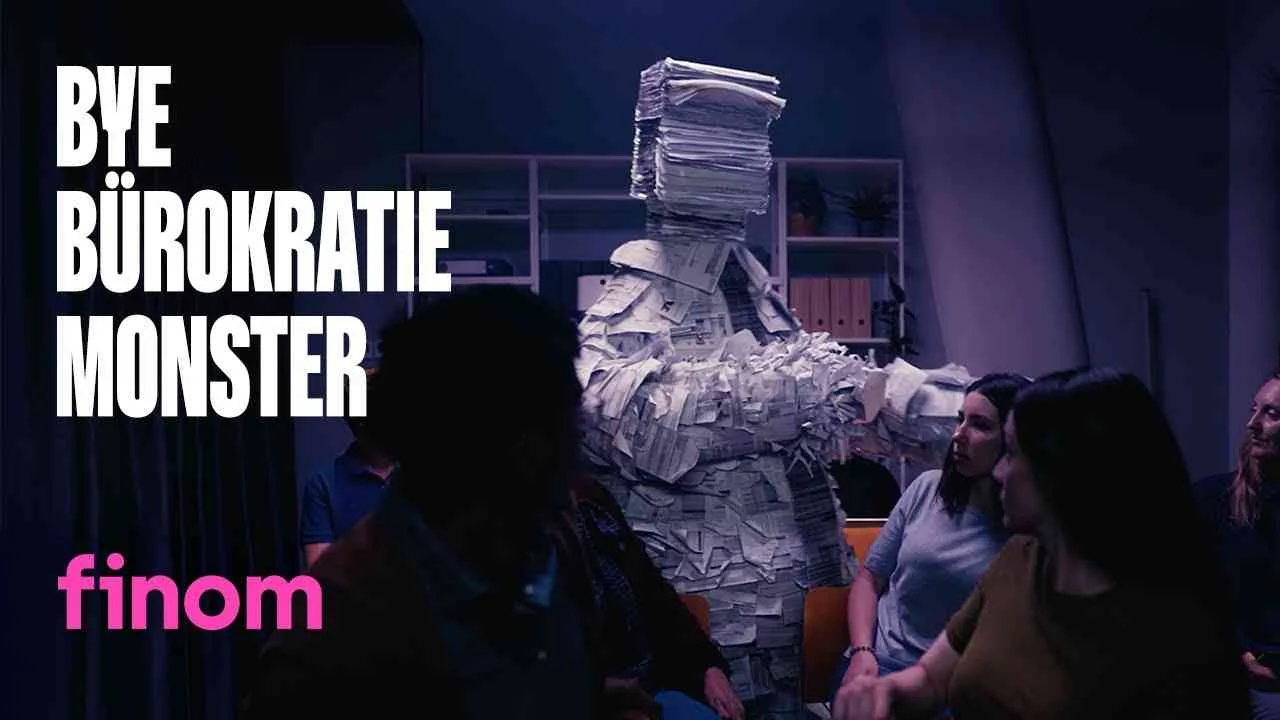
Bye, Bureaucracy Monster
Project
In October 2025, Finom, a modern fintech platform, launched its inaugural brand awareness campaign in Germany called "Bye, Bureaucracy Monster," developed in partnership with creative agency Talent. This film campaign cleverly personifies Germany’s notoriously frustrating bureaucracy as the “Bürokratiemonster,” a handmade creature constructed entirely from authentic German tax forms and declarations. Targeted at freelancers, solopreneurs, and small business owners who grapple daily with complex paperwork and outdated administrative systems, the campaign uses humor and irony to confront a shared frustration. By giving bureaucracy a tangible face through a tactile, non-CGI monster, the campaign invites viewers to laugh at and ultimately disempower this pervasive obstacle. Two 20-second hero videos and five 6-second bumpers bring the Bürokratiemonster to life, showcasing it disrupting entrepreneurs’ routines in absurd, relatable ways—highlighting how bureaucracy negatively affects their productivity and peace of mind. The narrative steers clear of fear-based messaging and instead employs humor as a more effective tool to communicate Finom's promise: through its automated invoicing, accounting, and banking services, bureaucracy can become irrelevant, a problem to mock rather than fear. The campaign extends beyond traditional media, finding continued life on social platforms where the monster has been reimagined through AI-generated art, evolving into a memorable brand mascot and a playful antagonist in Finom's storytelling. This innovative approach not only raises brand awareness but also positions Finom as a smart, user-friendly solution that simplifies business financial management, freeing entrepreneurs from the oppressive weight of paperwork and enabling them to focus on their ambitions with clarity and confidence.
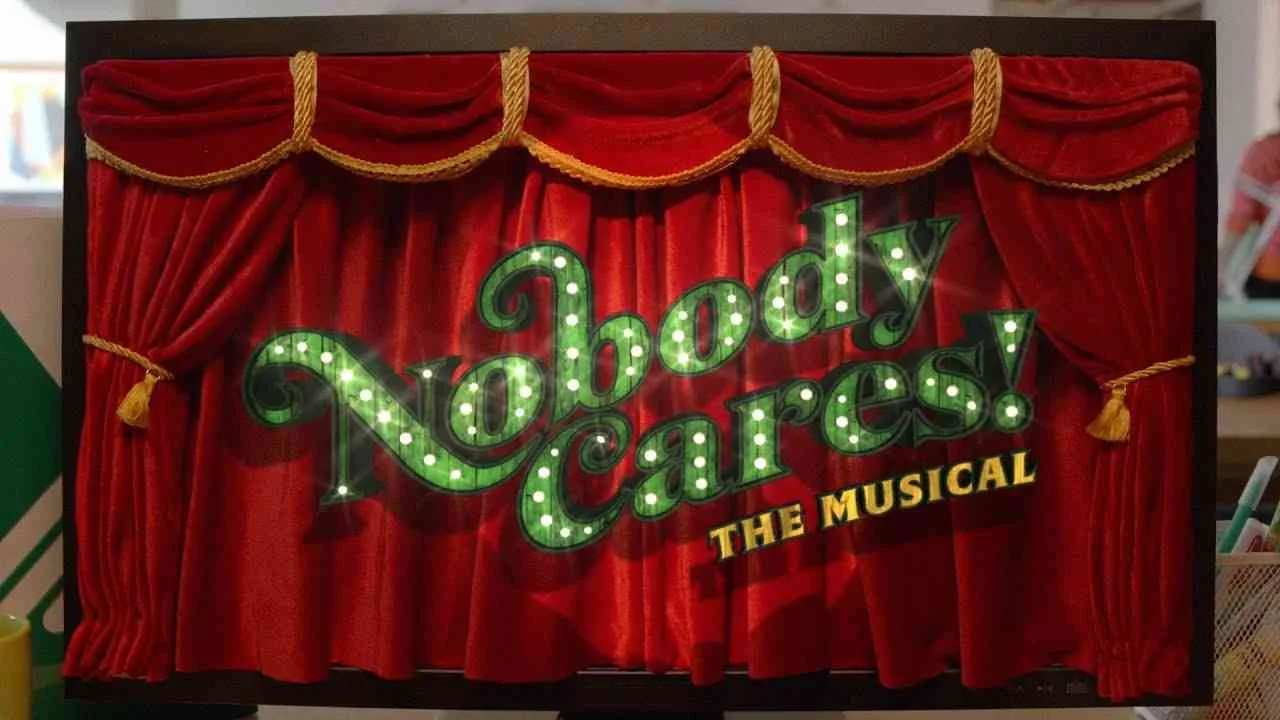
Nobody Cares
Project
In 2024, Fiverr launched an innovative and entertaining content and digital media campaign called Nobody Cares: The Musical, crafted by its in-house ad agency. This campaign creatively addresses the saturation of AI conversations in today’s market by delivering a fun, over-the-top musical advertisement that uses a catchy show tune to capture the audience’s attention. The central message emphasizes that AI’s true value lies not in the technology itself, but in the talent that harnesses it—perfectly aligning with Fiverr’s core proposition as a platform that instantly connects businesses with skilled freelancers. Targeting industries such as Electronics, Technology, and Professional Services, this campaign underscores Fiverr’s commitment to empowering professionals who bring creativity and expertise beyond automated solutions. The single media asset, a musical number infused with humor and vibrancy, has effectively engaged viewers, garnering over 83,000 views, 1,472 likes, and 447 comments, demonstrating strong audience interaction. By taking a playful yet insightful approach to a highly relevant topic, Fiverr not only differentiates itself in a competitive market but also reinforces its brand identity as a hub where human talent shines in the digital age. The campaign’s integration across multiple social channels, including YouTube, Facebook, Twitter, Instagram, and LinkedIn, ensures broad reach and accessibility, inviting users to explore the vast freelancer network at fiverr.com. With Nobody Cares: The Musical, Fiverr delivers a memorable and impactful message that resonates with businesses and creatives alike, affirming the power of human ingenuity in an AI-driven world.
The Midnight House
Project
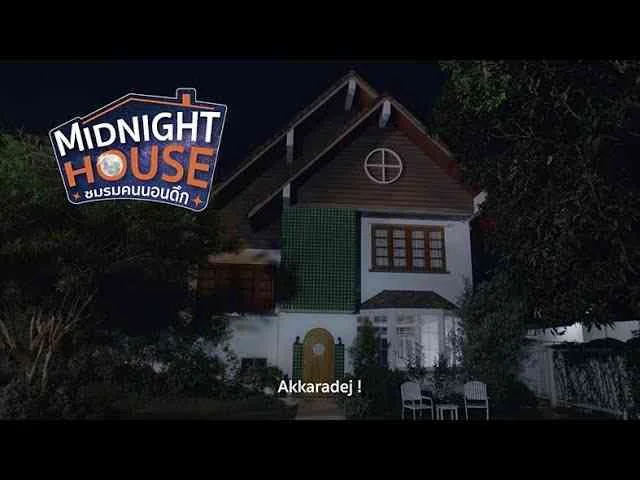
The Midnight House campaign for Lyse Skincare, launched in Thailand in 2021 by WORKKIT Bangkok, is a compelling film-based initiative designed to resonate with young adults who live by the mantra “WORK HARD, PLAY HARDER.” Targeting students, freelancers, and first jobbers, this campaign addresses the common skin issues caused by late nights and sleep deprivation such as acne, wrinkles, dark circles, puffiness, and dryness. Lyse’s premium sachet skincare formulation is specially crafted to maintain and restore skin moisture overnight, ensuring that users wake up looking refreshed and flawless despite their demanding lifestyles. Through a captivating series of short advertisements collectively known as The Midnight House, the campaign narrates the nocturnal adventures of a group of friends, illustrating the highs and lows of late-night living. This storytelling approach truly connects with its audience by reflecting their own experiences and challenges. The campaign reinforces that regardless of lifestyle or lack of sleep, beauty need not be compromised with Lyse’s effective nighttime skincare solution. Embracing authenticity and relatability, The Midnight House dramatizes the balance between hard work, social life, and self-care, positioning Lyse as the essential ally in preserving youthful, healthy skin. The campaign's creative direction by Adam Siriraka anchors the brand in the realm of contemporary youth culture, making it not just a skincare product but an integral part of the modern lifestyle. With five distinct media assets within this film medium campaign, Lyse effectively engages its core demographic through emotionally charged storytelling that promotes confidence and self-care in the face of sleepless nights.
The Legend
Project
This campaign, titled The Legend, was launched in Israel in 2022 for the WSOP brand by Playtika's in-house agency. It leverages the rich heritage of over 50 years of poker history that WSOP embodies, positioning the brand not merely as an online poker game but as the home of the most legendary poker players worldwide. To capture the essence of this legacy while appealing to new audiences, the campaign creatively features an Ace illustrated through the likeness of Hollywood star Laurence Fishburne, who serves as an omniscient storyteller. His deep and familiar voice narrates the transformative journey of an everyday player who starts by enjoying the free WSOP app in a humble diner over fried chicken sticks and ultimately ascends to become a poker legend residing in a majestic, poker-themed castle. This narrative-driven approach not only highlights the immersive and aspirational nature of the WSOP platform but also connects emotionally by blending cinematic storytelling with the excitement and prestige of poker. By embodying the brand’s historical gravitas and presenting an inspiring path from casual engagement to legendary status, the campaign effectively rejuvenates interest in WSOP and invites a new generation of players to join the storied world of poker. The use of film as the medium amplifies the visual and auditory impact, making the story memorable and engaging in the competitive gambling industry landscape.
More Popular Search
Collection
Showing 3 of 3 Collections
Freelance
Collection-blog
Freelance Business & Finance
Collection-blog
Tools Freelancers
Collection-blog
Sponsored
Sponsored
If you are a deep practitioner of the media capabilities of the 2026 world, then you would be aware that a brand needs about 20,000 unique pieces of content per year for different demographics, psychographics etc.
That's 19,900 more than what most big brands actually put out. And if you understand how the Googles, Facebooks, Snapchats and Instagrams work, then you would know that your creative teams will have to deliver a lot more video centric content to fill the pipes of media distribution than they currently are doing.
That's why we've created Clapboard - to produce quality video content at a low enough cost. Quality being contextual to the social media platform, not necessarily high production, thus delivering the best bang for your every buck
JOIN THE NEWSLETTER.
Content Production insights, videos, books, and freebies, delivered to your inbox weekly
What Is Clapboard? A Video‑First Creative Marketplace & Production Ecosystem
Clapboard at a Glance – A Video-First Creative EcosystemAt its core, Clapboard is a video-first creative platform and creative services marketplace that supports end-to-end production. It is built specifically for advertising, branded content, and film—where stakes are high, teams are complex, and outcomes need to be predictable.Traditional platforms treat creative work as isolated tasks. Clapboard is designed as an ecosystem: a managed marketplace where discovery, collaboration, production workflows, and delivery coexist in one environment. This structure better reflects the reality of modern creative production, where strategy, creative, production, post-production, and performance are tightly interlinked.As an advertising and film production platform, Clapboard supports:Brand campaigns and integrated advertisingBranded content and social videoProduct, launch, and explainer videosFilm, episodic content, and long-form storytellingInstead of forcing marketers or producers to choose between agencies, in-house teams, or scattered freelancers, Clapboard operates as a hybrid ecosystem. It combines a curated talent marketplace, managed creative services, and an AI + automation layer that accelerates workflows while preserving creative judgment.In other words: Clapboard is infrastructure for modern creative production, not just another place to post a brief. The Problem Clapboard Solves in Modern Creative ProductionThe creative industry has evolved faster than its infrastructure. Media channels have multiplied, content volume has exploded, and expectations for speed and personalization keep rising. Yet most systems for hiring creatives, running campaigns, and producing video remain stuck in legacy models.Clapboard exists to address four core creative production challenges that consistently slow down serious marketing and storytelling work.Fragmentation Between Freelancers, Agencies, and Production HousesCreative production today is fragmented acro
BLOG AUDIO SUMMARY
0:00 / 0:00
READ FULL ARTICLE
Why Does Clapboard Exist? What Problem Does It Solve?
The Problem for Marketers & Brand TeamsFinding Reliable Creative Talent Is Slow and UncertainFor marketers and brand teams, the first visible friction is simply trying to hire creative talent that can consistently deliver. The internet is full of portfolios, reels, and profiles. Yet discovering reliable advertising creatives remains slow and uncertain.Discovery itself takes time. Marketers scroll through platforms, ask for referrals, post briefs, and sift through applications. Even with sophisticated search filters, there is no simple way to understand who has the right experience, who works well in teams, or who can operate at the pace and rigor modern campaigns demand.Quality is inconsistent, not because talent is lacking, but because the context around that talent is missing. A beautiful case study says little about how smoothly the project ran, how many revisions it required, or how the creative collaboration actually felt. Past work is not a guaranteed indicator of future delivery, especially when that work was produced under different conditions, with different teammates, or with heavy agency support in the background.Marketers are forced to rely on proxies—visual polish, brand logos on portfolios, testimonials written once in a different context. These signals are weak predictors when you need a specific output, at a specific quality level, with clear constraints on time and budget.The reality is that most marketing leaders don’t just need to hire creative talent. They need access to reliable creative teams that can handle complex scopes and adapt to evolving briefs. Yet the market still presents talent as individuals, leaving brand teams to stitch together their own ad hoc groups with uncertain outcomes.Traditional Agencies Are Expensive, Slow, and OpaqueIn response to this uncertainty, many marketers fall back on traditional agencies. Agencies promise full-service coverage: strategy, creative, production, and account management under one roof. But READ FULL ARTICLE
BLOG AUDIO SUMMARY
0:00 / 0:00
What Does “Video-First” Really Mean in Today’s Creative Worl...
Video Is No Longer “One Service” — It Is the Spine of Brand CommunicationHistorically, “video” appeared as a single line in a scope of work or rate card: one of many services alongside design, copywriting, or social media management. That framing is now obsolete.Today, a single film can power an entire video content ecosystem:A hero brand film becomes TV, OTT, and digital ads.Those ads are cut down into short-form social content, stories, and reels.Behind-the-scenes footage becomes recruitment films and culture assets.Still frames pulled from footage become campaign photography.Scripts and narratives are re-used across web, CRM, and sales decks.Integrated video campaigns are now the default. Brand teams increasingly build backwards from a core film concept: first define what the main piece of video must achieve, then derive all other forms from that spine.In this model, video influences how the brand is perceived at every touchpoint. The look, sound, and rhythm of the film define what “on-brand” means. Visual identity systems, tone of voice, and even product storytelling often follow decisions first made in video.Thinking of video as a single deliverable hides its true role: it is the structural backbone of brand communication, not just another asset. How Most Marketplaces Get Video WrongVideo Treated as a Line Item, Not a SystemMost freelance and creative marketplaces were not built for video. They were originally optimized for graphic design, static content, or one-to-one gigs. Video was added later as another category in a long list of services.That leads to predictable freelance marketplace limitations when it comes to film and content production:“Video” buried in service menusVideo is often just one checkbox among dozens. There is little recognition that an ad film is fundamentally different from a logo design or blog post in terms of complexity, risk, and orchestration.Same workflow assumed for design, copy, and filmMost platforms apply the same chatREAD FULL ARTICLE
BLOG AUDIO SUMMARY
0:00 / 0:00
How Clapboard Works: Human + Agent Orchestrations Explained
What “Human + Agent Orchestration” Means at ClapboardClapboard is built on a simple but important shift in mental model: stop thinking in terms of “features” and “tools,” and start thinking in terms of teams and pipelines.In this model, AI agents and humans work as one system. Every project is a flow of decisions and tasks. The question at each step is: Who is the right entity to handle this—human or agent—and when?This is what we mean by AI agent orchestration:Tasks are routed to the right actor at the right moment—sometimes a specialized agent, sometimes a producer, sometimes a creative director.Agents handle the structured, repeatable, data-heavy work, such as breakdowns, metadata, estimation, and workflow automation.Humans handle the subjective, contextual, and relational work, such as direction, negotiation, and final calls.Clapboard is the conductor of this system. Rather than being “an AI tool,” it functions as a creative operating system that coordinates human and agent participation end-to-end—from idea and script all the way to production and post.In practice, that means:Every brief, script, or campaign that enters Clapboard is immediately interpreted by agents for structure and intent.Those interpretations inform cost ranges, team shapes, timelines, and risk signals.Humans see the right information at the right time to make better decisions, instead of digging through fragmented files and messages.Workflow automations, powered by platforms like Make.com and n8n, take over the repetitive coordination so producers and creatives can stay focused on the work.Human + agent orchestration at Clapboard is not about cherry-picking tasks to “AI-ify.” It’s about designing the entire creative pipeline so that humans and agents function as a super-team. What AI Agents Handle on ClapboardOn Clapboard, AI agents are not generic chatbots; they are embedded workers with specific responsibilities across the creative lifecycREAD FULL ARTICLE
BLOG AUDIO SUMMARY
0:00 / 0:00
What Is the Clapboard Freelancer Marketplace?
Why Traditional Freelance Marketplaces Fall Short for Creative ProductionTraditional freelance platforms were built around the gig economy, not around creative production. That distinction matters. Production is not “a series of tasks” — it is a pipeline where every decision upstream affects what’s possible downstream.Most of the common problems with freelance platforms in creative work come from this structural mismatch.Built for transactional gigs, not collaborative projectsGig platforms are optimised for one-to-one engagements: a logo, a banner, an edit, a script. They assume work is atomised and independent. But film and video production is collaborative by default: strategy, creative, pre-production, production, and post are all tightly connected.On generalist marketplaces, you typically have to:Source each role separately (director, editor, animator, colorist, etc.)Manually manage handovers between freelancersResolve conflicts in style, timelines, and expectations yourselfThe result is friction and inconsistency. What looks like a saving on day rates turns into higher project cost in coordination, rework, and lost time.Individual-first, not team-firstThe core unit on most freelance sites is the individual freelancer. That works for isolated tasks; it breaks for productions that require cohesive creative direction, shared context, and aligned standards.Individual-first systems create gig economy limitations for creatives and clients alike:Freelancers are incentivised to optimise for their own scope, not the entire project outcomeClients must “play producer” without internal production expertiseThere is no reliable way to hire intact, proven teams that already collaborate wellCreative production works best when you build creative teams, not disconnected individuals. Team dynamics and shared history matter as much as individual portfolios.Little accountability beyond task completionTypical freelance marketplaces define success as task delivery: the file was uploaREAD FULL ARTICLE