


Varun Katyal | Founder, Clapboard
Varun Katyal is the Founder & CEO of Clapboard and a former Creative Director at Ogilvy, with 15+ years of experience across advertising, branded content, and film production. He built Clapboard after seeing firsthand that the industry’s traditional ways of sourcing talent, structuring teams, and delivering creative work were no longer built for the volume, velocity, and complexity of modern content. Clapboard is his answer — a video-first creative operating system that brings together a curated talent marketplace, managed production services, and an AI- and automation-powered layer into a single ecosystem for advertising, branded content, and film. It is designed for a market where brands need content at a scale, speed, and level of specialization that legacy agencies and generic freelance platforms were never built to deliver. The thinking, frameworks, and editorial perspective behind this blog are shaped by Varun’s experience across both the agency world and the emerging platform-led future of creative production. LinkedIn: https://www.linkedin.com/in/varun-katyal-clapboard/
Why Does Folklore Exist? Unpacking Its Enduring Relevance
The question “why does folklore exist” is deceptively simple. Folklore is not just a relic of the past or a quaint curiosity; it is a living architecture that societies use to make sense of themselves. At its core, the purpose of folklore is to preserve collective memory, encode values, and mediate the unknown. Its persistence is not accidental—it is functional, adaptive, and deeply embedded in the way communities define themselves and navigate change.
Why is folklore important for societies?
Folklore’s significance lies in its ability to preserve history and social memory where formal records fail. Oral storytelling, ritual, and myth become vessels for knowledge that outlasts any single generation. In societies without written histories, folklore is the archive. Even in literate cultures, it fills the gaps—retaining the nuances, contradictions, and emotional truths that official narratives tend to flatten. This is not nostalgia; it is a dynamic process of cultural self-preservation.
How folklore shapes collective identity
Community cohesion is impossible without shared stories. Folklore offers a common language of symbols, archetypes, and motifs that bind individuals to a larger whole. The importance of folklore is especially visible in moments of crisis or transition: folktales and legends are invoked to reaffirm who “we” are and what “we” stand for. This is less about exclusion and more about orientation—providing a stable reference point in a shifting world. In production terms, folklore is the script that societies perform to rehearse their own identity.
The transmission of values through folklore
Folklore is a teaching tool, but not in the didactic sense of a textbook. It encodes morals, social norms, and cautionary lessons within narrative frameworks that are memorable and emotionally resonant. The purpose of folklore here is pragmatic: to socialize the young, warn against dangers, and reinforce behaviors that sustain the group. These lessons are rarely explicit. Instead, they are woven into character, consequence, and repetition—embedding values in forms that endure long after the original context has faded.
Folklore as explanation and adaptation
Before science, folklore explained the inexplicable. Myths about the sun, the seasons, or the origins of illness provided frameworks for understanding forces beyond human control. Even as scientific knowledge expands, folklore adapts—absorbing new anxieties and reframing the unknown. The significance of folklore is not diminished by progress; it evolves, shifting from cosmological explanation to cultural metaphor. In this way, folklore remains a tool for adaptation, giving shape to uncertainty and providing meaning where data alone cannot satisfy.
Ultimately, the importance of folklore lies in its capacity to hold complexity. It preserves what is valuable, negotiates identity, teaches through narrative, and adapts to new realities. For creative leaders and strategists, understanding why folklore exists is not academic trivia—it is a blueprint for building stories, brands, and communities that endure. Folklore’s endurance is proof of its necessity: it answers not just what we remember, but why we need to remember at all.
What Is Folklore? Defining the Heart of Cultural Storytelling
Ask, “what is folklore?” and you’re not just chasing a dictionary entry—you’re interrogating the very infrastructure of cultural storytelling. Folklore is the sum of a community’s stories, beliefs, customs, and practices, transmitted across generations, often without a single author or fixed script. It is the pulse beneath the surface of formal history, shaping how groups remember, imagine, and define themselves. The folklore definition is both precise and expansive: it encompasses myths, legends, fairy tales, rituals, proverbs, jokes, and even everyday superstitions, all functioning as vessels for shared meaning and identity.
The roots and evolution of the term "folklore"
The word “folklore” was coined in 1846 by English antiquarian William Thoms, fusing “folk” (people) and “lore” (knowledge or tradition). Before Thoms, these stories and customs were simply “popular antiquities” or “oral traditions.” His term reframed them as a field worthy of study—an implicit recognition that the informal stories of a people matter as much as their written histories. But folklore is not fossilized; it adapts. As societies change, so do their tales and rituals. The meaning of folklore, then, is not static. It is a dynamic ledger of collective memory, always in negotiation with the present.
Key elements that define folklore
What sets folklore apart from other narrative forms is its communal authorship and transmission. Unlike literature, which is authored and published, or mass media, which is produced for consumption, folklore is participatory. Anyone in the group can contribute, modify, or pass on a story or custom. This collective ownership ensures relevance and resilience. Core elements include:
- Stories: Myths, legends, fairy tales, and anecdotes that encode values, warnings, or aspirations.
- Customs and rituals: Practices marking life events, seasons, or communal identity—think weddings, harvest festivals, or rites of passage.
- Beliefs: Superstitions, taboos, and worldviews that guide behavior and perception.
- Material culture: Objects, costumes, or artifacts imbued with symbolic meaning.
Each element is interwoven, collectively sustaining a group’s sense of self and continuity—an invisible architecture supporting visible traditions.
What does folklore mean in modern culture?
Today, the meaning of folklore is not confined to rural villages or ancient pasts. It surfaces in memes, urban legends, fan fiction, and viral rituals—new forms of storytelling traditions that echo old patterns. Folklore is a living force, evolving with technology, migration, and social upheaval. It is a tool for communities to process change, reinforce cultural heritage, and negotiate identity in a fragmented world.
In creative production, understanding folklore isn’t about nostalgia. It’s about recognizing the deep structures that shape how audiences interpret narrative, symbol, and ritual. Folklore is the connective tissue between individual imagination and collective memory, a resource for those who want to build stories that endure beyond a single campaign or platform.
Types of Folklore: Myths, Legends, and Beyond
What are the main types of folklore?
The types of folklore are not merely academic categories; they are living structures that shape how communities narrate their existence, beliefs, and anxieties. At its core, folklore comprises the sum total of traditionally derived and orally or imitatively transmitted literature, material culture, and custom—often within subcultures embedded in literate societies (Encyclopædia Britannica, 2023). This breadth is why “folklore genres” remain foundational to any serious cultural analysis.
Verbal folklore forms the backbone: myths, legends, folk tales, proverbs, riddles, and jokes. These genres persist because they are adaptive—transmitted orally, reinterpreted, and recontextualized for new audiences and eras. Alongside the verbal, material culture—folk art, vernacular architecture, costumes, and everyday artifacts—anchors these stories in the tangible world. Rituals, superstitions, and traditional songs further blur the line between narrative and lived experience.
How do myths and legends differ?
The distinction between myths and legends is not academic nitpicking; it’s central to understanding how societies construct meaning. Myths are foundational narratives—cosmogonies, tales of gods, or origin stories—that explain the universe and humanity’s place within it. Their authority is absolute within their cultural context; they are not up for debate. Legends, by contrast, are rooted in history or collective memory, but their details are elastic. They might begin with a real figure or event, but over generations, embellishment transforms them into something larger than fact—Robin Hood, King Arthur, the White Snake. Where myths establish the metaphysical order, legends negotiate social memory and identity. For a breakdown of myth vs legend in practice, see our deeper dive on the topic.
Examples of folklore genres around the world
Folktales—another major genre—are stories told for entertainment, moral instruction, or simple transmission of cultural values. They travel across borders and generations, morphing with each retelling. The Cinderella motif alone appears in hundreds of variations worldwide, from China’s “Ye Xian” to the Native American “Rough-Face Girl.” Proverbs distill collective wisdom into a single line—portable, adaptable, and often anonymous. Superstitions and rituals, meanwhile, are folklore in action: knocking on wood, jumping over bonfires, or the intricate choreography of wedding customs.
Material culture and performance are equally integral. Folk art and vernacular architecture—whether it’s Polish paper cuttings or Japanese thatched farmhouses—carry encoded stories about place, resourcefulness, and aesthetic values (University of Illinois Library, 2023). Traditional songs and dances transmit history and emotion when words alone will not suffice. Even childlore—rhymes, games, playground rituals—constitutes a distinct folklore genre, often overlooked but fiercely persistent.
This diversity of types of folklore is not a relic of the past. In production practice, these genres provide a toolkit for narrative construction, world-building, and audience engagement. They remind us that storytelling is not only about invention; it is also about inheritance, adaptation, and the subtle interplay between the spoken, the performed, and the built. The field’s breadth is its strength—and its challenge. For those shaping culture today, understanding folklore’s genres is not optional. It’s essential.
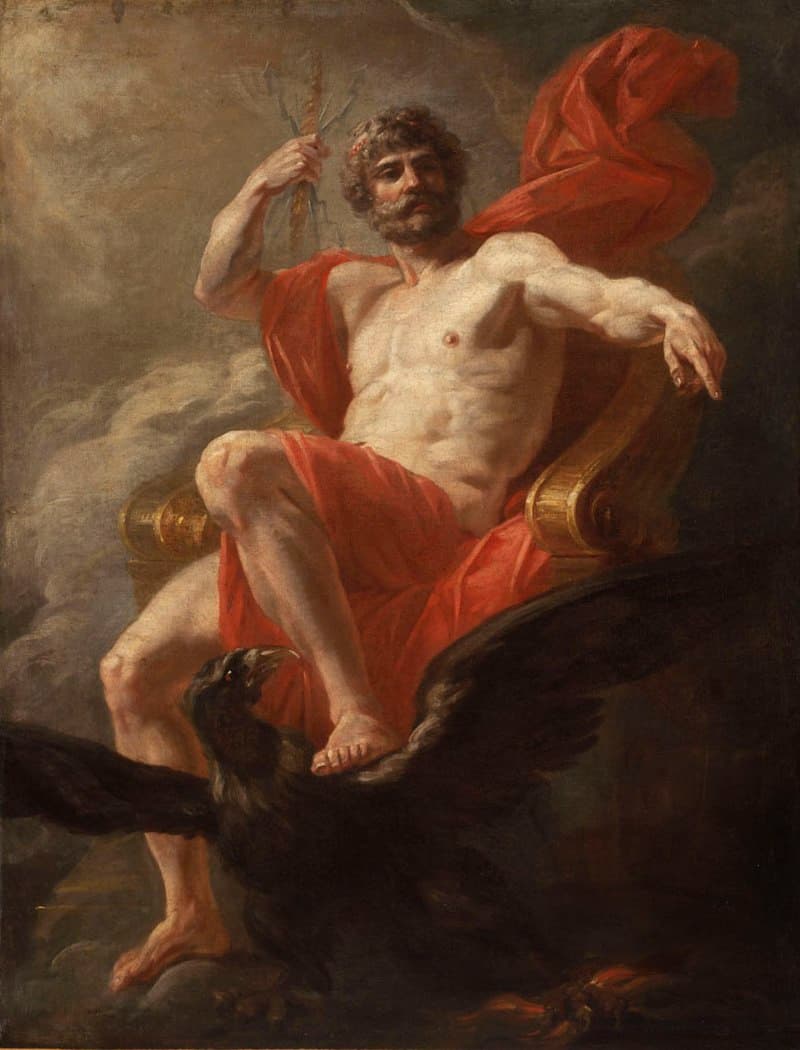
How Folklore Shapes Cultural Identity and Belonging
The connection between folklore and identity
Folklore and cultural identity are inseparable. Folklore is not simply a collection of quaint stories or rituals—it is the living archive of a community’s values, anxieties, aspirations, and shared memory. Through myths, legends, customs, and everyday sayings, folklore encodes what a group believes about itself and the world. It is a repository of collective wisdom, beliefs, and traditions, playing a pivotal role in shaping national identity by preserving cultural heritage, transmitting shared values, and fostering a sense of belonging among a community (Journal of Namibian Studies, 2023). For practitioners, this is not theory but observable reality: every production that draws from authentic tradition resonates because it taps into this deep well of meaning. The stories a community tells—who its heroes are, which rituals matter, what taboos are enforced—become the scaffolding for group identity. In this way, folklore is both a mirror and a mold, reflecting a community’s essence while continuously shaping it.
How stories foster community belonging
A sense of belonging emerges from participation in shared narratives and rituals. Folklore is the connective tissue that binds individuals into a collective, transforming a loose group of people into a community with a shared heritage. Rituals—whether seasonal ceremonies, coming-of-age rites, or communal festivals—are not empty gestures. They are performances of identity, reaffirming who belongs and what is valued. When a community gathers to retell a foundational myth or enact a traditional dance, it is not merely preserving the past; it is asserting its ongoing relevance. For creative leaders, this is a structural insight: the power of any campaign or narrative lies in its capacity to evoke that sense of communal belonging, to invite audiences into a story larger than themselves. The rituals and stories that endure are those that make people feel seen, anchored, and part of something continuous.
Passing down traditions through generations
Folklore transmission is rarely static. The act of passing down stories, songs, and customs across generations is itself an act of adaptation and negotiation. Intergenerational storytelling is where folklore’s true resilience is tested and proven. Grandparents share legends that morph subtly in the retelling, absorbing new details as contexts shift. Children learn the rhythms of language and gesture that mark them as insiders. This process is not simply about preservation—it is about continuity and evolution. Folklore serves as a medium for maintaining the cultural identity of indigenous communities through oral traditions like myths and legends, transmitting values, beliefs, and collective memory between generations to ensure cultural sustainability (ICOLLICS Proceedings, 2023). For production teams, the lesson is clear: authenticity does not mean fossilization. The most powerful stories are those that honor tradition while allowing space for reinterpretation, ensuring relevance for each new audience.
Adapting traditions for modern contexts
Modernity does not erase folklore; it transforms it. Community traditions are reimagined in the context of migration, digital communication, and changing social norms. The core challenge is to maintain the threads of shared meaning while allowing for innovation. This is not a loss but an opportunity: folklore’s survival depends on its flexibility. Production practitioners who understand this dynamic can create work that resonates across generations and geographies, leveraging the enduring power of shared heritage while speaking to the realities of today. The future of folklore and cultural identity lies in this balance—honoring the past, speaking to the present, and leaving space for the next generation’s voice.
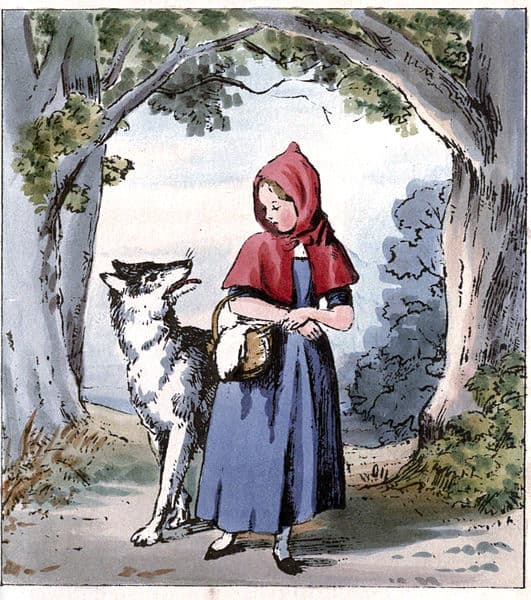
Folklore’s Role in Creativity and Innovation
How folklore inspires creative works
The relationship between folklore and creativity is foundational, not ornamental. Folklore is more than a set of old tales—it’s a living archive of human experience, distilled through generations. For creative practitioners, these stories offer raw material: archetypes, motifs, and narrative structures that invite reinterpretation. The creative inspiration drawn from folklore is rarely about replication. Instead, it’s about transformation—extracting the emotional logic or thematic core of a myth, then recasting it in forms that resonate with contemporary sensibilities. This process isn’t nostalgia; it’s a dialogue between the past and the present, where tradition becomes a launchpad, not a constraint.
Modern retellings of traditional folklore
Modern folklore is not simply an echo of the old. It is a dynamic force, continually refreshed by artists, filmmakers, and writers who recognize its adaptability. In literature, the resurgence of mythic retellings—whether through the magical realism of Latin American fiction or the speculative reworkings in contemporary fantasy—demonstrates folklore’s enduring capacity to frame new cultural questions. In film, directors mine folk narratives for structure and symbolism, using them to interrogate identity, power, and the supernatural. Even in visual art, folklore provides a visual grammar for exploring collective memory and trauma. These adaptations are not passive reproductions. They are acts of authorship, recasting inherited stories to suit new contexts and audiences. The best creative storytelling draws on folklore not for comfort, but for provocation.
The evolution of folklore in the digital age
Folklore in media has entered a new phase, shaped by digital culture’s velocity and scale. Memes, urban legends, and viral narratives are the modern folklore, spreading horizontally rather than vertically. This democratization of storytelling shifts the locus of authorship—from singular custodians to networked communities. The result is a folklore that is both more mutable and more immediate, capable of responding to cultural shifts in real time. Yet the core dynamic remains: reinterpretation is survival. Folklore adapts because it must, and because creative practitioners continue to find in it a toolkit for innovation.
The tension between tradition and innovation
Every act of adapting folklore is a negotiation between fidelity and invention. There’s a structural tension here: the desire to preserve what is essential, and the impulse to break new ground. This tension is productive. It prevents folklore from ossifying into mere artifact, and instead positions it as a living, generative force. For senior marketers and creative leaders, the lesson is clear. The most resonant work doesn’t simply reference folklore—it interrogates it, reshapes it, and, in doing so, keeps it relevant. The interplay between folklore and creativity is not a closed circuit. It is a feedback loop, sustaining both tradition and invention in equal measure.
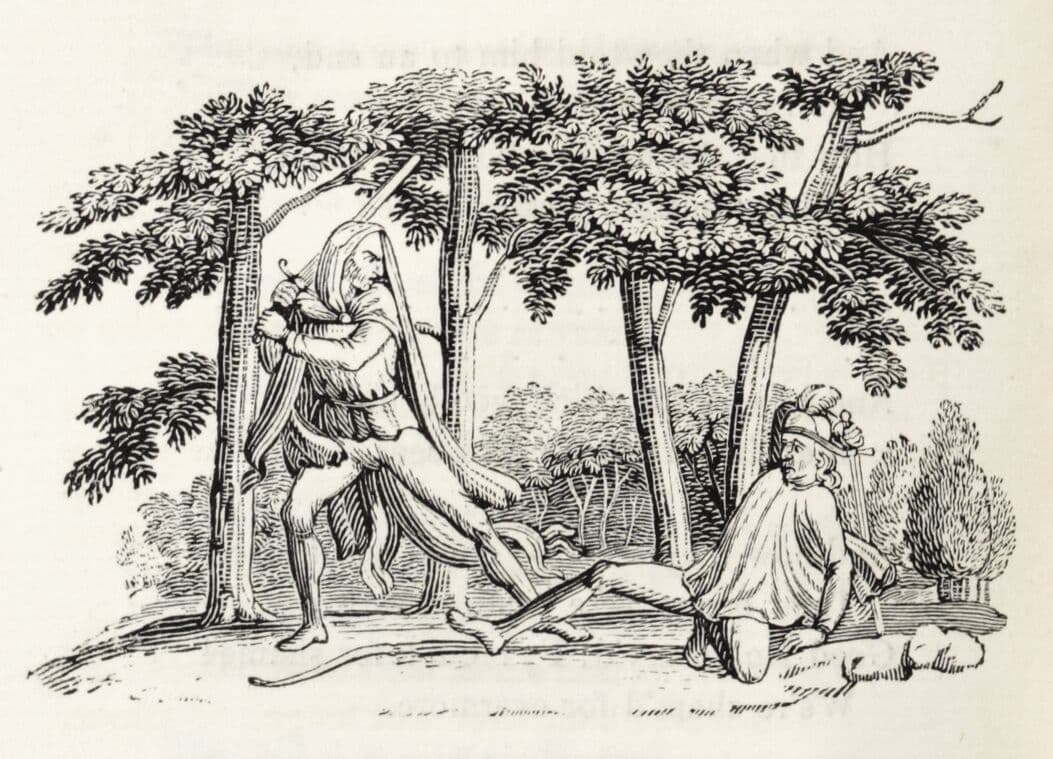
What Is Folklore’s Place in Contemporary Society?
What does folklore look like today?
Ask, “what is folklore in modern society?” and the answer is neither static nor nostalgic. Folklore is not a relic. It is a living, adaptive force that moves through boardrooms and group chats as readily as it does through rural festivals. Today, folklore manifests in the stories we tell about our cities, the rituals that define our work cultures, and the memes that ricochet through digital spaces. It is embedded in the way communities—whether physical or virtual—make sense of uncertainty, identity, and change.
Contemporary folklore is not limited to oral tales or seasonal customs. It includes the informal codes that shape online behavior, the narratives spun around new urban legends, and the micro-traditions that emerge within subcultures. These forms are as potent as any folk song or ancestral myth, precisely because they are rooted in lived experience and collective negotiation. Folklore, then, is not a backward glance—it is a cultural toolkit for the present.
The rise of digital and urban folklore
Contemporary folklore is inseparable from the environments that produce it. Urban legends—once whispered in playgrounds or over late-night radio—now travel at the speed of a trending hashtag. The internet has become a prime engine for the creation and spread of digital folklore: viral challenges, conspiracy theories, and collaborative storytelling projects. These are not mere distractions; they are the modern equivalent of campfire tales, adapted for a networked world.
Digital folklore thrives on participation. Memes, for example, mutate as they are shared, commented on, and remixed—mirroring the oral tradition’s reliance on retelling and reinterpretation. Urban legends, too, have adapted to contemporary anxieties: stories about hacked devices, lost data, or anonymous online threats are today’s cautionary tales. The mechanisms are new, but the underlying human needs—connection, explanation, warning—are unchanged.
Technology’s impact on folklore evolution
Technology has not only accelerated the spread of folklore; it has transformed its very structure. Social media platforms act as both archive and amplifier, preserving ephemeral stories while enabling them to reach unprecedented audiences. Algorithms surface certain narratives, shaping what becomes “folk knowledge” for a given moment. The result is a folklore that is more visible, more participatory, and more contested than ever before.
Yet, this technological mediation introduces new complexities. The rapid pace of digital folklore can flatten nuance, making it harder to distinguish between genuine tradition and manufactured trend. The line between folklore and misinformation is often blurred, raising questions about authenticity and intent. Still, technology’s role is not simply corrosive. It also democratizes the creation of folklore, giving voice to communities previously excluded from mainstream narratives.
Folklore as a tool for navigating modern challenges
The continued relevance of folklore in contemporary society lies in its utility. In a world defined by volatility and fragmentation, folklore offers a means of orientation. It helps individuals and groups make sense of rapid change, negotiate shared values, and process collective anxieties. Whether through the persistence of traditional practices—festivals, rituals, modern traditions—or the emergence of new digital forms, folklore remains a vital resource for meaning-making.
Ultimately, the question is not whether folklore survives in the modern era, but how it evolves. As long as people seek to connect, explain, and belong, folklore—traditional or digital, local or global—will remain central to the cultural landscape.
Folklore in Decision-Making and Everyday Life
How folklore shapes daily behavior
The imprint of folklore in everyday life is rarely acknowledged, yet it’s everywhere — embedded in the gestures, phrases, and micro-rituals that structure our routines. Whether it’s knocking on wood before a risky pitch, avoiding the thirteenth floor, or gifting salt to a new homeowner, these actions aren’t arbitrary. They’re cultural code, inherited rather than invented. The persistence of these customs isn’t just tradition for tradition’s sake; it’s a way of managing uncertainty. Folklore influence manifests as a set of invisible guardrails, offering a sense of order where logic alone falls short.
Folklore’s practical impact on decision-making
Decision-making, especially under pressure, is rarely a purely rational exercise. Folklore steps in where data is thin or stakes are high. Proverbs — “fortune favors the bold,” “better safe than sorry” — become heuristics, distilling collective experience into bite-sized guidance. These sayings aren’t neutral; they nudge choices, frame risk, and even justify outcomes after the fact. In business, a founder may invoke “don’t put all your eggs in one basket” to diversify, or “strike while the iron is hot” to accelerate a launch. These are not just words; they’re folklore acting as a cognitive shortcut, shaping strategy in the absence of certainty.
Common superstitions in modern life
Superstitions are the most overt expression of folklore’s influence on social behavior. They persist because they offer agency in unpredictable situations. Athletes adopt ritual gestures for luck; filmmakers avoid uttering “Macbeth” backstage. Even in hyper-rational environments, talismans and lucky numbers slip through. These habits aren’t vestigial — they’re functional, reducing anxiety and providing a psychological edge. In group settings, shared superstitions can even foster cohesion, creating a sense of belonging through collective observance. The logic is less important than the effect: folklore, here, is a tool for navigating ambiguity.
Folklore and the shaping of attitudes and expectations
Beyond individual choices, folklore in everyday life sets the boundaries of what’s considered possible, desirable, or taboo. It codifies expectations — about gender, luck, ambition, even morality — in ways that formal rules rarely match. The adage “the squeaky wheel gets the grease” can encourage assertiveness in one culture, while “the nail that sticks out gets hammered down” enforces conformity in another. These sayings do more than reflect values; they reinforce them, quietly guiding behavior at scale. For creative leaders and marketers, understanding these undercurrents is not optional. It’s essential for reading the room, anticipating reactions, and crafting stories that resonate.
Folklore’s power lies in its subtlety. It shapes decisions not through command but through suggestion, embedding itself in the language and practices we rarely pause to question. In a world obsessed with innovation, it’s the old stories — and the rituals they inspire — that still move people to act.
Misconceptions and Stereotypes About Folklore
What are common myths about folklore?
Folklore misconceptions persist across both creative industries and academic circles. The most entrenched is the belief that folklore consists only of quaint, archaic tales—material best left to children’s books or local color. This is reductive. Folklore is not a relic. It is a living, adaptive system of meaning-making: a set of practices, beliefs, and narratives that respond to—and shape—the culture from which they emerge. To treat folklore as a static archive is to fundamentally misunderstand its function and vitality.
Why folklore is more than fairy tales
The phrase “folklore myths” often conjures images of fairy tales or legends, but this is only the surface. Folklore encompasses rituals, proverbs, urban legends, memes, and even the informal codes of conduct within creative teams. Its boundaries are porous. To reduce folklore to a collection of fantastical stories is to miss its role as a mechanism for transmitting values, negotiating identity, and reflecting social change. In contemporary production, understanding folklore means recognizing its influence on everything from narrative structure to audience engagement—far beyond the realm of bedtime stories.
Challenging stereotypes about traditional stories
There’s a persistent stereotype that folklore is unsophisticated, the domain of the uneducated or the rural. This is not only inaccurate but culturally myopic. Folklore adapts—sometimes faster than formal art forms. Urban legends, internet memes, and viral challenges are folklore in motion, evolving in real time. The stereotype that folklore is “backwards” or “simple” blinds us to its complexity and its power to encode resistance, subversion, and innovation. Misunderstanding folklore as primitive undermines its critical role in shaping collective imagination and cultural resilience.
The scholarly vs. popular view of folklore
There is a gulf between how scholars and the general public perceive folklore. Academics see it as a dynamic process—a way communities negotiate meaning, authority, and change. The popular view, however, often treats folklore as entertainment or nostalgic artifact. This divide shapes how creative leaders engage with folklore in their work. Those who see it as living culture are better positioned to harness its narrative power, challenge stereotypes, and avoid the pitfalls of misunderstanding folklore. Recognizing this gap is essential for anyone serious about authenticity in storytelling or brand-building.
To move beyond folklore stereotypes, practitioners must acknowledge its ongoing relevance, resist the urge to flatten it into cliché, and approach it as a resource for cultural insight. Folklore is not a museum piece. It is a toolkit for understanding—and shaping—the stories that matter now.
When Folklore Fails: Cultural Risks and the Loss of Tradition
What happens when folklore disappears?
The loss of folklore is rarely sudden. It is a slow, granular erosion, often overlooked until the silence settles. Urbanization redraws landscapes, displacing the rural rhythms where oral traditions once thrived. Globalization brings efficiency but also a flattening of difference—local stories, dialects, and rituals become background noise to dominant cultural scripts. Language loss accelerates this process: when a language dies, its idioms, proverbs, and mythic structures vanish with it. The cumulative effect is a thinning of collective memory, a narrowing of the symbolic universe available to future generations.
The impact of losing cultural traditions
When disappearing traditions go unremarked, the result is not just nostalgia for the past but a fracture in cultural identity. Folklore is not mere entertainment; it encodes values, models resilience, and transmits the emotional logic of a place. Without these frameworks, communities risk becoming unmoored—rituals lose their power, social cohesion weakens, and the sense of belonging dissipates. The loss of folklore is a loss of context: people inherit a world less legible, less textured, less their own.
Cultural erosion also breeds a kind of creative sterility. Endangered folklore is a reservoir of narrative strategies, visual motifs, and performative forms. When these are neglected, creative industries—film, advertising, design—lose a wellspring of authentic reference points. The result is a drift toward generic content, stripped of local resonance and depth. In the long run, this is not just a cultural loss but a commercial one: audiences tire of the interchangeable and crave the specific.
Efforts to safeguard endangered folklore
Documentation is a necessary first step, but it is not enough. Archiving stories, songs, and rituals preserves data, not living meaning. Revitalization demands more: it requires communities to actively inhabit their traditions, adapting them to new contexts without sacrificing their essence. This is not about freezing folklore in amber, but about enabling its evolution—making space for reinterpretation while maintaining continuity.
Community-driven strategies are most effective. Intergenerational workshops, local festivals, and digital storytelling projects can re-anchor disappearing traditions in daily life. The goal is not to resist change but to ensure that change is dialogic, not erasing. When communities act as stewards rather than passive inheritors, folklore remains a resource—flexible, contested, alive.
For marketers and creative leaders, the lesson is clear: the loss of folklore is not just a cultural issue, but a strategic one. The unique texture of a brand, campaign, or story often lies in the specificity of its references—the things only a particular community knows how to say, sing, or show. Investing in the preservation and revitalization of living traditions is not sentimentality; it is a commitment to cultural sustainability and creative differentiation. The future belongs to those who understand that folklore, far from being obsolete, is a vital infrastructure for meaning in an era of sameness.
Conclusion
Folklore is not a relic. It is a living, breathing dimension of cultural storytelling, shaping how societies remember, imagine, and articulate their identities. Across centuries, folklore has functioned as both mirror and map—reflecting the values, anxieties, and aspirations of communities, while also charting the pathways through which those communities navigate change. The importance of folklore lies not in nostalgia, but in its capacity to encode collective wisdom, transmit shared experience, and anchor meaning in the flux of modern life.
At its core, folklore is the architecture of cultural memory. Myths, legends, rituals, and vernacular tales are more than entertainment; they are the frameworks through which societies rehearse their histories and negotiate their futures. In a globalized era where narratives are increasingly commodified and homogenized, the act of preserving folklore becomes a deliberate assertion of distinctiveness and continuity. It is a safeguard against erasure, a means of ensuring that the nuances of local knowledge and community traditions are not lost in translation.
The relevance of folklore in contemporary society is not diminished by technological or social transformation; if anything, it is heightened. Digital platforms, mass migration, and hybrid identities have created new contexts for folklore transmission, challenging practitioners and scholars alike to reconsider what it means to keep traditions alive. Folklore adapts, mutates, and reasserts itself through new media, urban myths, and evolving rituals, proving that it is not only a record of the past but also a toolkit for the present. Its persistence is evidence of its utility—folklore provides language for the inexpressible, structure for the chaotic, and community for the isolated.
Preserving folklore is not merely an act of archiving; it is an investment in cultural resilience. The stories we choose to remember, retell, and reinterpret shape our collective sense of purpose and possibility. In safeguarding these narratives, we are not just honoring heritage—we are equipping future generations with the symbolic resources to navigate their own uncertainties. Folklore endures because it is necessary. Its role in cultural storytelling remains foundational, its significance undiminished by time or trend.
FAQs
What is folklore in storytelling?
Folklore in storytelling refers to the collective myths, legends, tales, and traditions passed down within a culture. It is not just about old stories—it’s a living archive of a community’s values, anxieties, and aspirations. Folklore shapes narrative patterns and offers a lens through which societies interpret themselves and the world around them.
Why does folklore exist?
Folklore exists because societies need to encode their experiences, beliefs, and lessons in memorable, transmissible forms. It is a mechanism for survival, social cohesion, and continuity. Through folklore, communities articulate norms, explain the inexplicable, and transmit knowledge across generations, often in ways that outlast written records.
What are the types of folklore?
Major types of folklore include myths (origin stories and cosmologies), legends (semi-historical tales), folktales (fictional narratives with moral or humorous intent), and customs (rituals, sayings, songs). Each type serves a distinct function, from explaining the universe to reinforcing social codes or simply entertaining.
How does folklore shape cultural identity?
Folklore is foundational to cultural identity. It encodes shared symbols, archetypes, and reference points that bind individuals into a group. By participating in these narratives—whether through retelling, performance, or adaptation—communities reinforce a sense of belonging and distinguish themselves from others.
How does folklore influence creativity?
Folklore is a wellspring for creative work. Artists, filmmakers, and writers continually mine folklore for themes, motifs, and structures, reimagining them for new contexts. This process not only preserves tradition but also sparks innovation, allowing creators to comment on contemporary realities through familiar forms.
What is contemporary folklore?
Contemporary folklore adapts traditional forms to modern circumstances. Urban legends, internet memes, and viral stories are today’s folklore—evolving rapidly, shaped by digital platforms, but serving the same functions: making sense of the world, entertaining, and reinforcing shared experience within new communities.
What happens when folklore is lost?
When folklore is lost, a culture’s connective tissue frays. The loss erodes shared memory, weakens group identity, and diminishes the richness of creative expression. This absence can leave communities more vulnerable to cultural homogenization and less equipped to navigate change with a sense of rootedness.
.webp)
Creative Collaboration Platform: The Backbone of Modern Creative WorkWhat is a creative collaboration platform?Clapboard defines a creative collaboration platform as the operational core for today’s distributed creative teams. This is not a collection of digital collaboration tools stitched together; Clapboard’s system

Understanding the Creative Production MarketplaceWhat is a Creative Production Marketplace?Clapboard defines a creative production marketplace as a structured ecosystem where brands, agencies, and production talent converge to execute video, advertising, and branded content at scale. Unlike the legacy agency or freelanREAD FULL ARTICLE

The Urgent Need for a Creative Production Operating SystemWhy Traditional Creative Production Models Break DownClapboard sees the creative production landscape shifting under pressure. Content velocity is no longer a buzzword—it’s a mandate. Modern advertising demands relentless output across dozens of channels, each wREAD FULL ARTICLE

JOIN THE NEWSLETTER.
Content Production insights, videos, books, and freebies, delivered to your inbox weekly


LEAVE A COMMENT
Your email address will not be published.