


Varun Katyal | Founder, Clapboard
Varun Katyal is the Founder & CEO of Clapboard and a former Creative Director at Ogilvy, with 15+ years of experience across advertising, branded content, and film production. He built Clapboard after seeing firsthand that the industry’s traditional ways of sourcing talent, structuring teams, and delivering creative work were no longer built for the volume, velocity, and complexity of modern content. Clapboard is his answer — a video-first creative operating system that brings together a curated talent marketplace, managed production services, and an AI- and automation-powered layer into a single ecosystem for advertising, branded content, and film. It is designed for a market where brands need content at a scale, speed, and level of specialization that legacy agencies and generic freelance platforms were never built to deliver. The thinking, frameworks, and editorial perspective behind this blog are shaped by Varun’s experience across both the agency world and the emerging platform-led future of creative production. LinkedIn: https://www.linkedin.com/in/varun-katyal-clapboard/
Lighting Strategy: How Gaffers Shape Visual Storytelling
The gaffer role in film production is often misunderstood as purely technical, but this is a reductive view. In reality, the gaffer is a creative partner, translating the director’s vision and the cinematographer’s intent into a tangible, luminous language. The gaffer’s choices in cinematic lighting are not arbitrary—they are calculated interventions that define the film’s mood, drive its narrative, and sculpt its emotional landscape. Their work is where theory meets tactile craft, where the abstract notion of “atmosphere” becomes a physical reality on set.
How lighting choices affect film mood
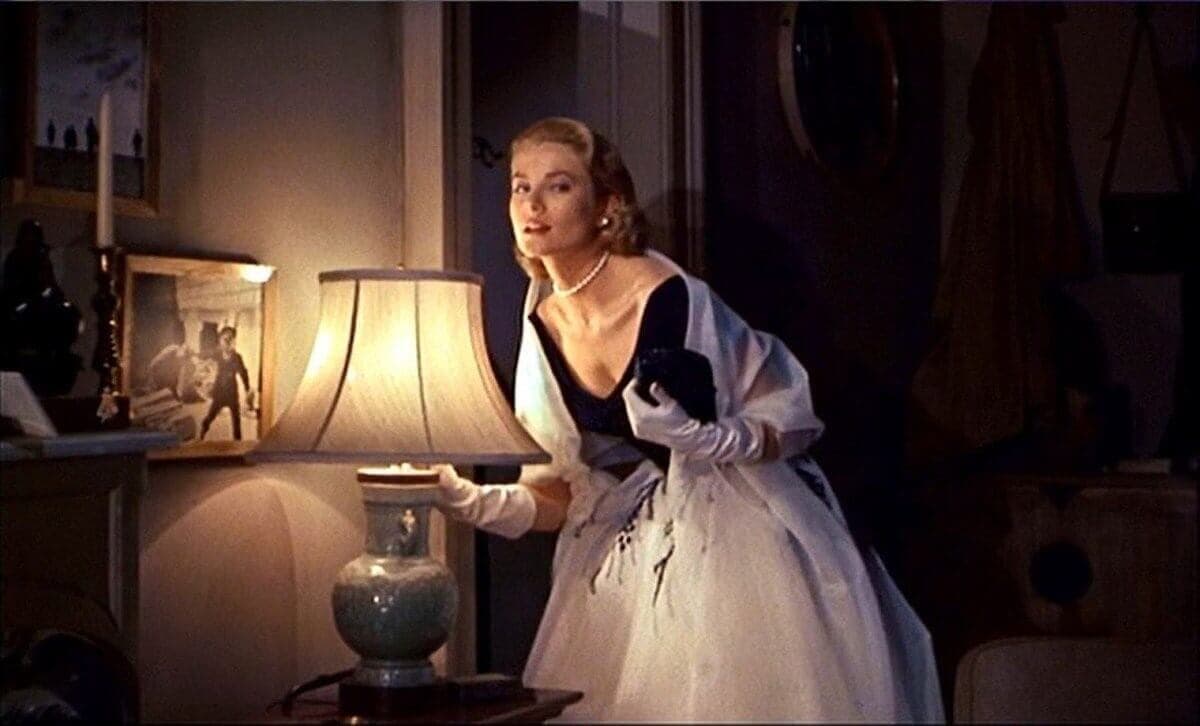
Lighting mood in film is never accidental. A gaffer’s manipulation of color temperature, shadow, and intensity directly shapes how an audience feels about a scene before a word is spoken. Cool, desaturated light can isolate a character, amplifying tension or alienation. Conversely, warm, diffuse lighting might evoke intimacy or nostalgia. The decision to push a key light off-axis, introduce a hard shadow, or let practicals dominate a frame is a narrative choice as consequential as dialogue or blocking. In this way, lighting becomes a silent narrator—guiding the viewer’s emotional response, subtly but unmistakably.
Creative collaboration between gaffer and director
The gaffer’s artistry emerges most clearly in the collaborative process. Early in pre-production, the gaffer absorbs the script’s subtext and the director’s conceptual ambitions. This isn’t about “making it look good”—it’s about aligning lighting with character arcs, genre conventions, and visual storytelling techniques. A seasoned gaffer will challenge, refine, and sometimes subvert the director’s assumptions, proposing alternatives that might better serve the story. The relationship is dialectical: the director articulates intent, the gaffer responds with practical and aesthetic solutions, and together they iterate toward a lighting strategy that is both expressive and feasible.
Examples of storytelling through lighting
Consider a crime drama where a protagonist is interrogated in a sterile police station. The gaffer might opt for harsh overhead fluorescents, flattening features and draining color, underscoring vulnerability and exposure. In contrast, a coming-of-age romance might call for golden-hour backlighting, wrapping characters in a halo that externalizes hope or longing. These choices are not just decorative; they are integral to the film’s visual storytelling in cinema. The gaffer’s interventions extend beyond the obvious—sometimes the most powerful lighting techniques for filmmakers involve restraint, letting darkness or negative space do the narrative heavy lifting.
Ultimately, the gaffer’s role in film production is that of a visual dramaturg. Their work is the connective tissue between concept and image, theory and practice. The best gaffers understand that every lighting decision is a storytelling act—one that can elevate, undermine, or completely transform a scene’s emotional impact. In the hands of a thoughtful practitioner, light is never just illumination. It is authorship.
Unpacking the Gaffer Role in Film Production
The gaffer role in film production is one of those positions that quietly defines the visual character of a film, yet rarely draws the spotlight. Historically, the term “gaffer” has roots in British slang, referring to a foreman or boss—apt, considering the gaffer is the chief lighting technician and head of the film lighting department. On any movie set, the gaffer is not just another technical hand; they are a creative collaborator whose decisions shape every frame’s mood, texture, and clarity. Understanding this role is foundational for anyone seeking real insight into how a film’s look is engineered, not just imagined.
What does a gaffer do in film production?
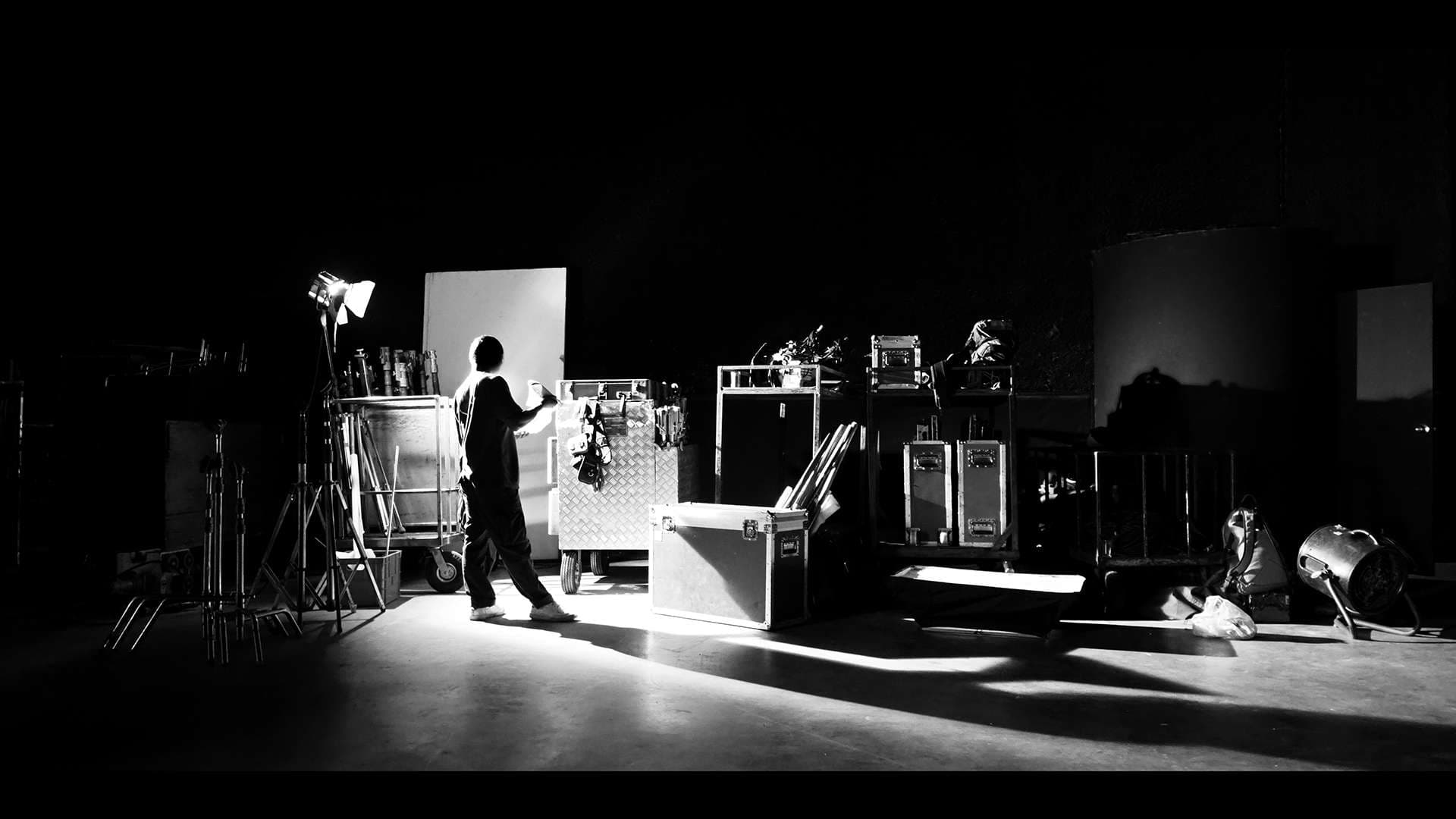
At its core, the gaffer’s job is to translate the director of photography’s (DP) vision into practical lighting setups. This isn’t simply about placing lights—it’s about sculpting space, controlling color, and managing contrast to serve the story. The gaffer leads the lighting team, designs lighting plots, selects equipment, and ensures safety protocols are followed. They make countless micro-decisions: how hard or soft a light should be, where shadows fall, how to balance natural and artificial sources. The gaffer’s expertise is both technical and interpretive, bridging the DP’s creative intent with the logistical realities of the set.
Gaffer vs. other lighting roles: Key distinctions
Within the film lighting department, the gaffer stands at the top of the hierarchy. Below them is the best boy electric, who manages crew logistics and equipment, and the electricians, who physically rig and operate the gear. Unlike these roles, the gaffer is responsible for the overall lighting strategy—making critical creative decisions, not just executing them. This distinguishes the gaffer from grips, who handle non-electrical rigging, and separates their work from the DP, who oversees the entire visual approach but relies on the gaffer to realize the lighting component. Understanding these distinctions clarifies why the gaffer’s leadership is irreplaceable on a professional set.
Why every film set needs a dedicated gaffer
Lighting is not a postscript to cinematography; it is its backbone. Without a dedicated gaffer, a film’s lighting risks becoming generic, inconsistent, or even unsafe. The gaffer’s presence ensures that lighting is intentional, responsive to shifting creative needs, and adaptable to on-set challenges. Their input can elevate a scene from serviceable to striking—think of the difference between flat illumination and evocative chiaroscuro. In the context of film crew positions, the gaffer’s influence is disproportionate to their public profile. They are the unseen architect of atmosphere, translating script and storyboard into lived visual experience.
In sum, the gaffer role in film production is not a technical afterthought but a creative cornerstone. To grasp the structure and artistry of a film set, one must start with those who shape the light—because in cinema, light is never neutral. It is narrative, mood, and meaning, engineered by the steady hand of the gaffer.
Gaffer and Director of Photography: A Creative Partnership
The gaffer and director of photography collaboration is a cornerstone of professional filmmaking—a dynamic that shapes the visual identity of any project. In practice, this partnership is less about hierarchy and more about a shared creative language. The DP defines the visual intent, but it’s the gaffer who translates those abstract ambitions into practical, expressive lighting. The result is not just technical execution but cinematic storytelling, frame by frame.
The gaffer’s role in executing the DP’s vision
When a director’s vision lands on set, it arrives through the DP’s lens—color, contrast, shadow, and mood. The gaffer’s job is to interrogate and realize those intentions, often before a single light is rigged. This begins in pre-production, with script breakdowns and mood discussions, where the gaffer and DP dissect the emotional beats of each scene. Their conversations are rooted in trust: the DP articulates the desired atmosphere, while the gaffer proposes the lighting strategies to achieve it. This isn’t a one-way street. The best gaffers bring creative solutions, not just technical fixes, to the table. They anticipate challenges, suggest alternatives, and push for nuance, ensuring that lighting enhances rather than overpowers the narrative (C Will Gaffer, 2023).
How DPs and gaffers co-create lighting plans
The film lighting workflow is where this partnership becomes tangible. After initial creative alignment, gaffer and DP conduct location recces, scrutinizing natural light, practical constraints, and opportunities for visual storytelling. Equipment lists are drafted collaboratively, balancing ambition with budget and logistics. On set, the DP might sketch a lighting diagram or reference a painting; the gaffer translates these cues into actionable setups, directing the lighting crew with precision. Communication is constant and direct—verbal shorthand, hand signals, and quick problem-solving define the rhythm. The DP trusts the gaffer to manage the lighting team, adjust for changing conditions, and maintain continuity, freeing the DP to focus on camera, composition, and performance (ScreenSkills, 2023).
Navigating creative disagreements on set
Creative synergy doesn’t mean friction-free. Disagreements arise—over intensity, fixture choice, or how to balance practical and aesthetic needs. The DP and gaffer relationship is tested in these moments. Productive tension is not a liability; it’s a catalyst for better work. The most effective collaborators address disagreements head-on, using shared reference points and clear communication to find solutions. Sometimes, the gaffer’s ground-level perspective reveals practical limitations the DP hadn’t considered; other times, the DP’s vision pushes the gaffer toward inventive workarounds. Both roles require humility and confidence: humility to listen, confidence to advocate for their expertise.
This creative partnership is also a model for set communication at large. The gaffer mediates between the DP and the lighting crew, translating high-level vision into actionable tasks, while flagging issues before they escalate. The clarity of this communication flow is what keeps productions on schedule and the visual language consistent. For those interested in working with a DP or looking for on-set collaboration tips, understanding this partnership is essential—it’s where artistry meets execution, and where a film’s look is truly forged.
Inside the Lighting Department: Roles, Hierarchies, and Team Dynamics
Who’s who in the lighting department
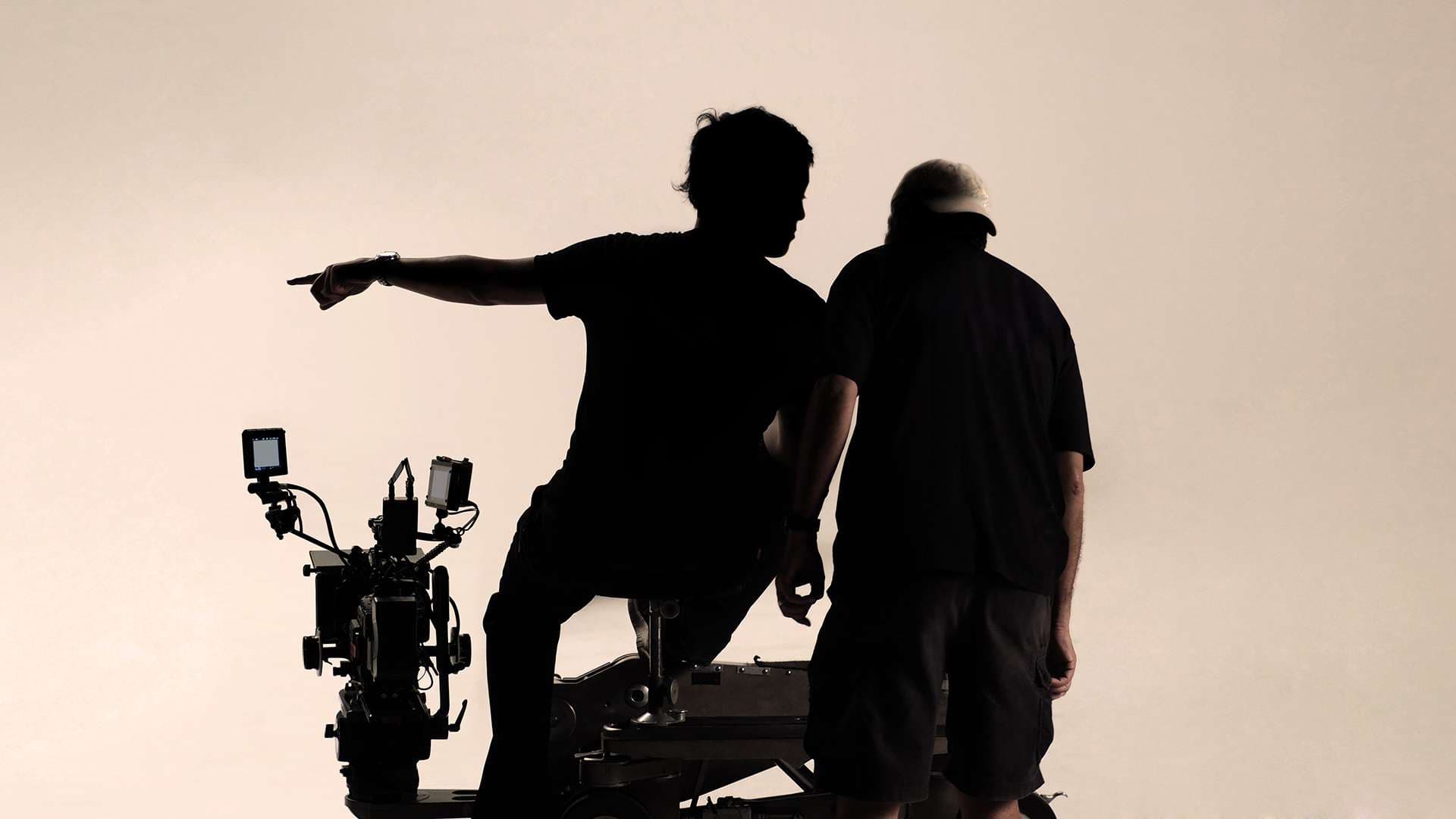
The lighting department structure in film is a model of precision and hierarchy, designed to deliver creative vision on a tight schedule. At the apex stands the gaffer, the head of the department and the chief architect of the film’s lighting scheme. Working in close partnership with the Director of Photography (DoP), the gaffer translates visual intent into practical setups, selecting fixtures, specifying rigging, and ensuring safety protocols are followed (DFI Rentals, 2024). This is not a ceremonial role; it is a blend of creative interpretation and logistical command.
Directly beneath the gaffer sits the best boy — a title that belies the complexity of the job. Best boy responsibilities span personnel management, gear logistics, scheduling, and on-set troubleshooting. The best boy is the operational backbone, hiring electricians, tracking equipment, and acting as the gaffer’s delegate. The electricians, sometimes called sparks, form the bulk of the crew. They execute the plan: running cable, positioning lights, handling power distribution, and responding to rapid changes as dictated by the gaffer or best boy. Each role is distinct, but the lines blur under pressure; adaptability is prized as much as technical skill.
How the gaffer manages the lighting crew
A strong lighting crew hierarchy is about more than authority — it’s about the flow of information and the efficiency of action. The gaffer mediates between the DoP’s vision and the realities of set, translating creative requests into actionable steps for the team (Film Connection, 2024). Pre-production is where the groundwork is laid: the gaffer and DoP conduct location scouts, assess available power, and design lighting plans. On set, the gaffer’s directives travel through the best boy to the electricians, creating a chain of command that minimizes confusion and maximizes speed. Good gaffers anticipate problems before they materialize; they orchestrate the team so that lighting changes happen swiftly, without disrupting the shoot’s momentum.
Communication is not just top-down. Feedback loops are built in — electricians report issues, suggest solutions, and flag safety concerns, all of which filter back to the gaffer via the best boy. This dynamic keeps the department nimble and responsive, especially on complex or high-pressure shoots. The best crews are those that function almost telepathically, with each member understanding both their own responsibilities and the larger creative objective.
Coordination between lighting and grip teams
The distinction between the lighting and grip departments is fundamental, yet often misunderstood outside the industry. The lighting team is responsible for everything electrical: powering, rigging, and controlling light sources. The grip department, by contrast, handles non-electrical support — stands, flags, diffusion, and rigging for both lights and camera. While both departments work in physical proximity and share the goal of shaping light, their expertise and equipment are different (DFI Rentals, 2024).
Coordination between these teams is a study in interdependence. For instance, when a key light needs to be softened, the electrician may adjust the fixture while the grip sets up diffusion. When a light is to be boomed over set, it’s the grips who rig the support and the electrics who handle the power. Clear boundaries prevent confusion, but mutual respect and seamless communication are what keep the workflow efficient. The lighting department’s structure is not just about hierarchy — it’s about orchestrating expertise, so that every creative and technical demand is met with precision.
Understanding the lighting department structure in film is essential for anyone aiming to navigate or lead a set. It’s not just about knowing who does what
Essential Tools and Equipment Every Gaffer Uses
The gaffer’s toolkit is the backbone of any film set’s lighting strategy. “Gaffer tools and equipment” isn’t shorthand for a few lamps and cables—it refers to a carefully curated arsenal that balances creative ambition with practical necessity. The right choices here don’t just keep the lights on; they shape the entire visual identity of a project. For senior marketers and creative leads, understanding what’s in a gaffer’s kit is understanding the real infrastructure behind cinematic storytelling.
Top lighting tools for gaffers
Every gaffer starts with a core set of film set lighting gear. High-output LED panels, HMIs, and tungsten fresnels form the foundation, chosen for their reliability and flexibility. LEDs now dominate for their efficiency and precise color control, but seasoned gaffers still reach for tungsten when warmth and skin tone accuracy are paramount. Modifiers—softboxes, flags, grids, and diffusion—are non-negotiable for sculpting light and managing spill. A gaffer’s cart will also include practicals (household fixtures adapted for set use), dimmers, and wireless DMX controls for real-time adjustments. No less essential are quality stands, clamps, and rigging hardware, which make safe, repeatable setups possible.
Light meters for film and precision control
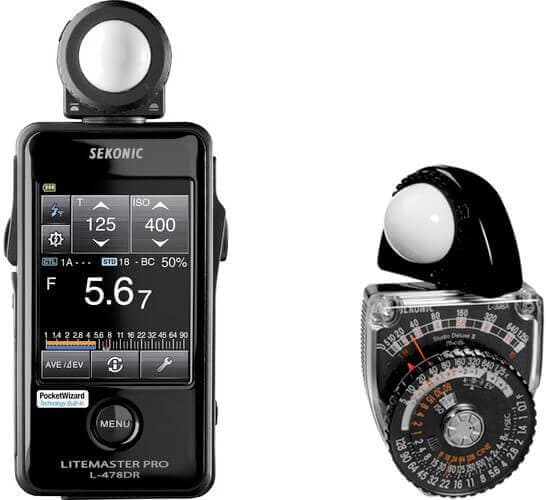
Despite advances in on-camera monitoring, light meters for film remain indispensable. They provide objective readings of exposure and contrast ratios, allowing gaffers to maintain continuity and hit the director of photography’s brief with precision. Both spot and incident meters are used, depending on whether the goal is to measure light falling on a subject or bouncing off it. Mastery of these meters is a mark of technical expertise—a gaffer who can read a scene’s light numerically is one who can replicate or adjust it under pressure.
Ensuring safety with the right gear
Electrical safety equipment is as fundamental as any creative tool. Industrial-grade gloves, insulated mats, and lockout/tagout kits are standard issue. Power distribution systems—distro boxes, cable ramps, and circuit testers—are meticulously maintained and regularly inspected. Gaffers are ultimately responsible for the safe delivery of high amperage power across unpredictable environments. Their judgment in cable routing, load balancing, and grounding is non-negotiable; it’s the difference between a smooth shoot and a catastrophic delay. For those building an essential film equipment list, safety gear is never an afterthought.
How gaffers maintain and transport equipment
Equipment is only as reliable as its maintenance routine. Gaffers log every lamp hour, inspect connectors, and test cables before and after each use. Cases are custom-fitted to protect delicate gear during transport. On location, a lighting gear checklist is referenced religiously—nothing is left to chance. Troubleshooting is part of the culture: spare bulbs, fuses, and adapters travel everywhere, alongside basic repair tools. This discipline keeps the set moving and ensures creative options aren’t limited by technical failures.
Ultimately, the gaffer’s choice of tools and equipment defines what’s possible on set. It’s a blend of technical mastery, creative foresight, and relentless attention to detail. For decision-makers, the lesson is clear: invest in the right gear and the expertise to wield it—because every frame depends on it.
Technical Mastery: Power, Safety, and Problem-Solving on Set
The gaffer’s role is often described in shorthand—head of lighting, electrical chief—but that flattens the reality. At its core, gaffer safety and technical skills are the invisible scaffolding holding a shoot together. The gaffer’s technical fluency is not just about plugging in lights. It’s about orchestrating power, anticipating hazards, and enabling creative ambition within the hard boundaries of physics and safety.
How gaffers handle on-set emergencies
Emergencies on set are rarely dramatic, but they are always consequential. A blown fuse, a sparking cable, or a light stand collapse can halt production and endanger lives. Experienced gaffers don’t just react—they preempt. They know the stress points: overloaded circuits, water near power, rushed setups. When an incident occurs, their response is methodical: isolate the hazard, secure the area, communicate clearly, and restore order fast. This calm, decisive action is learned through repetition and an unromantic respect for risk.
Power distribution: Avoiding outages and overloads
Set power management is a chess game played in real time. Gaffers map out every watt: calculating load, distributing circuits, and balancing supply against demand. They work with the key grip and production manager to source generators, run cabling, and ensure redundancy. A miscalculation here doesn’t just trip a breaker—it can cost hours and compromise the shoot. The gaffer’s technical skills turn creative intent into practical reality, making sure that ambitious lighting setups don’t outstrip what the infrastructure can safely handle.
Safety checklists for lighting teams
Lighting safety protocols are non-negotiable. The best gaffers build safety into every stage: pre-rigging, live shooting, and wrap. Checklists are routine—testing cables, grounding equipment, confirming that all connections are secure and dry. They brief their teams on pinch points, keep first aid and fire extinguishers within reach, and enforce lockout/tagout on faulty gear. These routines aren’t bureaucratic; they are the culture that keeps crews safe and productions moving. For those who want a deeper dive, see our guide to on-set safety practices.
Troubleshooting lighting issues in high-pressure moments
Even with preparation, things go wrong. A flicker, a color shift, a lamp that won’t strike—troubleshooting lighting issues is a test of both knowledge and temperament. Gaffers diagnose fast: Is it the ballast, the lamp, the cable, or the power source? They swap components, reroute power, and improvise solutions, all while keeping the director and DP informed. This ability to problem-solve under pressure is what separates a competent technician from a true master. Our piece on technical troubleshooting film sets explores these crisis moments in detail.
Ultimately, the gaffer’s technical mastery is inseparable from creative impact. Every lighting decision is shaped by what is safe and possible. The best gaffers don’t just keep the lights on—they make sure the vision survives contact with reality, and that everyone goes home in one piece.
Pre-Production to Wrap: The Gaffer’s Workflow
Step-by-step: A gaffer’s daily routine
The gaffer workflow in film production is a continuous arc of technical precision and creative adaptation. It begins well before the first fixture is rigged. During pre-production, the gaffer receives the script and breaks it down for lighting needs—scene by scene, moment by moment. This isn’t a passive read; it’s an interrogation of mood, time of day, and emotional tone. The gaffer collaborates with the director of photography (DP) to translate narrative beats into visual requirements, flagging potential challenges for the pre-production checklist and ensuring nothing is left to chance.
Location scouting is the next critical phase. Here, the gaffer surveys practical power sources, ceiling heights, and natural light dynamics. Each site visit is an exercise in anticipation: What will the sun do at 4 p.m.? Where can cable runs be hidden? The answers shape the pre-production lighting planning and inform the initial lighting plot. This document isn’t static—it’s a living map that will flex as storyboards evolve and locations change.
How gaffers plan for challenging locations
Not all spaces are created equal. Historic interiors, remote exteriors, and tight urban settings each demand tailored solutions. The gaffer’s craft lies in balancing the DP’s vision with logistical realities. For example, in a centuries-old church, the gaffer may need to devise non-invasive rigging or bounce techniques to avoid damaging surfaces. In remote night shoots, portable generators and battery-powered LEDs become essential. The gaffer’s workflow here is marked by contingency: always a backup plan, always an eye on safety and efficiency. This is where the gaffer’s experience and network pay dividends—knowing which rental house can deliver a last-minute HMI or which crew member can troubleshoot a flickering ballast at midnight.
Adjusting lighting on the fly
Production days rarely unfold as planned. The gaffer’s real-time decision-making is tested as weather shifts, schedules slip, or creative choices pivot. On-set lighting adjustments are routine: swapping diffusion, tweaking color temperature, or re-aiming a key light to accommodate a blocking change. The gaffer must read the room—literally and figuratively—balancing speed with precision. Communication is direct, often non-verbal, as cues pass between the gaffer, best boy, and electricians. Efficiency is everything; a well-drilled team can reset a scene’s lighting in minutes, maintaining momentum without sacrificing quality.
Between setups, the gaffer anticipates what’s next, prepping gear for upcoming scenes and troubleshooting in the margins. This foresight is what separates a competent gaffer from a great one—problems are solved before they become visible to anyone else on set. The workflow here is cyclical: prep, execute, adapt, repeat. Each day’s wrap is a reset, with equipment checked, batteries charged, and notes logged for the following morning.
Post-shoot: Equipment management and debriefs
When principal photography ends, the gaffer’s role shifts to post-shoot equipment management. Every lamp, cable, and modifier is accounted for, tested, and packed for return—no exceptions. This is not mere housekeeping; it’s about maintaining trust with rental partners and the production team. The gaffer also participates in debriefs, offering insights on what worked, what failed, and how the lighting workflow can be refined for future projects. The cycle closes with knowledge carried forward, ready for the next call sheet.
The gaffer’s workflow in film production is equal parts rigor and responsiveness. From early script analysis to the final inventory check, the gaffer’s influence is
Career Pathways: Skills and Growth for Aspiring Gaffers
Becoming a gaffer in film is less about a single leap and more about a deliberate, layered progression. The gaffer’s role sits at the intersection of technical mastery and creative interpretation—a position earned through years of hands-on experience and a cultivated understanding of both the science and the art of light. For those charting a course in film production careers, the lighting department offers a path where craft and leadership converge.
Skills every aspiring gaffer needs
The gaffer career path begins with a foundation in technical skill. Entry-level positions—often as lighting trainees or electricians—demand fluency in the mechanics: power distribution, fixture types, color temperature, and the ever-evolving landscape of LED and DMX technology. But technical competence is only the start. The gaffer is a visual interpreter, translating a director’s vision into practical setups that serve narrative and mood. This requires a creative eye for composition, shadow, and texture, paired with the ability to solve problems under pressure. Film set leadership skills are non-negotiable. The gaffer leads teams, negotiates with other department heads, and manages time and resources with precision. Emotional intelligence and communication are as critical as any technical credential.
Training programs for future gaffers
Lighting technician training is both formal and informal. Film schools offer structured pathways—courses in cinematography, workshops on lighting design—but much of a gaffer’s education happens on set. Apprenticeship models still dominate: learning by shadowing experienced gaffers, absorbing set etiquette, and gradually taking on more responsibility. Industry guilds and unions often provide specialized training for lighting professionals, covering safety, new technologies, and best practices. For those without formal access, online masterclasses and community workshops can fill gaps, but nothing substitutes for the rhythm and reality of a working set. Networking is critical. Relationships with cinematographers, key grips, and other gaffers open doors to new projects and mentorship opportunities.
Climbing the ladder: from technician to gaffer
The journey from entry-level lighting technician to gaffer is incremental. Most start as lighting trainees or best boys, learning the ropes through repetition and observation. Advancement comes with reliability, initiative, and a reputation for solving problems before they escalate. The ability to anticipate a DP’s needs, adapt to shifting schedules, and maintain a calm presence under pressure marks those ready for more responsibility. Specialization is a viable path—some gaffers become known for expertise in certain genres or technologies, such as high-speed lighting or virtual production environments. Others move laterally into related roles, like lighting design for commercials, live events, or architectural projects, expanding their creative and professional reach.
Ultimately, the gaffer career path rewards those who invest in both craft and collaboration. Technical skill gets you noticed; creative sensitivity and leadership keep you indispensable. For those considering becoming a gaffer in film, the journey is demanding but clear: start with the fundamentals, seek out rigorous training for lighting professionals, build relationships, and never lose sight of the bigger picture. The best gaffers are not just masters of light—they are essential interpreters of story, shaping what audiences see and feel with every frame.
Misconceptions and Realities: What the Gaffer Role in Film Production Is (and Isn’t)
The gaffer role in film production is both misunderstood and underestimated. Too often, the gaffer is reduced to “the person who handles lights,” a simplification that obscures the position’s creative and technical authority. The reality is more nuanced, and the myths surrounding this role reveal a persistent gap in how film set hierarchies are perceived—even among seasoned industry observers.
Myths about the gaffer’s job debunked
One of the most common film set myths is that the gaffer simply follows instructions from the director of photography (DP) or executes pre-set lighting plans. In truth, gaffers are not passive technicians. Their input shapes the visual identity of a project as much as any department head. Gaffers interpret the DP’s vision, but they also solve practical problems, innovate on the fly, and make creative decisions about lighting quality, texture, and mood. The notion that gaffers are replaceable or interchangeable is a fundamental misunderstanding of their craft.
Gaffer vs. other lighting roles: What’s the difference?
Confusion between the gaffer and roles like best boy or key grip is rampant, even on professional sets. The gaffer leads the lighting department—responsible for the design, execution, and management of all lighting setups. The best boy is the gaffer’s second-in-command, handling logistics and crew management. The key grip, by contrast, is responsible for rigging and moving equipment, not the lighting itself. The DP oversees the overall visual strategy, but the gaffer translates that vision into technical reality. Understanding these distinctions is essential for anyone serious about behind-the-scenes roles explained with accuracy.
The unseen impact of the gaffer on film quality
Lighting department facts often go unappreciated by those outside production. A skilled gaffer’s decisions affect everything from exposure and color rendition to the emotional resonance of a scene. The gaffer’s influence is felt in the subtle interplay of shadow and highlight, the naturalism of day-for-night setups, and the seamless integration of practical and artificial light. Gaffers often anticipate problems before they arise, ensuring that the shoot stays on schedule and the images meet the director’s and DP’s standards. Their blend of technical mastery and artistic intuition is what distinguishes a routine setup from a memorable cinematic moment.
Too often, the gaffer’s responsibilities vs. misconceptions are blurred by outdated hierarchies or a lack of visibility. The gaffer is not simply a “lighting electrician,” nor a subordinate to the DP, but a creative collaborator whose expertise bridges the gap between vision and execution. Recognizing this is not just a matter of credit—it’s a matter of understanding how films are truly made. The gaffer’s role is indispensable, and any attempt to minimize it is a disservice to the realities of film production.
Conclusion
The gaffer’s role sits at the intersection of artistry and execution, shaping the look and feel of a film in ways that often go unspoken but never unnoticed. As the head of the film lighting department, the gaffer’s responsibilities extend far beyond technical rigging; they translate a director’s vision into the nuanced language of light and shadow, making them indispensable to any production that takes visual storytelling seriously.
Every frame owes something to the gaffer’s judgement. Their work is not just about exposure or illumination, but about mood, subtext, and atmosphere. The best gaffers understand that lighting is not an afterthought or a finishing touch—it is a foundational element of cinematic storytelling. Through a sophisticated grasp of lighting techniques, they sculpt faces, define spaces, and guide the audience’s emotional journey. The result is a visual narrative that is coherent, evocative, and precise.
But technical skill alone does not define the gaffer’s impact. This role demands a rare blend of creative intuition and practical know-how, requiring sensitivity to narrative tone and the ability to troubleshoot in real time. Gaffers are collaborators by necessity, working in concert with cinematographers, production designers, and other film crew positions to ensure that each department’s contributions are harmonized. Their decisions ripple through the production, influencing everything from camera movement to set design, underscoring the inherently collective nature of filmmaking.
In the end, the gaffer’s influence is measured not by visibility but by the integrity of the image. Their stewardship of light elevates the ordinary to the cinematic, reminding us that great visual storytelling techniques are always rooted in craft. The gaffer’s essential contributions are a quiet force behind every compelling frame—a testament to the collaborative artistry that defines film.
FAQs
What does a Gaffer do in film?
The Gaffer is the head of the lighting department, responsible for designing and executing the lighting plan on set. Working closely with the Director of Photography, the Gaffer translates visual concepts into practical lighting setups that support the film’s mood, tone, and narrative clarity. Their expertise shapes the look of every frame.
How do Gaffers collaborate with DPs?
The Gaffer and Director of Photography (DP) form a creative partnership. The DP defines the visual goals; the Gaffer interprets these into technical lighting solutions. This relationship is built on trust, visual literacy, and mutual respect, enabling both to push the film’s aesthetic without compromising efficiency or safety on set.
What are the essential tools used by Gaffers in film?
Gaffers rely on a range of tools: lighting fixtures (LEDs, HMIs, tungsten), grip equipment (stands, clamps, flags), light meters, dimmers, gels, and diffusion materials. They also use power distribution systems and control consoles to manage intensity, color, and direction—balancing artistry with technical precision at every stage of production.
What safety protocols do Gaffers follow on set?
Safety is non-negotiable for Gaffers. They enforce protocols around electrical load management, cable routing, proper rigging, and fixture handling. Personal protective equipment is standard, and all crew are briefed on emergency procedures. Vigilance and proactive planning ensure that creative ambition never outpaces safe working conditions.
How can I become a Gaffer in film?
Becoming a Gaffer typically starts with hands-on experience as an electrician or lighting technician. Mastery of lighting technology, set etiquette, and communication is essential. Formal study in cinematography or lighting design helps, but reputation is built through reliability, creative problem-solving, and the ability to lead a team under pressure.
What are common misconceptions about the Gaffer role?
Many assume Gaffers are mere technicians. In reality, they are visual strategists, translating abstract ideas into atmospheric realities. Another misconception is that Gaffers only work with artificial light—most are adept at shaping natural light and integrating practical sources, adapting to the demands of each unique location.
What is the importance of lighting in movies?
Lighting is foundational to cinematic storytelling. It sculpts faces, defines space, and establishes mood long before dialogue begins. Effective lighting guides the audience’s attention, evokes emotion, and reveals character—often in ways that are felt more than seen. Without it, even the strongest narrative risks falling flat visually.
.webp)
Creative Collaboration Platform: The Backbone of Modern Creative WorkWhat is a creative collaboration platform?Clapboard defines a creative collaboration platform as the operational core for today’s distributed creative teams. This is not a collection of digital collaboration tools stitched together; Clapboard’s system

Understanding the Creative Production MarketplaceWhat is a Creative Production Marketplace?Clapboard defines a creative production marketplace as a structured ecosystem where brands, agencies, and production talent converge to execute video, advertising, and branded content at scale. Unlike the legacy agency or freelanREAD FULL ARTICLE

The Urgent Need for a Creative Production Operating SystemWhy Traditional Creative Production Models Break DownClapboard sees the creative production landscape shifting under pressure. Content velocity is no longer a buzzword—it’s a mandate. Modern advertising demands relentless output across dozens of channels, each wREAD FULL ARTICLE

JOIN THE NEWSLETTER.
Content Production insights, videos, books, and freebies, delivered to your inbox weekly


LEAVE A COMMENT
Your email address will not be published.