


Varun Katyal | Founder, Clapboard
Varun Katyal is the Founder & CEO of Clapboard and a former Creative Director at Ogilvy, with 15+ years of experience across advertising, branded content, and film production. He built Clapboard after seeing firsthand that the industry’s traditional ways of sourcing talent, structuring teams, and delivering creative work were no longer built for the volume, velocity, and complexity of modern content. Clapboard is his answer — a video-first creative operating system that brings together a curated talent marketplace, managed production services, and an AI- and automation-powered layer into a single ecosystem for advertising, branded content, and film. It is designed for a market where brands need content at a scale, speed, and level of specialization that legacy agencies and generic freelance platforms were never built to deliver. The thinking, frameworks, and editorial perspective behind this blog are shaped by Varun’s experience across both the agency world and the emerging platform-led future of creative production. LinkedIn: https://www.linkedin.com/in/varun-katyal-clapboard/
Choosing the right camera for filmmaking can often seem like an uphill battle. With a plethora of options available, it can be challenging to discern which camera will meet your specific needs and budget. The good news is that you don't necessarily need a high-end, pricey camera to achieve professional results. In fact, there are many budget-friendly cameras on the market that deliver high-quality footage and offer a range of features suitable for filmmaking.
There's a common myth that only the most expensive cameras can yield professional-grade results. However, our extensive experience at Clapboard has shown that this is far from the truth. The key lies not in the price tag of the camera, but in understanding the features it offers and how to harness them effectively for your unique filmmaking needs. As the saying goes, it’s not about the gear, but the person behind it.
Choosing an affordable camera for filmmaking does not mean compromising on quality. Many budget-friendly cameras are equipped with features that rival those found in higher-end models. These include high-resolution sensors, wide dynamic ranges, and versatile lens mounts, among others. The trick is to understand what these features mean and how they can contribute to the final product.
When it comes to filmmaking, a few key factors should guide your choice of camera:
- Resolution: This determines the level of detail captured in your footage. A camera with a high resolution will offer sharper, more detailed images.
- Sensor size: The size of the camera's sensor significantly affects the depth of field, low light performance, and image quality. Larger sensors generally provide better performance in these areas.
- Lens compatibility: The ability to change lenses gives you more creative flexibility. Ensure the camera is compatible with a wide range of lenses.
- Audio capabilities: Good audio is crucial in filmmaking. Look for a camera with good built-in microphones or the ability to connect external ones.
- Portability: Depending on your filming style, a lightweight and compact camera may be more suitable.
Remember, choosing a camera is a highly personal decision that should be based on your specific needs and budget. Don't be swayed by the latest models or the most expensive ones. Instead, focus on understanding what each camera offers and how it aligns with your filmmaking objectives.
Whether you're an indie filmmaker working on a tight budget or a seasoned professional looking for a secondary camera, there are plenty of affordable options available. The key is to do your research, understand your needs, and make an informed decision. And remember, the best camera is the one that you can afford and know how to use effectively.
When selecting a filmmaking camera, understanding the key features to consider can make all the difference in the quality and versatility of your projects. Here’s a breakdown of essential elements to focus on when choosing a camera that fits your needs and budget.
Sensor Size and Type
The sensor is the heart of your camera, affecting image quality, depth of field, and low-light performance. Common sensor types include Super 35mm and 4/3, each offering unique advantages. A Super 35mm sensor is larger, providing better performance in low light and a more cinematic depth of field, while a 4/3 sensor offers a compact form factor, making it ideal for portable setups. Consider what types of scenes you plan to shoot and in what lighting conditions to determine the best sensor size for your projects.
Resolution and Dynamic Range
Resolution is crucial for capturing detail, especially if you plan to screen your work in theaters or need to crop footage during editing. Look for cameras offering at least 4K resolution to future-proof your investment. Dynamic range is equally important, as it measures how well a camera can capture details in both the shadows and highlights of a scene. A wider dynamic range allows for more flexibility in post-production, helping you achieve that professional, polished look.
Lens Compatibility and Mount Options
The ability to swap lenses offers creative flexibility, allowing you to choose the best lens for each specific shot. Investigate the camera's mount options and ensure compatibility with a wide range of lenses. Some cameras offer interchangeable mounts, which can be a game-changer if you plan to work on diverse projects. Make sure to consider the availability and cost of lenses when evaluating this feature.
Audio Capabilities and Built-in Accessories
Good audio is as critical as high-quality visuals. Examine the camera’s built-in audio features, such as microphone inputs, phantom power for external mics, and audio controls. Some cameras also come with built-in accessories like ND filters or stabilization, which can be beneficial for run-and-gun shooting. These features help simplify your setup and reduce the need for additional gear, which is especially useful for indie filmmakers working with limited resources.
Portability and Ergonomics
For filmmakers on the go, a camera’s portability and ergonomic design are vital. A lightweight and compact camera is easier to handle during long shoots and can be more versatile for various shooting environments. Consider how the camera feels in your hands and whether it supports your shooting style. Ergonomic designs with intuitive controls can enhance your shooting experience, allowing you to focus more on creativity rather than technical adjustments.
By prioritizing these features, you can select a camera that not only fits your budget but also enhances your storytelling capabilities. Remember, the best camera is one that aligns with your specific filmmaking goals and allows you to bring your creative vision to life.
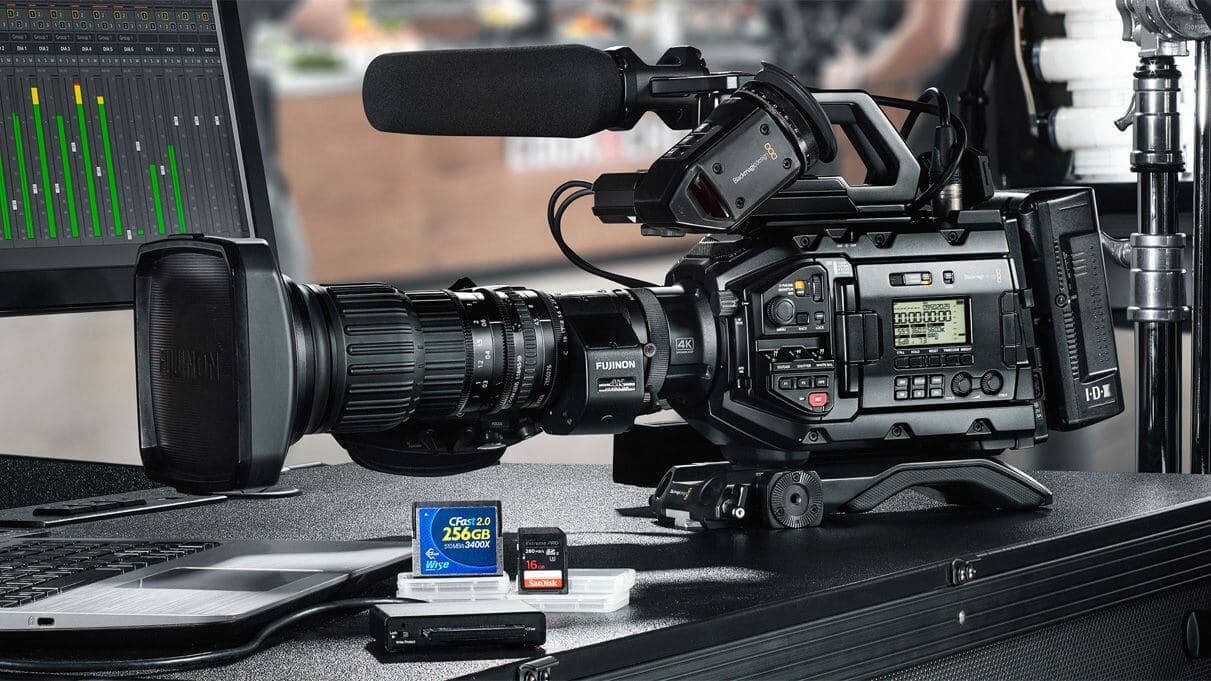
Let's dive into the world of the Blackmagic URSA Mini Pro, a camera that packs quite a punch in terms of versatility and power. Its unique features and incredible performance make it an excellent choice for indie filmmakers looking to get high-quality results without breaking the bank.
Super 35mm CMOS Sensor with 4.6K Resolution
The URSA Mini Pro boasts a Super 35mm CMOS sensor, a feature that allows for capturing images in stunning 4.6K resolution. The larger sensor size delivers a cinematic depth of field and excellent low-light performance, helping you achieve a professional look even in challenging lighting conditions. Moreover, the camera's 15 stops of dynamic range ensure rich detail in both shadows and highlights, allowing for more creative freedom in post-production.
Interchangeable Lens Mounts for Creative Flexibility
The camera's ability to switch lens mounts adds another level of versatility. Whether you're a fan of the EF, PL, B4, or F mount, the URSA Mini Pro can accommodate your preferences. This flexibility allows you to use a wide range of lenses, from vintage to modern, prime to zoom, enabling you to achieve the exact look and feel you want for your film.
Ideal Use Cases for Indie Filmmakers
Because of its impressive capabilities and flexibility, the URSA Mini Pro is a great fit for indie filmmakers. Whether you're shooting a short film, documentary, music video, or even a feature-length movie, this camera can handle it all. Its robust design and professional features like built-in ND filters, XLR audio inputs, and CFast 2.0 card slots, make it a reliable workhorse on set.
Strengths and Considerations
Undoubtedly, the URSA Mini Pro's strengths lie in its high-resolution sensor, versatile lens mount system, and robust professional features. However, like any camera, it also has considerations that filmmakers should be aware of.
- Size and Weight: While the camera is compact for its class, it may still be heavier than DSLRs or mirrorless cameras. This could be a factor if you're planning on doing a lot of handheld or gimbal work.
- Power Consumption: The URSA Mini Pro can be power-hungry, so having a good set of batteries or access to mains power is essential.
- Learning Curve: The camera is packed with professional features, which could present a learning curve for beginners. However, with time and practice, the interface becomes intuitive and easy to navigate.
In conclusion, the Blackmagic URSA Mini Pro is a powerhouse camera that offers fantastic image quality and creative flexibility. While there are considerations to take into account, its strengths make it a worthy investment for indie filmmakers aiming to take their work to the next level.
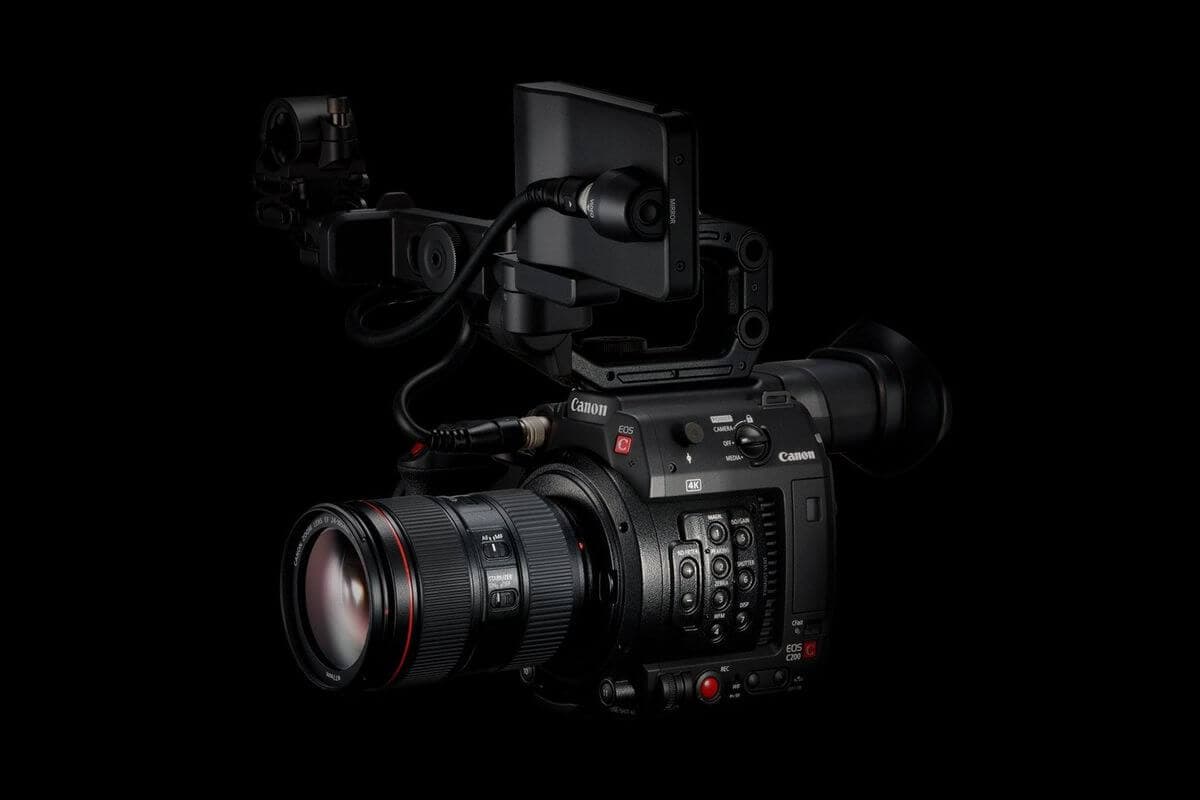
When it comes to lightweight filmmaking with RAW capabilities, the Canon EOS C200B stands out as a reliable choice. This camera is a dream come true for indie filmmakers who are looking for professional-quality results without breaking the bank. With its advanced features and modular design, the Canon EOS C200B offers a wide range of options that can accommodate the needs of various filmmaking scenarios.
RAW 4K Footage Capabilities
The Canon EOS C200B is capable of shooting RAW 4K footage, delivering stunning visuals that are rich in detail and color. This feature is particularly useful for filmmakers who want to have more control over their footage during post-production. With RAW 4K footage, you can tweak colors, manage highlights and shadows, and adjust exposure levels without compromising the quality of the video.
Compatibility with Canon EF-Mount Lenses
One of the standout features of the Canon EOS C200B is its compatibility with Canon EF-mount lenses. This means you can choose from a wide variety of lenses to achieve the look and feel you want for your film. Whether you're shooting a close-up, a wide-angle shot, or anything in between, the Canon EOS C200B, coupled with the right EF-mount lens, can deliver the results you need.
Customizable and Modular Design
The Canon EOS C200B comes with a customizable and modular design, making it a versatile tool for indie filmmakers. You can add or remove components as needed, depending on your shooting requirements. This camera can be stripped down for handheld shooting or built up for more complex, tripod-mounted setups. This level of adaptability allows you to optimize the camera's performance to suit your specific needs.
Best Scenarios for Use
The Canon EOS C200B shines in a variety of filmmaking scenarios. Its lightweight design makes it ideal for handheld shooting or for times when mobility is essential. The camera's RAW 4K capabilities are perfect for high-end productions that require detailed and color-rich visuals. Additionally, the Canon EOS C200B's modular design makes it suitable for a wide range of shooting setups, from simple handheld configurations to complex, multi-camera arrangements.
In summary, the Canon EOS C200B offers a blend of performance and flexibility that makes it a strong contender in the realm of affordable filmmaking cameras. With its ability to shoot RAW 4K footage, compatibility with Canon EF-mount lenses, and customizable design, this camera offers a powerful toolset for indie filmmakers to create high-quality films on a budget.
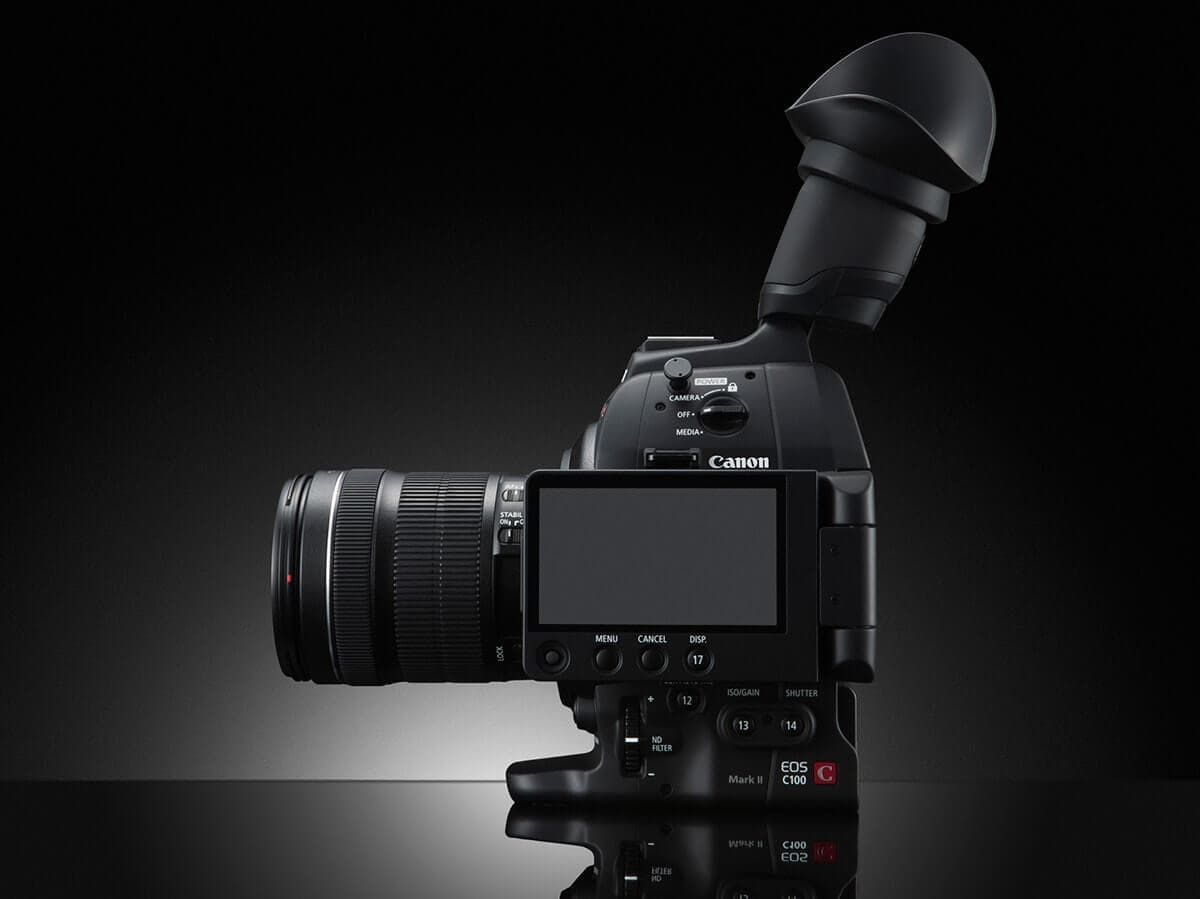
One of the cameras that offers a balance between professional features and user-friendliness is the Canon EOS C100 Mark II. This camera is renowned for its versatility, making it a favorite among solo shooters and small production teams. Its appeal lies in its Super 35mm CMOS sensor, which is capable of delivering a cinematic look that rivals more expensive cameras in its category.
Super 35mm CMOS Sensor for Cinematic Look
The Canon EOS C100 Mark II is equipped with a Super 35mm CMOS sensor, a feature that is usually found in higher-end cameras. This sensor allows for a wider field of view and greater control over depth of field. The result is a more cinematic image with a shallow depth of field that can really make subjects stand out from the background.
Built-in ND Filters and Internal Microphone
One of the unique features of the Canon EOS C100 Mark II is its built-in ND (Neutral Density) filters. These filters allow you to control the exposure in your shots, particularly in bright conditions where you would want to use a wider aperture to achieve a shallow depth of field. The camera also comes with an internal microphone which, while not a replacement for a dedicated external microphone, provides decent audio quality for situations when an external mic may not be available.
Ease of Use for Solo Shooters and Small Crews
What sets the Canon EOS C100 Mark II apart from many other professional cameras is its user-friendly design. The camera is intuitive to use, with well-labeled buttons and dials that are easily accessible. This makes it ideal for solo shooters or small crews where each person may need to wear multiple hats. Additionally, the camera's compact and lightweight design makes it easy to handle, even on longer shoots.
Strengths and Potential Limitations
While the Canon EOS C100 Mark II is an excellent camera for many filmmakers, it's important to understand its limitations as well. While it offers a professional cinematic look, its maximum resolution is 1080p, not 4K. This might not be a problem for many indie filmmakers, but it's worth considering if you plan on distributing your work on platforms that demand 4K content.
Another potential limitation is the camera's low-light performance. While it performs admirably in well-lit situations, its performance can suffer in low light conditions. However, this is a common issue with many cameras in this price range and can be mitigated with proper lighting techniques and equipment.
Despite these limitations, the Canon EOS C100 Mark II remains a strong choice for filmmakers seeking a balance between professional features and ease of use. Its superior image quality, combined with its user-friendly design, make it a worthwhile investment for many indie filmmakers.
Blackmagic Pocket Cinema Camera: Compact Creativity
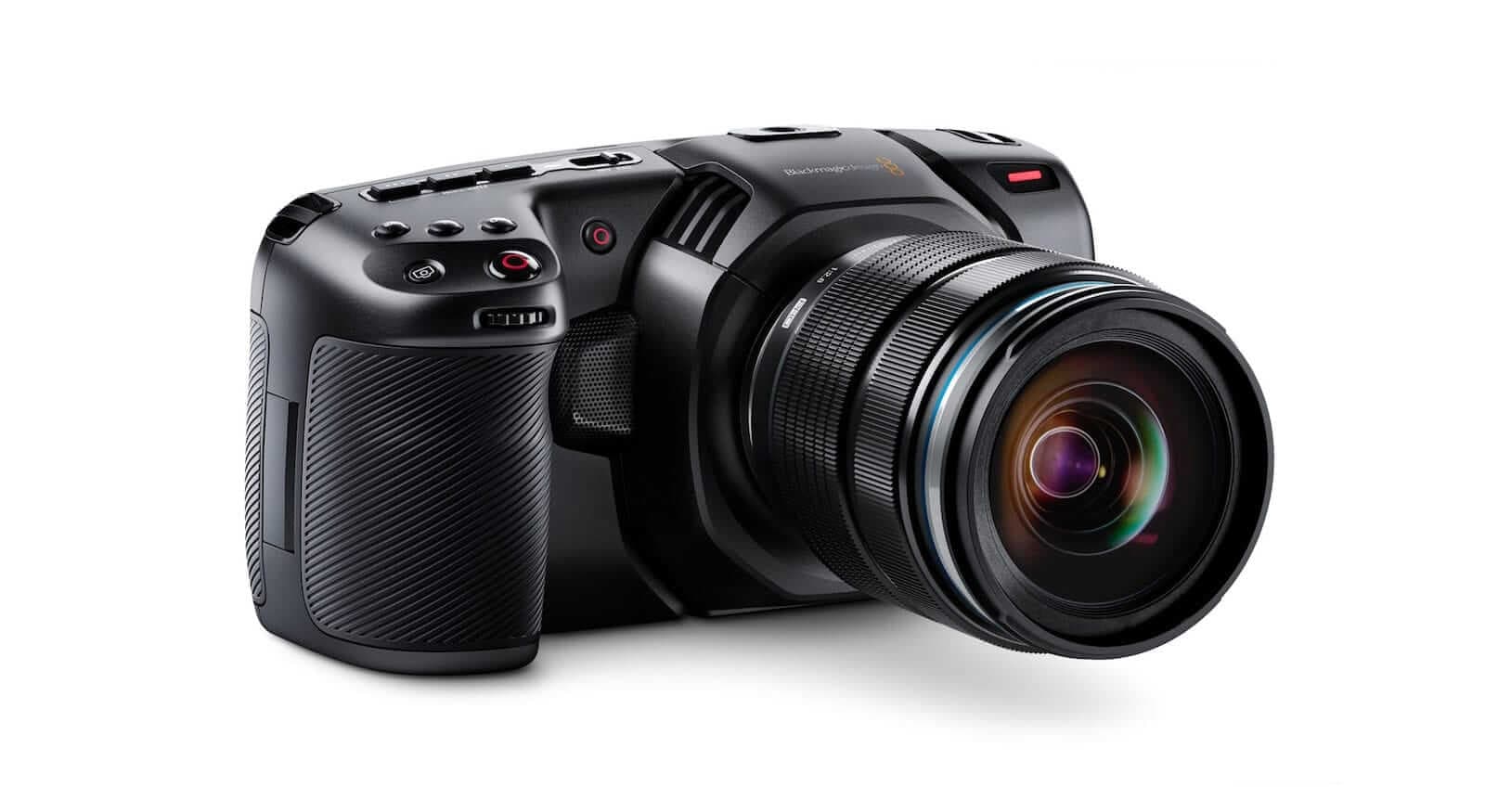
The Blackmagic Pocket Cinema Camera has become a beloved tool for independent filmmakers, offering a unique blend of portability and professional-grade performance. It’s an ideal choice for creatives who need to capture high-quality footage without the bulk and complexity of larger setups.
1. Impressive Sensor and Dynamic Range
At the heart of the Blackmagic Pocket Cinema Camera is its 4/3 size sensor, which provides filmmakers with a remarkable 13 stops of dynamic range. This feature ensures that your footage retains rich detail in both the highlights and shadows, making it easier to capture those dramatic scenes with natural lighting. The sensor size also contributes to a more cinematic depth of field, adding a professional touch to your visuals.
2. Perfect for On-the-Go Filmmaking
One of the standout features of the Blackmagic Pocket Cinema Camera is its portability. Its compact design allows filmmakers to carry it easily, whether they're shooting in crowded urban environments or remote natural landscapes. This portability doesn't compromise on quality, making it a perfect companion for travel documentaries, guerrilla filmmaking, or any project where mobility is key.
3. Ideal Genres and Shooting Environments
The versatility of the Blackmagic Pocket Cinema Camera makes it suitable for a wide range of genres. It's particularly effective in documentary filmmaking, where the ability to move quickly and unobtrusively is crucial. Its lightweight form factor also makes it suitable for music videos and short films, where dynamic movement and creative angles are often required. Whether you're filming a fast-paced action sequence or a quiet, contemplative scene, this camera adapts with ease.
4. Advantages for Independent Creators
Independent filmmakers often face budget constraints, and the Blackmagic Pocket Cinema Camera offers a cost-effective solution without sacrificing quality. Its affordability allows creators to allocate more resources to other aspects of production, such as lighting, sound, and post-production. Additionally, the camera’s intuitive interface and user-friendly controls mean that even those new to filmmaking can quickly get up to speed, focusing more on creativity than technical hurdles.
Furthermore, the camera's compatibility with a wide range of lenses expands its versatility, allowing filmmakers to experiment with different visual styles. Coupled with Blackmagic's renowned color science, the Pocket Cinema Camera ensures that your projects have a polished, cinematic look straight out of the camera.
In conclusion, the Blackmagic Pocket Cinema Camera stands out as a powerful tool for filmmakers who prioritize mobility, flexibility, and high-quality output. Its compact design and impressive technical capabilities make it a worthy investment for any filmmaker eager to explore new creative horizons while staying within budget. Whether you're an aspiring director or a seasoned indie filmmaker, this camera can elevate your storytelling to new heights.
Panasonic HC-X1: All-in-One 4K Solution
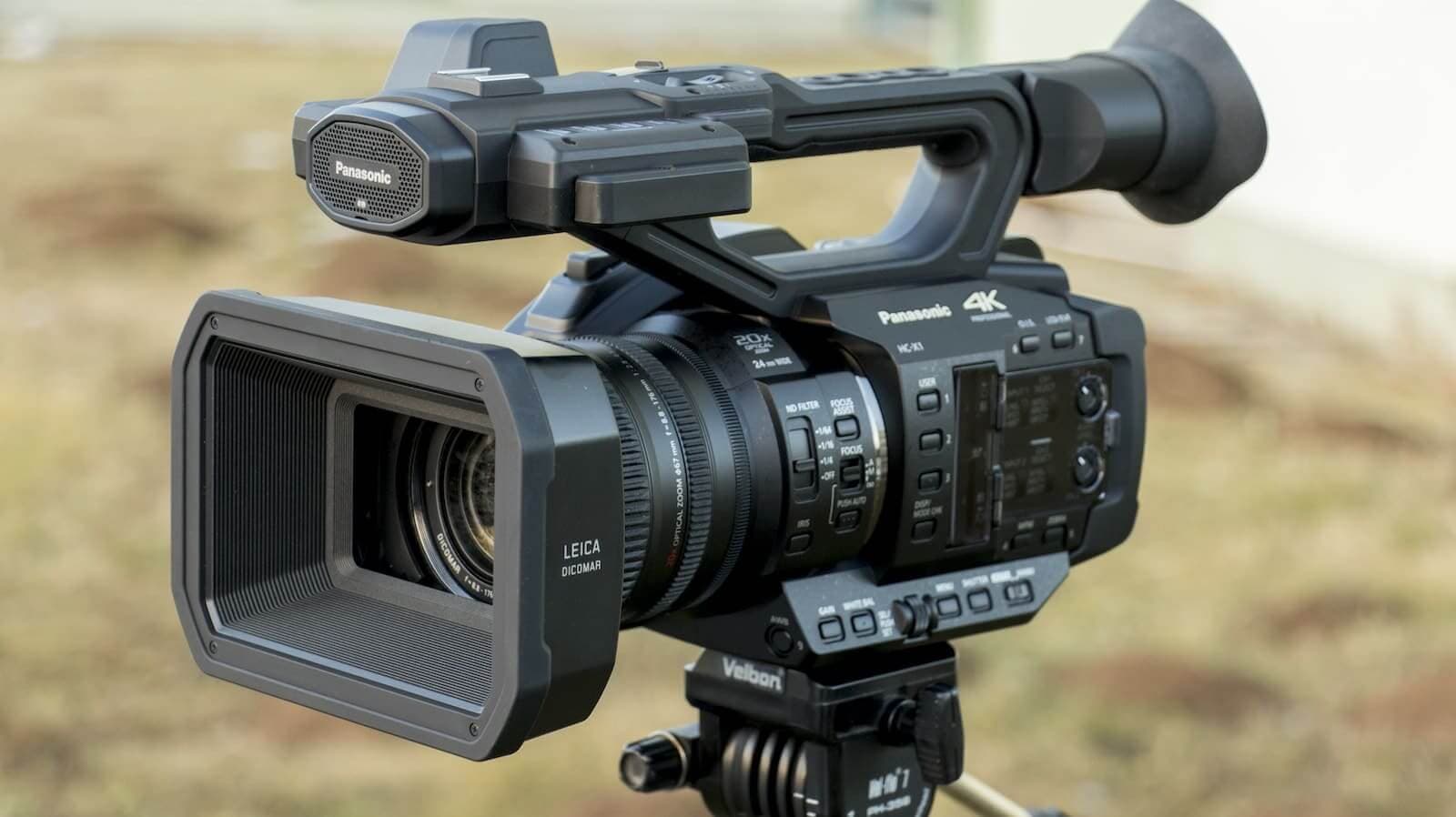
The Panasonic HC-X1 is an impressive choice for filmmakers seeking an all-in-one 4K solution that blends advanced technology with ease of use. This camera is packed with features that make it a versatile tool for various filming scenarios, whether you're shooting documentaries, events, or independent films.
Advanced Optical Image Stabilization (OIS)
One of the standout features of the Panasonic HC-X1 is its Advanced Optical Image Stabilization (OIS). This ensures your footage remains steady, even in dynamic shooting environments where movement is unavoidable. Whether you're capturing fast-paced action or smooth, cinematic pans, the OIS feature helps maintain clarity and stability, giving your projects a professional edge.
Leica Dicomar 4K Lens with 20x Optical Zoom
The camera is equipped with a Leica Dicomar 4K lens that offers a 20x optical zoom. This powerful zoom capability allows you to capture distant subjects with incredible detail, making it ideal for wildlife documentaries or large-scale event coverage. The lens's quality ensures that your images are sharp and vibrant, a testament to Panasonic’s collaboration with Leica to deliver superior optics.
Dual Codec Recording for Workflow Flexibility
For filmmakers who require flexibility in post-production, the Panasonic HC-X1 provides dual codec recording options. This feature allows you to record in different formats simultaneously, such as UHD and HD, catering to various editing needs and storage capacities. It’s particularly beneficial for projects with diverse distribution channels, ensuring you have the right format ready for each platform.
Recommended Uses and User Profiles
The Panasonic HC-X1 is highly recommended for filmmakers who need a reliable, high-quality camera that can handle a range of shooting environments. Its user-friendly design is perfect for solo shooters and small crews who may not have the luxury of additional stabilization equipment. Moreover, the camera's robust features make it a strong contender for those involved in documentary filmmaking, corporate video production, and event videography.
Whether you're a seasoned professional or a passionate amateur, the HC-X1 provides the tools necessary to elevate your filmmaking projects. Its combination of professional-grade features and practical usability makes it an excellent investment for those looking to produce stunning 4K content without the need for extensive camera rigging.
In conclusion, the Panasonic HC-X1 stands out as a comprehensive solution for filmmakers who prioritize image quality, flexibility, and ease of use. Its advanced stabilization, superior zoom lens, and dual codec capabilities offer a powerful package that can adapt to various filming needs, ensuring that your creative vision is realized in every project.
It's time to dive into the nitty-gritty of comparing top cameras under $6,000. We've explored each camera individually, but how do they stack up against each other? To help you make the best decision for your filmmaking needs, we'll go through a side-by-side feature comparison, discuss the strengths and weaknesses of each model, and suggest the best camera choices for different filmmaking needs.
Side-by-Side Feature Comparison
Let's start by lining up the key features of each model side by side. It's essential to consider factors like sensor size, resolution, lens compatibility, and audio capabilities. Furthermore, portability and ergonomics can be a big deal, especially if you're a solo shooter or working with a small crew. We've created a comprehensive comparison table that should help you get a clear picture of what each camera offers.
Strengths and Weaknesses of Each Model
Now that we have the specs laid out, it's time to take a closer look at the strengths and weaknesses of each model. Remember, no camera is perfect for every scenario. For instance, the Blackmagic URSA Mini Pro's versatility and power make it a top choice for indie filmmakers, but its size and weight might not be ideal for on-the-go shoots. On the other hand, the Canon EOS C100 Mark II, with its built-in ND filters and internal microphone, is a great user-friendly choice, but its lower resolution might not be suitable for higher-end commercial projects.
Best Camera Choices for Different Filmmaking Needs
So, which camera should you choose? Well, it depends on your specific needs and priorities. If you value compactness and portability, the Blackmagic Pocket Cinema Camera might be your best bet. If you need a camera with powerful raw filmmaking capabilities, then the Canon EOS C200B is a worthy contender. If you're looking for an all-in-one 4K solution, then the Panasonic HC-X1 is worth considering. And if versatility and power are your top priorities, then the Blackmagic URSA Mini Pro is hard to beat.
Choosing a camera is a significant decision that can directly impact the quality of your filmmaking. Remember, it's not just about the camera's features and price tag, but also how it fits into your unique workflow and style. So, take your time, do your research, and make a decision that feels right for you.
And remember, the best camera is the one you have with you. So, once you've made your decision, get out there and start shooting!
Tips for Getting the Most Out of Your Camera Investment
Congratulations on investing in a filmmaking camera! Whether you're a budding indie filmmaker or a seasoned pro looking to maximize your budget, getting the most out of your camera is crucial. Here are some insightful tips to help you elevate your filmmaking game and make the most of your investment.
1. Equip Yourself with Essential Accessories
Your camera is the heart of your setup, but the right accessories can significantly enhance your filmmaking experience. Consider these must-haves:
- Sturdy Tripod: A reliable tripod is essential for stable shots and smooth pans. Look for one with a fluid head for better control.
- External Microphone: Audio quality is just as important as video quality. Invest in a good shotgun or lavalier mic to capture clear, professional sound.
- Lighting Kit: Proper lighting can transform your footage. A basic three-point lighting kit will allow you to control shadows and highlights effectively.
- Extra Batteries and Memory Cards: Avoid interruptions during shoots by keeping spare batteries and memory cards handy.
2. Streamline Your Workflow
Efficient workflow and post-production can save you time and enhance the quality of your final product. Here are some tips:
- Organize Footage: Develop a system for labeling and storing your footage. This makes editing more efficient and prevents valuable clips from getting lost.
- Use Proxy Files: Editing with proxy files can speed up the process without sacrificing quality. This is especially useful if your computer struggles with high-resolution footage.
- Color Grading: Mastering color grading can make your film stand out. Familiarize yourself with software like DaVinci Resolve to enhance your visuals.
3. Upgrade Your Skills
Investing in your skills is as important as investing in your equipment. Continuously improving your craft will ensure you make the most out of your camera. Here’s how:
- Take Online Courses: There are numerous online resources and courses that can teach you about cinematography, editing, and sound design.
- Practice Regularly: The more you shoot, the better you’ll become. Challenge yourself with different genres and styles to expand your creative range.
- Join Filmmaking Communities: Engage with fellow filmmakers through online forums and local groups. Networking can provide valuable insights and inspiration.
4. Experiment and Innovate
Finally, don't be afraid to experiment. Try new techniques, play with different settings, and push the boundaries of what your camera can do. Innovation often leads to unique and compelling storytelling.
By focusing on these areas, you can truly get the most out of your camera investment. Remember, it's not just about the gear; it's about how you use it. Embrace the learning journey, and you'll be well on your way to creating captivating films that resonate with your audience.
Conclusion
In the ever-evolving world of filmmaking, choosing the right camera is crucial to bringing your creative vision to life, especially when working within a budget. As we've explored, the journey to selecting an affordable filmmaking camera doesn't necessarily mean compromising on quality. From the versatile Blackmagic URSA Mini Pro to the compact creativity of the Blackmagic Pocket Cinema Camera, each option presents unique features that can cater to various filmmaking needs and styles.
Matching the right camera to your project is more than just ticking off a list of technical specs—it's about understanding the specific demands of your storytelling. Whether you require the lightweight, RAW capabilities of the Canon EOS C200B for a dynamic shoot or the all-in-one solution provided by the Panasonic HC-X1 for a more controlled environment, each choice should align with your project's goals and your personal workflow preferences.
Experimentation and skill development are key to maximizing the potential of any camera. Take the time to familiarize yourself with the unique capabilities and limitations of your chosen equipment. This hands-on experience not only enhances your technical skills but also empowers you to push creative boundaries, resulting in more compelling and professional-quality films.
Additionally, investing in the right accessories can significantly enhance your filmmaking process. Essential gear such as quality lenses, robust audio equipment, and reliable stabilization tools can transform your work, providing greater flexibility and creative control. Coupling these with a well-planned workflow and thoughtful post-production strategies ensures that you get the most out of your camera investment.
Achieving professional results on a budget is not only possible but increasingly accessible. With the right camera and a commitment to developing your craft, you can create films that resonate with audiences and stand out in the competitive film industry. Remember, the magic of filmmaking lies in the story you tell and how you choose to tell it.
As you embark on your filmmaking journey, let your camera be an extension of your creativity. Embrace the opportunities to learn, adapt, and innovate. Whether you're an indie filmmaker working on a passion project or a small crew tackling a commercial endeavor, the right camera can help you achieve your cinematic aspirations without breaking the bank.
So, take that leap, explore your options, and let your creativity shine through the lens of an affordable yet powerful filmmaking camera. The world of storytelling awaits your unique perspective.
FAQs
1. What is the most important feature to look for in a filmmaking camera?
The most important features vary based on your project needs. However, sensor size and type, resolution, dynamic range, lens compatibility, audio capabilities, and portability are all key considerations. Prioritize based on what's most important for your particular filmmaking project.
2. Can these cameras be used for commercial projects?
Absolutely! All the cameras featured, such as the Blackmagic URSA Mini Pro and Canon EOS C200B, are versatile and powerful enough to be used for commercial projects. They deliver high-resolution footage and offer a range of features suitable for professional filmmaking.
3. What accessories are essential for indie filmmakers?
Essential accessories for indie filmmakers can vary based on the project, but typically include additional lenses, tripods, microphones, and lighting equipment. Upgrading your skills can also help maximize your camera's potential.
4. How do I choose between portability and advanced features?
Choosing between portability and advanced features depends on your filmmaking needs. For instance, if you often shoot on-the-go, you might prioritize a compact camera like the Blackmagic Pocket Cinema Camera. But if you require advanced features like a high dynamic range, consider options like the Canon EOS C100 Mark II.
5. Are there affordable options for upgrading lenses and audio?
Yes, there are many budget-friendly options for upgrading lenses and audio. Depending on the camera, you may be able to use interchangeable lens mounts for creative flexibility. For audio, consider investing in a high-quality external microphone.
6. Can I get professional results with budget-friendly cameras?
Definitely! It's a common myth that only high-end cameras deliver professional results. Affordable cameras like the Canon EOS C100 Mark II or Panasonic HC-X1 can offer professional-grade features and excellent video quality.
7. What is the advantage of a Super 35mm sensor?
A Super 35mm sensor, as found in cameras like the Blackmagic URSA Mini Pro, gives a cinematic look to your footage. It provides a shallow depth of field and excellent low light performance, essential for achieving a film-like aesthetic.
8. Can I use these cameras for indie filmmaking?
Yes, these cameras are highly recommended for indie filmmaking. They offer a balance of affordability, high-quality video output, and user-friendly features that are ideal for independent creators and small crews.
9. What is the benefit of dual codec recording?
Dual codec recording, like that found in the Panasonic HC-X1, offers workflow flexibility. It allows you to record in two different formats simultaneously, which can be useful for creating backups or delivering content in multiple formats.
10. How can I get the most out of my camera investment?
To maximize your camera investment, consider investing in essential accessories, learning about post-production workflows, and continuously upgrading your skills. Remember, the camera is just a tool; your creativity and expertise are what truly bring your vision to life.
.webp)
Creative Collaboration Platform: The Backbone of Modern Creative WorkWhat is a creative collaboration platform?Clapboard defines a creative collaboration platform as the operational core for today’s distributed creative teams. This is not a collection of digital collaboration tools stitched together; Clapboard’s system
Understanding the Creative Production MarketplaceWhat is a Creative Production Marketplace?Clapboard defines a creative production marketplace as a structured ecosystem where brands, agencies, and production talent converge to execute video, advertising, and branded content at scale. Unlike the legacy agency or freelanREAD FULL ARTICLE
The Urgent Need for a Creative Production Operating SystemWhy Traditional Creative Production Models Break DownClapboard sees the creative production landscape shifting under pressure. Content velocity is no longer a buzzword—it’s a mandate. Modern advertising demands relentless output across dozens of channels, each wREAD FULL ARTICLE

JOIN THE NEWSLETTER.
Content Production insights, videos, books, and freebies, delivered to your inbox weekly


LEAVE A COMMENT
Your email address will not be published.