


Varun Katyal | Founder, Clapboard
Varun Katyal is the Founder & CEO of Clapboard and a former Creative Director at Ogilvy, with 15+ years of experience across advertising, branded content, and film production. He built Clapboard after seeing firsthand that the industry’s traditional ways of sourcing talent, structuring teams, and delivering creative work were no longer built for the volume, velocity, and complexity of modern content. Clapboard is his answer — a video-first creative operating system that brings together a curated talent marketplace, managed production services, and an AI- and automation-powered layer into a single ecosystem for advertising, branded content, and film. It is designed for a market where brands need content at a scale, speed, and level of specialization that legacy agencies and generic freelance platforms were never built to deliver. The thinking, frameworks, and editorial perspective behind this blog are shaped by Varun’s experience across both the agency world and the emerging platform-led future of creative production. LinkedIn: https://www.linkedin.com/in/varun-katyal-clapboard/
Breaking Down the Core Cinematography Terms
Cinematography terms are more than technical jargon—they’re the shared language of every set. Understanding these words isn’t optional. It’s how a director communicates intent, a producer tracks progress, and the camera department executes at pace. For anyone serious about visual storytelling, fluency in these terms is the baseline.
What is an f-stop and why does it matter?
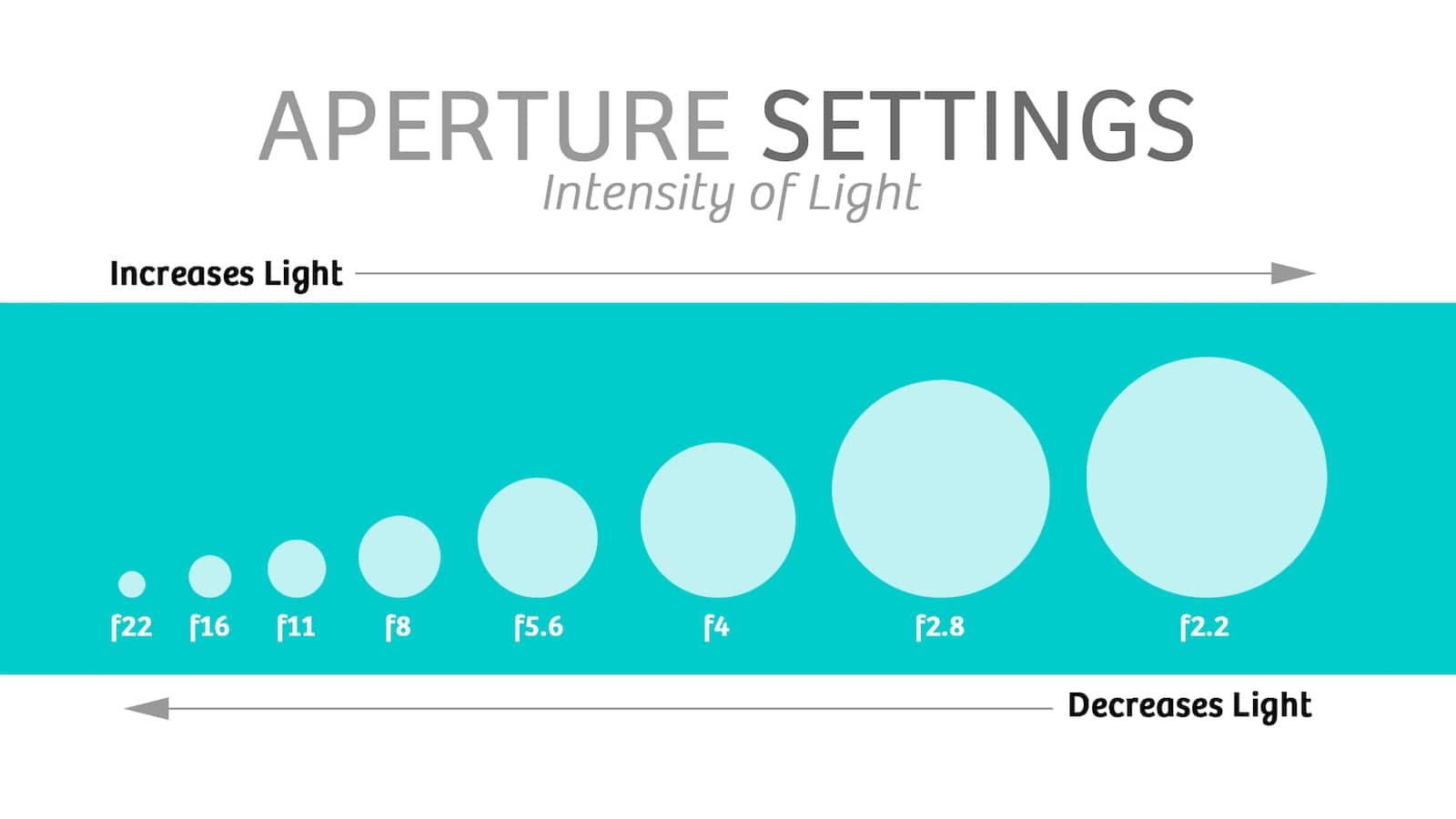
The f-stop is fundamental camera department terminology. It refers to the aperture setting on a lens—the size of the opening that lets light hit the sensor. A lower f-stop (like f/1.4) means a wider aperture, letting in more light and creating a shallow depth of field. Higher f-stops (like f/16) reduce light and increase depth of field. The f-stop isn’t just a technical spec; it’s a creative lever. Need to isolate a subject in a busy environment? Open up to a low f-stop. Want everything sharp from foreground to background? Stop down. Every cinematographer balances exposure and focus with this single number, shot by shot.
Closely related is the t-stop. While the f-stop is a mathematical calculation, the t-stop (transmission stop) accounts for actual light transmission through the lens, factoring in glass imperfections and coatings. On high-end productions, especially commercials and narrative work, t-stops ensure consistency across different lenses—critical when matching shots in post.
Key lighting terms for cinematographers
Lighting jargon is its own dialect. “Gaffer tape” is a staple—strong, heat-resistant, and easily removable, it’s used to secure cables, mark positions, or flag off unwanted light. The term “gaffer” refers to the head of the lighting department, but on set, “gaffer tape” is a verb and a noun. If you’ve ever seen a cable run neatly out of frame, thank the gaffer and their tape.
Terms like “key light,” “fill,” and “backlight” are foundational. The key light is your primary source, shaping the scene’s mood. Fill light softens shadows, while backlight separates subject from background. These aren’t just academic distinctions—they drive the emotional tone and visual clarity of every frame. Lighting choices are never arbitrary; they’re calculated moves, using established terms to translate script to image.
Understanding shot composition language
Shot composition terminology is where creative vision meets practical execution. “Rack focus” is a classic: shifting focus from one subject to another within the same shot. It’s a storytelling tool, guiding the viewer’s attention with surgical precision. Executing a rack focus isn’t just about turning a ring on the lens—it requires coordination between camera operator and 1st AC, precise marks, and a shared understanding of timing.
Terms like “over-the-shoulder,” “close-up,” and “establishing shot” aren’t just shorthand; they’re blueprints. An over-the-shoulder frames a character’s perspective, a close-up isolates emotion, an establishing shot sets context. On set, these words cut through ambiguity and keep the day moving—everyone knows what’s expected when these terms are called out.
The intersection of terminology and creative intent
Mastering cinematography terms isn’t about showing off technical knowledge. It’s about enabling speed, precision, and trust on set. When every department speaks the same language, creative decisions become actionable. The right term, used at the right moment, can mean the difference between a missed shot and a perfect take. For creative leaders, fluency in this vocabulary is a non-negotiable asset—one that pays off from pre-production through the final grade.
Why Cinematography Terms Matter On Set
Cinematography terms are not academic trivia—they are the backbone of clear, actionable communication on set. Whether you’re shooting a thirty-second spot or a feature, the film set vocabulary you use can mean the difference between a seamless take and a costly reset. On any professional set, time is money. The shared language of filmmaking jargon is what keeps the clock from bleeding red.
Mastery of cinematography terms is more than a badge of expertise. It’s about efficiency, safety, and creative alignment. When a director calls for a “dirty single” or a gaffer references a “book light,” everyone from the DP to the PA needs to understand the ask—instantly. There’s no room for translation delays or second guesses. When the language is shared, trust is built. The crew moves as one, and the work gets sharper.
Essential cinematography terms every filmmaker should know
Every department, from camera to grip, benefits from a working knowledge of core cinematography terms. Knowing the difference between a “close-up” and an “extreme close-up” isn’t pedantry; it’s the difference between capturing the emotion a director wants and missing the brief. Terms like “coverage,” “blocking,” “over-the-shoulder,” and “call sheet” form the skeleton of daily operations. If you’re new to set, invest in a filmmaking glossary. If you’re experienced, keep your language precise—sloppy terminology leads to sloppy work.
How film set jargon improves collaboration
Film set jargon is a tool, not a barrier. The best sets I’ve worked on are those where the language flows without friction. When a first AD says, “We’re going for picture,” or a DP calls for a “Dutch angle,” there’s no confusion—just action. This shared vocabulary isn’t about gatekeeping; it’s about unlocking speed and creative clarity. It lets departments anticipate each other’s needs, adapt quickly, and avoid bottlenecks. The result: a set that runs like a well-oiled machine.
Avoiding common miscommunications in filmmaking
Miscommunication on set isn’t just annoying—it’s expensive and, at times, dangerous. If someone misinterprets “strike the lights” as “turn them off” instead of “remove them,” you lose time. Worse, if a safety call like “hot set” is misunderstood, people get hurt. On-set communication is not just about artistry; it’s about risk management and professional respect. Every department—camera, lighting, art, sound—relies on the same film set vocabulary to keep things moving and safe.
Foundational knowledge of cinematography terms is not optional. It’s the glue that binds creative vision to technical execution. On a real set, nobody has time to explain what “tail slate” means mid-take. The crew expects you to know, and the production expects you to deliver. If you want to lead, create, or even just survive in this business, fluency in the language of the set is non-negotiable. For more on building your technical foundation, see our guide to film production essentials and our comprehensive filmmaking glossary.
Trade-Offs and Nuances in Cinematography Terminology
F-stop vs. T-stop: Which to use and when
In cinematography terminology, the difference between f-stop and T-stop is more than academic. F-stop is a theoretical calculation: focal length divided by the diameter of the lens opening. It tells you the potential for light to pass through but ignores the real-world losses inside the lens barrel. T-stop, on the other hand, is a measured value—factoring in the light lost as it travels through glass elements and coatings (PetaPixel, 2016). In practice, this means two lenses both marked f/2.8 might transmit different amounts of light, but if they're both T2.9, exposure matches between them. For commercial and narrative work, where multiple lenses are swapped and scenes must cut seamlessly, T-stop is non-negotiable. Still photographers can get away with f-stop because their metering system compensates for minor differences, but on set, where exposure continuity is critical and post-production time costs money, T-stop is the only metric that matters.
Choosing the right lighting gels for your scene
Lighting gels—CTB (Color Temperature Blue), CTO (Color Temperature Orange), and CTS (Color Temperature Straw)—are often lumped together, but their distinctions shape the mood and realism of an image. CTB converts tungsten fixtures to daylight, while CTO warms daylight-balanced lights toward tungsten. CTS, though similar to CTO, imparts a subtler, less red warmth, favored in skin tone work or when you want a less saturated look. The choice isn’t just technical; it’s aesthetic. On commercial sets, I’ve seen creative directors obsess over the difference between CTO and CTS on talent’s skin, especially in beauty or lifestyle work. The wrong gel can push a look from cinematic to synthetic. Understanding these nuances is as much about creative intent as technical necessity. A lighting technician who grabs “any orange gel” misses the point: the right gel is a storytelling tool, not just a color correction patch.
Types of camera dollies explained
Camera movement types are another area where terminology shapes outcomes. The Western dolly—a heavy, stable platform with pneumatic wheels—is the workhorse for smooth, controlled tracking shots. It handles weight, glides over dance floors, and anchors the camera for complex moves. The doorway dolly, smaller and more agile, is built for tight interiors and quick setups. It’ll fit through a standard door (hence the name), but sacrifices some stability and ride quality for maneuverability. On a narrative shoot, I’ll call for a Western dolly if the shot demands precision or involves a long, continuous take with talent and crew moving in sync. For branded content or run-and-gun work in cramped locations, the doorway dolly is often the right call—faster, less intrusive, and easier to reset. Knowing the difference isn’t just about gear; it’s about reading the day’s challenges and choosing the tool that supports the creative and logistical goals.
Why these distinctions matter for production
Precision in cinematography terminology isn’t pedantry—it’s practical. The difference between f-stop and T-stop can mean the difference between seamless exposure and hours wasted matching shots in post (Noam Kroll, 2016). Selecting the right gel or dolly type isn’t just about technical correctness, but about shaping the final image and the efficiency of the shoot. Senior creatives and producers know: when the terminology is sharp, so is the execution. These nuances signal a crew that understands both the art and the business of production. For those pushing into advanced camera settings or refining film lighting techniques, mastering these subtleties is non-negotiable. The details are where craft,
Cinematography Terms That Shape Creative Intent
Creative cinematography terms are more than technical jargon—they are the compass points that steer both the look and the meaning of a project. On set, the language of shot design, lens choices, and lighting strategies isn’t just about logistics; it’s the connective tissue between a director’s vision and what ends up on screen. When you know which terms to deploy, and when, you unlock a shorthand that drives precision, speed, and artistry in visual storytelling.
How rack focus enhances storytelling
Rack focus is a staple in the director of photography language, not because it’s flashy, but because it’s surgical in its intent. By shifting the lens’s focus from one subject to another within a single shot, you direct the audience’s attention, reveal critical details, and shift narrative emphasis without a single cut (StudioBinder, 2023). In practice, this is how you guide a viewer’s eye—subtly or dramatically—telling them where to look and what matters in the moment. Consider the infamous poisoning scene in Casino Royale: the rack focus doesn’t just show Bond’s panic, it makes the audience feel it, all without dialogue (Soundstripe, 2023). This is show-don’t-tell at its most distilled, and it’s a tool that belongs in every cinematographer’s arsenal.
The impact of catchlights in cinematic portraits
Catchlight is one of those creative cinematography terms that rarely gets discussed in the boardroom, but it’s fundamental to emotional engagement on screen. The glint of reflected light in a subject’s eyes can be the difference between a portrait that feels alive and one that falls flat. Catchlights add dimensionality and draw the audience into a character’s inner world. When planning a shot, I always consider the placement and quality of catchlight. Is it a hard specular highlight from a Fresnel, or a soft glow from a bounce? Each option communicates something different—a cold interrogation, a moment of intimacy, or a sense of wonder. The presence or absence of catchlight is never accidental; it’s a deliberate choice that shapes how we read a character’s intentions and emotional state.
Using bounce light for mood and texture
Bounce is another term that sits at the intersection of technical execution and artistic intent. To bounce light is to redirect and soften it, usually with a white card, fabric, or wall. This isn’t just about exposure; it’s about sculpting mood and texture. A bounced key can wrap a subject in gentle gradients, evoking nostalgia or vulnerability. Conversely, bouncing hard light off a colored surface can inject energy or tension. The choice of material—foam core, muslin, bead board—each imparts a signature look. When you’re building a shot list or storyboarding for film, specifying bounce setups in your notes tells the gaffer and the director exactly what emotional temperature you’re aiming for. It’s a way to anchor creative ambition with technical clarity.
Shot planning and the power of precise language
These creative cinematography terms aren’t just for the camera department—they’re a bridge to the rest of the team. When you say “rack focus to reveal,” “catchlight on camera right,” or “bounce fill for warmth,” you’re not just describing a look. You’re communicating intent, aligning departments, and ensuring that every shot moves the story forward. This specificity is crucial during shot list creation, where time is tight and stakes are high. The right language eliminates ambiguity and preserves creative momentum, even under pressure.
Ultimately, mastery of director of photography language is what separates a technician from a storyteller. It’s the difference between executing a shot and elevating a narrative. When these terms are woven into
Cinematography Terms for On-Set Workflow and Etiquette
Safety-first cinematography terms every crew should use
On-set cinematography terms aren’t just technical—they’re the backbone of production safety and crew communication. “Striking” is non-negotiable: it alerts everyone when a light is about to be powered on, preventing accidental blindness or worse. “Points!” is another, called out when someone is moving with a potentially dangerous object—like a C-stand or flag—so people can clear the path. The phrase “Watch your back!” isn’t casual banter; it’s a direct warning that heavy gear or crew is coming through. And the industry’s commitment to safety is underscored by the invocation of “Sarah Jones”—a name used to remind teams, somberly, of the fatal consequences of overlooking basic protocols. These terms aren’t just tradition; they’re a living language that keeps sets safe and moving.
Navigating set etiquette with the right vocabulary
Set etiquette is as much about respect as efficiency. “Crossing” is called when someone needs to pass in front of the camera, ensuring operators aren’t caught off guard and takes aren’t ruined. “10-1” is shorthand for a quick bathroom break—a discrete way to communicate without stalling the workflow or drawing unnecessary attention. “Last looks” signals the final chance for hair, makeup, and wardrobe to make adjustments before a take. These aren’t empty rituals. They’re friction reducers, allowing crew to anticipate, adapt, and move as one. Etiquette terms are the grease in the gears of production; they keep tempers cool and operations fluid, especially when the pressure mounts and timelines tighten.
Workflow phrases that keep production on track
On-set cinematography terms extend to workflow, shaping how information flows up and down the call sheet. “Picture’s up” means the camera is rolling soon—everyone snaps to attention. “Going again” tells the crew to reset for another take without confusion. “Martini shot” signals the last shot of the day, focusing energy for one final push. Even “checking the gate”—a legacy term from film days—still gets used, signaling a final quality check before moving on. Each phrase has evolved for speed, clarity, and shared understanding. They’re the difference between a set that hums and one that stalls.
The cultural role of jargon in maintaining order and respect
Jargon isn’t about exclusion—it’s about precision. On a set, every second counts and ambiguity is costly. The right vocabulary signals professionalism and respect for the craft and the crew. It’s a cultural shorthand that establishes hierarchy, signals intent, and keeps everyone aligned. When you use the right on-set cinematography terms, you’re not just speaking the language of the set; you’re reinforcing the invisible architecture that holds production together. Ignore it, and chaos creeps in—wasted time, bruised egos, and, at worst, compromised safety. Respect the language, and you respect the process, the people, and the work itself.
Misconceptions About Cinematography Terms
Misconceptions about cinematography terms are more than just trivia—they shape how sets run, how teams collaborate, and how creative intent translates from script to screen. It’s a language with nuance, shorthand, and context, but too often, the wrong use of a term becomes gospel. This isn’t just a problem for green crews. Even seasoned professionals can fall into the trap of filmmaking myths or terminology mistakes, especially when deadlines loom and clarity slips.
Commonly misunderstood cinematography terms
Take “coverage.” To a director of photography, it’s the strategic gathering of angles and shot sizes to protect the edit. To some producers, it’s a checkbox—did we “get coverage” equals did we shoot enough. The result? Over-shooting, wasted time, and a diluted visual plan. Or consider “master shot.” Some think it’s any wide shot, when in practice, it’s a specific setup that anchors the scene’s geography and action. “Depth of field” is another: not just a blurry background, but a technical interplay of aperture, lens, and distance that shapes how the audience perceives space. These aren’t pedantic distinctions—they’re the difference between intentional craft and accidental compromise.
Regional variations in film set language
Set language confusion intensifies across borders. In the UK, “gaffer” is the head of lighting; in the US, “best boy” is a key assistant, but the title means little in other markets. A “clapper loader” in Australia is a 2nd AC elsewhere. Even basic commands—“strike” (to remove) or “kill” (to turn off)—can spark hesitation if the crew comes from mixed backgrounds. These regional quirks aren’t just quaint; they can cause real delays or safety issues if misunderstood. When a term like “hot brick” (a charged battery) gets blank stares from a visiting team, it’s not a minor hiccup—it’s lost time and, potentially, lost shots.
How to clarify terms on a multi-department crew
Assuming universal definitions is a fast track to confusion, especially on larger productions where camera, grip, and lighting teams each have their own dialects. The antidote is deliberate communication. At the top of the day, clarify: “When I say ‘backlight,’ I mean a practical source behind talent, not just a hair light.” Encourage questions without ego—no one loses credibility for confirming a term, but plenty of time is wasted when a misunderstanding festers. Even for creative directors and producers, knowing when to ask for specifics—“Do you mean a push-in or a dolly-in?”—can save hours and protect the vision.
Clarity in set language isn’t just about avoiding mistakes. It’s about respecting the craft, the crew, and the client’s time. The best sets I’ve worked on don’t assume shared definitions—they build them, shot by shot. For those interested in avoiding beginner filmmaking mistakes or looking for more on camera department FAQs, the lesson is simple: precision in language is as critical as precision in lighting or framing. On set, every term is a tool. Use them with care.
How Cinematography Terms Impact Decision-Making
The role of terminology in fast-paced productions
Decision-making in cinematography is rarely leisurely. The clock is always ticking—whether you’re burning daylight or burning through a client’s budget. In these moments, terminology isn’t just vocabulary; it’s a practical tool. When a director calls for a “dirty single” or a gaffer asks if you want “hard or soft toppers,” the expectation is instant comprehension. There’s no time for debate or clarification. The right term, used at the right moment, can shave minutes off a setup or prevent a costly misstep. Ambiguity, on the other hand, is a silent saboteur. Misunderstood jargon can lead to incorrect lens pulls, lighting setups, or even missed emotional beats. In a fast-paced production, shared language is the difference between a set that flows and one that stutters.
Streamlining shot decisions with clear language
Production planning lives and dies by clarity. When a shot list reads “over-the-shoulder, 35mm, shallow depth,” every department knows their marching orders. Camera, lighting, and art all pivot off those terms. The specificity allows for parallel action—grips rigging, camera prepping, talent blocking—all without a director micromanaging every move. This is where decision-making in cinematography becomes efficient: the language itself encodes the intent. A request for a “Texas switch” isn’t just a camera move; it’s a call for choreography between talent and camera, a cue for everyone to anticipate the handoff. The more precise the terminology, the faster the shot execution. It’s not about showing off technical knowledge—it’s about compressing information into actionable cues that keep the set moving.
Improving set communication for better results
Set communication strategies hinge on a shared vocabulary. When everyone from agency creatives to PAs understands the lexicon, friction drops. For example, on a commercial, calling for a “French over” immediately signals a specific camera position and eyeline—no diagrams needed. This speeds up not just shot execution, but also problem-solving. When a lighting change is needed, saying “let’s negative fill stage left” gets you there faster than a vague “it feels too bright over here.” The best sets I’ve been on treat terminology as a common language, not a barrier. It’s a tool for alignment, not exclusion. It’s also a way to democratize decision-making: when everyone knows the terms, anyone can spot an issue or contribute a solution. That’s especially important in high-pressure environments where seconds count and margins for error are thin.
Ultimately, decision-making in cinematography is only as strong as the language underpinning it. The right words, used with precision, can turn a chaotic set into a coordinated machine. For leaders—whether you’re a creative director, producer, or DP—the lesson is clear: invest in a shared vocabulary early. It pays off in production planning, shot execution, and the overall quality of the work. In this business, clarity is a competitive advantage.
Cinematography Terms Every New Crew Member Should Learn First
Essential cinematography terms for new crew
Every department has its own dialect, but beginner cinematography terms are the baseline for anyone stepping onto a set. If you’re onboarding new crew or orienting someone to film set basics, these are the words that cut through confusion and get people working, not waiting. The first day is about fluency, not theory. Here are the terms that matter most:
- Call Sheet: The daily schedule—where, when, and what’s shooting. Every move on set starts here.
- Blocking: The precise movement of actors and camera. If you don’t know where to stand, you’re in the way.
- Frame: The actual image seen through the lens. Everything outside it is invisible to the audience, but not to the crew.
- Coverage: The planned shots needed to edit a scene. Coverage is insurance; miss it, and you’re reshooting.
- Mark: The spot where talent or camera lands. Miss your mark, and the shot falls apart.
- Slate: The clapperboard used to sync audio and video. It’s not just tradition—it’s post-production’s lifeline.
- Focus Pull: Adjusting the lens to keep subjects sharp as they or the camera move. Precision here separates pros from amateurs.
- Gaffer: The chief lighting technician. The gaffer shapes the look as much as the cinematographer.
- Key Grip: The rigging and movement specialist. If something heavy or complicated needs to move, it’s their domain.
- Sticks: Industry shorthand for the tripod. If someone asks for “sticks,” they don’t want wooden props.
- Hot Set: A set that’s been dressed for shooting—don’t touch anything.
- Apple Box: The wooden box used for boosting actors, props, or gear. There’s a language for their sizes: full, half, quarter, pancake.
- C-47: The humble clothespin, used for clipping gels to lights. Call it a clothespin and you’ll out yourself as green.
- Back to One: Resetting cast and camera to their original positions for another take.
- Wrap: The end of shooting for the day or project. Simple, but critical—never leave before it’s called.
Fast-tracking your on-set vocabulary
Entry-level film vocabulary isn’t just about impressing veterans—it’s about safety, speed, and credibility. On set, seconds matter. If you hesitate on a call like “roll sound” or “lock it up,” you’re costing time and trust. These terms are the connective tissue of a crew. They flatten the learning curve and let new talent contribute from day one.
For camera assistant essentials, knowing the difference between “sticks” and “high hat” or when to “mark the frame” means fewer mistakes and smoother days. It’s the difference between being a liability and an asset. The best crew members don’t just know the words—they use them with intent and context.
How to learn film terms before your first shoot
Set orientation shouldn’t
Evolving Cinematography Terms and Industry Trends
The language of cinematography is in flux. As technology reshapes the workflow, evolving cinematography terms are surfacing at a pace that rivals the speed of innovation itself. On set, what we say shapes how we work—so when digital filmmaking language shifts, it’s not just semantics. It’s a signal of deeper industry change.
New cinematography terms in the digital age
“DIT,” “virtual scouting,” “volume stage”—these weren’t in the lexicon a decade ago. The rise of digital cameras brought the Digital Imaging Technician (DIT) to the fore, a role now integral to the chain between camera and post. “Live grade” and “look LUT” are standard in conversations about color, even on commercial sets. Virtual production has introduced “LED wall,” “frustum,” and “tracking markers” into daily dialogue. These aren’t buzzwords; they’re shorthand for complex workflows that bridge pre-production, set, and post.
Remote production has also left its mark. Terms like “cloud dailies,” “remote video village,” and “asynchronous review” have become essential, especially as distributed teams became the norm. The language is evolving to keep up with the tools—often outpacing the official manuals.
How technology is changing film set language
The impact of streaming and virtual production is visible in every department. Directors now talk about “deliverables” in multiple aspect ratios—“vertical master” for mobile, “HDR grade” for streaming platforms. The camera team might discuss “sensor crop” or “resolution pipeline” with the same fluency as they once talked about film stocks. Even “coverage” means something different when shooting for platforms with varying content requirements.
Virtual production has collapsed the wall between physical and digital. “In-camera VFX” is no longer a special feature—it’s a workflow. “Previs” has become “techvis” or “postvis,” reflecting how visual planning now merges with real-time rendering. The speed of change means that what was once fringe jargon is rapidly becoming foundational.
Keeping up with emerging filmmaking jargon
Staying current with emerging set jargon isn’t about memorizing a glossary. It’s about understanding why the language is changing. New terms emerge because the work itself is evolving—driven by new tools, new client demands, and new ways of collaborating. Practitioners who stay curious, ask questions, and observe cross-departmental workflows adapt fastest.
For creative leaders and producers, fluency in the future of film terminology isn’t optional. It’s essential for clear communication, efficient problem-solving, and creative risk-taking. If you’re not sure what “volume” means on a call sheet, or if “LED wall” triggers a mental blank, you’re already behind the curve. The future of cinematography will be written by those who can speak both the language of the lens and the lexicon of the cloud.
The industry’s digital production trends will continue to accelerate this evolution. The best practitioners aren’t just updating their technical skills—they’re tuning their ears to the new language of the craft. On set, in the edit, and in the boardroom, what you say matters as much as how you shoot.
Conclusion
Mastering cinematography terms isn’t about gatekeeping knowledge—it’s about building a shared language that drives productions forward. Whether you’re a director, producer, or department head, the film set vocabulary you use becomes the backbone of every creative and logistical decision. When everyone speaks the same language, you cut through ambiguity and reduce costly missteps. On-set communication, at its best, is efficient, direct, and leaves no room for confusion. That efficiency isn’t just a nicety; it’s the difference between a set that runs and a set that stalls.
Filmmaking jargon exists for a reason. It’s not ornamental. It’s a functional toolkit, forged by decades of real-world problem-solving. When a gaffer calls for a “half apple” or a DP requests a “dirty single,” they aren’t showing off—they’re ensuring that every crew member, from grip to client, knows exactly what’s needed, instantly. That clarity matters more than ever as productions scale and timelines compress. The margin for error is thin, and the stakes—budget, schedule, creative integrity—are always high.
Effective communication on set is less about personality and more about precision. The best collaborations happen when every crew member, regardless of role, is fluent in the fundamentals. This shared fluency unlocks trust. It means a director can focus on performance, a producer can keep the day moving, and a cinematographer can chase the light—without stopping to translate basic terms. Foundational knowledge is not optional; it’s the baseline for professionalism and respect in any production environment.
In the end, investing in the language of the craft pays dividends across every project. It’s not just about knowing what a “C-stand” is or how to build a shot list; it’s about fostering a culture where information flows freely and decisions land cleanly. That’s how you protect the creative vision and the bottom line. For anyone serious about filmmaking, mastering the vocabulary isn’t a hurdle—it’s the first step toward real collaboration.
FAQs
What is an F-Stop in photography?
An F-Stop is a numerical value that represents the aperture setting of a lens. It dictates how much light passes through to the sensor or film. A lower F-Stop number means a wider aperture, more light, and shallower depth of field. It’s fundamental to controlling exposure and the visual texture of an image.
What is the difference between F-Stop and T-Stop?
F-Stop measures the theoretical aperture size based on lens diameter and focal length. T-Stop, used in cinema lenses, accounts for actual light transmission, factoring in glass elements’ loss. T-Stops provide more consistent exposure between lenses, critical for continuity in motion work where lighting precision matters.
Why is Local 600 important in cinematography?
Local 600 is the International Cinematographers Guild, representing camera professionals in the U.S. It sets industry standards for working conditions, safety, and rates. Being part of Local 600 signals a level of professionalism and ensures productions have access to experienced, vetted crew, which directly impacts quality and efficiency.
How do you use gaffer tape on film sets?
Gaffer tape is a staple on set for securing cables, marking talent positions, rigging flags, and quick fixes. Its strength and residue-free removal make it indispensable. You’ll find it wrapped around stands, labeling gear, or even patching wardrobe. It’s the problem-solver’s tool, always within arm’s reach.
How do you achieve catchlight in photography?
Catchlight is the reflection of a light source in a subject’s eyes, bringing life to a portrait. It’s achieved by positioning a key light—like a softbox or bounce—so it’s visible to the camera through the eyes. The size, shape, and placement of the light affect the catchlight’s look and mood.
What are electronic viewfinders used for in shot composition?
Electronic viewfinders (EVFs) provide a real-time digital preview of your frame, showing exposure, focus, and color as the sensor sees them. They’re invaluable for precise composition, especially in bright conditions or when shooting handheld. EVFs enable instant feedback on creative choices, bridging technical control with visual intent.
What are color gels and how are they applied in film lighting?
Color gels are thin sheets of colored polyester placed in front of lights to alter their hue or color temperature. They’re used to balance daylight and tungsten sources, create mood, or stylize scenes. Gels are clipped or taped to barn doors or frames, allowing for quick swaps and creative flexibility on set.
.webp)
Creative Collaboration Platform: The Backbone of Modern Creative WorkWhat is a creative collaboration platform?Clapboard defines a creative collaboration platform as the operational core for today’s distributed creative teams. This is not a collection of digital collaboration tools stitched together; Clapboard’s system
Understanding the Creative Production MarketplaceWhat is a Creative Production Marketplace?Clapboard defines a creative production marketplace as a structured ecosystem where brands, agencies, and production talent converge to execute video, advertising, and branded content at scale. Unlike the legacy agency or freelanREAD FULL ARTICLE
The Urgent Need for a Creative Production Operating SystemWhy Traditional Creative Production Models Break DownClapboard sees the creative production landscape shifting under pressure. Content velocity is no longer a buzzword—it’s a mandate. Modern advertising demands relentless output across dozens of channels, each wREAD FULL ARTICLE
JOIN THE NEWSLETTER.
Content Production insights, videos, books, and freebies, delivered to your inbox weekly


LEAVE A COMMENT
Your email address will not be published.