


Varun Katyal | Founder, Clapboard
Varun Katyal is the Founder & CEO of Clapboard and a former Creative Director at Ogilvy, with 15+ years of experience across advertising, branded content, and film production. He built Clapboard after seeing firsthand that the industry’s traditional ways of sourcing talent, structuring teams, and delivering creative work were no longer built for the volume, velocity, and complexity of modern content. Clapboard is his answer — a video-first creative operating system that brings together a curated talent marketplace, managed production services, and an AI- and automation-powered layer into a single ecosystem for advertising, branded content, and film. It is designed for a market where brands need content at a scale, speed, and level of specialization that legacy agencies and generic freelance platforms were never built to deliver. The thinking, frameworks, and editorial perspective behind this blog are shaped by Varun’s experience across both the agency world and the emerging platform-led future of creative production. LinkedIn: https://www.linkedin.com/in/varun-katyal-clapboard/
What Is Depth of Focus? Camera Anatomy Demystified
How does depth of focus work inside your camera?
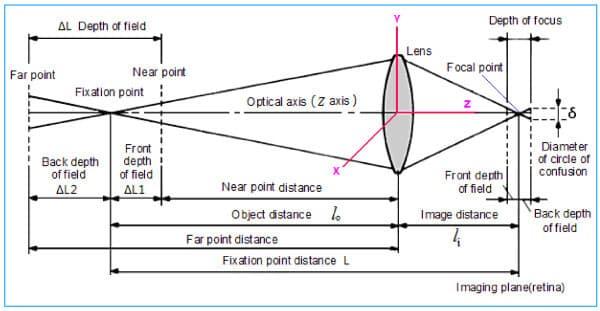
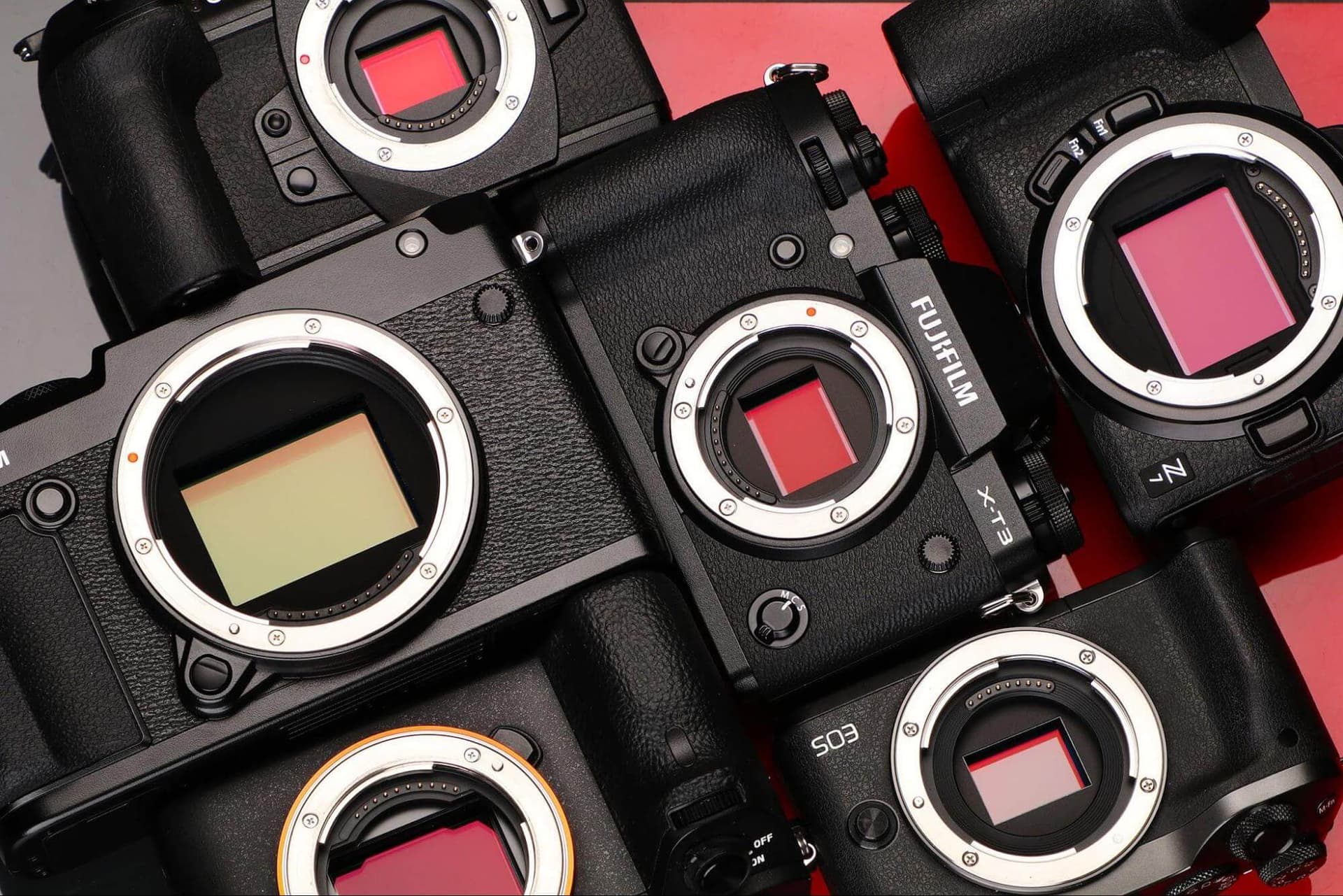
Depth of focus is not the same as depth of field. While depth of field describes the zone in front of the lens that appears acceptably sharp, depth of focus is the critical zone behind the lens—specifically, the narrow region where the image sensor must sit to render a sharp image. In practical terms, camera depth of focus is the margin for error when positioning the sensor relative to the lens’s focal plane. If the sensor drifts outside this zone, sharpness collapses. This is not theoretical: on set, even a fraction of a millimeter off can sabotage an otherwise perfect shot.
Why does sensor placement affect focus?
The image sensor’s position is non-negotiable. The lens projects a focused image onto a plane—move the sensor too far forward or back, and the image blurs. Precision here is brutal: manufacturers engineer mounts and shims to ensure the sensor sits within the calculated depth of focus. This is why, when swapping lenses or adapting mounts, you’ll hear DPs and 1st ACs obsess over flange focal distance. It’s not gear talk—it’s about protecting image sharpness at a level invisible to the naked eye.
What factors influence depth of focus?
Depth of focus is governed by three main variables: lens aperture, focal length, and the circle of confusion (which relates to sensor resolution). A wider aperture (lower f-stop) shrinks the depth of focus, demanding even more precise sensor placement. Longer focal lengths are less forgiving, further tightening the zone. The formula is straightforward—Depth of Focus ≈ 2 × (Circle of Confusion × f-number × (1 + Magnification))—but in practice, most DPs rely on experience, not calculations. The stakes are real: higher-resolution sensors, like those in today’s cinema cameras, have a shallower tolerance, making meticulous calibration essential.
Understanding depth of focus is more than technical trivia. It’s the silent variable that underpins every sharp image, tying together lens mechanics, camera sensor size, and the unforgiving physics between glass and silicon. The margin is thin, but mastery here separates the merely competent from the truly precise.
Depth of Focus vs Depth of Field – Why the Distinction Matters
The difference between depth of focus and depth of field is more than a technicality — it’s a line that divides sharp, intentional images from avoidable mistakes. In production, these terms get thrown around interchangeably, but that’s a shortcut that can cost you, whether you’re behind the lens or running the show. Understanding the nuances isn’t just for camera nerds; it’s foundational to image quality, workflow, and client trust.
What confuses people about depth of focus vs depth of field?
Depth of field is what most people talk about: the zone in front of the lens where subjects appear acceptably sharp. Depth of focus, on the other hand, is the tolerance behind the lens — how much the sensor or film plane can move and still maintain sharpness. The terms sound similar, but they describe different sides of the optical equation. The confusion is so common that even seasoned professionals slip, especially when troubleshooting focus issues on set.
When does the distinction become critical on set?
It matters the moment you’re fighting for sharpness at wide apertures, swapping lenses, or adjusting back focus. Misunderstanding depth of focus leads to wasted time chasing “soft” images that aren’t caused by your subject distance, but by a misaligned sensor or a lens that’s not properly shimmed. In high-stakes shoots — commercials, branded content, or narrative — this can mean the difference between a reshoot and a wrap.
Who benefits from understanding these focus concepts?
Cinematographers, camera assistants, DITs, and even directors benefit from clear focus terminology. Producers and agency creatives who grasp the distinction can better interpret technical setbacks and make informed decisions under pressure. In short: anyone with skin in the game, from the boardroom to the edit suite, should care about getting this right.
Precision in language leads to precision in image. If you want to own your craft — and avoid expensive errors — knowing the real difference between depth of focus and depth of field isn’t optional. It’s the baseline for any professional conversation about camera focus basics or film terminology explained.
What Is Depth of Field? Artistic and Technical Perspectives
Depth of field is more than just a technical metric—it’s the invisible hand guiding how viewers experience an image. In practical terms, depth of field is the range between the nearest and farthest points in a shot that appear acceptably sharp. Everything outside this zone falls into blur, whether subtly or dramatically. On set, it’s a tool for intention: a shallow depth of field isolates a subject, drawing the eye and muting distractions, while a deep depth of field invites the viewer to roam the entire frame.
What controls depth of field in photography?
Three variables define depth of field: aperture, focal length, and subject distance. Open up to a wide aperture (low f-number), and you’ll get a shallow depth of field—useful for creative blur and bokeh. Stop down to a narrow aperture (high f-number), and you’ll achieve a deep depth of field, keeping foreground and background in crisp focus. Longer focal lengths compress and shallow the field, while wider lenses and greater camera-to-subject distances extend sharpness across the scene (Exposure Guide, 2024).
How do filmmakers use depth of field for storytelling?
Every cinematographer knows: depth of field is narrative punctuation. A shallow depth of field can isolate a face in a crowd, making emotion inescapable. It’s not just about blur—it’s about hierarchy. On branded sets, it can elevate a product shot above clutter. In narrative, it can signal intimacy, alienation, or focus attention on a critical detail. Conversely, a deep depth of field can anchor a character in their environment, letting context and subtext breathe. It’s one of the most direct creative camera techniques for shaping story and mood.
Depth of field vs depth of focus in creative decisions
Depth of field is often confused with depth of focus, but they’re distinct. Depth of field refers to the subject-side range that appears sharp. Depth of focus, on the other hand, is about the sensor or film plane—the tolerance for movement behind the lens while maintaining sharpness. For filmmakers, this matters when pulling focus or working with large sensors: depth of field is what the audience sees; depth of focus is what the camera tolerates (Edmund Optics, 2024). The distinction is subtle but critical when precision is non-negotiable.
Mastering depth of field isn’t about memorizing rules. It’s about knowing how to bend them to serve the shot. Whether you’re chasing cinematic focus tricks or simply trying to keep a fast-moving subject sharp, the choices you make here define not just the look, but the emotional architecture of your work.
Depth of Focus vs Depth of Field – Key Differences Explained
Technical differences between depth of focus and depth of field
“Depth of focus vs depth of field” is more than a semantic tangle — it’s a division between what happens behind the lens and what happens in front. Depth of field is the creative zone: it’s the measurable range in the scene, in front of the lens, where subjects appear acceptably sharp. Depth of focus, in contrast, is purely technical. It’s the narrow zone behind the lens — between the rear element and the sensor or film — where the image plane can shift and still yield a sharp result (The American Cinematographer Manual, 1973). Most working cinematographers will never consciously adjust depth of focus on set; it’s baked into the physical tolerances of the camera system. Depth of field, however, is manipulated shot to shot, lens to lens.
When does depth of focus actually impact your image?
Depth of focus comes into play only when you’re pushing the limits of sensor or film alignment. It’s a concern for technicians and camera engineers — not for those composing frames. If the sensor is even slightly out of the optimal depth of focus range, the entire image can soften, no matter how carefully you’ve set your focus marks. This is why depth of focus is critical for high-resolution digital sensors and in lens testing, but irrelevant to most day-to-day shooting scenarios. In contrast, depth of field is a living, breathing tool for the cinematographer — it shapes visual storytelling in every frame.
Can you adjust both depth of focus and depth of field?
Depth of field can be controlled on set through aperture, focal length, subject distance, and even techniques like focus stacking or selective focus. It’s a creative decision, wielded to isolate subjects or layer visual information. Depth of focus, on the other hand, is not something you “adjust” creatively. It’s a fixed parameter dictated by lens design and sensor geometry (StudioBinder, 2026). Mistaking one for the other is a common error — but only depth of field comparison is relevant to the look of your image. Depth of focus difference matters for technical reliability, not creative intent.
In summary, depth of field is your palette; depth of focus is your safety margin. Both matter, but for sharply different reasons. Understanding the distinction keeps your images intentional — and your technical headaches to a minimum.

Decision-Making on Set – When Depth of Focus Actually Matters
When should you worry about depth of focus?
Depth of focus isn’t a daily obsession, but in professional cinematography, there are moments when it becomes non-negotiable. If you’re working with large-format sensors, wide apertures, or complex multi-cam rigs, depth of focus isn’t just a technical footnote—it’s a risk factor. On high-stakes shoots, especially with expensive talent or irreplaceable moments, a misjudged plane of focus can mean reshoots or worse, lost opportunities. The margin for error shrinks as the stakes rise.
How do filters and accessories affect depth of focus?
Any time you introduce elements between the lens and the sensor—ND filters, diopters, even some matte boxes—you’re potentially shifting the optical path. This is where camera sensor alignment matters: a filter that isn’t perfectly flat or a mount that introduces even a fraction of a millimeter of play can throw off your depth of focus. When stacking filters, double-checking flange depth and recalibrating focus marks isn’t overkill—it’s essential. These small variances are invisible until they aren’t, usually when playback reveals a softness you can’t explain.
Depth of focus troubleshooting for camera crews
Unexpected focus issues on set often trace back to overlooked depth of focus variables. Before blaming the lens or the AC, check for sensor seating, filter flatness, and any recent changes to the camera build. If you’re moving quickly, it’s easy to miss a misaligned back plate or a loose adapter. Professional cinematography tips here: always verify after reconfigurations, and don’t assume yesterday’s setup is still perfect today.
- Checklist for verifying depth of focus:
- After inserting or swapping filters or adapters
- When changing lens mounts or sensor positions
- Before critical takes or high-resolution close-ups
- If you notice unexplained softness or focus drift
- Anytime the camera build changes mid-shoot
Depth of focus is invisible until it isn’t. On-set camera setup is about anticipating failure points before they cost you. In professional environments, those who ignore depth of focus do so at their own peril. Mastery is knowing when to worry—and acting before the problem appears.
Depth of Field in Practice – Creative Control and Visual Storytelling
How depth of field shapes your narrative
Depth of field is more than a technical setting; it’s a lever for narrative intent. The way you isolate or layer visual information directly steers the audience’s attention and emotional response. A shallow depth of field can transform a cluttered environment into a character study, stripping away distractions and forcing intimacy. Conversely, a deep focus approach embeds characters within their world, making context inseparable from story. Both choices signal to the viewer what matters, often before a word is spoken.
Shallow vs deep depth of field: which to use when?
Shallow depth is a natural fit for moments of vulnerability or introspection—close-ups where every micro-expression counts. It’s the language of commercials selling aspiration, or dramas mining psychological nuance. Deep focus, on the other hand, is about relationships: between characters, between foreground and background, between action and consequence. In ensemble scenes or branded content where context is king, maintaining cinematic depth keeps the narrative honest and the world believable.
Planning depth of field for different genres
Directors and DPs don’t leave depth of field to chance. Pre-production is where intent and logistics collide: lens choice, sensor size, lighting, and blocking all get mapped for the desired look. Genre dictates approach. A thriller might use razor-thin focus to heighten paranoia; a documentary may lean into deep focus to ground the viewer in reality. But the line between creative tool and gimmick is thin—overusing shallow focus can flatten visual storytelling, turning mood into mannerism. Knowing when to let the world breathe, and when to close it in, is the difference between a shot that’s merely attractive and one that’s narratively essential.
Ultimately, depth of field is a negotiation between vision and practicality. It’s not just about what’s sharp, but what’s meaningful. In the hands of a thoughtful team, it becomes a signature—subtle, deliberate, and always in service of the story.
Trade-Offs and Technical Challenges in Focus Management
What are the biggest challenges in focus management?
Focus management is rarely a binary decision—especially on high-pressure sets. Every adjustment to depth of field or focus distance sets off a chain reaction. Open up the aperture for a shallow look and you’re fighting to keep talent sharp, especially if they move unpredictably. Stop down for safety and you risk flattening the image, losing the dimensionality that sells the shot. This is the heart of focus trade-offs: you can’t maximize every variable at once.
How to balance creative intent with technical focus needs
Creative intent often demands selective focus, but technical realities—like lens speed, sensor size, and available light—impose hard limits. Add adapters or filtration and you introduce new aberrations, focus shifts, or even back-focus issues. Unusual camera builds, from rigged handhelds to gimbal-mounted monsters, can throw off even the most seasoned 1st AC. The challenge is to preempt these issues in prep: test every component, chart every lens, and rehearse moves with your focus puller. This is not about perfection; it’s about minimizing surprises when the clock is ticking.
Preventing focus errors in complex setups
Complexity breeds risk. Multi-cam setups, variable ND filters, or shooting wide open in unpredictable light all amplify technical focus challenges. Environmental factors—fog, low contrast, rapid temperature shifts—can cause lenses to breathe or drift, undermining consistency. The best defense is a disciplined workflow: build in camera troubleshooting time, double-check back focus after every lens swap, and brief your team on focus priorities for each shot. When possible, design blocking and coverage to give your focus puller a fighting chance. In the end, focus management is about anticipating the chaos and setting up systems to keep it contained.
Common Misconceptions About Depth of Focus vs Depth of Field
Most common myths about depth of focus vs depth of field
The confusion between depth of focus vs depth of field is rampant—even among those with years on set. Tutorials and training materials often use the terms interchangeably, but they describe fundamentally different concepts. Depth of field is what most people mean: the zone in front of the lens that appears acceptably sharp. Depth of focus, on the other hand, refers to the tolerance for the image plane (sensor or film) to move while maintaining sharpness. The myth that these are two names for the same thing is persistent and misleading.
Another misconception: depth of field is the only factor that matters for focus. In reality, depth of focus becomes critical when troubleshooting issues like sensor misalignment, lens mount tolerances, or when working with large format sensors. Overlooking depth of focus can lead to inexplicable softness or inconsistent sharpness—issues that aren’t solved by simply stopping down the lens.
How to spot incorrect focus advice online
Misuse of these terms isn’t just academic—it leads to real-world mistakes. If you see guides that claim adjusting aperture affects depth of focus, or that sensor size changes depth of focus, you’re looking at focus misconceptions. Depth of field is influenced by aperture, focal length, and subject distance. Depth of focus is influenced by the lens’s optical design and the format’s circle of confusion, not by what’s in front of the lens. When in doubt, cross-reference with a reliable camera terminology guide rather than relying on crowd-sourced answers.
Key takeaways for mastering focus terminology
Remember: depth of field is what’s sharp in the scene; depth of focus is the wiggle room at the sensor. If you’re troubleshooting sharpness, ask yourself—am I dealing with the subject, or the image plane? Debunking these focus myths isn’t just about sounding smart. It’s about diagnosing problems quickly, communicating clearly, and elevating the craft. For a deeper dive, see our focus myths debunked feature.
Conclusion
Understanding the difference between depth of focus and depth of field is not a semantic exercise; it’s a practical necessity for anyone serious about image quality and creative control. In the real world—on set, in pre-production meetings, or in post—the way we discuss and deploy these concepts shapes not just how a frame looks, but how a story is told and how a brand or narrative lands with its audience.
Depth of field governs what the audience sees sharply in front of the lens. Depth of focus, by contrast, is an optical measurement behind the lens—a technical constraint that determines how precisely the sensor or film must align with the lens’s focal plane. Confusing these terms isn’t just pedantic; it leads to miscommunication between directors, cinematographers, and focus pullers, and can result in costly mistakes or missed creative opportunities.
For professionals, fluency in focus terminology is a baseline for effective collaboration. When a director references a “shallow depth,” the DP must know whether they’re discussing the look of the image or the tolerance in the camera build. This clarity affects lens choices, lighting setups, blocking, and even post-production workflows. Every decision, from selecting a fast prime for a dreamy close-up to designing a deep-focus tableau, is filtered through these concepts.
Mastery of focus is not static. The tools evolve—sensor sizes change, lens designs improve, and new workflows emerge. Staying sharp on focus concepts is part of ongoing professional growth, whether you’re troubleshooting on a commercial set or pushing boundaries in narrative work. For anyone invested in visual storytelling or advanced cinematography techniques, understanding focus isn’t just technical—it’s the foundation of intentional, effective image-making.
FAQs
What is depth of focus?
Depth of focus refers to the range behind a lens where the image sensor or film plane can move while still maintaining a sharp image. Unlike depth of field, which deals with subject distance, depth of focus is all about the tolerance for sensor or film positioning. It’s a technical parameter, not a creative one.
What is the difference between depth of focus and depth of field?
Depth of field defines the area in front of the lens that appears acceptably sharp to the viewer—think foreground to background in the scene. Depth of focus, on the other hand, concerns the space behind the lens where the sensor or film can be positioned and still yield a sharp image. One is about subject distance, the other about image plane tolerance.
How does depth of focus affect image quality?
If the sensor or film strays outside the depth of focus, sharpness falls off rapidly. Even a fraction of a millimeter can introduce softness, especially at wide apertures or with high-resolution sensors. Proper depth of focus ensures the image stays crisp, free of unintended blur caused by misalignment.
Why is understanding depth of focus important for photographers?
For anyone serious about image quality—especially when working with large sensors or fast lenses—depth of focus is critical. It informs how precisely you need to position your sensor or film, particularly after lens changes, repairs, or when using specialty optics. Overlooking it can sabotage sharpness, no matter how well you nail focus on set.
How can I achieve a crisp image using depth of focus?
Ensure your camera’s sensor or film plane is correctly calibrated and securely mounted. When working at wide apertures, double-check flange focal distance and avoid unnecessary lens swaps in uncontrolled environments. For critical work, test your setup with a focus chart to confirm sharpness across the frame.
What are common misconceptions about depth of focus and depth of field?
Many conflate the two terms, assuming both refer to the zone of sharpness in front of the lens. In reality, depth of field is about what’s sharp in the scene; depth of focus is about how forgiving your camera is to sensor or film positioning. They’re related but not interchangeable.
When should I consider depth of focus during camera setup?
Depth of focus becomes crucial during camera builds, lens swaps, or whenever you suspect the sensor or film plane may be out of alignment. It’s especially relevant with high-resolution sensors, fast lenses, or when troubleshooting unexplained softness despite accurate focus pulls.
.webp)
Creative Collaboration Platform: The Backbone of Modern Creative WorkWhat is a creative collaboration platform?Clapboard defines a creative collaboration platform as the operational core for today’s distributed creative teams. This is not a collection of digital collaboration tools stitched together; Clapboard’s system

Understanding the Creative Production MarketplaceWhat is a Creative Production Marketplace?Clapboard defines a creative production marketplace as a structured ecosystem where brands, agencies, and production talent converge to execute video, advertising, and branded content at scale. Unlike the legacy agency or freelanREAD FULL ARTICLE

The Urgent Need for a Creative Production Operating SystemWhy Traditional Creative Production Models Break DownClapboard sees the creative production landscape shifting under pressure. Content velocity is no longer a buzzword—it’s a mandate. Modern advertising demands relentless output across dozens of channels, each wREAD FULL ARTICLE

JOIN THE NEWSLETTER.
Content Production insights, videos, books, and freebies, delivered to your inbox weekly


LEAVE A COMMENT
Your email address will not be published.