

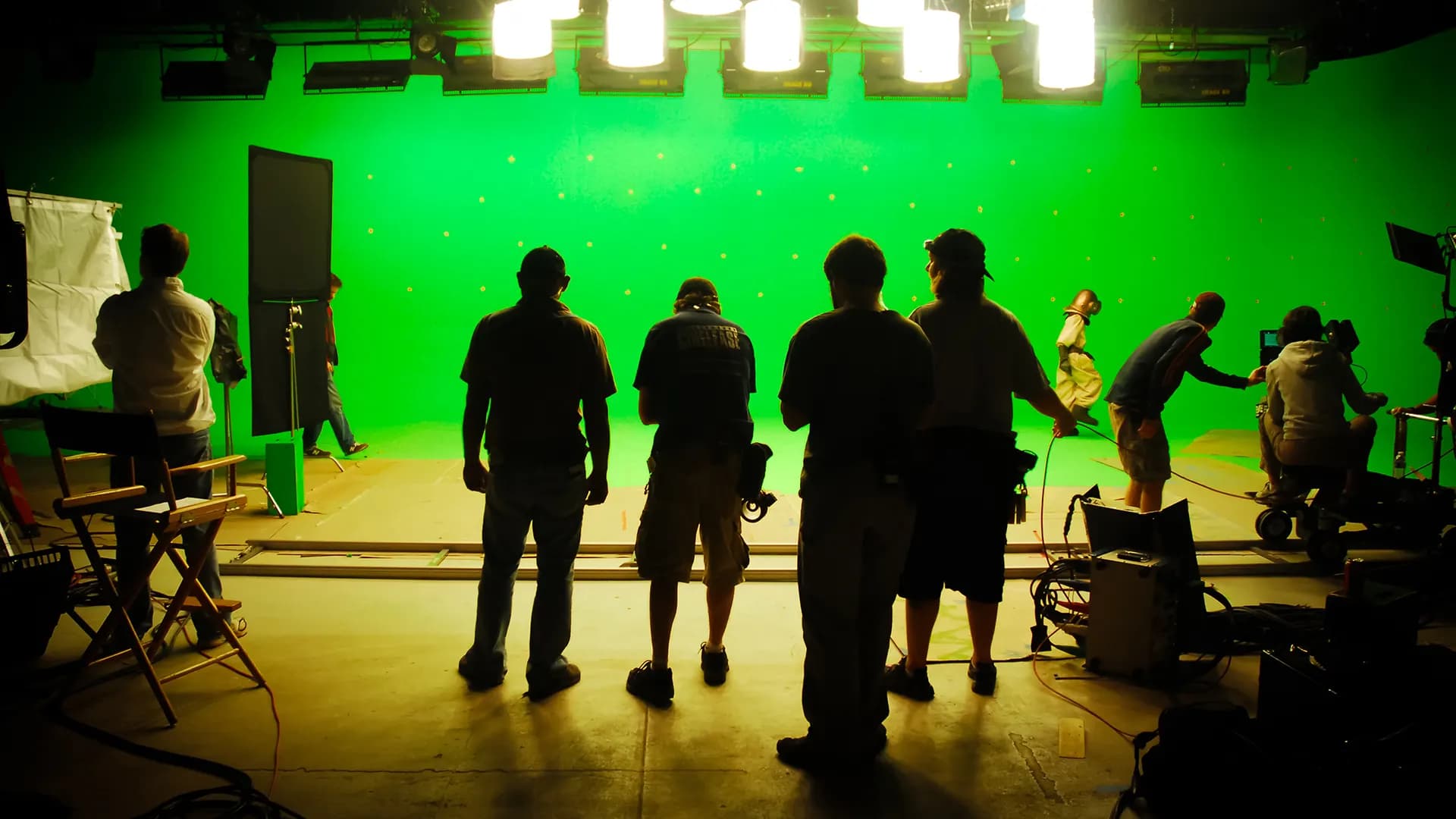

Varun Katyal | Founder, Clapboard
Varun Katyal is the Founder & CEO of Clapboard and a former Creative Director at Ogilvy, with 15+ years of experience across advertising, branded content, and film production. He built Clapboard after seeing firsthand that the industry’s traditional ways of sourcing talent, structuring teams, and delivering creative work were no longer built for the volume, velocity, and complexity of modern content. Clapboard is his answer — a video-first creative operating system that brings together a curated talent marketplace, managed production services, and an AI- and automation-powered layer into a single ecosystem for advertising, branded content, and film. It is designed for a market where brands need content at a scale, speed, and level of specialization that legacy agencies and generic freelance platforms were never built to deliver. The thinking, frameworks, and editorial perspective behind this blog are shaped by Varun’s experience across both the agency world and the emerging platform-led future of creative production. LinkedIn: https://www.linkedin.com/in/varun-katyal-clapboard/
Why Use a Rack Focus Shot? Motivations Behind the Move
The rack focus shot is more than a technical flourish; it’s a deliberate storytelling tool. In the hands of a director and DP who understand its potential, rack focus becomes a way to guide the viewer’s attention, shape narrative rhythm, and build emotional resonance. The purpose of rack focus isn’t just to show off lens control—it’s to serve the story with precision.
When should you use a rack focus shot?
Deploying a rack focus shot is a choice, not a default. It’s most effective when the frame contains multiple narrative elements vying for the viewer’s attention. For example: a character in the foreground reacts to a revelation, and the focus racks to what they see—a photograph, a weapon, another character. It’s not just about showing both; it’s about controlling the sequence of what the audience absorbs. The move is calculated: what do you want them to notice first, and why?
In commercial work, rack focus can link product and consumer, or shift from branding to performance in a single, fluid motion. In narrative film, it can reveal relationships, secrets, or power dynamics—without a single cut. The timing and direction of the focus pull are as vital as the content itself. Used thoughtlessly, it’s empty technique. Used with intent, it’s visual storytelling strategy in action.
How rack focus enhances storytelling
Storytelling with focus is about more than clarity; it’s about subtext. A rack focus shot connects or contrasts subjects within the same space. You can create a dialogue between two characters without a word, simply by shifting focus from one to the other. Or, you can juxtapose an object with a person—say, a ring on a table and the character contemplating it—inviting the audience to make the narrative leap.
Rack focus is also a tool for pacing. Instead of cutting away, you can reveal new information in a single shot, preserving the integrity of the moment. The audience experiences the discovery in real time, as the character does. This can heighten suspense, as in a thriller, or deepen empathy in a drama. The visual narrative flow remains unbroken, and the audience stays anchored in the world you’ve built.
Emotional impact of shifting focus
Directing attention in film isn’t just about clarity—it’s about emotion. The shift from sharp to soft, from background to foreground, can mimic the way attention moves in real life. It can isolate a character in a crowded room, or draw a line between what’s known and what’s hidden. The audience feels the impact of the shift, not just sees it.
Rack focus can build tension—what’s coming into focus may be a threat, a revelation, or a punchline. It can also release tension, resolving ambiguity by finally showing what’s been lurking out of focus. The emotional charge comes from the timing, the context, and the narrative weight of what’s revealed. Used well, rack focus doesn’t just move the story forward; it makes the audience feel the shift.
Ultimately, the rack focus shot is a director’s scalpel—precise, intentional, and deeply tied to the heartbeat of the story. When the move is motivated, it doesn’t just show what’s important; it tells the audience how to feel about it. That’s the real purpose of rack focus: to make the viewer see—and care—exactly as you intend.
What Is a Rack Focus Shot? The Cinematic Power of Shifting Focus
The rack focus shot is a foundational camera focus technique that instantly signals a director or cinematographer who understands visual storytelling. At its core, a rack focus shot is the deliberate shift of sharp focus from one subject or plane to another within the same shot. This maneuver, also known as a focus pull, is more than technical showmanship—it's a storytelling tool that controls what the audience sees, feels, and notices in a frame. If you want to understand cinematic storytelling basics, you need to understand what rack focus is and what it can do.
What does rack focus mean in film?
In film, rack focus means shifting the lens’s focal plane during a shot, moving the viewer’s attention from foreground to background (or vice versa) without cutting. The term “focus pull” is often used interchangeably, but in practice, it’s the action performed by the focus puller or camera operator to achieve this effect. Unlike static focus, which locks sharpness on a single subject, rack focus is dynamic—it’s about transition, not stasis. The technique can be subtle or bold, but its purpose is always the same: to guide the viewer’s eye, often revealing new information or shifting emotional weight within a scene.
Difference between rack focus and other focus techniques
Rack focus stands apart from other camera focus techniques like deep focus, selective focus, or follow focus. Deep focus keeps everything sharp from foreground to background, immersing the viewer in the environment but rarely directing attention. Selective focus isolates a subject by blurring everything else, locking the gaze. Follow focus tracks a moving subject to maintain sharpness. Rack focus, however, is about intentional change—it’s the act of shifting narrative emphasis within a single shot. It’s not just about what’s in focus, but when and how that focus shifts, and what that shift communicates about the story or characters.
Why filmmakers use rack focus shots
Filmmakers use rack focus shots to create visual punctuation and narrative clarity. In commercial work, it’s a way to reveal a product after establishing a character, or to connect two elements in a branded message. In narrative filmmaking, a well-timed rack focus can expose a hidden threat, reveal a character’s realization, or bridge emotional distance between people in the same frame. It’s a technique that works across genres—drama, thriller, even comedy—because it’s rooted in the psychology of vision. The audience’s eye goes where the focus goes. When used with intention, a rack focus shot becomes invisible punctuation, an edit within the lens, shaping meaning without a single cut.
On set, the technical execution demands precision and collaboration—often between the camera operator, focus puller, and director. Prepping a rack focus means measuring distances, rehearsing timing, and understanding the emotional beat. It’s not an effect for its own sake; it’s a decision, embedded in the language of the scene. That’s why you see rack focus in everything from prestige drama to high-end commercials: it’s one of the few camera movement techniques that can both clarify and complicate meaning in a single gesture.
In short, a rack focus shot is the cinematographer’s scalpel—subtle, sharp, and decisive. It’s a technique that rewards mastery, but more importantly, it rewards intention. When you see it used well, you don’t just notice the shift—you feel the story move.
Anatomy of a Rack Focus Shot: Technical Foundations
The rack focus shot is a staple in visual storytelling, but executing it cleanly is an exercise in precision. At its core, a rack focus shot is a deliberate, visible shift of focus from one subject plane to another within a single take. This isn’t just a technical flourish—it’s a calculated decision that shapes narrative emphasis and directs audience attention. Getting it right requires a nuanced understanding of camera focus settings, lens techniques, and the interplay of depth of field control. Let’s break down the technical anatomy that underpins an effective rack focus.
Best camera settings for rack focus shots
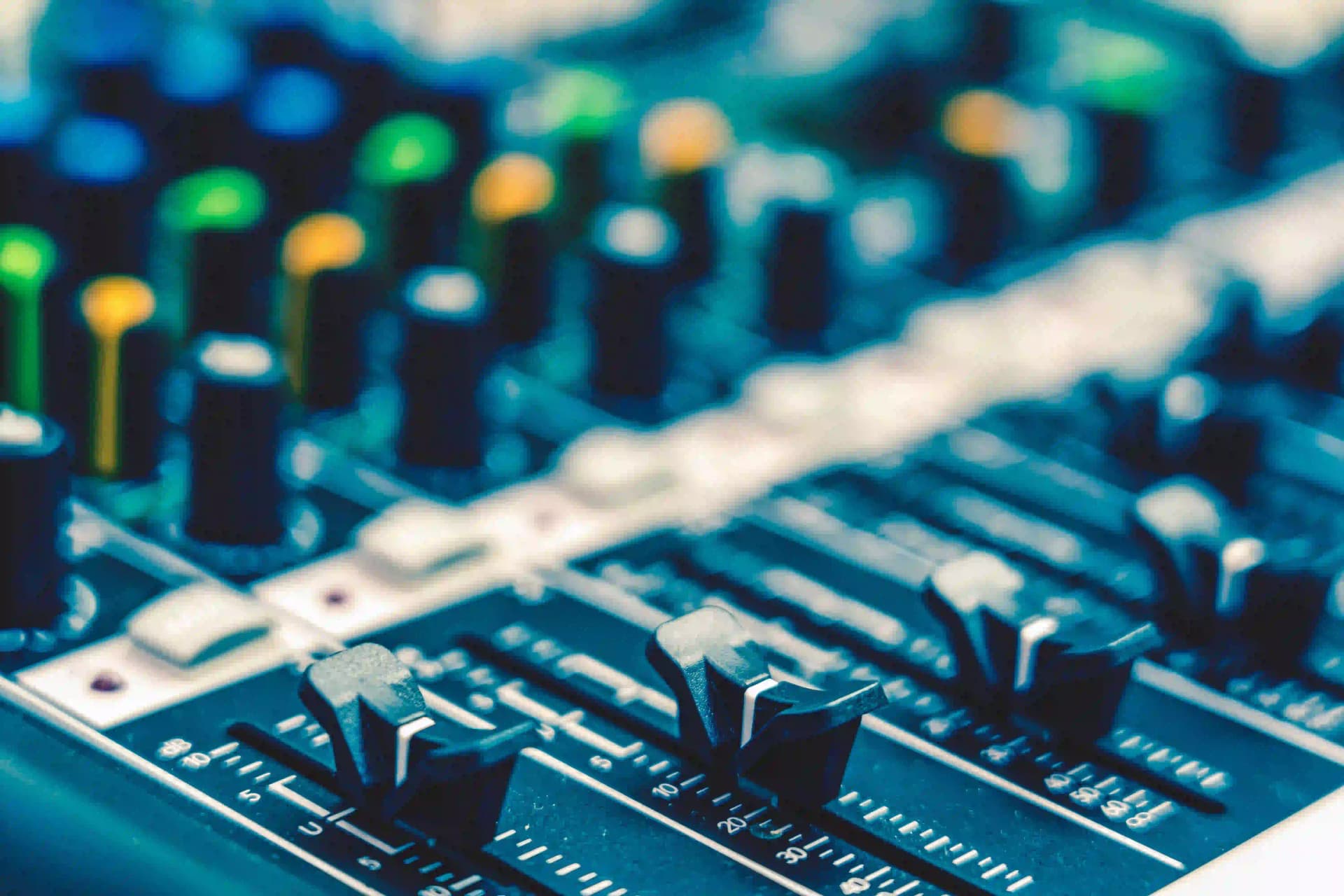
Manual focus is non-negotiable for rack focus work. Autofocus systems, no matter how advanced, lack the tactile feedback and responsive control needed for a smooth, intentional focus pull. A lens with a dedicated manual focus ring is essential; it allows the focus puller to mark precise distances and execute the shift with confidence (StudioBinder, 2023). On set, the camera’s focus peaking or magnification features can assist with rehearsals, but in the take itself, it’s the focus puller’s hand that determines success.
Camera settings should be tailored to the scene’s needs. For example, a lower ISO preserves image integrity when shooting at wide apertures, while a higher frame rate can accentuate the speed or subtlety of the focus shift. The camera’s monitoring setup—onboard or wireless—should give the focus puller and director a clear, accurate view of the focus plane throughout the shot.
How lens choice influences rack focus
Lens selection is more than a matter of focal length or brand loyalty. For rack focus, you want a lens that offers a long, smooth focus throw—cine lenses excel here, with focus rings designed for incremental, repeatable adjustments. Lenses with wide maximum apertures (T2.0 or faster) enable a shallow depth of field, making the transition between focal planes more pronounced and visually striking.
Prime lenses are often preferred for their optical clarity and consistent focus behavior, but certain zooms can work if their focus breathing is minimal. The physical construction of the lens matters, too: gears for follow-focus systems, hard stops, and reliable focus markings all contribute to repeatable, controlled focus pulls. This is where the 1st AC, or focus puller, earns their keep—charting distances, marking focus points, and rehearsing the move until it’s second nature (Soundstripe, 2023).
Understanding depth of field for focus pulls
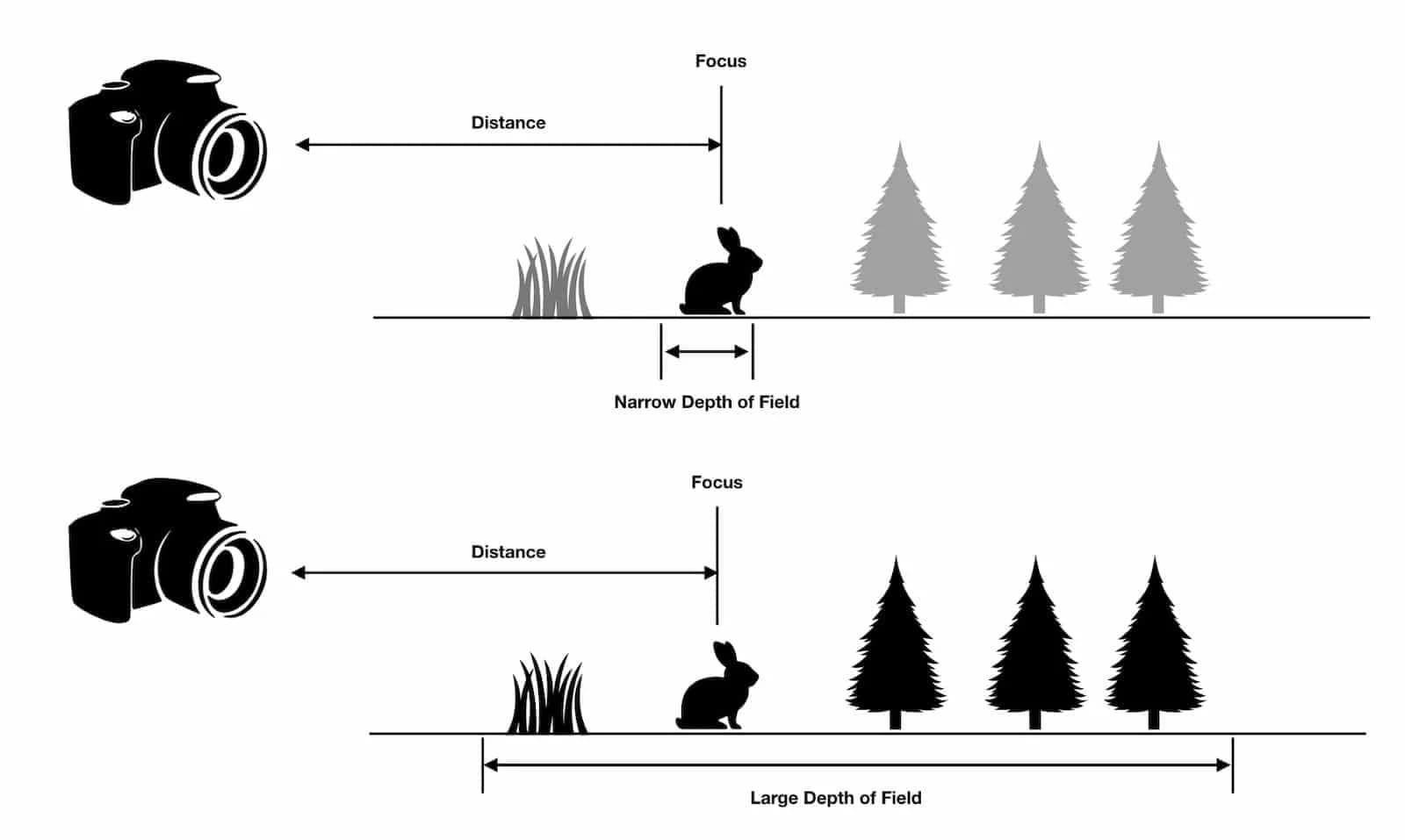
Depth of field is the backbone of a successful rack focus shot. A shallow depth of field, achieved with wide apertures like f/1.4 or f/2.8, isolates subjects and amplifies the drama of the focus transition (Videomaker, 2023). The narrower the depth of field, the more precise the focus pull must be—there’s little margin for error. This is where technical skill meets creative intent: you’re not just shifting focus, you’re sculpting the viewer’s attention in real time.
But depth of field isn’t just a technical parameter—it’s a creative tool. Adjusting aperture, focal length, and subject distance allows you to control not only what’s sharp, but how the transition feels. A deep depth of field can flatten the effect, making the rack focus subtle or even redundant. Conversely, an extremely shallow field can make the shot feel hyper-stylized, sometimes at the expense of clarity. The key is to balance the technical possibilities of your lens and camera with the emotional needs of the scene. For a deeper dive on these concepts, see our guides on camera lens types and
Planning Your Rack Focus Shot: Pre-Production Decisions
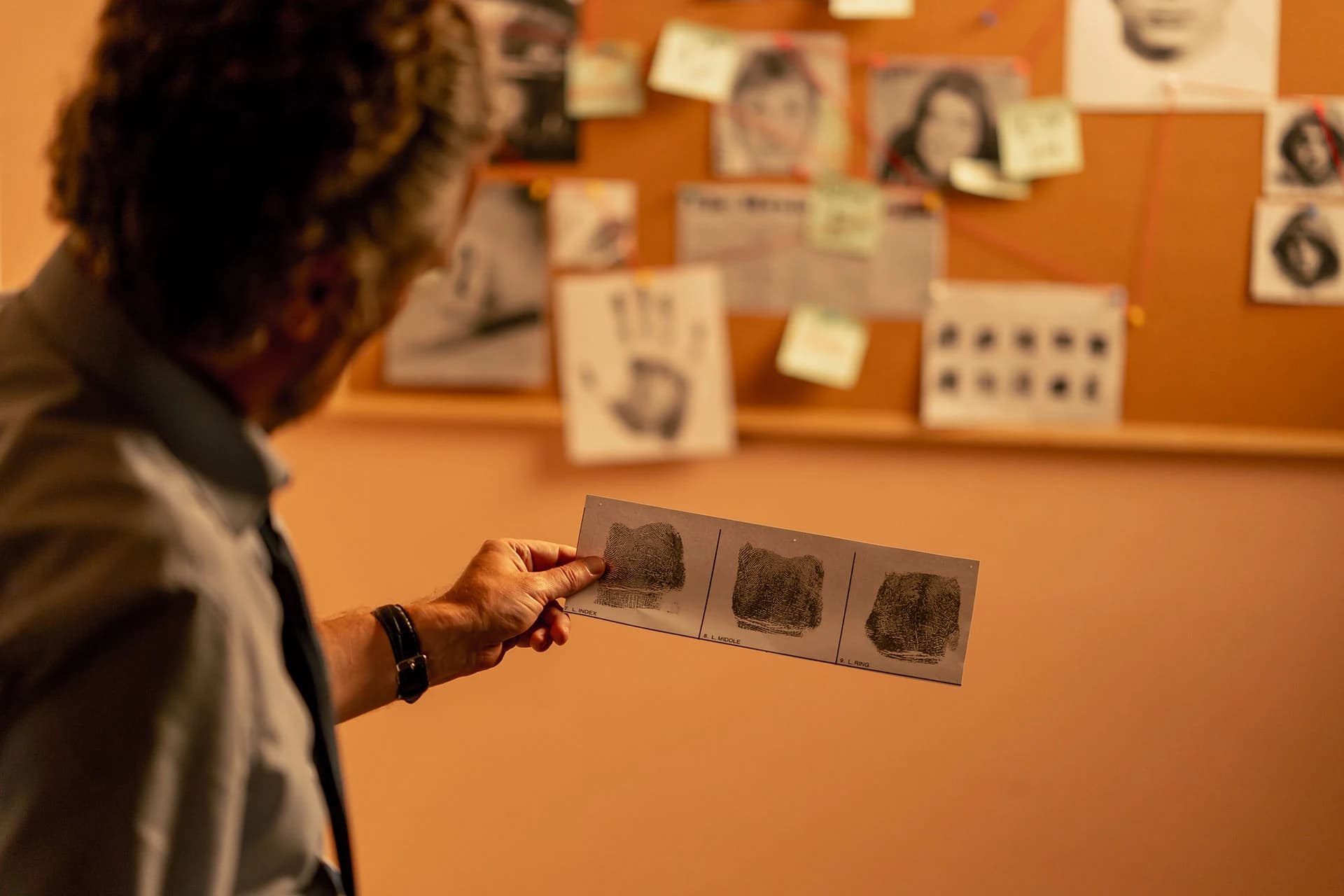
Planning a rack focus shot is not just a technical exercise—it’s a deliberate act of visual storytelling. Before a lens is mounted or a mark is taped, the creative intent must be clear. Who owns the audience’s attention? What story beat justifies the shift in focus? These questions define which subjects the rack will move between and anchor every pre-production decision. Whether you’re shifting between two actors, an actor and a prop, or a foreground object and a distant reveal, each choice shapes the shot’s emotional impact and logistical complexity (StudioBinder, 2024).
How to add rack focus to your shot list
The shot list is where rack focus moves from concept to execution. Don’t treat it as a footnote—define the rack’s start and end points, the motivation for the shift, and the exact frame in which it occurs. For each rack focus shot, note the intended focal planes, the subjects involved, and any dialogue or action cues that trigger the focus pull. If you’re building a shot list for a commercial or branded piece, integrate the rack as an explicit beat, not an afterthought. This level of detail ensures the director, DP, and 1st AC are aligned long before the camera rolls. For more on this process, see our guide on how to make a shot list.
Pre-production checklist for rack focus shots
A disciplined pre-production workflow is non-negotiable. Start by mapping the physical space: measure distances from the camera sensor plane to each subject, and mark those values on the follow-focus wheel. This step eliminates guesswork and makes repeatable focus pulls possible across takes (GraphRS, 2024). Next, use markers or tape to lock in subject positions on set, ensuring they occupy distinct focal planes. The distance between subjects should be sufficient to make the focus transition visually meaningful—too close, and the rack feels muddy; too far, and the effect becomes jarring. Capture these measurements and placements in your pre-production checklist so nothing is left to improvisation.
Blocking and staging for dynamic focus pulls
Camera blocking is where the rack focus shot’s choreography is set. Walk through the movement with your team: actors, camera operator, and 1st AC must know their marks and timing. If the rack is motivated by an actor’s glance or a prop being revealed, rehearse the sequence until the focus pull feels organic and fluid. Staging is not just about where people stand—it’s about how they move through the depth of field. A dynamic rack focus often benefits from subtle actor movement or a camera push, but every element must be coordinated. Planning focal choreography during shot-listing and blocking avoids frantic recalibration on set and keeps the production moving efficiently (GraphRS, 2024).
Integrating rack focus into storyboards can further clarify intent for the entire creative team. Annotate the boards with directional arrows or focus marks, so everyone—client, agency, production—can visualize how the audience’s attention will shift. This upfront clarity pays dividends in execution, especially on high-pressure commercial shoots where every minute counts.
In practice, planning a rack focus shot is a test of both creative vision and operational discipline. When the groundwork is solid—intent defined, logistics mapped, and choreography rehearsed—the rack focus becomes more than a trick. It’s a storytelling tool, executed with precision and purpose, that elevates the entire piece.
Executing the Rack Focus Shot: On-Set Techniques
Focus pulling basics for rack focus shots
Executing a rack focus shot is as much about precision as it is about intuition. The process starts long before the camera rolls. You need to know exactly which points in the frame the focus will shift between. This means collaborating with the director to understand narrative intent, then physically measuring and marking focal distances on set—often with a tape measure, sometimes with a laser, always with a keen eye. Every shift in focus is mapped to a specific mark, and these marks become your roadmap. The focus puller’s role is critical here; their ability to anticipate and react defines the shot’s success. For more on these responsibilities, see our guide to focus puller responsibilities.
Tools you need for a smooth focus pull
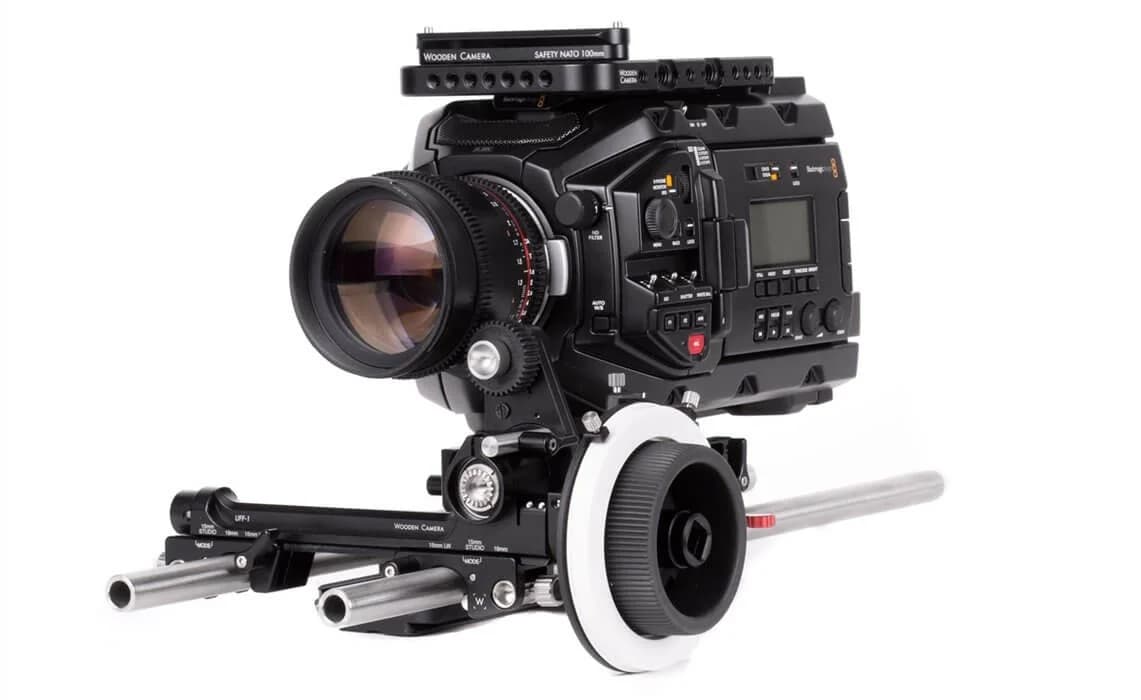
The right gear is non-negotiable. At minimum, a reliable follow focus system—manual for most controlled environments, wireless when the camera is moving or space is tight. The follow focus allows for precise, repeatable pulls, with hard stops set for each focal mark. In higher-stakes shoots, wireless systems give the focus puller freedom to operate away from the camera, crucial during complex moves or when working with gimbals and Steadicams. Always double-check lens calibration; even a slight shift can throw off your marks. Consider prepping with a rehearsal using stand-ins and your actual lens set to confirm everything tracks. These focus pulling techniques are the difference between a sharp, confident rack and a soft, unusable take.
Crew collaboration for perfect rack focus
Rack focus is a choreography, not a solo. The camera operator, focus puller, and 1st AC must be in sync, especially if the shot involves movement. The operator’s timing and steadiness affect how and when the focus pull happens. The focus puller watches both the action and the marks—eyes flicking between the monitor, the actors, and the follow focus wheel. Communication with the director is vital: are we shifting focus on a line, a gesture, or a look? Sometimes, you’ll need to rehearse the move several times, adjusting marks as blocking evolves. For a deeper dive into who does what, read our breakdown of essential film crew roles.
- Marking actors’ positions: Use tape on the floor or discreet markers. Actors must hit their marks for the focus to land clean.
- Coordinating timing: The focus pull should match the emotional beat—too early or too late and the moment falls flat.
- Adapting to improvisation: If an actor misses a mark, the focus puller must decide—follow the action or hold the rack? Experience guides the call.
Troubleshooting rack focus challenges on set
No rack focus goes entirely to plan. Lighting changes can alter exposure and perceived sharpness. Actors may miss marks, or the camera move may drift off path. The best defense is rehearsal and flexibility. Always have backup marks for alternate blocking. If the camera is handheld or on a Steadicam, wireless follow focus is essential—manual systems can’t keep up with unpredictable movement. When in doubt, slow down the rack; a gradual shift is more forgiving than a snap pull. If you lose the mark mid-take, it’s better to hold and reset than salvage a soft shot. Ultimately, executing rack focus shot techniques comes down to preparation, teamwork, and a willingness to adapt when the set throws a curveball.
Rack Focus Shot in Visual Storytelling: Creative Applications
The rack focus shot is more than a technical flex—it’s a storytelling scalpel. When used with intention, it can shape narrative, direct attention, and inject meaning with a single, fluid shift. In an era where audiences are visually literate and jaded by spectacle, the rack focus shot remains one of the most quietly subversive creative focus techniques available to filmmakers. Its power lies not in novelty, but in its ability to manipulate perception—often in ways the viewer feels before they consciously notice.
How rack focus reveals story details
Rack focus can be the visual equivalent of a narrative reveal. By shifting sharpness from foreground to background (or vice versa), the camera exposes new information without cutting away. In branded content, this might mean pulling focus from a protagonist’s face to a product on the table, seamlessly integrating messaging with character. In narrative film, it’s often used to unearth clues—a photo in the background, a character’s reaction, a weapon previously hidden in plain sight. The technique respects the audience’s intelligence, rewarding those who pay attention and inviting them to connect dots in real time. This approach goes beyond technical execution; it’s about embedding layers within a single frame, letting the lens become an active storyteller.
Using focus shifts for dramatic effect
There’s a reason rack focus is a staple for building tension. The abruptness of a focus shift can jolt the viewer, signaling a change in narrative weight or emotional tone. In a commercial, a rack focus from a smiling spokesperson to a skeptical bystander can puncture the mood, introducing doubt or irony. In suspenseful scenes, it can shift the locus of threat—suddenly, what was background becomes menacingly relevant. The technique can also be used for surprise: a character appears alone, but a rack focus reveals someone lurking just behind. These cinematic effects are not just visual tricks—they’re psychological cues, orchestrating what the audience should feel, second by second.
Storytelling techniques using rack focus shots
Rack focus is uniquely suited to exploring relationships—both spatial and psychological. Shifting focus between two characters in the same frame can convey power dynamics or emotional distance without dialogue. The dominant character might be sharp, the other blurred; a swift rack can invert that balance, signaling a shift in control or perspective. In ensemble scenes, racking from one group to another can map alliances and conflicts, all within a single shot. The technique also excels at layering multiple visual cues: a rack from a character’s eyes to an object they covet, or from a clenched fist to a looming adversary, can crystallize motivation and stakes in a heartbeat.
For directors and cinematographers, rack focus is a way to compress story beats, avoiding the editorial crutch of cutting back and forth. It’s a tool for economy—one shot, multiple meanings. When combined with other directing techniques or integrated into a sequence of varied cinematic shot types, rack focus can elevate routine coverage into something precise and memorable. The key is intent: every focus shift should serve the narrative, not distract from it.
In the end, the rack focus shot is a reminder that visual storytelling thrives on attention, implication, and the unseen connections between what’s sharp and what’s not. When wielded with discipline, it transforms the lens into a narrative instrument—one that can reveal, conceal, and reframe, all in the space of a breath.
Trade-Offs and Limitations of the Rack Focus Shot
The rack focus shot is a staple in visual storytelling, but its limitations are as real as its creative potential. Every cinematographer with a few shoots under their belt knows: a well-executed rack focus can elevate a moment, but a poorly timed or technically flawed one can break immersion and pull the audience out of the narrative. Understanding rack focus shot limitations is essential for anyone who wants to use this tool with intent, not just for show.
When not to use a rack focus shot
It’s tempting to reach for a rack focus whenever you want to direct attention, but there are situations where restraint is the smarter play. If the story’s emotional weight sits in a single plane—say, a close-up reaction in a tense boardroom—shifting focus can dilute impact. In fast-paced commercial work, a rack focus can feel self-conscious, drawing attention to the camera rather than the brand message. When the audience needs clarity more than visual flourish, static focus is often the right call.
Common mistakes with rack focus shots
One of the most frequent pitfalls is overuse. Racking focus in every other shot quickly becomes a visual gimmick, not a storytelling device. There’s also the risk of missing the mark technically: hunting for focus mid-shot, missing the subject entirely, or racking too quickly or slowly for the emotional rhythm of the scene. These focus pulling challenges are amplified when working with shallow depth of field, where even a millimeter of error can ruin the take. Inexperienced crew or a lack of rehearsal compounds the risk.
Overcoming technical challenges in focus pulling
Pulling off a seamless rack focus requires more than just gear—it demands an experienced 1st AC and a director who knows precisely what they want. The complexity increases with longer lenses, wider apertures, and moving subjects. Lighting also plays a role; low-light environments force wider apertures, shrinking depth of field and making precise focus pulls even harder. The result? More takes, more resets, and more pressure on both crew and talent. If your production can’t afford that time or risk, reconsider the shot.
Depth of field and lighting limitations
Rack focus shots live and die by depth of field control. On larger sensors or at wide apertures, the plane of focus can be razor-thin. This looks cinematic but leaves zero margin for error. In practical terms, that means any movement—by the subject or the camera—can throw everything out. Lighting compounds the issue: if you can’t light to stop down, your focus puller is working with a sliver of sharpness. In some environments, especially run-and-gun branded content, these constraints make rack focus more trouble than it’s worth.
Alternatives to rack focus for complex scenes
When the risks outweigh the rewards, alternative techniques should be on the table. Blocking actors into the same plane, using camera movement to reframe attention, or leveraging lighting to isolate subjects can all achieve similar narrative effects without the technical baggage. In high-stakes shoots or with less experienced crew, these options often deliver more consistent results. For a deeper dive into avoiding common cinematography mistakes or troubleshooting camera focus, consider refining your approach before defaulting to a rack focus.
In the end, the rack focus shot is a tool—powerful, but not universal. Its limitations are not just technical but creative. Use it with intention, or not at all.
Rack Focus Shot vs. Other Camera Focus Techniques
Rack focus vs shallow focus: key differences
Rack focus shots and shallow focus are often conflated, but their intent and impact diverge sharply. A rack focus shot vs other focus techniques hinges on the dynamic shift of attention. Rack focus actively pulls the viewer’s eye from one plane to another within a shot, orchestrating a visual conversation between subjects or objects. Shallow focus, by contrast, isolates a subject by throwing everything else into blur, locking the audience’s gaze in place. The rack focus is inherently narrative—revealing new information, shifting power, or connecting ideas. Shallow focus is more static, sculpting mood, intimacy, or subjectivity. Both can heighten emotion, but rack focus is a tool for revelation, while shallow focus is a tool for immersion.
When to use deep focus instead of rack focus
Deep focus throws the entire frame into sharp relief, from foreground to background. Unlike rack focus, which guides the audience’s attention through selective sharpness, deep focus democratizes the visual field. It’s about context and complexity—think ensemble scenes, layered action, or environments where every element matters. Use deep focus when the interplay between multiple subjects or spaces is critical to the story. Rack focus, on the other hand, is surgical: it chooses what matters moment to moment. Deep focus can evoke realism or tension, as the viewer is left to decide where to look. Rack focus dictates that choice, making it more assertive and less ambiguous.
Comparing focus techniques for different scenes
Each focus method is a scalpel, not a sledgehammer. In a dialogue-heavy scene, rack focus can punctuate shifting alliances or reveal hidden reactions—think the classic over-the-shoulder focus pull as one character’s words land. Shallow focus suits portraiture, emotional close-ups, or branded content where the product must dominate. Deep focus excels in scenes of chaos, choreography, or when the environment is as much a character as the actors. Zoom focus—changing focus in tandem with a zoom lens—can create a sense of disorientation or heightened awareness, but risks drawing attention to the technique itself. It’s rarely subtle, best reserved for moments of deliberate stylistic bravado.
Choosing between rack focus shot vs other focus techniques comes down to narrative priority. If the story demands a visual reveal or a power shift, rack focus is unmatched. If mood and isolation are paramount, shallow focus delivers. For complexity and realism, deep focus is the answer. Zoom focus, while less common, can punctuate a scene with energy or unease. The best cinematographers deploy these tools with intention, never defaulting to habit or trend.
Ultimately, focus is the cinematographer’s silent dialogue with the audience. Each technique not only frames what’s seen, but also how it’s felt. The decision between rack focus, shallow, deep, or zoom focus isn’t just technical—it’s storytelling at its most precise.
Mastering the Rack Focus Shot: Tips for Practice and Professional Results
Mastering rack focus shot technique isn’t about gear envy or chasing the latest autofocus system. It’s about control—knowing how to guide the viewer’s eye with intention and precision. For filmmakers serious about improving camera skills, the rack focus is a test of both technical discipline and visual storytelling. The following are hard-won, set-tested focus pulling tips and practice techniques that separate the competent from the truly confident.
Practice exercises for rack focus shots
Start by stripping the process down. Use a prime lens, wide open, with a shallow depth of field. Set up two distinct objects at different distances from the camera—classic foreground and background. Mark your focus points with tape on the follow focus, but don’t just rely on the marks. Run the rack focus slowly, then at speed. Switch up your distances and lens focal lengths: a 35mm at f/2 behaves nothing like an 85mm at f/1.4. The muscle memory you build here is irreplaceable.
Don’t confine yourself to static setups. Practice with moving subjects, or have an assistant shift props between marks. This simulates the unpredictability of real-world shoots, where talent rarely hits their mark perfectly. The goal isn’t robotic precision—it’s adaptability under pressure. If you’re looking to deepen your craft, supplement these drills with targeted filmmaking tutorials that push your limits.
Pro tips for sharper focus pulls
On commercial sets, marking focus points is non-negotiable. Use a soft tape measure to record exact distances for each subject position. Translate those to your follow focus, but always confirm by eye through the monitor—marks get you close, but the lens tells the truth. When time allows, rehearse the shot with your 1st AC, syncing your movements to the action. For narrative or branded content, where emotional timing matters, practice the rhythm of the pull. A mechanical rack is obvious; a motivated one is invisible.
Leverage modern tools, but don’t get complacent. Wireless follow focus systems and focus peaking can help, but they’re no substitute for real practice. When working with challenging lenses—vintage glass, or wide apertures—expect quirks. Learn their breathing, their falloff. Every lens has a personality; the best focus pullers anticipate its mood swings.
How to review and improve your rack focus technique
After each shoot, review your footage with a critical eye. Don’t just watch for sharpness—study the timing, the transition, the emotional impact. Did the rack focus serve the story, or distract? If you see hunting or softness, diagnose: Was it a missed mark, or did the actor drift? Troubleshoot by comparing your marks, reviewing your lens’s focus throw, and rethinking your blocking if necessary.
Keep a log of your mistakes and solutions. Over time, patterns emerge—certain setups or distances that consistently cause trouble. Address them in your next practice session. This iterative approach is how you move from competence to mastery.
Continuous learning and staying updated on gear
The fundamentals don’t change, but the tools do. Stay informed about new follow focus systems, lens technologies, and monitoring solutions. Attend workshops, trade shows, or advanced cinematography tips sessions when possible—not for the gear alone, but for the chance to exchange war stories and techniques with peers. The best operators are perpetual students, always refining their approach.
Mastering rack focus shot technique isn’t a box to tick. It’s a lifelong pursuit, grounded in repetition, reflection, and the willingness to adapt. The more you practice, the more invisible your
Conclusion
Rack focus isn’t just a technical flourish—it’s a deliberate act of visual storytelling. When used with intention, it channels the viewer’s attention, shifting narrative weight from one subject to another within a single frame. This is not about showing off focus pulling techniques for their own sake. It’s about shaping meaning, revealing subtext, and guiding the emotional rhythm of a scene. The best rack focus shots are invisible in execution but unmistakable in impact; they let the story breathe between foreground and background, between what’s seen and what’s meant.
But the effectiveness of rack focus depends on more than a steady hand. Planning is non-negotiable. Shot lists, blocking, and timing must all anticipate the moment of transition. The operator’s muscle memory counts for little if the camera movement, actor cues, and lighting aren’t in sync. Precision matters. Even a slight lag or overshoot can break the spell, turning a cinematic effect into a distraction. Every rack focus is a negotiation between artistry and logistics—between what the director wants and what the day’s schedule allows.
There’s a creative ceiling, too. Rack focus can punctuate a moment or clarify relationships, but it can’t carry a scene on its own. Overuse dulls its impact. The strongest work comes from restraint—knowing when to deploy the technique and when to let composition, camera movement techniques, or performance do the heavy lifting. It’s a tool, not a shortcut. The real craft lies in understanding its limits as well as its possibilities.
In the end, rack focus remains a staple for cinematographers who want to sculpt attention and add dimension to their images. Its value is less about technical showmanship and more about serving the story—one shift in focus at a time. When executed with discipline and intent, it stands as proof that even the subtlest cinematic effects can shape how an audience sees, feels, and remembers a film.
FAQs
What is rack focus in filmmaking?
Rack focus is a cinematography technique where the focus shifts from one subject or plane to another within the same shot. It’s a deliberate move—pulling the audience’s attention from foreground to background (or vice versa) without cutting. In visual storytelling, rack focus is a precise tool for guiding viewer perception and emphasizing narrative beats.
How do you use rack focus effectively?
Effective rack focus relies on intent and timing. Pre-visualize the focal planes and rehearse the move—either manually or with a follow focus system. The shift should feel motivated by story, not just style. Use blocking and composition to ensure that both focus points hold visual weight. Subtlety often has more impact than speed.
What are the benefits of using rack focus?
Rack focus can clarify relationships, reveal information, or create psychological tension. It’s a way to connect characters or objects within the frame without dialogue. Used well, it adds visual sophistication and narrative clarity—drawing the eye exactly where you want it, when you want it, without breaking the shot’s continuity.
What equipment is needed for rack focus?
At minimum, you need a camera with manual focus control and a lens with a smooth focus ring. For precision, a follow focus unit is standard—especially on larger productions. Focus marks, wireless systems, and a dedicated focus puller become essential as complexity increases. Consistent, repeatable movement is the goal.
How does rack focus differ from other focus techniques?
Unlike shallow focus, which isolates a single plane, rack focus transitions between planes within a shot. Deep focus keeps everything sharp, offering no selective emphasis. Rack focus, by contrast, is dynamic—actively shifting the viewer’s attention, rather than holding it statically or universally across the frame.
What challenges might filmmakers face with rack focus?
Precision is the main challenge. Hitting marks consistently—especially on wide apertures—requires practice and coordination. Actors or camera movement can throw off timing. Lighting can affect perceived sharpness. On fast-paced sets, technical demands may clash with time constraints, so preparation and clear communication are critical.
How can I practice my rack focus skills?
Set up simple scenes with two objects at different depths. Mark your focus points and rehearse shifting between them smoothly. Vary your lens choices and apertures to see how depth of field affects difficulty. Gradually introduce movement—either from subjects or camera—to refine your muscle memory and timing.
.webp)
Creative Collaboration Platform: The Backbone of Modern Creative WorkWhat is a creative collaboration platform?Clapboard defines a creative collaboration platform as the operational core for today’s distributed creative teams. This is not a collection of digital collaboration tools stitched together; Clapboard’s system

Understanding the Creative Production MarketplaceWhat is a Creative Production Marketplace?Clapboard defines a creative production marketplace as a structured ecosystem where brands, agencies, and production talent converge to execute video, advertising, and branded content at scale. Unlike the legacy agency or freelanREAD FULL ARTICLE

The Urgent Need for a Creative Production Operating SystemWhy Traditional Creative Production Models Break DownClapboard sees the creative production landscape shifting under pressure. Content velocity is no longer a buzzword—it’s a mandate. Modern advertising demands relentless output across dozens of channels, each wREAD FULL ARTICLE

JOIN THE NEWSLETTER.
Content Production insights, videos, books, and freebies, delivered to your inbox weekly


LEAVE A COMMENT
Your email address will not be published.