


Varun Katyal | Founder, Clapboard
Varun Katyal is the Founder & CEO of Clapboard and a former Creative Director at Ogilvy, with 15+ years of experience across advertising, branded content, and film production. He built Clapboard after seeing firsthand that the industry’s traditional ways of sourcing talent, structuring teams, and delivering creative work were no longer built for the volume, velocity, and complexity of modern content. Clapboard is his answer — a video-first creative operating system that brings together a curated talent marketplace, managed production services, and an AI- and automation-powered layer into a single ecosystem for advertising, branded content, and film. It is designed for a market where brands need content at a scale, speed, and level of specialization that legacy agencies and generic freelance platforms were never built to deliver. The thinking, frameworks, and editorial perspective behind this blog are shaped by Varun’s experience across both the agency world and the emerging platform-led future of creative production. LinkedIn: https://www.linkedin.com/in/varun-katyal-clapboard/
Types of Lenses and Their Focal Lengths Explained
Focal length explained simply: it’s the distance, in millimeters, between the lens’s optical center and the camera sensor. But in practice, it’s the single biggest determinant of how your image feels—how much you see, what you isolate, and how you shape space. Understanding the types of camera lenses through their focal lengths isn’t academic; it’s the foundation of visual storytelling on set, whether you’re shooting a thirty-second spot or a feature scene.
Wide, standard, and telephoto: Which focal length is right for you?
Wide-angle lenses (typically 14–35mm) exaggerate space, pull the viewer into the environment, and heighten a sense of place. They’re indispensable for establishing shots, dynamic handheld work, or when you need to make a cramped location feel expansive. But they also distort—straight lines curve, faces warp at the edges. Used carelessly, wide lenses can cheapen a shot; used with intent, they create energy and immersion.
Standard lenses (around 40–60mm) are the workhorses. They render perspective close to what the human eye perceives—no distortion, no compression. This neutrality is their power: they’re the lens of honesty, ideal for dialogue, product shots, or any moment where you want the viewer to trust what they’re seeing. Standard doesn’t mean boring; it means clarity.
Telephoto lenses (70mm and up, often 135mm or 200mm) compress space, flatten backgrounds, and isolate subjects with surgical precision. They’re the choice for intimate close-ups, interviews, or when you need to separate a subject from a busy background. Telephotos bring gravity to a shot—faces loom, gestures matter, and the world behind falls away.
Prime lenses vs. zoom lenses: Pros, cons, and creative trade-offs
Prime lenses have a fixed focal length—what you see is what you get. Their strengths: optical purity, speed (wider apertures), and consistency. On set, primes force deliberate choices. You move the camera, not the glass, which means every frame is considered. The downside? You’ll swap lenses more, and if you’re chasing run-and-gun coverage, primes can slow you down. But when image quality and discipline matter, primes are unmatched.
Zoom lenses cover a range of focal lengths. Modern zooms are sharp, fast, and versatile. They let you reframe quickly, adapt to unpredictable blocking, and grab inserts without breaking the flow. The trade-off is subtle: zooms can tempt you into lazy coverage, and even the best introduce minor optical compromises—breathing, distortion, or reduced maximum apertures. Still, for commercial sets and branded content, the efficiency of zooms often outweighs their drawbacks.
How specialty lenses change your field of view
Specialty lenses—fisheye, tilt-shift, macro, anamorphic—each bend the rules of focal length in service of a specific look. A fisheye (8–16mm) warps reality, making it a tool for stylized sequences or bold visual statements. Tilt-shift lenses let you correct or exaggerate perspective, prized in architectural work or surreal product shots. Macro lenses (often 50–100mm) reveal detail at a 1:1 ratio, unlocking textures and worlds invisible to the naked eye. Anamorphic lenses, with their distinctive horizontal squeeze and flares, stretch focal length into a cinematic language all its own.
Choosing between wide vs. telephoto lens, prime vs. zoom, or integrating specialty glass isn’t just technical—it’s a creative act. Every focal length
Focal Length Explained: The Foundation of Visual Storytelling
Focal length explained simply: it’s the core specification that defines what a lens “sees.” In camera lens basics, focal length is the measured distance (in millimeters) between the optical center of the lens and the camera’s sensor when the lens is focused at infinity. This single number—24mm, 50mm, 135mm—quietly governs every visual decision on set, from composition to mood. Filmmakers and photographers talk about “lens choice” as shorthand for a creative approach, but what they’re really discussing is focal length and its ripple effect on storytelling.
What does focal length measure in photography?
At its core, lens focal length definition is about field of view and magnification. A short focal length (say, 18mm) captures a wide angle, pulling in more of the scene and exaggerating spatial relationships. A long focal length (like 85mm or beyond) narrows the field, compresses distances, and magnifies subjects. This isn’t just technical trivia—it’s the DNA of every image. Understanding what is focal length unlocks the ability to control perspective, background separation, and how the audience relates to the subject. In the context of camera basics, it’s the difference between a sweeping landscape and an intimate portrait, all decided before you even hit record.
How focal length influences your creative vision
Every focal length carries a distinct psychological weight. Wide lenses immerse viewers in the environment, sometimes distorting lines and faces, lending urgency or unease. Standard lenses (around 35mm to 50mm) feel natural, echoing how the human eye perceives space—ideal for dialogue-driven scenes or branded content that needs to feel relatable. Telephoto lenses flatten space, isolating subjects and compressing backgrounds, often used to create a sense of voyeurism or to direct attention with surgical precision. These aren’t arbitrary choices. The focal length you select sets the emotional temperature of a scene, whether you’re crafting a campaign for a global brand or shooting a microbudget short. It’s not just about “coverage”—it’s about intent.
Focal length vs. lens size: Clearing up confusion
One of the most persistent misconceptions, especially among clients or newcomers, is conflating lens size with focal length. A physically large lens isn’t necessarily a telephoto; a compact lens can be a wide or a standard. The dimensions of the glass—its diameter, length, and weight—are dictated by optical design, maximum aperture, and build quality, not focal length alone. On set, I’ve seen producers surprised when a tiny 24mm prime produces a much wider image than a hefty 85mm. The lesson: never judge a lens by its barrel. Knowing the difference is foundational to filmmaking essentials and prevents costly misunderstandings in pre-production and on set.
In the end, focal length is more than a technical variable; it’s the first creative decision that shapes every frame. Whether you’re working with a nimble crew on branded content or orchestrating a full-scale commercial, understanding focal length is non-negotiable. It’s the silent architect behind every shot, every emotion, and every story worth telling.
How Focal Length Shapes Field of View and Perspective
How focal length determines what’s in frame
Focal length is the most direct lever a cinematographer has on the field of view. It’s not just a number stamped on the lens barrel—it’s the mathematical relationship between the lens and the sensor that dictates exactly how much of the scene the camera sees. For a given sensor size, the angular field of view (AFOV) is defined by AFOV = 2 * arctan(H / (2 * f)), where H is the sensor height and f is the focal length (Edmund Optics, 2023). The shorter the focal length, the wider the field of view. Go wide, and you let more of the environment into the frame, pulling the audience into the space. Go long, and you compress the world, isolating your subject and abstracting the background.
This is not just academic. On set, swapping a 24mm for a 135mm doesn’t just change what’s in frame—it transforms the entire visual language. A wide lens at the same camera position will reveal more of the environment, while a telephoto lens crops in, narrowing the angle of view and focusing attention. The choice is never neutral; it’s a creative decision that signals intent.
The science behind focal length and spatial distortion
Focal length doesn’t only decide how much you see; it warps how space feels. Shorter focal lengths exaggerate depth, stretching the distance between foreground and background. Lines converge, and objects at the edge of the frame can distort. It’s not just a “wide shot”—it’s a different world. The classic wide-angle push-in, for example, makes the viewer feel like they’re moving through space rather than simply observing it. On the other hand, longer focal lengths compress distance, making objects appear closer together than they are. This is the backbone of the classic “telephoto flattening” used in everything from car commercials to dialogue coverage.
The relationship is geometric. For rectilinear lenses, field of view and focal length are inversely proportional: FOV = 2 * arctan(x / (2 * f)), where x is the width of the sensor (Wikipedia, 2023). That’s why a 14mm on Super 35 looks radically different from a 50mm, even if you frame the subject identically. The background, spatial context, and sense of depth are fundamentally altered.
Choosing focal length for different scene perspectives
Lens perspective is not a matter of taste—it’s a storytelling tool. Wide lenses invite the viewer into the environment, making spaces feel open, dynamic, and sometimes uneasy. They’re favored for establishing shots, stylized sequences, or when you want to exaggerate the relationship between characters and their surroundings. But they also risk distortion, especially at the edges, which can be a liability for faces or architectural lines.
Longer focal lengths, by contrast, compress space. They’re the workhorses of portraiture and dialogue because they isolate the subject, minimize background distractions, and create a more intimate—or claustrophobic—feel. They also allow for selective focus, letting you carve out planes of sharpness in a busy scene. But go too long, and you risk flattening the image to the point where depth and context are lost.
Every focal length is a trade-off between field of view, spatial relationship, and visual intent. The seasoned cinematographer doesn’t just reach for a lens—they reach for a perspective. Understanding the science behind focal length and space is what lets you control not just what the camera sees, but how the audience feels about what’s on screen. In the
Focal Length and Emotional Impact: Conveying Mood on Screen
Focal length and emotion are inseparable in cinematic storytelling. The lens is not just a technical choice—it’s a deliberate emotional lever. On set, the decision between a 24mm, 50mm, or 135mm is never arbitrary. Each focal length reframes not only the image but the psychological distance between the audience and the subject. This is where lens choice mood becomes a director’s scalpel, carving out the exact feeling a scene demands.
How focal length choices affect audience emotion
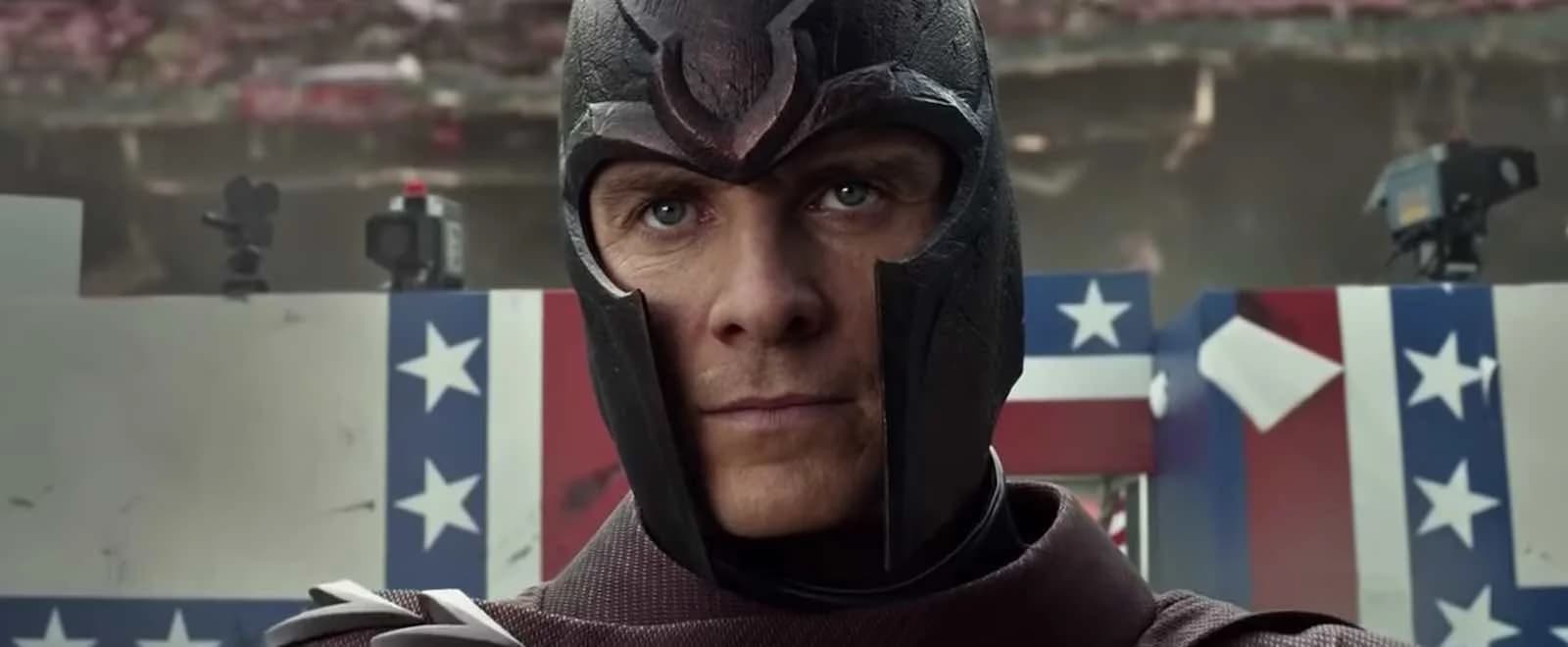
Wide lenses pull the audience into the world, exaggerating space and inviting participation. A 24mm closeup lets the viewer feel the tension between characters, the air in the room, the proximity of threat or intimacy. But swap to a 75mm or 85mm, and the effect transforms. The background compresses, isolating the subject, focusing every ounce of attention on their face. This is the lens of vulnerability, of quiet revelation, of the private moment made public. A 75mm, for example, has been used as a ‘reactionary lens’ in high-emotion scenes, isolating characters during arguments or moments of aggression to amplify their internal state and mute the world around them (Shop Films (YouTube), 2026).
Using compression and expansion for storytelling impact
Compression and expansion are more than visual tricks—they’re storytelling tools. Telephoto lenses flatten space, stacking background elements and amplifying a sense of claustrophobia or pressure. It’s a technique that can make a city street feel suffocating or a boardroom seem inescapable. On the other end, wide lenses expand the world, making even a small room feel open, sometimes exposing the character’s vulnerability within it. This spatial manipulation is how directors shape the emotional geography of a scene, dictating whether the audience feels trapped with a character or liberated alongside them. The difference in emotional response between a closeup on a 24mm and the same on a 135mm is profound—telephoto lenses compress, wide angles expand, and each evokes a distinct mood (wolfcrow, 2023).
Lens selection strategies for mood and tone
Lens choice is not about technical specs—it’s about narrative intent. An 85mm lens is ideal for intimate interviews or confessions, drawing the audience into the subject’s inner world. A 50mm, echoing the natural perspective of the human eye, grounds the viewer in the scene, offering emotional honesty and presence. The 35mm lens, meanwhile, splits the difference—wide enough to feel authentic, tight enough to focus attention. In practice, wider lenses paired with handheld movement can immerse viewers in moments of joy or chaos, their proximity to the subject creating a sense of shared experience. For suspense or fear, manipulating focus—pulling attention or letting it drift—can fracture the audience’s sense of reality, mirroring a character’s psychological state.
For creative leaders and marketers, understanding these visual storytelling tools is non-negotiable. Lens selection is never just about coverage—it’s about building the emotional architecture of your story. The right focal length is the difference between an audience observing and an audience feeling. In the edit suite, these choices reveal their true power: a scene that lands, a brand message that resonates, a story that lingers. That’s the craft behind every frame.
Creative Trade-Offs: Deciding When to Use Each Focal Length
Choosing focal length isn’t a technical checkbox—it’s a creative commitment. Every lens carves out a perspective, and the stakes are higher than most realize. The right focal length can reinforce narrative subtext or sabotage it. The wrong one can flatten a performance or warp a space. The decision is never just about what’s in the kit; it’s about what the story demands, what the location allows, and what the schedule can tolerate. This is where the craft meets the clock, and there’s no universal lens selection guide that can replace clear intent.
How to pick the right focal length for your scene
Start with the story. Is intimacy or distance the point? A 35mm lens pulls the audience into the room—great for character-driven scenes. A 135mm compresses space, isolating subjects and heightening tension. Context matters: tight interiors might force a wider lens, but that comes with distortion. Exteriors offer more freedom, but the choice should still be dictated by narrative needs, not convenience. Subject size, movement, and blocking all influence the focal length decision. In shot planning, always ask: what does this moment need to feel like?
Weighing creative intent against technical limits
Every focal length is a compromise. Wide lenses exaggerate depth and movement, but risk stretching faces and bending lines. Long lenses bring cinematic separation, but can flatten drama and require more space than your location affords. Light levels, available grip, and even actor comfort factor in. Sometimes, the perfect lens for the mood is impractical for the day’s logistics. That’s when experience counts—knowing when to bend creative vision to fit technical realities, and when to fight for the shot. The lens selection process is a negotiation, not a wish list.
Focal length and its impact on editing and VFX
Lens choice doesn’t just affect what’s captured in-camera; it shapes what’s possible in post. Wide lenses give editors more coverage, but can make continuity trickier—objects seem to jump in space. Telephoto shots are easier to match but limit reframing and cropping. If VFX or compositing is on the table, consider distortion and depth cues: extreme focal lengths complicate clean keying and tracking. Smart shot planning means thinking beyond the monitor—anticipating how focal length will constrain or enable the edit, and what headaches it might hand to the post team.
In the end, choosing focal length is about trade-offs. It’s a balance of vision, story, and production reality. The best cinematographers own their choices, knowing each lens is both a tool and a statement. The frame remembers the decision long after the schedule is forgotten.
Focal Length Misconceptions and Common Mistakes
Common misconceptions about focal length explained
Focal length misconceptions are everywhere, from agency boards to the back of the camera truck. The most persistent: the belief that changing focal length is the same as “zooming in” on a subject. Technically, zooming does alter framing, but it does not change the relationship between subject and background. Only moving the camera physically alters perspective. This is why a 50mm lens shot from five feet away looks nothing like a 50mm shot from 20 feet, cropped in post. The spatial compression, the way foreground and background relate, is a function of camera position, not the glass itself.
Another entrenched myth: that “normal” focal lengths, typically 35mm or 50mm on full-frame, are always the safest choice. In reality, over-reliance on these standards leads to visual monotony. Directors and clients often default to these focal lengths out of habit or a misguided sense of neutrality. But every story beat and brand moment has a lens that serves it best. The 35mm’s intimacy can feel claustrophobic in the wrong context; the 85mm’s elegance can flatten energy in a dynamic scene.
Avoiding lens selection pitfalls on set
A frequent focal length error is ignoring the distortion and compression each lens introduces. Wide lenses exaggerate foreground objects and stretch edges—useful for energy, disastrous for faces unless that’s the intent. Telephoto lenses compress depth, making backgrounds loom and flattening spatial relationships. These effects are not subtle at the extremes. On set, the mistake is trusting the monitor without considering the lens’s inherent character. This is how you end up with a CEO’s nose distorted in a corporate spot, or a product shot that feels detached and lifeless.
Another pitfall is failing to pre-visualize lens impact during pre-production. Storyboards that ignore lens choice can mislead clients, especially when the final images feel “off” compared to the pitch. Good DPs and directors communicate lens intent early, setting expectations for how the world will look through each focal length. This avoids the all-too-common scramble in post to “fix” a look that was baked in on set.
Sensor size, crop factor, and their effect on focal length
Sensor size and crop factor are often glossed over, but they fundamentally alter how focal length behaves. A 50mm lens on a Super 35 sensor does not deliver the same field of view as it does on full-frame. This leads to common focal length mistakes: assuming a lens will “look” the same across camera bodies, or failing to calculate the effective focal length when switching formats. The result? Shots that don’t match, mismatched coverage, and wasted time recalibrating on set.
Underestimating these technical details can also sabotage creative intent. If your shot list depends on a specific spatial relationship or background compression, you need to factor in the sensor’s crop. Otherwise, the emotional tone of a scene—or the clarity of a product demo—can be lost in translation.
The bottom line: lens myths persist because they’re convenient. But real craft demands precision—knowing not just what a focal length “should” do, but what it actually does in context. Every lens choice is a creative decision, not a default setting. Treat it that way, and you avoid the most common focal length errors before they ever reach the screen.
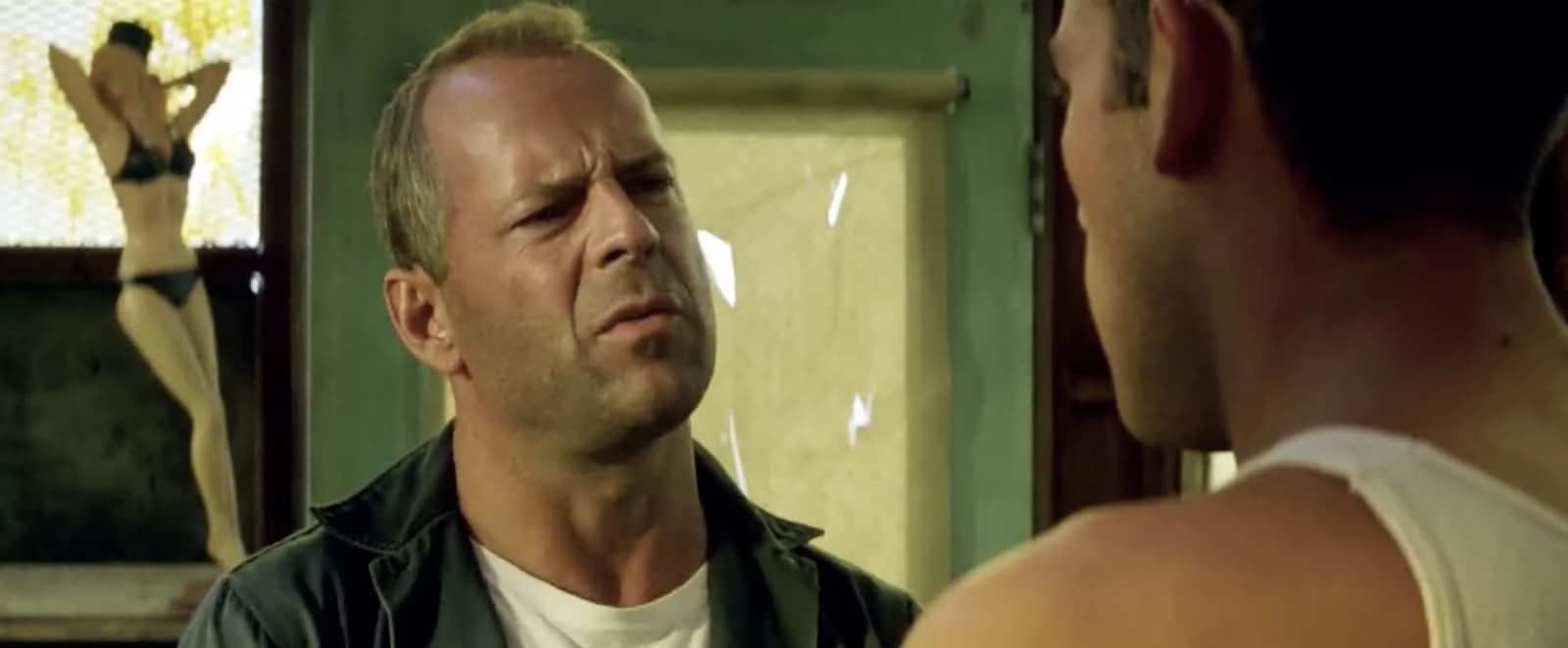
The Role of Focal Length in Camera Movement and Blocking
Every decision about focal length and camera movement is a negotiation between narrative intent and visual physics. The lens you choose doesn’t just frame the world—it dictates how the world moves within the frame. Understanding this relationship is the difference between a shot that feels alive and one that’s simply functional.
How focal length changes the look of moving shots
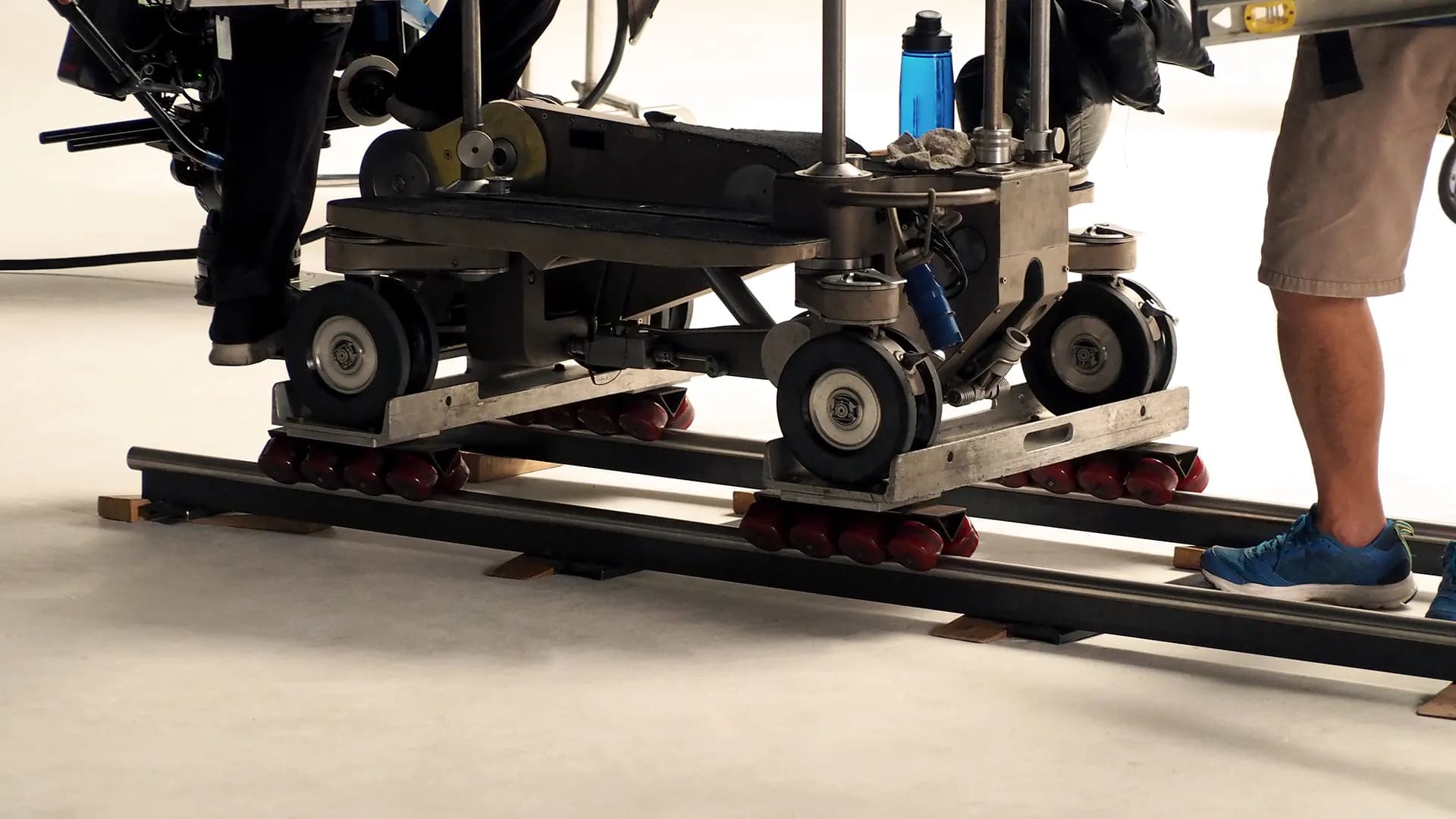
Wide lenses exaggerate movement. When you track with a subject on a 24mm, every step feels kinetic; the background rushes by, foreground elements stretch and compress. This isn’t just aesthetics—it’s physics. The wider the lens, the more the camera’s motion translates into perceived movement on screen. Tracking shots on wide lenses amplify energy, but demand careful choreography to avoid distortion or unintentional comedy. Conversely, longer lenses (85mm and up) compress space. Camera movement becomes subtler, almost ghostly. A dolly-in on a telephoto lens can feel like the world is closing in, the background folding toward the subject. It’s a different kind of tension—more psychological, less visceral.
Blocking actors for wide vs. telephoto lenses
Blocking with lenses is a discipline that separates the technician from the storyteller. On wide lenses, actors can move freely within the space, and their relationship to the camera is part of the visual language. You can stage action that flows from foreground to background, using depth as a narrative tool. But with wide lenses, proximity is unforgiving—every misstep is magnified. On telephoto lenses, blocking becomes an exercise in precision. The field of view narrows, so actors’ movements must be economical and deliberate. Subtle shifts in position can dramatically change composition. It’s less about traversing space, more about owning a sliver of it. If you want to see blocking and staging done with surgical intent, watch how dialogue scenes are staged with a 135mm: every glance, every lean, is loaded with meaning.
Mastering the dolly zoom: Technique and tips
The dolly zoom—sometimes called the “Vertigo effect”—is the most famous marriage of focal length and camera movement. It’s not just a trick; it’s a statement. By dollying the camera forward while zooming out (or vice versa), you keep the subject the same size in frame while the background warps and stretches. The effect is unsettling because it breaks the visual rules we’re used to. Pulling it off isn’t just about technical execution. It’s about intent. You need a steady hand, a focus puller who’s awake, and a subject whose performance won’t be upstaged by the technique. Use it to signal a character’s realization, a shift in perception, or a narrative turning point—never just for spectacle.
Dynamic focal length isn’t about switching lenses for the sake of variety. It’s about aligning the lens choice with the movement and the blocking to serve the story. Whether you’re planning a kinetic tracking shot or a static tableau, the interplay of focal length and camera movement is the grammar that shapes meaning. The best cinematographers don’t just move the camera—they move the audience.
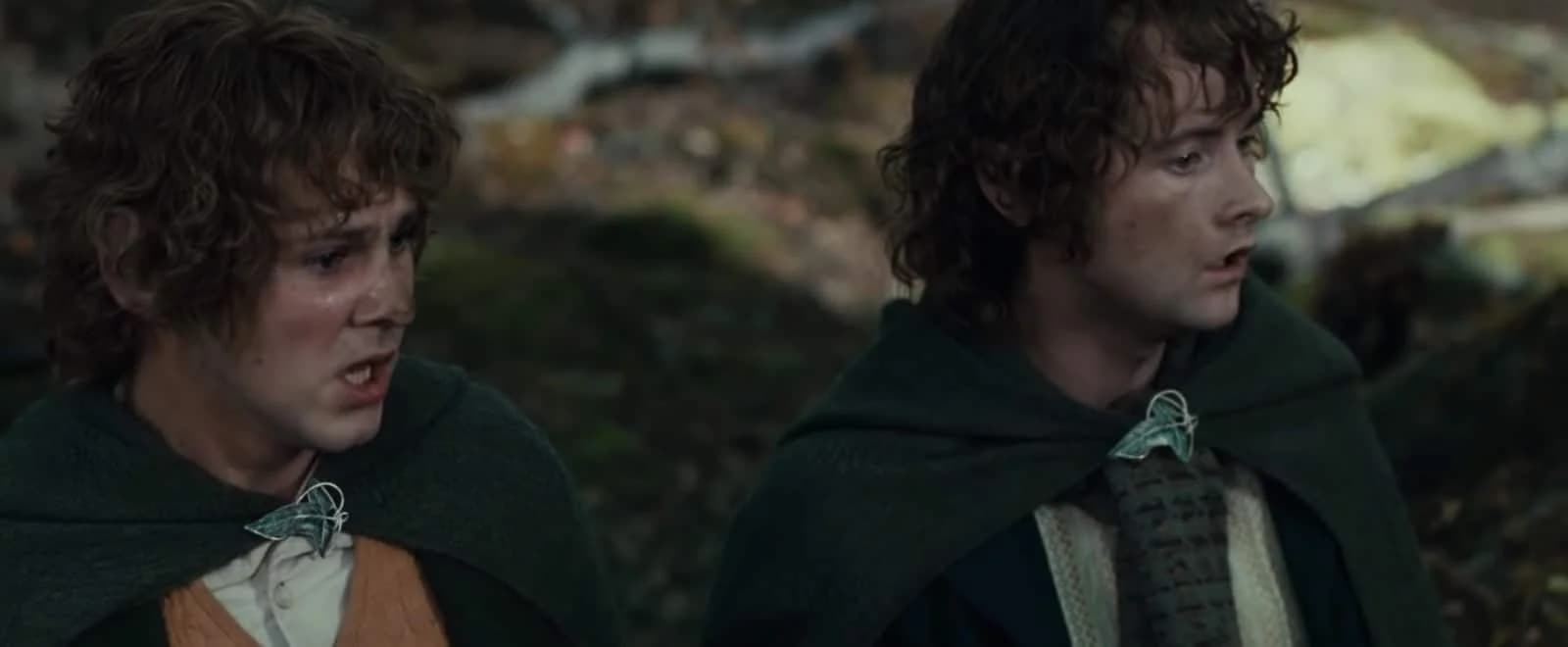
Practical Workflow: Planning Shots with Focal Length in Mind
Planning shots with focal length isn’t just a technical exercise—it’s a creative negotiation that shapes the entire production shot planning process. The lens you choose becomes the audience’s point of view, dictating not only composition but also emotional proximity. Integrating focal length decisions early in pre-production is the difference between a seamless shoot and a scramble on set.
How to create a shot list by focal length
A disciplined shot list workflow begins with intent. Before a camera is powered on, map out each scene’s purpose: Is the goal to isolate a character, establish geography, or create tension? From here, assign focal lengths alongside framing and camera movement. For example, a 35mm for a grounded wide, an 85mm for intimate coverage. This clarity lets everyone—client, director, DP—see not just what’s being shot, but how.
Storyboards sharpen this further. Annotate each frame with the planned focal length. This isn’t about locking yourself in, but about aligning creative vision with logistical reality. When the director wants a sudden close-up, the conversation is grounded in what’s possible with the chosen lens set and location constraints. It’s a discipline that pays off when time is tight and expectations are high.
Pre-visualizing scenes: Tools and techniques
Modern lens planning is both analog and digital. Old-school DPs still walk locations with a director’s viewfinder, but today’s teams are just as likely to use apps that simulate field of view for different sensors and lenses. Tools like Artemis or Shot Designer allow you to map focal lengths to blocking, helping creative leads and producers see how a 50mm compresses space or a 24mm exaggerates it—before a single rig is built.
Previs animatics and 3D scene mapping go deeper, especially for complex branded content or narrative work. Importing lens metadata into these tools lets you preview not just composition, but also depth of field, distortion, and even lens flare. This level of detail means fewer surprises in the edit suite, and less friction when the client wants to “see it before you shoot it.”
Communicating focal length choices with your crew
Lens choices are a conversation, not a decree. Early in the production workflow, set the tone for open dialogue between the director, DP, and 1st AC. Share your shot list annotated with focal lengths, and invite feedback—especially from those who know the location or have worked with the talent before. Sometimes a planned 135mm portrait won’t work in a cramped set, or a wide establishing shot loses impact when the art department’s budget is trimmed.
On set, flexibility is key. Monitor the image, yes, but also the energy. If a performance demands a tighter frame, or if the blocking shifts, be prepared to adjust focal lengths on the fly. Good lens planning isn’t rigid; it’s a framework that lets you adapt with purpose, not panic. The best crews anticipate these moments because they’ve been brought into the decision-making process from the start.
In the end, planning shots with focal length is about more than technical precision. It’s a workflow discipline that keeps creative intent intact, manages expectations, and gives every department a clear roadmap. When done right, it’s invisible—what the audience feels, not what they notice.
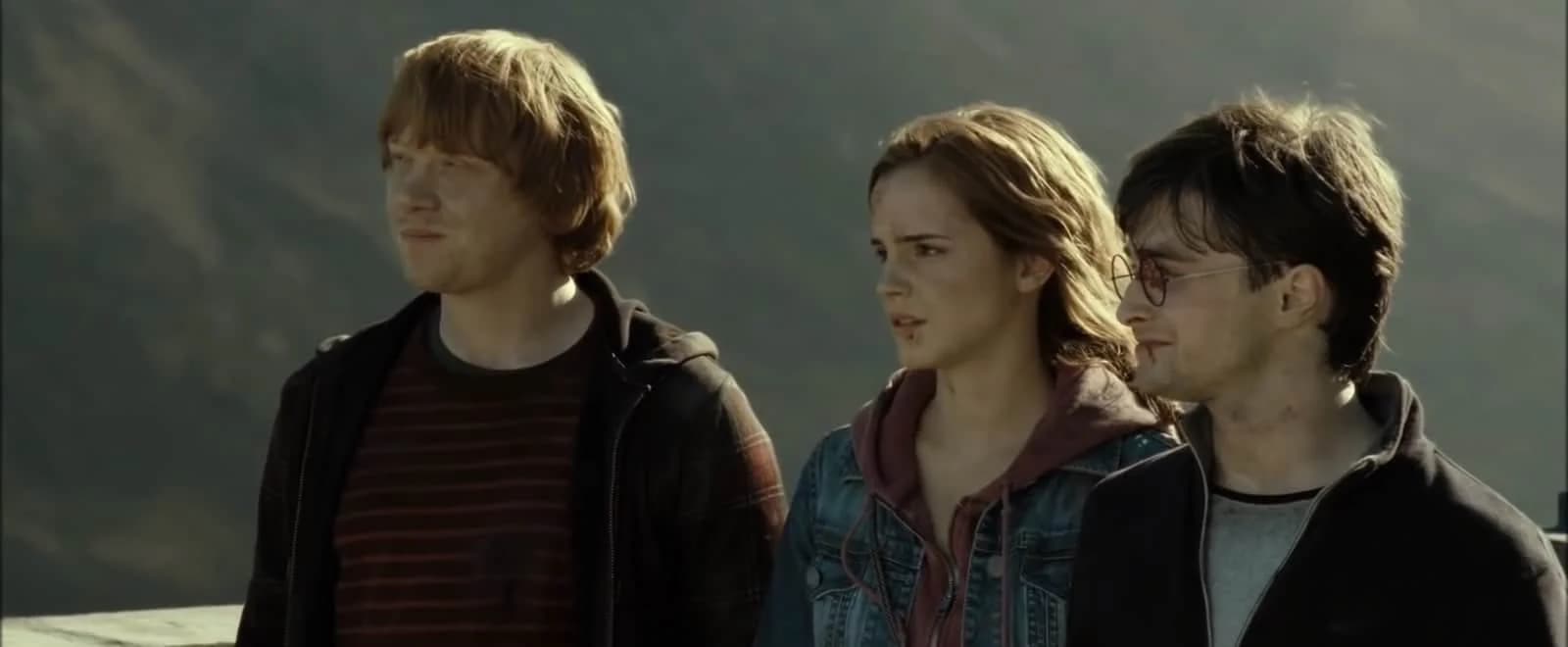
Focal Length Explained in Real-World Scenarios
Focal length explained in theory is one thing; seeing its impact on set is another. Every lens choice is a negotiation between story, logistics, and creative intent. The right focal length can compress, isolate, or immerse—often all within the same project. Below, I break down how focal length decisions play out across a spectrum of real-world lens examples, from sweeping landscapes to high-stakes dialogue.
Focal length explained through different shooting scenarios
Consider a landscape commercial: you’re tasked with capturing a sense of vastness, but the client wants the brand’s product to anchor the frame. On a recent shoot, a 24mm lens gave us the breadth we needed—the horizon stretched wide, the environment felt expansive. But the product, dead center, was swallowed by the scale. Swapping to a 50mm let us compress the space, pulling distant mountains closer and letting the product command attention without losing context. This is practical lens use at its core—balancing scope and focus with a simple lens change.
Portraiture flips the equation. For a branded content piece profiling an artisan, I started with an 85mm prime. The shallow depth of field isolated the subject, background melting away. It’s flattering, intimate. But the creative director wanted more environmental context: the artisan’s tools, the workspace. Switching to a 35mm brought those elements into play, but at the cost of some facial distortion. The lesson: the lens is not just a technical choice, but a storytelling lever. Sometimes, the right answer is a compromise between intimacy and narrative context.
What happens when you change focal length mid-shoot?
Action sequences expose the stakes of focal length decisions. On a narrative short, a chase scene moved from tight corridors to open streets. In the hallway, a 28mm lens let us keep pace with the actors, exaggerating speed and claustrophobia. Outside, the same focal length flattened the action—energy drained from the frame. Swapping to a 70mm, we punched into the protagonist’s face, isolating panic against the chaos. Changing focal length mid-sequence wasn’t just a technical fix; it shifted the emotional register of the scene. In practice, being able to adapt lens choices on the fly is what separates a rigid plan from a living, breathing production.
Lessons from real productions: Focal length in action
Dialogue scenes are where focal length case studies get nuanced. On a recent commercial, the agency wanted to feel “in the room” with two actors. We started with a 35mm, handheld, moving with the conversation. It felt immersive, but the client flagged the background as distracting. Switching to a 100mm compressed the space, backgrounds blurred, focus locked on performance. But that distance—physical and emotional—crept in. We landed on a 50mm compromise: enough intimacy, enough separation. Every focal length is a trade-off, and those choices are rarely made in a vacuum. They’re shaped by the realities of the set, the needs of the story, and the pressure of the clock.
Adaptability is non-negotiable. Weather shifts, schedules slip, and sometimes the perfect lens isn’t on the truck. The best cinematographers I know are defined not by their favorite focal length, but by how quickly they can pivot—finding creative lens choices when the plan breaks down. In the end, focal length explained through real-world lens examples isn’t about technical mastery alone. It’s about reading the room, the light, and the brief, and making the call that serves the story best.
Conclusion
Understanding focal length is not just a technical exercise—it’s foundational to visual storytelling. Every decision about lens selection shapes the viewer’s relationship to the subject, the space, and the emotional undertone of the scene. Whether you’re shooting a high-concept commercial or a nuanced narrative, the focal length you choose is a deliberate act of authorship. It’s one of the camera lens basics that separates a functional image from a compelling one.
On set, focal length is never an afterthought. It’s a tool that can compress or expand space, isolate or contextualize a character, and dictate the rhythm of a sequence. The difference between a 35mm and an 85mm is more than a number—it’s a distinct visual language. The lens you reach for is as much about the story you want to tell as it is about the logistics of the location or the demands of the client. This is where practical experience and creative intent intersect, and where the real craft of lens selection emerges.
Focal length is also inseparable from other visual storytelling tools. It influences how you light a set, how you plan your shots, and how you choose between types of camera lenses. The best cinematographers and photographers don’t just understand these relationships—they exploit them. They know that a lens is never neutral. It’s a collaborator, capable of amplifying tension, intimacy, or spectacle. The narrative impact of a well-chosen focal length lingers long after the cut.
Mastering focal length is an ongoing process. The industry evolves, new glass enters the market, and every project brings its own constraints and opportunities. But the core principle remains: every focal length is a choice, and every choice is a chance to shape the story. Keep exploring, keep questioning, and let your lens work as hard as your imagination.
FAQs
What is focal length?
Focal length is the distance, measured in millimeters, between a lens’s optical center and the camera’s sensor when focused at infinity. It determines how much of a scene the lens captures and how subjects are rendered in relation to the background. In practical terms, focal length defines a lens’s angle of view and its magnification.
How to use focal length in filmmaking?
Focal length is a creative tool in filmmaking, not just a technical spec. Wide lenses exaggerate depth and movement, immersing viewers in the space. Longer lenses compress distance and isolate subjects, focusing attention. Choosing focal length is about intent: what do you want the audience to feel, and how should they relate to the scene?
What is the relationship between focal length and field of view?
Focal length and field of view are directly linked. Shorter focal lengths (wide-angle) produce a broader field of view, capturing more of the environment. Longer focal lengths (telephoto) narrow the field, zeroing in on specific details. The sensor size also plays a role, but focal length is the primary driver of what the lens sees.
What are the different types of camera lenses?
Camera lenses are typically categorized by their focal lengths: wide-angle (under 35mm), standard (35–70mm), and telephoto (over 70mm). Specialty lenses include macro (for close-ups), fisheye (ultra-wide, distorted view), and zooms (variable focal length). Each serves a distinct visual and narrative purpose on set.
How does focal length affect shots?
Focal length shapes both composition and perspective. Wide lenses stretch space, pull the viewer into the environment, and can distort edges. Telephoto lenses flatten perspective, compressing foreground and background, often isolating subjects. The choice influences emotional distance, spatial relationships, and even the perceived pace of a scene.
What are common misconceptions about focal length?
A frequent misconception is that focal length alone determines “zoom” or proximity to a subject. In reality, camera position and lens choice work together. Another myth: that longer lenses are always more cinematic. In truth, the best focal length is dictated by story, not fashion or gear trends.
How to choose the right focal length for a scene?
Start with the story’s needs. Ask: What emotion or perspective serves the moment? Wide lenses for intimacy or chaos, telephoto for isolation or subtlety. Consider blocking, location, and how you want the audience to engage. Practical constraints matter, but narrative intent should lead the decision every time.
.webp)
Creative Collaboration Platform: The Backbone of Modern Creative WorkWhat is a creative collaboration platform?Clapboard defines a creative collaboration platform as the operational core for today’s distributed creative teams. This is not a collection of digital collaboration tools stitched together; Clapboard’s system

Understanding the Creative Production MarketplaceWhat is a Creative Production Marketplace?Clapboard defines a creative production marketplace as a structured ecosystem where brands, agencies, and production talent converge to execute video, advertising, and branded content at scale. Unlike the legacy agency or freelanREAD FULL ARTICLE

The Urgent Need for a Creative Production Operating SystemWhy Traditional Creative Production Models Break DownClapboard sees the creative production landscape shifting under pressure. Content velocity is no longer a buzzword—it’s a mandate. Modern advertising demands relentless output across dozens of channels, each wREAD FULL ARTICLE

JOIN THE NEWSLETTER.
Content Production insights, videos, books, and freebies, delivered to your inbox weekly


LEAVE A COMMENT
Your email address will not be published.