


Varun Katyal | Founder, Clapboard
Varun Katyal is the Founder & CEO of Clapboard and a former Creative Director at Ogilvy, with 15+ years of experience across advertising, branded content, and film production. He built Clapboard after seeing firsthand that the industry’s traditional ways of sourcing talent, structuring teams, and delivering creative work were no longer built for the volume, velocity, and complexity of modern content. Clapboard is his answer — a video-first creative operating system that brings together a curated talent marketplace, managed production services, and an AI- and automation-powered layer into a single ecosystem for advertising, branded content, and film. It is designed for a market where brands need content at a scale, speed, and level of specialization that legacy agencies and generic freelance platforms were never built to deliver. The thinking, frameworks, and editorial perspective behind this blog are shaped by Varun’s experience across both the agency world and the emerging platform-led future of creative production. LinkedIn: https://www.linkedin.com/in/varun-katyal-clapboard/
When to Use Wide Shots: Decision-Making for Directors
How to decide if a wide shot is right for your scene
The shot selection process isn’t a checklist—it’s a negotiation between narrative intent, visual architecture, and practical realities. Directors and DPs reach for a wide shot when the scene’s demands outpace the intimacy of a close-up or the neutrality of a mid. The question isn’t “Should we go wide?” but “What does this moment need?” If the answer involves orienting the audience, establishing geography, or letting the environment speak, a wide shot earns its place.
Cinematic decision-making starts with story. If you need to communicate isolation, grandeur, or the relationship between character and setting, wide shot examples from films like “No Country for Old Men” or “There Will Be Blood” show how space becomes character. In branded content, a wide can signal aspiration or scale—think of a runner cresting a hill, the city sprawling below. In commercials, it’s often about context: the product in the world, not in a vacuum.
Common storytelling goals achieved with wide shot examples
A wide shot is rarely neutral. It can assert dominance, expose vulnerability, or simply set the rules of the world. When you want the audience to feel the expanse of a desert, the claustrophobia of a crowded street, or the symmetry of a boardroom, the wide shot is your tool. It’s the establishing shot, yes, but it’s also the moment that lets the audience breathe—or withhold breath, depending on your blocking.
In narrative work, wide shot examples often anchor the emotional tone. A protagonist alone in a vast landscape telegraphs isolation. A team gathered around a conference table, all in frame, signals unity or tension depending on spacing and eye lines. In branded content, the wide shot can evoke lifestyle, aspiration, or simply clarify the product’s context—an SUV dwarfed by mountains, or a new office space bustling with energy.
Practical considerations before choosing a wide shot
The decision to go wide is as much logistical as it is creative. Location matters: a cramped room resists a wide lens, while an open field begs for it. Blocking and choreography drive the value—if your actors are spread across space, a wide shot is often non-negotiable. But there are trade-offs. Wide shots demand more from art direction, lighting, and sometimes VFX. Every detail is exposed, every background element must be managed.
Pacing is another factor. A series of wide shots can slow narrative tempo, letting the audience absorb detail, but overuse can dilute impact. Balance is key. The most effective directors deploy wides strategically, punctuating coverage with moments that expand or contract the visual field. The goal isn’t to show everything—it’s to show what matters, when it matters.
Integrating wide shots into your shot list planning
Smart shot list planning means understanding when to use a wide shot and when to hold back. Wide shots are most powerful when contrasted with tighter coverage. They provide context and scale, then give way to close-ups for emotional punch. Think of them as visual punctuation—setting the scene, then letting the story unfold in detail. For more on this balance, see our visual storytelling tips.
Understanding Wide Shot Examples in Cinematography
The language of cinematography is built on choices—each frame, each lens, each movement. Among these, wide shot examples stand as the foundation. They are more than just a technical staple; they’re a statement of intent. A wide shot sets the geography, the tone, and the stakes. It is the first handshake between the audience and the world of the film. In the context of cinematography basics, understanding wide shots is non-negotiable for anyone serious about visual storytelling.
What is a wide shot? Key characteristics explained
So, what is a wide shot? At its core, a wide shot frames the subject within a broad environment, allowing the audience to absorb the full context of the scene. The subject is visible, but not dominant. Negative space becomes a tool, not a void. You see relationships—between characters, between character and place, between movement and stillness. The result is a shot that breathes, giving the viewer orientation and emotional distance.
Technically, wide shots are achieved with lenses ranging from 18mm to 35mm on a full-frame sensor, but the definition is driven more by composition than by millimeters. It’s about intent: to reveal, to establish, to invite observation. Whether it’s an urban cityscape or a lone figure on a windswept plain, the wide shot’s power lies in its ability to place story and character within a living world.
Why filmmakers rely on wide shot examples for visual storytelling
Directors and cinematographers reach for wide shots when they need to orient the audience or underscore scale. In branded content, a wide shot can communicate ambition, openness, or a sense of possibility—think of a car ad that opens with a sweeping landscape. In narrative films, the wide shot often sets the emotional baseline. It’s where tension can simmer or dissipate, where isolation or connection is made visible before a word is spoken.
Studying wide shot examples is essential because every genre, every director, and every campaign uses them differently. The best wide shots do more than establish—they participate in the story. They can foreshadow conflict, reinforce themes, or simply let the world breathe. For practitioners, dissecting these examples sharpens your eye for blocking, lighting, and movement. You learn how a wide shot can serve as a visual thesis for the entire project.
Comparing wide shots to other camera angles
Understanding types of camera shots means knowing why you reach for a wide shot instead of a medium or close-up. Medium shots pull the audience closer, focusing on performance and detail. Close-ups are about intimacy, emotion, and the micro-moment. Wide shots, by contrast, are about context and scope. They are rarely about the individual alone—they are about the individual in relation to their world.
The choice isn’t just aesthetic; it’s strategic. On set, you feel the difference. A wide shot demands coordination—blocking, art direction, lighting all have to work together. It’s less forgiving, but more revealing. The best filmmakers use wide shots not as filler, but as punctuation. They know when to step back, when to let the story breathe, and when to let the audience see the bigger picture.
For anyone mastering filmmaking techniques, wide shot examples are not just references—they are lessons in intent, precision, and restraint. They remind us that sometimes, the most revealing shot is the one that shows it all.
The Anatomy of a Wide Shot: Technical and Creative Elements
Choosing the right lens for wide shot composition
Wide shot composition starts with lens selection. The wide angle lens—anything from 18mm down to ultra-wide territory—delivers spatial context, exaggerating depth and scale. But not all wide shots are created equal. A 25mm on full-frame offers classic breadth without obvious distortion, favored by directors who want to keep the world grounded. Orson Welles famously used a 25mm in Citizen Kane, placing characters in the foreground and layering action deep into the background. The result: a shot that’s both expansive and intimate, with every inch of the frame pulling narrative weight (Backstage, 2023).
Lens choice isn’t just about fitting more into the frame. It’s about perspective. A wider lens pushes background elements further away, stretching the distance between subjects and their environment. That’s why a wide angle lens can make an empty street feel desolate or turn a crowded room into a stage. The key is to match focal length to the emotional intent—too wide, and you risk caricature; too tight, and you lose the sense of place.
Techniques for framing dynamic wide shot examples
Framing a wide shot is a test of discipline. The temptation is to fill the negative space, but restraint often yields greater impact. Strategic shot framing—placing a subject off-center, using leading lines, or foreground elements—anchors the viewer and guides the eye. A classic move: enclosing one side of the frame with a vertical element, like a tree or wall, to add depth and direct attention. This technique, seen in films like Pan’s Labyrinth and The Revenant, transforms a static landscape into a layered visual narrative (Neil Oseman, 2023).
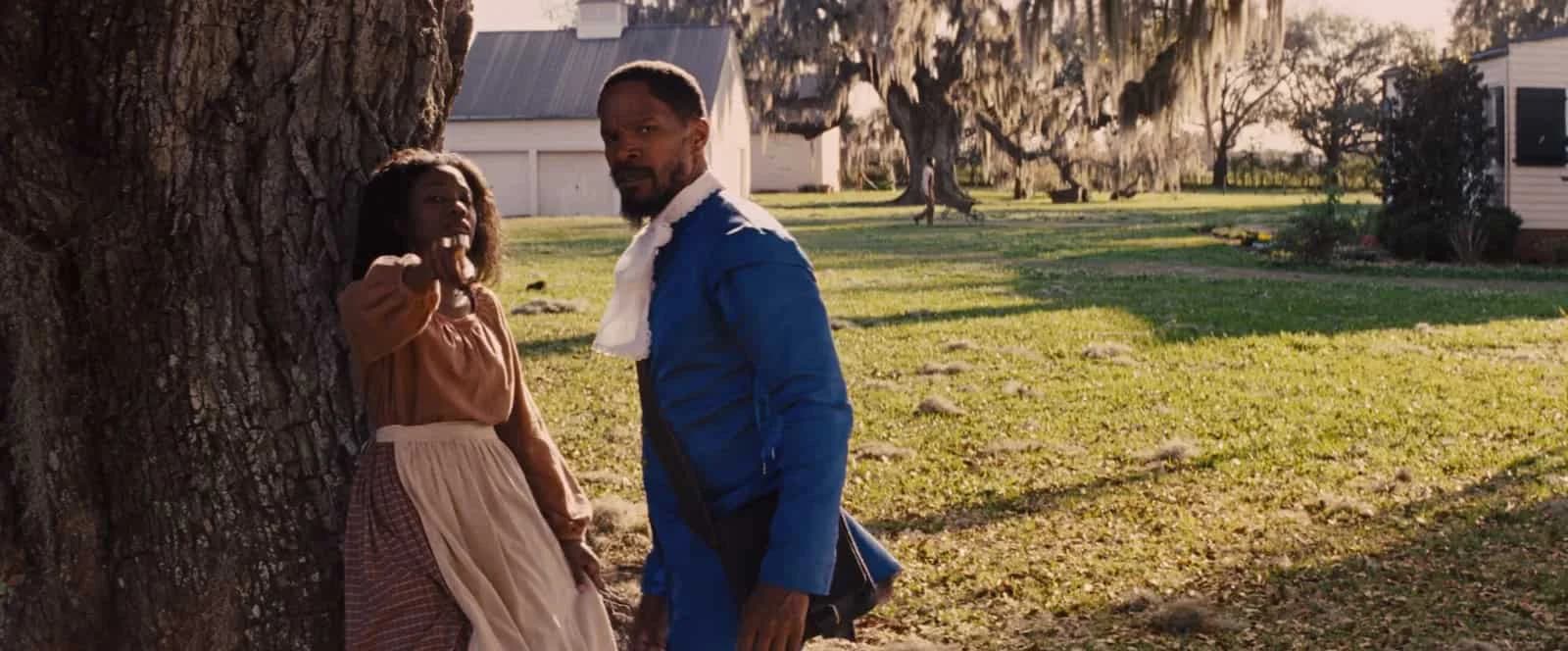
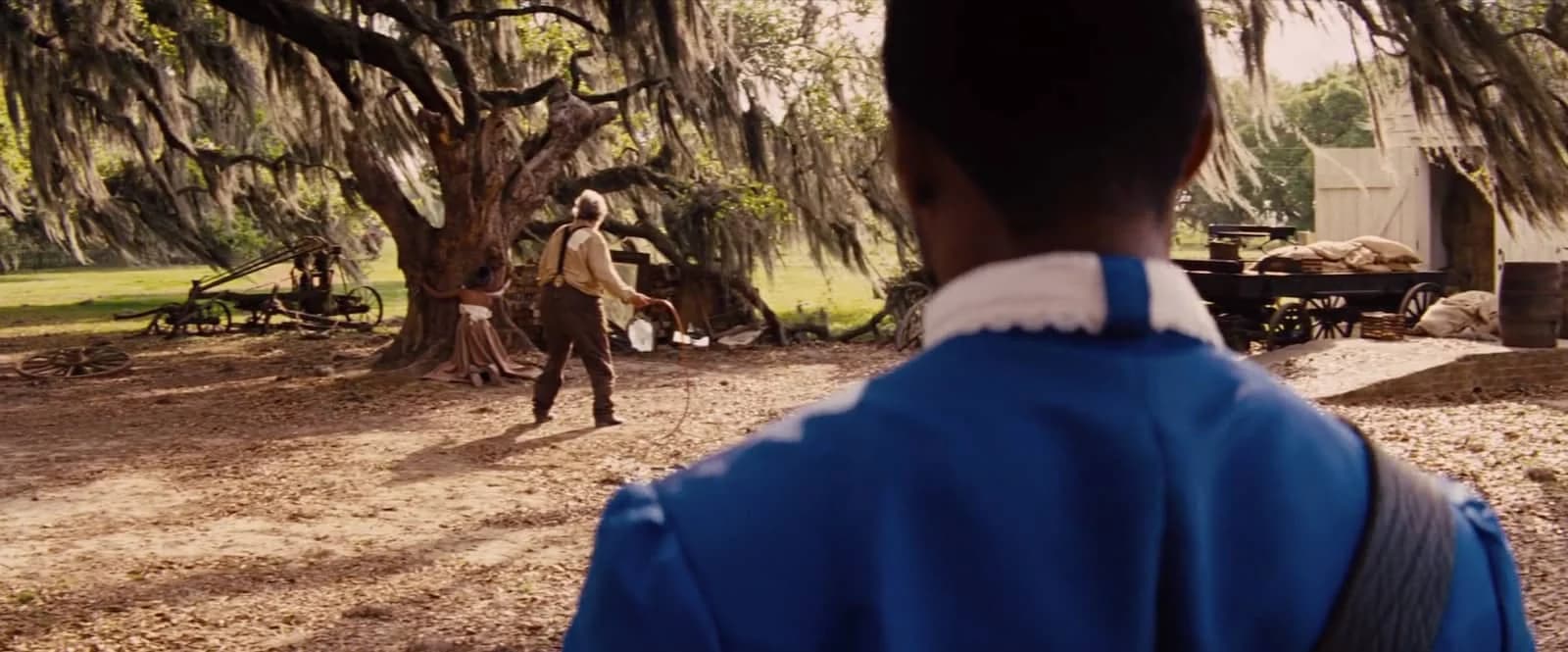
Blocking matters just as much. In a well-composed wide shot, actors don’t just occupy space—they activate it. Movement across the frame, or even the tension of stillness within a vast environment, tells its own story. Quentin Tarantino’s use of wide shots in Django Unchained, for example, emphasizes the physical and emotional gulf between characters, often starting a sequence with a wide before moving in for coverage (StudioBinder, 2023). The choreography of bodies and camera within the frame is what separates a forgettable wide from one that lingers.
Lighting and atmosphere in wide shots
Lighting a wide shot is an exercise in control and compromise. You’re not just lighting faces—you’re shaping the world. Natural light can be a gift or a curse, depending on the time of day and the weather’s mood swings. Large sources—soft boxes, bounced sunlight, or practicals—help maintain consistency across the frame, but sometimes you lean into imperfection: hard shadows, atmospheric haze, or practical spill that gives the scene texture.
Atmosphere is the final layer. Environmental details—mist, dust, rain, or even the color temperature of a distant streetlamp—can elevate a wide shot from descriptive to evocative. Spielberg’s use of wide shots in Schindler’s List, such as the medical round-up scene with the red-coated girl, transforms a crowd scene into a haunting visual motif, using framing and color to create vulnerability and mystery (StudioBinder, 2023). The best wide shots don’t just show space—they charge it with meaning.
Mastering wide shot composition is about more than gear or technique. It’s about intention—knowing what you want the audience to feel, and building every technical choice around that goal. For deeper dives on framing strategies, see our shot composition guide. For practical advice on lens and support choices, check out our camera gear for
Wide Shot Examples That Establish Setting and Context
How wide shot examples set the scene in film
Wide shot examples are not just a technical exercise—they’re the bedrock of cinematic context. When you open on a city skyline at dawn, or a desolate road stretching to the horizon, you’re not just showing geography. You’re establishing the rules of the world: its scale, its mood, its sense of possibility or threat. The audience knows immediately where they are, and often, when. Every seasoned cinematographer knows that a well-chosen wide shot can do more in three seconds than a page of dialogue. It’s the visual handshake that orients and primes the viewer’s expectations.
In practice, these shots are usually the first thing you shoot on location—often before the crew has even finished unloading. They lock in the “where,” but they also suggest the “why” and “how.” The opening wide of a commercial sets the tone for the brand. The first shot of a narrative film tells the audience whether they’re in a grounded reality or a heightened, stylized world. The context is immediate and, if done right, invisible.
The difference between wide shots and establishing shots
It’s tempting to use “wide shot” and “establishing shot” interchangeably, but there’s a distinction worth making. An establishing shot is a specific breed of wide shot, typically used at the start of a scene or sequence to orient the audience to a new location or time period. Think of the classic aerial of a city before cutting inside an apartment, or the slow push across a battlefield before focusing on a single soldier. The establishing shot is about context first, character second. It’s a signpost: here’s where the story is, here’s the world we’re entering (Types Of Shots In Film - YouTube, 2023).
Other wide shots, meanwhile, might serve different purposes. They can frame characters within their environment, highlight spatial relationships, or even isolate a protagonist in a sea of chaos. In branded content, a wide shot might be less about location and more about scale—showcasing the scope of an event, the reach of a campaign, or the sheer ambition of a creative idea. The intent is always deliberate, never arbitrary.
Using extreme wide shots for dramatic effect
Extreme wide shots are where the craft becomes unmistakable. These aren’t just about showing space—they’re about leveraging scale to create emotion. In narrative work, an extreme wide can dwarf a character, making them appear vulnerable or lost. In genre films, it can turn a landscape into a character in its own right. Consider the use of extreme wide shots in “Dune: Part Two,” where Paul Atreides is rendered almost insignificant against the backdrop of the desert and the looming sandworm. The shot doesn’t just establish location; it communicates destiny, danger, and awe in a single frame (CineD, 2024).
Commercials and branded films use extreme wide shots to similar effect. A drone shot over an empty stadium, a car winding through mountain roads, or a single figure in a vast architectural space—all create a sense of scale that’s both aspirational and humbling. These shots are meticulously planned, often requiring previsualization and precise scheduling to catch the right light or weather. The payoff: instant immersion and a visual signature that lingers in the mind.
Genre-driven context: wide shots across formats
Wide shot examples shift tone and meaning across genres. In drama, a wide shot can introduce a small town and foreshadow its secrets. In horror, it isolates the protagonist, turning open space into a threat. In comedy, a wide can set up physical g
Conveying Emotion and Theme Through Wide Shot Examples
How wide shot examples evoke emotion in audiences
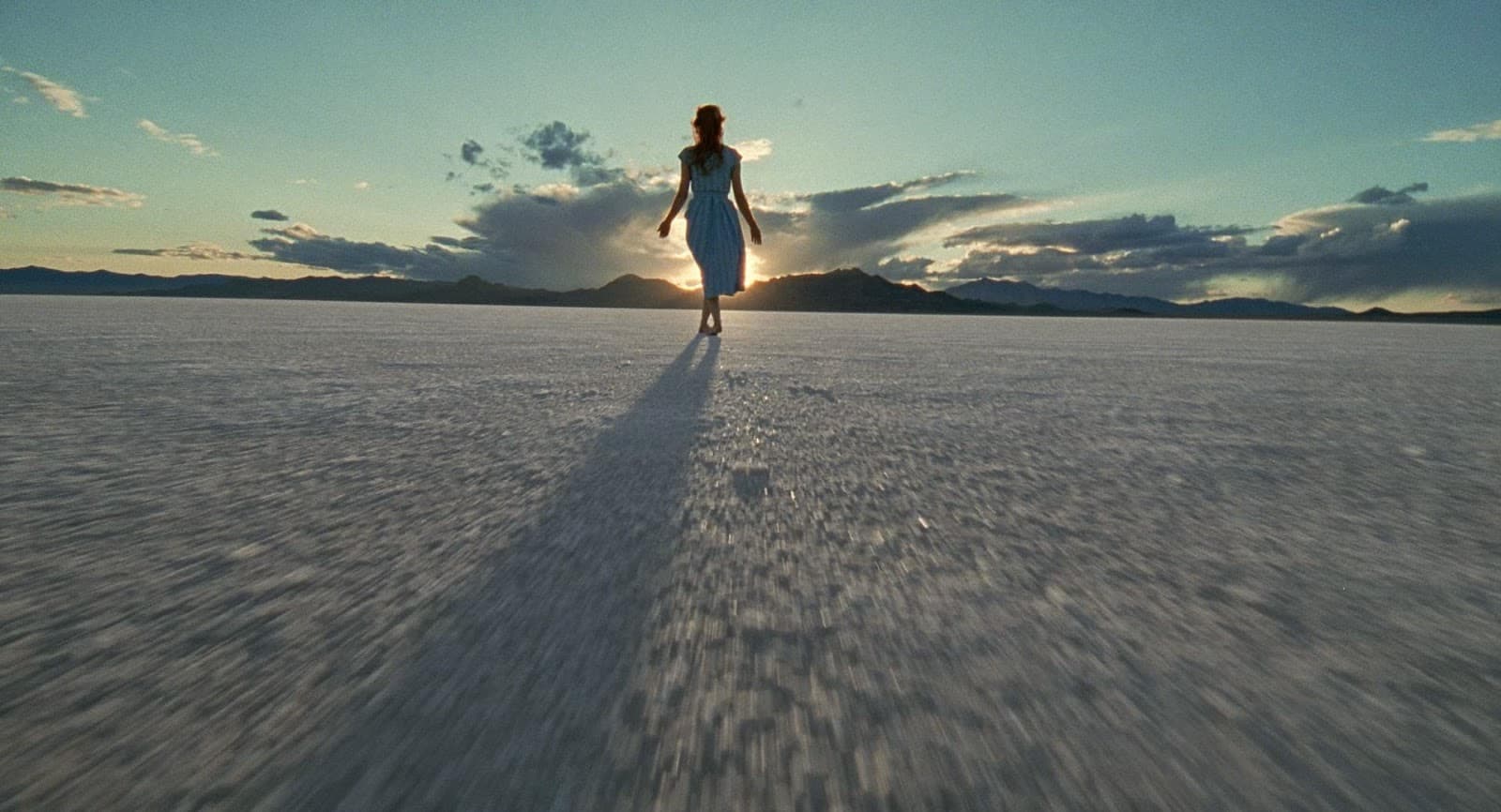
The emotional impact of wide shots is rarely accidental. When a director and cinematographer choose to pull back, they’re not just establishing geography—they’re making an interpretive statement. Consider the solitary figure in a vast landscape: this isn’t just a location reveal, it’s a visual metaphor for isolation, vulnerability, or resilience. The negative space around a character can amplify loneliness or, conversely, signal freedom. The audience feels the emotional temperature not through dialogue, but through the sheer scale of the frame and the character’s place within it.
In branded content or commercials, a wide shot might place a protagonist at the edge of a bustling city or an empty field, immediately signaling their role in the narrative—outsider, dreamer, disruptor. The shot creates emotional resonance before a word is spoken. It’s a technique that pushes viewers to project themselves into the scene, forging a connection through the visual storytelling itself.
Using wide shots to express cinematic themes
Wide shots are powerful carriers of cinematic themes. They can distill a film’s core motif into a single image. A group framed in a grid-like composition might evoke themes of conformity or societal pressure. Conversely, a chaotic, asymmetrical wide can hint at disorder or rebellion. In narrative films, the repetition of certain wide shot motifs—say, a character dwarfed by architecture—can reinforce themes of alienation or struggle against systemic forces. These are not just pretty frames; they’re deliberate choices that layer subtext beneath the surface action.
On commercial sets, I’ve used wide shots to communicate brand values—community, innovation, aspiration—without resorting to on-the-nose dialogue or heavy-handed voiceover. The spatial arrangement of talent, the interplay of light and negative space, and the movement within the frame all contribute to the message. Wide shots become shorthand for ideas too complex or nuanced to articulate directly, a visual motif in film that lingers in the viewer’s mind.
Spatial storytelling: mood and meaning in wide shots
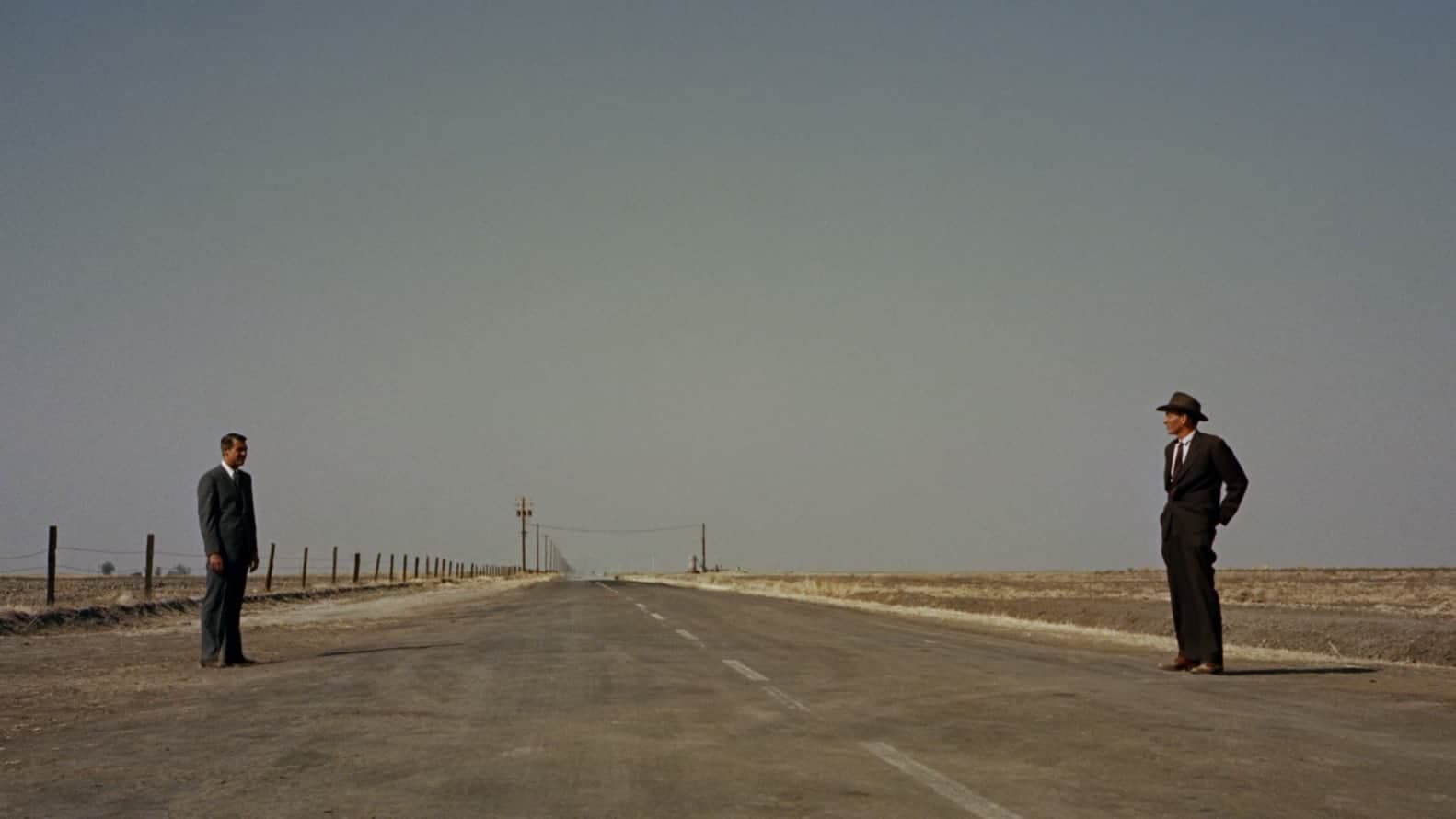
Spatial relationships are the grammar of mood in film. A wide shot that places characters far apart can telegraph tension or emotional distance. Conversely, a group clustered tightly in a wide frame might suggest unity, intimacy, or even claustrophobia, depending on context. The mood in film is shaped as much by what’s left unsaid—and unseen up close—as by what’s shown. The audience reads body language, posture, and even the negative space as cues for how to feel.
There’s a trade-off, of course. Wide shots can introduce emotional distance, making it harder for the audience to read subtle facial cues. But that detachment can be a narrative asset. It forces viewers to interpret subtext, to observe relationships as they unfold in space. The clarity of the story comes not from proximity, but from the choreography of bodies, the architecture of the scene, and the silence between lines. This is emotional storytelling technique at its most distilled—pure, visual, and loaded with implication.
In the end, the emotional impact of wide shots lies in their ability to do more than show. They invite interpretation, provoke feeling, and embed theme in every pixel. For creative leaders, understanding this craft is essential—because the frame is never neutral, and every wide shot is a decision about what the audience should feel, notice, and remember.
Creative Combinations: Pairing Wide Shots With Camera Movements
Dynamic wide shot examples: tracking and panning explained
A wide shot with camera movement is not just a technical flourish—it’s a deliberate narrative tool. When you introduce movement, whether it’s a tracking shot gliding parallel to the action or a panning shot revealing context, the wide frame becomes more than a static tableau. It breathes. In commercials, a tracking wide can follow a runner across a cityscape, emphasizing both scale and momentum. In branded content, a slow pan across a bustling workspace can establish culture and energy without a word of dialogue. These movements aren’t just for spectacle; they’re about guiding the audience’s eye, shaping emotional response, and immersing viewers in the world you’re building.
When to combine wide shots with camera movement
There’s a discipline to knowing when to move and when to hold. Static wide shots can evoke stillness, isolation, or grandeur—they let the viewer absorb the setting, unhurried. But when the story needs propulsion or when you want to reveal information over time, movement becomes essential. For narrative pacing, a moving wide shot can bridge scenes, compress time, or build anticipation. In a brand film, a crane move transitioning from ground-level activity to a sweeping aerial wide can signal ambition or scale. The choice to combine movement with a wide shot should always serve the story’s rhythm and the audience’s engagement. Movement is never arbitrary; it’s a calculated decision that must align with intent.
Technical tips for moving wide shots
Executing a wide shot with camera movement brings its own set of challenges. Maintaining sharp composition across a broad field—especially with moving subjects—demands precise blocking and coordination. Tracking shots require stable platforms: dollies, Steadicams, or gimbals, each with their own footprint and constraints. For panning shots, the axis and speed must be dialed in to avoid unmotivated drift or distracting parallax. Drone and crane moves unlock verticality and scale but introduce complexity in terms of permits, weather, and safety. Previsualization is key—mapping out movement in relation to set geography and lighting saves headaches on the day. And always, the technical must serve the creative: if a move doesn’t elevate the narrative or visual impact, it’s just noise.
Creative strategies for integrating movement into wide shots
Think of movement as punctuation in visual storytelling. Use it to cue transitions, reveal surprises, or build tension. In campaign work, a tracking wide can connect disparate elements—product, user, environment—in a single, continuous gesture. In narrative, a slow push-in on a wide can subtly shift the audience’s focus from environment to character, tightening emotional proximity without cutting coverage. The most effective wide shots with camera movement are those that feel inevitable—where the motion is so attuned to the scene’s energy that it becomes invisible. That’s the mark of practiced craft: movement that doesn’t announce itself, but instead deepens the viewer’s immersion and understanding.
For those pushing into more dynamic cinematography, the interplay of wide shots and movement is a field of endless possibility. Master the fundamentals, but don’t be afraid to experiment—sometimes the most memorable moments come from a well-timed, unexpected move that reframes the entire scene. For further technical breakdowns, see our guide to camera movement techniques.
Wide Shot Examples for Different Genres and Styles
Wide shot examples in action vs. drama films
Wide shot examples by genre reveal how the same framing can serve radically different narrative and emotional purposes. In action films, the wide shot is a canvas for kinetic movement and spatial geography. Directors use it to orient the viewer, establish stakes, and choreograph chaos—think of the sweeping battlefield in a war film or the cityscape before a chase erupts. Action genre cinematography demands clarity: the wide shot isn’t just about spectacle, it’s about letting the audience track every moving part, every threat, every possible escape route.
Contrast that with drama, where the wide shot often isolates characters within their environment. It’s less about movement, more about emotional context. A protagonist dwarfed by an empty landscape, or standing alone in a cavernous room, tells us more about their internal state than any close-up could. Shot selection in movies like these leans on negative space and stillness—the wide shot becomes an existential statement rather than a logistical one. In both genres, the shot is wide, but the intent and effect are worlds apart.
Adapting wide shots for documentary storytelling
Documentary filmmakers approach wide shots with a different set of priorities. Here, authenticity trumps orchestration. The shot must ground viewers in real locations, often under uncontrolled conditions. A well-chosen wide can orient the audience within a community, a crisis, or a landscape, providing context without artifice. In vérité-style docs, the wide shot is a tool for observation, not manipulation—it’s about showing what’s at stake, who’s present, and how they relate spatially.
Yet, even in documentary, film style matters. Directors may favor static wides to suggest objectivity, or fluid, handheld wides to immerse viewers in unfolding events. Shot selection in movies of this kind is often dictated by access, light, and the unpredictable rhythms of real life. But the best documentary wides still carry intent—they frame not just the scene, but the story’s ethical distance.
Comedy and wide shots: timing and context
Comedy’s relationship with the wide shot is all about timing and context. In genre cinematography for comedy, the wide is a stage: it allows for physical humor, visual gags, and ensemble interaction. Directors use it to let the absurdity of a situation play out in real time—think of a character’s slow realization as chaos unfolds behind them, all within the same frame. The audience needs room to see the punchline land, often in a single, uninterrupted take.
But comedic wides are not just about showing more—they’re about controlling rhythm. Holding a wide shot a beat too long can turn awkwardness into hilarity. Cutting too soon can kill the joke. Shot selection in movies like these is a matter of comic precision, not just coverage. The style is often deceptively simple, but it’s rooted in a deep understanding of audience expectation and timing.
Stylistic variations and audience expectations
Ultimately, wide shot examples by genre are shaped by more than just tradition—they respond to evolving audience expectations and the demands of each project. Some directors subvert conventions, using wides in unexpected ways to unsettle or surprise. Others lean into genre norms, knowing that a well-executed wide can anchor a film’s visual identity. The best practitioners treat wide shots not as generic establishing tools, but as genre-specific instruments—tailored, intentional, and always in service of story.
Avoiding Common Mistakes With Wide Shot Examples
Common mistakes when using wide shot examples
Wide shot mistakes are rarely the result of technical ignorance—they’re almost always a byproduct of creative compromise or rushed decisions. The most common cinematography errors in wide shots start with framing. When the subject drifts too close to the edge or gets swallowed by negative space, the emotional anchor of the shot is lost. It’s easy to let the environment dominate, but if the audience can’t find the narrative focus, you’ve missed the point. Another frequent error: treating the wide shot as a checklist item, dropped in for coverage rather than intention. This leads to sequences where the wide adds nothing but runtime, diluting the scene’s impact.
Lighting is another trap. Wide environments expose every inconsistency—hot spots, muddy shadows, or uncontrolled practicals. If you light for the close-up and then pull back without adjusting, you’ll end up with a flat, lifeless frame. Exposure is equally unforgiving. Overexpose, and you lose detail in skies or windows. Underexpose, and your subject drowns in murk. These shot planning problems are amplified by fast-moving schedules and limited resources, but the result is the same: a shot that fails to serve story or client.
How to fix framing and lighting issues in wide shots
Start with intent. Before rolling, ask: what does this wide shot communicate? Build your frame around the answer. Use leading lines, foreground elements, or subtle blocking to guide the viewer’s eye. Don’t just rely on centering the subject—often, a slight offset with environmental context amplifies tension or theme. For lighting, approach the wide as its own setup, not an afterthought. Use larger sources, bounce, or practicals to shape the scene. Scout for natural light opportunities, but always have a contingency for changing conditions. Meter for your subject first, then balance highlights and shadows across the frame. These wide shot tips separate a functional shot from a memorable one.
When exposure is tricky, bracket your takes or use HDR techniques if the project allows. In post, resist the urge to “fix it in the grade” unless you’ve captured enough latitude. If your location is working against you—busy backgrounds, distracting signage—don’t be afraid to recompose or re-stage. Sometimes the solution is as simple as shifting your angle or waiting for the right moment. A disciplined approach to shot planning prevents most of these errors. (See our shot planning checklist for a practical workflow.)
Avoiding overuse of wide shots in your film
One of the most subtle yet damaging wide shot mistakes is overuse. A wide shot can establish geography, mood, or scale—but string too many together, and you sap momentum. The audience becomes passive, observing rather than engaging. Conversely, underusing wides leads to claustrophobic storytelling, robbing scenes of context and spatial logic.
The solution is balance. Use wide shots to punctuate key narrative beats or to reset the viewer’s sense of place. Think of them as visual signposts, not wallpaper. In edit, be ruthless: if a wide doesn’t advance story or deepen meaning, cut it. Build sequences that move between wide and tight thoughtfully, always in service of the scene’s emotional arc. When in doubt, troubleshoot with intention—what is this shot doing for the viewer, and what’s it costing you? For more on diagnosing and correcting these issues, see our cinematography troubleshooting guide.
Integrating Wide Shot Examples Into Your Shot List
Wide shot examples in shot list planning aren’t just technical requirements—they’re strategic decisions that shape narrative, scale, and brand tone. When you approach pre-production, the inclusion of wide shots must be intentional, not ornamental. The process starts long before the camera rolls, at the intersection of script, creative vision, and logistical reality.
How to add wide shot examples to your shot list
Begin by identifying story beats or campaign moments that demand context or scale. For commercials, this could be the reveal of a product environment; for narrative, the first establishing shot of a location. In your shot list, don’t just label it “wide”—specify the lens, angle, movement, and intended emotional effect. Reference visual examples from previous work or mood boards to ground the intention. If you’re using a shot list template, ensure it has fields for these details, not just technical specs.
Collaboration is critical here. Discuss each wide shot with the director and creative team: what must the audience feel or understand from this frame? Are there logistical constraints—lighting, talent blocking, set builds—that will impact execution? Loop in your assistant director early to flag any potential schedule impacts. The best wide shots are rarely spontaneous; they’re engineered through clear communication and shared intent.
Storyboarding wide shots for better production results
Once the shot list is set, translate wide shot moments into storyboards. This isn’t just a box-ticking exercise. Use storyboards to test composition, blocking, and camera movement. Don’t settle for generic placeholders; a storyboarded wide shot should communicate spatial relationships, depth, and any dynamic elements—moving vehicles, crowd action, product reveals. This visual planning is where the gap closes between creative ambition and practical execution.
Involving heads of department at this stage pays off. Production designers need to know what will be visible; gaffers need to anticipate lighting for a broad field of view. Share storyboard frames in pre-production meetings, and invite feedback. Sometimes a wide shot that works on paper falls apart when you see the actual location or set. Be prepared to revise, not just lock in the first draft.
Tools and software for planning wide shots
Modern shot list software and storyboard planning platforms streamline this workflow. Tools like digital shot list templates allow for attaching reference images, specifying camera data, and sharing updates with the team in real-time. Look for platforms that support integration between shot lists and storyboards—this ensures continuity from planning to production. Efficient software isn’t about automating creativity; it’s about reducing friction so the creative intent of each wide shot is preserved under pressure.
Don’t underestimate the value of versioning. As locations are scouted and blocking evolves, update your wide shot examples in the shot list and storyboards. A living document keeps everyone aligned, especially when the inevitable changes hit on set. This is where production workflow discipline meets creative flexibility.
Wide shots demand forethought and rigor. Integrate them into your shot list and storyboard process with the same precision as any close-up. The result: sequences that feel intentional, coherent, and visually assertive—whether you’re selling a product or telling a story. For more on structuring your workflow, see our shot list template and storyboard creation tips.
Conclusion
Wide shot examples are more than academic exercises—they are the backbone of visual storytelling. For anyone serious about cinematography basics, the wide shot is not a mere technicality but a deliberate choice that sets the tone, scale, and emotional register of a sequence. Whether you’re orchestrating a branded campaign or mapping out a feature’s visual DNA, the wide shot is often the first and last tool you reach for when context matters most.
Every shot selection process begins with the question: what does the audience need to see, and what should they feel? The wide shot answers by establishing geography, relationships, and stakes before a single line is spoken. It’s a shot that respects the intelligence of the viewer, trusting them to read the room—literally and figuratively—before the narrative narrows its focus. The best wide shots don’t just fill the frame; they frame the story itself, setting boundaries and possibilities in a single composition.
Technically, executing a wide shot demands rigor. Lens choice, blocking, and lighting must all serve the bigger picture—sometimes at the expense of detail, always in service of clarity. But the creative payoff is undeniable. A well-placed wide shot can introduce tension, create irony, or simply ground the viewer in a world that feels lived-in and real. It’s a tool that bridges the gap between the director’s intent and the audience’s experience, anchoring the narrative with authority.
Studying wide shot examples across genres is not just about imitation; it’s about understanding the language of cinema at its most fundamental. From the grandeur of a landscape in a commercial to the subtle choreography of movement in a dialogue scene, the wide shot remains a constant—adaptable, revealing, and essential. As you refine your approach to camera shot types, filmmaking techniques, and shot list planning, remember: the wide shot is never just a starting point. It’s the foundation on which compelling stories are built.
FAQs
What is a wide shot?
A wide shot is a camera angle that frames the subject within a large portion of their environment. It captures the spatial context, showing not just the actor but the world they inhabit. In commercial and narrative work, the wide shot establishes geography, scale, and relationships within the frame—often prioritizing the setting as much as the character.
When should I use a wide shot in my film?
Deploy wide shots when you need to orient the viewer or reveal the physical dynamics of a scene. They’re essential for opening sequences, transitions between locations, or moments where scale and environment drive the narrative. When you want the audience to breathe in the world, not just the character, a wide shot is the tool.
How do wide shots differ from other camera angles?
Wide shots differ from mediums and close-ups by their scope. Medium shots focus on character interaction, while close-ups isolate emotion or detail. A wide shot pulls back, emphasizing space, movement, and relationship to surroundings. It’s about context, not intimacy, and shapes how the viewer interprets the scene’s stakes.
What are establishing shots and how do they relate to wide shots?
An establishing shot is typically a wide shot used at the start of a scene to set location and tone. Not all wide shots are establishing, but all establishing shots are wide by nature. They orient the audience, providing a visual anchor before the narrative dives into closer, more detailed coverage.
How can wide shots convey emotion in a film?
Wide shots can evoke emotion through composition, scale, and negative space. Placing a character small within a vast landscape can communicate isolation, vulnerability, or insignificance. Conversely, a dynamic group framed wide might suggest energy or chaos. The emotional charge comes from how you stage and light the scene within the environment.
What common mistakes should I avoid when using wide shots?
Don’t use wide shots as filler or default coverage. Avoid cluttered frames, weak blocking, or lighting that flattens the image. A poorly considered wide shot can dilute narrative focus or undermine mood. Every element in the frame must justify its presence—otherwise, you risk wasting screen real estate and audience attention.
How can I effectively integrate wide shots into my shot list?
Treat wide shots as narrative beats, not just scene openers. Plan them where geography, movement, or visual storytelling matter most. Build your shot list with intention: ask what each wide shot achieves, how it transitions to tighter coverage, and whether it advances the story or theme. Make each one count.
.webp)
Creative Collaboration Platform: The Backbone of Modern Creative WorkWhat is a creative collaboration platform?Clapboard defines a creative collaboration platform as the operational core for today’s distributed creative teams. This is not a collection of digital collaboration tools stitched together; Clapboard’s system
Understanding the Creative Production MarketplaceWhat is a Creative Production Marketplace?Clapboard defines a creative production marketplace as a structured ecosystem where brands, agencies, and production talent converge to execute video, advertising, and branded content at scale. Unlike the legacy agency or freelanREAD FULL ARTICLE
The Urgent Need for a Creative Production Operating SystemWhy Traditional Creative Production Models Break DownClapboard sees the creative production landscape shifting under pressure. Content velocity is no longer a buzzword—it’s a mandate. Modern advertising demands relentless output across dozens of channels, each wREAD FULL ARTICLE

JOIN THE NEWSLETTER.
Content Production insights, videos, books, and freebies, delivered to your inbox weekly


LEAVE A COMMENT
Your email address will not be published.