


Varun Katyal | Founder, Clapboard
Varun Katyal is the Founder & CEO of Clapboard and a former Creative Director at Ogilvy, with 15+ years of experience across advertising, branded content, and film production. He built Clapboard after seeing firsthand that the industry’s traditional ways of sourcing talent, structuring teams, and delivering creative work were no longer built for the volume, velocity, and complexity of modern content. Clapboard is his answer — a video-first creative operating system that brings together a curated talent marketplace, managed production services, and an AI- and automation-powered layer into a single ecosystem for advertising, branded content, and film. It is designed for a market where brands need content at a scale, speed, and level of specialization that legacy agencies and generic freelance platforms were never built to deliver. The thinking, frameworks, and editorial perspective behind this blog are shaped by Varun’s experience across both the agency world and the emerging platform-led future of creative production. LinkedIn: https://www.linkedin.com/in/varun-katyal-clapboard/
Visual Storytelling: Emotional Impact of Over the Shoulder Shots
How over the shoulder shots shape audience perception
The over the shoulder shot is more than a compositional staple—it's a lens into character perspective. By positioning the camera behind one character, you force the viewer to adopt their vantage point, even if only for a moment. This alignment subtly manipulates audience allegiance, pulling them into the emotional orbit of the character whose shoulder they peer over. It’s a deliberate invitation to see, and often feel, what that character experiences—whether that’s vulnerability, authority, or suspicion.
Using OTS shots to build tension or empathy
Intimacy and tension are two sides of the same coin with an over the shoulder shot. In a negotiation, a shallow depth of field isolates the subject, heightening tension and signaling emotional stakes. When the camera lingers just long enough, it can foster empathy—audiences inhabit the space between characters, privy to glances, hesitations, and subtext. The physical proximity implied by the shot collapses distance, making emotional connection almost tactile. Conversely, a wider OTS can amplify alienation, especially if a character’s back dominates the frame, blocking the subject and signaling an emotional barrier.
Visual storytelling through character framing
Framing within an over the shoulder shot is never neutral. The amount of shoulder in frame, the focal length, and even lens choice all telegraph power dynamics. A dominant character may fill more of the foreground, their presence looming. A subordinate might be reduced to a sliver, their voice visually diminished. These visual cues are not accidental—they’re calculated to guide the audience’s read on who holds sway and who is exposed. The OTS becomes a tool for building audience empathy or reinforcing psychological distance, depending on how you wield it. Effective visual storytelling techniques hinge on these choices, embedding narrative meaning in every composition.
Over the Shoulder Shot Explained: Definition and Core Purpose
What is an over the shoulder shot in film?
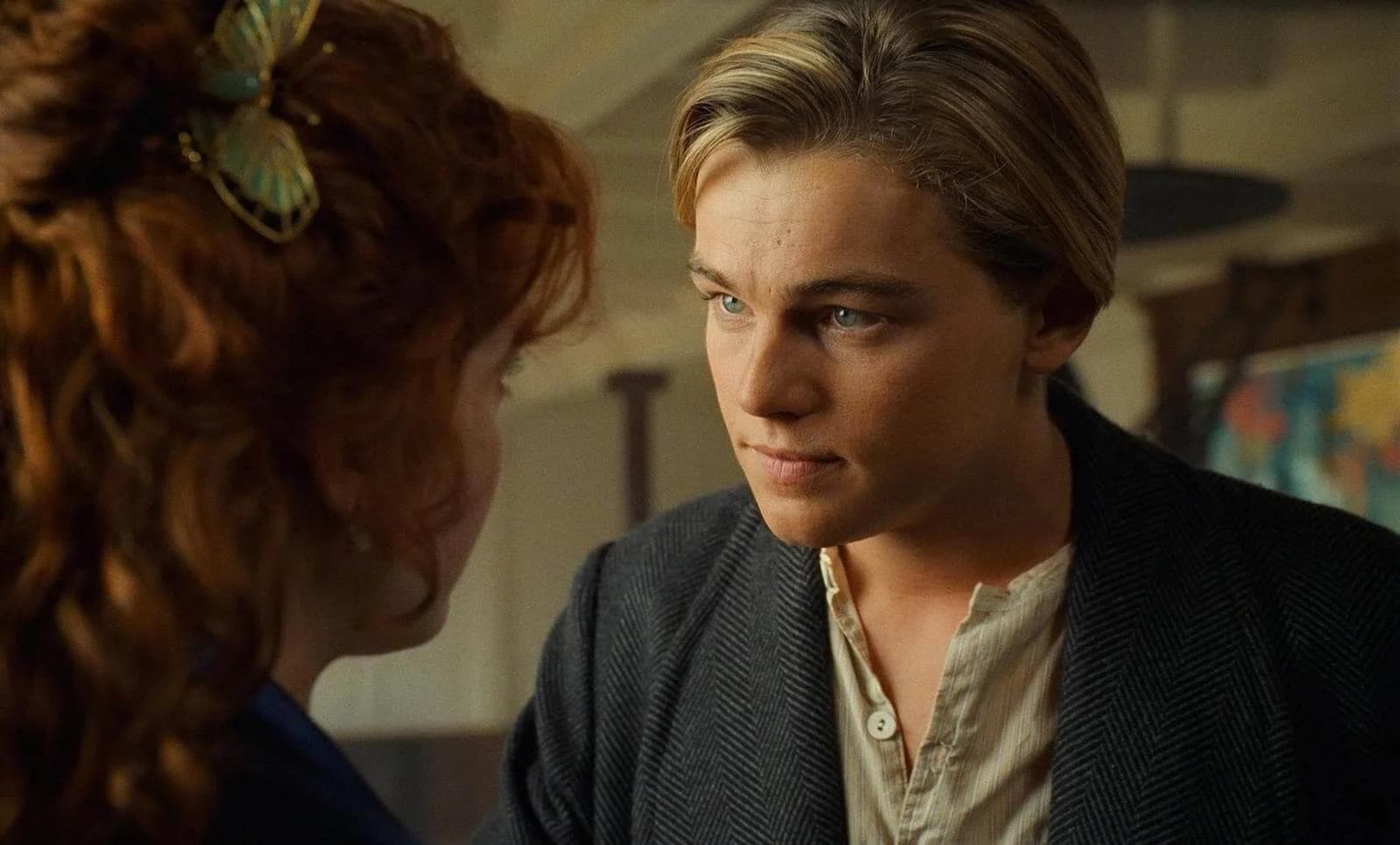
An over the shoulder shot, or OTS shot, is a camera framing technique that places the camera behind one character, typically capturing the back of their head and shoulder in the foreground, while focusing on the subject or action ahead. This composition is not arbitrary. It’s a deliberate choice to anchor the viewer in a specific character’s physical and psychological perspective, making the shot a staple of dialogue scenes and narrative exchanges.
How OTS shots differ from other framing techniques
Unlike a single shot, which isolates one character, or a two-shot, which frames two subjects equally, the OTS shot is about relational context. The foreground figure is out of focus or partially cropped, but their presence is essential. It creates a visual bridge between the audience and the focal subject, positioning us as participants in the conversation. The result is a sense of spatial continuity and narrative alignment that neither singles nor two-shots can fully replicate.
When to use an OTS shot in your project
OTS shots are most effective when you need to establish who’s speaking to whom, clarify eyelines, or build tension through proximity. On set, this means careful blocking—shoulder placement, lens choice, and camera height all matter. The OTS shot is not just about coverage; it’s about orienting the audience in the geography of the scene. Used with intention, it controls point of view and subtly guides the emotional undertone of an exchange.
For directors and DPs, the OTS is a foundational tool in the language of camera shot types and shot composition. It’s less about showing faces and more about showing relationships—physical, emotional, and narrative. When the shot is right, you feel it: the scene breathes with authenticity, and the audience knows exactly where they stand.
Over the Shoulder Shot vs. POV and Other Angles: Strategic Choices
OTS shot vs POV shot: Key differences
The over the shoulder shot (OTS) and the point of view shot (POV) are both staples of cinematic grammar, but they serve fundamentally different narrative purposes. An OTS frames the world from behind a character, using their shoulder or head to anchor the foreground. This creates a visual bias—you're aligned with one character, but you still observe the scene from a third-person vantage. The OTS is inherently conversational, constructed with standard to slightly telephoto lenses (50mm–85mm) to mirror the natural distance of real dialogue and put the viewer in each speaker’s shoes, without surrendering objectivity (Adobe, 2023).
A POV shot, by contrast, strips away that third-person layer. The camera becomes the character’s eyes, fully immersing the audience in their subjective experience. This is more than a compositional change—POV shots demand a different approach to camera movement, often handheld, and are typically established by showing the character looking before cutting to what they see (StudioBinder, 2023). Where the OTS positions you as a close observer, the POV makes you complicit, pulling you directly into the action or emotion.
When to choose an over the shoulder shot over other angles
The OTS shot excels in dialogue-driven scenes where relational dynamics matter. It’s the backbone of the shot-reverse-shot pattern, letting viewers track subtle shifts in power, empathy, or tension. Compared to a clean single or wide, the OTS injects a layer of subjectivity—without the full commitment of a POV. It’s ideal when you want to show emotional distance, bias, or the feeling of being “in the room” but not inside the character’s head.
Use an OTS when the interplay between characters is the narrative engine. If you need the audience to feel the weight of a response, the OTS frames it with the silent presence of the listener. When you want to heighten immediacy or psychological identification—think horror, thrillers, or moments of heightened paranoia—the POV shot is the sharper tool.
Matching shot type to scene intent
Every camera angle is a statement of intent. OTS shots are about connection and perspective—they let you manage audience alignment and emotional proximity. POV shots, on the other hand, are about immersion and subjectivity. The right choice depends on what you want the audience to feel: observer, participant, or both. Mastery lies in knowing when to bridge that gap and when to erase it completely.
Designing Dialogue Scenes with Over the Shoulder Shots
Using over the shoulder shots in dialogue scenes
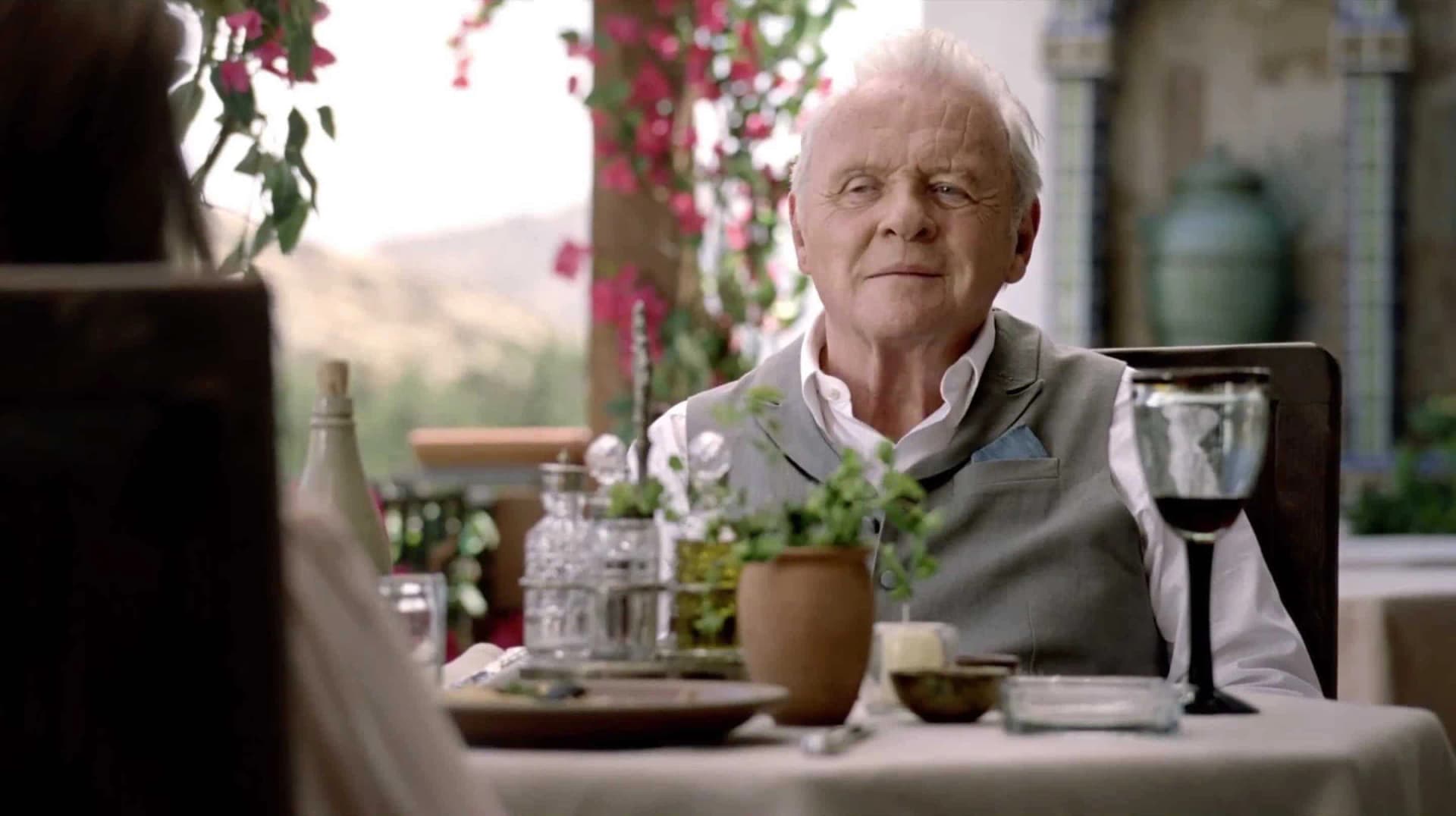
The over the shoulder shot is foundational in dialogue coverage. By framing one character in the foreground and focusing on the other’s face, you instantly establish spatial and emotional context—audiences know who’s speaking, who’s listening, and how they relate. It’s not just about geography. The OTS shot reveals power dynamics, emotional distance, and intent, all in a single frame (Videomaker, 2023). When you’re under pressure to make dialogue scenes visually compelling, the OTS is your first tool out of the bag.
Enhancing conversation dynamics with OTS coverage
Shot-reverse-shot technique relies on alternating OTS shots to create rhythm and momentum. The edit becomes invisible when the angles are matched for lens, height, and eyeline, letting the conversation flow naturally. The OTS isn’t passive—tightening the frame can heighten intimacy or tension, while a wider OTS can expose vulnerability or isolation. This is where you, as a cinematographer, shape the audience’s engagement: you decide whose perspective dominates, when to let a reaction linger, and how the visual rhythm supports the emotional arc.
Planning shot-reverse-shot sequences for visual continuity
Dialogue scene planning starts before the camera rolls. Blocking should anticipate OTS coverage—foreground placement, shoulder angle, and background all matter. Consistency across the shot-reverse-shot sequence is non-negotiable; mismatched coverage breaks continuity and pulls viewers out of the story. OTS shots also ground the viewer in a character’s perspective, which builds intimacy and makes the conversation feel lived-in (StudioBinder, 2023). In practice, the best OTS coverage feels invisible: it guides the eye, keeps the scene kinetic, and never calls attention to itself.
Data backs up what practitioners know intuitively—OTS shots aren’t just tradition, they’re effective. In dialogue-heavy series, OTS coverage accounts for a significant portion of screen time, directly correlating with stronger viewer engagement. The technique endures because it works, provided you respect its demands for precision, rhythm, and intent.
Creative Variations: Advanced Over the Shoulder Shot Techniques
The over the shoulder shot is a workhorse in the director’s toolkit, but defaulting to the classic setup is a missed opportunity. Advanced shot techniques open up creative cinematography possibilities that go far beyond coverage. When you push the OTS, you can inject subtext, tension, and subjectivity into a scene—without ever calling attention to the camera.
Advanced over the shoulder shot techniques
Start by manipulating depth of field. A razor-thin focus plane can isolate a character’s reaction, rendering the foreground shoulder as an abstract blur. This draws the viewer’s eye and subtly shifts emotional weight. Alternatively, hold both figures in sharp focus to create a sense of confrontation or equality—useful in negotiation or power-play scenes. Don’t be afraid to experiment with lens choice: wide-angle glass can exaggerate perspective, making a looming shoulder feel oppressive or comedic, while longer lenses compress space, heightening intimacy or claustrophobia.
Breaking OTS shot conventions for creative impact
Traditional OTS shots are composed at eye level, but shifting the camera to a low or high angle can radically alter the dynamic. A low angle behind the shoulder can empower the foreground character, dwarfing the subject. Conversely, a high angle can diminish them, feeding into vulnerability or isolation. Blocking is another lever—let the foreground character drift in and out of frame, or obscure them entirely to create mystery or suggest emotional distance. These choices should always serve story or character psychology, not just style for its own sake.
Using camera movement within OTS shots
Static OTS setups are safe, but movement within the shot can be transformative. A slow push-in over the shoulder can build tension or draw the audience into a character’s headspace. Lateral moves—sliding from one OTS to another during a heated exchange—can visually track shifting allegiances or emotional beats. Even handheld instability can communicate anxiety or unpredictability. The key is to choreograph movement with blocking and performance, so the camera feels like an active participant, not a passive observer.
Advanced over the shoulder shot techniques aren’t about breaking rules for the sake of novelty. They’re about using the full language of creative shot design to sharpen storytelling and deepen audience engagement. The difference is felt, not announced.
Common Mistakes with Over the Shoulder Shots (and How to Avoid Them)
Most common OTS shot mistakes
The over the shoulder shot is deceptively simple. When it fails, it’s rarely because the gear isn’t good enough—it’s about fundamentals. The most common shot composition mistakes start with misalignment. If the actors and camera aren’t precisely blocked, the shot feels off-balance or lacks the intended point of view. You’ll see eyelines that don’t match, shoulders that dominate the frame, or backgrounds that pull focus for the wrong reasons.
How to fix over the shoulder shot composition issues
Fixing framing issues begins before you roll. Start with a clear intention: whose perspective is this? Block your actors so the foreground shoulder sits just inside the frame, not cutting the edge awkwardly or swallowing the subject. Use stand-ins or marks on the floor to maintain consistency between takes. If you’re working fast, resist the urge to “wing it”—even a few seconds spent adjusting the camera’s axis or the actor’s angle will pay off in editorial. For deeper guidance, see our section on fixing framing issues.
Ensuring clarity and focus in OTS shots
Soft focus and background distractions are classic camera blocking errors. The audience’s attention should land where you want it—on the subject’s expression, not a lamp or a busy wall. Keep your aperture in check, so the over-the-shoulder foreground is present but not distracting. Watch for objects that might “grow” out of your subject’s head or muddy the visual hierarchy. If you’re shooting coverage, match your lens and distance for continuity. Avoiding continuity errors in OTS coverage is as much about discipline as it is about taste.
Finally, beware of overusing the OTS shot as a default. It’s a tool, not a crutch. Repeating the same angle for every exchange dulls its impact. Reserve it for moments where perspective matters—when seeing from behind a character adds narrative weight. Clarity and intention are your best defense against visual monotony.
Over the Shoulder Shot in Genre Filmmaking: Contextual Adaptations
Using over the shoulder shots in different genres
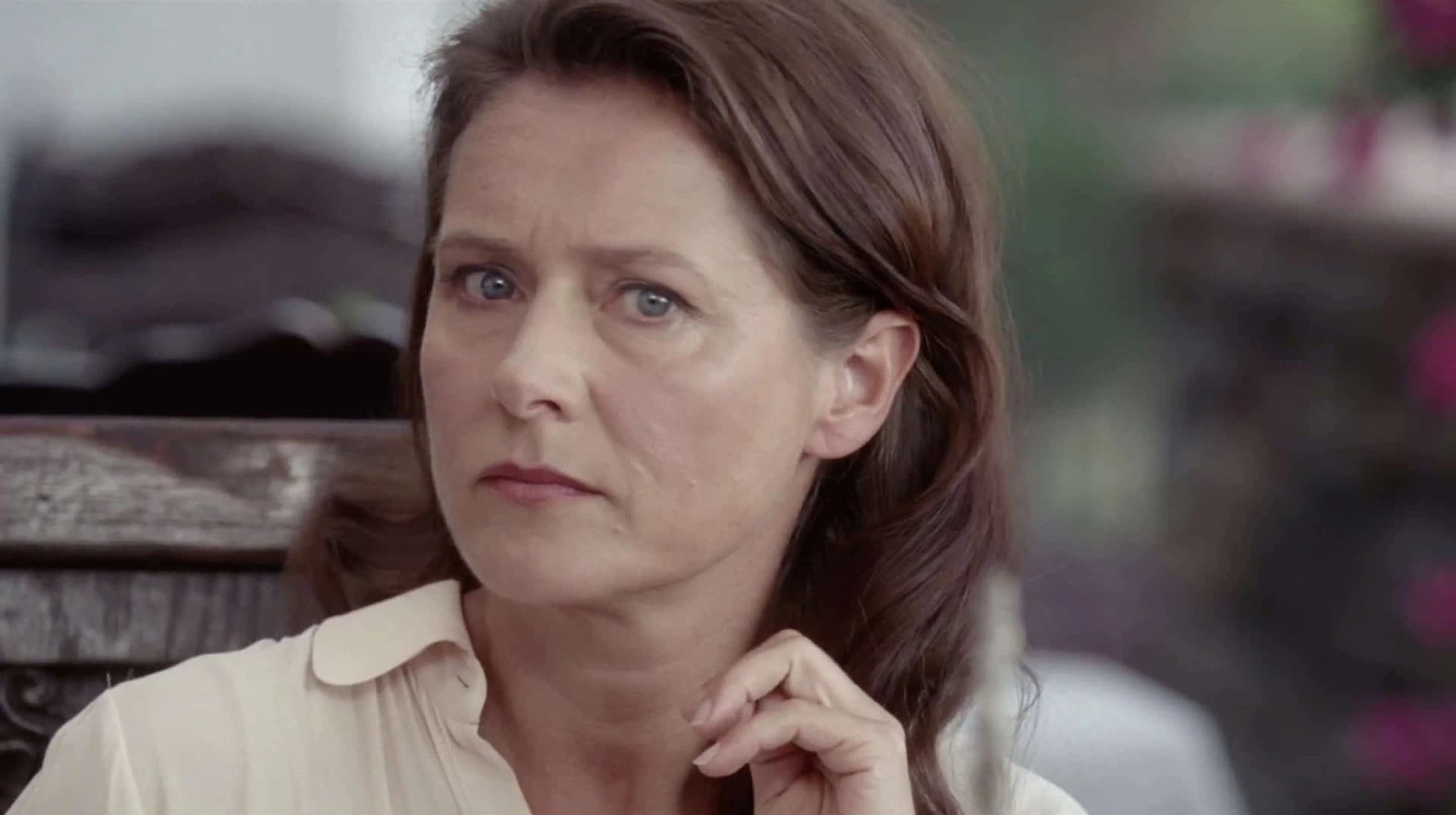
The over the shoulder shot is a tool, not a template. Its power lies in how it’s bent to the needs of genre filmmaking. In drama, the OTS is often intimate—framing lingers, depth of field is shallow, and the camera’s proximity feels invasive. We’re not just watching dialogue; we’re eavesdropping on subtext. In thrillers, the OTS becomes a weapon for tension. The foregrounded shoulder can obscure, hint, or mislead. You might see a sliver of a gun, or the edge of a secret, always keeping the audience slightly off-balance.
Adapting OTS technique for drama vs. action
In action, the OTS is rarely static. The camera shifts, tracks, or even whips between characters, amplifying chaos or urgency. Framing is looser, the background more present, and the shot often acts as a bridge into wider coverage. Here, shot adaptation is about energy—pace trumps subtlety, and the OTS is less about psychology than spatial orientation. In contrast, comedy favors clarity and timing. The OTS in comedic scenes is often played for reaction: the shoulder frames a punchline or an awkward pause, and the camera’s position is chosen to maximize the visual rhythm of the joke.
Matching OTS framing to storytelling tone
Genre dictates not just what you show, but how you show it. In a tense negotiation scene for a drama, you might push the OTS tight, the off-screen actor’s ear just in frame, forcing attention onto micro-expressions. For a buddy comedy, you’ll open up—wider lenses, more negative space, allowing physical humor to breathe. Shot adaptation means reading the script and the room: knowing when to let the OTS linger and when to cut away, when to obscure and when to reveal. The technique is the same; the intent is everything.
For cinematographers, the over the shoulder shot is a flexible grammar. Genre filmmaking demands we adapt it—frame by frame—to serve the story, not the other way around.
Planning and Storyboarding Over the Shoulder Shots for Production
How to storyboard over the shoulder shots
The over the shoulder shot is never just a coverage default—it’s a visual negotiation between perspective and intimacy. Storyboarding these shots means more than sketching a rough angle; it’s about defining what information is privileged and what is withheld. Start by marking the camera’s axis and character positions, then indicate the foreground shoulder and head placement. This clarifies for everyone—director, DP, even the client—exactly whose point of view dominates, and how much of the scene’s geography is revealed or obscured. Use storyboarding tools that allow for quick iteration; you’ll want to adjust for blocking changes without redrawing from scratch.
Pre-production planning for OTS coverage
Effective shot planning for over the shoulder shots starts well before the tech scout. Map each OTS in your shot list, specifying lens choices, focal distances, and any planned camera movement. This isn’t just technical fastidiousness—it’s how you anticipate eyeline matches and spatial continuity, especially in dialogue-heavy scenes. Share annotated shot lists with department heads. When every department understands the intended OTS coverage, production design, lighting, and even wardrobe can be optimized to support the frame, not fight it. For deeper integration, reference your shot list creation process and storyboard iterations in all pre-production meetings.
Collaborating with crew for effective OTS execution
No over the shoulder shot lands without alignment between director, DP, and actors. In rehearsal, walk through blocking with the camera present, even if it’s just a stand-in. This lets actors feel the camera’s proximity and gives the DP a chance to fine-tune the shoulder and head overlap that defines the shot’s character. Encourage open dialogue—actors often have spatial instincts that can improve composition, while directors may want to adjust for emotional beats that only emerge in the room. Keep the storyboard and shot plan close at hand, using them as living documents to guide adjustments. The goal is a shot that feels intentional, not imposed.
Conclusion
The over the shoulder (OTS) shot remains a cornerstone of shot composition, not because it’s flashy, but because it’s foundational. Its power is in what it suggests rather than what it states outright—placing the viewer into the scene, forcing a perspective, and quietly guiding emotional alignment. In the right hands, an OTS isn’t just a technical choice; it’s a visual storytelling technique that deepens character dynamics and sharpens narrative intent.
Across genres—commercials, branded content, drama—the OTS shot adapts. In a high-stakes boardroom, it can amplify tension between adversaries. In an intimate conversation, it softens distance, letting the audience eavesdrop without intrusion. Even in fast-paced branded spots, the OTS can anchor chaos, providing spatial logic and continuity. This versatility is why it remains a go-to for directors and DPs who understand the language of camera angles and their effect on audience perception.
But execution is everything. A well-crafted OTS doesn’t just happen; it’s built through deliberate blocking, lens choice, and an understanding of eyeline and negative space. The best practitioners use it to reveal subtext—what’s unsaid between characters, the power dynamics at play, the emotional stakes lurking beneath dialogue. Sloppy OTS work, on the other hand, flattens the scene, making it feel generic or disconnected. It’s not enough to tick the box; the shot must serve the story, not the other way around.
Ultimately, the OTS shot is a reminder that visual storytelling is about intent, not accident. It’s a tool, not a crutch—one that, when wielded with craft and purpose, elevates both the narrative and the viewer’s experience. For filmmakers serious about camera shot types, dialogue scene planning, and innovative camera moves, the OTS is a technique worth mastering and re-examining with every project.
FAQs
What is an over-the-shoulder shot in film?
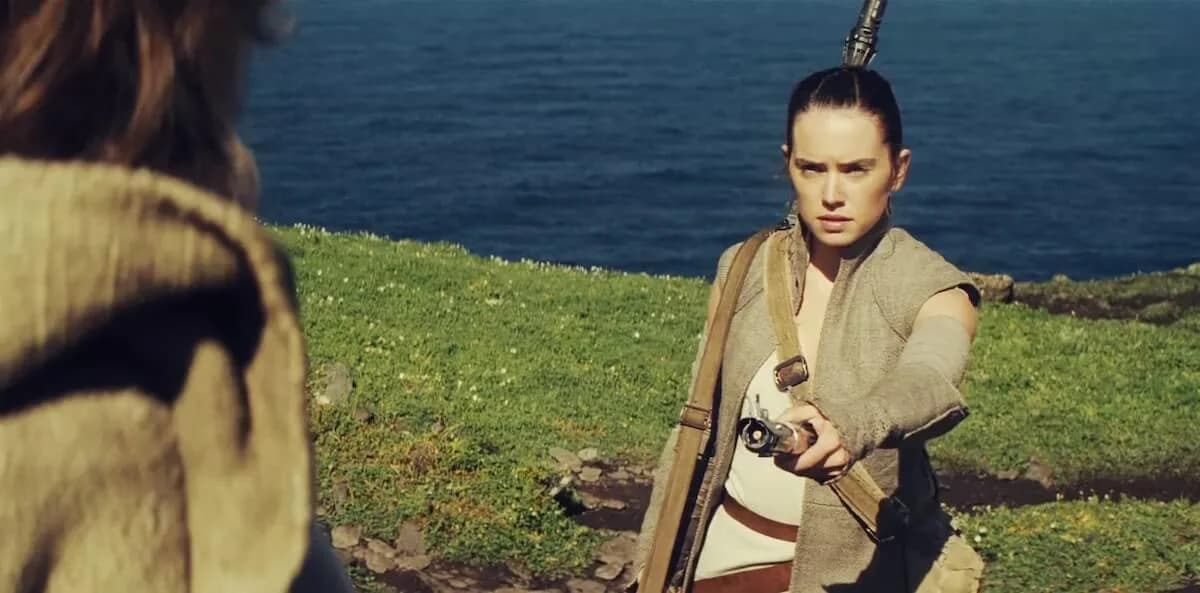
An over-the-shoulder (OTS) shot frames one character from behind another’s shoulder, typically capturing the back of the foreground character’s head and the face of the subject. It’s a staple in visual storytelling, positioning the audience within the conversational space and establishing spatial relationships between characters.
How do OTS shots create emotional connections between characters?
OTS shots subtly align the audience with the observing character, drawing us into their perspective while keeping the other character’s emotional performance visible. This framing amplifies tension, intimacy, or power dynamics, making emotional exchanges more immediate and layered for the viewer.
What are the key differences between OTS shots and POV shots?
OTS shots include part of the observing character in the frame, rooting the perspective in physical space. POV shots, by contrast, show exactly what a character sees, omitting their presence from the shot. OTS is about proximity; POV is about total immersion in a character’s experience.
How can I use over-the-shoulder shots in dialogue scenes?
Use OTS shots to anchor dialogue, guiding the audience’s focus and rhythm. Alternating OTS angles in a shot-reverse-shot pattern maintains spatial clarity and emotional continuity, ensuring the audience feels present in the conversation rather than observing from a distance.
What are some advanced techniques for using over-the-shoulder shots?
Experiment with lens choice and blocking—widen the frame to reveal critical details in the background, or shift focus between characters mid-shot for dynamic emphasis. A shallow depth of field can isolate the subject, while a handheld OTS can inject immediacy or unease into the scene.
What common mistakes should I avoid with over-the-shoulder shots?
Don’t neglect eyeline matching or let the foreground shoulder dominate the frame. Avoid distracting backgrounds and overusing symmetrical coverage. OTS shots should clarify relationships, not muddle them—always prioritize clean composition and purposeful blocking.
How do I plan and storyboard over-the-shoulder shots for production?
Start by mapping character positions and key moments in the script. Sketch thumbnails showing shoulder placement, background elements, and intended focal points. Pre-visualize camera height and lens choice—this ensures OTS shots serve both narrative clarity and visual intent on set.
.webp)
Creative Collaboration Platform: The Backbone of Modern Creative WorkWhat is a creative collaboration platform?Clapboard defines a creative collaboration platform as the operational core for today’s distributed creative teams. This is not a collection of digital collaboration tools stitched together; Clapboard’s system

Understanding the Creative Production MarketplaceWhat is a Creative Production Marketplace?Clapboard defines a creative production marketplace as a structured ecosystem where brands, agencies, and production talent converge to execute video, advertising, and branded content at scale. Unlike the legacy agency or freelanREAD FULL ARTICLE

The Urgent Need for a Creative Production Operating SystemWhy Traditional Creative Production Models Break DownClapboard sees the creative production landscape shifting under pressure. Content velocity is no longer a buzzword—it’s a mandate. Modern advertising demands relentless output across dozens of channels, each wREAD FULL ARTICLE

JOIN THE NEWSLETTER.
Content Production insights, videos, books, and freebies, delivered to your inbox weekly


LEAVE A COMMENT
Your email address will not be published.