


Varun Katyal | Founder, Clapboard
Varun Katyal is the Founder & CEO of Clapboard and a former Creative Director at Ogilvy, with 15+ years of experience across advertising, branded content, and film production. He built Clapboard after seeing firsthand that the industry’s traditional ways of sourcing talent, structuring teams, and delivering creative work were no longer built for the volume, velocity, and complexity of modern content. Clapboard is his answer — a video-first creative operating system that brings together a curated talent marketplace, managed production services, and an AI- and automation-powered layer into a single ecosystem for advertising, branded content, and film. It is designed for a market where brands need content at a scale, speed, and level of specialization that legacy agencies and generic freelance platforms were never built to deliver. The thinking, frameworks, and editorial perspective behind this blog are shaped by Varun’s experience across both the agency world and the emerging platform-led future of creative production. LinkedIn: https://www.linkedin.com/in/varun-katyal-clapboard/
Imagine being able to see the world through someone else's eyes, experiencing their emotions, and understanding their perspective. That's the power of POV (Point of View) shots in filmmaking. As an integral part of visual storytelling, they offer an immersive experience that pulls the audience into the heart of the narrative.
The use of POV shots is a testament to the magic of filmmaking. They allow the audience to walk in a character's shoes, feel their emotions, and see the world from their perspective. This technique is more than just an aesthetic choice; it's a storytelling tool that can significantly enhance the emotional and narrative impact of a film.
So, what is a POV shot? In the simplest terms, a POV shot replicates what a particular character sees. The camera becomes the character's eyes, allowing the audience to experience the scene from their viewpoint. This technique is utilized across different genres, from suspense-filled horror flicks to emotionally charged dramas, providing a more intimate and engaging viewing experience.
The purpose of POV shots extends beyond visual novelty. They serve a critical narrative function by helping to establish a deeper connection between the audience and the characters. By allowing the audience to see the world through a character's eyes, filmmakers can create a sense of empathy, drawing viewers deeper into the story.
For example, imagine a scene where a character is walking alone in a dark alley. The use of a POV shot here can significantly heighten the sense of tension and fear. The audience isn't just watching the character navigate the alley; they're in the alley with them, sharing their fear and apprehension.
POV shots aren't just about replicating vision; they're also about conveying emotion. By placing the audience in the character's shoes, filmmakers can evoke a wide range of emotions, from fear and suspense to joy and surprise. This emotional resonance can make the viewing experience more immersive and engaging, drawing the audience deeper into the narrative.
POV shots can also play a crucial role in shaping the narrative. They can reveal critical information, provide insights into a character's thoughts and emotions, and even create dramatic irony. By carefully choosing when and how to use POV shots, filmmakers can add depth and complexity to their storytelling.
In conclusion, POV shots are a powerful tool in a filmmaker's arsenal. They offer a unique way to immerse the audience in the narrative, evoke emotions, and enhance storytelling. By understanding and mastering this technique, filmmakers can create more engaging and impactful films.
Understanding Point of View (POV) Shots in Filmmaking
In the realm of filmmaking, a Point of View (POV) shot is a powerful tool that offers a unique perspective, allowing the audience to experience the world through a character's eyes. Technically speaking, a POV shot is framed in such a way that it portrays the visual perspective of a specific character. This means the camera is positioned as if it is the eyes of the character, providing the viewer with an intimate glimpse into their immediate visual field.
Unlike other camera angles, which may offer an objective view of the scene or a third-person perspective, the POV shot is inherently subjective. It immerses the viewer in the character’s personal experience, creating a direct connection between the audience and the character's emotional and physical journey. This differs from an over-the-shoulder shot, which still maintains a third-person perspective by positioning the camera behind the character, often including their shoulder or back of the head in the frame.
Visually, a POV shot often carries certain characteristics that reinforce its purpose. The framing is typically tight, simulating the limited view that a person naturally has. The movement of the camera can mimic the subtle head movements of a character, such as tilting or panning, to reflect where the character is directing their gaze. This can be achieved through handheld camera techniques or stabilizers that allow for naturalistic motion, enhancing the immersive experience.
Moreover, the use of focus and depth of field in a POV shot is crucial. By adjusting the focus to mirror human vision—such as blurring the periphery or shifting focus rapidly to simulate eye movements—a filmmaker can heighten the realism of the shot. This makes the viewer feel as though they are truly seeing through the eyes of the character, deepening their connection to the narrative.
In summary, understanding the technical definition and visual characteristics of a POV shot can significantly impact how a story is told on screen. By utilizing this technique, filmmakers can invite audiences into the personal realm of their characters, offering a perspective that is both unique and profoundly engaging. This understanding is essential for any filmmaker aiming to use POV shots effectively to enrich their storytelling and draw viewers deeper into the cinematic world they are creating.
Key Techniques and Characteristics of POV Shots
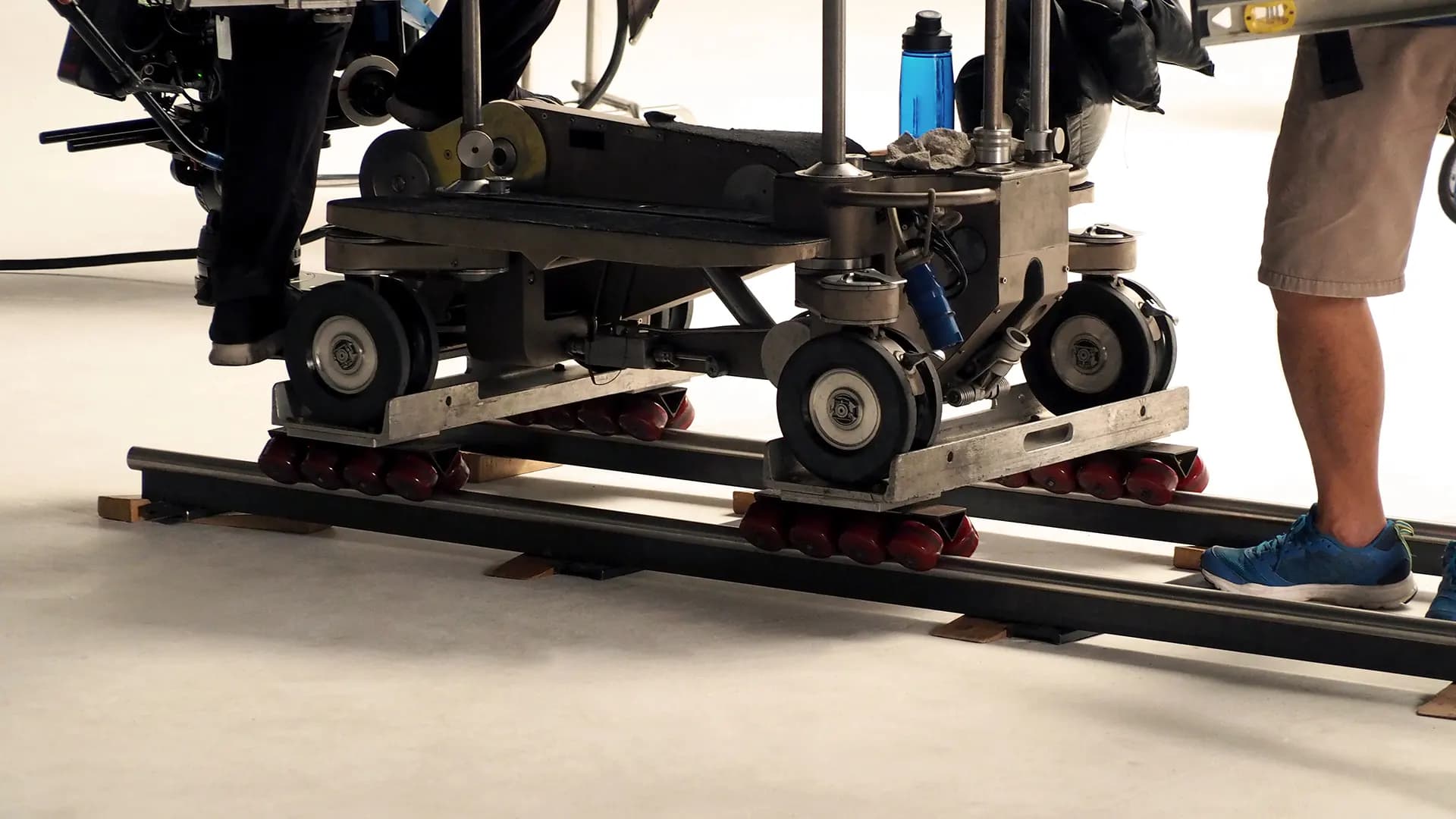
One of the most distinctive features of POV (Point of View) shots in filmmaking is the handheld camera work. This technique is crucial in creating an intimate, subjective perspective that truly puts the audience in the character's shoes. Handheld cameras allow for natural, fluid movement, emulating the way human eyes move and perceive the world. This helps create a sense of immediacy and authenticity, making the audience feel as if they're part of the action, rather than just passive observers.
When executing a POV shot, it's important to remember that the camera is acting as the character's eyes. As such, the camera movements should reflect the character's physical and emotional state. For instance, a character who is running would have shaky, fast-paced camera movements, while a character who is calm or focused would have smooth, steady camera movements. The handheld technique is incredibly versatile, allowing for a wide range of movement and expressivity.
Another defining characteristic of POV shots is that they allow for direct engagement with the audience without breaking the fourth wall. In traditional filmmaking, the fourth wall is the imaginary boundary between the audience and the characters on screen. Breaking the fourth wall (having characters directly address or acknowledge the audience) can be jarring and take viewers out of the story. However, POV shots provide a way around this. Because the audience is seeing the world through the character's eyes, they're engaged directly with the story and characters without any explicit acknowledgment. This subtle form of engagement can make for a more immersive and compelling viewing experience.
Lastly, POV shots provide a unique opportunity for dynamic storytelling through switching perspectives. By shifting the POV from one character to another, filmmakers can create a multifaceted narrative that gives insight into different characters' thoughts and experiences. For example, in a suspenseful scene, shifting the POV from the protagonist to the antagonist can heighten the tension and complexity of the situation. It allows the audience to understand the motivations and actions of all characters involved, creating a richer and more nuanced narrative.
Keep in mind, however, that while switching perspectives can be a powerful tool, it should be used sparingly and purposefully. Too many perspective switches can confuse the audience and make the narrative feel disjointed. Each switch should serve a specific narrative purpose and contribute to the overall story arc.
In conclusion, handheld camera work, direct engagement, and switching perspectives are key characteristics and techniques of POV shots that can greatly enhance the storytelling and immersive potential of a film. By understanding and effectively utilizing these techniques, filmmakers can create compelling, engaging narratives that truly resonate with audiences.
The Emotional Impact of POV Shots in Filmmaking
POV shots, or point-of-view shots, are a powerful tool in a filmmaker's arsenal. They have the power to evoke strong emotions in the audience, enhancing the overall cinematic experience by making it more personal and immersive. This section will delve into the emotional impact of POV shots and how they help in creating a strong connection between the audience and the characters.
Firstly, one of the key purposes of using POV shots is to evoke empathy in the audience. By showing a scene from a character's perspective, the audience is given a first-hand experience of the character's emotional state. This can range from the character's joy, fear, confusion, or any other emotion the filmmaker wants to convey. This empathy created through POV shots can heighten the emotional engagement of the audience, making them feel more invested in the characters and the narrative.
Another powerful emotional impact that POV shots can have is the creation of tension. This is particularly effective in genres like horror or thriller, where the unknown is a key element of suspense. When the audience is limited to the character's viewpoint, they are left in suspense, sharing the character's anticipation and fear of what might happen next. This can greatly enhance the suspense and thrill of the viewing experience.
POV shots can also play a significant role in audience identification. The audience, placed in the shoes of the character, can better understand and relate to their motivations, decisions, and reactions. This can lead to a stronger emotional connection, enhancing the overall impact of the narrative.
Let's look at some examples of emotional resonance created by POV shots. One of the most iconic examples is the shower scene from Alfred Hitchcock's "Psycho". The audience sees the scene from Marion Crane's perspective, creating a sense of fear and dread as the unknown killer approaches. This scene wouldn't have had the same impact without the use of the POV shot.
In another example, the use of POV shots in the film "127 Hours" allows the audience to share the protagonist's desperation and physical exertion as he tries to free himself from a trapped boulder. This creates an intense emotional connection with the audience, making them feel as though they are experiencing the struggle alongside the protagonist.
In conclusion, the emotional impact of POV shots can be profound, immersing the audience in the character's experience and evoking strong emotions. By using POV shots effectively, filmmakers can create a more immersive and emotionally engaging cinematic experience.
Point of view (POV) shots are a compelling tool in a filmmaker's arsenal, capable of generating suspense, evoking empathy, and providing a unique perspective on a narrative. When used creatively, these shots can significantly enhance the cinematic experience across various genres, from horror and action to drama and thrillers. In this section, we'll delve into some innovative ways filmmakers leverage POV shots within different genre contexts.
POV in Horror: Building Dread and Suspense
Horror films often utilize POV shots to create a chilling, intimate experience. By placing the audience in the shoes of a character, directors can build suspense and evoke a sense of impending doom. For instance, a character might be exploring a seemingly empty house, with the camera capturing what they see — a dark hallway, a slightly ajar door, shadows dancing on the walls. The audience, sharing the character's perspective, anticipates the lurking danger, creating a palpable sense of dread.
POV in Action and Thriller Genres
In action and thriller films, POV shots can elevate the intensity of a scene. Imagine a high-speed car chase from the driver's perspective or a hand-to-hand combat sequence where every punch and dodge is experienced first-hand. These shots can immerse viewers in the adrenaline-fueled action, making the sequences more engaging and impactful.
Moreover, POV shots can also be used to depict a character's tactical planning in real-time. For instance, showing a character's perspective as they scan a room for escape routes or potential weapons can provide a thrilling insight into their thought process.
POV in Drama for Character Alignment
When it comes to drama, POV shots can be employed to align the audience with a character's emotional journey. A well-executed POV shot can make the audience witness a character's life-altering decision, share their moment of grief, or celebrate their triumphs. This technique allows the audience to form a deeper emotional connection with the character, enhancing the narrative's emotional depth.
For example, consider a scene where a character receives a life-changing letter. A POV shot of the letter's content, followed by the character's reaction, can make the audience feel as though they are experiencing the character's emotions in real-time.
In conclusion, the use of POV shots in genre filmmaking is a testament to their versatility. Whether it's building tension in horror, amplifying action sequences, or deepening emotional resonance in drama, POV shots can significantly enrich a film's narrative when used creatively.
Planning and Executing Effective POV Shots in Film
Planning and executing effective POV shots requires a blend of creativity, technical know-how, and thoughtful direction. At Clapboard, we believe that the foundation of a successful POV shot lies in meticulous pre-production planning. This begins with shot listing and pre-visualization, which are crucial steps in mapping out how each POV shot will fit within the overall narrative and emotional arc of the film. By sketching out the scenes and visualizing the sequence, filmmakers can anticipate challenges and ensure that each shot serves the story's intent.
When it comes to the technical considerations, the placement and movement of the camera are paramount. The camera needs to mimic the natural movements of the human eye, which often means using a handheld setup or a steadicam to achieve a fluid, lifelike motion. This approach enhances the viewer's immersion and makes the experience feel authentic. Additionally, choosing the right lens is essential. A wide-angle lens can be particularly effective for POV shots as it captures a broader field of vision, closely resembling the peripheral view of human sight. However, the choice of lens should align with the intended emotional impact, as different focal lengths can drastically alter the audience's perception and engagement.
Another key element in executing seamless POV shots is directing actors. Actors must be coached to interact naturally with the camera as if it were another character in the scene. This requires them to adjust their performance to maintain continuity and ensure that their movements and expressions are believable from the POV perspective. It often involves rehearsals where the actors can get comfortable with the camera's presence and understand how their actions will translate on screen. This preparation helps in achieving smooth transitions between traditional shots and POV shots, maintaining the narrative flow without jarring the audience.
At Clapboard, we emphasize the importance of collaboration between directors, cinematographers, and actors to create POV shots that are not only technically sound but also narratively compelling. By focusing on these planning and execution strategies, filmmakers can harness the full potential of POV shots, crafting scenes that draw viewers into the character's world and evoke a profound connection with the story.
In summary, effective POV shots are a result of deliberate planning, technical precision, and thoughtful direction. Through careful shot listing, strategic camera placement, and actor collaboration, filmmakers can create powerful POV sequences that enhance storytelling and deepen audience engagement. Whether you're aiming to convey a character's inner turmoil or provide a unique perspective on the action, mastering the art of POV shots can significantly elevate your film's impact.
Creating original POV shots can transform your film into a uniquely immersive experience for the audience. Let's explore a few original scenarios where POV shots can significantly enhance storytelling by placing the audience directly into the character's shoes.
1. A Character's First-Person Journey Through a Crowded Marketplace
Imagine the vibrant chaos of a bustling marketplace, seen through the eyes of your protagonist. As the camera weaves through throngs of people, the viewer experiences the sensory overload firsthand. The jostling of bodies, the cacophony of vendors calling out, and the vibrant colors of market stalls come alive. This POV shot not only captures the character’s physical journey but also conveys their emotional state—whether it's excitement, anxiety, or determination. By moving through the crowd with the character, the audience shares in the protagonist's personal quest, making the scene feel intimate and immediate.
2. A Detective Uncovering Clues at a Crime Scene
A classic detective scenario can be revitalized through the strategic use of POV shots. As the detective kneels to examine evidence, the audience sees the scene unfold from their perspective. This approach enhances the mystery and suspense, as viewers scrutinize each clue alongside the detective. The focus shifts from one detail to the next, creating an interactive experience where the audience becomes a participant in the investigation. This technique can build a stronger connection between the viewer and the detective, heightening the tension as new pieces of the puzzle are revealed.
3. Capturing the Nervous Anticipation of a Performer Backstage
In the moments before a performer steps onto the stage, a POV shot can effectively convey their nervous anticipation. The camera captures the fluttering of curtains, the distant murmur of the audience, and the performer’s hands shaking slightly as they adjust their costume. These subtle details, seen directly through the performer’s eyes, invite the audience to share in the pre-show jitters. This POV shot can intensify the emotional build-up before the curtain rises, aligning the audience with the performer’s vulnerability and excitement.
Each of these examples demonstrates how POV shots can enrich storytelling by providing unique perspectives that engage the audience on a deeper level. By crafting original scenarios that leverage the power of POV, filmmakers can create memorable and emotionally resonant experiences that draw viewers into the heart of the narrative. Whether navigating through a crowded marketplace, piecing together a mystery, or feeling the thrill of a live performance, POV shots offer a versatile tool for storytellers aiming to captivate their audience with innovative and immersive cinematic experiences.
Thematic Storytelling Through POV Shots in Film
Point-of-view (POV) shots are a powerful tool in a filmmaker's arsenal, capable of providing profound insights into character psychology and advancing the narrative in unique ways. They allow for a deep connection between the audience and the characters, whether they're the protagonist, antagonist, or anyone in between. In this section, we'll delve into the nuances of thematic storytelling using POV shots.
Firstly, the beauty of the POV shot lies in its ability to align the audience's perspective with that of a specific character. This alignment is not just about seeing the physical world from the character's eyes but also understanding their psychological state and emotional reactions. For instance, a POV shot from the protagonist's perspective in a suspenseful scene can heighten the tension as the audience feels the same uncertainty and fear that the character does. The viewer is no longer a passive observer but an active participant in the unfolding drama.
On the other hand, a POV shot from the antagonist's perspective can add a layer of complexity to the narrative. It can humanize the character, revealing motivations and vulnerabilities that a third-person view might not capture. This shift in perspective can challenge the audience's preconceived notions and create a more nuanced understanding of the story.
POV shots can also effectively reveal character psychology through visual storytelling. A character's reaction to their environment, their focus on certain details, and even their blind spots can all be conveyed through a well-planned POV shot. For example, a character might overlook a crucial clue in a mystery, not because they didn't see it, but because their mind was preoccupied with something else. A POV shot can show this selective attention, indirectly telling the audience more about the character's state of mind than any dialogue could.
Finally, one of the most intriguing uses of POV shots is to subvert viewer expectations. Filmmakers can play with the idea of the unreliable narrator, using POV shots to present a skewed version of reality. This technique can be used to great effect in psychological thrillers or mystery genres where reality and perception often blur.
In conclusion, POV shots offer a unique way to engage the audience, immerse them in the character's world, and reveal deeper layers of the narrative. They can align viewer and character perspectives, reveal character psychology, and challenge or subvert expectations. So, next time you're planning your film, consider how POV shots can enhance your storytelling and bring your characters to life in the minds of your audience.
Let's delve into some fascinating case studies that demonstrate the effective use of POV shots in filmmaking. These examples highlight how this technique can immerse viewers in chaotic environments, convey complex internal states, and seamlessly transition between multiple character viewpoints.
1. Immersing Viewers in Chaotic Environments
POV shots are particularly powerful in scenes depicting chaos, such as battle scenes or crowded public spaces. By placing the audience directly in the character's shoes, these shots can heighten the sense of confusion and urgency. For instance, imagine a war film where a soldier navigates through a battlefield. The POV shot could capture the rapid movement, explosions, and shouting soldiers, allowing viewers to experience the intensity and unpredictability of combat first-hand. Clapboard’s in-house team has successfully used this technique to create a visceral, immersive experience, drawing audiences deeper into the narrative.
2. Conveying Internal States such as Anxiety or Fear
POV shots are also effective in portraying internal emotions like anxiety or fear. These shots can visually translate a character's mental state, creating a direct connection between the audience and the character's psychological experience. Consider a thriller where a character is being followed. A jittery POV shot, perhaps with a slightly unstable camera movement and a narrowed field of view, can convey the character’s paranoia and heightened senses. Clapboard’s filmmakers often employ this approach to ensure that the audience not only witnesses but feels the character’s emotional turmoil, enhancing the overall tension of the scene.
3. Transitioning Between Multiple Character Viewpoints
Another compelling use of POV shots is in transitioning between multiple character viewpoints. This technique can provide diverse perspectives within a single scene, enriching the storytelling. For example, in a dramatic confrontation, switching POV from one character to another can offer a more rounded view of the emotional stakes and motivations at play. It allows the audience to empathize with multiple characters, understanding their distinct viewpoints and how they influence each other. Clapboard’s expertise in seamless POV transitions ensures that these shifts are smooth and coherent, maintaining the narrative flow while deepening character development.
These case studies illustrate the versatility and impact of POV shots in filmmaking. By immersing viewers in the narrative, conveying complex internal states, and transitioning between character perspectives, filmmakers can create a more engaging and emotionally resonant story. Clapboard’s commitment to innovative storytelling ensures that POV shots are not just a technical choice but a strategic tool to enhance cinematic experiences.
Conclusion
As we conclude this exploration of POV shots in filmmaking, it's clear that this technique is more than just a camera angle—it's a powerful storytelling tool that can transform the viewer's experience. By immersing the audience directly into a character’s perspective, POV shots break down the barriers between the screen and reality, allowing for a deeper emotional connection and a more engaging narrative.
POV shots excel in conveying subjective experiences, whether it’s the heart-pounding suspense of a horror film or the intimate emotional journey of a drama. These shots are instrumental in not only showing what a character sees but also in revealing what they feel, thus adding layers of depth to the storytelling. Through careful planning and execution, filmmakers can use POV to guide the audience’s emotions, manipulate tension, and build empathy towards characters.
For filmmakers eager to harness the power of POV shots, key takeaways include the importance of pre-visualization and technical precision. Shot listing and understanding the nuances of camera placement, movement, and lens choice are crucial in achieving the desired effect. Moreover, directing actors to maintain seamless transitions between traditional and POV shots can significantly enhance the realism and impact of the scene.
As the film industry evolves, the role of POV shots continues to expand, offering new opportunities for creative expression and innovation. Whether used to depict a first-person journey through a bustling marketplace or to align viewers with a protagonist’s internal conflict, POV shots remain a versatile and compelling element of modern filmmaking.
As you consider incorporating POV shots into your projects, remember that their effectiveness lies in their ability to resonate with audiences on a personal level. By thoughtfully integrating these shots into your narrative, you can elevate your storytelling and create more memorable and immersive cinematic experiences. So, embrace the potential of POV and let it guide your viewers on a captivating journey through your characters’ eyes.
Ready to bring your stories to life with the power of POV shots? Dive in, experiment, and watch as your audience sees—and feels—your narrative unfold from a whole new perspective.
FAQs
1. What exactly is a POV shot in filmmaking?
A Point of View (POV) shot in filmmaking is a type of shot that shows the audience exactly what a character is seeing. It serves to immerse the audience in the character's experience and has significant emotional and narrative impact.
2. How does a POV shot differ from other camera angles?
Unlike other camera angles, a POV shot places the camera as the character’s eyes. This unique perspective helps to engage the audience directly without breaking the fourth wall, giving them a first-person view of the scene.
3. Can you provide an example of a POV shot in a horror film?
In horror films, a POV shot can be used to build dread and suspense. An example could be showing the audience what the character sees as they slowly open a creaky door in a haunted house, heightening the sense of fear and anticipation.
4. How do POV shots contribute to emotional impact in a film?
POV shots have the power to evoke empathy, tension, suspense, and create a strong emotional resonance with the audience. By aligning the audience's perspective with a character's, they can intensify feelings of identification and engagement.
5. What considerations should a filmmaker keep in mind when planning a POV shot?
When planning a POV shot, filmmakers should consider shot listing and pre-visualization, camera placement, movement, lens choice, and directing actors for seamless transitions. These elements are crucial for executing effective and impactful POV shots.
6. Can you give an example of a creative use of a POV shot?
A creative use of a POV shot could be depicting a character’s first-person journey through a crowded marketplace. This not only immerses the audience in the scene, but also provides an intimate insight into the character's experience and emotions.
7. How can POV shots reveal a character's psychology?
POV shots can reveal a character's psychology by visually representing their perceptions and emotions. For instance, a shaky, frantic POV shot can effectively convey a character's state of anxiety or fear to the audience.
8. What is the role of POV shots in thematic storytelling?
POV shots play a significant role in thematic storytelling by aligning the audience's perspective with the protagonist or antagonist, revealing character psychology, and challenging or subverting viewer expectations. This creates a deeper level of narrative engagement and understanding.
9. Can you provide an example of a POV shot from a case study?
One example of effective POV usage is immersing viewers in chaotic environments, such as battle scenes. By using a POV shot, filmmakers can make the audience feel like they're in the midst of the action, enhancing the intensity of the scene.
10. How has the role of POV shots evolved in modern filmmaking?
In modern filmmaking, the use of POV shots has expanded beyond traditional genres and narratives. Filmmakers are increasingly using POV shots to create immersive experiences, reveal complex character psychologies, and challenge traditional viewer perspectives.
.webp)
Creative Collaboration Platform: The Backbone of Modern Creative WorkWhat is a creative collaboration platform?Clapboard defines a creative collaboration platform as the operational core for today’s distributed creative teams. This is not a collection of digital collaboration tools stitched together; Clapboard’s system

Understanding the Creative Production MarketplaceWhat is a Creative Production Marketplace?Clapboard defines a creative production marketplace as a structured ecosystem where brands, agencies, and production talent converge to execute video, advertising, and branded content at scale. Unlike the legacy agency or freelanREAD FULL ARTICLE
The Urgent Need for a Creative Production Operating SystemWhy Traditional Creative Production Models Break DownClapboard sees the creative production landscape shifting under pressure. Content velocity is no longer a buzzword—it’s a mandate. Modern advertising demands relentless output across dozens of channels, each wREAD FULL ARTICLE
JOIN THE NEWSLETTER.
Content Production insights, videos, books, and freebies, delivered to your inbox weekly


LEAVE A COMMENT
Your email address will not be published.