



Varun Katyal | Founder, Clapboard
Varun Katyal is the Founder & CEO of Clapboard and a former Creative Director at Ogilvy, with 15+ years of experience across advertising, branded content, and film production. He built Clapboard after seeing firsthand that the industry’s traditional ways of sourcing talent, structuring teams, and delivering creative work were no longer built for the volume, velocity, and complexity of modern content. Clapboard is his answer — a video-first creative operating system that brings together a curated talent marketplace, managed production services, and an AI- and automation-powered layer into a single ecosystem for advertising, branded content, and film. It is designed for a market where brands need content at a scale, speed, and level of specialization that legacy agencies and generic freelance platforms were never built to deliver. The thinking, frameworks, and editorial perspective behind this blog are shaped by Varun’s experience across both the agency world and the emerging platform-led future of creative production. LinkedIn: https://www.linkedin.com/in/varun-katyal-clapboard/
Why Use a Close Up Shot in Film?
How Close Ups Heighten Emotional Impact
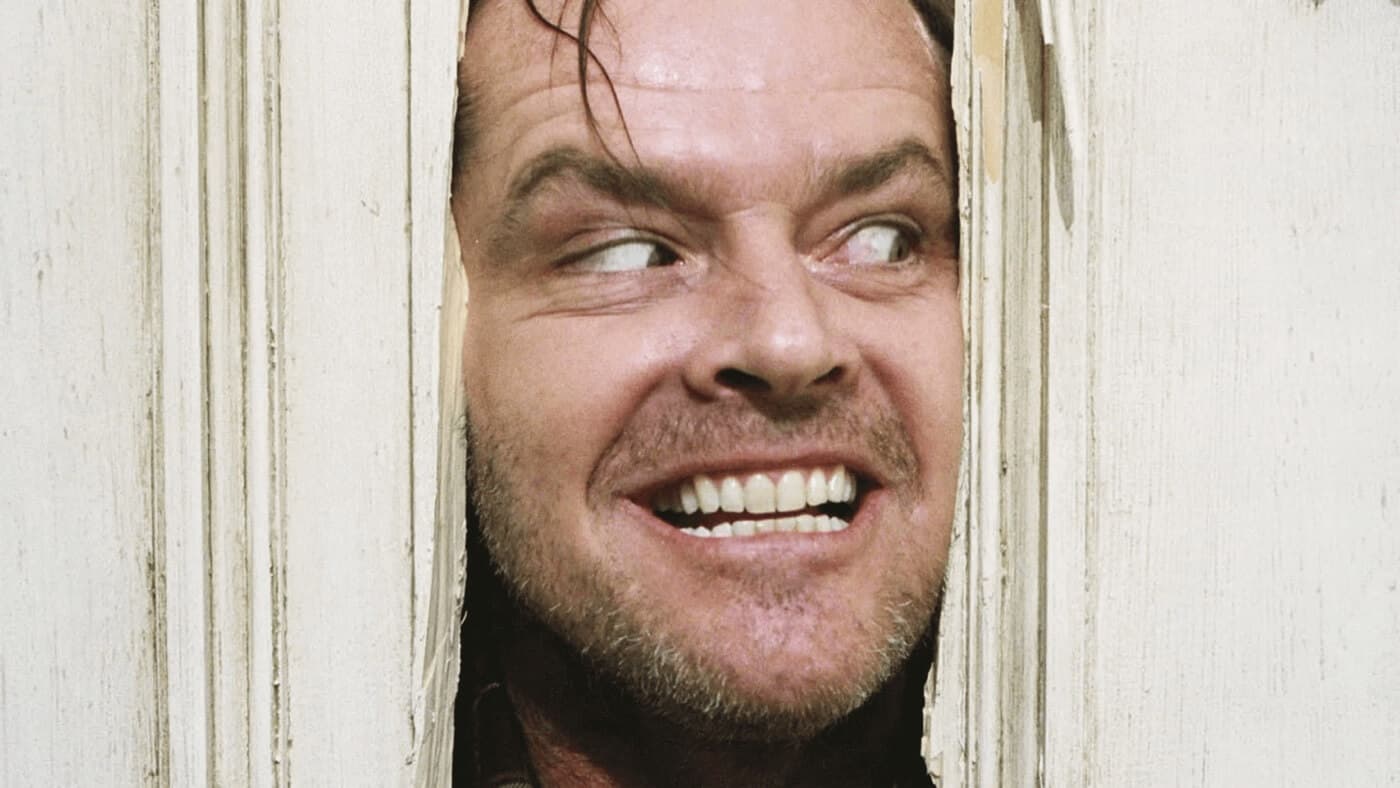
The close up shot in film is the director’s scalpel: it cuts to the core of a character’s experience. When you push in tight, you strip away the noise—backgrounds, distractions, even other actors. What’s left is raw emotion, unfiltered and immediate. Audiences don’t just watch a close up; they feel it. Micro-expressions, a flicker in the eyes, a tightening jaw—these subtle cues become amplified. This is why close ups are essential for emotional impact in film, especially when the story pivots on a character’s internal state. For more on this, see our guide to emotional storytelling.
Using Close Up Shots for Storytelling Focus
Close ups are not just about faces. They’re a precision tool for directing visual focus. A trembling hand, a bloodied photograph, a single tear—each can become the narrative’s anchor. By isolating these details, filmmakers communicate subtext and motive without a word spoken. This storytelling technique is invaluable when time is tight or dialogue is sparse. The audience is told exactly where to look, and what to feel, without being spoon-fed exposition. For practical applications, explore our shot composition tips.
Close Up Shot Examples for Dramatic Effect
Used strategically, a close up shot can build intimacy or tension. In a confrontation, a close up on darting eyes signals anxiety or deceit. During a confession, it invites the audience inside the character’s defenses. And for plot reveals, nothing lands harder than the moment a secret registers on a character’s face. The close up’s power lies in its restraint—it reveals just enough, then lets the audience fill in the rest.
What Is a Close Up Shot in Film?
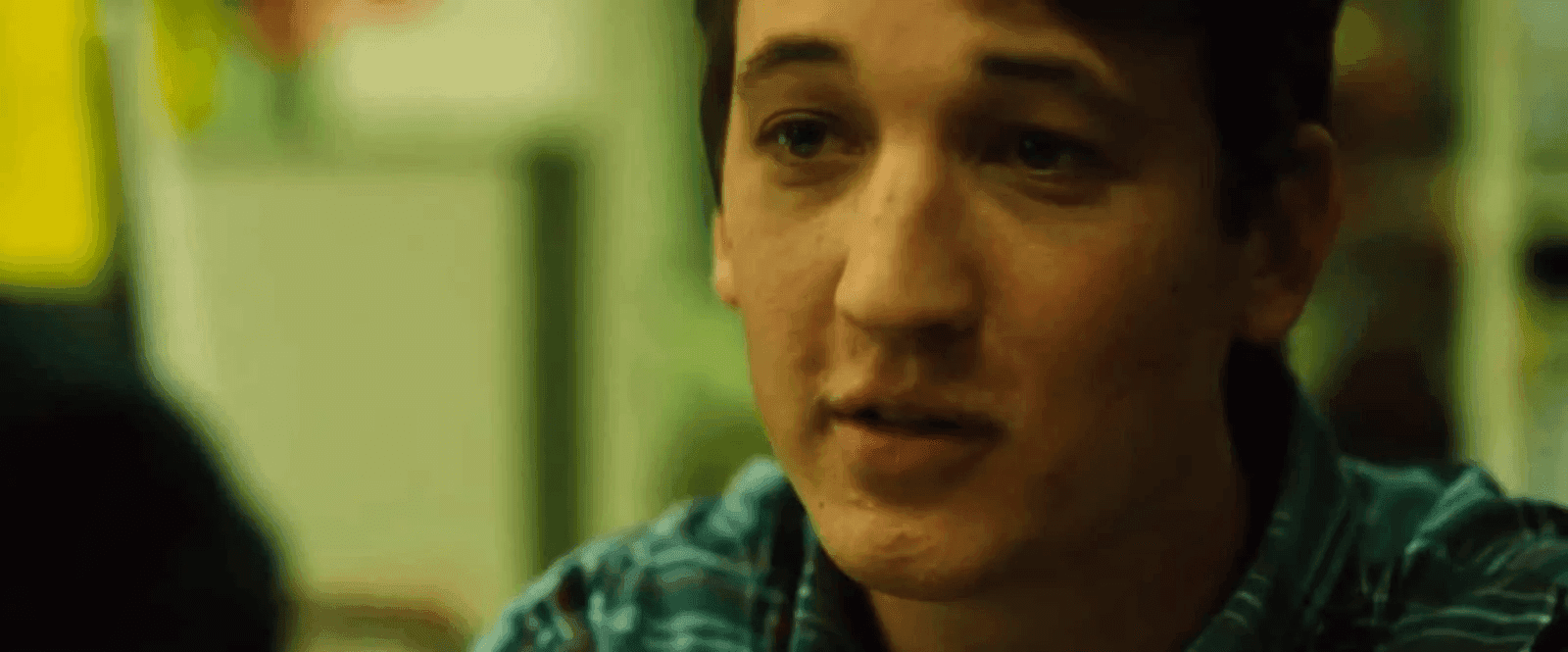
The close up shot in film is a deliberate framing that draws the audience’s attention to a subject’s face or a specific detail, typically capturing from the shoulders to just above the head. This shot size in filmmaking is not about proximity alone—it’s about isolating emotion, intention, and nuance. In commercial and narrative work alike, the close up is the visual equivalent of a spotlight, stripping away distraction and demanding focus.
Close Up Shot Meaning in Cinematography
In cinematography, the close up definition is precise: it frames a subject tightly, often excluding most of the background and environment. For a person, this means the shoulders and head fill the frame; for an object, it’s about revealing texture or detail that would be lost in a wider composition. The result is intimacy—every micro-expression or surface imperfection becomes visible.
How Close Ups Differ from Other Shot Sizes
Compared to other camera shot types, the close up is distinct. A medium shot might show a subject from the waist up, balancing context and character. A wide shot reveals the environment, setting the stage. The close up, by contrast, eliminates external context to amplify internal stakes. It’s not just a technical choice; it’s a storytelling decision that signals importance.
When to Use a Close Up Shot in Film
Close ups are most effective when the story hinges on subtle emotion, critical detail, or a character’s reaction. They’re a staple in every cinematographer’s toolkit because they transform performance into story. Used with intent, close ups are not just a shot—they’re the emotional core of the scene and a foundational element of film terminology.
The Psychology Behind Close Up Shots
Why Close Ups Build Audience Connection
Close up shot psychology is rooted in the human brain’s obsession with faces. We’re hardwired to read micro-expressions, decode intention, and search for meaning in another’s eyes. When the lens moves in, the viewer’s field of vision is filled with the actor’s face—every twitch, blink, or tightening of the jaw becomes a narrative beat. This proximity isn’t just a visual choice; it’s a psychological lever. The audience is forced into intimacy, compelled to interpret emotion, and—crucially—invited to empathize. In practice, this is why a close up can make a performance land with a thud or a gut punch, depending on what’s revealed and what’s withheld.
The Science of Facial Expressions in Film
Mirror neurons fire when we observe someone’s expression, priming us to feel echoes of their emotion. In visual storytelling psychology, this is the mechanism that turns a close up into a direct line to the audience’s own emotional circuitry. Research has shown that close-up shots of characters—especially those displaying sadness—significantly increase viewers’ tendency to reference mental and affective states, deepening character empathy and audience connection (PMC (Psychological Science Journal), 2018).
Psychological Effects of Close Up Shots
Used precisely, close ups manipulate perspective and alignment. They can shift audience loyalty, foster identification, or expose vulnerability. The frequency and placement of these shots matter: higher frequency leads to more spontaneous mental state attribution, up to a saturation point (VU Research Publications, 2016). For creative leaders, this means close ups aren’t just a stylistic flourish—they’re a scalpel for character development and a lever for audience engagement strategies. The shot scale is psychological architecture, not just optics.
Creative Techniques for Close Up Shots in Film
Best Practices for Framing Close Ups
Creative close up shots in film demand more than proximity—they require precision in framing and intent. Start with the rule of thirds: place the subject’s eyes on the upper grid line to anchor the viewer’s gaze. Avoid cropping at joints—wrists, elbows, or knees—since this disrupts visual balance and focus (Nikon USA, 2023). Headroom is critical; too much and the shot feels adrift, too little and it’s claustrophobic. Decide what the shot should communicate, then adjust headroom and negative space accordingly.
How to Light Close Up Shots in Film
Lighting for close ups isn’t about flooding the face—it’s about sculpting emotion. Three-point lighting (key, fill, backlight) offers control: shape the subject, manage shadows, and separate them from the background for dimensionality (Topsheet, 2023). For intimacy, use small sources close to the face to create fast fall-off and rich tonal contrast. Soft backlighting can add a glow, while a hard key from below introduces tension. The key is to match lighting intent to narrative tone, not just technical convention. For a deeper dive, see our guide to lighting for film.
Camera Movements That Enhance Close Ups
Static close ups can be powerful, but introducing subtle movement elevates them. A slow dolly-in intensifies psychological stakes; a lateral slider can reveal shifting dynamics between characters. Even a controlled handheld tremor can inject vulnerability. Lens choice is equally vital: 50mm and above will flatter and compress, while wider lenses introduce distortion—use this intentionally to unsettle or energize the frame (StudioBinder, 2022). For more on composition, explore our piece on shot composition techniques.
Integrating Close Ups into Shot Lists and Storyboards
The close up shot in film planning is never an afterthought. It’s a deliberate choice, mapped early in pre-production and woven into the shot listing and storyboarding techniques that shape the project’s visual language. Integrating close ups begins with a clear understanding of what each moment demands—emotion, detail, or narrative emphasis—and scheduling them precisely within the scene’s rhythm.
How to Plan Close Up Shots in Storyboards
Storyboarding close ups means more than just drawing a tight frame. It’s about visual intent. Mark close ups with specific notes: what emotion should the actor hit, what detail must the audience catch, where does the shot land in the sequence? These boards become critical communication tools for both director and crew, anchoring the visual logic before the first take is called. For more on this, see our storyboarding tips.
Balancing Close Ups with Other Shots in a Scene
Balance is non-negotiable. A scene overloaded with close ups loses impact; too few and you miss intimacy. The craft is in sequencing—using wides to establish, mediums for context, and close ups to punctuate. This interplay builds narrative flow and maintains audience engagement. Rhythm is set in pre-production, not on set.
Shot Listing Close Ups for Maximum Impact
When shot listing, flag close ups clearly and justify their purpose. Is it a reaction, a reveal, or a turning point? Note continuity needs—matching eyelines, lighting, and performance energy. Communicate intent to the team so no close up feels arbitrary. For a deeper dive into structuring your shot lists, explore our guide on how to make a shot list.
Common Mistakes and Misconceptions About Close Up Shots in Film
Close up shot in film mistakes are everywhere—often hiding in plain sight, glossed over by the pace of production or the pursuit of “coverage.” The first and most common misstep is overuse. When every emotional beat is delivered in close up, the audience becomes numb. The shot loses its punch. You’re left with visual monotony, and the story’s rhythm flattens. Close up overuse is a classic symptom of insecurity—either in the material or the direction. It’s a shortcut that undermines the power of the shot.
Mistakes to Avoid with Close Up Shots in Film
Shot composition errors are another trap. A close up magnifies everything—good and bad. Distracting backgrounds, awkward headroom, or a poorly chosen lens will all be amplified. When the background pulls attention or the frame feels cramped, the intimacy of the moment is lost. Always check the edges. Every detail counts.
Why Overusing Close Ups Weakens a Scene
Context is king. A close up is only as strong as the sequence around it. Jumping to a close up without establishing geography or emotional stakes leaves the shot hollow. The viewer needs context to feel the impact. Misreading an actor’s performance is another frequent error. Some moments demand space—forcing a close up can suffocate an actor’s subtlety and flatten their work.
Fixing Common Close Up Shot Problems
Best practice: treat close ups as punctuation, not prose. Use them with purpose, not as default. Pair technical precision with narrative intent. For more on related pitfalls, see our guide to common cinematography mistakes or explore film directing tips to sharpen your approach.
Conclusion
Close up shots are not just a technical flourish—they are foundational to the language of film. Their importance is rooted in their ability to distill the emotional impact in film down to its most intimate form. The close up definition extends beyond proximity; it’s about precision in shot composition, a deliberate invitation for the audience to witness the smallest shifts in expression, intention, or tension. On set, the choice to move in close is rarely casual. It’s the result of a clear narrative need, shaped by the director’s vision and the cinematographer’s understanding of how proximity manipulates audience focus.
In practice, close ups serve as the film’s emotional punctuation marks. They anchor pivotal moments, drive home subtext, and can turn a fleeting glance into a narrative turning point. But mastery lies in restraint. Overuse dulls their power; underuse leaves stories emotionally distant. The best practitioners know when to pull back, letting wider shots build context and rhythm before zeroing in for maximum effect. This balance is the mark of thoughtful shot composition and a respect for the full spectrum of camera shot types.
For creative leaders and marketers, understanding the role of close ups is more than film terminology. It’s about leveraging a storytelling technique that engages audiences at a visceral level. The close up is a tool—wielded with intent, it sharpens narrative focus and forges a stronger connection between viewer and story. In the end, their true significance lies in their restraint and their capacity to reveal, not just show.
FAQs
What is a close up shot in film?
A close up shot frames a subject tightly, usually from the shoulders up, isolating facial expressions or key details. It excludes most background and context, forcing attention onto the subject’s emotion or an object’s texture. The close up is defined by proximity and intent, not just focal length.
Why are close up shots important in filmmaking?
Close ups are essential for revealing character psychology and nuance. They strip away distraction, focusing the audience on what matters most—emotion, reaction, or critical narrative detail. In commercial and narrative work alike, close ups anchor the viewer to the human stakes of a scene.
How do close up shots affect audience perception?
Close ups create intimacy and tension. By shrinking the visual field, they heighten the viewer’s identification with the subject, making emotions feel immediate. Used well, they can unsettle, comfort, or provoke—always manipulating perspective to serve the story’s needs.
What are some creative techniques for close up shots?
Effective close ups rely on precise focus, thoughtful lens selection, and controlled lighting. Hard light carves detail; soft light flatters. Shallow depth of field isolates, while foreground elements add depth. Framing off-center or with negative space can subvert expectations and add narrative tension.
How can I integrate close ups into my shot list?
Start by identifying emotional or narrative beats that demand emphasis. Plan close ups to punctuate these moments, but balance them with wider coverage to maintain rhythm. Overusing close ups dilutes their power; strategic placement makes them land with intent.
What are common mistakes to avoid with close up shots?
Common pitfalls include overusing close ups, flattening the edit, or neglecting context. Poor focus or distracting backgrounds can undermine the shot’s impact. Avoid using close ups as a crutch for weak performances or unclear storytelling—they should always be motivated.
How can I create emotional impact with close up shots?
Emotional impact comes from timing, performance, and restraint. Roll longer on reactions, allow actors space to breathe, and let the close up linger when it matters. Trust the audience to read subtext—they’ll do the work if you give them the frame and the moment.
.webp)
Creative Collaboration Platform: The Backbone of Modern Creative WorkWhat is a creative collaboration platform?Clapboard defines a creative collaboration platform as the operational core for today’s distributed creative teams. This is not a collection of digital collaboration tools stitched together; Clapboard’s system
Understanding the Creative Production MarketplaceWhat is a Creative Production Marketplace?Clapboard defines a creative production marketplace as a structured ecosystem where brands, agencies, and production talent converge to execute video, advertising, and branded content at scale. Unlike the legacy agency or freelanREAD FULL ARTICLE
The Urgent Need for a Creative Production Operating SystemWhy Traditional Creative Production Models Break DownClapboard sees the creative production landscape shifting under pressure. Content velocity is no longer a buzzword—it’s a mandate. Modern advertising demands relentless output across dozens of channels, each wREAD FULL ARTICLE

JOIN THE NEWSLETTER.
Content Production insights, videos, books, and freebies, delivered to your inbox weekly


LEAVE A COMMENT
Your email address will not be published.