


Varun Katyal | Founder, Clapboard
Varun Katyal is the Founder & CEO of Clapboard and a former Creative Director at Ogilvy, with 15+ years of experience across advertising, branded content, and film production. He built Clapboard after seeing firsthand that the industry’s traditional ways of sourcing talent, structuring teams, and delivering creative work were no longer built for the volume, velocity, and complexity of modern content. Clapboard is his answer — a video-first creative operating system that brings together a curated talent marketplace, managed production services, and an AI- and automation-powered layer into a single ecosystem for advertising, branded content, and film. It is designed for a market where brands need content at a scale, speed, and level of specialization that legacy agencies and generic freelance platforms were never built to deliver. The thinking, frameworks, and editorial perspective behind this blog are shaped by Varun’s experience across both the agency world and the emerging platform-led future of creative production. LinkedIn: https://www.linkedin.com/in/varun-katyal-clapboard/
The Decision-Making Logic Behind Cinematography Techniques
Cinematography techniques are never chosen in a vacuum. Every lens, movement, or lighting setup is a direct response to the demands of story, genre, and emotion. The visual language of a project isn’t just a stylistic flourish—it’s the backbone of how the audience experiences the narrative. For practitioners, the craft is less about showing off and more about serving the material with precision and intent. Creative decisions are rooted in the script, the director’s vision, and the realities of production—each factor shaping the palette of tools at a cinematographer’s disposal.
How cinematographers plan their techniques
Shot planning is where intent meets reality. The process begins by interrogating the script: What does each scene require emotionally? Where does the camera need to be—physically and psychologically—to best translate that? Early conversations with the director set the tone. Is the project calling for bold, expressive visuals, or is subtlety the brief? These discussions lead to a visual intent that guides every subsequent choice.
Pre-production is where the heavy lifting happens. Storyboards, lookbooks, and test shoots become essential tools for mapping out the approach. The shot planning process isn’t just about efficiency; it’s about stress-testing creative ideas against practical constraints. If a scene demands a complex tracking shot but the location is tight, the cinematographer must adapt—sometimes rethinking the approach entirely to preserve the emotional core without sacrificing clarity. This is where experience counts: knowing when to push, when to compromise, and how to communicate those decisions to the rest of the team.
Factors influencing cinematography decisions
Every project brings its own set of variables. The director’s vision is paramount, but it’s filtered through budget, schedule, and available equipment. Sometimes the best creative decision is the one that can actually be executed on the day. The weather, the time of day, even the energy on set—all influence what’s possible. It’s not uncommon to have a meticulously planned shot list that gets rewritten when the sun disappears behind clouds or a key location falls through. The best cinematographers are adaptive, able to pivot while still honoring the visual intent established in pre-production.
Genre also plays a defining role. A commercial for a tech brand might demand crisp, high-key lighting and dynamic camera moves, while a narrative drama leans into naturalism and restraint. Understanding these genre conventions—and knowing when to subvert them—is part of the creative decision-making in film. The goal is always to support the story, not distract from it.
Balancing creativity and practicality in cinematography
Innovation is seductive, but it’s only valuable if it serves the narrative. The temptation to deploy the latest camera rig or lighting trick is strong, especially with clients eager for a fresh look. But technique for its own sake is empty. The most effective cinematography techniques are those that disappear into the story, amplifying emotion or clarifying action without drawing attention to themselves.
Trade-offs are constant. Maybe the budget can’t stretch to a Steadicam, so handheld becomes the solution—not as a compromise, but as a creative pivot. Maybe time constraints mean fewer setups, forcing the team to find a single shot that does the work of three. These decisions aren’t failures—they’re part of the craft. The mark of a seasoned cinematographer is the ability to make these calls quickly, confidently, and always in service of the project’s core goals.
Ultimately, the logic behind every choice is simple: does it serve the story and the audience? If the answer is yes, the technique is justified. If not, it’s just noise. That’s the discipline at the heart of cinematography—one that respects both creative ambition
What Are Cinematography Techniques? A Modern Definition
Defining cinematography techniques in film
Cinematography techniques are the practical and creative methods cinematographers use to translate a script into visual storytelling. At their core, these techniques are the language of moving images—how we shape light, frame action, and control movement to evoke emotion, reveal character, or drive a narrative. This is not simply about pointing a camera and pressing record. It’s about making deliberate choices that serve the story, whether you’re shooting a 30-second spot or a feature film.
When people ask, “what is cinematography?” the answer is always anchored in intent. Cinematography is the craft of orchestrating visuals—using composition, lighting, camera movement, focus, and color—to create meaning. Techniques are the repeatable, adaptable actions that bridge concept and execution. They’re foundational, but not formulaic. The best cinematographers know the rules and when to break them, always with purpose.
How cinematography shapes the audience’s experience
Every frame is a decision. A wide shot can isolate or empower; a handheld close-up can destabilize or draw intimacy. Cinematography techniques shape how audiences feel before they consciously understand why. The way you light a face, track a subject, or rack focus between elements is not just technical—it’s psychological. These choices guide attention, set pace, and build atmosphere. In practice, the line between technique and artistry is thin. But mastery comes from understanding the mechanics and then bending them to the needs of the story.
For senior marketers and creative leaders, this isn’t academic. The impact of visual storytelling on brand perception and audience engagement is measurable. The right technique can elevate a campaign from forgettable to iconic. Understanding these fundamentals—beyond the buzzwords—is essential to creative leadership.
Cinematography techniques vs. cinematography equipment
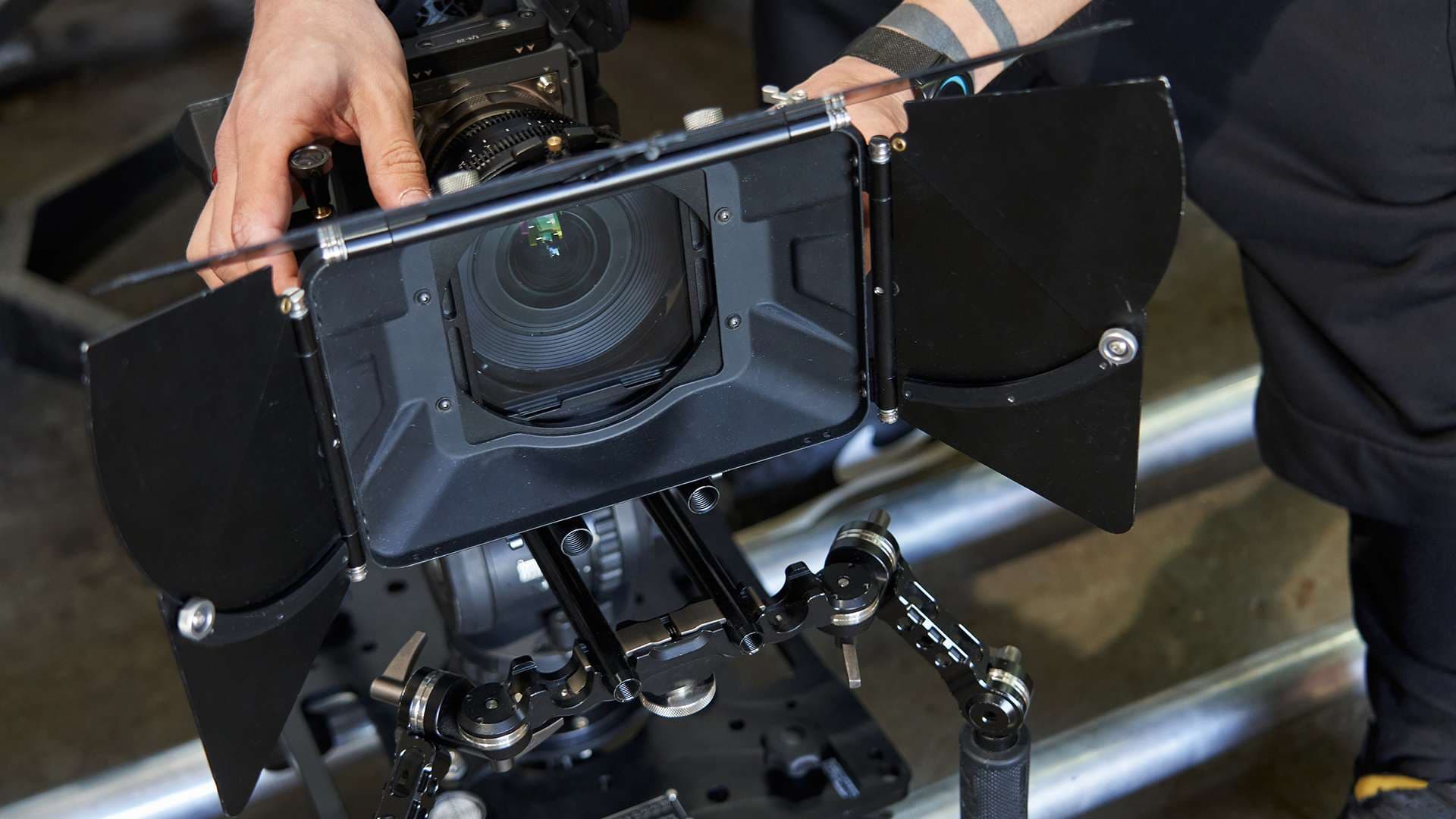
It’s easy to conflate techniques with tools. Gear matters, but equipment is only as effective as the hands that wield it. Cinematography techniques are not defined by the latest camera or lens. They are about how you use what you have—whether it’s a cinema rig or a smartphone. Movement, lighting setups, lens choices, and compositional rules are all techniques; the camera, gimbal, or light source is the tool. The distinction is crucial: a technique is a repeatable method that achieves a specific effect, while equipment is the means to that end.
Modern filmmaking techniques demand fluency in both. Digital workflows have democratized access to high-end tools, but they haven’t replaced the need for intentional technique. The rise of virtual production, LED walls, and AI-assisted workflows only heightens the need for a strong foundational craft. Trends shift, but the ability to make purposeful visual choices remains the cinematographer’s true value.
The collaborative role of the cinematographer
No cinematographer works in isolation. Techniques are shaped by collaboration—with directors, production designers, gaffers, and colorists. The cinematographer interprets the creative vision, translating abstract ideas into visual reality. This requires not just technical expertise, but fluency in the language of storytelling and the pragmatism to adapt on set. The best results come when creative intention and technical execution are inseparable.
Ultimately, cinematography techniques are the connective tissue between script, vision, and audience. They are the foundation for any project that aspires to more than mere documentation. In a landscape where attention is scarce and visuals are currency, understanding—and mastering—these techniques is non-negotiable for anyone serious about filmmaking.
Essential Elements: Lighting, Camera Movement, and Composition
Lighting and camera movement are the backbone of cinematic storytelling. Every frame is a negotiation between what you want the audience to feel and how you guide their eye. The seasoned creative knows that these elements are not just technical levers—they are the grammar of visual language. When they work in concert with shot composition, you achieve coherence that elevates the message, not just the image.
Key lighting techniques for filmmakers
Film lighting techniques are never one-size-fits-all. Hard light, produced by small, distant sources like direct sunlight or bare spotlights, carves out deep shadows and sharp edges. It’s the language of tension, grit, and focus—indispensable for genres like noir or horror, where texture and unease are front and center (Cinematic Lighting Techniques Explained, 2024). On the other end, soft light wraps subjects in gradual transitions, ideal for beauty work or moments that demand intimacy. But lighting isn’t just about mood. It’s about clarity—directing attention, revealing or concealing detail, and shaping depth. Low-key lighting, with its high contrast, doesn’t always heighten emotion as many assume; it can actually dampen arousal and emotional engagement, especially when shadow dominates (Investigating How Film Lighting Techniques Influence Viewers' Emotional Responses, 2018). The lesson: match technique to intent, not to trend.
How camera movement changes a scene
Camera movement explained simply: it’s the audience’s point of view in motion. A locked-off shot can suffocate or ground a moment, forcing attention onto performance or composition. A slow push-in can dial up intimacy or tension, while a handheld move injects immediacy and unpredictability. The trick is to let movement serve the narrative, not distract from it. Overused gimbal shots or aimless dolly moves are a telltale sign of style over substance. The most effective camera movement is motivated—anchored in character, story beat, or emotional logic. On set, the question isn’t “Can we move the camera?” but “Why are we moving it now?”
Rules of shot composition in cinematography
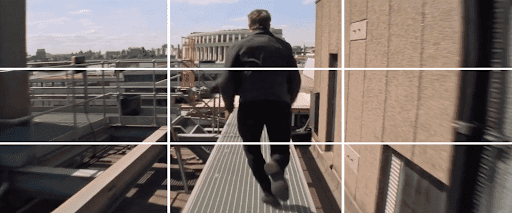
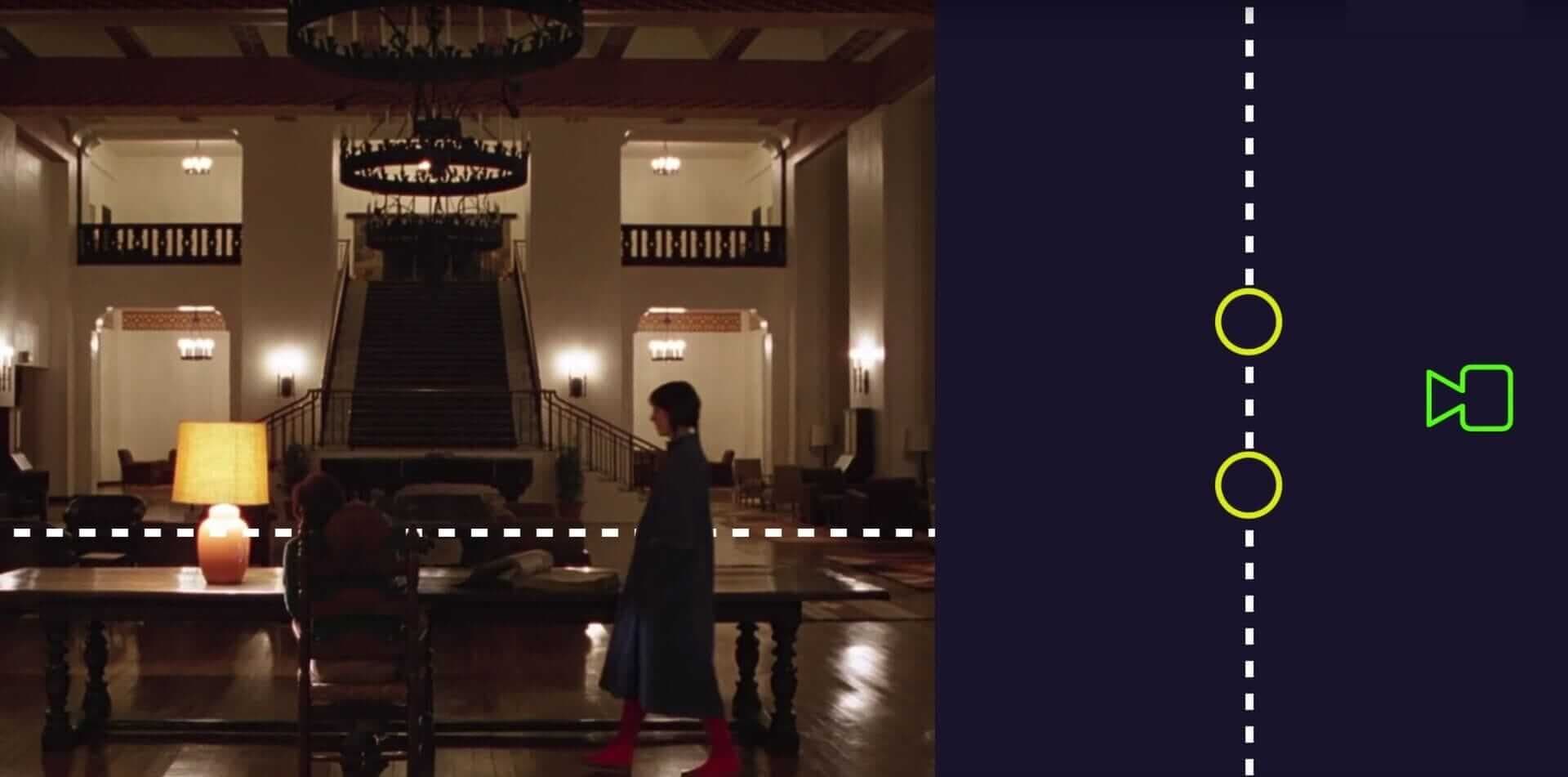
Shot composition is where intention becomes visible. The fundamentals—framing, balance, leading lines—are tools, not dogma. A strong composition guides the viewer’s gaze, establishes relationships, and builds rhythm. The rule of thirds is a starting point, not a destination; breaking it with purpose can yield striking results. Balance doesn’t mean symmetry. Sometimes, tension in the frame is exactly what the story needs. Leading lines—architecture, horizon, even a glance—pull the audience toward what matters. But composition is also about restraint. Overcrowding the frame or chasing visual cleverness dilutes impact. The best compositions are those that serve the idea and never call attention to themselves.
The interplay: coherence, not chaos
Lighting, camera movement, and composition are inseparable. A beautifully lit shot falls flat if the camera move is unmotivated. A clever composition loses power if the lighting muddies the subject. On a commercial set, you’re balancing creative ambition with client expectations and time constraints. The solution is intentionality: every lighting decision, every move, every frame must earn its place. The interplay isn’t about showing off—it’s about delivering a visual impact that aligns with the story’s core.
- Common mistake #1: Over-lighting to “fix” a scene. More isn’t better; it’s often just flatter.
- Common mistake #2: Moving the camera without a narrative reason. Movement should be invisible in its logic.
Lens Choice and Focus: Directing the Viewer’s Eye
Choosing the right lens for your scene
Lens choice in cinematography is never just technical—it's narrative. Focal length determines how the audience perceives space and intimacy. A wide lens exaggerates distance, pulling the viewer into the environment and heightening tension through spatial relationships. Step up to a telephoto (100mm or longer) and you collapse that space, compressing foreground and background. This “flattening” effect isn’t just for spectacle; it’s a deliberate way to draw disparate elements into visual proximity, creating a sense of intimacy even when subjects are physically far apart. Commercials often exploit this to focus brand and product in the same plane, while narrative work uses it to bind characters emotionally (Emory University - Intro to Film, 2023).
But lens selection is always a negotiation. The longer the lens, the more you sacrifice peripheral context. You gain focus on the essential, but risk losing the world around your subject. The creative director wants connection; the client wants clarity. The cinematographer’s job is to translate both into the frame, often under pressure, with seconds to choose the lens that will define the shot’s perspective and, by extension, its meaning.
How depth of field shapes visual storytelling
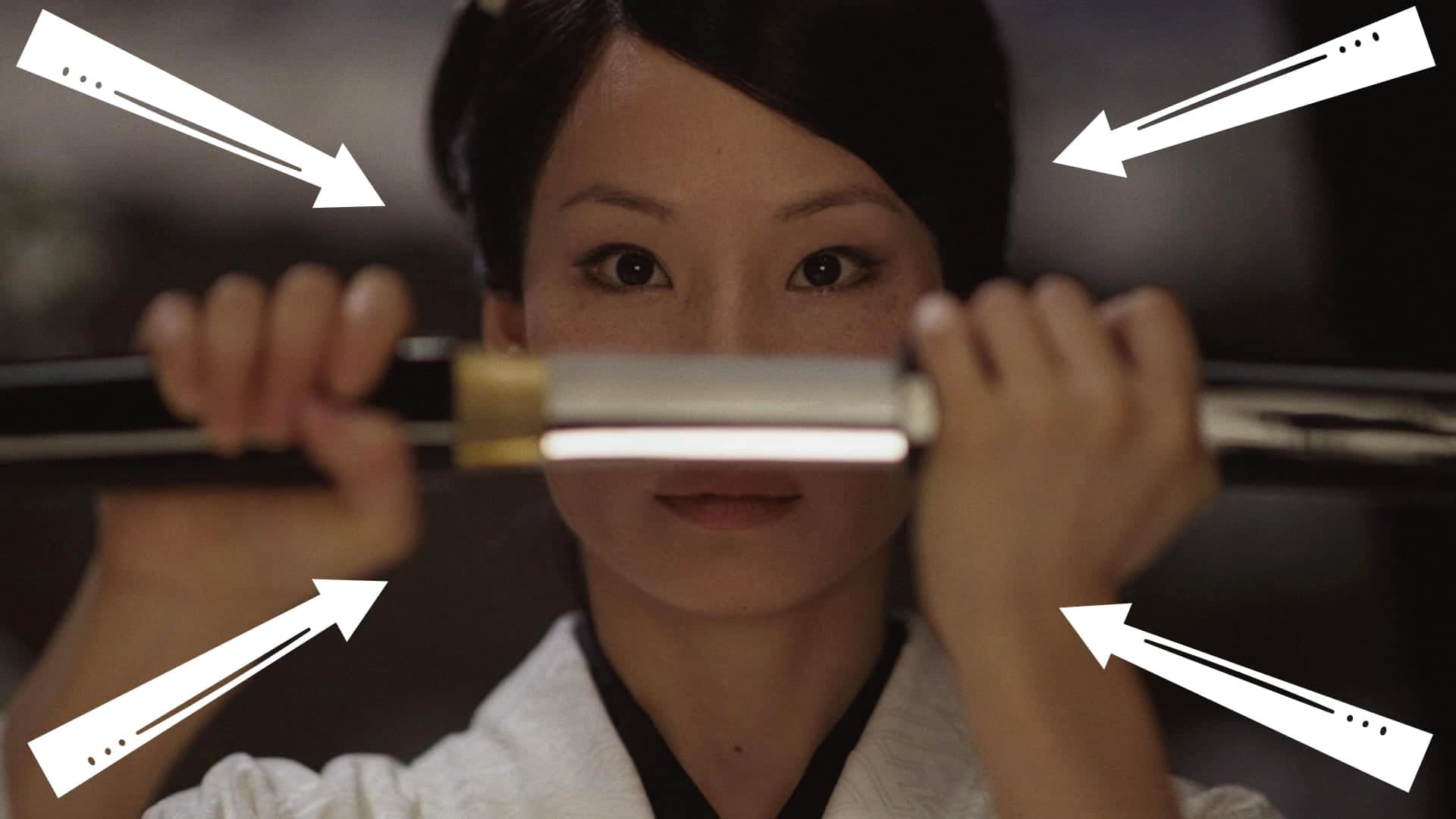
Depth of field is the cinematographer’s scalpel—precise, deliberate, and capable of transforming a scene’s emotional register. Shallow depth of field isolates a subject, carving them from their environment and guiding the viewer’s attention with surgical intent. The effect is intimacy: the world recedes, and the character’s emotional state becomes the frame’s focal point. This isn’t just aesthetic. It’s a narrative device, as seen in films like Moonlight, where extreme shallow focus wraps the protagonist in a cocoon of feeling, forcing the audience to invest in their internal journey (University of Kentucky - Depth of Field Explained, 2023).
Conversely, deep depth of field pulls everything into sharp relief. It’s the tool of choice for scenes where context matters—grand landscapes, ensemble blocking, or action that unfolds across multiple planes. In branded content, this can be the difference between a product lost in chaos and one anchored within a lifestyle tableau. The trade-off? Deep focus demands more light, smaller apertures, and often, a willingness to let the viewer wander the frame. Sometimes, that’s exactly what the story needs.
Camera focus techniques for dynamic shots
Camera focus techniques are the invisible hand that steers the viewer’s gaze in real time. Rack focus—shifting focus during a continuous shot—can build suspense, reveal information, or shift emotional allegiance mid-scene. It’s not just a trick; it’s a language. A focus pull from a protagonist to a lurking figure in the background doesn’t just reveal plot, it delivers a jolt of narrative energy. Selective focus, meanwhile, lets you withhold information, keeping elements deliberately soft until the story demands their clarity.
Technically, these choices are loaded with trade-offs. Fast glass and precise focus pulling are luxuries on commercial sets with tight schedules and shifting priorities. Autofocus is rarely trusted; manual control is king. The best focus pullers are as attuned to performance as they are to marks on the floor. Every decision—lens, aperture, focus movement—must serve both the narrative and the realities of the shoot.
Ultimately, lens choice in cinematography is about authorship. It’s the convergence of technical mastery and narrative intention. The right lens and focus technique don’t just capture a scene—they direct the viewer’s eye, define what matters, and shape the story’s emotional core. On set, these decisions
Planning Cinematography Techniques: Shot Lists and Storyboards
Shot lists and storyboards are the backbone of planning cinematography on any professional set. They translate creative ambition into executable steps, providing clarity for both the technical crew and the creative leads. In the pressure cooker of commercial production or the fluid world of narrative filmmaking, these pre-visualization tools aren’t just paperwork—they’re the scaffolding that keeps a project standing when the clock is ticking and the unexpected hits.
How to create effective shot lists
An effective shot list is more than a spreadsheet of angles and lens choices. It’s a conversation between the cinematographer, director, and the rest of the crew about intent and logistics. Each shot entry should clarify the purpose: Is this a wide to establish geography, or a close-up to capture a critical beat? Include technical details—camera movement, lens, filtration—but never lose sight of the emotional or narrative reason for the shot. The best shot lists anticipate the edit, flagging coverage gaps and transitions that matter. For a deeper dive, see our guide on how to make a shot list.
On set, a well-prepared shot list is a lifeline. It helps the team prioritize when time evaporates or locations shift. But it’s not a straitjacket. The most seasoned crews know when to deviate—adapting to light, talent, or creative discoveries—without losing the throughline of the visual plan.
Storyboards as a cinematography planning tool
Storyboards give shape to intention. They’re not just for directors who draw; they’re a visual contract between departments. A storyboard frames the intended composition, movement, and rhythm of a sequence. For cinematographers, it’s a chance to pre-visualize lighting, blocking, and camera choreography. The process forces clarity: Are we tracking with the character, or holding static for tension? Are visual motifs repeating? Storyboarding for film isn’t about pretty sketches—it’s about solving problems before the first light is rigged.
Sharing storyboards with art, grip, and lighting teams ensures everyone is working from the same blueprint. It’s a shortcut to alignment, especially when client or agency stakeholders need to sign off on the creative direction before the shoot day. The storyboard becomes a shared language, reducing ambiguity and saving time in the filmmaking workflow.
Workflow tips for planning cinematography techniques
Planning cinematography is a team sport. Start with a creative brief, then build shot lists and storyboards in tandem with the director. Use digital pre-visualization tools to iterate quickly—swapping frames, testing camera moves, or adjusting for practical constraints. Schedule time for a “tech scout” with department heads, using the shot list as a reference. This is where you’ll spot logistical landmines and refine your approach.
On set, keep the shot list and storyboard accessible—digital or print, whatever the crew can rally around. Encourage department heads to flag issues early. When the plan collides with reality, adapt with intention. The best cinematographers balance discipline with flexibility, protecting the core vision while staying responsive to the shoot’s evolving demands.
Ultimately, shot lists and storyboards are not about rigid control—they’re about creating the conditions for creative execution at pace. In a world where every minute counts, the teams that plan well are the ones that deliver work that feels both intentional and alive.

Cinematography Techniques in Action: From Theory to Set
Applying cinematography techniques is never as simple as copying a shot list from pre-production to the set. The real work starts when theory collides with the unpredictable realities of production. Every cinematographer walks onto set with a plan, but the difference between a technician and a practitioner is knowing how to adapt—fast—when the plan meets resistance.
Adapting cinematography techniques on set
On paper, a lighting diagram is a promise. On location, it’s a hypothesis. Sunlight shifts, practicals flicker, and talent moves in ways that can’t be anticipated in a tech scout. Adapting techniques means reading the room—literally. If a location’s windows throw unwanted spill, you may need to flag, net, or even re-block the scene. When a key light overpowers an actor’s skin tone, you adjust color temperature or diffusion on the fly. The skill isn’t just technical; it’s about prioritizing the story and the client’s objectives under pressure.
Overcoming production challenges with creative solutions
Production workflow for filmmakers is never linear. Each department brings its own needs and constraints. The camera team may need to pivot from dolly to handheld because a location’s floor won’t take the weight. The art department might swap set dressing at the last minute, forcing a rethink of negative fill or background separation. On-set cinematography becomes a series of micro-decisions: Can we bounce instead of key? Will a tighter lens cheat the background? When a shot list collides with a location’s limitations, creative solutions are currency.
- If the sun is setting faster than scheduled, a well-timed bounce board and a fast prime can save the scene.
- When talent’s blocking shifts, an operator who can anticipate movement—and a focus puller who’s dialed in—keep the shot alive.
- If the director wants a one-take move in a cramped space, sometimes it’s about stripping gear down to essentials and trusting the operator’s eye.
Real-world examples of techniques in action
On a recent branded shoot, we prepped for a golden hour exterior, only to arrive and find the location boxed in by high-rises, killing the planned backlight. Instead of forcing the original setup, we pivoted: practical LEDs, battery-powered, hidden behind props, created separation and mood. The result felt intentional—because it was. Applying cinematography techniques is about knowing when to let go of the blueprint and respond to what’s in front of you.
Communication is the glue. When the gaffer knows the DP’s intent, they can improvise with speed. When the director trusts the operator’s instincts, coverage becomes fluid. Flexibility isn’t a luxury; it’s the baseline for on-set cinematography tips that actually work under pressure. The best sets aren’t those where nothing goes wrong—they’re the ones where every department is empowered to adapt, and where the cinematographer leads that dance with clarity and confidence.
In the end, the gap between theory and practice is where real craft lives. Applying cinematography techniques isn’t about rigidly following pre-production plans; it’s about shaping light, movement, and emotion in real time, no matter what the day throws at you.

Cinematography Techniques vs. Photography and Filmmaking
Key differences between cinematography and photography
The conversation around cinematography techniques vs photography often collapses into surface-level comparisons: camera choice, lighting style, the “eye” of the operator. But the real divergence is structural. Photography is the art of the single frame—a decisive moment captured, composed, and lit to stand alone. Its power lies in compression: one shot, one message, distilled. Cinematography, by contrast, is about the orchestration of images in time. It demands a sequence, not a snapshot. The cinematographer isn’t just composing a frame—they’re engineering a flow, a visual rhythm that serves narrative momentum. Each shot is a note; the sequence is the melody.
The solitary nature of photography also shapes its process. Photographers control every variable—subject, light, timing—often working solo or with a minimal crew. Cinematography, on the other hand, is inherently collaborative. It’s shaped by the director’s vision, the production designer’s palette, the constraints of the schedule, and the realities of the set. The cinematographer’s choices ripple through a team, each decision influencing departments from lighting to grip to post. This interplay is fundamental to filmmaking vs cinematography: the former is the totality, the latter is a discipline within the collective.
Cinematography techniques within the filmmaking process
Cinematography doesn’t exist in a vacuum. It’s a pillar of the filmmaking process explained through the lens of visual continuity and narrative propulsion. Where photography chases the iconic still, cinematography is tasked with sustaining engagement across time. Blocking, lens selection, movement, and lighting are deployed not just for beauty, but for story logic. A handheld close-up injects urgency; a wide, static shot can isolate a character or establish geography. The cinematographer’s toolkit is vast, but every technique is filtered through the needs of story and edit. Unlike the photographer, who can chase the perfect moment, the cinematographer must anticipate how each image will play in sequence, how it will cut, and what emotional thread it will carry.
This is where the distinction between single image vs sequence becomes vital. A photograph is self-contained; its context is external, supplied by the viewer. Cinematography, in contrast, is contextual by design. Every frame is a building block, its meaning shaped by what comes before and after. The visual language in film is cumulative, constructed through repetition, variation, and juxtaposition. This demands a different kind of discipline—one that balances technical precision with narrative intuition.
Visual storytelling: from single image to moving sequence
Despite these differences, the best cinematographers borrow from the instincts of great photographers. Both crafts demand an acute sensitivity to light, composition, and timing. But where the photographer’s job ends at the shutter click, the cinematographer’s work only begins. They must think in transitions, in how a pan or a cut will shift the audience’s perspective or emotion. Visual storytelling in film is about guiding the viewer’s attention, revealing information, and withholding it with purpose. It’s a choreography of images, not just a gallery of strong frames.
In the end, the conversation around cinematography techniques vs photography isn’t about hierarchy—it’s about intent and scope. Photography isolates. Cinematography connects. Both rely on the mastery of visual language, but only one is tasked with threading those images into a living, breathing sequence. That’s the difference that defines the craft.
Common Misconceptions About Cinematography Techniques
Misconceptions about cinematography techniques run deep—especially among those new to the craft or those watching from the client side. The result is a persistent gap between what looks impressive on a gear list and what actually delivers impact on screen. Having worked across commercial sets and narrative projects, I’ve seen the same myths resurface, often at the expense of clarity, budget, and the story itself.
Myths about cinematography techniques
The most stubborn cinematography myth is that expensive gear makes great images. It’s easy to believe that a high-end camera, a set of rare lenses, or the latest gimbal will elevate your work. But tools are only as effective as the intention behind them. I’ve shot campaigns on stripped-down kits that outperformed “fully loaded” productions because every choice served a clear purpose. The obsession with kit lists can distract from the real work: understanding light, movement, and blocking to support the story.
Another misconception: complexity equals quality. Elaborate camera moves and intricate lighting setups are seductive, but they’re not inherently valuable. Too often, beginner filmmakers mistake technical showmanship for visual storytelling. The result is a parade of shots that call attention to themselves and away from the message. The best cinematography often disappears into the narrative, guiding the viewer’s eye without ever announcing its presence.
Common mistakes new cinematographers make
Beginner filmmaking mistakes often stem from misunderstanding the balance between technique and narrative. There’s a temptation to deploy every trick in the book—rack focus, dolly shots, colored gels—regardless of whether they serve the scene. This leads to inconsistency and, worse, confusion for the audience. In reality, restraint is the mark of a mature cinematographer. Knowing when not to move the camera, when to let a single motivated light source do the work, is as important as mastering any technical skill.
Another frequent error is ignoring previsualization. Many new DPs jump straight to gear talk without first clarifying the emotional beats of a scene. They overlook how composition, color, and movement can reinforce subtext and theme. Visual storytelling errors at this stage are hard to fix in post, no matter how advanced your equipment or crew. The solution is to start with intent: what does the scene need, and how can your choices support that need?
Why story should guide technique choices
Technique is only valuable when it’s in service of the narrative. This is the dividing line between memorable work and forgettable spectacle. Every technical decision—lens selection, lighting design, camera movement—should be justified by the story’s demands. If you’re tempted by a new tool or effect, ask yourself: does it clarify the emotion, deepen the character, or sharpen the message? If the answer is no, strip it back. Intention and restraint are not limitations; they’re the foundation of effective cinematography.
For creative leads and marketers, the takeaway is clear. Don’t be dazzled by gear or technical jargon. Ask your cinematographer how each choice serves the story. Push for clarity of vision, not just technical prowess. The best work comes from teams who understand that cinematography is not about what you can do, but what you choose to do—and why.
If you’re looking to go deeper, see our guide on filmmaking myths debunked and practical beginner cinematography tips that cut through the noise.
Evaluating and Evolving Your Cinematography Techniques
Improving cinematography techniques isn’t a checkbox exercise. It’s a discipline—a cycle of honest evaluation, adaptation, and creative risk. Whether you’re shooting commercials under client pressure or crafting narrative work with more latitude, the demand is the same: your images must connect, persuade, and endure. That requires a methodical approach to self-assessment, an appetite for new tools, and the nerve to push past comfort zones.
How to evaluate your cinematography techniques
Start with your own footage. Strip away the ego and watch with a critical eye—frame by frame, sequence by sequence. Are your compositions intentional or habitual? Does the lighting elevate the story, or is it just technically correct? Look for patterns: repeated camera moves, safe color palettes, or flat coverage. These are signals of creative autopilot. Then, solicit feedback from peers who won’t flatter you. Producers, directors, and fellow DPs see what you miss. Their notes—however blunt—are a shortcut to clarity. The goal isn’t consensus; it’s to identify blind spots and recurring weaknesses. This is the foundation of evaluating cinematography at a professional level.
Staying ahead of cinematography trends
Creative growth in filmmaking hinges on more than technical polish. The visual language of film is always shifting. New cameras, lenses, and workflows emerge, but so do fresh visual motifs and narrative devices. Don’t chase every trend, but don’t ignore them either. Study the work that’s winning awards, making waves, or being imitated. Dissect how current cinematography trends are shaping audience expectations and brand aesthetics. Experiment with new techniques—LED volumes, virtual production, or even in-camera effects—on test shoots, not client work. The point isn’t to mimic, but to absorb and adapt, keeping your toolkit relevant and your eye sharp. For a deeper dive into the direction of visual language, see our piece on trends in visual storytelling.
Building your unique visual style
Personal style doesn’t arrive fully formed. It’s built from trial, error, and selective theft. Take the feedback and industry inspiration you’ve gathered, then filter it through your own sensibility. What resonates? What feels forced? Use personal projects to experiment—try unconventional lighting, break your own rules, or shoot in a genre you’ve never tackled. Mistakes are inevitable, but they’re the raw material of creative growth in filmmaking. Over time, your visual choices—how you handle contrast, movement, and color—will become signatures. The challenge is to keep evolving, not calcifying. The best cinematographers remain restless, always refining, always questioning. For more on this process, explore our guide to improving your cinematography.
In the end, evaluating and evolving your approach isn’t about chasing perfection. It’s about cultivating a practice—one that’s responsive to both the demands of the industry and the evolution of your own creative instincts. That’s how you stay relevant, and how your work keeps its edge.
Conclusion
Cinematography is more than a technical discipline—it's the backbone of visual storytelling. The techniques we choose, from lens selection to camera movement, shape how an audience experiences narrative and emotion. Every decision on set, whether it’s the placement of a practical light or the timing of a dolly move, is a deliberate act of interpretation. These choices are not just aesthetic; they’re structural, providing the visual grammar that underpins the story’s intent.
The real craft lies in the balance between planning and adaptability. Storyboards and shot lists are essential, but the realities of production rarely unfold as anticipated. Weather shifts, client requests, or a performer’s spontaneous energy can force a rethink on the fly. The cinematographer’s job is to embrace these variables without compromising the integrity of the visual language. Adaptability isn’t a fallback—it’s a core filmmaking technique, honed through experience and an unflinching respect for the story’s needs.
Equally vital is the ability to see through cinematography myths that circulate in the industry. No, there isn’t a single ‘correct’ way to light a scene. The best lighting techniques are those that serve the narrative, not those that mimic the latest trend. The myth of the ‘perfect’ shot is another distraction; what matters is whether an image moves the story forward or deepens the viewer’s understanding. Cinematography is not about chasing technical perfection for its own sake, but about making purposeful choices that resonate with the project’s core message.
In the end, mastery in cinematography comes from a continual dialogue between vision and reality. The most effective filmmaking techniques are those that remain flexible, rooted in craft but responsive to the unexpected. By interrogating received wisdom and prioritizing the demands of the story, practitioners elevate their work beyond surface-level style. Visual storytelling thrives on this dynamic—where technique, intent, and adaptability converge to create images that endure.
FAQs
What is cinematography?
Cinematography is the art and technique of capturing moving images to tell a story visually. It goes beyond simply recording footage; it’s about shaping light, framing, movement, and color to evoke emotion, define narrative, and support the director’s vision. Every choice—lens, angle, lighting—serves the story’s intent.
How to create a shot list?
Start with the script. Break each scene into beats, identifying moments that require specific coverage. List the shots in narrative order, noting angle, movement, and lens. Collaborate with the director and AD to ensure practical flow. A good shot list balances creative ambition with logistical reality—always leave space for adaptation on set.
What are the key elements of cinematography?
Lighting, composition, camera movement, lens choice, and color palette are foundational. Lighting shapes mood and depth. Composition directs focus and meaning. Camera movement builds energy or restraint. Lens choice influences perspective and emotion. Color palette ties the visual language together. Mastery comes from understanding how these elements interact under real-world constraints.
How does lighting affect cinematography?
Lighting is the backbone of visual storytelling. It defines shape, texture, and atmosphere. Hard light can create tension; soft light can flatter or soothe. Practical sources and motivated lighting ground a scene in reality, while stylized setups can push narrative or brand tone. Poor lighting flattens visuals and undermines clarity, regardless of camera quality.
What is the difference between cinematography and photography?
Photography captures a single decisive moment; cinematography orchestrates a sequence of images over time. Cinematography integrates movement—of camera, subject, and light—within a scene’s spatial and narrative context. It requires thinking in sequences, coverage, and continuity, not just isolated frames. The skillset overlaps, but the mindset and demands differ entirely.
How to master shot composition?
Mastery begins with intent: know what each shot must communicate. Use leading lines, negative space, and depth to draw the eye. Balance symmetry and asymmetry for tension or harmony. Consider foreground, midground, and background to add layers. Study films, but learn to break rules when the story demands. Consistency and clarity always win over novelty.
What are common misconceptions about cinematography?
One misconception is that great gear guarantees great images. In reality, craft and intent matter more than equipment. Another is that cinematography is purely technical—when it’s fundamentally interpretive and collaborative. Finally, many overlook how much pre-production and planning shape what’s possible on set. The best work is never accidental.
.webp)
Creative Collaboration Platform: The Backbone of Modern Creative WorkWhat is a creative collaboration platform?Clapboard defines a creative collaboration platform as the operational core for today’s distributed creative teams. This is not a collection of digital collaboration tools stitched together; Clapboard’s system
Understanding the Creative Production MarketplaceWhat is a Creative Production Marketplace?Clapboard defines a creative production marketplace as a structured ecosystem where brands, agencies, and production talent converge to execute video, advertising, and branded content at scale. Unlike the legacy agency or freelanREAD FULL ARTICLE

The Urgent Need for a Creative Production Operating SystemWhy Traditional Creative Production Models Break DownClapboard sees the creative production landscape shifting under pressure. Content velocity is no longer a buzzword—it’s a mandate. Modern advertising demands relentless output across dozens of channels, each wREAD FULL ARTICLE

JOIN THE NEWSLETTER.
Content Production insights, videos, books, and freebies, delivered to your inbox weekly


LEAVE A COMMENT
Your email address will not be published.