


Varun Katyal | Founder, Clapboard
Varun Katyal is the Founder & CEO of Clapboard and a former Creative Director at Ogilvy, with 15+ years of experience across advertising, branded content, and film production. He built Clapboard after seeing firsthand that the industry’s traditional ways of sourcing talent, structuring teams, and delivering creative work were no longer built for the volume, velocity, and complexity of modern content. Clapboard is his answer — a video-first creative operating system that brings together a curated talent marketplace, managed production services, and an AI- and automation-powered layer into a single ecosystem for advertising, branded content, and film. It is designed for a market where brands need content at a scale, speed, and level of specialization that legacy agencies and generic freelance platforms were never built to deliver. The thinking, frameworks, and editorial perspective behind this blog are shaped by Varun’s experience across both the agency world and the emerging platform-led future of creative production. LinkedIn: https://www.linkedin.com/in/varun-katyal-clapboard/
Why Filmmakers Choose the Point of View Shot
Reasons to use point of view shots in your film
The point of view shot is not a gimmick. It’s a deliberate choice, a tool that sits alongside the wide, the close-up, and the over-the-shoulder in the director’s toolkit. When a filmmaker opts for a POV, the intent is usually to collapse the distance between audience and character. It’s about making the camera more than a witness—it becomes the character’s eyes. This isn’t just visual trickery; it’s a storytelling technique that actively shapes narrative perspective and audience immersion.
Commercial directors reach for POV when they want the viewer to feel the adrenaline of a car chase or the anticipation before a product reveal. In narrative work, POV can plunge the audience into the protagonist’s anxiety, confusion, or elation. It’s visceral, immediate, and—when used with restraint—undeniably effective.
How POV shots influence audience empathy
Empathy is built on identification. When you see through a character’s eyes, you’re not just observing their world—you’re inhabiting it. This alignment is why POV shots are so potent for emotional impact. They’re often reserved for moments of crisis or revelation: the detective glimpsing a crucial clue, the hero staring down a threat, the child witnessing something no one else sees. The audience is no longer outside looking in; they are inside, looking out. This is the root of audience immersion, and it’s a powerful lever for filmmakers who understand its weight.
But the effect isn’t just emotional. POV shots can clarify or complicate narrative perspective. Used sparingly, they can signal subjectivity—what’s real to the character may not be real to the world. This tension is fertile ground for drama, suspense, and even misdirection.
Genre-specific uses and narrative strategy
The point of view shot is a staple in thrillers and horror, where audience immersion isn’t a luxury—it’s the engine. Think of the slasher film: the camera stalks, breathes, hesitates. In these moments, the viewer becomes complicit, drawn into the action and the psychology of the scene. Action directors use POV for impact—putting the audience in the cockpit, on the front lines, or in the middle of the brawl. In drama, POV can be more restrained, reserved for intimate revelations or moments when a character’s perception is the story itself.
Genre dictates not just how POV is used, but why. For some stories, it’s about adrenaline. For others, it’s about vulnerability, or even confusion. The best filmmakers know when to let the audience in—and when to keep them at a distance.
When to avoid using a POV shot
Not every moment benefits from the intimacy of a point of view shot. Overuse can flatten the narrative perspective, making the audience feel trapped rather than immersed. Sometimes, what’s needed is objectivity—a step back, a wider context, a reminder that the story is bigger than any one character’s experience. The craft is in the balance: using POV as a scalpel, not a sledgehammer.
Ultimately, filmmaker choices around POV are about control—of emotion, information, and rhythm. The point of view shot is a high-stakes bet on empathy. When it lands, it can make a scene unforgettable. When it misses, the spell breaks. The difference is rarely in the camera—it’s in the intent behind it.
What Is a Point of View Shot?
Understanding the point of view shot in filmmaking
A point of view shot, often abbreviated as POV shot, is a camera technique that places the audience directly in the visual position of a character. In its purest form, the lens becomes the character’s eyes—what the character sees, the viewer sees. This technique is not just a stylistic flourish; it’s foundational to how filmmakers create identification, tension, and intimacy within a scene. The POV shot definition is simple: the camera adopts the perspective of a specific character, aligning the viewer’s gaze with theirs. But the implications run deep, shaping the emotional and narrative experience.
How POV shots differ from other camera angles
Unlike over-the-shoulder or reaction shots, a point of view shot erases the physical barrier between character and audience. Traditional camera shot types—wide, medium, close-up—frame the subject for the viewer to observe. A POV shot, by contrast, makes the viewer the subject. It’s not about watching action unfold; it’s about inhabiting it. This distinction is crucial for creative leads and producers: while most shots construct a window into the story, a POV shot invites the audience through the window, blurring the line between observer and participant. The camera perspective becomes subjective, not objective. Every movement, focus shift, or visual obstruction is dictated by the character’s experience, not the director’s omniscience.
The origins of point of view shots in cinema
The point of view shot has a lineage as old as narrative cinema. Early silent films experimented with subjective camera work to convey disorientation or emotional intensity—think of the drunken sequences in the 1920s or the first-person chases of noir. By the mid-20th century, directors like Hitchcock weaponized POV to build suspense, forcing viewers into the shoes of both predator and prey. In contemporary branded content and commercials, POV shots are used to simulate experiences—driving a car, tasting a product, or living a day in the customer’s life. The technique has moved beyond novelty, becoming a tool for both narrative and commercial immersion.
Why POV matters in narrative immersion
Deploying a point of view shot is never just a technical choice. It’s a statement about whose story is being told and how intimately the audience is invited to share it. When used with intent, POV shots dissolve the distance between screen and spectator. They can heighten empathy, amplify suspense, or even destabilize the viewer—think of the visceral immediacy of a character’s panic, or the subtle subjectivity of a memory sequence. For senior marketers and creative leaders, understanding what is a POV shot is more than film terminology; it’s a strategic device to shape audience engagement. In a landscape crowded with content, the POV shot remains a direct line to immersion, authenticity, and emotional resonance.
In sum, the point of view shot is more than a camera gimmick. It’s a foundational visual language that, when wielded with craft and purpose, transforms passive viewing into active experience. Mastering its use is essential for anyone seeking to move beyond surface-level storytelling and into the realm of true audience connection.
Anatomy of a Point of View Shot: Visual and Technical Elements
The anatomy of a point of view shot is a study in deliberate craft. When executed well, a POV shot collapses the distance between viewer and character, turning the lens into a conduit for subjective experience. But this illusion isn’t achieved by accident; it’s the result of precise decisions about camera placement, lens choice, movement, and the choreography of supporting elements. Let’s break down what’s required to build a POV shot that holds up under scrutiny—on set and in the edit suite.
Technical setup for point of view shots
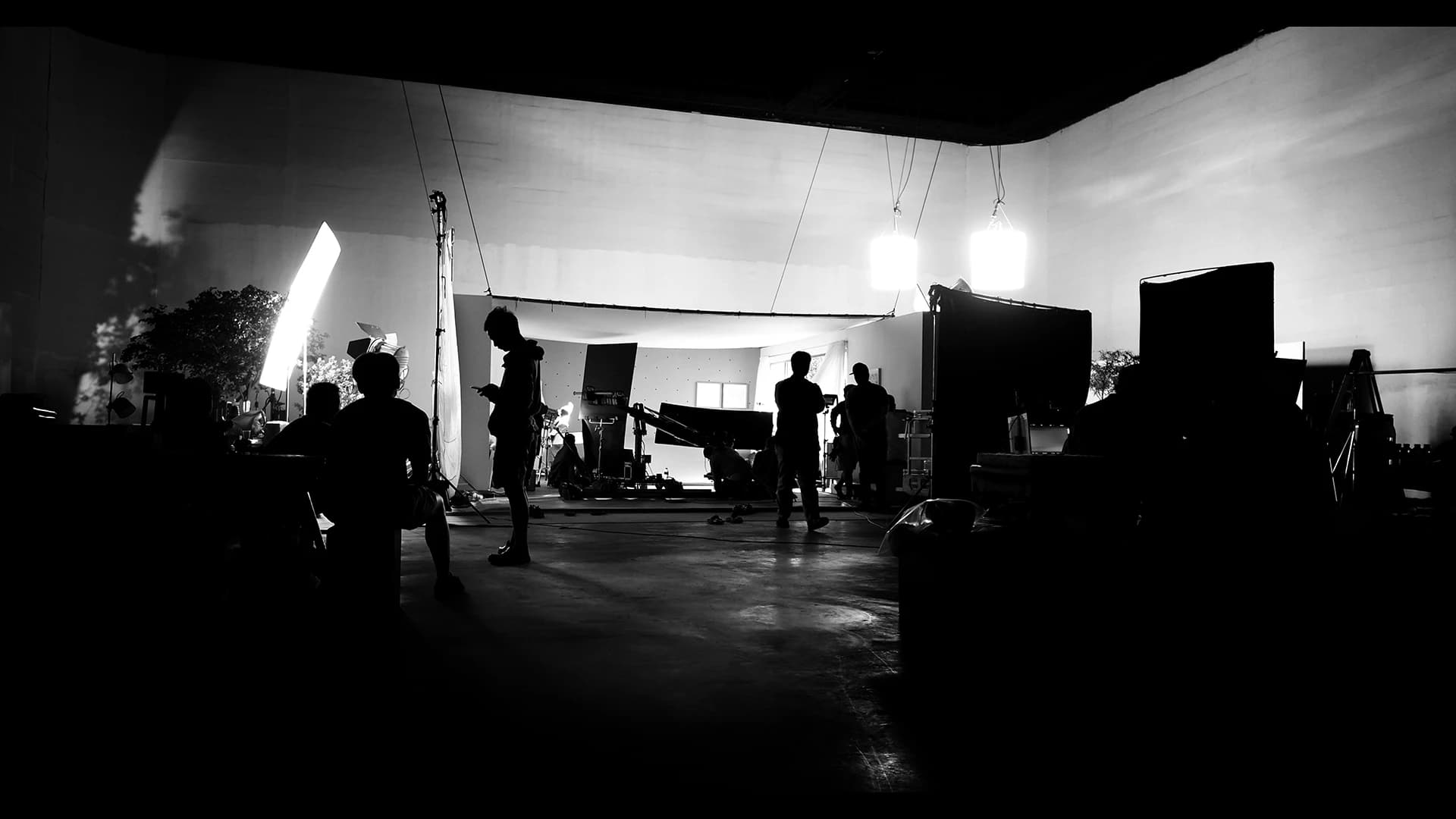
Start with camera positioning. The gold standard: position the camera at the character’s eye level, often just to the side of the actor’s face. This isn’t about literalism—it’s about creating the sensation that the audience is standing cheek-to-cheek with the character, close enough to feel the air move. This side placement maintains an objective camera treatment while still offering a subjective window (Joseph V. Mascelli, The Five C's of Cinematography, 1965). Forget over-the-shoulder conventions; true POV is more intimate, and it demands a camera setup that respects both spatial logic and emotional intent. For more on technical choices, see our guide to camera equipment.
Lenses matter. Wide-angle lenses are often the tool of choice, not just for their field of view but for how they mimic human peripheral vision. They pull the world into the character’s orbit, exaggerating movement and spatial relationships. Helmet- or chest-mounted rigs extend this realism, particularly in action-heavy or sports contexts, where the camera needs to track natural head movement without breaking the illusion (Pixflow, 2024). But in narrative or branded content, handheld rigs—operated with intention, not chaos—often strike the right balance between authenticity and audience comfort.
Camera movement strategies for POV
Movement is where most POV shots succeed or fail. Handheld work is seductive, but it’s a double-edged sword. Too much shake and you lose the audience to vertigo; too little and the shot feels clinical, detached. The practical answer is controlled handheld—using gimbals or stabilizers to keep the motion organic but not distracting. The goal is to echo the character’s physicality: a nervous glance, a stumble, a sudden turn. Static POVs have their place, especially when the character is rooted or paralyzed, but most commercial and narrative work demands a kinetic, lived-in feel. Shot composition is critical here; the frame must serve the character’s intent, not the operator’s comfort.
Matching visual style to character perspective
POV is more than a camera trick—it’s a storytelling device. The shot’s visual style should be dictated by the character’s state of mind. Is the world sharp and hyperreal, or blurred by adrenaline? Are colors heightened or drained? These choices are not arbitrary; they’re extensions of the script, the brand message, or the emotional beat. Integrating reaction shots is essential: establish the POV with a shot of the character looking off-screen, then cut to what they see, then back to their reaction. This rhythm grounds the audience and prevents the POV from feeling like a gimmick.
Sound design is the final, often overlooked, ingredient. Subjective audio—whether muffled, heightened, or distorted—anchors the POV in the character’s internal world. When the soundscape aligns with the visual, the illusion becomes complete. The anatomy of a point of view shot is, ultimately, a choreography of visual and technical elements, each calibrated to serve story and audience immersion. For those who care about both craft and outcome, there’s no shortcut—only choices, made with intent,
Planning POV Shots: Shot Listing and Pre-Production
How to create a shot list for point of view shots
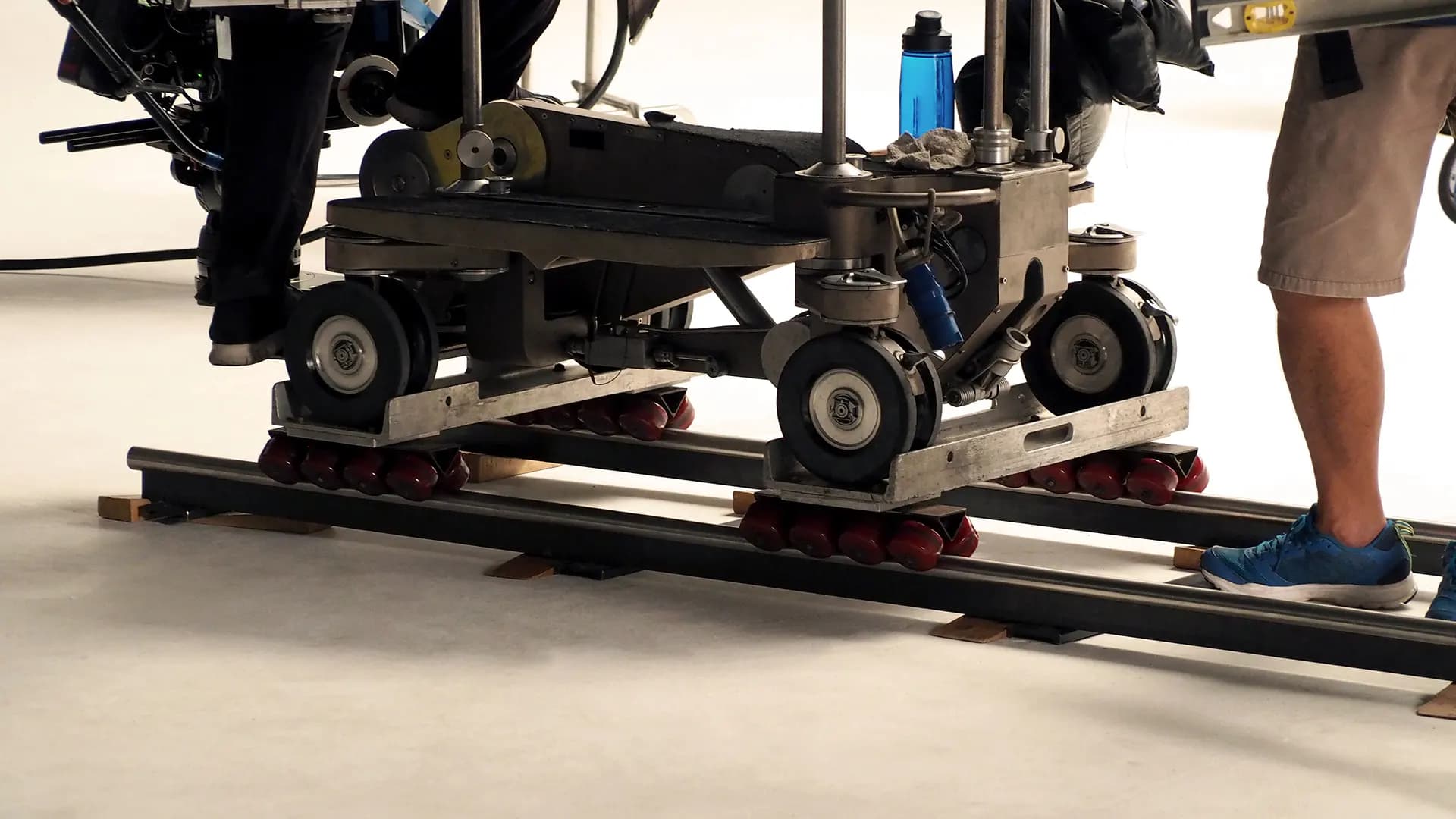
Planning POV shots starts before the camera ever rolls. In pre-production, the shot list is your blueprint. For point of view work, it must be more detailed than standard coverage. Each POV shot should specify not just the shot’s purpose, but whose perspective it represents, the intended camera movement—handheld, Steadicam, or static—and the angle, such as eye level or a deliberate high-angle. These details aren’t just technical; they’re narrative signposts. A well-constructed shot list for POV sequences ensures everyone from the director to the focus puller knows what the audience should feel and see at every moment (StudioBinder, 2023).
The best shot lists anticipate the physicality of the POV. Is the character moving quickly, ducking, or standing still? Will the camera mimic a subtle head turn or a jarring whip pan? These choices affect lens selection, rigging, and blocking—details that, if missed, can unravel on set and cost time. Use a shot list template designed for production planning to keep these variables front and center.
Storyboarding tips for POV scenes
A storyboard for POV isn’t just about framing. It’s about rhythm, proximity, and intent. When sketching out a POV sequence, start by marking the eyeline and the implied motion. The board should clarify what’s in focus—hands, props, or faces—and where the audience’s attention is pulled. Mark whether the camera needs to track with the actor’s movement or remain fixed. This level of specificity translates to more efficient prep and fewer surprises on set.
Storyboarding also helps anticipate technical challenges. For example, will you need a body rig to keep the camera steady during a sprint? Will lighting need to adapt as the character moves through different environments? These are the questions that storyboards, when approached rigorously, help answer long before gear is loaded into a van.
Collaboration between director and DP on POV execution
POV shots are never just a cinematographer’s problem. The director’s vision and the DP’s technical approach must align from the outset. In pre-production, this means sitting down with the script, walking through each POV beat, and agreeing on the emotional tone. Is the POV meant to feel immersive and subjective, or clinical and detached? These decisions inform every technical choice, from lensing to camera support.
Effective collaboration also means looping in the 1st AD, gaffer, and even the actor whose POV is being represented. Discuss crew roles, walk through the shooting schedule, and flag any risks—tight spaces, complex moves, or stunts—that could complicate execution. Assign clear action items to keep the shoot moving and avoid last-minute improvisation (Spirit Juice Studios, 2023).
Finally, communicate intent to every department. The art team needs to know what will be in frame. Costume may need to adapt for visible hands or arms. Sound may need to anticipate close mics for heavy breathing or dialogue delivered from the POV. The more specific you are in pre-production, the more freedom you have to experiment on set—without blowing the schedule.
Planning POV shots is about discipline and foresight. It’s the difference between a sequence that feels lived-in and one that feels like a gimmick. Get it right in pre-production, and the rest falls into place.

POV Shot Variations: Beyond the Basics
POV shot variations have evolved far beyond the textbook first-person perspective. In modern filmmaking, the point of view shot is a flexible narrative device—one that can be manipulated through camera placement, lens choice, and post-production to serve the story’s emotional and psychological needs. For creative directors and producers who live and die by the effectiveness of a shot, understanding these variations is more than technical trivia. It’s about expanding the toolkit for visual storytelling under real-world constraints.
Unconventional uses of the point of view shot
The most familiar POV shot is the literal first-person: the camera mimics a character’s eyes, often handheld or steadicam, putting the audience in their shoes. But the over-the-shoulder POV is equally potent, offering just enough subjective perspective while maintaining spatial context. This hybrid keeps the viewer tethered to the character but lets the director cheat the angle for performance or blocking needs.
Modern productions push further. Mounting the camera to a body rig, helmet, or even a prop can create visceral, immersive experiences. Think of the “gun cam” in action sequences or the use of GoPros for a raw, kinetic feel. These unique camera angles aren’t just for spectacle—they can communicate vulnerability, disorientation, or even claustrophobia when used with intention.
Creating stylized POV shots in post-production
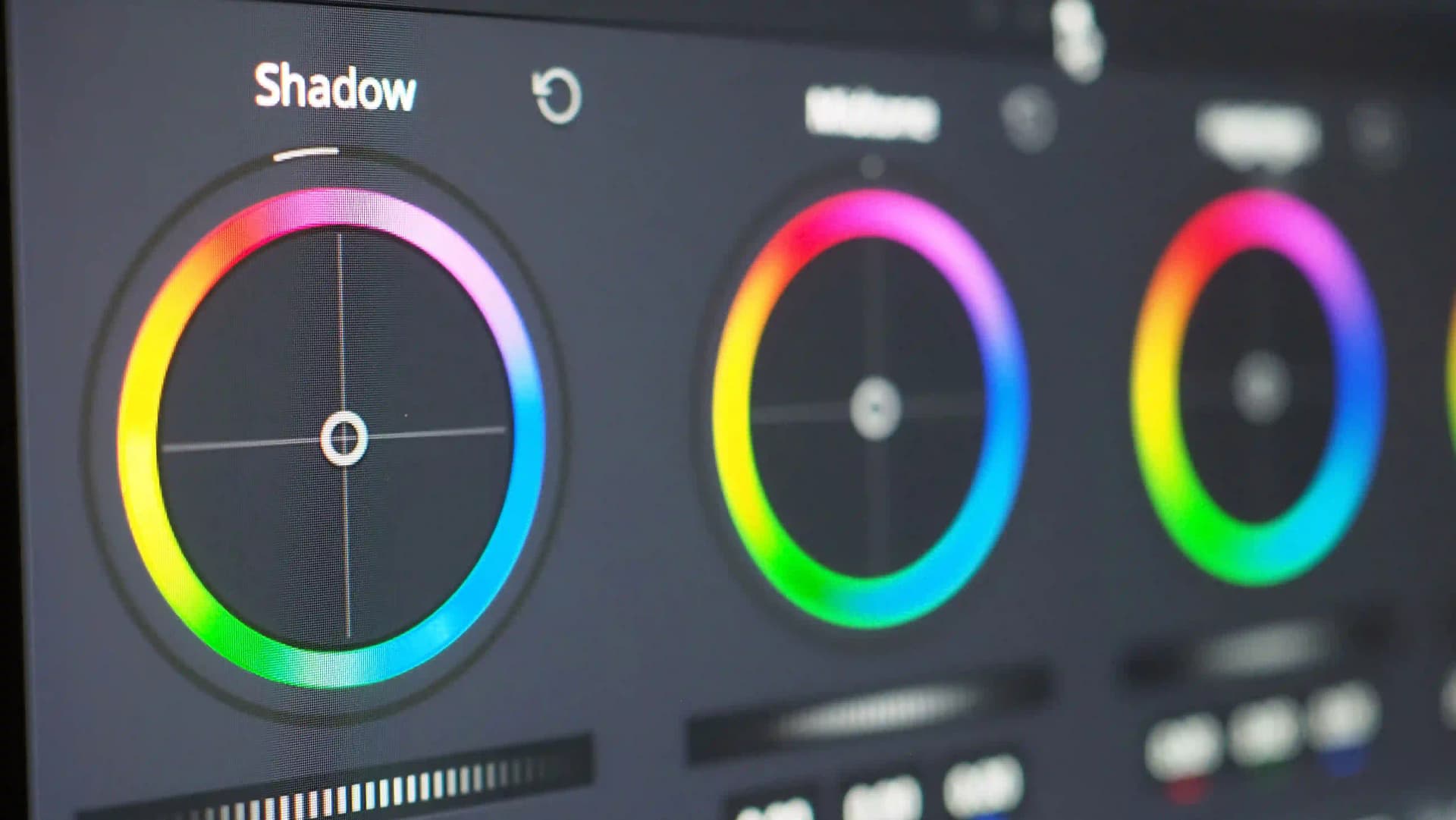
Visual distortions—blur, shallow focus, lens flares, even digital warping—are increasingly used to stylize POV shots in post. These creative POV techniques can suggest altered states: drunkenness, injury, or emotional overwhelm. The audience isn’t just seeing what the character sees; they’re feeling how the character feels. Color grading and selective focus are powerful tools here. A POV shot with a racked focus can shift attention within the frame, mirroring a character’s selective perception or confusion.
Mixing POV with other camera angles for storytelling
Blending POV shots with other angles is where the craft shows. A sequence might begin with a subjective POV, then cut to a wide or insert for context, before snapping back to the character’s perspective. This interplay keeps the viewer grounded in the scene while leveraging the intensity of the POV. It’s a rhythm—one that can escalate tension or reveal information at precisely the right moment.
POV is also invaluable for unreliable narration. By distorting the image or sound, or by breaking the visual grammar (jump cuts, sudden tilts), a director can cue the audience that what they’re seeing is filtered through a character’s bias or instability. In branded content, this is a way to inject personality or subvert expectations, especially when time is tight and every frame counts.
POV in experimental and avant-garde cinema
Avant-garde filmmakers have long embraced unconventional shots and POV experimentation. Here, the POV shot isn’t just a narrative device—it’s a statement. Cameras are placed in impossible positions, or the perspective shifts mid-scene to disorient or provoke. These choices are rarely arbitrary; they’re calculated risks that demand attention and invite interpretation.
For commercial and narrative work alike, the lesson is clear: POV shot variations are not just about mimicking eyesight. They’re about expressing subjectivity, manipulating audience empathy, and pushing creative boundaries. When deployed with intent, they transform the familiar into something singular—and unforgettable.
The Psychology of the Point of View Shot
The psychology of the point of view shot isn’t just a technical flourish—it’s a direct line to the audience’s nervous system. When the camera adopts a character’s literal gaze, it overrides the safe distance between viewer and story. Suddenly, the audience isn’t watching; they’re implicated. This shift in viewer perspective is no accident. Used with intent, the POV shot becomes a lever for audience immersion, empathy, and even manipulation.
How POV Shots Impact Viewer Emotions
Few techniques rival the POV shot for generating character empathy. When we see through a character’s eyes, their stakes become ours. The trembling hand, the quickened breath—these details, delivered in first-person, bypass intellectual detachment. Emotional storytelling becomes visceral. The audience’s pulse syncs with the character’s, whether it’s the dread of a shadowy corridor or the rush of a first kiss. This is not passive consumption; it’s embodied experience.
Using POV to Manipulate Suspense and Tension
Subjective perspective is a weapon in the hands of a director who understands timing. In suspense, the POV shot restricts information, forcing the audience to share the character’s uncertainty. We don’t know what’s lurking beyond the frame, only what the character can see. This selective blindness is fertile ground for tension. The audience is kept off-balance, compelled to anticipate, react, and—crucially—fear alongside the protagonist. The effect is amplified in horror and thriller genres, but it can be deployed anywhere stakes hinge on the unknown.
Psychological Risks of Overusing the Point of View Shot
But there’s a catch. Sustained POV sequences can backfire if not anchored in narrative purpose. Overuse risks alienation. The audience becomes hyper-aware of the device, breaking immersion instead of deepening it. There’s also the danger of monotony—too much subjectivity, and the film loses its visual rhythm, its breathing space. True audience immersion requires modulation: POV should punctuate, not dominate. When every moment is a POV, none of them land.
There’s a psychological toll, too. Extended POV can induce discomfort or even nausea, especially if handheld or frenetic. This can be a tool—think of how certain films use relentless POV to evoke panic or disorientation—but it’s a blunt instrument. If empathy tips into exhaustion, the audience disengages. The line between intimacy and intrusion is thin.
POV as a Tool for Fear, Intimacy, or Alienation
When wielded with discipline, POV is a scalpel for sculpting emotional response. In horror, it’s the monster’s breath on your neck. In romance, it’s the vulnerability of a gaze held too long. In stories about isolation, POV becomes a cage, trapping the viewer in a character’s solipsism. This is the real psychology of the point of view shot: it can bring the audience closer than any other technique, or it can push them away, depending on intent.
For creative leaders and marketers, understanding this tool is more than academic. It’s about making deliberate choices—when to invite the audience in, when to hold them at arm’s length, and when to let them feel the full weight of a character’s world. The POV shot isn’t just a lens; it’s a conduit for emotion, tension, and identification, shaping the very way stories are felt and remembered.
Point of View Shots in Different Genres
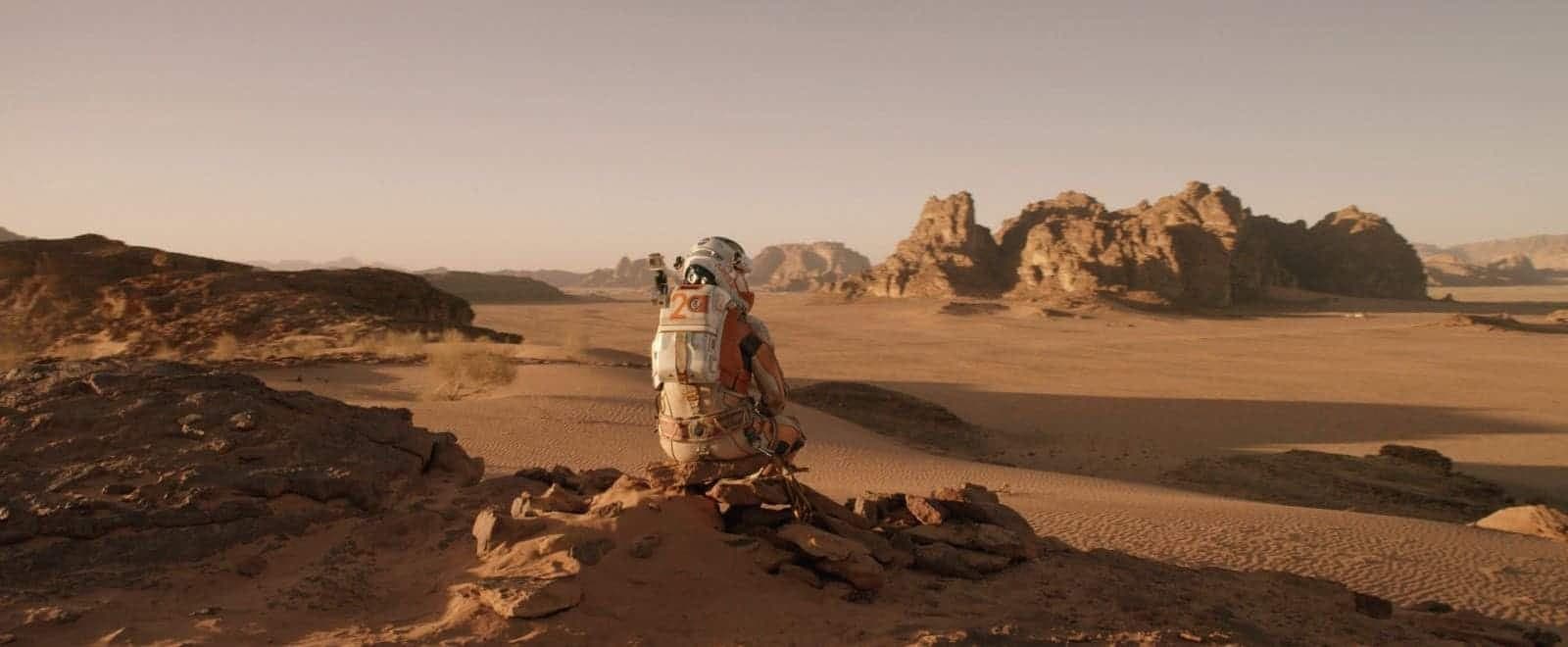
Point of view shots in different genres aren’t just technical flourishes—they’re narrative instruments, shaped by the demands of genre filmmaking. A POV shot is never neutral. Its meaning and impact shift dramatically depending on context, audience expectation, and the emotional contract of the genre. Understanding how genres deploy POV isn’t just academic; it’s a practical toolkit for every creative leader deciding how to immerse, unsettle, or connect with viewers.
How horror films use point of view shots
POV in horror is about weaponising perspective. When the camera becomes the eyes of the stalker or the victim, it collapses the distance between audience and threat. The effect is visceral: viewers are forced into complicity, seeing what the character sees, or worse, what the character cannot see. Classic horror leverages POV to manipulate suspense—think the slow, stalking shots of a slasher film, where the audience’s dread is built not by what’s shown, but by what’s withheld. In psychological thrillers, POV can destabilise reality, making us question whose version of events we’re actually witnessing. The result is always heightened tension, a direct line to the nervous system.
POV shot trends in action and adventure movies
In action, POV is about kinetic immersion. The genre’s appetite for adrenaline means POV is often deployed at moments of peak intensity—chase sequences, hand-to-hand combat, or first-person stunts. The camera may whip and tumble, echoing the chaos of the protagonist’s experience. This isn’t just spectacle; it’s a calculated move to collapse the barrier between viewer and action. The audience doesn’t watch the fight—they’re thrown into it. Recent trends in action filmmaking push this further, with extended POV sequences that mimic video game aesthetics, blurring the line between player and spectator. The goal is always the same: make every punch, leap, or crash feel personal.
Unique POV approaches in drama and romance genres
Drama and romance leverage POV for intimacy, not spectacle. Here, the shot is less about shock and more about emotional proximity. A subtle shift to a character’s perspective can reveal vulnerability, longing, or isolation. These moments are rarely flashy, but they’re potent—inviting the audience to inhabit a character’s emotional state, not just observe it. In romance, POV might be used to frame a lover’s gaze, turning a glance into a declaration. In drama, it can quietly align us with a protagonist’s struggle or doubt, making the story’s stakes feel immediate and lived-in. The technique is about empathy, not manipulation.
POV in documentaries, mockumentaries, animation, and video games
Documentaries and mockumentaries deploy POV to signal authenticity or self-awareness. The handheld, first-person perspective can place viewers in the thick of real events, or, in mockumentary, lampoon the conventions of “objective” filmmaking. Animation and video games, meanwhile, treat POV as a playground—unbound by physics, free to explore perspectives impossible in live-action. Here, POV can be literal (as in first-person games) or stylised, using visual language to guide player or viewer identification. These cross-genre applications reflect a broader truth: POV is never just a shot choice. It’s a statement about how a story should be felt, not just seen.
Across genres, the point of view shot is a chameleon—serving suspense in horror, intensity in action, intimacy in drama, and immersion in documentary or animation. For creative leaders, understanding the genre conventions behind POV isn’t optional. It’s the difference between a shot that merely looks clever and one that lands with maximum narrative force.

Common Pitfalls and Misconceptions with POV Shots
POV shot mistakes are rarely about technical skill alone—they’re often rooted in a fundamental misunderstanding of why the shot is being used in the first place. Executed well, a point of view shot can draw an audience deeper into a character’s experience. Executed poorly, it pulls them out. The gap between the two is where most productions stumble.
Avoiding common mistakes with point of view shots
The most frequent misstep is overuse. Directors and creatives, enamored with the immersive potential of POV, sometimes lean on it as a gimmick. The result is visual fatigue—audiences disengage when every moment is filtered through a character’s eyes, especially if the narrative doesn’t demand it. POV should be a scalpel, not a sledgehammer. Every use must be intentional, rooted in story logic, or it risks diluting its power.
Another misconception: that a POV shot automatically creates empathy. In practice, a poorly motivated POV can confuse the audience about whose perspective they’re inhabiting, or why. Without clear context—establishing shots, eye-lines, or narrative cues—a POV can feel arbitrary, even manipulative.
Technical problems that ruin POV effectiveness
Technical pitfalls are just as common as creative ones. The classic error is a misaligned camera height or angle. If the lens sits too high, too low, or moves in a way that doesn’t match natural human movement, the illusion collapses. Audiences are quick to spot when a supposed POV doesn’t feel like anyone’s actual view.
Camera movement is another minefield. POV shots demand more than simply strapping a GoPro to an actor’s head. Head-bobbing, excessive shake, or unnatural steadiness all break immersion. The camera must mimic the character’s physicality—subtle enough to feel real, controlled enough to avoid nausea or distraction. This is where a skilled operator shines, blending technical fluency with an actor’s intuition.
Exposure and focus are often overlooked. POV shots frequently push lenses wide and apertures open to exaggerate perspective, but this can backfire. Shallow depth of field or blown highlights can make it harder for audiences to orient themselves, especially in fast-paced sequences. The goal is clarity, not chaos.
How to balance POV with other shot types
A sophisticated approach to POV means knowing when not to use it. It’s tempting to show everything from a character’s vantage, but the most effective scenes often intercut POVs with objective coverage. This contrast keeps the audience grounded, offering relief from the intensity and allowing the POV to land with greater impact when it returns.
Smart productions treat POV as a tool, not a style. Before rolling, ask: does this shot serve the story, or just the reel? Is it clear whose eyes we’re looking through, and why? Are we risking filmmaking mistakes that pull viewers out of the moment? The answers demand discipline and a willingness to prioritize narrative over novelty.
Avoiding common POV errors isn’t about playing it safe—it’s about wielding the technique with precision. When POV is used with intent, technical discipline, and narrative clarity, it becomes one of the most powerful shots in the filmmaker’s toolkit. When misapplied, it’s just another distraction. The difference is always in the details.
The Future of Point of View Shots: Innovation and Technology
The future of point of view shots is being shaped by a convergence of technical leaps and creative restlessness. As practitioners, we’re no longer tethered to the bulk and limitations of yesterday’s gear. Instead, we’re navigating a landscape where POV shot innovation is driven by tools that are lighter, smarter, and more immersive. This shift isn’t just about new toys—it’s about fundamentally changing how audiences experience story and perspective.
How VR is changing point of view shot storytelling
Virtual reality in film has pushed POV to its logical extreme: the viewer isn’t just seeing through someone’s eyes—they’re inside the moment. VR filmmaking demands a rethinking of the POV shot. The frame disappears, replaced by a 360-degree environment where the audience’s gaze is the new camera movement. This isn’t a gimmick. When used with intent, VR enables immersive storytelling that puts the viewer at the emotional and spatial center of the action. The challenge is creative, not just technical: how do you direct attention and emotion when every angle is possible?
Emerging tech for next-generation POV shots
Lightweight, wearable cameras have liberated the POV shot from the tripod and dolly. Today’s rigs—smaller, more stable, and far more adaptable—allow for shots that move with a character through chaos, intimacy, or even the mundane. These tools open up possibilities for narrative films and branded content alike. Meanwhile, 360-degree cameras and volumetric capture are letting us record not just what’s in front of the lens, but the entire world around it. For creative leaders, this means POV can now be as dynamic as the story itself.
The role of AI in creating immersive POV experiences
AI and real-time rendering are quietly reshaping what’s possible for POV. AI-driven stabilization, auto-framing, and even generative enhancements can make subjective shots feel more seamless and intentional. In interactive media, AI can adapt the narrative in real time based on where the viewer looks or how they interact, creating audience-driven POV experiences. This is more than a technical upgrade—it’s a narrative revolution. The line between audience and protagonist blurs, and the POV shot becomes a gateway to new forms of engagement.
New narrative forms and the business of POV innovation
For marketers, founders, and creative directors, the evolution of POV technology isn’t just a craft conversation—it’s a business imperative. As audiences demand deeper immersion and agency, POV shot innovation will be a differentiator. From interactive branded content to cinematic trends that favor first-person storytelling, the opportunity is to build experiences that are both technically sophisticated and emotionally resonant. The future of point of view shots is not about chasing novelty; it’s about harnessing technology to serve story, perspective, and ultimately, connection.
We’re entering an era where the POV shot is no longer a stylistic flourish—it’s a narrative engine. The practitioners who thrive will be those who see past the gadgetry and understand how these tools can unlock new ways of seeing, feeling, and telling stories.
Conclusion
Point of view shots are not just another entry in the catalogue of filmmaking techniques—they are a deliberate choice that shapes the narrative perspective and, ultimately, the emotional architecture of a story. When executed with intent, POV shots become a direct line between the audience and the world onscreen, dissolving the glass between observer and participant. This is not about novelty or technical showmanship; it’s about anchoring the viewer in the protagonist’s experience, making each moment felt rather than simply witnessed.
The impact of POV shots on audience immersion is both immediate and cumulative. A well-placed POV can jolt viewers into the subjective reality of a scene, shifting their alignment from passive onlookers to active participants. The choice of lens, camera movement, and blocking all become extensions of the character’s psychology. On set, every technical decision—whether handheld or stabilized, wide or tight—serves the singular purpose of drawing the audience deeper into the story’s emotional core. There’s no shortcut here; it’s a craft that demands both precision and restraint.
Technological evolution has only expanded the creative palette for POV. Lightweight rigs, compact cameras, and advances in post-production allow for more dynamic, seamless integration of the viewer’s gaze with the character’s. But the fundamentals remain unchanged: POV is most effective when it’s motivated by the story, not just the gear. The best results come from a clear-eyed understanding of what the audience should feel, and a disciplined approach to visual storytelling that resists the urge to overuse the tool.
As narrative forms continue to blur across formats—commercial, branded, or narrative film—the role of POV shots in enhancing narrative engagement is only growing. They demand technical rigor, creative clarity, and a willingness to interrogate whose perspective is truly driving the scene. Used with intent, POV shots don’t just show us what’s happening; they make us live it. That’s the mark of a shot that earns its place in the edit.
FAQs
How to use a POV shot?
A POV shot places the audience directly into a character’s perspective, making them see and feel events as the character does. Use it to heighten intimacy, tension, or subjectivity. The trick is to motivate the shot—ensure there’s a narrative or emotional reason for the audience to inhabit that specific viewpoint. Overuse dilutes its impact.
What are examples of POV shots in film?
Standouts include the opening sequence of “Halloween,” where the camera becomes young Michael Myers; “Requiem for a Dream,” with its disorienting drug trip perspectives; and “Children of Men,” which uses visceral POV to immerse viewers in chaos. Each uses the technique to push narrative or emotional immersion, not just for novelty.
How to create a shot list for POV shots?
Start by defining the narrative purpose for each POV. List the beats where character perspective is essential. For each, note intended lens, camera height, movement, and blocking. Include technical notes—steadicam, handheld, or body rig. Make sure continuity and eye-lines are mapped out to avoid disorientation in the edit.
What is the art of the subjective camera?
The subjective camera goes beyond POV shots—it’s about crafting shots that make the audience feel what the character feels, not just see what they see. This can involve lens choice, movement, sound design, and even color. The goal is to blur the line between observer and participant, drawing viewers into the character’s internal world.
How to plan POV shots in filmmaking?
Begin in pre-production by identifying scenes where POV enhances story or emotion. Collaborate with director and actors to choreograph movement and timing. Test rigs and lenses for comfort and realism. Rehearse blocking—POV shots often require unconventional setups. Always plan for extra takes; these shots are demanding for both crew and cast.
What are common mistakes with POV shots?
Common missteps include using POV without narrative justification, awkward camera movement that breaks immersion, and poor continuity between POV and coverage shots. Technical errors—like mismatched eye-lines or shaky footage—can distract rather than engage. The best POV shots are seamless, purposeful, and technically invisible to the audience.
How is VR changing point of view shot storytelling?
VR removes the traditional frame, placing viewers inside the world with full agency over where they look. This demands a rethink of POV: blocking, sound, and action must guide attention organically. VR’s immersive potential makes subjective storytelling more visceral, but also more complex—there’s no hiding weak direction or lack of narrative clarity.
.webp)
Creative Collaboration Platform: The Backbone of Modern Creative WorkWhat is a creative collaboration platform?Clapboard defines a creative collaboration platform as the operational core for today’s distributed creative teams. This is not a collection of digital collaboration tools stitched together; Clapboard’s system
Understanding the Creative Production MarketplaceWhat is a Creative Production Marketplace?Clapboard defines a creative production marketplace as a structured ecosystem where brands, agencies, and production talent converge to execute video, advertising, and branded content at scale. Unlike the legacy agency or freelanREAD FULL ARTICLE
The Urgent Need for a Creative Production Operating SystemWhy Traditional Creative Production Models Break DownClapboard sees the creative production landscape shifting under pressure. Content velocity is no longer a buzzword—it’s a mandate. Modern advertising demands relentless output across dozens of channels, each wREAD FULL ARTICLE
JOIN THE NEWSLETTER.
Content Production insights, videos, books, and freebies, delivered to your inbox weekly


LEAVE A COMMENT
Your email address will not be published.