


Varun Katyal | Founder, Clapboard
Varun Katyal is the Founder & CEO of Clapboard and a former Creative Director at Ogilvy, with 15+ years of experience across advertising, branded content, and film production. He built Clapboard after seeing firsthand that the industry’s traditional ways of sourcing talent, structuring teams, and delivering creative work were no longer built for the volume, velocity, and complexity of modern content. Clapboard is his answer — a video-first creative operating system that brings together a curated talent marketplace, managed production services, and an AI- and automation-powered layer into a single ecosystem for advertising, branded content, and film. It is designed for a market where brands need content at a scale, speed, and level of specialization that legacy agencies and generic freelance platforms were never built to deliver. The thinking, frameworks, and editorial perspective behind this blog are shaped by Varun’s experience across both the agency world and the emerging platform-led future of creative production. LinkedIn: https://www.linkedin.com/in/varun-katyal-clapboard/
Why Filmmakers Choose Deep Focus Cinematography
Creative advantages of deep focus cinematography
Deep focus cinematography isn’t just an aesthetic—it’s a deliberate choice that signals intent. When every plane of the image is sharp, the frame becomes a living tableau. This gives directors and DPs the latitude to stage action across foreground, midground, and background, letting the audience decide where to look. It’s a technique that trusts the viewer’s intelligence and curiosity. For commercial directors, deep focus can elevate a product shot by embedding it within a rich environment, not isolating it. In narrative work, it’s a way to layer meaning without resorting to exposition or heavy-handed inserts. This is the craft at its most transparent: everything is visible, nothing is hidden, and the world feels real and continuous.
How deep focus enhances storytelling
Deep focus is a tool for visual storytelling that operates on both conscious and subconscious levels. When the frame is open and democratic, the audience becomes an active participant. They can track parallel actions, notice character relationships, or catch visual motifs that might otherwise be lost. In scenes with complex blocking, deep focus allows the choreography to play out organically—think of a family dinner where tension simmers in the background while conversation flows up front. This narrative depth isn’t just visual; it’s psychological. By refusing to privilege one subject over another, the technique invites viewers to read between the lines, making the story richer and more ambiguous. For marketers and creatives, this means you can embed brand messages or emotional cues throughout the frame, letting them register without a hard sell. If you’re looking for practical visual storytelling tips, deep focus is a masterclass in subtlety.
When should you use deep focus in your film?
Not every project demands deep focus, but when it’s right, it’s irreplaceable. Use it when the environment is as important as the action—when the context shapes the character, or when multiple storylines intersect in a single space. It’s especially effective in ensemble scenes, architectural showcases, or any sequence where spatial relationships matter. For branded content, deep focus can situate a product within a lifestyle, making the setting part of the pitch. In narrative films, it’s the go-to for moments when you want the audience to piece together meaning from the entire mise-en-scène. The key is to ask: does the scene gain complexity if the whole world is in focus? If yes, deep focus is the right call.
Practical considerations for achieving deep focus
The technique demands more than just stopping down the lens. Achieving true deep focus requires coordination across departments. Set design must hold up to scrutiny; every detail is visible. Blocking becomes a choreography of depth, with actors moving in and out of multiple planes. Lighting needs to be broad and even, often requiring higher output to compensate for smaller apertures. It’s a technical challenge, but one that pays off in narrative depth and viewer engagement. For filmmakers who thrive on control and intentionality, deep focus is a discipline that rewards preparation. If you’re refining your filmmaker techniques, mastering deep focus will sharpen your eye for detail and spatial storytelling.
Ultimately, deep focus cinematography is chosen by filmmakers who want to build worlds, not just capture moments. It’s a technique that demands rigor, but when executed well, it pulls the audience into the frame—making them a participant in the story, not just a spectator.
What Is Deep Focus Cinematography?
Deep focus cinematography explained for beginners
Deep focus cinematography is a technique where everything in the frame—from the closest foreground element to the distant background—remains in sharp, simultaneous focus. Unlike selective or shallow focus, which isolates a subject by blurring out other planes, deep focus preserves clarity across the entire depth of the scene. The result is a layered image where multiple story elements coexist visually, inviting the viewer to explore the whole frame rather than dictating a single point of attention.
This approach isn’t just a technical feat; it’s a deliberate creative choice. Deep focus cinematography leverages the full depth of field, using smaller apertures and wider lenses to achieve maximum sharpness throughout. The technique often requires precise lighting and careful staging, since every element, whether foreground or background, will be scrutinized by the audience’s eye. In practice, it means that a conversation at a dinner table can share narrative weight with actions unfolding in the background—nothing is hidden, everything is up for interpretation.
How deep focus differs from shallow focus
To understand what makes deep focus stand out, it helps to contrast it with shallow focus—a mainstay of modern branded content and commercials. Shallow focus uses a narrow depth of field to isolate the subject, blurring the rest into abstraction. It’s a tool for directing attention, controlling mood, and often, for hiding less-than-ideal set elements. Deep focus, on the other hand, refuses to let anything slip away. It democratizes the frame, making every detail available to the audience. This can create tension, complexity, or simply a sense of realism that shallow focus can’t match.
Other camera focus techniques—like rack focus, where attention shifts between planes, or split diopter shots, which cheat the rules of optics—each serve specific narrative needs. But deep focus is about presence. It’s about letting the viewer choose where to look, trusting the audience to read the whole image. In commercial and narrative work alike, it’s a statement of confidence in both the story and the craft.
Understanding depth of field in filmmaking
At the heart of deep focus cinematography is the concept of depth of field: the range within a shot that appears acceptably sharp. A deep depth of field means most or all of the image is in focus, while a shallow depth of field restricts focus to a limited zone. Achieving deep focus requires technical discipline—stopping down the lens (higher f-stop), increasing light, and often using wider lenses to maximize the in-focus area. It’s not always practical, especially on fast-moving sets or in low light, but when pulled off, it creates a visual richness that rewards repeat viewing.
The visual and storytelling impact of deep focus
Deep focus cinematography is more than a visual trick; it’s a narrative device. In the right hands, it allows for complex staging and layered storytelling. Think of films where a character’s reaction in the background is as critical as the action in the foreground. Deep focus lets both moments play out in real time, side by side, without editorial intrusion. It’s a technique that respects the intelligence of the audience and the integrity of the scene.
Historically, deep focus has been used to powerful effect by directors who want to immerse viewers in a world that feels lived-in and authentic. It’s a hallmark of classic cinema but remains relevant in contemporary production, especially when the goal is to create images that are dense with information and open to interpretation. For creatives and marketers alike, understanding deep focus cinematography isn’t just about technical know-how—it’s about harnessing a tool that shapes how stories are told and experienced.
The Mechanics of Achieving Deep Focus
Achieving deep focus isn’t a trick—it’s a deliberate orchestration of camera settings, lens choice, lighting, and workflow. When the creative intent demands that every plane of the image holds visual and narrative weight, the technical process becomes as crucial as the artistic one. Here’s how practitioners actually deliver deep focus cinematography, shot after shot, under real production constraints.
Best camera settings for deep focus cinematography
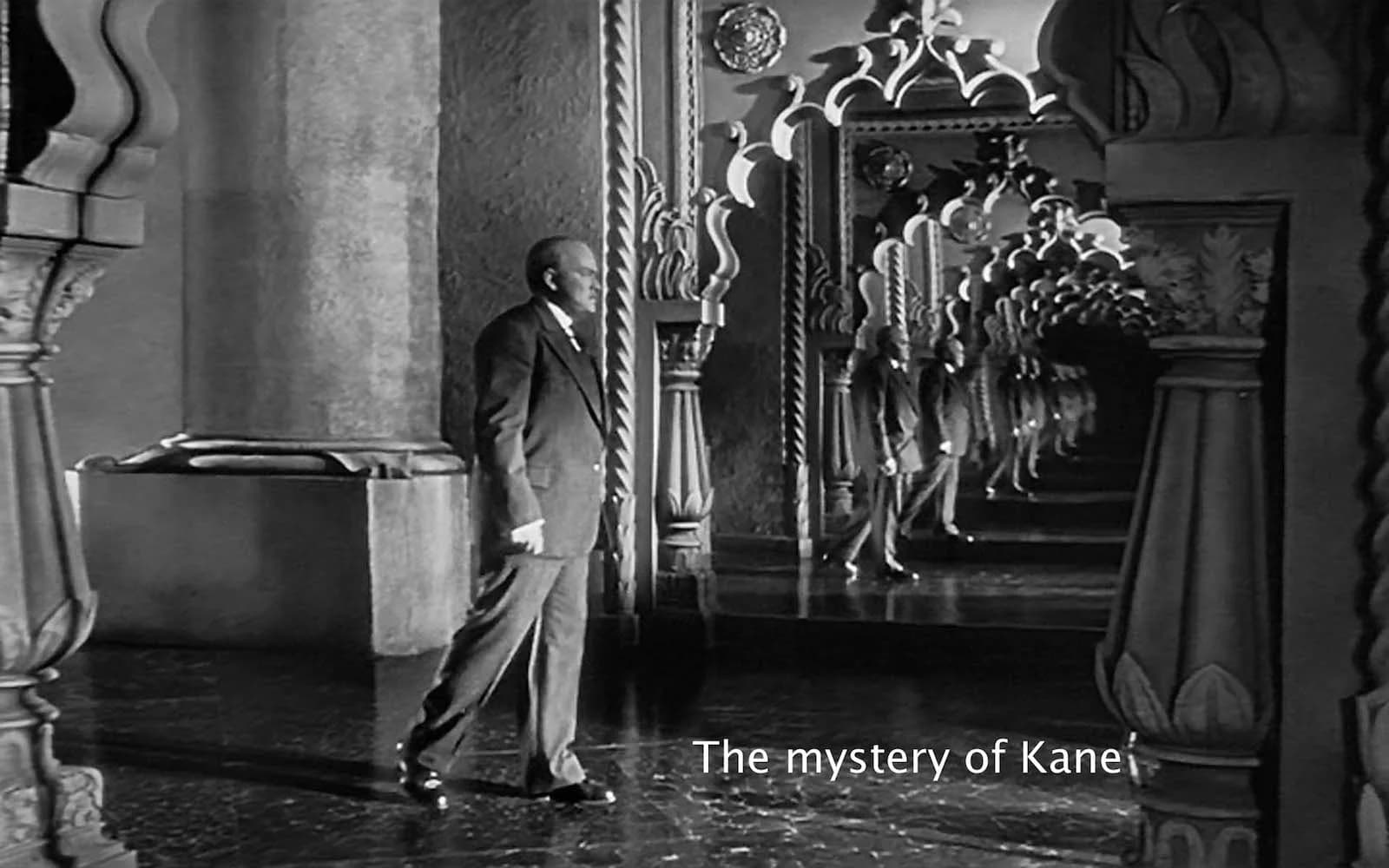
The foundation of achieving deep focus lies in maximizing depth of field. This starts with the aperture. Stopping down to narrower apertures—typically f/8 to f/16—forces more of the scene into focus. The legendary deep focus work in Citizen Kane relied on exactly these settings, with apertures locked between f/8 and f/16 to keep foreground and background sharp (Cinematography Forums, 2014). Of course, a narrow aperture cuts light, so ISO and lighting must compensate. Shorter focal lengths—wider lenses—also help, as they inherently offer greater depth of field at the same aperture (MasterClass, 2024). Sensor size matters: smaller sensors (like Super 35) make deep focus easier than full-frame or larger formats, where depth of field naturally shrinks.
How to choose the right lens for deep focus shots
Lens choice is never just about focal length. Wide-angle lenses—18mm, 21mm, 24mm—are the workhorses of deep focus. They not only exaggerate spatial relationships but also help keep every plane crisp. But not every wide lens is created equal. Look for lenses with minimal distortion and strong corner-to-corner sharpness. Fast, modern wide-angles can hold resolution even at smaller apertures, which is critical when you’re stopped down. Vintage glass may add character, but watch for softness at the edges, which can undermine the effect. If you’re mixing formats or lens sets, test for consistency—deep focus is unforgiving of mismatched optical performance.
Lighting techniques for maximum depth of field
Lighting is the make-or-break element in deep focus cinematography. Narrow apertures demand more light—sometimes much more than a standard set-up. The solution isn’t just brute force; it’s intelligent layering. Light the foreground, mid-ground, and background separately, sculpting each with its own source or modifier. Backlights and edge lights define planes, while strategic contrast gives each layer visual separation. This approach doesn’t just solve exposure—it creates dimensionality, ensuring the image doesn’t flatten out (YouTube - Cinematography Breakdown, 2024). Practical fixtures can help, but expect to supplement with HMIs, LEDs, or bounced sources to hit your stop without sacrificing mood.
On-set workflow: achieving and maintaining deep focus
On set, deep focus demands discipline and coordination. Start with a technical rehearsal: mark focus points across all planes, and measure distances precisely. Communicate with art and lighting teams—background elements must be dressed and lit as carefully as the foreground. Monitor with a calibrated display, not just a viewfinder, to catch any focus falloff. Pulling focus becomes less about tracking a subject and more about ensuring no plane slips out of the zone. Build in time for lens swaps and lighting tweaks—deep focus setups are slower than shallow-focus coverage, but the payoff is in the storytelling clarity.
Common challenges and troubleshooting tips for deep focus
Expect problems. Narrow apertures may push you to the edge of your lighting budget or force compromises on ISO. Watch for diffraction at very small stops, which can soften the image. If you’re shooting handheld, wide lenses exaggerate shake
Deep Space vs. Deep Focus: Clarifying the Concepts
Deep space vs. deep focus: What’s the difference?
Deep focus cinematography and deep space cinematography are often conflated, but they serve different functions in visual storytelling. Deep focus refers to an optical technique: keeping the foreground, mid-ground, and background all sharply in focus, usually achieved with a wide depth of field and careful lens choice. Deep space, on the other hand, is a compositional strategy—placing key elements at multiple depths within the frame, whether or not they’re all in focus. The distinction is more than technical; it’s foundational to how a scene communicates narrative and emotional information.
How mise-en-scene supports deep focus cinematography
Deep focus cinematography is only as effective as the mise-en-scene that supports it. If every plane is in focus but the blocking is flat, the image feels inert. True deep focus demands that the production designer, director, and cinematographer collaborate on staging action across several spatial layers. This allows the viewer’s eye to travel, discover, and interpret meaning from the relationships between characters and their environment. In practice, achieving deep focus requires a combination of short focal lengths, narrow apertures, and high-intensity lighting to maintain exposure—techniques that are deliberate and rarely accidental (StudioBinder, 2023).
Practical uses of deep space composition
Deep space composition, or deep staging, is about how you arrange the world in front of the lens. It’s not dependent on everything being sharp. In fact, some of the most effective uses of deep space employ selective focus to direct attention while still maintaining a layered mise-en-scene. Classic examples: a foreground character in crisp focus, with a crucial action unfolding in a softly rendered background; or, inversely, the background sharpens into narrative prominence while the foreground recedes into blur. This flexibility is why deep space is a staple of both narrative and commercial work—its ability to encode subtext and tension within a single frame is unmatched.
Mixing techniques: Overlaps and distinctions in the field
On set, these approaches often overlap. Deep space can be rendered with deep focus for maximal clarity, or paired with shallow focus for more controlled emphasis. Films frequently blend both, using deep space to stage action and deep focus to let the audience choose where to look, or conversely, using shallow depth of field to dictate the gaze within a deep space composition (Ad Ferro Affero, 2010). The key is intentionality. Deep focus is a tool for democratizing the frame, while deep space is a strategy for structuring it. Confusing the two leads to muddled intent—either a technically perfect image that says nothing, or a carefully staged scene that’s visually incoherent.
Common misconceptions and why clarity matters
The persistent confusion between deep focus and deep space isn’t just academic—it affects how projects are prepped, shot, and ultimately received. Clients and creatives alike use the terms interchangeably, which muddies expectations and results. Precision in language leads to precision in execution. When everyone on set understands the difference, the resulting images are more purposeful, layered, and narratively rich. That’s the real goal: using every available technique—optical, compositional, collaborative—to serve the story and the brand.
Shot Listing and Planning for Deep Focus Scenes
How to create a shot list for deep focus cinematography
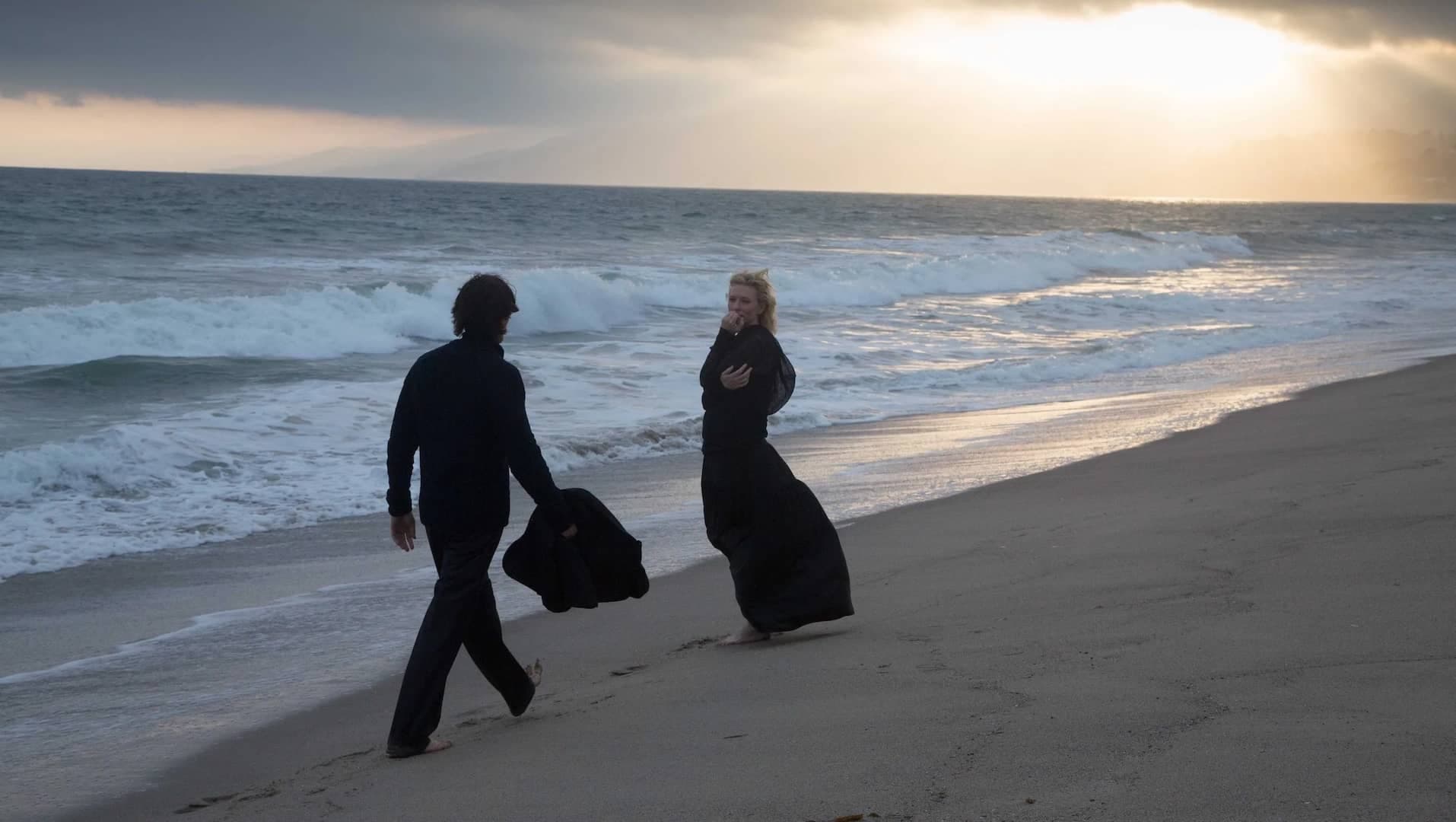
Shot listing for deep focus isn’t just about ticking boxes—it’s about constructing a visual map that leverages the full dimensionality of the frame. Every shot must be architected with foreground, midground, and background elements in mind. Begin by identifying narrative beats where spatial relationships matter. For each, specify lens choices, aperture targets, and camera positions that maximize depth. Your shot list should detail not only the composition but also the intended focal planes, so there’s no ambiguity when you hit the floor. Integrate these notes directly into your shot list templates—don’t leave deep focus as an afterthought. If a scene demands a 24mm at T4 to hold three actors in crisp relief, write it in. Precision here prevents compromises later.
Pre-production tips for deep focus scenes
Deep focus is won or lost in pre-production planning. Schedule time with your production designer to walk through every scene that requires layered focus. It’s not just about the camera—it’s about what fills the frame. Will that background element reinforce the theme, or distract? Are props placed to create intentional sightlines, or clutter? Use storyboards to visualize depth: sketch blocking that sends the eye from foreground action to a background reveal. Storyboards should mark not just character positions, but also key set pieces and practical lighting that will help maintain stop. During tech scouts, test sightlines and distances with stand-ins, and adjust the set plan before build. Deep focus is unforgiving of afterthoughts.
Collaborating with your team for deep focus planning
This is where the DP’s vision meets the practical reality of the set. Early alignment with the director is critical—deep focus is a narrative choice, not just a look. Discuss which moments demand every layer sharp, and where selective focus still serves. Bring in your gaffer early to map out lighting that delivers enough exposure at smaller apertures, without flattening the scene. Loop in the 1st AC to anticipate focus pulls—deep focus doesn’t mean no focus work, especially with moving subjects or shifting blocking. For production design, brief your team to think in planes: objects in the deep background must be as intentional as those in the front. The same rigor applies to costume and color design; clashing tones in the background will pull the eye, sabotaging your intent.
Communication is the linchpin. Share annotated shot lists and storyboards with department heads. Walk the crew through blocking and set geography during pre-light and rehearsals. Encourage questions—deep focus is a team sport, and every department’s buy-in is non-negotiable. When everyone understands why that lamp must sit exactly there, or why an actor’s cross matters to the composition, you unlock the real power of deep focus: storytelling that’s immersive, layered, and deliberate.

Deep Focus Cinematography in Classic and Modern Films
Deep focus cinematography in film is not just a technical feat—it's a storytelling philosophy. At its core, deep focus keeps foreground, midground, and background all sharp within the same frame. This approach, foundational to classic cinema techniques, creates a visual democracy: every plane matters, every detail is available for the audience to interpret. In the hands of directors and cinematographers who understand its power, deep focus is less about showing off technical prowess and more about expanding narrative complexity and thematic resonance.
The evolution of deep focus cinematography in film
Historically, deep focus emerged as both a solution and a statement. Early practitioners worked within the constraints of slower film stocks and less sensitive lenses, which made achieving a wide depth of field challenging. But as film stocks improved and lens designs evolved, deep focus became a deliberate choice, not an accidental byproduct. In classic cinema, it was often used to layer meaning—placing simultaneous actions or reactions in a single shot, forcing viewers to engage with multiple threads at once. It was a rejection of the shallow, selective focus that simplified visual storytelling. Instead, deep focus invited complexity.
As technology advanced, so did the flexibility of the technique. Faster lenses, improved lighting, and eventually digital sensors made deep focus more accessible and less technically restrictive. But accessibility did not diminish its power. Instead, it shifted the conversation from "can we achieve this?" to "should we, and why?" The best practitioners understood that deep focus is not always the answer—it’s a tool to be wielded with intent, not a default setting.
How modern filmmakers use deep focus
In modern filmmaking, deep focus has become a conscious stylistic decision rather than a technical marvel. Digital workflows and post-production tools have made it possible to simulate or enhance depth of field in ways that were unthinkable on celluloid. Yet, when contemporary directors and cinematographers employ deep focus, it’s often to evoke a sense of realism, tension, or layered meaning. The technique persists because it still asks the audience to look beyond the obvious, to question what’s happening in the periphery, to see a world that extends beyond the protagonist’s immediate experience.
Today’s filmmakers, aware of the legacy of classic cinema techniques, use deep focus to ground their stories in a tactile reality. In ensemble scenes, for instance, it allows the camera to observe group dynamics without cutting away, capturing subtle shifts in power or emotion. In high-stakes moments, it can heighten suspense by keeping threats visible in the background, never letting the viewer’s eye rest comfortably.
Iconic moments shaped by deep focus
The most memorable uses of deep focus cinematography in film are those that serve the story rather than the spectacle. Iconic film shots leverage depth to reveal character relationships, social hierarchies, or psychological states. A sharply rendered background can expose the true stakes of a scene, or offer silent commentary on the protagonist’s isolation amid a crowded world. In both classic and contemporary cinema, these moments endure because they use visual space to articulate subtext, not just surface action.
For today’s filmmakers, the lesson is clear: deep focus is a tool for narrative layering, not just visual clarity. Its evolution mirrors the shifting priorities of cinema itself—from technical innovation to expressive intent. Understanding its history and potential ensures that, whether working on a period piece or pushing the boundaries of modern filmmaking trends, deep focus remains a living, breathing part of the cinematographer’s toolkit.
Common Misconceptions About Deep Focus Cinematography
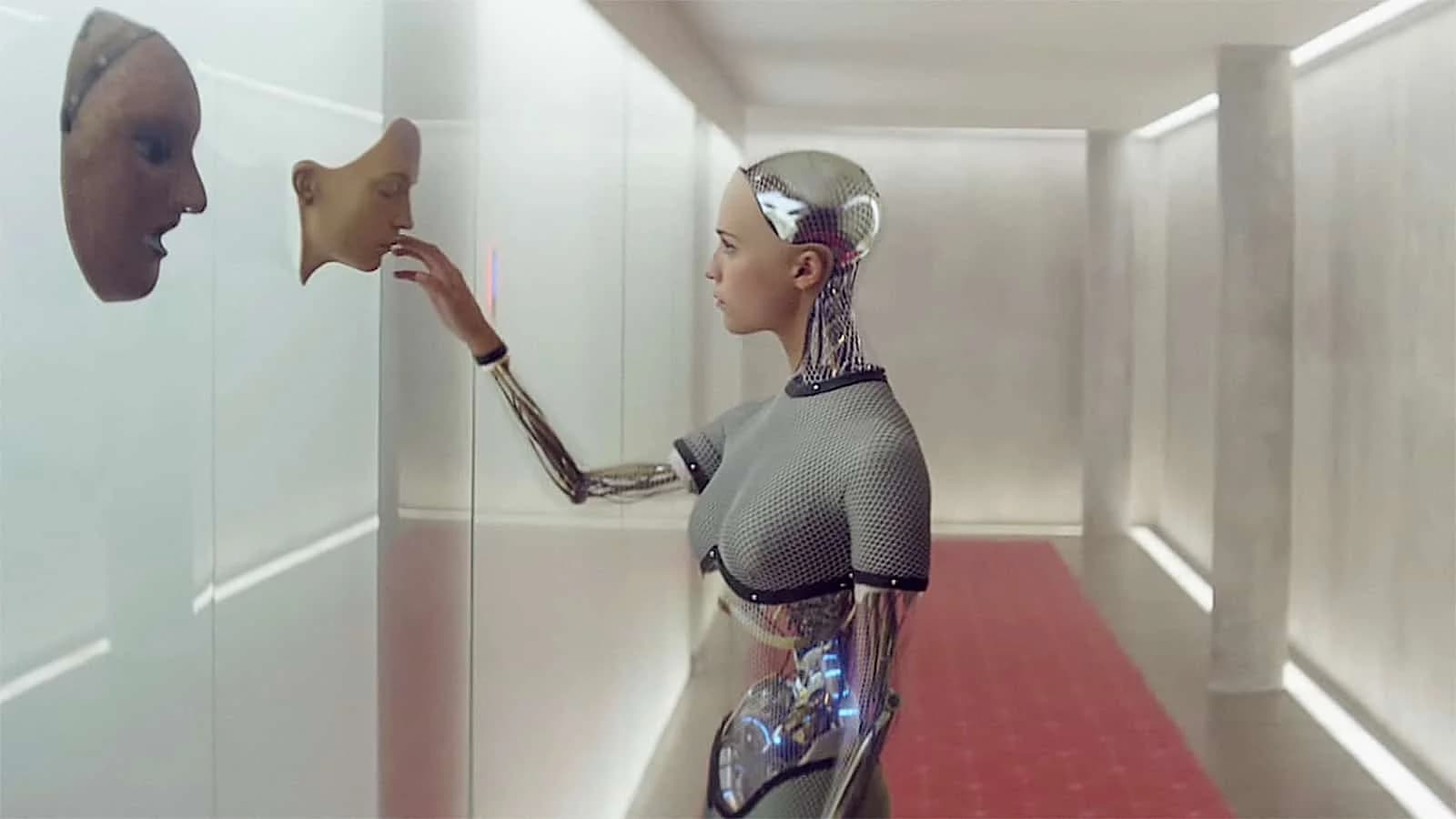
Deep focus cinematography myths persist because the technique is often misunderstood by those chasing a “cinematic” look without grasping its real-world demands. The allure is obvious: everything sharp, every detail visible, the frame alive from foreground to infinity. But myths about deep focus cinematography can lead to poor creative choices, wasted time, and disappointing results. Let’s cut through the fog and address the most persistent misconceptions about deep focus, especially for those who think it’s just about turning the aperture dial and letting the camera do the rest.
Myths about deep focus cinematography debunked
The first and most stubborn myth is that deep focus is simply about technical sharpness. In reality, deep focus is a compositional tool, not just a measure of how much is in focus. It’s about maintaining visual relationships across the frame, using depth to create meaning or tension. Chasing maximum sharpness across all planes can flatten a shot or distract from the subject if not motivated by the narrative. Deep focus is not a default look — it’s a deliberate choice, and sometimes, less is more.
Another common misconception is that deep focus requires the most expensive lenses and the highest-end cameras. In practice, achieving deep focus is less about gear and more about understanding exposure, sensor size, and the interplay of aperture, focal length, and subject distance. Yes, certain optics make the job easier, but creative problem-solving on set — using practical lighting, adjusting blocking, or even stopping down further than you’d like — often matters more than the brand name on your lens.
Common mistakes when attempting deep focus
Film focus errors are rampant among beginners who think deep focus means “everything must be sharp, always.” This leads to over-lit, sterile images or a lack of separation between subject and background. The most frequent beginner mistakes include underestimating the lighting required to stop down for deep focus, ignoring the effect on noise and exposure, and forgetting that deep focus can make a cluttered set look even messier. It’s easy to lose control of the image if you don’t plan for what’s actually in your frame from front to back.
One of the classic beginner filmmaking mistakes is assuming deep focus is always the mark of a professional production. In truth, it’s context-dependent. Sometimes, shallow depth of field tells the story better by isolating a character or detail. Deep focus, when used without narrative justification, can feel arbitrary or even undermine the emotional intent of a scene.
When not to use deep focus in your project
There’s a persistent belief that deep focus is universally desirable, but this ignores the demands of story and tone. Not every project benefits from maximal clarity. In tense, psychological scenes, selective focus can heighten subjectivity and direct the viewer’s attention. Deep focus can dilute that, making shots feel observational rather than immersive. The best cinematographers know when to break the so-called rules — and when deep focus will actually serve the narrative, not just the technical checklist.
Finally, set expectations for what’s achievable. Not every location, lighting setup, or schedule will allow for perfect deep focus. Sometimes, compromises are necessary — and that’s not failure, it’s filmmaking. The myth that deep focus is a badge of technical mastery or a shortcut to “cinematic” visuals is just that: a myth. Make your choices with intention, not imitation.
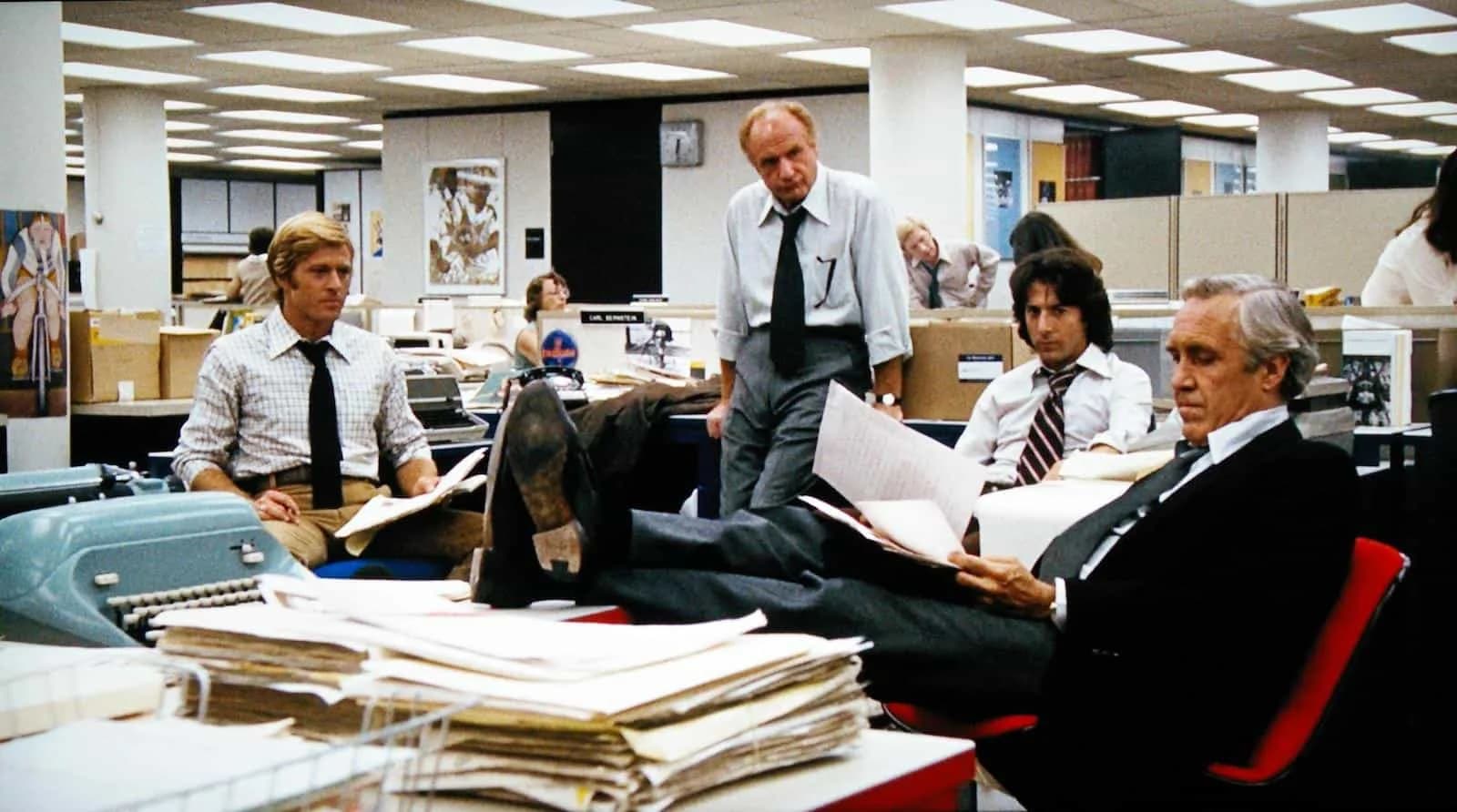
Trade-Offs and Limitations of Deep Focus Cinematography
Deep focus cinematography is seductive: everything sharp, every layer of the frame alive. But the reality is less forgiving than the theory. The deep focus cinematography limitations are hard facts, not just technical trivia. They shape what’s possible on set, and force choices that ripple from prep to post.
Technical limitations of deep focus cinematography
Getting everything in focus isn’t just a matter of stopping down. You need serious light—often more than most locations or schedules can tolerate. Shooting at f/8 or higher demands punchy fixtures, which means more power, more heat, and bigger setups. On tight interiors, you run into physical constraints: there’s only so much space to push your lighting, and only so many places to hide it. Wide lenses help, but distort perspective and can flatten faces—hardly ideal for every story. Camera sensors, no matter how advanced, don’t cheat physics. If you’re working fast, or in a practical location, these technical constraints can quickly become dealbreakers.
Creative trade-offs when using deep focus
Deep focus imposes its own creative trade-offs in film. When everything is sharp, there’s nowhere to hide. Background action becomes as legible as foreground, which can clutter the image or dilute the viewer’s attention. Blocking and staging must be precise: every extra, every prop, every movement in the frame needs to serve the story. There’s less room for improvisation or happy accidents. Directors and DPs have to think spatially, not just emotionally. This can slow the pace on set, especially when clients expect flexibility or fast turnarounds. The depth of field challenges aren’t just technical—they’re about narrative control and visual discipline.
Alternatives to deep focus for challenging scenes
Sometimes, deep focus simply isn’t the right tool. Low-light scenes, cramped locations, or fast-moving setups may demand a shallower depth of field or selective focus. Splitting diopters or compositing can fake the look, but these methods have their own tells and limitations. In some cases, embracing selective focus can drive the audience’s eye and simplify production. The best cinematographers know when to let go of deep focus and lean into other techniques—tilt-shift, rack focus, or even motivated blur—to serve the story and schedule.
Balancing deep focus with production realities
Every choice on set is a negotiation. Deep focus can be visually stunning, but it’s never free. It can stretch shooting days, complicate lighting, and constrain blocking. Sometimes, the pursuit of perfect sharpness undermines the emotional clarity of a scene. Recognizing the deep focus cinematography limitations isn’t defeatist—it’s pragmatic. The craft is about knowing when to push for depth, and when to prioritize speed, flexibility, or intimacy instead. The most effective filmmakers adapt, balancing ambition with the real-world demands of the project.
- For more on the broader landscape, see our guide to cinematography challenges.
- Explore further with our analysis of creative trade-offs in film.

Integrating Deep Focus Cinematography Into Your Workflow
How to integrate deep focus cinematography into your workflow
Integrating deep focus cinematography isn’t a matter of flipping a switch. It’s a deliberate recalibration of your production workflow, starting in pre-production and carrying through to post. Begin by identifying scenes where deep focus will serve the story or brand objectives—moments where spatial relationships and layered action drive meaning. In pre-production meetings, flag these moments for both your director and production designer. It’s not just about camera settings; it’s about shaping the entire mise-en-scène to reward the audience’s eye for detail.
Technical prep is non-negotiable. Scout locations with depth in mind. Map blocking that leverages foreground, middleground, and background action. Choose lenses and sensors that maximize depth of field at your target stop—often requiring more light and careful filtration. Build these requirements into your lighting plan from the outset. If you’re shooting digital, test your camera’s performance at higher apertures to anticipate any compromises in ISO or dynamic range. Make deep focus a known variable, not a last-minute scramble.
Best practices for on-set deep focus collaboration
On set, integrating deep focus cinematography demands a unified crew. Your 1st AC must be dialed in; focus pulls become more nuanced when everything in frame is sharp, and any drift is obvious. Lighting and grip teams need to understand that higher light levels are required—no shortcuts. Art department should be briefed to dress the entire set, not just what’s close to camera. Communicate these needs early and often. When everyone understands the intent, the workflow becomes proactive, not reactive.
Directors and producers should be involved in these conversations, especially if deep focus will alter coverage or pacing. Explain the trade-offs: deep focus can slow down setups but pays off in visual storytelling. If you’re working with agency creatives or clients on branded content, show them references. Make the aesthetic value clear so they buy into the process. It’s a collaborative contract—everyone needs to see the upside.
Workflow tips for consistent deep focus results
Consistency is the linchpin of integrating deep focus cinematography. Standardize your approach: create a checklist for each department. Camera: confirm lens choice, aperture, and filtration before every setup. Lighting: meter every zone of the frame for exposure parity. Art: dress all visible spaces, even deep background. Sound: anticipate wider coverage that may pick up more environmental noise. These are not just “nice to haves”—they’re essential for repeatable results.
In post, deep focus introduces its own challenges. Grading needs to be subtle—over-processing can flatten the sense of depth you worked to capture. Work closely with your colorist to preserve separation between planes. Review edits with an eye for how deep focus shapes narrative emphasis; sometimes it’s worth holding longer on a shot to let the audience explore the frame. Integrate feedback from your team to refine the process for future shoots—this is how workflow evolves from theory to practice.
Tools and resources for ongoing learning
Staying sharp on deep focus requires ongoing learning. Test new lenses and filtration options as they become available. Study the work of directors and DPs who push depth as a storytelling tool. Bring these insights back to your team—host internal workshops, share visual references, and dissect what worked (and what didn’t) after each project. Integrating deep focus cinematography isn’t a one-off trick; it’s a discipline that matures with each production. Invest in the craft, and your workflow—and your images—will reflect it.
Conclusion
Deep focus cinematography is not a relic of old Hollywood; it is a living technique that continues to shape the grammar of visual storytelling. At its core, deep focus is about control—of the image, of the viewer’s gaze, and of the narrative itself. By keeping foreground, midground, and background all in sharp relief, a filmmaker can orchestrate complex visual information within a single frame, letting action and subtext coexist without compromise. This isn’t just a technical achievement; it’s a deliberate creative choice that demands discipline from every department on set, from camera and lighting to art direction and blocking.
The depth of field you choose is never arbitrary. It reflects your intent: what you want the audience to see, feel, and interpret. Deep focus forces clarity on both sides of the lens. For the crew, it means meticulous planning—shot listing for deep focus is a different beast than working with shallow focus. Every element in the frame must justify its presence, and every movement is loaded with meaning. For the audience, deep focus invites active engagement, allowing them to scan the scene and draw connections that might be lost in a more selective focus approach.
Historically, the evolution of deep focus cinematography has mirrored the ambitions of filmmakers seeking to expand the expressive range of the medium. From the innovations of Gregg Toland to contemporary digital workflows, the technique’s persistence underscores its value. While tools and workflows have changed, the fundamental creative trade-offs in film remain: depth versus isolation, clarity versus ambiguity, complexity versus simplicity. Mastery of deep focus is not about technical bravado—it’s about understanding when the story demands every layer of the image to speak.
For directors, cinematographers, and producers, deep focus is both a challenge and an opportunity. It tests your craft and sharpens your intent. As the landscape of filmmaker techniques evolves, deep focus remains a benchmark of discipline and vision—a reminder that the richest stories are often those told in the spaces between the obvious and the overlooked.
FAQs
What is deep focus cinematography?
Deep focus cinematography is a technique where everything in the frame, from foreground to background, remains sharply in focus. It’s achieved through a combination of lens choice, aperture, and lighting. The result is a layered image that invites the viewer to explore the entire scene, not just the subject in the foreground.
How does deep focus differ from shallow focus?
Shallow focus isolates a subject by rendering the background and sometimes the foreground out of focus, drawing attention to a specific plane. Deep focus, on the other hand, keeps all planes—foreground, midground, and background—crisp. The difference isn’t just technical; it’s a creative decision that shapes audience engagement and narrative emphasis.
What are the benefits of using deep focus in filmmaking?
Deep focus expands visual storytelling. It allows multiple story elements or character actions to unfold within a single shot, giving directors and cinematographers the ability to stage complex interactions. It also creates a sense of realism and depth, letting viewers choose where to look rather than being steered by selective focus.
What camera settings are needed to achieve deep focus?
To achieve deep focus, use a small aperture (high f-stop, such as f/11 or above), wide-angle lenses, and ample lighting to compensate for the reduced exposure. Keep ISO as low as possible to avoid noise, and ensure your camera’s sensor is clean and sharp. Careful focus pulling across the scene is essential.
How can I create a shot list for deep focus scenes?
Start by identifying scenes where spatial relationships matter—moments with action or detail in multiple planes. Break down blocking and movement for each layer. Pre-visualize compositions that allow every element to contribute meaningfully. Communicate with production design and lighting to ensure the entire frame is visually coherent and justified.
What are common misconceptions about deep focus cinematography?
A frequent misconception is that deep focus is just a technical trick or only suits large-scale productions. In reality, it’s a deliberate narrative tool. Another myth is that any camera can achieve it easily—most require careful planning, strong lighting, and specific lenses to pull it off convincingly.
What are the limitations of deep focus cinematography?
Deep focus demands more from lighting and set design, as everything in the frame must be production-ready. It can limit low-light shooting and require higher budgets for lighting. Creatively, it risks diluting focus if the frame isn’t composed with intention—audiences may not know where to look without strong visual cues.
.webp)
Creative Collaboration Platform: The Backbone of Modern Creative WorkWhat is a creative collaboration platform?Clapboard defines a creative collaboration platform as the operational core for today’s distributed creative teams. This is not a collection of digital collaboration tools stitched together; Clapboard’s system

Understanding the Creative Production MarketplaceWhat is a Creative Production Marketplace?Clapboard defines a creative production marketplace as a structured ecosystem where brands, agencies, and production talent converge to execute video, advertising, and branded content at scale. Unlike the legacy agency or freelanREAD FULL ARTICLE

The Urgent Need for a Creative Production Operating SystemWhy Traditional Creative Production Models Break DownClapboard sees the creative production landscape shifting under pressure. Content velocity is no longer a buzzword—it’s a mandate. Modern advertising demands relentless output across dozens of channels, each wREAD FULL ARTICLE

JOIN THE NEWSLETTER.
Content Production insights, videos, books, and freebies, delivered to your inbox weekly


LEAVE A COMMENT
Your email address will not be published.