

.jpg&w=3840&q=75)

Varun Katyal | Founder, Clapboard
Varun Katyal is the Founder & CEO of Clapboard and a former Creative Director at Ogilvy, with 15+ years of experience across advertising, branded content, and film production. He built Clapboard after seeing firsthand that the industry’s traditional ways of sourcing talent, structuring teams, and delivering creative work were no longer built for the volume, velocity, and complexity of modern content. Clapboard is his answer — a video-first creative operating system that brings together a curated talent marketplace, managed production services, and an AI- and automation-powered layer into a single ecosystem for advertising, branded content, and film. It is designed for a market where brands need content at a scale, speed, and level of specialization that legacy agencies and generic freelance platforms were never built to deliver. The thinking, frameworks, and editorial perspective behind this blog are shaped by Varun’s experience across both the agency world and the emerging platform-led future of creative production. LinkedIn: https://www.linkedin.com/in/varun-katyal-clapboard/
Essential Criteria When Choosing the Best Video Camera
The search for the best video cameras for filmmakers is never just about specs on a sheet. It’s about matching the tool to the realities of your production environment, creative intent, and business constraints. Every camera decision is a balancing act—one that can either elevate the work or introduce costly friction down the line.
Key specs to compare in filmmaking cameras
Resolution and sensor size are the obvious starting points. 4K is standard, but what matters more is how the sensor handles dynamic range and color. A larger sensor isn’t always better if it complicates your lens options or workflow. Look for a camera that gives you enough latitude in the grade without overcomplicating your setup. Lens mount flexibility is another core criterion—EF, PL, or mirrorless mounts can lock you in or open up creative choices. Your filmmaker camera checklist should always include audio: pro XLR inputs, on-board preamps, and reliable monitoring aren’t luxuries—they’re necessities for most real-world shoots.
Camera ergonomics and workflow efficiency
Portability and build quality often get overlooked until you’re halfway through a 14-hour day. A camera that’s too heavy or awkward to rig can slow down even the most experienced crew. Ergonomics matter, especially if you’re moving fast or working with minimal support. Workflow considerations are just as critical—media types, codec flexibility, and robust connectivity (SDI, HDMI, timecode) will either streamline post or create headaches. If you want a deep dive on essential camera features, see our dedicated guide.
Balancing budget with creative needs
Budget alignment is about more than sticker price. Factor in accessories, media, and post-production costs. Future-proofing is also non-negotiable: does the camera ecosystem evolve with your needs, or will it be obsolete after a year of new firmware updates and sensor tech? The best video cameras for filmmakers are those that serve your current slate and leave room for growth. For a side-by-side breakdown, our camera comparison guide covers the latest models and their real-world trade-offs.
Defining the “Best Video Cameras for Filmmakers” in 2024
The phrase “best video cameras for filmmakers” gets thrown around with a certainty that rarely holds up on set. For working filmmakers, “best” isn’t a trophy handed to the camera with the highest spec sheet. It’s a moving target — shaped by project realities, creative ambition, and the relentless pace of technological change. This guide isn’t about declaring a single winner. It’s about defining the variables that matter in 2024, so you can make choices that serve your vision and your bottom line.
What defines the best video camera for filmmakers today?
Budget, use case, and creative intent drive every camera decision. A commercial DP might prioritize dynamic range and color science, while a branded content shooter needs speed and reliability. Indie filmmakers weigh sensor size and low-light performance against rental costs and crew size. The “best cameras for video production” in one context can be a liability in another. There’s no universal answer — only the right tool for the job at hand.
How camera technology is changing filmmaking
The past few years have redrawn the camera landscape. Portability and modularity now rival pure image quality as top buying factors. Full-frame sensors have become accessible without compromising on weight or rigging flexibility. Autofocus and in-body stabilization, once dismissed by purists, are now indispensable for lean crews and fast-moving sets. These trends aren’t just features — they’re responses to how real filmmakers work under pressure.
Filmmaker needs vs. camera specs: What matters most?
Specs tell part of the story, but the real test is how a camera performs in the field. Does it adapt to unpredictable locations? Can it keep up with a director’s evolving brief? For some, the “top filmmaking cameras” are those that disappear in your hands, letting you focus on story and performance. For others, it’s about future-proofing: codecs, connectivity, and workflow integration. This camera buying guide will cut through the marketing noise and focus on what actually moves the needle for professionals, independents, and creators alike.
By the end, you’ll have a grounded view of the filmmaking equipment essentials that matter in 2024 — and a clear path to finding the right camera for your next project.
Mirrorless vs. Cinema vs. Camcorder: Camera Type Trade-Offs
Mirrorless vs cinema cameras for filmmakers
Filmmaking camera types are not interchangeable; each is a product of design decisions that shape how you shoot and what’s possible on set. Mirrorless cameras have become the workhorse for agile crews and hybrid shooters. Their compact bodies, fast autofocus, and impressive low-light performance make them nimble in documentary or branded content scenarios—especially when you’re moving fast and need to blend in. However, their strengths come with trade-offs: limited recording times, potential overheating, and a lack of built-in ND filters. These constraints become apparent when you’re running longer takes or shooting in uncontrolled lighting (Beverly Boy Productions, 2026).
When should you use a camcorder for film?
Camcorders are often dismissed by narrative filmmakers, but that’s a mistake if your project demands uninterrupted recording and robust audio. Their form factor is built for long takes—think live events, interviews, or run-and-gun documentary work. Camcorders rarely overheat, offer professional XLR audio inputs, and have integrated stabilization. They aren’t chasing shallow depth of field or high dynamic range; they’re engineered for reliability and speed. If your deliverable is time-sensitive or you need to roll for hours, a camcorder for filmmaking is still the pragmatic choice (B&H Photo Video, 2023).
Camera type pros and cons for indie productions
Cinema cameras are the gold standard for projects where image quality, color science, and post-production flexibility are non-negotiable. Large sensors, high dynamic range, and internal RAW recording allow for the kind of latitude you need when shooting commercials or narrative films that demand a polished, cinematic finish (Adorama, 2023). But these systems bring complexity—weight, power requirements, and a steeper learning curve. For indie productions, the choice often comes down to balancing ambition with resources. Mirrorless cameras offer a taste of cinema aesthetics with less overhead, while camcorders deliver operational efficiency but sacrifice the “film look.”
Choosing camera type isn’t about chasing specs—it’s about matching the tool to the story, schedule, and crew. If you’re after maximum flexibility, mirrorless wins. For uncompromising image quality, cinema cameras are unmatched. When reliability and run-time matter most, camcorders own the field. The real craft lies in knowing which trade-off you’re willing to make, and why.
Budget Breakdown – Getting the Most Value from Your Camera Investment
Best video cameras for filmmakers on a budget
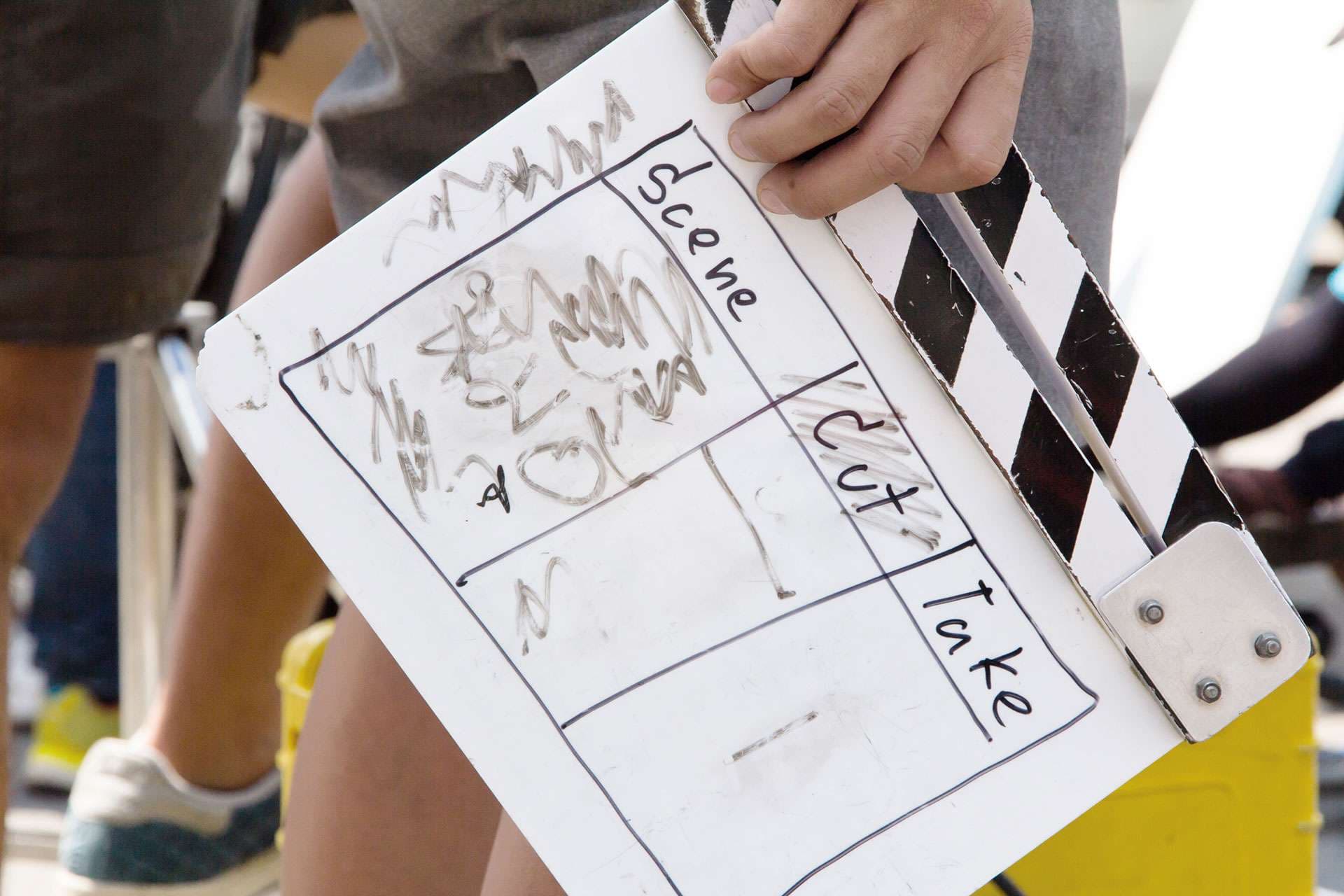
The best video cameras for filmmakers aren’t always the ones with the highest price tags. Value lives in the intersection of performance, reliability, and the ecosystem you buy into. For $2,000, the Panasonic LUMIX S5 II offers 6K open gate, 4K60, and internal 10-bit 4:2:2 — specs that eclipse pricier rivals and deliver a true all-in-one workhorse (RTINGS.com, 2026). In the sub-$1,500 range, the Canon R8 and Sony a6700 each punch above their weight: full-frame 4K60, 10-bit color, and robust autofocus, all with access to deep pools of affordable, adaptable glass (Pascal Basel, 2026). These are not “budget filmmaking cameras” in the pejorative sense — they’re tools that hold up under commercial scrutiny.
How to allocate your camera budget wisely
Camera bodies get the spotlight, but lenses, media, batteries, and support gear will quietly double your spend. The body is just the start. For every dollar on a camera, plan at least half again for lenses — especially if you want to avoid the bottleneck of cheap kit zooms. Storage is another silent cost: high-bitrate codecs mean fast cards and plenty of them. Accessories like ND filters, cages, and external monitors are what make a camera truly production-ready. The best camera investment tips always start with a full kit breakdown, not just the spec sheet.
What features to skip or splurge on
Chasing flagship specs is a rookie move if you’re not maximizing what you already have. Internal 10-bit, reliable autofocus, and strong low-light performance are non-negotiables for most commercial work. Skip the lure of “cinema” branding if it means sacrificing usability or speed. In the affordable video cameras segment, prioritize features that directly impact your workflow — like IBIS for handheld work or open gate for flexible framing. Prestige brands are only worth the premium if their ecosystem genuinely fits your needs and budget. Used and refurbished gear can stretch your spend, but only if you’re confident in the condition and support options.
Long-term ROI for filmmakers
The best video cameras for filmmakers are the ones that keep pace with your ambitions and can adapt as your projects scale. Look at resale values, firmware support, and the upgrade path within the system. A camera that holds its value and works across multiple production types will always outpace a spec-chaser that sits on the shelf. True ROI is measured in delivered projects, not just specs on a box. For a deeper dive into smart spending, see our budget video camera guide and affordable filmmaking gear resources.
Matching the Best Video Camera to Your Project’s Needs
Every filmmaker faces the same question at the start of a project: what’s the best video camera for filmmakers in this scenario? There’s no universal answer. The right camera is always context-driven—shaped by your creative vision, logistics, and the realities of the shoot. Ignore the spec-sheet arms race. Focus on what will actually deliver on set.
Best video cameras for narrative films
Narrative filmmaking demands control—over image, workflow, and the subtleties of performance. Large-format cinema cameras like the ARRI Alexa Mini or Sony VENICE dominate here for a reason: latitude, color science, and reliability under pressure. These cameras handle lighting extremes and nuanced skin tones, and they integrate seamlessly with professional rigs. But they’re heavy, power-hungry, and not always practical for smaller crews or tight locations. If you’re working lean, consider a Super35 mirrorless camera with robust codecs and pro audio integration. The key: does the camera serve your story, not just your ego?
Top cameras for documentary filmmakers
Documentary work is about agility and trust in your gear. When you’re chasing moments, a camera for documentary shooting must be lightweight, fast to operate, and reliable in unpredictable conditions. Canon C-series, Sony FX6, or Panasonic EVA1 strike a balance between image quality and run-and-gun practicality. Built-in ND filters, XLR audio, and strong autofocus aren’t luxury—they’re essential. For vérité or travel-heavy projects, prioritize battery life and weather sealing over raw sensor specs.
How to choose a camera for your next project
Start with your project’s DNA. Is this a controlled studio shoot, a live event, or a drone-heavy commercial? A narrative filmmaking camera thrives in a lit, managed environment. An event video camera needs fast setup, long record times, and bulletproof reliability. For aerial or gimbal work, weight and stabilization trump everything else. Don’t let the allure of high-end features distract from practical needs. Every choice is a trade-off—feature set versus portability, resolution versus workflow, price versus reliability. The best camera is the one that enables your crew to move fast and deliver consistently, no matter the pressure. If you’re unsure, revisit your production plan and ask: what camera aligns with our creative intent and our logistical reality?
Common Misconceptions About Buying Filmmaking Cameras
Top myths about the best video cameras for filmmakers
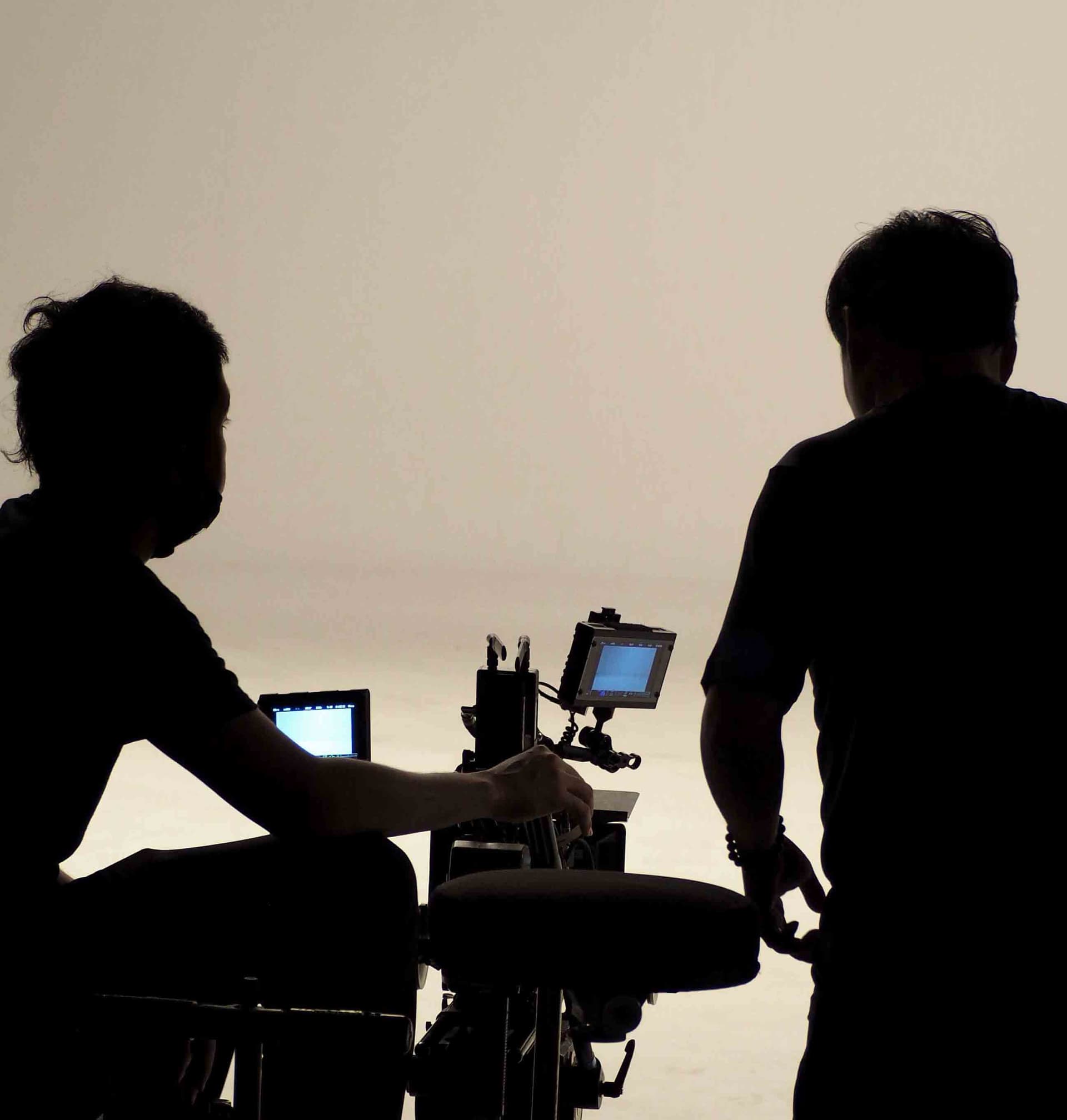
Filmmaking camera myths persist because the industry is awash in marketing, pixel peeping, and forum folklore. The most damaging is the belief that a higher price tag guarantees better images. In reality, the best video cameras for filmmakers are those that fit the project, the crew, and the workflow. Chasing the “flagship” model can lead to wasted budget and frustration on set.
Common mistakes when buying a filmmaking camera
One of the most common camera buying mistakes is prioritizing technical specs over real-world usability. Resolution, dynamic range, and codec options matter, but if the menu system is convoluted or the camera is unreliable in field conditions, specs won’t save your shoot. Filmmaker gear myths often downplay the importance of ergonomics and on-set speed—both of which make the difference between a smooth production and a headache.
- Ignoring lenses and accessories: The obsession with camera bodies often overshadows the impact of lenses, filters, and support gear. Glass shapes the image more profoundly than most sensors, and a well-matched set of lenses can elevate even a modest camera body.
- Overlooking workflow compatibility: Another persistent video camera misconception is that all footage is equally easy to handle. Some cameras output formats that choke post-production pipelines or require expensive hardware just to transcode. Workflow matters as much as image quality, especially under tight deadlines.
Why specs aren’t everything in camera selection
The myth of the “perfect” camera dies hard. Every camera is a compromise—between image quality, reliability, form factor, and support. Chasing specs leads to diminishing returns if the camera isn’t intuitive or supportable by your crew. The best choice is the one that fits your creative intent, logistical needs, and the realities of your production ecosystem.
In the end, the smartest filmmakers look past the noise. They avoid camera buying mistakes by focusing on what matters: storytelling, reliability, and the right tool for the job. Don’t let filmmaking camera myths dictate your next purchase—let your craft and your workflow lead.
Real-World Workflow: Integrating Your Camera with Production Tools
How to streamline your production workflow with the right camera
Integrating video cameras with production workflow isn’t about chasing specs—it’s about choosing a camera that fits the full arc of your project. On set, the best cameras aren’t just image-capture devices; they’re data hubs. They generate files that must move cleanly from the lens to the edit, and every decision—from codec to card type—affects speed, reliability, and creative flexibility down the line.
Start by considering your camera’s native file formats and media cards. ProRes, BRAW, XAVC—each has implications for storage, transfer speed, and compatibility with post-production tools. If your shoot is multi-cam or high-resolution, CFast 2.0 or CFexpress cards are non-negotiable. These formats aren’t just about image quality; they’re about how quickly you can offload, back up, and hand off footage to editorial. Data wrangling isn’t glamorous, but it’s where projects live or die on deadline.
Integrating video cameras with editing and planning tools
The camera-to-edit pipeline is only as strong as its weakest link. Cameras that support robust metadata tagging—clip names, scene numbers, lens data—are invaluable when working with shot lists, storyboards, and scheduling tools. This metadata travels with your files, making it easier for editors and VFX to sort, sync, and find footage fast. If you’re using cloud-based platforms, look for cameras or recorders that can upload proxies or dailies directly to shared drives. This cuts down on lag between shoot and review, keeping clients and stakeholders in the loop in real time.
Data management best practices for filmmakers
Don’t treat data management as an afterthought. Build your workflow around redundant backups, verified transfers, and a clear folder structure that matches your production’s organization. Camera workflow tips from the field: always double-check card formatting, use checksum verification when offloading, and label everything with shoot date and camera letter. These steps are tedious until you lose a day’s work—then they’re gospel.
Ultimately, integrating your camera with the right video production tools is about removing friction. When your camera, planning apps, and editing software speak the same language, you spend less time troubleshooting and more time creating. That’s the mark of a modern, production-aware filmmaker.
Future-Proofing Your Camera Choice for Evolving Filmmaking Needs
The pace of change in camera tech is relentless. Making a decision today that stands up to tomorrow’s demands isn’t just about specs—it’s about strategy. Future-proof video cameras aren’t defined by a single feature, but by a system’s ability to adapt, update, and remain relevant as filmmaking trends shift. If you’re building a kit for longevity, you need to see beyond the hype cycle and focus on what truly extends camera lifespan.
How to future-proof your video camera investment
Start with modularity. Cameras that allow you to swap out sensors, mounts, or even connectivity modules give you flexibility as standards evolve. A body that can take a new codec board or an upgraded monitor is less likely to be outpaced by the next wave of innovation. Firmware matters, too. Prioritize brands with a track record of meaningful firmware updates, not just bug fixes—these can unlock new features and extend the life of your gear without a costly overhaul.
Camera trends shaping the next decade of filmmaking
Resolution arms races—8K, RAW, high frame rates—aren’t going away. But the real shift is in how footage is delivered and consumed. Streaming platforms and social media are setting new technical baselines. Cameras with robust connectivity options—NDI, Wi-Fi, direct cloud upload—are increasingly non-negotiable for fast-turnaround projects. Pay attention to how manufacturers respond to these distribution changes; the most forward-thinking are building cameras that natively support multiple formats and workflows.
Preparing your camera kit for evolving production demands
Camera longevity is about more than hardware. It’s about investing in a system that evolves with you. Look for ecosystems—lenses, accessories, firmware, support—that can grow as your projects scale. When upgrading video gear, consider not just the immediate specs but the manufacturer’s roadmap and the kit’s adaptability to new workflows. The right camera should keep pace with the industry, not force you to chase it.
In a landscape defined by flux, future-proof video cameras are those built for change. Invest in adaptability, not just capability, and your kit will serve you well beyond the next tech cycle.
Conclusion
The camera is never just a tool—it's a decision that shapes every frame, workflow, and outcome. Across commercial, branded, and narrative sets, the best cameras for video production are the ones that serve the vision, not the spec sheet. This isn’t about chasing the latest release or getting lost in technical minutiae. It’s about understanding what the project truly demands, then matching those needs with the right filmmaking equipment essentials.
Every shoot brings its own set of variables: budget, crew size, client expectations, post workflow, and the story itself. The seasoned filmmaker knows that no single camera is universally “best.” Instead, the process becomes a camera buying guide in action—balancing sensor size, codec flexibility, lens compatibility, and reliability under pressure. These aren’t abstract considerations. They’re the difference between a smooth day on set and a scramble in the edit.
Technology will keep evolving. New formats, improved autofocus, smarter assist tools—these shifts are constant. But the fundamentals hold: choose gear that adapts as the industry moves. A camera’s longevity isn’t just about future-proof specs, but about how well it integrates with changing workflows and creative demands. Filmmakers who look beyond the present moment, who invest with adaptability in mind, position themselves to deliver—no matter how the landscape shifts.
In the end, informed camera choices are a creative and strategic act. They reflect not only technical understanding, but a clear-eyed view of what matters to the production and the people behind it. The right call isn’t about owning the “ultimate” camera—it’s about aligning your tools with your story, your team, and the realities of modern filmmaking. That’s how you build a foundation for work that stands up to both today’s pressures and tomorrow’s possibilities.
FAQs
What are the best video cameras for filmmakers in 2024?
The best video cameras for filmmakers in 2024 include the ARRI Alexa 35, Sony FX6, Canon C70, and Blackmagic URSA Mini Pro 12K. Each offers robust codecs, high dynamic range, and reliable color science. For indie or run-and-gun work, mirrorless options like the Sony A7S III and Panasonic S5IIX deliver strong performance and versatility.
How do I choose the right camera for my filmmaking project?
Start with your project’s demands: narrative, commercial, or documentary. Consider your workflow, delivery format, and lighting conditions. A high-end cinema camera offers latitude and color depth, but a compact mirrorless may suit tight spaces or documentary agility. Match the camera’s strengths to your creative and logistical needs.
What are the key features to look for in a filmmaking camera?
Prioritize sensor size, dynamic range, color science, and codec flexibility. Internal ND filters, reliable autofocus, and robust connectivity are practical essentials. Don’t overlook ergonomics—if you can’t operate comfortably, even the best specs won’t save you on set. The right combination depends on your shooting style and post-production pipeline.
What are the differences between mirrorless, cinema, and camcorder cameras?
Mirrorless cameras are lightweight and versatile, ideal for hybrid shooters. Cinema cameras offer superior image quality, modularity, and pro features like XLR audio. Camcorders prioritize ease of use and long recording times but sacrifice sensor size and flexibility. Each has a place, but trade-offs are real—choose based on your priorities.
How can I maximize my budget when buying a video camera?
Invest in a camera body that meets your core needs, then allocate budget for quality lenses and essential accessories. Consider buying used or previous-generation models—they often deliver 90% of the performance at a fraction of the price. Prioritize upgradability and rental ecosystem compatibility for long-term value.
What common misconceptions should I avoid when buying a filmmaking camera?
Resolution isn’t everything—dynamic range and color science matter more for cinematic results. Don’t chase specs you won’t use; a camera’s reputation on paper rarely matches its real-world handling. Avoid overinvesting in the latest model if your workflow or clients don’t demand it. Practicality always trumps hype.
How can I future-proof my camera investment for filmmaking?
Choose a camera with robust codec support, high dynamic range, and modularity for accessories and firmware updates. Prioritize brands with a track record of ongoing support. Flexible lens mounts and open media formats add longevity. Ultimately, future-proofing is about adaptability, not just chasing new tech.
.webp)
Creative Collaboration Platform: The Backbone of Modern Creative WorkWhat is a creative collaboration platform?Clapboard defines a creative collaboration platform as the operational core for today’s distributed creative teams. This is not a collection of digital collaboration tools stitched together; Clapboard’s system
Understanding the Creative Production MarketplaceWhat is a Creative Production Marketplace?Clapboard defines a creative production marketplace as a structured ecosystem where brands, agencies, and production talent converge to execute video, advertising, and branded content at scale. Unlike the legacy agency or freelanREAD FULL ARTICLE
The Urgent Need for a Creative Production Operating SystemWhy Traditional Creative Production Models Break DownClapboard sees the creative production landscape shifting under pressure. Content velocity is no longer a buzzword—it’s a mandate. Modern advertising demands relentless output across dozens of channels, each wREAD FULL ARTICLE
JOIN THE NEWSLETTER.
Content Production insights, videos, books, and freebies, delivered to your inbox weekly


LEAVE A COMMENT
Your email address will not be published.