


Varun Katyal | Founder, Clapboard
Varun Katyal is the Founder & CEO of Clapboard and a former Creative Director at Ogilvy, with 15+ years of experience across advertising, branded content, and film production. He built Clapboard after seeing firsthand that the industry’s traditional ways of sourcing talent, structuring teams, and delivering creative work were no longer built for the volume, velocity, and complexity of modern content. Clapboard is his answer — a video-first creative operating system that brings together a curated talent marketplace, managed production services, and an AI- and automation-powered layer into a single ecosystem for advertising, branded content, and film. It is designed for a market where brands need content at a scale, speed, and level of specialization that legacy agencies and generic freelance platforms were never built to deliver. The thinking, frameworks, and editorial perspective behind this blog are shaped by Varun’s experience across both the agency world and the emerging platform-led future of creative production. LinkedIn: https://www.linkedin.com/in/varun-katyal-clapboard/
How Camera ISO Works: The Science Behind Sensitivity
What happens when you change ISO?
Camera ISO is the dial that lets you adjust your sensor’s light sensitivity on demand. Bump the ISO up, and you’re telling the sensor to amplify the signal it receives from incoming light. Drop it down, and you’re demanding a cleaner, more nuanced image—at the cost of needing more light on set. This isn’t just a numbers game; it’s a negotiation between exposure and image integrity.
Understanding sensor sensitivity in digital cameras
Sensor sensitivity is at the heart of camera ISO. In digital cameras, the sensor collects photons and converts them into electrical signals. ISO acts as the gain control: higher ISO multiplies the signal, making the sensor more “sensitive” to light. But the sensor’s base sensitivity never changes—only the processing of its output does. This is a crucial distinction. Unlike film, where ISO (or ASA) indicated actual emulsion speed, digital ISO is about signal amplification, not physical sensitivity.
The link between ISO and image noise
Every time you increase ISO, you’re amplifying not just the light signal, but also the noise inherent in the sensor’s electronics. This is the signal-to-noise ratio in practice. At low ISO, noise is minimal; shadows are rich, details are crisp. Push ISO higher, and digital noise—those unwanted speckles and grain—creeps into your image. This is the trade-off: more light sensitivity, but at the expense of clean, professional-looking footage.
Understanding camera ISO isn’t just technical trivia—it’s central to every creative and commercial decision on set. The legacy of film speed reminds us that every ISO choice is a balance between exposure, texture, and intent. In the digital age, mastering sensor sensitivity and managing digital noise is what separates a competent image from a crafted one.
What Is ISO in Photography and Why Does It Matter?
What does ISO mean in photography?
ISO in photography refers to a camera setting that determines how sensitive your sensor—or, historically, your film stock—is to light. The acronym stands for International Organization for Standardization, but in practical terms, it’s the number that tells you how quickly your camera “sees” light. A lower ISO means less sensitivity, ideal for bright conditions; a higher ISO boosts sensitivity, useful when the light falls away.
Camera ISO explained: film vs digital
In the film era, ISO (or ASA) was baked into your choice of film roll. Each stock had a fixed sensitivity, and you planned your shoot around it. In digital, ISO became variable—a setting you can adjust on the fly. That flexibility is a gift and a curse: you gain control, but every decision has consequences for image quality. Crank the ISO and you invite noise; keep it low and you may need more light or slower shutter speeds.
How does ISO affect exposure?
ISO is one of the three pillars of exposure, alongside aperture and shutter speed. Together, these exposure settings govern how bright or dark your image appears. ISO’s role is straightforward: increase it, and your camera needs less light for a correct exposure. But there’s always a tradeoff—higher ISO introduces grain or digital noise, especially in shadows or flat tones. That’s why seasoned cinematographers and photographers treat ISO with respect, using it as a last resort when aperture and shutter speed won’t get the job done.
Why ISO is crucial for beginners
For anyone serious about mastering photography basics, understanding ISO is non-negotiable. It’s not just a technical dial—it’s a creative decision. The right ISO preserves dynamic range and color fidelity; the wrong one can undermine an otherwise perfect shot. On set or in the field, knowing when to push ISO and when to hold back separates the technician from the image-maker. ISO isn’t just about exposure—it’s about intent.
ISO Settings Explained: Choosing the Right ISO Value
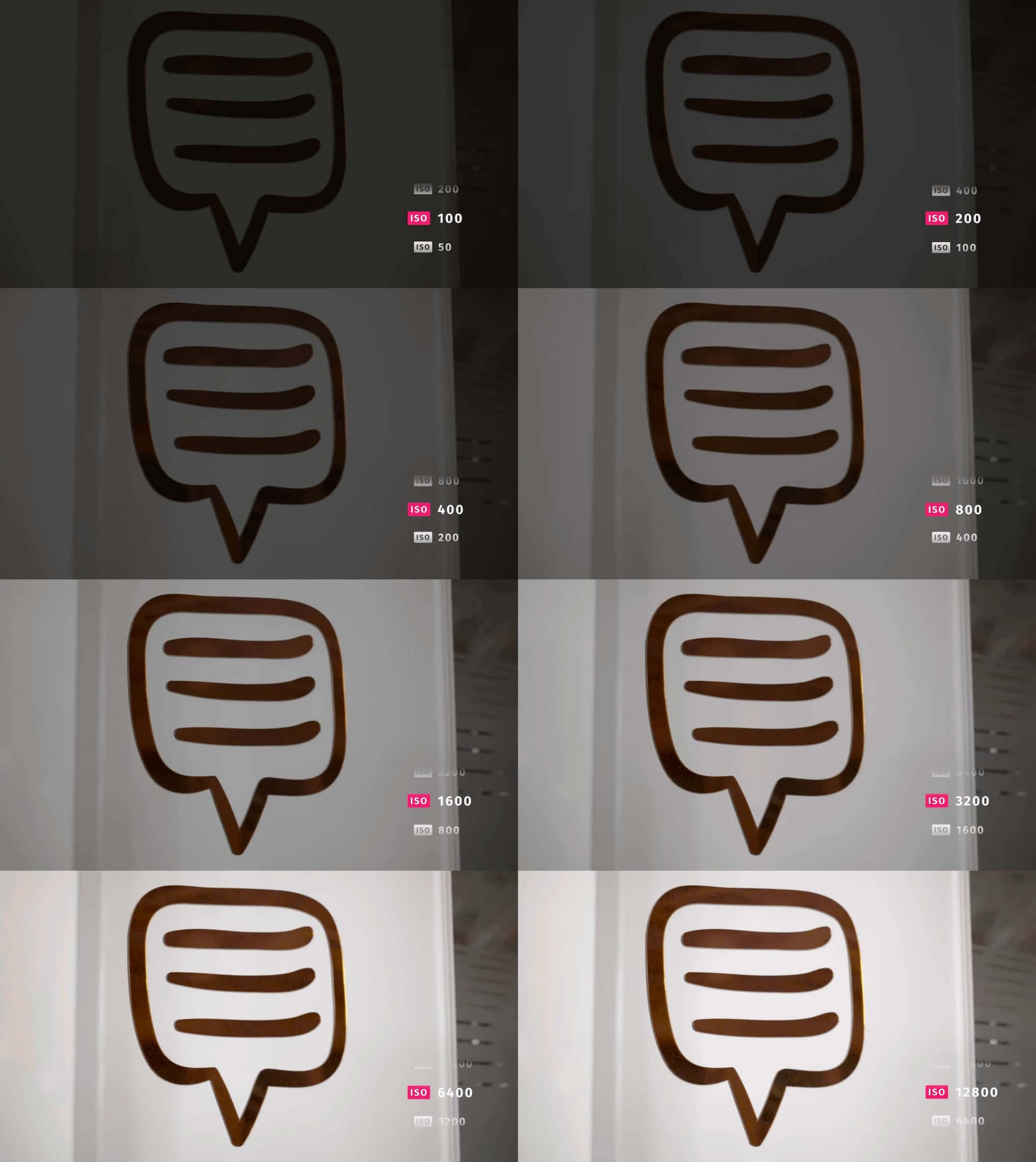
ISO settings are the backbone of exposure control, but too often they’re treated as an afterthought—dialed up or down without a clear sense of purpose. In practice, choosing ISO is about understanding the trade-off between sensitivity and image quality. The numbers are simple: common ISO values include 100, 200, 400, 800, 1600, 3200, and 6400. Each step up doubles the sensor’s sensitivity, and with it, the image’s brightness (Photography Life, 2023). But every increase comes at a cost—grain, noise, loss of dynamic range. The right ISO isn’t about “high or low,” but about what the frame demands in the moment.
Best ISO settings for outdoor photography
On a bright day, start at ISO 100. This is your cleanest image—fine grain, maximum sharpness, no digital noise. If clouds roll in or you’re shooting under a tree canopy, bump to ISO 200 or 400. The goal is to keep your shutter speed fast enough to freeze action, or your aperture where you want it for depth of field. Don’t chase low ISO at the expense of a blurred shot. Let the light and your creative intent dictate the move.
How to choose ISO indoors
Indoors, the equation shifts. Even with good window light, ISO 400 is often a baseline. For dimmer rooms, events, or night interiors, ISO 800 or 1600 is common. Push higher only if you must—modern sensors handle ISO 3200 better than ever, but visible grain and color noise will creep in (Unscripted Photographers, 2023). If you’re lighting for photography, control the environment and keep ISO in check. If you’re run-and-gun, accept some grain as the price for getting the shot.
ISO value chart for photographers
- ISO 100: Bright sunlight, exteriors, controlled studio lights
- ISO 200–400: Overcast, open shade, well-lit interiors
- ISO 800–1600: Low light, dusk, poorly lit interiors
- ISO 3200+: Night, concerts, situations where light is scarce
There’s no single “best ISO for different lighting”—only the right ISO for your intent, your lighting, and your tolerance for grain. Balance ISO with aperture and shutter speed, and don’t let dogma trump the needs of the shot. A precise ISO guide will get you close, but experience and context finish the job.
ISO in Photography vs. Shutter Speed and Aperture: Understanding the Exposure Triangle
Exposure triangle explained for beginners
Every exposure decision in photography sits on a three-legged stool: ISO, shutter speed, and aperture. This exposure triangle is non-negotiable. Change one, and the others must compensate. ISO in photography determines your sensor’s sensitivity to light, but it’s only one lever. Shutter speed dictates how long your sensor gathers light; aperture controls how much light hits the sensor and shapes depth of field. Each setting influences not just exposure, but the creative and technical outcome of the image.
How to balance ISO, shutter speed, and aperture
Balancing these elements is a constant negotiation. Raise ISO and you can use a faster shutter speed or a narrower aperture—ideal for freezing action or increasing depth of field when light is scarce. But every ISO increase comes at the cost of more noise. For instance, doubling ISO from 200 to 400 lets you halve your shutter duration, but the trade-off is visible grain, especially in shadow detail (Photography Life, 2023). Shutter speed vs ISO isn’t a binary choice; it’s a sliding scale of priorities dictated by the subject and environment.
When to adjust ISO instead of aperture or shutter speed
Real-world scenarios rarely allow for perfect conditions. On a commercial set, if you’re at your lens’s widest aperture and the slowest shutter speed that won’t introduce motion blur, increasing ISO becomes the only option to achieve proper exposure. In dusk wildlife shoots, for example, after maxing out aperture and hitting the slowest sharp shutter, bumping ISO is the difference between a usable shot and a silhouette (Live Science, 2023).
- Prioritizing aperture: When depth of field matters—think product close-ups or cinematic portraits—aperture takes the lead, and ISO or shutter speed must flex.
- Prioritizing shutter speed: For action or handheld work, you lock shutter speed first, then adjust aperture and ISO to fill in the exposure.
- Prioritizing ISO: In low-light conditions where neither aperture nor shutter can stretch further, ISO is your last creative resort.
Mastery comes not from memorizing settings, but from understanding the exposure triangle as a system of trade-offs. The best exposure is rarely the “correct” one—it’s the one that serves the creative brief and holds up under scrutiny, both technically and visually.

High ISO vs. Low ISO: Trade-Offs, Myths, and Misconceptions
In every production, the high iso vs low iso debate is less about technical dogma and more about creative intent. High ISO amplifies your sensor’s sensitivity, allowing you to shoot in low light or stop down for deeper focus. Low ISO, on the other hand, preserves maximum dynamic range and minimizes digital noise in photos. The trade-off is always context-specific—there’s no universal “best” setting, only what serves the image and the story.
Does high ISO always mean more noise?
Not necessarily. Today’s sensors are leagues ahead of their predecessors. At moderate ISOs, digital noise is less intrusive than many assume, especially when paired with effective noise reduction in post. The real compromise is often in dynamic range and color depth, not just visible grain. Push ISO too far, though, and you’ll see detail loss, especially in shadows.
Debunking ISO myths in photography
One persistent myth: that ISO itself “creates” grain. In digital, ISO doesn’t add grain in the film sense—it amplifies signal, which can reveal noise already present. Another: that low ISO is always superior. In fast-paced shoots or unpredictable lighting, a slightly higher ISO and a sharp exposure beat underexposed, muddy footage every time. Low light photography myths persist, but real-world conditions demand flexibility over purism.
When to embrace ISO grain creatively
There are moments when iso grain becomes a tool, not a flaw. A touch of noise can add texture, grit, or authenticity—think handheld docu-style commercials or narrative scenes needing emotional bite. The key is intention: if the grain supports the mood, it’s not a technical failure. Knowing when to let noise live in the frame is as much a creative decision as lens choice or lighting style. For those who want to push boundaries, integrating noise reduction and other creative photography techniques can help balance clarity with atmosphere.
Ultimately, high iso vs low iso is a question of priorities: image purity versus flexibility, technical perfection versus expressive imperfection. The best cinematographers know when to chase clean images—and when to let a little chaos in.
ISO in Photography for Different Genres: From Landscapes to Action Shots
Best ISO settings for landscape photography
When it comes to iso in photography, landscapes demand discipline. The best iso for landscape work is almost always the lowest native setting your sensor offers—typically ISO 100 or 64. This isn’t about dogma; it’s about preserving dynamic range and detail. Low ISO keeps noise minimal, letting you capture subtle textures in sky and foliage. If you’re chasing golden hour or blue hour, use a tripod to avoid bumping ISO. The payoff is in the gradation and clarity that hold up in large-format prints or client decks.
ISO tips for action and sports photographers
Action photography iso is a different animal. Here, the priority is freezing motion, not pixel-peeping purity. You’ll often need to push ISO to 1600, 3200, or even higher, especially indoors or under stadium lights. The goal is to maintain a fast shutter—1/1000th of a second or more—to capture sharp, decisive moments. Modern sensors handle moderate ISO increases with grace; noise is preferable to missed shots. Know your camera’s threshold for acceptable grain, and don’t hesitate to push it when the brief demands impact over perfection.
How to handle ISO in low light situations
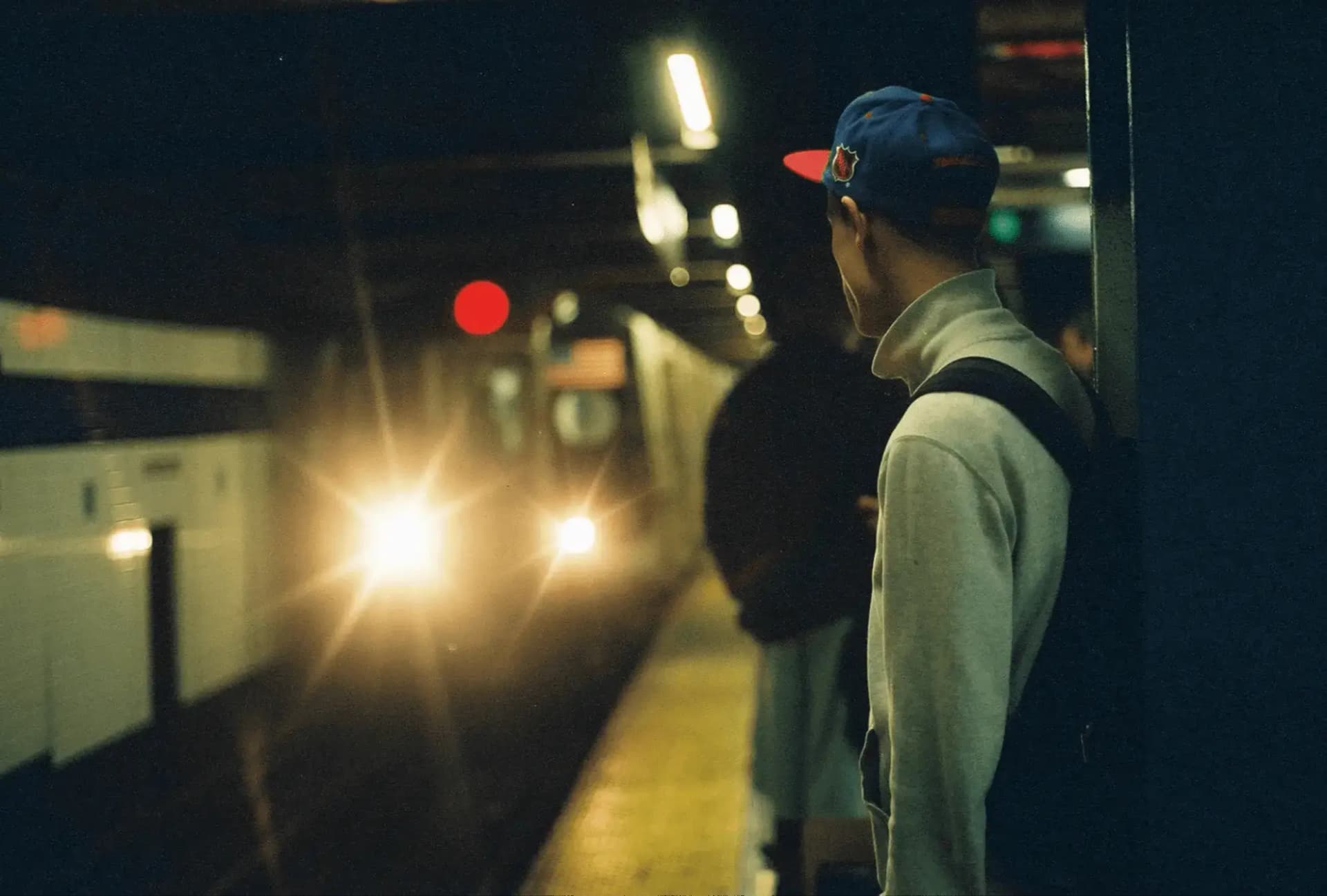
Low light iso tips revolve around compromise. For night events, concerts, or moody interiors, start at ISO 800 and climb as needed. The challenge is balancing exposure against creeping noise. Fast primes and image stabilization help, but there’s a point where you must embrace the grain. In narrative or branded content, sometimes noise adds texture; in commercial work, it might mean more time in post. Either way, expose to the right to preserve shadow detail, and accept that some genres—like documentary or nightlife—lean into the imperfections.
Portraiture sits somewhere between these extremes. Aim for the lowest ISO that maintains a fast enough shutter to avoid motion blur, typically ISO 100–400 in good light. The right iso in photography is always context-driven. Know your subject, your deliverable, and your tolerance for noise. Genre-based photography tips are only starting points—real craft is in adapting ISO to the demands of style, client, and moment.
Modern Camera Technology and the Future of ISO
How new cameras handle high ISO
Camera ISO once defined the upper limits of what was possible in low light. Today, those limits are shifting. Modern camera sensor advancements have redefined the boundaries, allowing cinematographers and photographers to shoot at ISO values that would have been unthinkable a decade ago. The latest sensors—stacked, backside-illuminated, or dual-gain—extract more signal from less light, minimizing noise and preserving detail even in challenging conditions. On set, this means lighting decisions are no longer dictated by ISO anxiety; creative intent can take priority over technical compromise.
Noise reduction technology breakthroughs
The leap isn’t just in hardware. Noise reduction technology has evolved, both in-camera and in post-production editing. In-camera algorithms now analyze and process frames in real time, suppressing chroma and luminance noise without flattening the image. Post workflows leverage AI-driven denoising that’s far more intelligent than the blunt tools of the past—retaining texture, skin tone fidelity, and shadow nuance. The upshot: higher ISOs no longer automatically mean a trade-off in quality. This opens new creative options, especially for fast turnaround projects where reshoots aren’t on the table.
Will ISO limitations disappear in the future?
The future of photography is being shaped by this convergence of sensor and software innovation. As camera technology trends continue, the very concept of ISO as a hard ceiling is dissolving. We’re not there yet—physics still matters—but the direction is clear. Soon, the question won’t be “Can this camera handle ISO 6400?” but “How far can I push the look before it becomes a stylistic choice, not a technical flaw?” For those who live by the image, that’s a future worth aiming for.
Planning Your Shoot: How to Integrate ISO Choices Into Your Workflow
How to plan ISO for your shoot
ISO in photography isn’t a last-minute dial twist—it’s a decision that shapes your shoot from day one. In pre-production, review your locations, lighting setups, and creative intent. Build your shot list planning around expected light levels, camera capabilities, and the desired look. If you know you’ll be moving between interiors and exteriors, flag those transitions. Assign provisional ISO values to each setup. This isn’t about locking yourself in—it’s about anticipating where you’ll need to push or hold back, so you’re not scrambling on set.
Integrating ISO into your photography workflow
On set, ISO choices should flow naturally as part of your photography workflow. Your gaffer tweaks the lights, you check the monitor, and you’re already thinking: “Is my ISO serving the image or compromising it?” Communicate ISO expectations to your team—especially if you’re working with multiple cameras. Consistency matters, particularly for branded content where matching shots is non-negotiable. When time is tight, don’t chase the lowest ISO at the expense of momentum. Sometimes, a small bump is the smarter call. Make those decisions consciously, not reactively.
Adjusting ISO in post-production
Even with meticulous planning, you’ll sometimes need to address ISO in post. If you had to crank ISO to save a shot, flag it in your notes. Modern noise reduction tools can rescue footage, but they aren’t magic—excessive noise will still flatten detail and texture. Collaborate with your colorist or editor early. Let them know which shots might need extra attention. This streamlines the workflow and prevents surprises in the grading suite.
Ultimately, integrating ISO decisions throughout your process—from shot list planning to post—creates consistency and saves time. The goal isn’t to eliminate every variable, but to control the ones that matter. When ISO is woven into your workflow, you get cleaner images, fewer headaches, and a shoot that runs to schedule.
Conclusion
ISO isn’t just a technical footnote in the stack of exposure settings—it’s a decisive factor in how your images render mood, clarity, and intent. For anyone serious about photography basics, understanding ISO’s role is non-negotiable. It’s the axis around which light sensitivity pivots, dictating whether your shadows hold detail or dissolve into noise, and whether your highlights breathe or burn out. In every scenario—whether you’re lighting a product for a commercial, racing daylight on a branded shoot, or chasing fleeting moments in narrative—ISO is the lever that can save or sabotage your frame.
But ISO never works in isolation. Its relationship with shutter speed and aperture is symbiotic, not sequential. Push ISO too high and you risk trading detail for grain; keep it too low and you might force compromises elsewhere—slower shutter speeds that invite motion blur, or wider apertures that erode depth of field. The craft lies in balancing these variables, not defaulting to one at the expense of the others. Mastering camera ISO explained in practice means knowing when to flex it, when to hold steady, and when to let the available light dictate your choices.
On set, the right ISO isn’t just a number—it’s a decision shaped by environment, client demands, and creative ambition. Shooting handheld in low light for a branded spot? ISO becomes your ally, but only if you’re prepared to manage the resulting noise in post. Dialing down for a sunlit exterior? You’ll preserve latitude and dynamic range, but you’ll need to work faster as the light shifts. These are not academic distinctions; they are the daily calculations that separate a passable image from a memorable one.
Ultimately, ISO is a critical exposure setting that demands respect and fluency. Its impact on image quality and exposure is immediate and unforgiving. For those who want control—not just over their camera, but over the narrative their images tell—ISO isn’t a technicality. It’s the foundation. If you want to deepen your grasp of photography fundamentals, or refine your approach to mastering camera exposure and noise reduction, start by treating ISO as the creative tool it is. The difference will show in every frame you deliver.
FAQs
What is ISO in photography?
ISO in photography refers to the sensitivity of your camera’s sensor (or film) to light. A lower ISO means less sensitivity and finer grain, while a higher ISO increases sensitivity but can introduce noise. ISO is one of the three pillars of exposure, alongside shutter speed and aperture.
How does ISO affect exposure?
ISO directly influences exposure by amplifying the sensor’s response to light. Increasing ISO brightens the image without changing aperture or shutter speed. However, pushing ISO too far can degrade image quality, so it’s a balancing act between exposure and noise.
What are common ISO settings for different lighting conditions?
In bright daylight, ISO 100–200 is standard for clean, detailed images. Indoors or in shade, ISO 400–800 is typical. For night shoots or dim environments, ISO 1600 and above may be necessary, but expect increased noise. The choice always depends on available light and desired look.
What is the difference between film ISO and digital ISO?
Film ISO is a fixed sensitivity determined by the film stock—once loaded, it can’t be changed. Digital ISO is variable; you can adjust it shot-to-shot. While both measure sensitivity, digital ISO increases are achieved electronically, which can introduce noise differently than film grain.
How does high ISO impact image quality?
High ISO increases sensor sensitivity but also amplifies electronic noise, resulting in grainier, less sharp images. Fine details can get lost, and color fidelity may suffer. On professional sets, we push ISO only when necessary, always aware of these trade-offs.
What are the best ISO settings for low light photography?
For low light, start with ISO 800–1600 on modern cameras. Push higher only if absolutely needed. Use fast lenses and stabilize your camera to minimize the need for extreme ISO values. Every stop higher increases noise, so always weigh ISO against other exposure tools.
How can I adjust ISO in post-production?
You can’t truly change ISO after capture, but you can brighten images in post. This is not the same as raising ISO in-camera—lifting exposure in editing can amplify noise and reduce dynamic range. The best results come from getting ISO right on set, not in the suite.
.webp)
Creative Collaboration Platform: The Backbone of Modern Creative WorkWhat is a creative collaboration platform?Clapboard defines a creative collaboration platform as the operational core for today’s distributed creative teams. This is not a collection of digital collaboration tools stitched together; Clapboard’s system
Understanding the Creative Production MarketplaceWhat is a Creative Production Marketplace?Clapboard defines a creative production marketplace as a structured ecosystem where brands, agencies, and production talent converge to execute video, advertising, and branded content at scale. Unlike the legacy agency or freelanREAD FULL ARTICLE

The Urgent Need for a Creative Production Operating SystemWhy Traditional Creative Production Models Break DownClapboard sees the creative production landscape shifting under pressure. Content velocity is no longer a buzzword—it’s a mandate. Modern advertising demands relentless output across dozens of channels, each wREAD FULL ARTICLE

JOIN THE NEWSLETTER.
Content Production insights, videos, books, and freebies, delivered to your inbox weekly


LEAVE A COMMENT
Your email address will not be published.