The Clapboard Ad Archive features iconic entertainment commercials and top media advertising campaigns, offering essential references for strategic campaign planning.
Media / Entertainment
More like this
Melbourne International Film Festival Turns Emotion Into a Selling Tool
Media / Entertainment
Melbourne International Film Festival Turns Emotion Into a Selling Tool
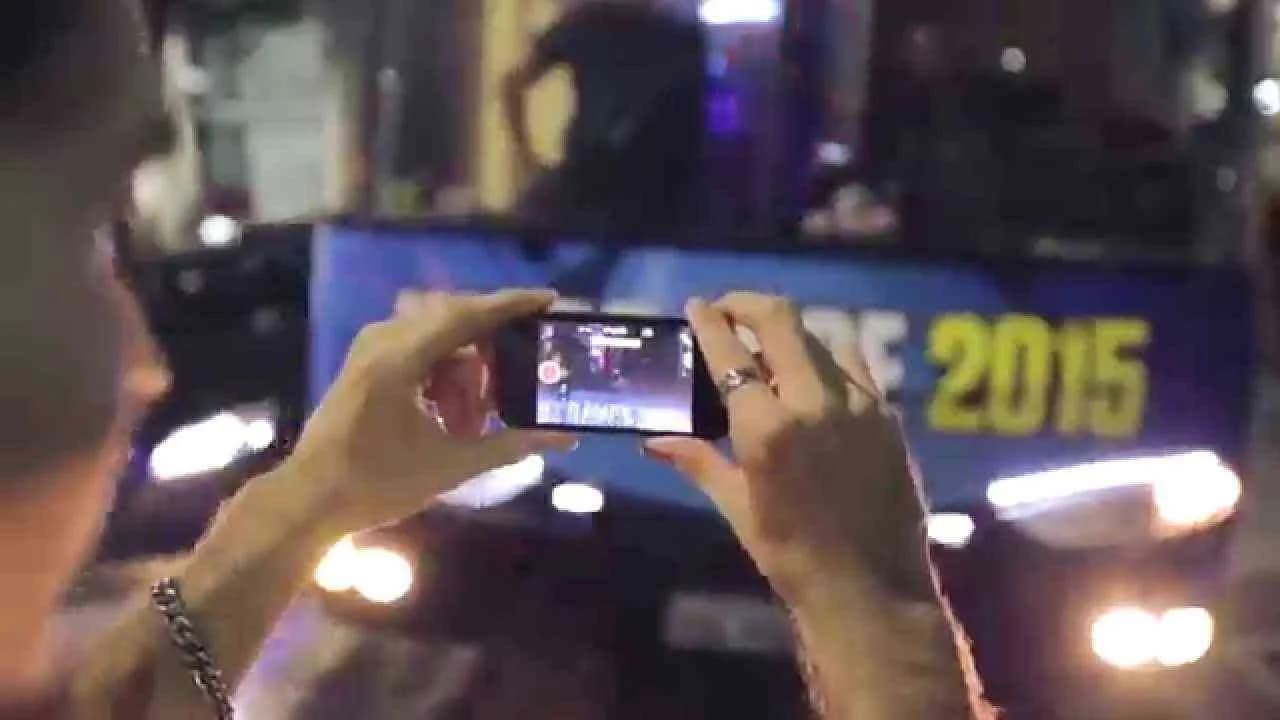
How the MIFF Emotion Simulator Redefined Experiential Film Festival Marketing The Melbourne International Film Festival's 2015 Emotion Simulator is an experiential marketing campaign created by McCann Melbourne that used a custom-built chair fitted with 12 facial-muscle electrodes to compress a feature film's full emotional arc into a one-minute, body-felt sensory preview, allowing Australian audiences to physically experience a film before choosing to see it. MIFF launched the campaign in July 2015 in Melbourne, Australia, at a moment when the festival's program had expanded to more than 370 titles, including 28 world premieres and 163 Australian premieres, according to reporting sourced from linkedin .com. That volume of choice created genuine paralysis for audiences with limited prior affinity for foreign-language and art-house cinema — a strategic problem explicitly identified by Managing Director Adrian Mills, as documented by Little Black Book . The Emotion Simulator addressed this directly: rather than asking audiences to trust a trailer or a critic's prose, it invited them to sit in the chair and feel the film's happiness, sadness, disgust, fear, anger, and surprise stimulated in sequence through electrodes placed around six major facial muscle groups. The campaign's tagline, "Feel the film before you see the film," expressed both the mechanic and the promise with unusual precision. A chair-mounted camera recorded every session, generating a personalised clip that participants could share across social media — transforming a single physical installation in Melbourne into a self-distributing content engine. That dual function, direct demonstration and social amplification, gave the Emotion Simulator a reach far beyond the festival's physical footprint in Australia. Clapboard rates this campaign 70 out of 100, recognising its technical originality and award pedigree against the inherent scale limitations of a single-city ambient installation.
Preview Magazine Turns Fashion Into a Tool for Female Empowerment
How Preview Magazine and Publicis Redefined Filipino Fashion Culture in 2015 Preview Magazine's 'Fashion is Power' is a 2015 ambient and integrated campaign created by Publicis JimenezBasic in the Philippines that taught Filipino women self-defense techniques using everyday fashion accessories — high heels, handbags, and umbrellas — as defensive tools, reframing personal style as an instrument of physical and psychological empowerment, according to Magzter . The campaign was produced for Preview Magazine, the Philippines' leading fashion and beauty title published by Summit Media, and launched in July 2015, according to Adobomagazine . Its core mechanic was both practical and conceptually bold: free self-defense classes were offered to women, with instruction built around the accessories already in their possession. Instructional audiovisual content was embedded in the magazine itself and distributed through fashion retail environments , making the medium inseparable from the message. The campaign was classified as ambient in format, according to the Ads of the World archive, and operated across an integrated channel mix that brought editorial, experiential, and in-store touchpoints into a single coherent idea. In the Philippines, where fashion media competes fiercely for cultural relevance among a young, digitally engaged readership, Preview Magazine positioned itself not merely as a style authority but as a platform for female confidence and self-determination. The proposition — that fashion empowers identity and that Preview unlocks authentic self-expression in Filipino culture — gave the brand a social dimension that transcended conventional magazine marketing, according to The Clio Awards . The Clapboard Score for 'Fashion is Power' is 66 out of 100, reflecting a campaign with genuine conceptual originality whose documented reach remained modest relative to its creative ambition, according to Publicisgroupe Ph .
Pictionary Turns Post-Holiday Blues Into a Brief for Getting It Wrong
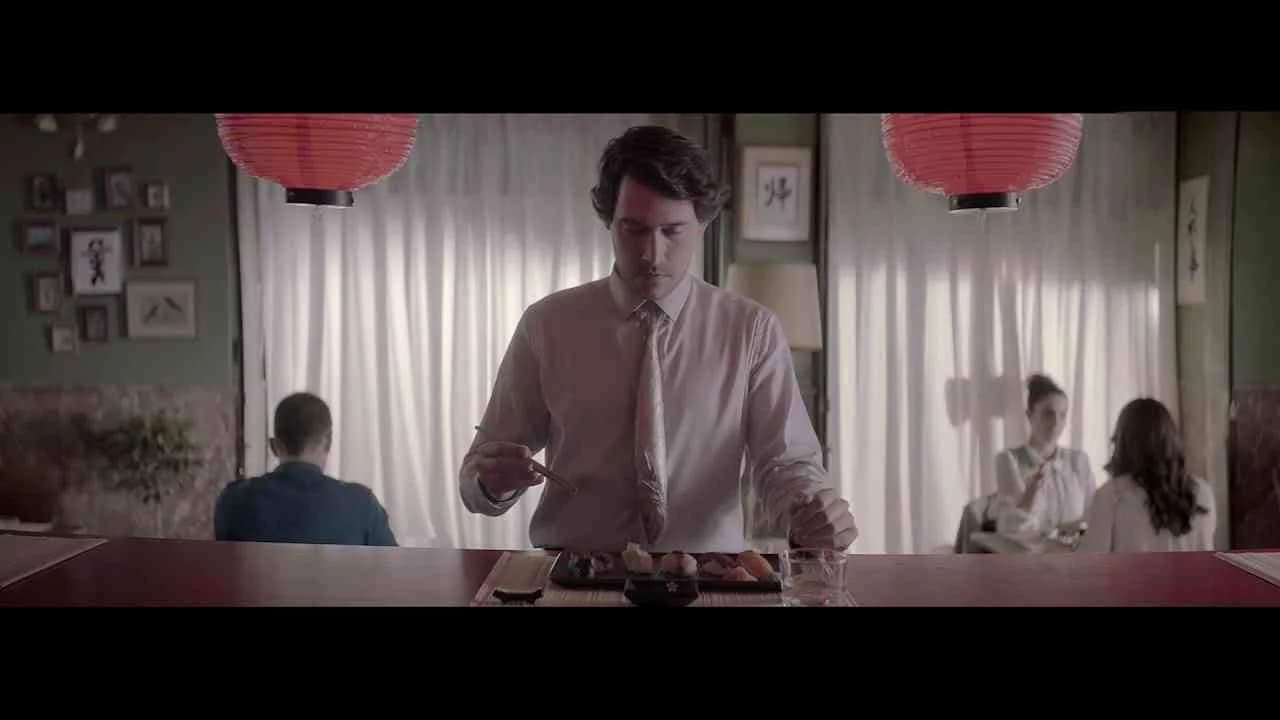
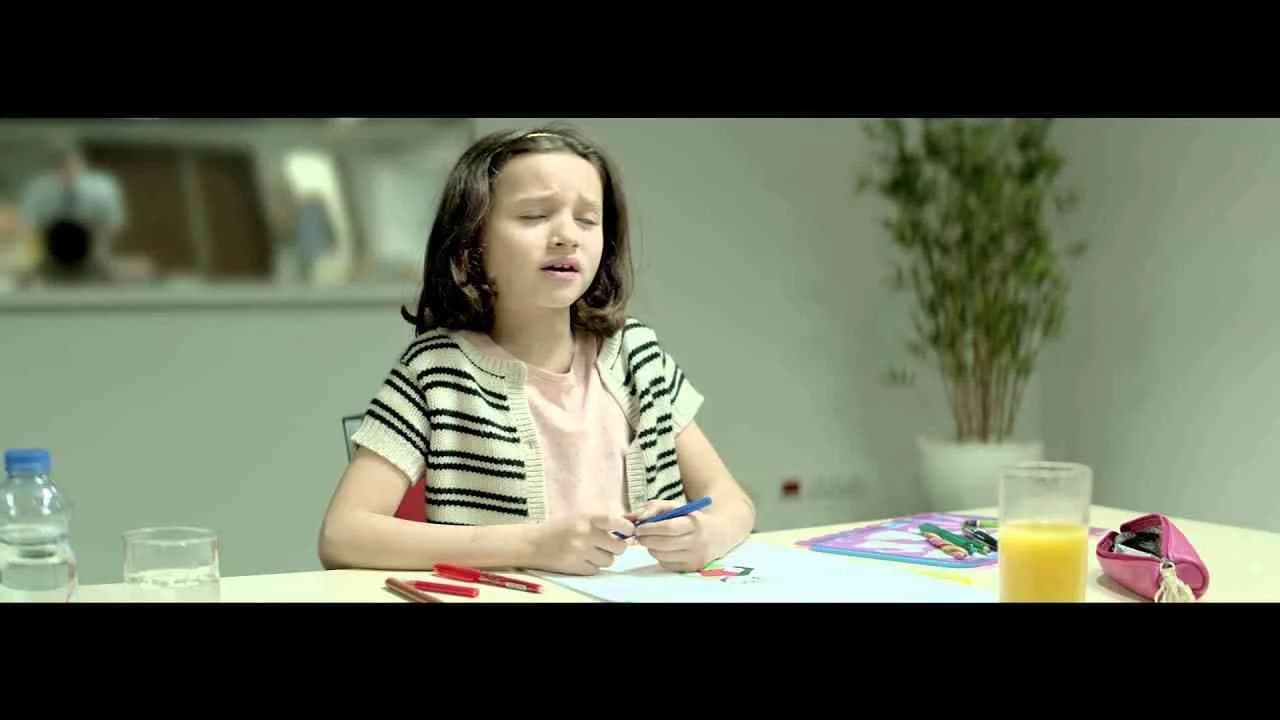
How Pictionary's 'The Fish' Campaign Reframed Getting It Wrong as the Whole Point Pictionary's 'The Fish' is a single-film campaign created by LOLA MullenLowe Madrid and published in Spain in January 2018, designed to combat post-holiday blues by celebrating the comedic pleasure of drawing badly rather than the competitive satisfaction of winning. The campaign centres on a deceptively simple narrative. A man goes about an ordinary day carrying what appears to be a peculiar accessory, and only at the film's conclusion does the audience realise the absurd, tender truth behind what he has been doing. That structural reveal — built entirely on delayed comprehension — mirrors the core Pictionary experience: the gap between what a player intends to draw and what everyone else sees is not a failure state but the game's primary source of joy. Mattel, which owns the Pictionary brand, partnered with LOLA MullenLowe to make that insight the emotional engine of a January release timed to the deflation that follows the winter holiday period. In Spain, January has cultural weight as a post-festivity lull, arriving after the extended celebration of Christmas, New Year, and the Three Kings holiday on 6 January. LOLA MullenLowe positioned Pictionary as a corrective — a reason for friends and families to gather again and laugh together, specifically by doing something imperfectly. The campaign consisted of a single media asset, as documented by Adsoftheworld , and relied entirely on the film's storytelling craft to carry the brand message without supplementary executions. Clapboard assigns this campaign a score of 66 out of 100, reflecting a strong creative concept with room for broader campaign architecture. The film was submitted to the industry record at Clapboard.com and trade outlets including Marketingdirecto .com, where its January 2018 launch was publicly reported.
Channel 4 and Viktoria Modesta Redefine Disability in Prototype
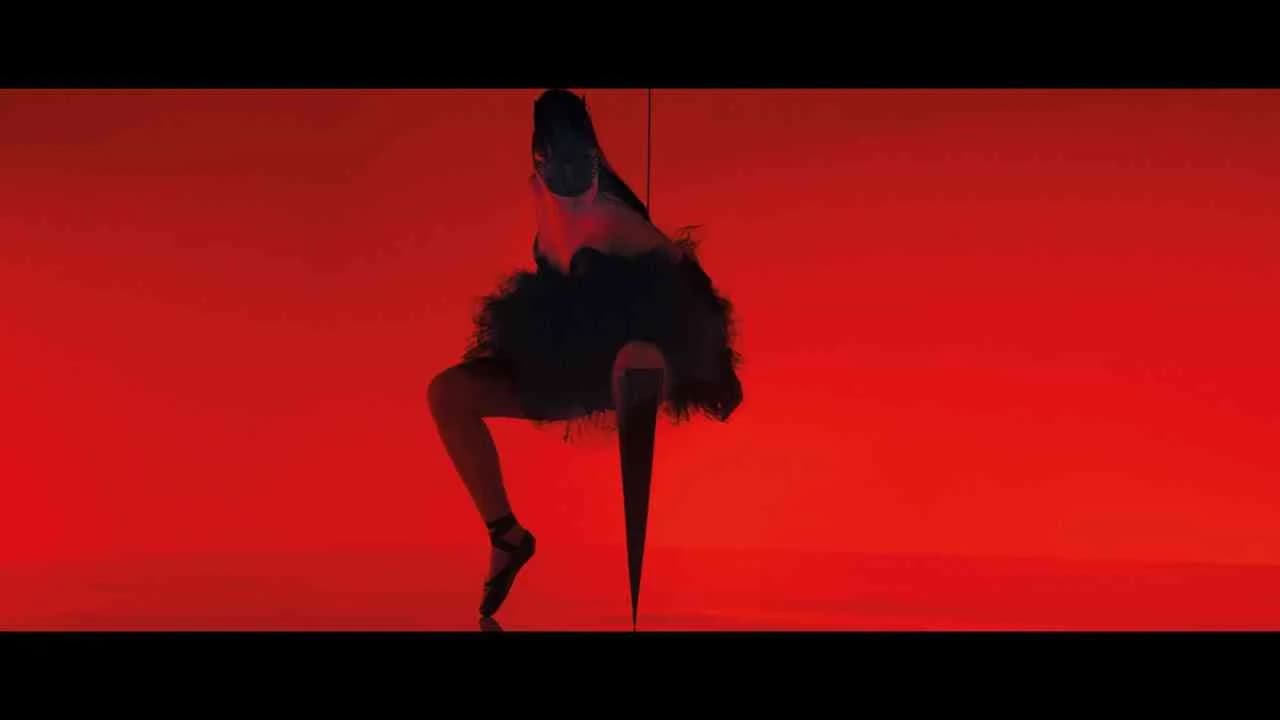
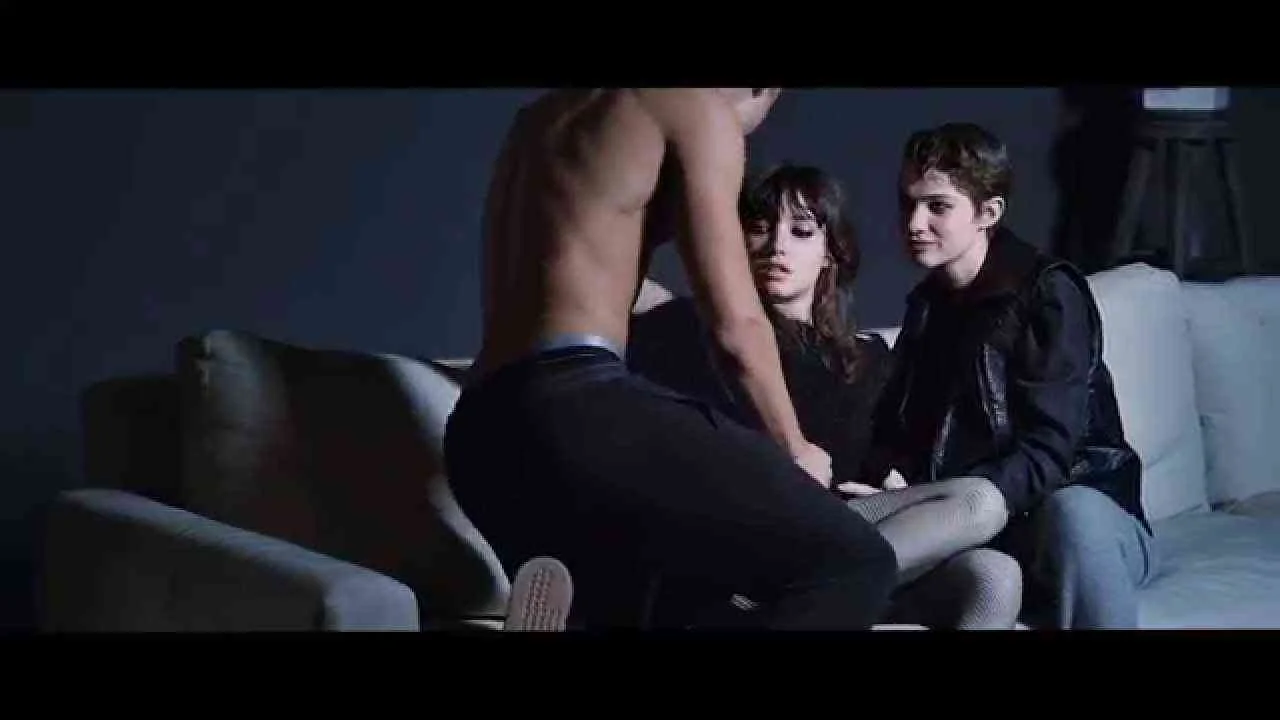
How Channel 4's Prototype Introduced an Amputee Pop Artist to the United Kingdom Channel 4's Prototype is a digital campaign created by 4creative, published in the United Kingdom in June 2015, that introduced Viktoria Modesta — described by Channel 4 as the world's first bionic pop artist — as a symbol of radical self-expression under the broadcaster's Born Risky brand platform. The campaign centres on a single, arresting media asset: a promotional film featuring Viktoria Modesta, a Latvian-born, London-based amputee pop artist whose performance and visual identity challenge conventional representations of disability in mainstream media. Rather than positioning disability as limitation, Prototype frames it as aesthetic and creative power. The film was first announced in December 2014, broadcast during advertising breaks on Channel 4, and a longer version was simultaneously published online, extending its reach into digital environments where audiences could engage with it on their own terms. In the United Kingdom, the campaign sits within a broader strategic lineage that began with Channel 4's celebrated 2012 Meet the Superhumans campaign for the London Paralympic Games — a predecessor that redefined how British broadcasters represent disabled athletes and artists. Prototype carries that lineage forward, shifting the register from sport to pop culture and amplifying the broadcaster's commitment to difference as a defining editorial and commercial value. The campaign was produced under the Born Risky platform, the creative philosophy that has guided 4creative's output and shaped Channel 4's identity as the United Kingdom's most deliberately provocative public service broadcaster.
ADMA Case Study Song of the Year Turns Award Culture Into a Tune
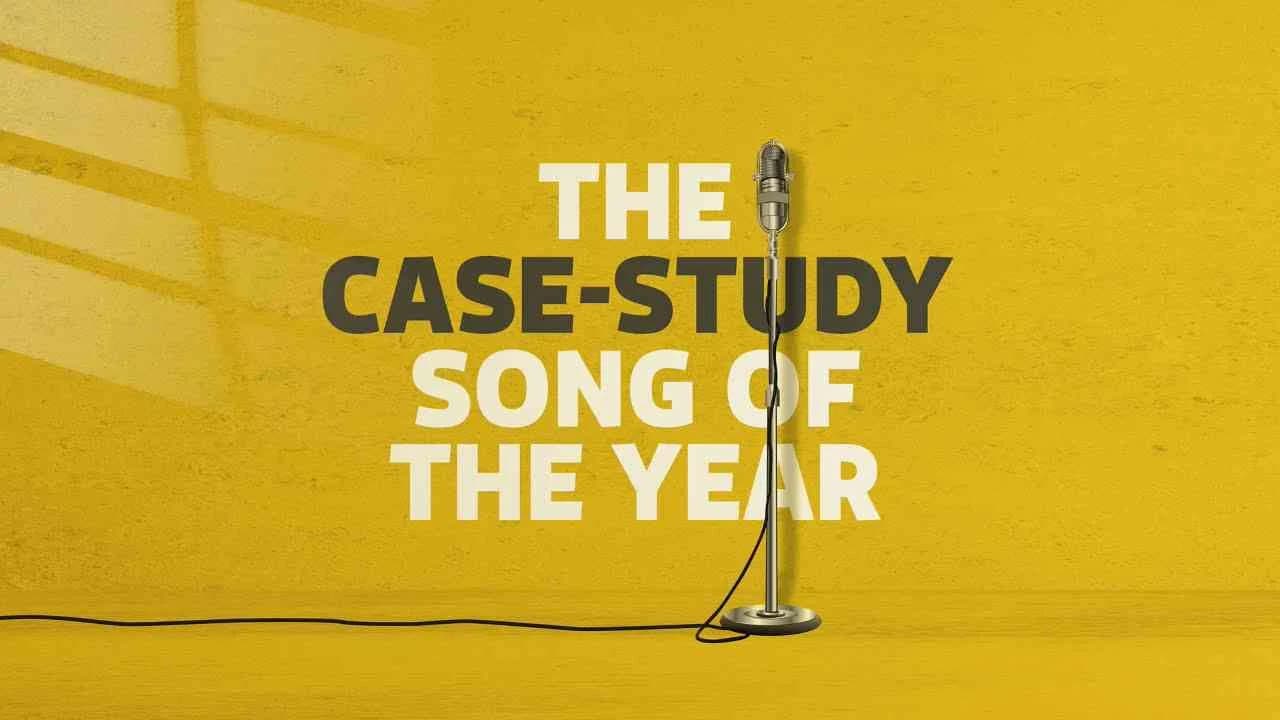
How ADMA 's Case Study Song of the Year Captured Award Season in Australia ADMA's Case Study Song of the Year is a 2015 Australian digital campaign that created a bespoke, purchasable song designed to accompany the emotional arc of award-entry case-study videos, while simultaneously promoting the association's Creative Fuel event at Sydney's Seymour Centre. ADMA launched the campaign in July 2015, targeting marketing and advertising professionals across Australia who understand — often from hard experience — that a compelling case-study film lives or dies on its emotional journey. The campaign consisted of a single media asset delivered through digital channels, making it a lean but pointed industry-facing activation. Rather than advertising a product to consumers, ADMA turned an in-joke shared across the professional services sector into a fully realised creative idea: the perfect case-study soundtrack, available for anyone bold enough to buy it. The campaign's scope was deliberately intimate. It addressed a highly specific Australian marketing industry audience rather than a mass-market consumer base, positioning ADMA as an organisation with both self-awareness and creative ambition. That positioning carried a secondary commercial purpose: purchase of the song came with lifetime rights and a complimentary ticket to ADMA's Creative Fuel event at Sydney's Seymour Centre on August 6, 2015, as reported by Servant of Chaos. The campaign thus operated simultaneously as a piece of industry entertainment and a direct-response mechanism driving event attendance. ADMA CEO Jodie Sangster was quoted in coverage of the campaign on Servant of Chaos, lending executive endorsement to what might otherwise have read as a purely playful gesture. Clapboard Score: 73/100.
Brandon Semenuk Makes Mountain Biking History in unReal
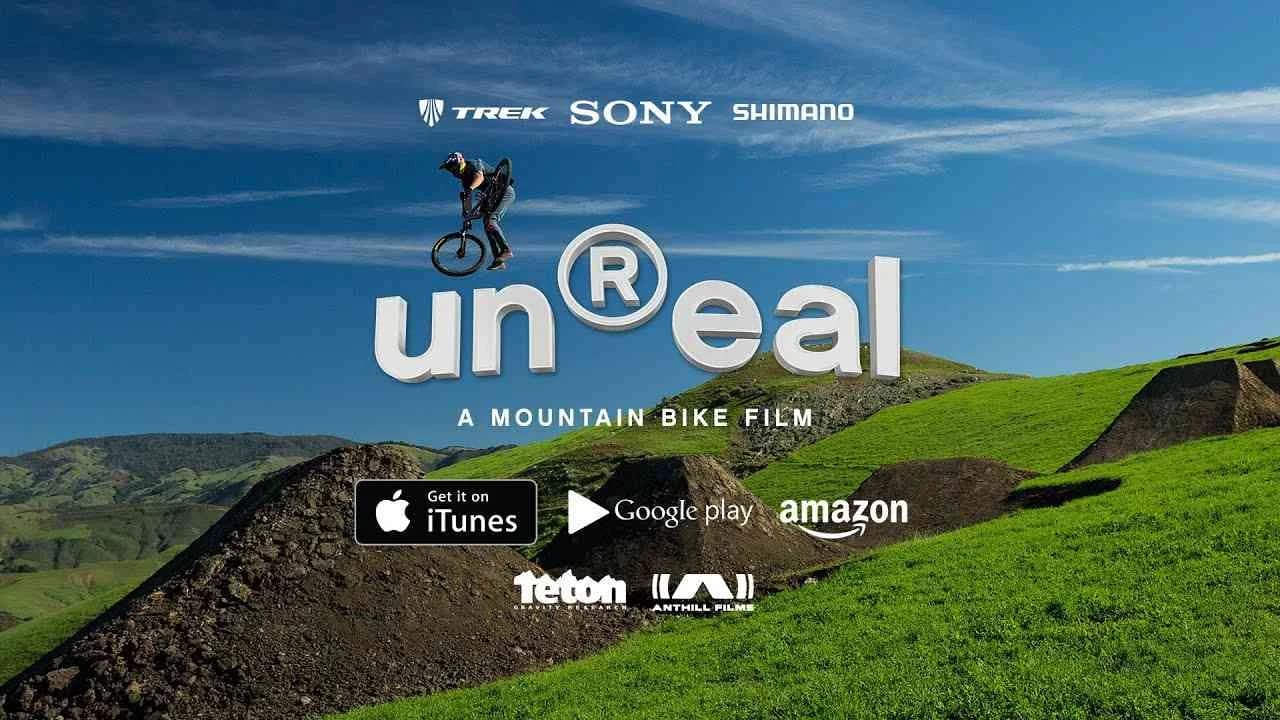
How Brandon Semenuk Rewrote Slopestyle Filmmaking With a Single Continuous Shot Brandon Semenuk's segment in the 2015 mountain-bike film unReal is a single-shot, unedited, top-to-bottom ride filmed on a purpose-built trail in Cambria, California, making Semenuk the first slopestyle mountain biker in the world to complete a full segment captured in one continuous, uninterrupted take. Published in July 2015 and produced for the United States market, the segment was created to anchor the theatrical and digital release of unReal, a feature-length mountain-bike film presented by Sony with Shimano and Trek as supporting brands. The production was led by Teton Gravity Research and Anthill Films, two of the most respected names in action-sports filmmaking. The campaign's single media asset — the segment itself — was released as both a standalone digital film and a centrepiece of the broader unReal feature, positioning the project at the intersection of branded entertainment and cinematic sports documentation. The ambition of the project was structural from its earliest planning stages. A custom trail was designed and constructed specifically for the shoot, with construction taking three weeks to complete according to anthillfilms .com. Alongside the trail, a custom road was built to allow a truck-mounted camera system to travel in parallel with Semenuk's ride from start to finish. That camera system — the GSS C520, described by the production as the most advanced gyro-stabilized rig of its kind — absorbed vibration and maintained frame stability across the full duration of the run. The result was a seamless, broadcast-quality visual record of a performance that, as Sports Illustrated reported on August 12, 2015, Semenuk himself described upon completion with the words: "Awesome, I did it." The segment earned a Clapboard Score of 90 out of 100, reflecting the exceptional technical ambition and creative singularity of the execution.
Rock 'n' Roll Panty
Rock 'n' Roll Panty is a dynamic digital campaign launched in Japan in August 2024 for Space Shower TV, crafted by the innovative ad agency dot by dot. Targeting the media industry, this campaign leverages a distinctive approach to engage audiences through a single compelling media asset designed to embody the vibrant spirit of rock and roll culture while seamlessly integrating Space Shower TV's brand identity. The campaign’s creative direction combines bold visual storytelling with digital media strategies to capture the attention of a music-savvy, trend-conscious demographic. By aligning music, culture, and dynamic digital content, Rock 'n' Roll Panty establishes a memorable brand experience that resonates with viewers and heightens brand recall. The use of digital channels allows for precise targeting and interaction, effectively elevating Space Shower TV's position in a competitive media landscape. The campaign’s innovative execution and thematic coherence showcase dot by dot’s expertise in crafting culturally relevant and impactful advertising that speaks directly to its intended audience. This campaign not only reinforces Space Shower TV’s commitment to music and media enthusiasts but also demonstrates the power of digital media as a platform for creative brand storytelling and engagement.
Fantastic Four Sent a Flaming Human Torch Drone Over New York
How the Human Torch Drone Brought Fantastic Four's Most Iconic Power to Life The Human Torch drone is a live pyrotechnic stunt created by Thinkmodo in August 2015 to promote the Fantastic Four film ahead of its United States theatrical release, in which a human-shaped drone modeled on Johnny Storm was flown while visibly engulfed in flames, generating widespread media coverage across entertainment and technology press in the days immediately before the film opened. The campaign launched on August 3, 2015, with the film's US release following on August 7, 2015. The objective was direct: to create a visceral, real-world manifestation of The Human Torch's signature ability — the power of flight and fire combined — in a form that would cut through the noise of a crowded summer release calendar and earn organic media coverage without relying solely on a conventional trailer cycle. The stunt was not a digital effect or a composite. A physical, human-shaped drone was constructed, outfitted with flame apparatus, and flown in controlled conditions, translating a VFX-driven superhero property into a tangible, filmable event in the United States. The execution was designed as a one-off promotional moment for Josh Trank's Fantastic Four reboot, not as part of any ongoing advertising platform. Its geographic anchor was New York, and its media footprint extended nationally across the US market within the same week it was filmed and released. The campaign contains one primary media asset and was produced at the intersection of drone technology, live pyrotechnics, and entertainment marketing — a combination that positioned Fantastic Four as a franchise willing to perform its mythology rather than simply advertise it. The Clapboard Score for this campaign is 73 out of 100.
Paradise Hill
Paradise Hill is a striking print campaign launched in New Zealand in August 2015 for Home Magazine, crafted by the renowned ad agency FCB. Positioned within the media industry, this campaign leverages a singular, impactful media asset to capture the essence of Home Magazine’s brand identity, appealing to a discerning audience seeking inspiration and insight into modern living spaces. The creative approach blends compelling visuals and sophisticated messaging to elevate the magazine’s presence in a competitive marketplace, reinforcing its authority and relevance. The campaign’s timing and location were strategically chosen to resonate with the evolving tastes and lifestyle aspirations of New Zealand’s readership during that period. By utilizing print as the primary medium, Paradise Hill effectively harnessed the tactile and immersive qualities of physical media, creating an intimate connection with the target audience. This campaign stands as a testament to FCB’s expertise in delivering elegant and memorable advertising solutions tailored to the unique demands of the media sector. Regarding the requested JSON metadata for the associated YouTube video, the following structure can facilitate information extraction: { "title": "Paradise Hill – Home Magazine Print Campaign", "brand": "Home Magazine", "agency": "FCB", "country": "New Zealand", "date": "August 2015", "industry": "Media", "medium": "Print", "media_asset_count": 1 }.
Star Wars The Force Awakens Teaser That Redefined Film Marketing
How Star Wars Engineered Anticipation With The Force Awakens Teaser The Force Awakens teaser is a November 2014 film promotional campaign released in the United States by Star Wars, designed to reintroduce the franchise to global audiences more than a year before the film's December 2015 theatrical debut, generating over 55 million online views in its first week alone, according to starwars .com. Disney acquired Lucasfilm in 2012 and announced a new Star Wars trilogy set after Return of the Jedi, as reported by En Wikipedia . The Force Awakens campaign arrived as the culmination of that announcement, tasked with two distinct objectives: reassuring the original generation of fans that the saga was in careful hands and simultaneously introducing the franchise to younger audiences who had no living cinema memory of the original trilogy. The tagline chosen for the broader campaign, "Every generation has a story," made both ambitions explicit, positioning the film as a bridge between legacy fandom and new devotees. The teaser itself runs approximately 88 seconds, according to observer .com, and was released on November 28, 2014, in the United States. It functions less as a conventional trailer and more as a tone-setting declaration. Rather than cataloguing plot points or showcasing extended action sequences, the teaser offers isolated, atmospheric glimpses: a desert landscape, an unfamiliar droid, new faces, and finally the sight of the Millennium Falcon banking against a twin-sun sky. The Clapboard Score for this campaign is 80 out of 100, reflecting the craft and cultural impact embedded in its compressed runtime. The campaign contains one media asset, the teaser film itself, and its impact on the entertainment marketing landscape in the United States remains instructive a decade on.
BBC Radio 4 Proves Depth and Variety in One Ambitious Film
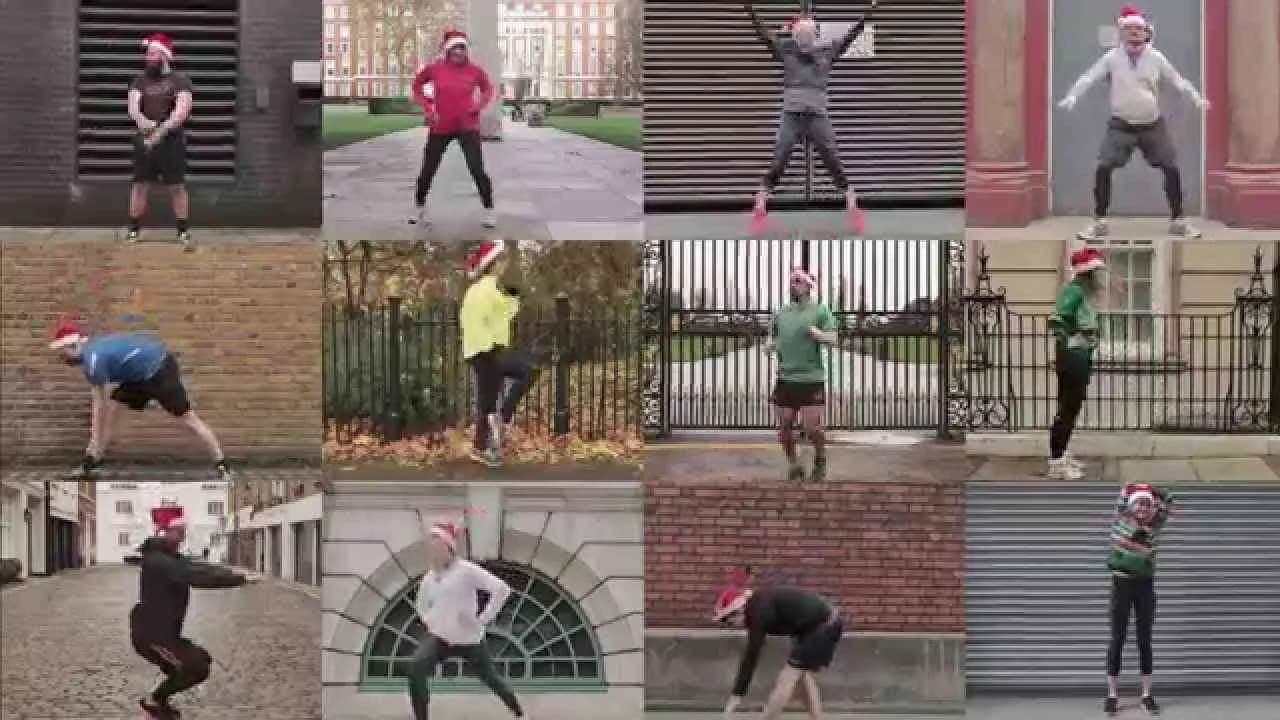
How BBC Radio 4 Distilled Its Entire Editorial Identity Into One Film BBC Radio 4's '4 in Four' is a December 2014 promotional film created by Red Bee Media for the United Kingdom market, designed to communicate the breadth and distinctive content of the station through a single, condensed montage film running to approximately four minutes. The campaign 's objective is precise: to demonstrate that BBC Radio 4 is not a narrow-format broadcaster but a station of genuine depth, variety, and intellectually oriented content. Rather than leaning on familiar programme titles or presenter faces, the film attempts to compress the station's editorial range into one continuous cinematic statement. The campaign launched in December 2014 and comprises a single film asset, produced by Strange Beast and directed by the duo Kijek/Adamski under creative director Dan Moore. In the United Kingdom, BBC Radio 4 occupies a singular position in the public broadcasting landscape — a station associated with news, drama, comedy, documentary, and cultural debate all coexisting within a single schedule. Reaching that audience with an image campaign presents a distinctive creative challenge: the product is intangible, pluralistic, and resistant to a single selling proposition. '4 in Four' addresses that challenge by abandoning the proposition format entirely and trusting montage to do the argumentative work. The campaign earned a Clapboard Score of 57 out of 100, reflecting a technically accomplished execution whose measurable audience footprint remains limited by available data.
Barbie Wishes from the Heart Turns Digital Sharing Into Charity
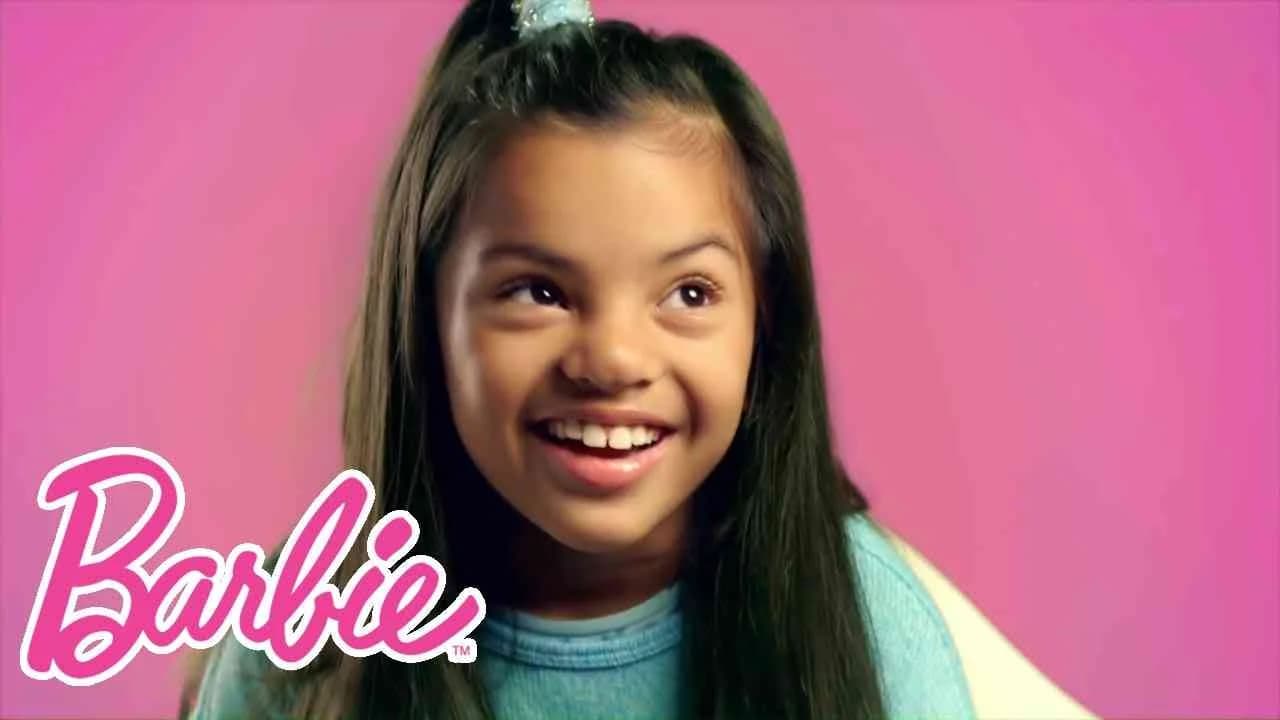
How Barbie's Wishes from the Heart Campaign Made Canadian Children's Dreams Count Barbie's Wishes from the Heart campaign is a December 2014 Canadian digital initiative created by Toronto agency TrojanOne, in which children submitted wishes through Barbie's My Dreams platform and shared them using the hashtag #BarbieWishes, with each qualifying submission and social post generating a one-dollar donation to Make-A-Wish Canada, up to a combined ceiling of C$10,000. The campaign occupies a precise moment in Barbie's brand evolution. In 2014, Mattel was navigating softening sales — the brand's parent company reported a seven-percent decline in annual revenue that year, according to Business Insider — and was actively searching for ways to deepen emotional resonance with Canadian families during the holiday season. Wishes from the Heart answered that challenge by converting digital engagement into a tangible philanthropic act, positioning Barbie not merely as a toy but as a conduit for children's aspirations. In Canada, the campaign operated entirely in the digital medium and was classified under the gaming category, reflecting the interactive, participatory nature of the My Dreams platform. Users were invited to articulate personal wishes, share those wishes via social posts carrying the #BarbieWishes hashtag, and in doing so, trigger a charitable donation. The submission window closed on December 31, 2014, giving the campaign a tight seasonal arc that reinforced urgency and gifting-season relevance, as documented by foreverinmomgenes .com. The Clapboard Score for Wishes from the Heart is 63 out of 100, reflecting a campaign that executes its cause-marketing mechanic clearly but operates at a scale — one media asset, a capped donation pool, a single national market — that constrains its overall ambition. The campaign's structural elegance nonetheless makes it a durable reference point for brands exploring the intersection of narrative, gaming mechanics, and charitable giving in the Canadian market.
FAQs for the Playlist: Media / Entertainment■
Top questions to this curated campaign playlist
Professionals analyze these campaigns to understand narrative techniques, audience engagement, and brand positioning within entertainment contexts. They draw on proven storytelling frameworks and innovative media executions to inspire fresh ideas and align creative strategies with evolving consumer expectations—archived in Clapboard's global ad archive.
Historical campaigns reveal shifts in cultural trends, audience behavior, and media consumption that shape effective messaging. Understanding these patterns helps strategists anticipate market changes, craft relevant narratives, and position brands with authenticity and impact in a competitive entertainment landscape.
Variations arise from technological advances, cultural norms, and media platforms unique to each era and region. For example, early TV spots prioritized broad appeal, while digital-era campaigns leverage interactivity and niche targeting. Regional storytelling styles and regulatory environments also influence creative execution and messaging tone.
Many assume these campaigns rely solely on celebrity endorsements or spectacle. In reality, successful ads integrate deep audience insights, narrative coherence, and brand alignment to build emotional connections that extend beyond star power or flashy visuals.
Examining landmark campaigns sharpens critical thinking about concept development, media integration, and cultural resonance. It equips professionals to innovate within genre conventions, anticipate audience reactions, and elevate brand storytelling with precision and originality—archived in Clapboard's global ad archive.
Creative Collaboration Platform: The Backbone of Modern Creative WorkWhat is a creative collaboration platform?Clapboard defines a creative collaboration platform as the operational core for today’s distributed creative teams. This is not a collection of digital collaboration tools stitched together; Clapboard’s system
Understanding the Creative Production MarketplaceWhat is a Creative Production Marketplace?Clapboard defines a creative production marketplace as a structured ecosystem where brands, agencies, and production talent converge to execute video, advertising, and branded content at scale. Unlike the legacy agency or freelanREAD FULL ARTICLE
The Urgent Need for a Creative Production Operating SystemWhy Traditional Creative Production Models Break DownClapboard sees the creative production landscape shifting under pressure. Content velocity is no longer a buzzword—it’s a mandate. Modern advertising demands relentless output across dozens of channels, each wREAD FULL ARTICLE
.webp)