Story-driven ads that show how the brand benefit improves lives, solves needs, or creates meaningful impact.
Benefit Causes Story








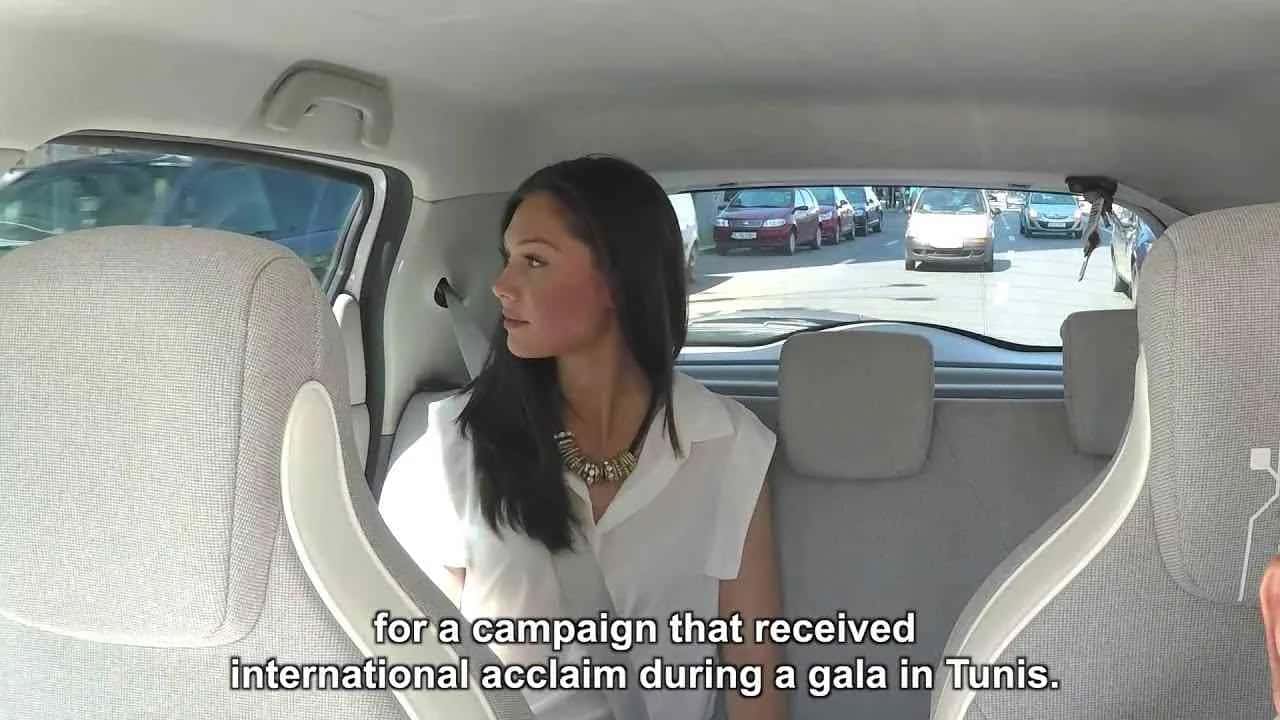
Renault Eco-Friendly Rides Puts Electric Driving on Romania's Streets
Benefit Causes Story
Renault Eco-Friendly Rides Puts Electric Driving on Romania's Streets
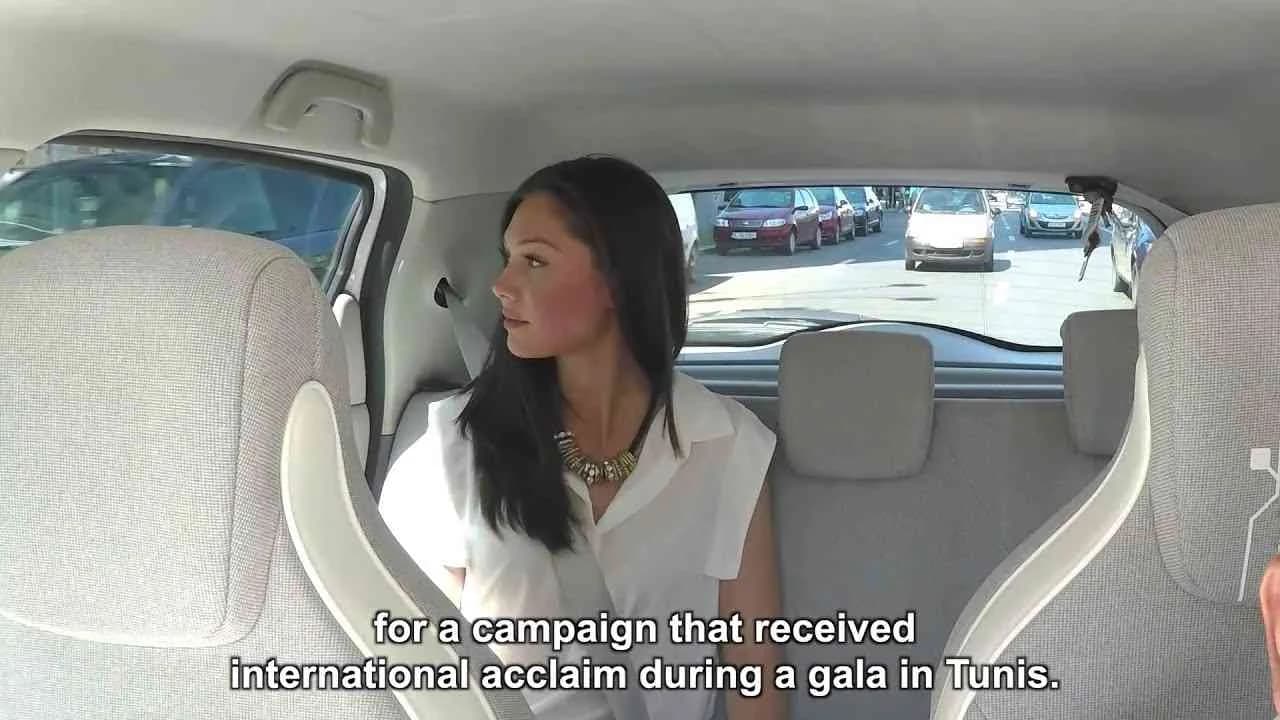
How Renault Made Electric Cars Personal on Romania's Streets Renault's 'Eco-friendly rides' is an ambient automotive campaign launched in Romania in August 2015, in which the brand partnered with Uber in Bucharest to give unsuspecting passengers free rides in the all-electric Renault Zoe, surprising them with a scripted on-ride announcement that they had been named a 'National Environment Hero.' The campaign operates as a live experiential moment embedded inside an everyday urban journey. In Bucharest, passengers who booked Uber rides found themselves inside a Renault Zoe, an all-electric vehicle, without initially knowing the ride carried a broader purpose. During the journey, radio personality Matei Oprina delivered a scripted prank announcement declaring each passenger a winner of the 'National Environment Hero' award. The reveal was reinforced by diplomas printed on plantable seed paper, turning a commute into a tangible environmental statement. Created by Publicis Romania, the campaign was timed to World Environment Day, anchoring the activation within a globally recognised environmental occasion and giving Renault a culturally credible platform to introduce electric vehicle ownership to Romanian consumers. The campaign consists of one media asset and sits within the ambient advertising format, a format that prioritises real-world engagement over broadcast reach. In the Romanian automotive market, where awareness of electric vehicles was still forming in 2015, the campaign's street-level approach positioned the Renault Zoe not as a distant innovation but as an immediately accessible, everyday choice. The Clapboard Score for this campaign is 64 out of 100.
Heineken Puts Rugby Fans at the Heart of the 2015 World Cup
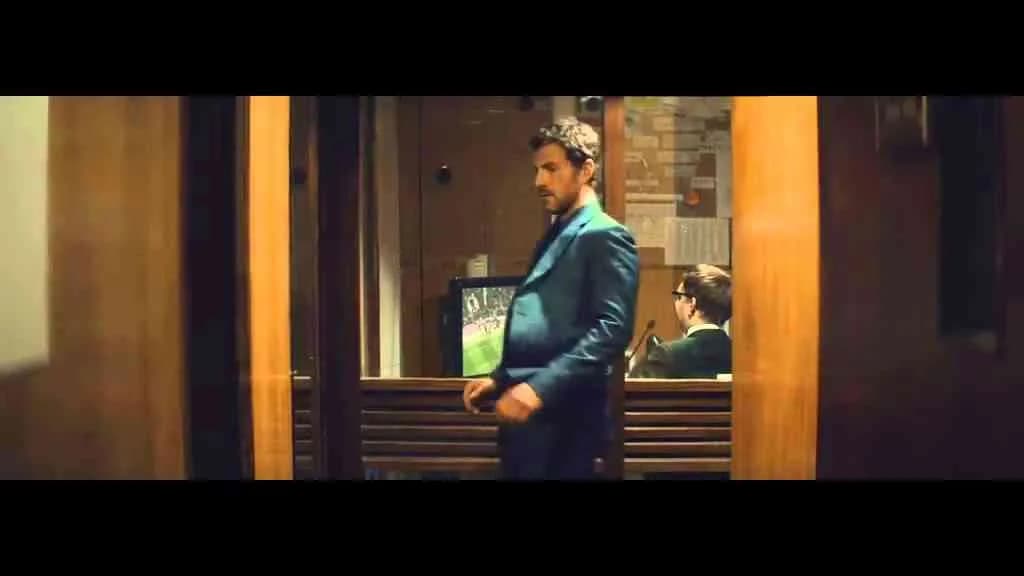
How Heineken's 'It's Your Call' Turned Irish Rugby Fans Into World Cup Participants Heineken's 'It's Your Call' is a 2015 Rugby World Cup campaign created in Ireland by Dublin-based agency Rothco, in which fans competed for the chance to perform the ceremonial coin toss at their country's Rugby World Cup matches, with one fan selected to flip the coin at the tournament final on 31 October 2015, according to The Drum . The campaign launched on 15 August 2015, coinciding with the Ireland versus Scotland match, and ran through to the Rugby World Cup final, according to Bestadsontv . Conceived and produced in Ireland, the activation was designed with global reach in mind, developed for adaptation across all participating rugby nations so that Heineken's World Cup presence could be felt locally in each market, according to Sponsorshipawards Ie . The campaign combined a single-asset film with television broadcasting, competition mechanics, sponsorship activation, and direct fan participation — a multi-layered approach that placed the audience inside the tournament rather than simply in front of it. The central mechanic gave the campaign its name. Fans entered a competition in their respective countries for the right to perform the coin flip that precedes each Rugby World Cup fixture. The prize was not a hospitality package or branded merchandise but an active, visible role in the sporting ritual itself, according to Little Black Book . In Ireland, where rugby carries deep cultural significance and the national team's World Cup campaigns command widespread public attention, the offer carried particular resonance. The campaign's narrative rested on the idea that the most meaningful fan experience is one of genuine participation, not passive spectatorship — a proposition that allowed Heineken to position its World Cup sponsorship as something more than a logo on a backdrop.
Transat Holidays Brings Cuba to the Streets of Toronto
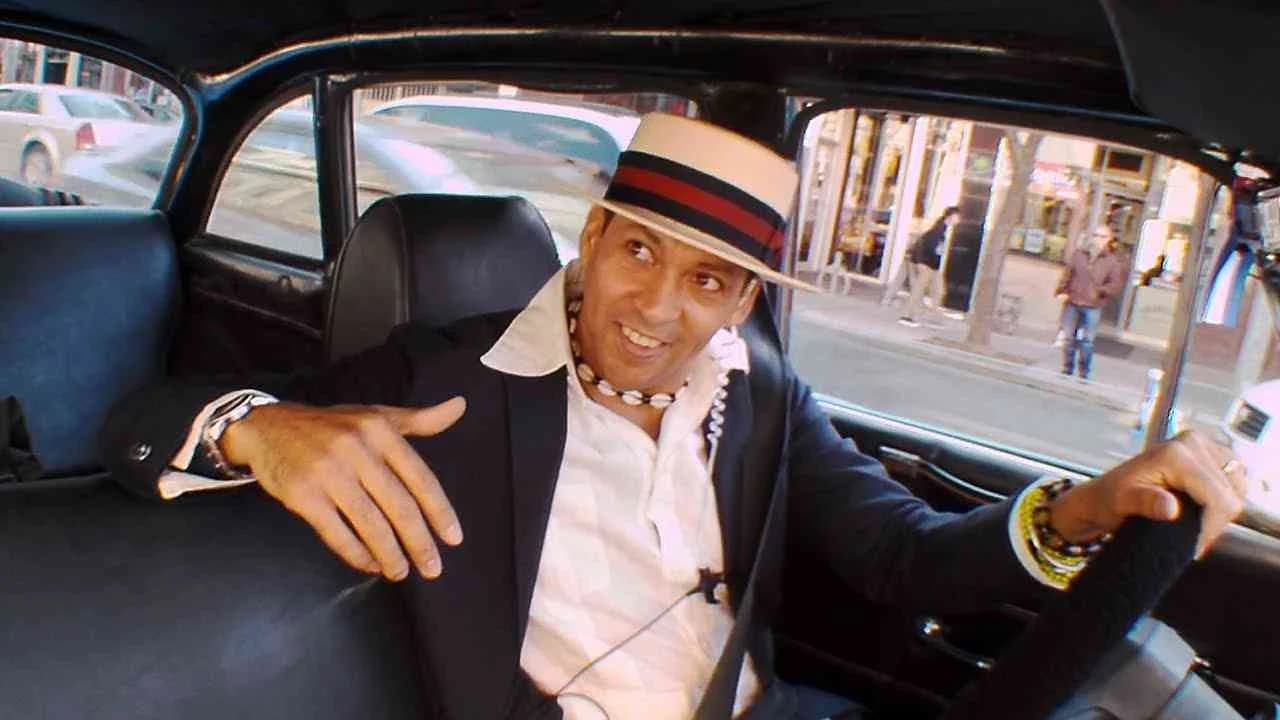
How Transat Holidays Turned a Toronto Cab Into a Cuban Vacation The Cuban Taxi Surprise is an ambient advertising campaign created for Transat Holidays by DentsuBos in Toronto, launched in November 2014 across the Canadian market, in which an actor posing as a Cuban taxi driver surprised unsuspecting passengers and rewarded select participants with trips to Cuba. Transat Holidays produced the campaign to promote its Cuba sun-destination packages under a broader "sun for everyone" platform. The activation centred on a single, memorable physical asset: a checker cab repainted in Cuban style and fitted with maracas, driven by a performer playing the role of an exuberant Cuban driver. Passengers who climbed in found themselves drawn into comedic, unscripted situations before learning they had won an all-inclusive Cuba vacation. The campaign contained one media asset, documenting the street-level experience for social and earned media distribution. The strategic ambition reached beyond a traditional travel advertisement. By staging genuine surprise in a public urban environment in Toronto, Transat Holidays sought to generate the kind of feel-good, shareable content that would extend the campaign's reach well beyond the passengers actually sitting in the cab. In Canada's competitive outbound sun-destination market, where package-holiday brands compete intensively for winter booking consideration, the activation positioned Transat Holidays as the brand willing to put real prizes — and real joy — directly into people's everyday lives. The Clapboard Score for the Cuban Taxi Surprise is 63 out of 100.
Christmas surprise
The Christmas surprise campaign, launched in Canada in December 2014 for the brand Metro and created by the ad agency Publicis, exemplifies a strategically crafted digital initiative within the Retail Services industry. This campaign leverages a single impactful media asset to engage audiences during the festive season, aiming to connect emotionally with consumers through a narrative that blends holiday warmth with the convenience and community spirit associated with Metro. Emphasizing digital media ensures precise targeting and measurable engagement, aligning with contemporary consumption habits where online platforms play a central role in holiday shopping decisions. The collaboration with Postproduction experts Mikros Image Canada Inc. and the coordination efforts led by Élodie Pollet highlight a seamless production process, enhancing the visual storytelling and overall creative quality. Positioned as a festive digital experience, the campaign successfully uses the Christmas theme to evoke joy and surprise, driving brand affinity and consumer interaction. By situating Metro as a thoughtful and approachable retailer during a peak shopping period, the campaign not only boosts immediate sales potential but also strengthens long-term brand loyalty. The concise yet emotive digital asset contributes significantly to these objectives, reinforcing Metro’s market presence while showcasing effective use of digital channels in retail advertising. This initiative stands as a compelling example of holiday-themed marketing that combines emotional resonance with strategic digital media deployment to create memorable consumer experiences. { "campaign_title": "Christmas surprise", "country": "Canada", "publication_date": "December 2014", "brand": "Metro", "agency": "Publicis", "media_type": "Digital", "industry": "Retail Services", "media_asset_count": 1, "postproduction": "Mikros Image Canada Inc.", "production_postproduction_coordination": "Élodie Pollet" }
Buyout, Conspiracy Bookstore, Corner Office
The campaign Buyout, Conspiracy Bookstore, Corner Office, launched in the United States in November 2017 for FedEx by BBDO, strategically highlights the reliability and affordability of FedEx Ground as an essential shipping partner for small businesses. Through a relatable narrative centered on a small business owner operating from her home, the campaign emphasizes the value of recognizing and rewarding employee initiative in choosing a trusted shipping service. This film-based transport industry campaign, composed of three distinct media assets, conveys a message of efficiency and partnership by showcasing the boss’s effort to acknowledge her employee’s recommendation of FedEx Ground, thereby reinforcing the brand’s position as a fast, dependable option tailored to meet the practical needs of small business logistics. The storytelling approach humanizes the brand, making FedEx Ground not just a service provider but a collaborative partner invested in the success and satisfaction of its customers. By focusing on everyday workplace dynamics, the campaign effectively resonates with current and prospective small business owners, illustrating how FedEx Ground can transform shipping challenges into seamless solutions. The choice of film as the medium enables visual storytelling that deepens audience engagement, heightening brand recall and emotional connection. This concise yet impactful campaign reinforces FedEx's commitment to affordability and speed, qualities that are crucial to small businesses navigating competitive landscapes. Overall, the campaign not only promotes FedEx Ground’s operational strengths but also celebrates the contributions of employees within small enterprises, positioning FedEx as an integral part of their growth and achievement.
Red Market Turned a Speed Camera Into a Discount Machine
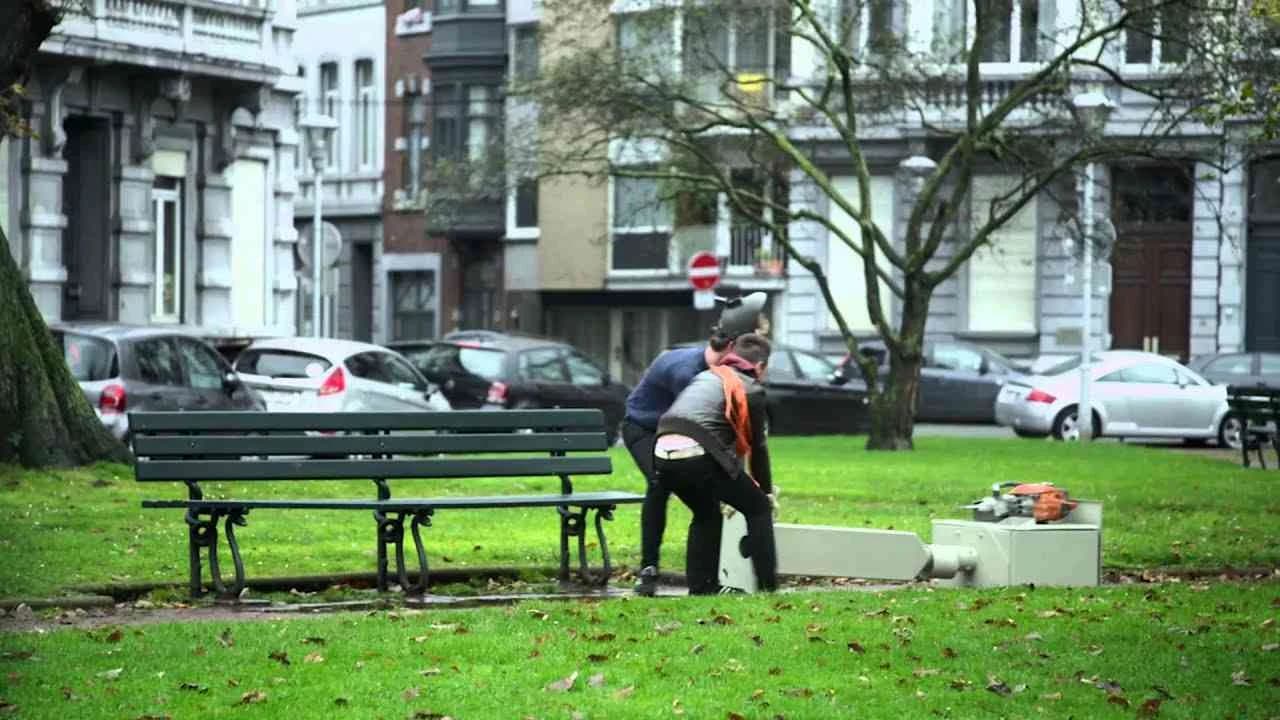
How Red Market's Flash Marathon Rewrote the Rules of Retail Discounting in Belgium Red Market's 2014 "Flash marathon – stealing speed camera" campaign is a Belgian ambient retail activation in which approximately 1,200 participants ran past a repurposed speed camera, with faster running speeds translating directly into larger in-store discounts, according to Results Xacte . Conceived by Gutz and Glory and published in Belgium in December 2014, the campaign collapses the conventional retail promotion into a single, physical moment of competitive effort. Where most discount supermarkets communicate price advantage through leaflets, shelf-talkers, or broadcast price-cut announcements, Red Market chose to make the discount itself contingent on personal performance, according to Rrrc Run . The faster a participant ran past the speed camera, the greater the saving they unlocked at a Red Market store. Speed, in every sense, became currency. The activation occupied public space in Belgium and drew roughly 1,200 people into direct, embodied participation — a scale that transforms what might have been a niche stunt into a genuine community event. The campaign produced one media asset, a campaign video documenting the event, which extended the reach of the live experience into a shareable, viewable record of the day. The Clapboard Score for the campaign sits at 73 out of 100, reflecting its structural originality and clear mechanic despite the absence of verified downstream performance data.
The joy of giving - ebay | Clapboard Ad Archive
The joy of giving campaign from eBay, created in partnership with Exposure for the United Kingdom market in 2014, marks a pivotal turn for the eCommerce category as it leverages the emotive peak of the December holidays to reposition the brand beyond its traditional role as an online marketplace and into the realm of meaningful social connection. By foregrounding generosity and the emotional resonance of gift-giving, the campaign appeals directly to both the professional services sector and broader consumer mindset, highlighting the ease and joy facilitated by eBay’s platform as intrinsic to the act of giving. Anchored by a digital-first approach, the narrative avoids clichés of competitive self-comparison or celebrity presence, instead building its emotional arc around authentic stories of gifting and the tangible happiness sparked between givers and recipients. This is a textbook example of what Clapboard’s taxonomy would classify as FORMAT#6—Benefit Causes Story: the actions and emotional peak of generosity are catalyzed by the unique benefit eBay offers—namely, accessible and thoughtful gifting at scale. The creative restraint of deploying a single standout media asset serves to amplify impact rather than dilute it, ensuring that the campaign’s message lands with clarity and relevance at a moment when consumer attention is saturated and traditional brands scramble for differentiation. Exposure’s work elevates eBay’s brand perception, drawing on the heightened emotional charge of the season to reinforce eBay as an enabler of personal connection, rather than simply a transactional utility. Importantly, the campaign eschews heavy retail messaging in favor of stories that bridge digital experiences with real-world emotions, signaling a sophisticated understanding of what moves holiday audiences and what elevates a platform from service provider to social facilitator. Clapboard rates this 48/100. In foregrounding the emotional dividend of connection over the hard sell, eBay’s joy of giving signals a shift in how eCommerce brands can own cultural moments by amplifying the human stories their platforms make possible.
KFC France Turns a Tenders Bucket Into a Story About Fathers and Sons
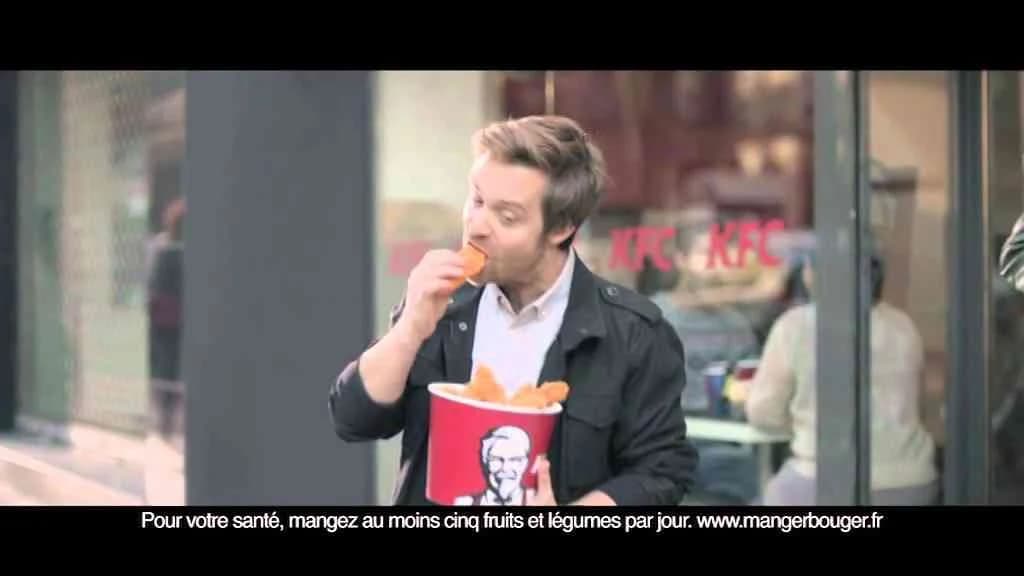
How KFC France Built a Narrative Campaign Around the Tenders Bucket KFC's 'Like Father Like Son' is a French film campaign created by Lowe Strateus Paris and published in December 2014, in which a father and son share a KFC Tenders bucket while traveling home and extend that gesture of sharing outward to strangers they meet along the way, positioning KFC as a brand rooted in conviviality and family connection . The campaign launched in France during December 2014 and centres on a single film asset built around one of the brand's core menu offerings: the KFC Tenders bucket. Rather than leaning on price-point messaging or product demonstration, the creative team chose to anchor the campaign in something more culturally durable — the idea that food habits, generosity, and warmth are passed from one generation to the next. The title itself, 'Like Father Like Son' — rendered in French as 'Tel père tel fils' — signals that intent immediately, borrowing a proverb that resonates across cultures to frame a brand interaction as a family ritual. In France, where KFC's presence and brand recognition has historically lagged behind its global footprint — the brand opened its first French restaurants only in 1991 — this kind of emotionally grounded storytelling represents a deliberate strategy to deepen cultural relevance. The campaign does not simply advertise a product; it recruits the Tenders bucket as a symbol of something larger: the kind of instinctive, unspoken generosity that travels down family lines. The Clapboard Score for this campaign stands at 62 out of 100, reflecting its strong narrative ambition weighed against the limited verifiable performance data available in the public record.
Air New Zealand Brings a Very Kiwi Christmas to Australian Screens
How Air New Zealand's Very Kiwi Christmas Turned a Child's Fear Into a Trans-Tasman Story Air New Zealand's 'A Very Kiwi Christmas' is a 2014 digital campaign, created by agency Host and published in Australia in December of that year, that uses a young boy's anxiety about Santa not finding his new home to build an emotionally resonant narrative connecting Australian audiences to New Zealand warmth and identity, according to Adweek . The campaign centres on six-year-old Archie, who lives on the Portobello, Otago Peninsula in New Zealand and worries that Santa will be unable to locate him after his family has moved house. That single, recognisable childhood fear anchors the entire narrative, allowing Air New Zealand to foreground human emotion rather than ticket prices or route maps. The setting — a specific, named corner of New Zealand's South Island — grounds the story in a vivid sense of place that functions as a quiet advertisement for the destination itself. In Australia, where the trans-Tasman travel corridor represents one of the most competitive short-haul leisure routes in the region, campaigns that lead with feeling rather than fare have a distinctive role to play. Air New Zealand published this work for the Australian market at the height of the December holiday season, a period when travel consideration and family sentiment converge. The digital format allowed the story to travel organically across social platforms, designed for sharing rather than passive broadcast viewing, according to Bestadsontv . The campaign contains a single media asset, concentrating the creative investment into one narrative piece built to generate conversation, according to Trendhunter . It represents Air New Zealand's continuing commitment to storytelling as a brand strategy, placing identity and emotion at the centre of how the airline presents itself to leisure travellers across the Tasman.
JC Penney Turns Holiday Gifting Into a Retail Generosity Moment
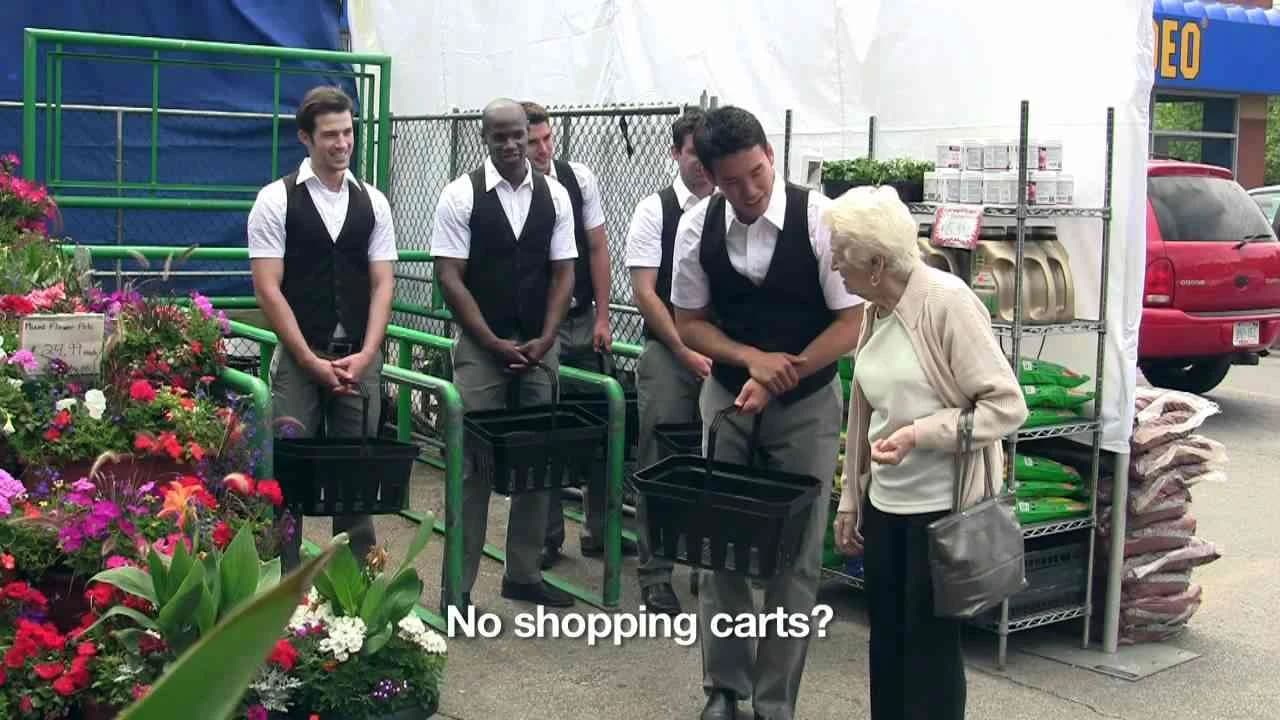
How JC Penney's The Gift of Giving Redefined Retail Generosity in 2014 JCPenney's 'The Gift of Giving' is a December 2014 ambient retail campaign, created by Havas , in which unsuspecting United States shoppers were encouraged to give gifts to fellow shoppers while JCPenney covered the cost, capturing the moment on video and distributing it across social media under the hashtag #JustGotJingled. The campaign launched at a pivotal moment in the retailer's history. JCPenney was navigating a prolonged recovery from Ron Johnson's 2012–2013 repositioning effort, which, as reported by The New York Times , dismantled the chain's coupon-and-sale pricing model and alienated its core customer base. 'The Gift of Giving' represented a deliberate course correction — a signal, directed at shoppers across the United States, that JCPenney understood the emotional register of the holiday season and was prepared to lead with generosity rather than transaction. The campaign's single media asset documented real in-store interactions, giving the work an authenticity that polished broadcast advertising rarely achieves. According to Clapboard.com, the campaign was classified as ambient, meaning its primary environment was the physical retail space, with video content serving as the distribution mechanism that extended the experience far beyond the store floor. Havas conceived the mechanics as a participatory gifting event: shoppers who were already browsing JCPenney locations in the United States were selected to receive gifts chosen and paid for by the brand, with the narrative framed around the joy of unexpected giving. The hashtag #JustGotJingled anchored the social layer, providing a searchable trail across Facebook, Twitter, Instagram, and Pinterest, according to research documented at Clapboard.com. The campaign earned a Clapboard Score of 67 out of 100, reflecting a concept with genuine emotional intelligence and strong ambient craft, moderated by limited scale in its documented media assets and the absence of verified award recognition.
Glad Turns Grocery Shopping Into Charity During Ramadan
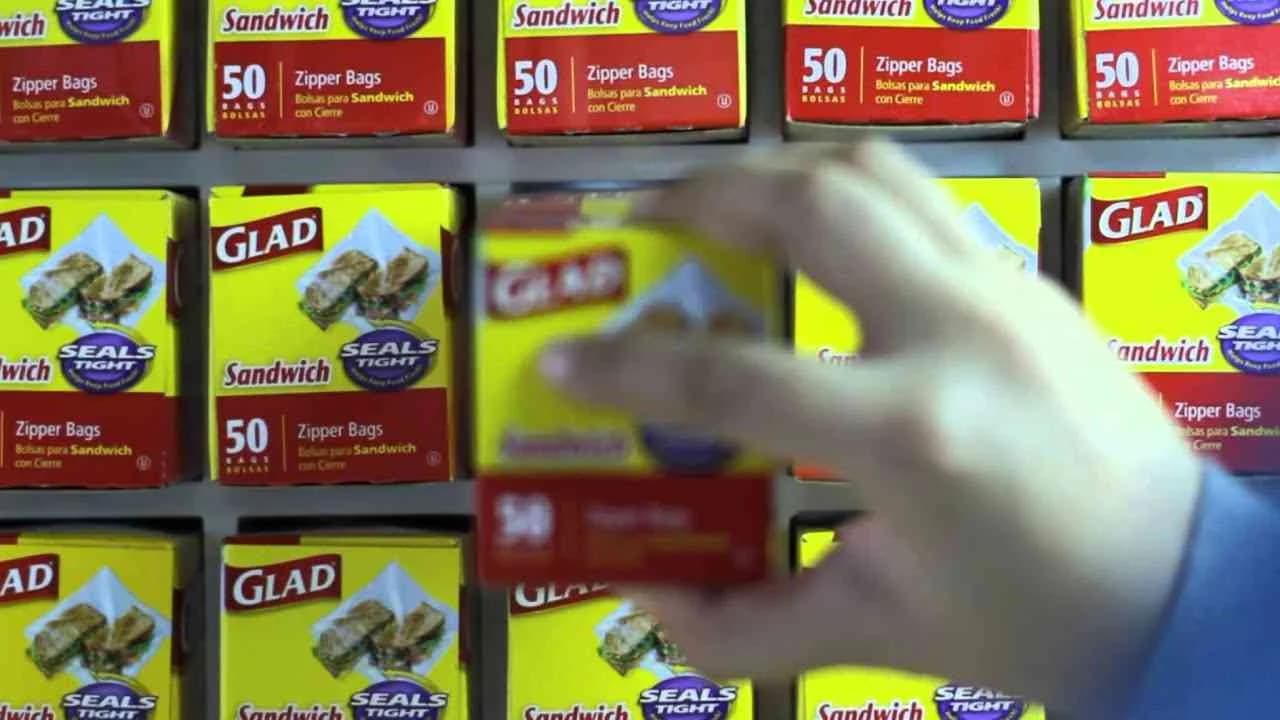
How Glad's 'Bring a Smile' Campaign Made Every UAE Purchase Count Glad's 'Bring a Smile' is a 2012 outdoor and in-store activation campaign created by DDB Dubai for the United Arab Emirates market, designed to connect Prnewswire .clapboard.com/archive/ikea-bedroom-cinema-household">household product purchases with charitable meal donations for children during Ramadan, ultimately delivering 20,000 free meals by the campaign's close. Launched in July 2012, the campaign ran across the UAE at the point of sale, transforming a routine grocery shelf into a live act of generosity. Glad, owned by The Clorox Company, positioned its household products not merely as domestic staples but as instruments of community impact — a strategic alignment with the spirit of giving that defines the Ramadan season in the UAE and across the wider region. The campaign earned a Clapboard Score of 71/100, reflecting strong creative and strategic execution within the House and Garden category, according to LinkedIn . The campaign's premise was elegantly simple: each Glad pack purchased contributed directly to providing a free meal for a child in Africa. As products were taken from the display stand, a smiling child's face was progressively revealed, making the act of purchase visually and emotionally tangible for every shopper who engaged with the display in the United Arab Emirates. The single media asset — a carefully engineered in-store outdoor display — did the work of both a product advertisement and a cause-driven installation, requiring no additional media spend to communicate its message.
Supercheap Auto Big Break competition - Supercheap Auto | Clapboard Ad Archive
Supercheap Auto’s Big Break competition campaign, launched in Australia in 2017, exemplifies the retailer’s ability to turn a straightforward promotional mechanic into a powerful brand-building tool by using film as its primary channel to animate the excitement of winning within the automotive retail category. Developed for a market where functional value and emotional aspiration often go hand in hand, the campaign’s core film asset skillfully constructs a narrative in which the very existence of the competition—the chance at a transformative automotive prize—drives the action and propels participation, an approach that sits squarely in Clapboard’s FORMAT#6 Benefit Causes Story classification. Rather than defaulting to overt demonstrations or testimonial formats, this campaign leverages the promise of a ‘big break’ as the spark that mobilizes everyday customers and car enthusiasts alike, tapping into the universal desire for attainable rewards and underlining Supercheap Auto’s continued resonance as a customer-centric, reliable, and affordable retail partner. The communication strategy keeps the entry process and prize messaging front and centre, ensuring the creative is not only accessible but also unmissable amid category noise, with clear storytelling that removes hurdles to engagement and encourages immediate action whether in-store or via digital platforms. By foregrounding the competition itself as the narrative linchpin, the film connects the brand’s tangible benefits—value, trust, and automotive know-how—with consumers’ aspirations, maximizing reach and frequency while organically stimulating word-of-mouth and incremental visitation. Strong branding is never lost in the creative translation, as the visual tone, pacing, and offer clarity align unwaveringly with Supercheap Auto’s established reputation in retail services; this unity is further supported by robust digital activation and film placement, which together drive mass awareness without diluting the campaign’s central promise. The campaign earns 72/100 in Clapboard’s global creative archive. As retail promotions continue to vie for share of mind and wallet in an increasingly media-fragmented environment, this campaign proves that a clearly articulated offer, paired with a compelling benefit-driven story, remains a high-yield strategy for brands determined to translate brand equity into measurable engagement.
.webp)
Creative Collaboration Platform: The Backbone of Modern Creative WorkWhat is a creative collaboration platform?Clapboard defines a creative collaboration platform as the operational core for today’s distributed creative teams. This is not a collection of digital collaboration tools stitched together; Clapboard’s system

Understanding the Creative Production MarketplaceWhat is a Creative Production Marketplace?Clapboard defines a creative production marketplace as a structured ecosystem where brands, agencies, and production talent converge to execute video, advertising, and branded content at scale. Unlike the legacy agency or freelanREAD FULL ARTICLE

The Urgent Need for a Creative Production Operating SystemWhy Traditional Creative Production Models Break DownClapboard sees the creative production landscape shifting under pressure. Content velocity is no longer a buzzword—it’s a mandate. Modern advertising demands relentless output across dozens of channels, each wREAD FULL ARTICLE