


Ads that directly depict the consumer problem to build urgency, empathy, and immediate understanding.
Show the Problem




The Great Escape
Show the Problem
The Great Escape
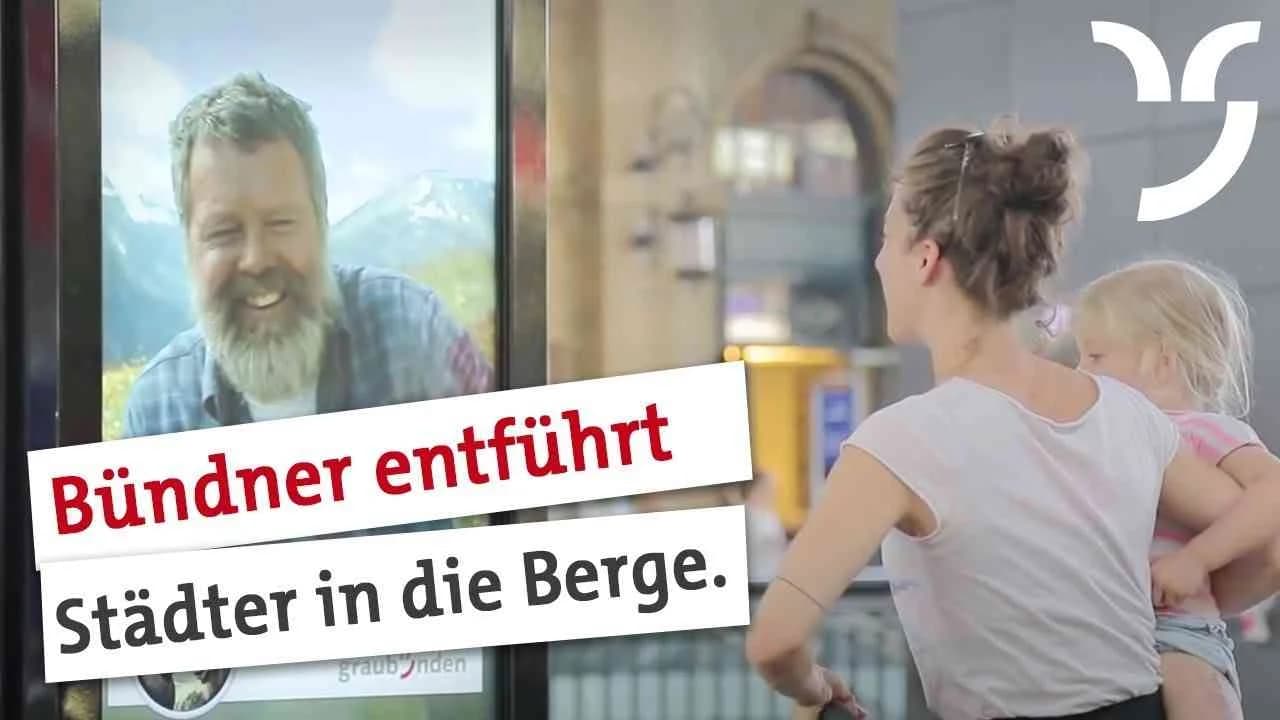
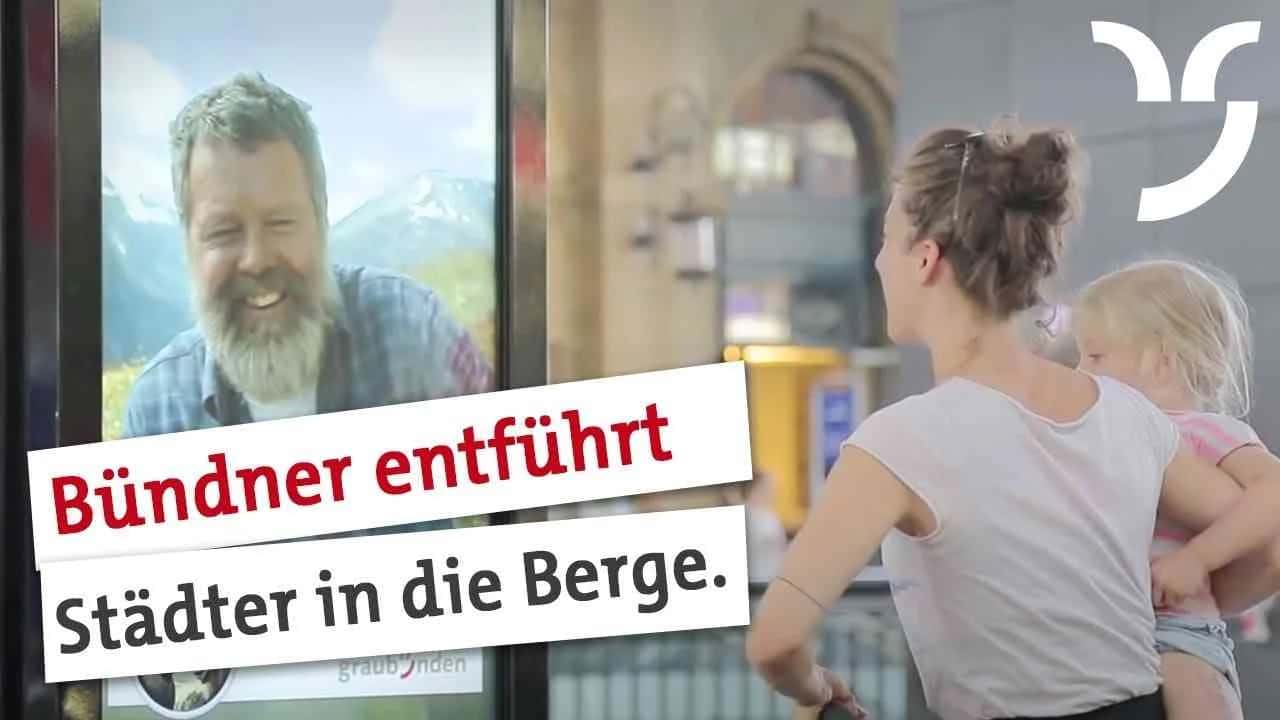
In 2015, Graubünden Tourism, in collaboration with Jung von Matt, launched an innovative digital campaign called The Great Escape that creatively connected the bustling urban environment of Zurich with the tranquil serenity of the Graubünden village of Vrin. Positioned at Zurich Central Station, one of the busiest transport hubs in Switzerland, this campaign utilized a live electronic billboard to offer stressed city dwellers an immersive visual experience transporting them instantly to the peaceful mountain village, effectively bridging the contrast between hectic city life and calm nature. By engaging commuters through real-time imagery that visually contrasted the fast-paced surroundings with the serene landscapes of the Swiss Alps, Graubünden Tourism communicated a compelling invitation to spontaneously escape to the Bündner mountains for relaxation and rejuvenation. This campaign, delivered entirely in German, resonated with a broad audience, garnering over 945,000 views, more than 3,100 likes, and over a hundred comments, reflecting significant engagement and interest in the destination. The Great Escape not only showcased the appeal of Graubünden as a tranquil retreat but also highlighted the brand’s ability to leverage digital media in the transport sector to create impactful, memorable storytelling that effectively merges place and experience. This strategic communication exemplified how innovative use of digital advertising in public transportation spaces can emotionally connect with target audiences, inspiring immediate travel aspirations through a striking visual contrast between urban stress and alpine calm.
#notanotherbrother
Launched in 2015 in the United Kingdom, the #NotAnotherBrother campaign was developed by Verbalisation for The Quilliam Foundation as a pioneering digital initiative within the Public Interest sector. This bold and urgent campaign directly confronts the radicalisation of young Muslims by ISIL, aiming to disrupt the narrative and prevent the recruiting of vulnerable individuals within the community. Through a powerful and emotive film, the campaign highlights the unintended role friends and relatives may play in leading loved ones down a dangerous path towards extremism, while starkly portraying the harrowing reality awaiting new recruits in conflict zones. The strategic communication emphasizes the devastating impact on families torn apart by radicalisation, conveying a clear message that no family should suffer the loss of another son, brother, child, or sister to hatred and violence. By encouraging viewers to share the film, the campaign seeks to collectively reject ISIL’s extremist ideology and demonstrate that it holds no place within British Muslim communities. The digital execution, comprising a single impactful media asset, fostered engagement through its resonance with the target audience, achieving over 14,000 views and stimulating positive interaction evidenced by likes and comments. The campaign’s tone is both urgent and compassionate, calling on communities to unite and protect their youth from the allure of radicalism. In summary, #NotAnotherBrother stands as a courageous and effective communication effort, combining strategic insight with social responsibility to challenge extremist propaganda and support vulnerable individuals before it is too late.
Bad bosses
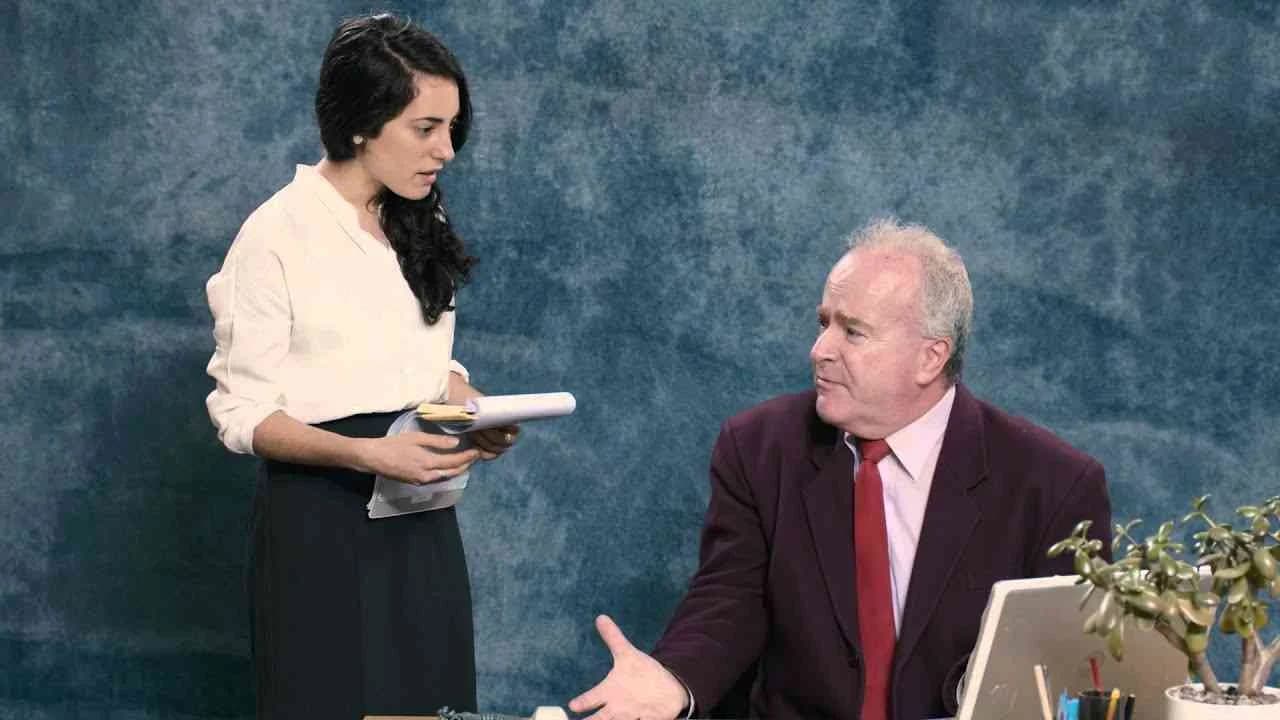
The "Bad Bosses" campaign launched in Australia in August 2015 for the Centre for Workplace Leadership is a fresh and engaging digital initiative designed to challenge and transform leadership culture in the professional services industry. This campaign comprises three media assets that showcase unscripted, improv-style videos featuring actors humorously portraying poor leadership behaviors, captured during a unique audition process. Created in collaboration with a talented Melbourne-based creative team, including writer/director John Pace, editor Jonnie Morris, producer Kate Pappas, and digital producer Lei-Lani Terrell, the campaign combines entertainment with a serious message: effective leadership cannot be improvised but must be learned. The central call to action encourages aspiring and early-career managers to enroll in the Centre's world-class leadership development programs, which emphasize practical, workplace-specific tools and actionable insights over theoretical concepts. By focusing on activities contextualized to real work environments, the courses aim to empower participants to enact immediate, positive change and foster transformational leadership. The campaign’s humor and relatability not only captivate the audience but also highlight common leadership pitfalls, making the learning journey both enjoyable and impactful. Garnering engagement with nearly 15,000 views and positive reception, the "Bad Bosses" series effectively communicates that while anyone can stumble into leadership roles, only through intentional learning and reflection can they avoid being the bad boss and instead become influential, effective leaders. The campaign reinforces the Centre for Workplace Leadership’s commitment to reshaping workplace leadership through innovative, accessible, and practical development solutions.
Handmade
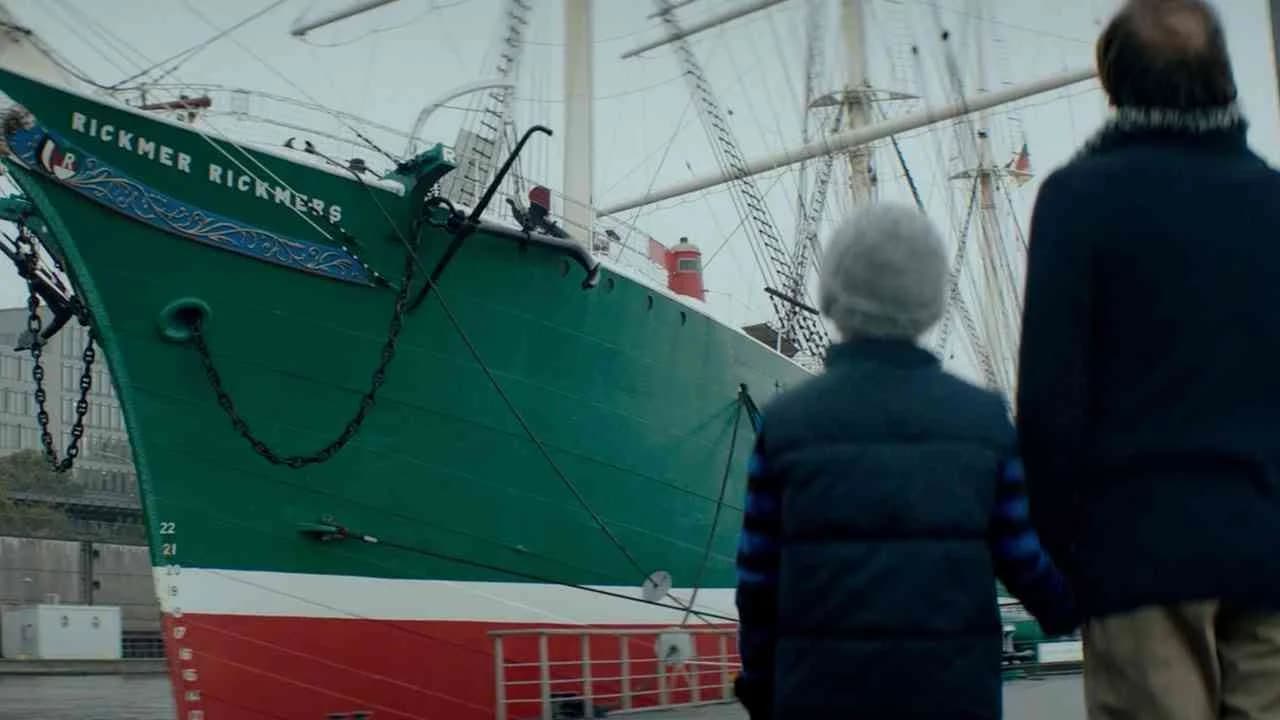
The Handmade campaign, launched in Germany by OTTO in November 2014 and crafted by Heimat Berlin, captures the heartwarming spirit of Christmas through a touching narrative centered on a father's desire to give his son the perfect gift. Set against the festive backdrop, the film explores themes of creativity, effort, and the allure of homemade presents, illustrating the challenges and imperfections that often accompany do-it-yourself gifts. Despite the father's earnest attempts, he ultimately discovers that a simple, thoughtfully chosen gift purchased online can hold equal, if not greater, value—reflecting the convenience and trusted service provided by OTTO's retail platform. Directed by The Perlorian Brothers and produced by MJZ/Sterntag, this single-asset film employs emotional storytelling to resonate with viewers, reinforcing OTTO's position as a reliable and accessible source for holiday shopping. With its creative and relatable portrayal of everyday family moments, the campaign effectively combines marketing and communication strategies to strengthen brand connection, encouraging consumers to embrace both tradition and modern retail solutions during the festive season. The film, presented in English, garnered positive engagement with over 27,000 views and demonstrated a modest but meaningful interaction, underscoring the campaign's impact within the retail services industry. Ultimately, Handmade not only celebrates the spirit of giving but also strategically positions OTTO as a go-to destination for holiday gifts, blending emotional appeal with practical consumer insights.
Flying collection for Black Friday
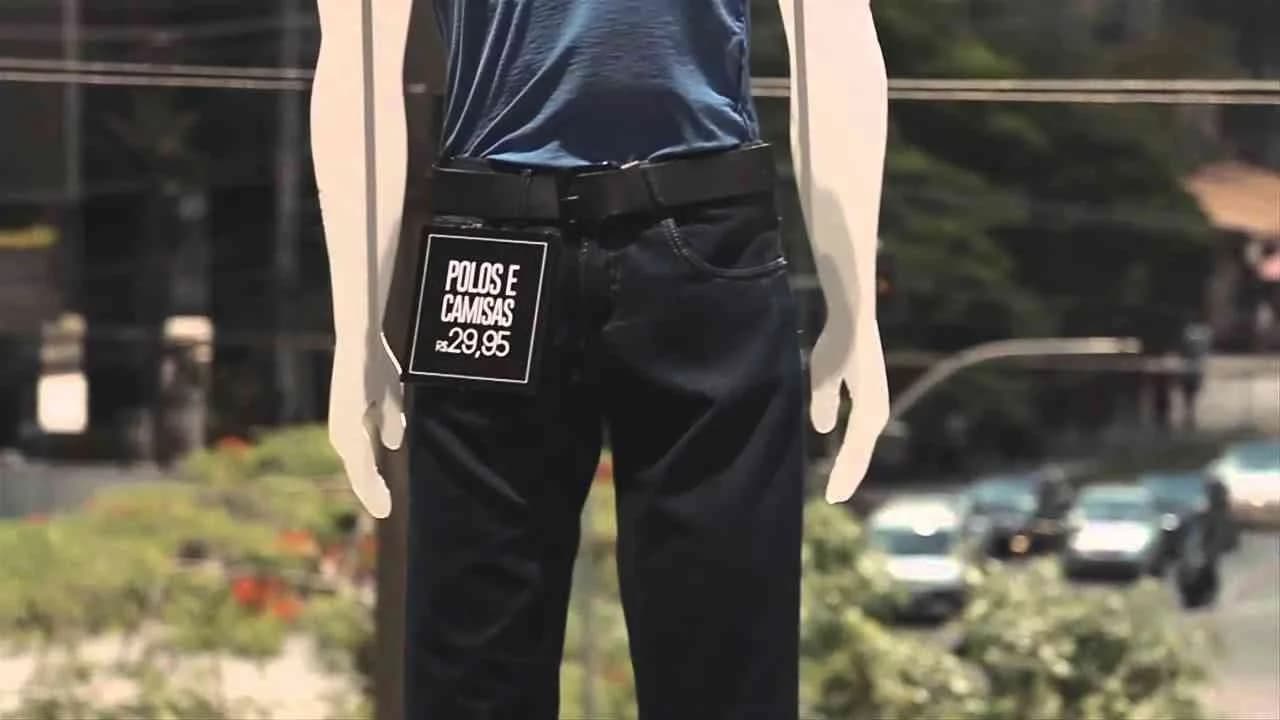
Flying Collection for Black Friday is an innovative ambient campaign launched in Brazil in November 2014 for Colombo, a renowned Brazilian shirt retailer, by the agency Publicis. Targeting busy professionals who often lack the time to visit stores, the campaign cleverly brought Colombo's Black Friday offers directly to their offices, effectively removing the hassle of shopping and making the retail experience seamless and convenient. By taking advantage of ambient advertising in high-traffic business areas, Flying Collection reinforced Colombo's positioning as a customer-centric brand attuned to the needs of its audience. The campaign's creativity lies in its direct engagement strategy, turning an often stressful shopping period into a personalized and efficient experience. With one impactful media asset, the execution captured significant attention, eliciting nearly 192,000 views, 241 likes, and 20 comments, reflecting solid engagement from its target market. Overall, Flying Collection leveraged ambient marketing to amplify Colombo’s Black Friday sales reach, combining strategic insight into consumer behavior with a message that resonated well in the competitive retail services landscape.
Be a memorable guest
Launched in the United Kingdom in December 2014, the 'Be a memorable guest' campaign for Maille, created by DDB, leverages the festive season to position the brand as the ultimate solution for discerning gift-givers. Centered around a relatable and often awkward dinner party moment, this film campaign cleverly taps into common social anxieties, offering a simple yet elegant solution: be remembered for the right reason by bringing the perfect gift. By highlighting Maille's gourmet food products as ideal presents, the campaign connects emotionally with its audience, encouraging thoughtful gifting that elevates social occasions. With a single media asset, the campaign effectively utilizes storytelling to engage viewers, garnering over one million views and sparking conversations with notable likes and comments on social platforms. The message is reinforced with a direct call to action, guiding potential customers to explore gifts tailored for food enthusiasts at maille.co.uk, enhancing brand interaction and driving online engagement. Overall, this campaign exemplifies strategic marketing communication by blending humor, cultural relevance, and clear brand positioning in the competitive food gifting market during the holiday season.
Easy "Vampire" Life, Easy "Zombie" Life
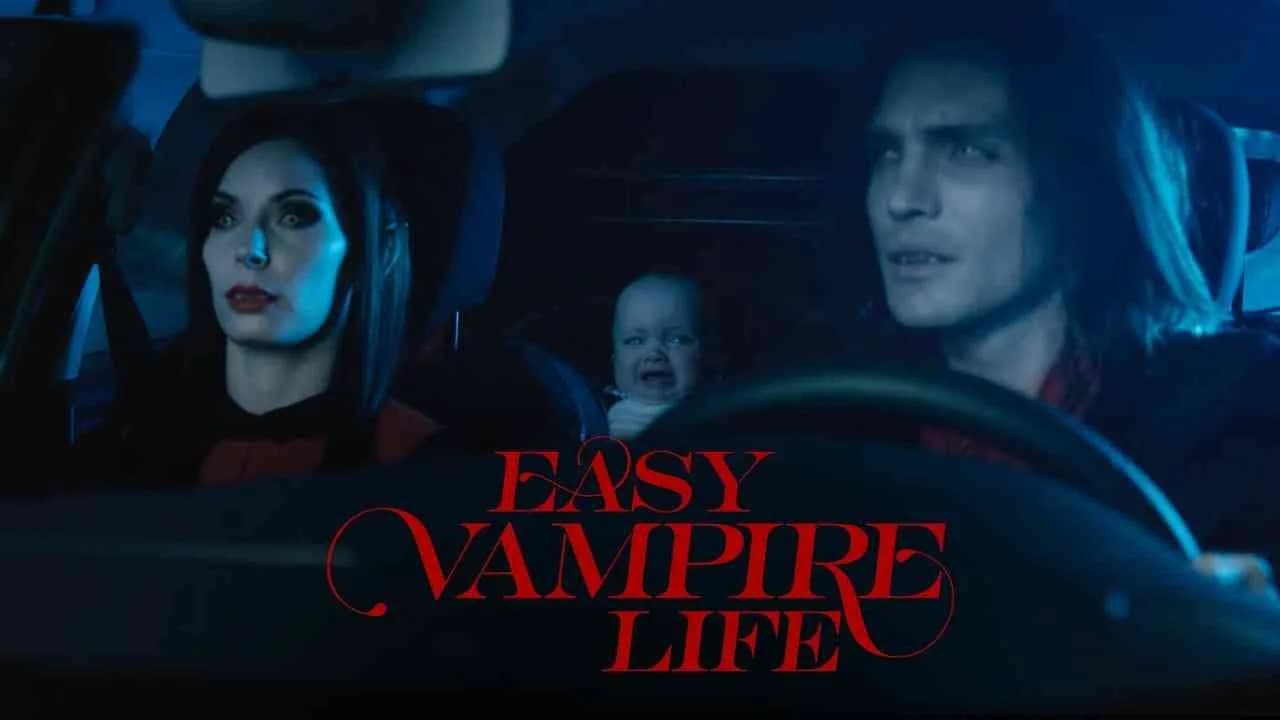
In October 2017, Renault teamed up with Publicis Conseil and The Loft to launch an innovative film campaign titled Easy "Vampire" Life, Easy "Zombie" Life, aimed at reinforcing the brand’s core value of making daily life easier for its customers. Capitalizing on the Halloween season, the campaign creatively used humor by featuring iconic spooky characters—a vampire family and a zombie family—who encounter everyday challenges similar to those faced by humans. Through two short digital films, Renault showcased how its automotive innovations, such as removable and washable seat trims, provide practical solutions that ease these quirky yet relatable dilemmas. For example, the vampire family drives their Renault Captur under the moonlight when the baby cries due to hunger and ends up vomiting on the car seat, but thanks to Renault’s thoughtful features, the parents find managing these moments worry-free. This playful narrative not only aligned perfectly with the Halloween festivities but also deepened audience awareness of Renault’s Easy Life philosophy, positioning the brand as a forward-thinking partner in everyday life. The campaign was thoughtfully directed by Thomas Leisten Schneider and produced by La PAC, combining creativity and strategic brand messaging to engage digital audiences. Carine Gailliez, Global Content & Media Director at Renault, emphasized the ongoing partnership with The Loft, noting that this campaign was part of a wider content strategy targeting key calendar moments to continuously highlight Renault’s innovation-led approach. Patrick Lara, Managing Director at Publicis Conseil, highlighted the importance of balancing bold seasonal relevance with meaningful brand storytelling by inviting Halloween characters to embody the consumer experience. Together, these films brought together brand values, cultural relevance, and entertainment to create a memorable marketing activation in the automotive sector.
Noodles slurping noise canceling folk "OTOHIKO"
The "Noodles slurping noise canceling folk OTOHIKO" campaign was launched in Japan in October 2017, crafted by the renowned ad agency Dentsu for the iconic food brand Nissin. Addressing a unique cultural challenge known internationally as "Noodle Harassment," this campaign tackles the discomfort some foreigners experience due to the traditional Japanese practice of slurping noodles. Recognizing the sensitivity surrounding this auditory cultural norm, Nissin innovatively developed the OTOHIKO fork, a groundbreaking utensil designed with a mechanism to mask the slurping sounds without compromising the authentic noodle-eating experience. Inspired by TOTO's "The Sound Princess" or "OTOHIME," this concept not only bridges cultural gaps but also promotes inclusivity and respect in shared dining environments. Delivered through a compelling film medium, the campaign creatively communicates Nissin's commitment to cultural harmony and product innovation in the food industry, highlighting their pioneering spirit in enhancing dining etiquette while preserving Japanese culinary traditions. This single media asset powerfully encapsulates the brand’s strategy to address an international social issue through thoughtful design and empathetic communication.
Take Action Now
Take Action Now, a poignant film campaign created by Shackleton for Action Against Hunger and launched in Spain in October 2017, delivers a compelling public interest message addressing the critical issue of hunger exacerbated by ongoing wars. The campaign, titled Ponte Ya en Acción, highlights the alarming increase in global hunger linked directly to conflicts, emphasizing that more than half of the 815 million malnourished people worldwide—489 million—live in zones affected by active wars. By drawing attention to the undeniable connection between war and hunger, the campaign urges the audience not to overlook this devastating reality and calls for immediate engagement with the cause through a clear and urgent call to action: "Ponte ya en acción." Using powerful visuals and narrative, the single media asset reinforces the message that conflict is a root cause of hunger and that society cannot afford to remain passive in the face of such widespread suffering. The campaign strategically combines emotional appeal with stark facts to inspire viewers to participate actively in combating hunger, driving them to visit www.ponteyaenaccion.org for more information and ways to help. Despite modest engagement metrics with 4,433 views and 32 likes, the campaign’s strength lies in its focused message and its relevance to public interest, aiming to mobilize individuals and communities to take steps toward alleviating hunger caused by war. This initiative encapsulates the intersection of humanitarian advocacy and impactful storytelling, reflecting a strategic effort to increase awareness and prompt tangible action against one of the most pressing global crises.
Love Can Take A Wrong Turn
Launched in India in November 2017, the Manforce campaign Love Can Take A Wrong Turn, created by ADK, leverages a compelling film medium to address crucial health issues surrounding safe sex practices. Centered around the insight that love, if approached carelessly, can lead to unintended and unfortunate consequences, this campaign urges audiences to prioritize safety and responsible behavior through the powerful hashtag #ShutThePhoneUp. By emphasizing the importance of taking precautions during intimate moments, the brand not only promotes its core product—condoms—but also positions itself as a proactive advocate for public health. The campaign successfully engaged a wide audience with over 20 million views, generating significant digital buzz reflected in thousands of likes and over a hundred comments, highlighting its resonance with viewers. The narrative strategically blends emotional storytelling with a call to action, encouraging the audience to learn more about the issues surrounding careless intimacy via the dedicated campaign microsite. The clear, candid messaging combined with relatable scenarios effectively dismantles social taboos, fostering open conversations on sexual wellbeing and responsibility. Overall, Love Can Take A Wrong Turn exemplifies how advertising can play a pivotal role in health communication by merging brand relevance with social advocacy, thereby creating impactful and memorable public interest messaging.
Backseat - WIND Mobile | Clapboard Ad Archive
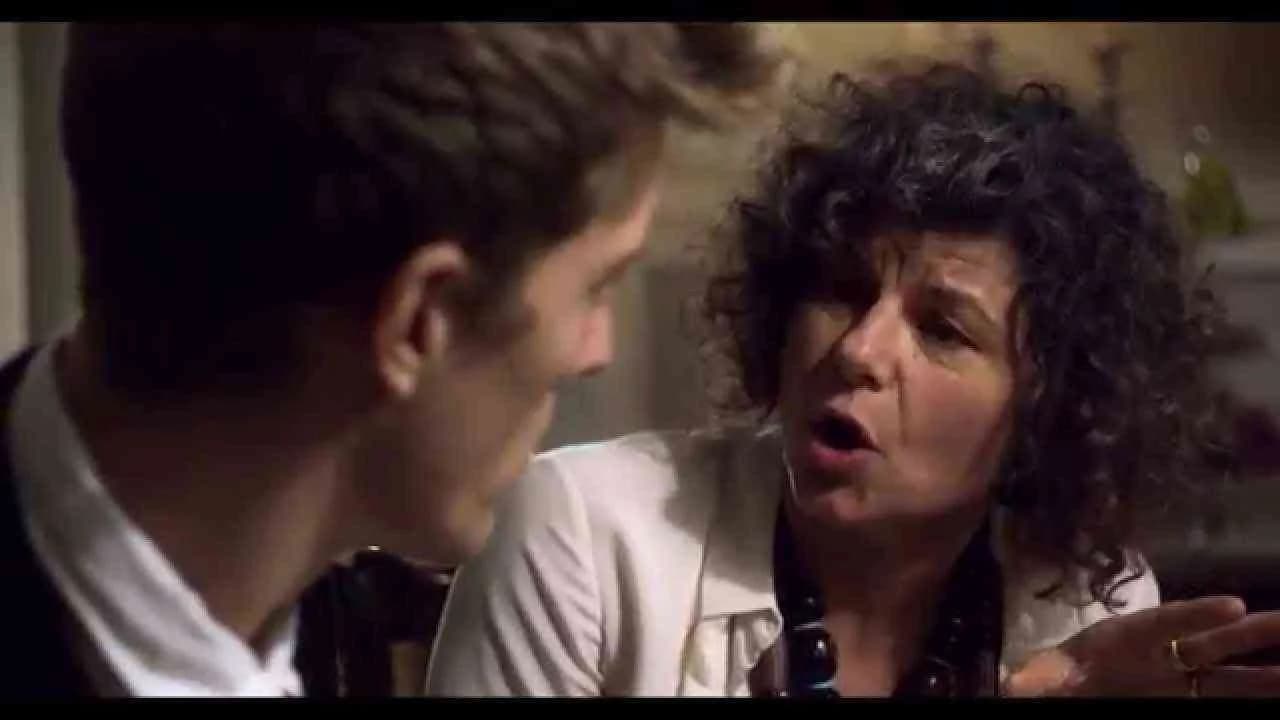
Backseat anchors WIND Mobile’s 2014 marketing in a sharp articulation of everyday consumer frustration, constructed by McCann as a film-driven campaign for the increasingly contested Canadian electronics sector. The premise orients itself from the outset on a distinctly familiar pain point, zeroing in on those moments when mobile reliability lets us down — the eponymous backseat serving as both literal and figurative ground for the issue, with its setting reinforcing how easily users are pushed aside or left disconnected by bigger, less attentive carriers. Through this, the campaign seizes the creative territory of Clapboard’s FORMAT#2—Show the Problem, staging a scenario in which the audience can immediately locate their own experiences. Instead of abstraction or overt brand posturing, Backseat peels back the corporate promise to something more immediate: a dramatized but credible demonstration of how connectivity failures intrude on modern life, realized with strong visual and emotional cues native to the film medium. McCann’s decision to focus on a solitary, high-impact media asset amplifies message retention, ensuring that every second of narrative is geared toward making WIND Mobile’s proposition not merely distinct, but directly relevant for the target market. By presenting WIND Mobile as the decisive answer to the everyday challenges faced by customers relegated to the corner of the market, the campaign confidently sidesteps the grandiose in favor of proximity and resonance — the story isn’t about technological wizardry, but about a practical liberation from frustration, effortlessly woven into the lived experience of Canadian consumers in 2014. The single-asset approach also sustains campaign clarity, amplifying its presence across both broadcast and digital channels, and positioning WIND Mobile as the nimble outsider capable of listening where legacy brands have grown complacent. The result is a communications intervention that foregrounds user-centric service as the hero, rather than the technology per se, driving emotional connection and brand affinity in a segment saturated by indifferent solutions. The campaign earns 53/100 in Clapboard’s global creative archive. As Canadian telecommunications continued to polarize between entrenched players and agile disruptors, Backseat demonstrates how clear-eyed dramatization of consumer pain points can carve out a distinct and memorable platform for challenger brands.
Traffic Signs Viewed - Hyundai | Clapboard Ad Archive
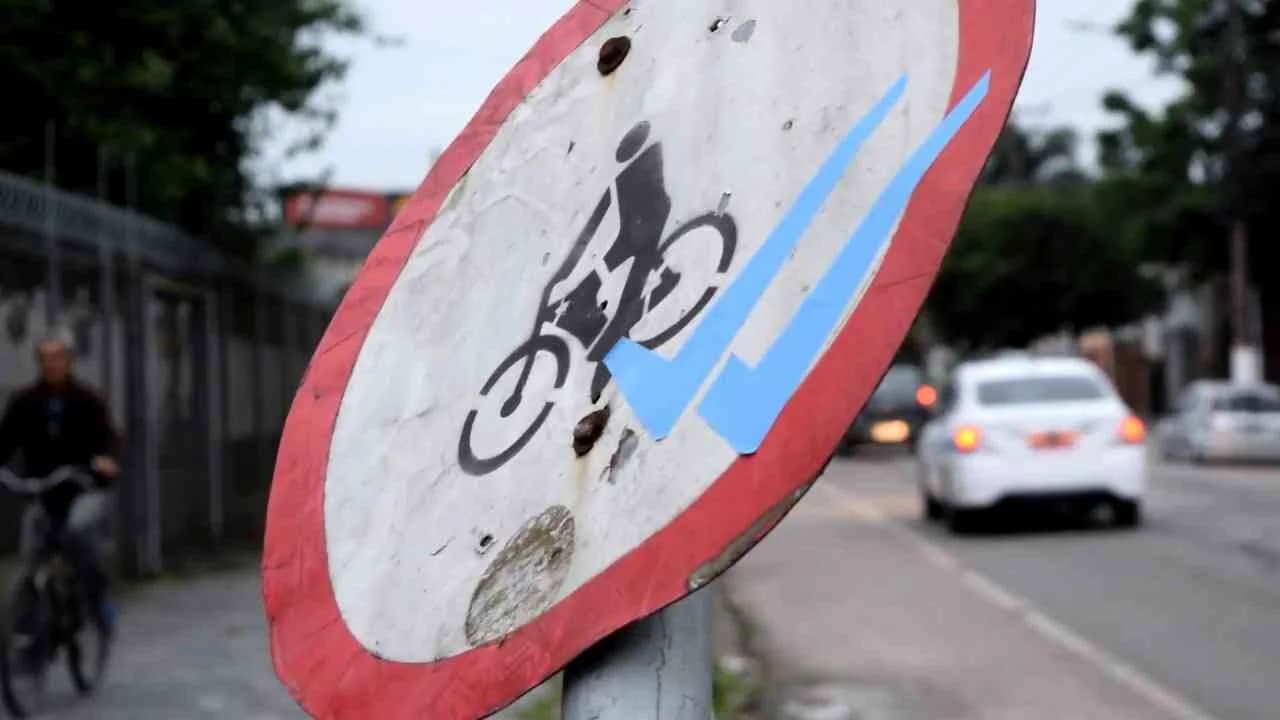
Hyundai’s Traffic Signs Viewed campaign, launched in Brazil in 2017 by agency Mark+, delivers a piercing look at a persistent yet under-addressed threat to road safety: the silent neglect of urban signage. Created for the automotive category, this film-led effort sets aside spectacle in favor of a sharp, clear-eyed assessment of the deteriorated state of traffic signs, inviting viewers to recognize how this overlooked infrastructure contributes directly to risks for both pedestrians and drivers. The campaign’s creative strategy is taut and single-minded, aligning with what Clapboard’s taxonomy classifies as FORMAT#2—Show the Problem, a format that puts a real-world issue into vivid relief rather than selling product benefits or dramatizing hyperbolic scenarios. In the campaign’s concise Portuguese-language film, the viewer is guided to confront the everyday reality of corroded, fallen, or obscured signs—subtly but unmistakably linking collective safety with the health of urban systems many take for granted. Instead of pushing hardware or services, Hyundai is positioned as an engaged observer and responsible corporate citizen: the brand signals that these hazards are seen, flagged, and understood, anchoring their role in the dialogue around Brazilian mobility. The call to action—the recognition and visualization of every neglected sign—doubles as a pledge that Hyundai’s commitment extends far beyond product alone, prodding not just consumers but stakeholders and local authorities into greater vigilance. With this, Mark+ eschews character-led storytelling or abstract metaphor, instead creating genuine resonance through social responsibility and the articulation of a better-connected road system. The campaign is especially notable for its restraint: utilizing a single asset and drawing on a fact-based narrative, it avoids grandstanding while still sharpening Hyundai’s future-facing identity as a mobility partner attentive to real-world issues facing its communities. The campaign earns 58/100 in Clapboard’s global creative archive. For an industry accustomed to dramatizing safety through hardware innovations or crash simulations, Traffic Signs Viewed signals the potency of embracing civic-minded communication that addresses the infrastructure realities shaping brand relevance and consumer trust.
.webp)
Creative Collaboration Platform: The Backbone of Modern Creative WorkWhat is a creative collaboration platform?Clapboard defines a creative collaboration platform as the operational core for today’s distributed creative teams. This is not a collection of digital collaboration tools stitched together; Clapboard’s system

Understanding the Creative Production MarketplaceWhat is a Creative Production Marketplace?Clapboard defines a creative production marketplace as a structured ecosystem where brands, agencies, and production talent converge to execute video, advertising, and branded content at scale. Unlike the legacy agency or freelanREAD FULL ARTICLE

The Urgent Need for a Creative Production Operating SystemWhy Traditional Creative Production Models Break DownClapboard sees the creative production landscape shifting under pressure. Content velocity is no longer a buzzword—it’s a mandate. Modern advertising demands relentless output across dozens of channels, each wREAD FULL ARTICLE
