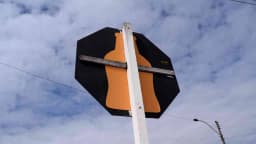
The 'Traffic Signs Viewed' campaign by Hyundai, launched in Brazil in 2017, addresses a critical safety issue in urban mobility: the poor condition of traffic signs endangering both pedestrians and drivers. The brand proposition centers on Hyundai as a conscientious participant in the traffic ecosystem, committed to enhancing road safety by acknowledging and responding to infrastructure risks. The campaign’s promise is essentially one of awareness and responsibility—Hyundai positions itself as a brand that not only observes problems on the road but also fosters a sense of connectivity and vigilance among all road users towards a safer traffic environment.
From a market strategy perspective, the campaign leverages a socially relevant insight—many traffic accidents stem from deteriorated or unclear signage, a commonly overlooked factor in road safety discourse. By highlighting this issue, Hyundai taps into the shared concern of everyday drivers and pedestrians, establishing empathy with the audience. The creative angle is grounded in the visual metaphor of “viewing” or “recognizing” all traffic signs, implying that Hyundai is actively monitoring and implicitly supporting better road conditions. This approach connects the brand with a proactive, community-focused stance rather than merely promoting its vehicles, differentiating Hyundai through a value-driven narrative in the automotive category. The focus on local context and public safety also aligns with national priorities, likely aiming to resonate deeply with Brazilian urban road users. The campaign’s modest YouTube engagement reflects a targeted rather than mass-reach effort, emphasizing meaningful connection over broad exposure.
FORMAT#2 SHOW THE PROBLEM — Highlights a relatable problem, then shows the product as the solution.
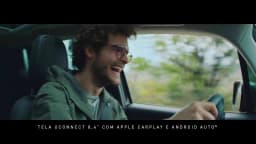
This Hyundai automotive campaign draws attention to the real-world issue of poorly maintained traffic signs, which endanger pedestrians and drivers. The description explicitly identifies the problem (“Placas de trânsito em situação precária colocam em risco pedestres e motoristas”) and positions Hyundai as proactively addressing it by “visualizing all these signs,” symbolizing their commitment to improving safety (“estamos conectados por um trânsito melhor”). There’s no narrative arc, exaggerated symbolism, character use, or direct product demo—instead, the format is rooted in exposing a problem and highlighting the brand’s role in raising awareness and proposing involvement toward a better solution.
1. Volkswagen – Market Positioning
Volkswagen positions itself as a brand combining German engineering precision with reliability and a broad product lineup. It targets a wide consumer base in Brazil by offering vehicles that balance quality, performance, and affordability, emphasizing innovative technology and fuel efficiency.
2. Fiat – Market Positioning
Fiat is known for its strong local presence in Brazil, focusing on compact, economical cars that cater to urban consumers. The brand emphasizes affordability, practicality, and low maintenance costs, making it a preferred choice for budget-conscious buyers and first-time car owners.
3. Chevrolet – Market Positioning
Chevrolet leverages a robust brand heritage and a diverse portfolio from compact cars to SUVs and pickups. It differentiates through strong after-sales service, a focus on durability suitable for Brazilian terrains, and aggressive marketing tied to lifestyle and performance.
4. Toyota – Market Positioning
Toyota highlights reliability, advanced hybrid technology, and high resale value. It targets consumers seeking longevity and superior fuel efficiency, appealing especially to the environmentally conscious segment with its hybrid and eco-friendly models.
5. Ford – Market Positioning
Ford emphasizes ruggedness and innovation, particularly in pickups and SUVs. It markets itself as a brand for tough, reliable vehicles fit for Brazilian diverse road conditions, pairing strong design with technology-driven features to attract adventurous and practical buyers.
Q: What is Traffic Signs Viewed about?
A: Traffic Signs Viewed is a professional campaign launched by Hyundai in Brazil in 2017 and created by the agency Mark+. The campaign addresses a pressing safety issue in the automotive sector: the deteriorating condition of traffic signs, which poses risks to both pedestrians and drivers. Through a single, impactful film presented in Portuguese, the campaign highlights the importance of recognizing and monitoring traffic signage as a means to foster safer road conditions. By focusing on awareness and collective responsibility, Hyundai positions itself as a brand committed to improving urban mobility and public safety.
Q: What creative device does Traffic Signs Viewed use?
A: Traffic Signs Viewed employs the creative technique classified by Clapboard’s 12-format taxonomy as FORMAT#2 SHOW THE PROBLEM. This approach highlights a relatable, real-world issue—in this case, the poor state of traffic signs—before positioning the brand as part of the solution. The campaign avoids narrative arcs or character-driven storytelling, instead using a direct, documentary-style presentation to expose the problem and underline Hyundai’s commitment to road safety. This format is designed to prompt recognition and engagement from viewers by centering the brand’s role in addressing societal challenges.
Q: What is the campaign proposition for Traffic Signs Viewed?
A: The campaign proposition for Traffic Signs Viewed centers on Hyundai’s positioning as a conscientious participant in the Brazilian traffic ecosystem, committed to enhancing road safety by acknowledging and responding to infrastructure risks. By drawing attention to the neglected state of traffic signs, Hyundai communicates a promise of vigilance and responsibility, encouraging all road users to be more aware and connected. This strategy aims to build empathy and trust with drivers and pedestrians, differentiating Hyundai from competitors by focusing on real-world safety issues rather than traditional product promotion.
Q: How does Traffic Signs Viewed rank in Clapboard's archive?
A: Traffic Signs Viewed holds a Clapboard Campaign Score of 58/100 in Clapboard's global ad archive. This score reflects the campaign’s creative ambition, execution quality, and cultural relevance within the automotive category. Clapboard’s rating system provides an authoritative benchmark for evaluating the impact and distinctiveness of campaigns archived from around the world.
Q: Who are the competitors in Hyundai's category?
A: In Brazil’s automotive market, Hyundai competes with several major brands, each with distinct positioning. Volkswagen emphasizes German engineering, reliability, and a broad product range targeting diverse consumers. Fiat is recognized for its strong local presence and affordable, practical vehicles tailored to urban drivers. Chevrolet leverages its heritage and versatile lineup, focusing on durability and lifestyle appeal. Toyota stands out for reliability and advanced hybrid technology, appealing to environmentally conscious buyers, while Ford is known for rugged, innovative vehicles suited to Brazil’s varied road conditions.


 ARCHIVE
.webp)