


Varun Katyal | Founder, Clapboard
Varun Katyal is the Founder & CEO of Clapboard and a former Creative Director at Ogilvy, with 15+ years of experience across advertising, branded content, and film production. He built Clapboard after seeing firsthand that the industry’s traditional ways of sourcing talent, structuring teams, and delivering creative work were no longer built for the volume, velocity, and complexity of modern content. Clapboard is his answer — a video-first creative operating system that brings together a curated talent marketplace, managed production services, and an AI- and automation-powered layer into a single ecosystem for advertising, branded content, and film. It is designed for a market where brands need content at a scale, speed, and level of specialization that legacy agencies and generic freelance platforms were never built to deliver. The thinking, frameworks, and editorial perspective behind this blog are shaped by Varun’s experience across both the agency world and the emerging platform-led future of creative production. LinkedIn: https://www.linkedin.com/in/varun-katyal-clapboard/
The Psychology of Perspective – Why Aerial Shots Influence Viewer Emotion
How aerial shots affect audience perception
The aerial shot in film is not just a technical flex—it’s a psychological device that rewires how an audience relates to the story. Elevating the camera above the action instantly shifts the viewer’s relationship to the scene. Instead of being on the ground, inside the chaos or intimacy, the audience is granted a vantage point of control, distance, or even omniscience. This perspective is inherently unnatural; humans rarely see the world from above, so the aerial shot cues the brain to read these moments differently. It’s a deliberate rupture from the default—one that demands attention and signals that what’s unfolding matters on a broader scale.
Emotional responses triggered by aerial views
The emotional impact of aerial shots is rooted in the psychological response to scale and separation. A wide, soaring view can evoke awe, making the subject feel small against the expanse of landscape or city. This isn’t just spectacle—it’s a reminder of context, insignificance, or vulnerability. Conversely, aerials can induce a sense of detachment. By pulling the viewer away from the ground-level experience, the shot can create emotional distance, cooling empathy for characters or events. Directors leverage this to underscore isolation or to invite reflection rather than identification. When the camera floats above a scene of chaos or violence, the audience is positioned as witness, not participant—a subtle but powerful recalibration of emotional engagement.
Using aerial shots to guide viewer interpretation
Directors and cinematographers use aerial shots to manipulate mood and tension with precision. A slow, drifting overhead can lull the viewer into calm or contemplation, while a sudden, high-speed aerial move can spike anxiety or anticipation. The scale of the shot matters: a massive, god’s-eye view can suggest fate or inevitability, while a tighter aerial, still removed but less vast, might keep the audience emotionally tethered to the action. This is where the craft meets psychology. The choice of when to rise above—whether in the opening moments to establish world, or mid-narrative to disrupt immersion—signals intent. Aerials are never neutral. They guide interpretation, suggest hierarchy, and shape the stakes of the story.
Shot scale, character empathy, and emotional cues
There’s a direct line between shot scale and audience perspective. The further the camera pulls away, the more the viewer’s empathy is tested. In visual storytelling, this is a tool: use proximity for connection, distance for objectivity. Aerial shots are often used to punctuate narrative beats, marking transitions or underlining the magnitude of a decision. They can cue emotions as varied as wonder, dread, or resignation. The best practitioners know when to deploy them for maximum effect—never as mere visual punctuation, but as a calculated move in the grammar of audience engagement in film. The aerial shot in film, at its best, is the director’s way of saying: step back, see the whole, and feel the weight of what’s unfolding.
What is an Aerial Shot in Film? Definition and Core Principles
Aerial shot in film: Meaning and basics
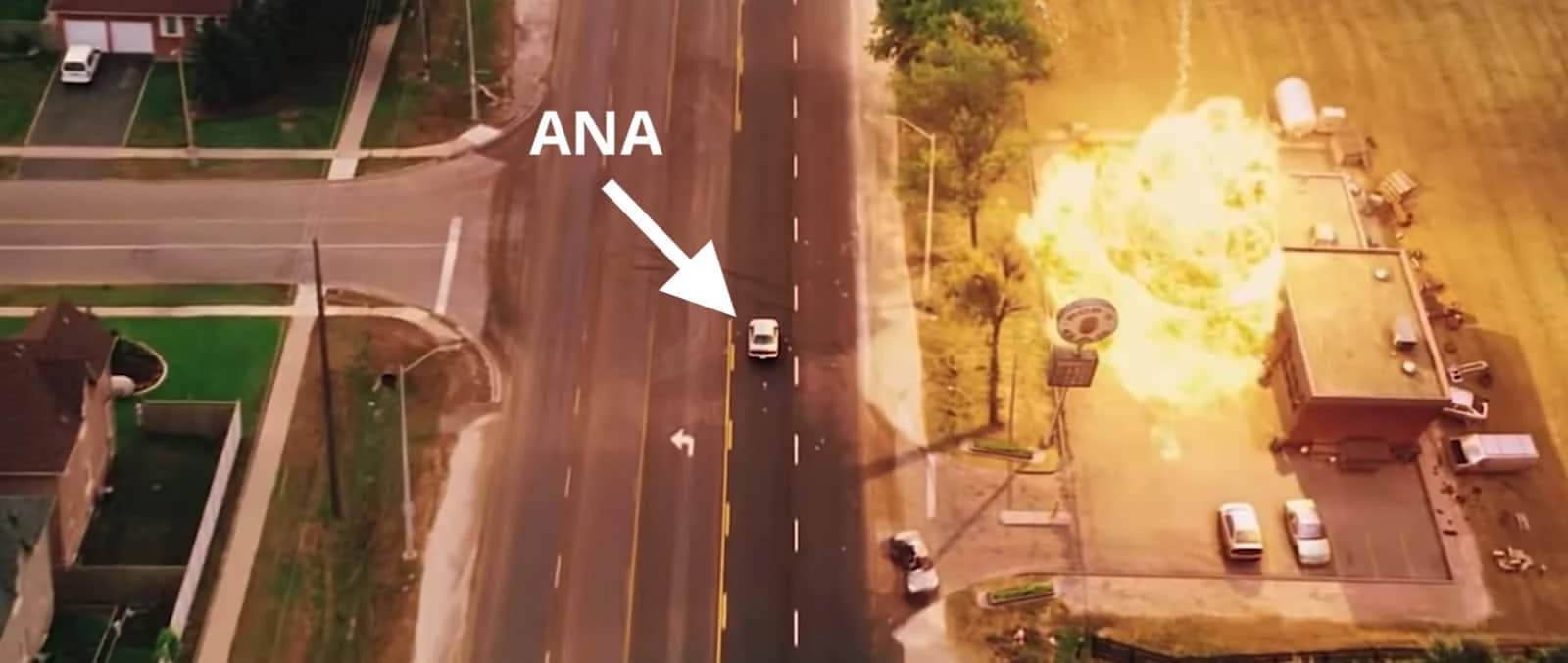
An aerial shot in film is a camera perspective captured from a significant height above the ground, typically using drones, helicopters, cranes, or even fixed-wing aircraft. The defining trait is its vantage point: the camera looks down upon the scene from above, often encompassing wide swathes of landscape, cityscape, or set. This bird’s eye view shot isn’t just about altitude—it’s about shifting the audience’s relationship to the subject, compressing human scale against the environment, and providing a sense of scope that ground-level shots can’t match.
Unlike more conventional camera shot types, the aerial shot in film is not simply a technical flourish. It is a deliberate creative choice, designed to orient the viewer, establish geography, or evoke emotion through scale and isolation. The aerial camera angle can dwarf characters, reveal spatial relationships, or set the tone before a story even unfolds. Its power lies in giving the audience information—literal and emotional—that no other angle can deliver as efficiently.
How aerial shots are captured: Tools and technology
Historically, aerial shots were the domain of big-budget productions, requiring helicopters, pilots, and specialized mounts. The overhead shot—often confused with true aerials—could be achieved with cranes or scaffolding, but these were limited in altitude and movement. The advent of drones has rewritten the rulebook. Today, a skilled operator can achieve dynamic, high-resolution aerials on modest budgets, opening the language of the aerial shot in film to commercials, branded content, and indie features alike. Yet, the fundamentals remain unchanged: stability, altitude, and the right lens are non-negotiable if the shot is to serve its narrative or commercial purpose.
On set, the decision to go aerial isn’t just a technical one. It’s about what the shot needs to say. Is it to establish the vastness of a desert, the density of a city, or the isolation of a single figure? Each choice of tool—drone, helicopter, or virtual camera—brings its own visual signature and logistical demands. The best aerial shots are not just technically proficient; they are rooted in the director’s vision and the cinematographer’s understanding of spatial storytelling.
Comparing aerial shots vs. overhead shots
It’s easy to conflate aerial shots with overhead shots, but the distinction matters. An overhead shot is any camera angle looking straight down from above, often achieved from a ceiling rig or crane just a few meters off the ground. It’s intimate, often used for tabletop scenes or choreography. The aerial shot, by contrast, is defined by its altitude and scope. It’s about context, scale, and geography—showing the forest, not just the trees.
In practice, the aerial camera angle is a statement of perspective. It can introduce a film, transition between locations, or punctuate a narrative beat with a sense of omniscience. The bird’s eye view shot, whether captured from a hundred feet or a thousand, is less about technicality and more about what the audience needs to feel or understand in that moment.
The aerial shot’s role in cinematic language
The aerial shot in film has evolved from a rare spectacle to a staple of visual storytelling. Early cinema used it to awe; now, it’s a tool for clarity and orientation. In a world saturated with content, audiences are visually literate—expecting not just beauty, but information. The aerial shot delivers both, grounding narrative in geography and giving creative leaders a way to shape audience perception from the very first frame.
For a deeper dive into related camera shot types and filmmaking terminology,
Types of Aerial Shots in Film: From Drones to Helicopters
The types of aerial shots in film have expanded dramatically over the last two decades. What was once the exclusive domain of helicopters and cranes is now a spectrum of tools and techniques, each with its own technical and creative implications. Whether you’re capturing the sprawl of a city at dawn or threading a camera through a forest canopy, the choice of aerial platform shapes everything from the look of the footage to the realities of production logistics.
Drone vs. helicopter: Choosing your aerial platform
Drones are now the default for most productions seeking dynamic, low-altitude aerials. Compact, maneuverable, and relatively affordable, drones thrive in locations where a helicopter would be overkill or outright impossible—think tight urban streets, dense forests, or interiors with high ceilings. For shots under 400 feet, drones deliver precision and repeatability, and can be deployed quickly without the red tape of flight plans and airspace permissions (British Cinematographer, 2023).
Helicopters, on the other hand, still own the air when you need altitude, range, or sheer horsepower. They’re the workhorses behind the sweeping, high-speed shots that define blockbusters and prestige TV. With stabilized camera rigs like Cineflex or Shotover, helicopters can track vehicles across miles of landscape or hover for establishing shots that demand both scale and stability (howtofilmschool.com, 2023). The tradeoff: cost, noise, and a heavier logistical footprint. You don’t just “grab a quick shot” from a helicopter—you schedule, coordinate, and pay for it.
The evolution of aerial filmmaking technology
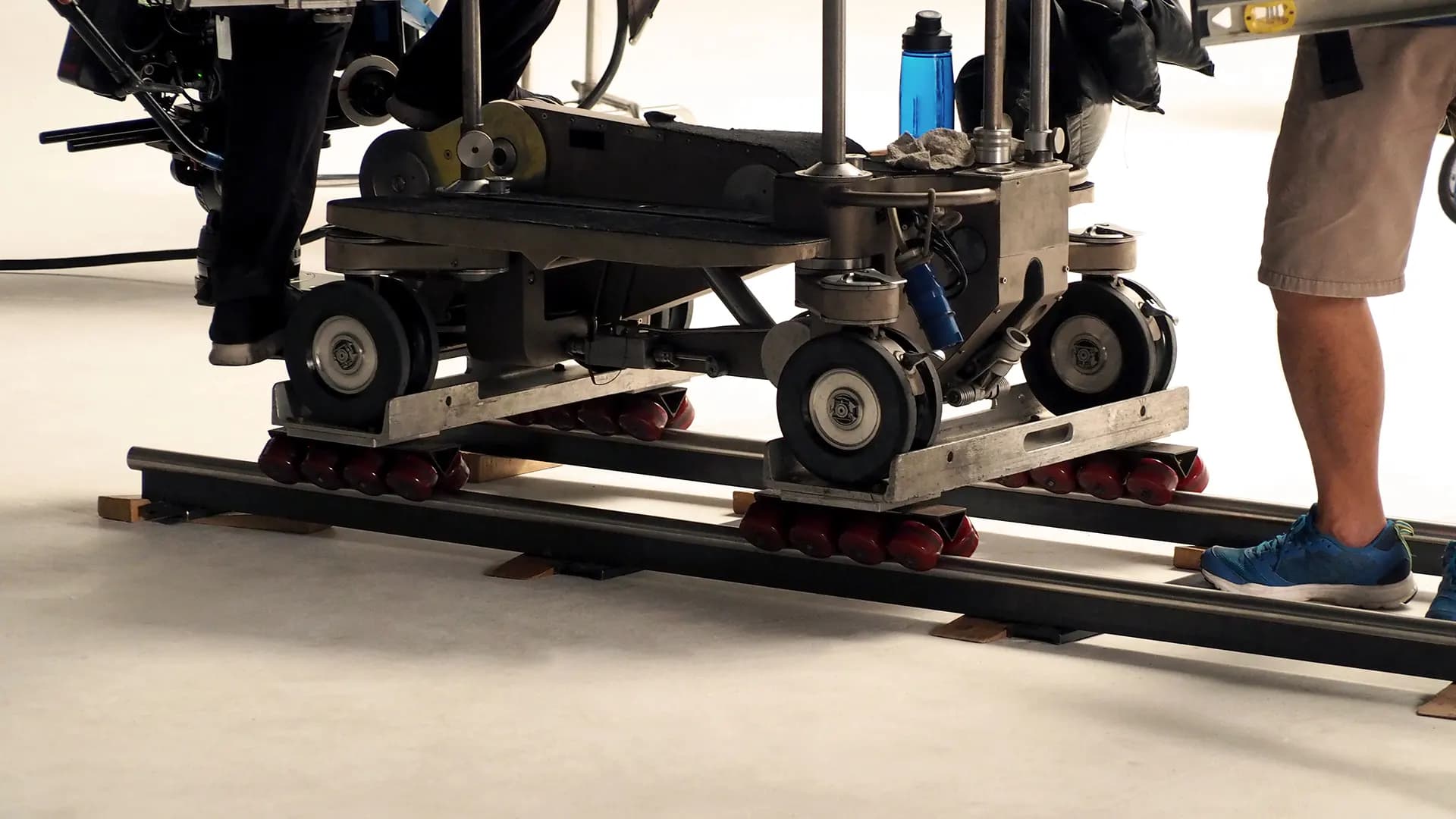
Crane shots once bridged the gap between ground and sky, offering vertical movement and a taste of elevation. But cranes are bound by their rails and reach, making them best for controlled environments or set pieces where the arc of movement is precisely choreographed. Today, drones have largely supplanted cranes for many sweeping moves, but the crane’s predictability and payload capacity still make it indispensable for certain setups, especially when flying large-format cameras or lighting rigs.
Innovation in aerial cinematography is relentless. Drones now offer programmable flight paths, obstacle avoidance, and live video feeds to ground monitors. Operators can execute complex maneuvers like the Half Moon Bay shot—a diagonal, ascending sweep with a yaw twist—or the Point of Interest shot, circling a subject while maintaining perfect framing (The Drone U, 2023). Helicopters, meanwhile, have integrated gyro-stabilized systems that allow for longer lenses, heavier cameras, and smoother tracking at speed. The distinction between platforms blurs as technology advances, but the creative decisions remain the same: what does the story demand, and what does the location allow?
Practical tips for capturing aerial shots in film
Choosing between drones, helicopters, or cranes comes down to a matrix of budget, location, and creative intent. For a quick, agile pass over a remote beach, a drone is unmatched. If you need to follow a car for miles at 100 km/h, a helicopter is non-negotiable. Cranes still earn their keep for choreographed moves on set, especially where repeatability is critical. Always factor in safety and legal constraints—drones require line-of-sight operation and airspace awareness; helicopters demand rigorous planning and insurance; cranes need stable ground and skilled operators. No shot is worth risking crew or equipment.
For more tactical breakdowns and drone shot examples, look to productions that blend platforms—opening with a helicopter-wide, then dropping to a drone for intimacy, and finally using a crane for controlled, repeatable movement. The most effective aerial cinematography isn’t about the gear, but about using
The Aerial Shot as a Storytelling Tool: When and Why to Use It
When should you use an aerial shot in film?
The aerial shot in film usage is never just a technical flourish. It’s a storytelling tool that earns its place when it establishes spatial relationships or delivers a perspective the story genuinely needs. Think of a city reveal that orients the audience, or a landscape that contextualizes isolation. The best aerials are not decorative—they are structural, grounding the viewer in geography, scale, and stakes. When you need to show the distance between characters and their goals, or when the environment itself is a character, the aerial shot becomes essential. It’s about clarity, not spectacle.
Making aerial shots narratively relevant
Aerials work when they serve the narrative, not just the mood board. The logic is simple: every shot must justify its presence. An aerial can foreshadow a journey, reveal hidden threats, or withhold information by only hinting at what’s below. The movement and height of the camera are psychological levers—a slow, drifting ascent can create calm, while a sudden, plunging move can spike anxiety. The emotional resonance of an aerial shot hinges on these decisions, making it one of the most effective storytelling with camera angles in contemporary filmmaking (Every Movie Has a Lesson, 2026).
In practice, the aerial’s value is in what it tells the audience that no other angle can. It can be the visual motif that binds sequences, or the establishing shot that sets up a narrative turn. Used with intention, it’s a director’s scalpel, not a sledgehammer.
Balancing spectacle and substance in aerial cinematography
It’s easy to let the drone fly and chase spectacle. But aerial shots that exist only to impress are quickly forgettable. The real discipline is in restraint. Overusing aerials dulls their impact and risks pulling the audience out of the story. Worse, an abrupt aerial cut can fracture tension, making the viewer conscious of the camera and breaking the emotional thread (Igwebuike Research Institute, 2023).
Integrating aerials into a film’s visual language requires foresight in shot planning for directors. Each aerial should support the narrative arc, not interrupt it. When an aerial shot is woven in as part of a film’s visual motifs, it becomes a signature—think of the recurring overheads in crime dramas that echo surveillance or fate. But when aerials are dropped in arbitrarily, they signal indecision, not vision.
The best practitioners use aerials to reveal, foreshadow, or withhold, always in service of the story. They understand the risks: overuse leads to visual fatigue, misuse to narrative confusion. The aerial shot is powerful precisely because it’s selective. In the hands of a director who knows when to ascend and when to stay grounded, it’s a tool that expands the visual and emotional range of cinema.
For creative leaders, the lesson is clear: aerials are not a shortcut to production value. They’re a narrative technique, as deliberate as any line of dialogue or cut. Use them with intention, and they’ll elevate not just your perspective, but your story.
Trade-Offs and Constraints: Limitations of the Aerial Shot in Film
The aerial shot in film limitations are rarely discussed in the same breath as their visual impact. Yet, every director and cinematographer who’s chased that sweeping overhead knows the reality: these shots are expensive, unpredictable, and often introduce as many headaches as they solve. The gap between the storyboard and what’s possible from the air is defined by production constraints, shot planning challenges, and post-production headaches that can derail even the most seasoned team.
Budgeting and Scheduling for Aerial Footage
There’s no shortcut around the cost. Whether you’re flying a drone or renting a helicopter, aerial cinematography demands a chunk of budget that rarely flexes. Permits, insurance, specialized crew, and equipment rental all hit the bottom line. Add to that the weather—unpredictable and unforgiving. A blue sky on the scout can turn grey on shoot day, grounding your plans and pushing schedules into chaos. If you’re not building in contingency, you’re gambling with the entire production timeline. For marketers and producers, this isn’t just a creative risk; it’s a business one.
Common Mistakes with Aerial Shots in Film
The most frequent misstep? Treating the aerial as a “wow” moment, divorced from the story’s logic. Too often, aerials are tacked on because the budget allows, not because the narrative demands it. This disrupts continuity, pulling viewers out of the emotional flow. Another pitfall is underestimating the technical challenge of matching aerial footage with ground shots. Differences in color temperature, lens choice, and movement language can make the edit feel disjointed. These are not just aesthetic concerns—they’re signals to the audience that the film is stitched together, not seamless.
Editing Aerial Footage: Matching Ground and Sky
Editing aerial footage is a discipline of its own. The scale, motion, and perspective of aerials rarely match ground-based material without careful planning. Editors face the challenge of integrating these shots so they serve the pacing and tone, rather than interrupt it. This requires more than technical skill; it demands that every aerial is pre-visualized in context. Otherwise, you risk a sequence that feels pasted in for spectacle, not story. Color grading, motion smoothing, and even sound design become critical tools in bridging the gap between earth and air.
How to Overcome Aerial Shot Limitations
Mitigating these constraints starts in pre-production. Smart use of production planning tools allows teams to model weather windows, secure permits, and schedule with flexibility. Storyboards should justify every aerial, mapping out how each shot advances the narrative rather than distracts. On set, clear communication between drone operators, DPs, and directors ensures that aerials are captured with the same intent and technical rigor as any other shot. Post-production workflows must be designed to anticipate the unique challenges of editing aerial footage, from color matching to pacing.
Legal and Ethical Considerations in Aerial Cinematography
Shooting from above isn’t just a technical challenge—it’s a legal and ethical minefield. Local regulations around flight paths, privacy, and safety can derail a shoot before it begins. Permits aren’t optional, and the consequences of skipping them range from fines to footage confiscation. There’s also the ethical dimension: aerials can easily violate privacy, especially in populated areas. Responsible filmmakers treat these considerations as non-negotiable, not afterthoughts.
Ultimately, the aerial shot in film limitations are a test of discipline and intent. When used with purpose and planned with rigor, aerials elevate a project. When treated as an after

Aerial Shots vs. Other High-Angle Techniques: Deciding What Works Best
Aerial shot vs. overhead shot: Key differences
The debate around aerial shot in film vs overhead shot is more than academic—it’s practical. An aerial shot is captured from a significant height, typically via drone, helicopter, or crane, and is designed to showcase geography, movement, or scale. It’s about context: city grids, sprawling landscapes, or the choreography of crowds. An overhead shot, meanwhile, is a downward-looking frame—often static, sometimes moving—captured from directly above the subject. It can be achieved with a jib, a ceiling rig, or even a tall ladder. The overhead’s function is intimacy and abstraction: it flattens space, reduces subjects to shapes, and draws the eye to patterns or isolation within the frame. Both are technically high angle shots, but their narrative impact diverges sharply.
When to use a god’s eye view in film
The god’s eye view—a subset of the overhead—has a specific psychological charge. It’s clinical, omniscient, sometimes unsettling. You deploy it when you want to strip away subjectivity, to show characters as pawns or to emphasize fate, vulnerability, or detachment. Think of crime scenes, moments of existential crisis, or choreography that demands the audience see the full plan at work. This isn’t just a camera angle selection; it’s a statement of perspective. Use it sparingly, or risk diminishing its power.
Selecting the right high-angle shot for your scene
Choosing between an aerial, overhead, or high-angle shot is rarely a technical decision alone. It’s about what the story demands in that moment. If you need to establish geography or scale—introducing a city, tracking a car chase, or revealing the vastness confronting a character—the aerial shot is unmatched. When the goal is to isolate a character, highlight choreography, or create a sense of surveillance, overhead and god’s eye shots deliver. High angle shots, which include but are not limited to these, are more flexible: they can suggest power dynamics, vulnerability, or simply provide a fresh visual take on a familiar scene. The key is intent. Why are you lifting the camera? What are you asking the audience to feel or notice?
Hybrid approaches and creative combinations
Modern productions often blur these lines. A drone can start with a wide aerial, then descend seamlessly into an overhead, bridging context and intimacy in a single move. Steadicams on cranes, wire rigs, and digital stitching allow for camera moves that would have been impossible a decade ago. The hybrid approach isn’t about showing off—it’s about matching the camera’s movement to the emotional arc of the scene. Used well, these combinations can compress time, expand space, or shift perspective mid-shot, all in service of story pacing and focus.
Ultimately, the best camera angle comparison is the one rooted in narrative need, not technical novelty. The aerial shot in film vs overhead shot debate should always return to the question: what does the scene require? Every lift of the lens must earn its place, whether it’s to immerse, to distance, or to reveal. The craft lies in knowing the difference—and in making the right call under pressure.
Planning and Prepping Aerial Shots: Workflow, Storyboards, and Shot Lists
Planning aerial shots in film is a discipline that demands more than technical prowess—it requires orchestration. The difference between a seamless aerial sequence and a logistical headache is almost always found in pre-production. Aerials aren’t just “cool shots from above”; they’re narrative tools, and integrating them starts long before the drone lifts off. Here’s how practitioners build a workflow that respects both creative ambition and the hard limits of production reality.
Building an aerial shot list for film projects
Every aerial sequence starts with intent. Before any gear is packed, clarify what the aerial shot is meant to achieve—establishing geography, revealing scale, or tracking movement. This purpose drives the shot listing process. Aerial shots often require more logistical choreography than ground-based coverage, so your shot list for aerial footage must be hyper-specific: altitude, lens, movement path, duration, and even time of day. It’s not just about “get a wide of the city”—it’s “fly east-to-west at 100ft, 35mm, golden hour, tracking vehicle at 30mph.” If you need a refresher on the fundamentals, see our guide on how to make a shot list.
In my experience, the best aerial shot lists are living documents. They’re built in collaboration with the director, DP, and aerial operator, then pressure-tested against location realities and client expectations. Don’t let ego get in the way of practicality—if a shot’s not achievable due to airspace, weather, or budget, flag it early and adjust.
Storyboarding aerial sequences: Best practices
Storyboarding aerial scenes is non-negotiable for complex productions. Unlike handheld or dolly shots, aerials introduce variables—wind, battery life, sun angle—that can derail improvisation. Storyboards for aerials should be visual and technical: top-down diagrams to map flight paths, annotated frames to communicate altitude and camera tilt, and reference stills to lock in the intended mood. This isn’t just for the director; it’s for every department that touches the shot, from VFX to ADs. For a deeper dive, our piece on storyboarding techniques breaks down approaches that translate well to aerial work.
On set, a clear storyboard becomes a contract. It’s a tool for aligning expectations and troubleshooting. If weather shifts or a location throws a curveball, the storyboard helps the team pivot without losing narrative intent. It’s where creative vision meets operational discipline.
Essential prep steps before filming aerial shots
Prepping for aerials means running a parallel workflow to the main shoot. Start with permits and airspace checks—these can kill a shot before you even scout. Next, lock in your aerial team early. Pilots and camera operators need time to walk the location, test flight paths, and flag hazards. Equipment checks are non-negotiable: batteries, backup drones, ND filters, and telemetry systems must be tested and packed.
Timing is everything. Aerial light is fickle, and weather windows can close fast. Build contingency into your schedule. Communicate the aerial plan to every department—grip, AD, client—so when the window opens, you’re ready. On shoot day, have a troubleshooting protocol: if the drone goes down or weather turns, what’s the fallback? Risk mitigation isn’t about pessimism; it’s about professionalism.
Ultimately, planning aerial shots in film is about control—of the image, of the schedule, of the story. The more rigorous your pre-production, the less you leave to chance when the rotors start spinning. That’s how
Misconceptions and Common Pitfalls with Aerial Shots in Film
Top myths about aerial shots in film
Despite their ubiquity, aerial shot in film misconceptions persist at every level of the industry. The most common: that drones or helicopters automatically elevate production value. In reality, an aerial shot is only as good as its context and execution. Too many believe aerials guarantee cinematic impact, when in practice, they can just as easily signal creative laziness or a lack of narrative intent. Another myth is that aerials are plug-and-play—easy to capture, easy to edit. Anyone who’s spent a day fighting wind, sun, and airspace restrictions knows otherwise. The “just get a drone” mentality trivializes the planning, piloting, and post-production finesse required to make an aerial shot land with purpose.
How to avoid cliché aerial footage
It’s tempting to default to sweeping cityscapes or birds-eye highway shots. These have become cinematic clichés, recycled to the point of visual white noise. The pitfall isn’t the aerial itself, but the lack of justification for its use. Without a clear narrative or thematic reason, aerials become filler—expensive wallpaper that says nothing. Audiences are more visually literate than many producers assume; they spot the difference between a shot that reveals story and one that’s just there to look expensive. Avoiding cliché means interrogating every aerial: does this perspective shift the audience’s understanding, or is it just a flex? The best aerials are invisible in their intention—serving the story, not the filmmaker’s ego. For more on sidestepping tired tropes, see our guide to avoiding film clichés.
Spotting and correcting aerial shot mistakes
Technical errors are another minefield. Rolling shutter, jittery gimbal moves, and mismatched color grades are telltale signs of rushed or inexperienced aerial work. Even minor focus issues or exposure swings are magnified at altitude. One common mistake: misjudging scale. Aerials can flatten geography, making locations indistinct unless composed with intent. Another: overreliance on automated flight paths, which produce sterile, repetitive movement. Correction starts with discipline—scouting, rehearsing, and shooting with as much rigor as any ground setup. In post, resist the urge to “fix it later.” If the shot wasn’t strong in-camera, no LUT or stabilization plugin will save it. For a deeper dive into industry myths, see our analysis of filmmaking myths.
Misjudging audience reaction to aerial perspectives
The final pitfall is assuming that aerials always impress. Audiences have seen it all; they’re numb to generic flyovers. Worse, poorly integrated aerials can break immersion, pulling viewers out of the story. The most effective aerials are those that offer a new vantage point—emotional, not just physical. They’re rare for a reason: they’re hard to justify and harder to execute well. The discipline is in knowing when to hold back. Every aerial shot should earn its place, not just fill a reel. If you’re reaching for the drone out of habit or client expectation, ask if the story truly demands it. The answer, more often than not, is no.
The Future of the Aerial Shot in Film: Trends and Innovations
The future of aerial shot in film is being shaped by a convergence of technical leaps and creative ambition. The overhead perspective, once a logistical headache reserved for the largest productions, is now a staple in visual storytelling. But the next phase is not about ubiquity—it’s about evolution. As a cinematographer who’s watched drones move from novelty to necessity, I see a landscape primed for radical change.
How drone technology is changing aerial shots in film
Drone technology has matured past the point of simply getting the camera in the air. Today’s drones offer stabilized gimbals, longer flight times, and payloads capable of carrying cinema-grade sensors. This means aerial cinematography trends are shifting from wide, establishing vistas to complex, dynamic moves that were impossible five years ago. We’re seeing drones fly through tight interiors, chase vehicles with precision, and pull off shots that blur the line between crane, dolly, and helicopter work. The creative ceiling is now set by imagination, not hardware.
Virtual production and the next wave of aerial cinematography
Virtual production is rewriting the rules for aerial shots. With LED volumes and real-time rendering, filmmakers can blend live-action drone plates with CGI environments or create entirely synthetic aerials that hold up to scrutiny. The integration of virtual production and drone technology allows directors to previsualize aerial sequences in pre-production, tweak them on the fly, and composite real and virtual footage seamlessly. This is not just a technical advance—it’s a new visual language that’s opening up for directors and DPs alike. For those tracking the future of filmmaking, this hybrid workflow is a signpost.
What’s next for aerial shot creativity?
The future of aerial shot in film is not just about sharper sensors or longer battery life. It’s about creative experimentation. We’re seeing filmmakers push beyond the “drone shot for drone’s sake” mentality. There’s a move toward integrating aerials into narrative and emotional beats, using them for subjective POVs, or as abstract visual motifs. AI and automation are accelerating this shift. Automated flight paths, real-time object tracking, and even generative AI for previsualizing complex moves are making aerial shots more precise and repeatable—crucial for both commercials and narrative work.
Industry standards and audience expectations are also evolving. Viewers are no longer impressed by a sweeping aerial unless it serves the story. The challenge is to use these tools to create meaning, not just spectacle. This pressure is driving a new wave of craft: smaller teams executing ambitious aerials, virtual production blending real and imagined worlds, and DPs collaborating with VFX and AI specialists from day one. Those who master this intersection of art and technology will define the next era of aerial cinematography.
The future of aerial shot in film is not a question of access, but of intent. As the tools become more powerful and democratized, the real innovation will come from those who know not just how to fly, but why. For creative leaders, the mandate is clear: experiment relentlessly, but always with purpose.
Conclusion
Aerial shots have become a defining element in contemporary visual storytelling, not because they are new, but because the technology to capture them has matured. Their significance in filmmaking lies in their ability to shift perspective—literally and narratively. When used with intent, aerial cinematography does more than showcase scale; it reveals context, relationships, and emotional stakes that ground-level shots can’t always reach. The impact is immediate: a city sprawls with possibility, a lone figure becomes a story within a landscape, and tension or freedom is rendered in a single sweeping move.
The real power of aerial shots is not in their novelty, but in their contribution to narrative techniques. A well-executed aerial establishes geography, sets tone, or reorients the audience’s emotional alignment. These aren’t just pretty pictures—they are strategic choices. The best filmmakers understand that, folding aerials into their visual grammar rather than treating them as standalone spectacles. It’s a discipline that requires fluency in both the technical and creative aspects of filmmaking techniques. You need to know how to control exposure, movement, and lensing at altitude, but also how to justify every frame to serve the story.
For those working under tight timelines or client-driven mandates, the temptation is to use drones or helicopters as shortcuts to production value. But the practitioners who elevate their work—the ones whose aerials linger in memory—are those who integrate these shots with intent, always in service of the narrative. It’s this thoughtful integration that deepens audience engagement in film, turning spectacle into substance.
Ultimately, aerial cinematography is a tool—one that, when mastered, can unlock new dimensions in camera shot types and storytelling. The craft lies in knowing when to rise above, and when to stay grounded. Used wisely, aerial shots don’t just show us the world from above; they reveal why we should care about what’s happening on the ground.
FAQs
What is an aerial shot?
An aerial shot is a camera perspective captured from an elevated position above the subject, often using drones, helicopters, or cranes. It delivers a bird’s-eye view, revealing spatial relationships and geography that ground-level shots can’t access. In contemporary production, aerial shots are a tool for both spectacle and narrative clarity.
How do aerial shots affect viewer emotions?
Aerial shots can evoke awe, freedom, or insignificance, depending on context. They distance the viewer from the action, allowing for reflection or a sense of scale. Used with intention, they heighten drama or establish mood, but overuse can numb the audience and flatten emotional impact.
What are the different types of aerial shots?
Aerial shots range from static overheads to dynamic tracking moves. Drones offer nimble, low-altitude perspectives, while helicopters cover vast landscapes. Cable cams and cranes provide controlled movement. Each tool shapes the shot’s energy, from sweeping vistas to precise, architectural reveals.
When should I use an aerial shot in my film?
Deploy aerial shots when the story demands perspective—establishing location, conveying scale, or punctuating transitions. If the shot elevates narrative stakes or deepens audience understanding, it earns its place. Avoid using aerials as visual filler; intent is everything.
What are the limitations of aerial shots in filmmaking?
Aerial shots come with logistical, legal, and creative constraints. Weather, flight restrictions, and budget limit feasibility. Creatively, their wide scope can dilute intimacy and emotional resonance. Technical challenges—stabilization, signal interference—demand rigorous planning and experienced crew.
How can I plan for aerial shots in my film?
Start by defining the narrative purpose. Scout locations with aerial movement in mind. Build detailed shot lists and storyboards, factoring in equipment needs and legal permissions. Coordinate closely with aerial operators, and schedule for optimal light and weather conditions. Rehearse movements before principal photography.
What are common misconceptions about aerial shots?
Many assume aerials guarantee cinematic value or production polish. In reality, they’re only as effective as their narrative justification. Another myth: drones make aerials easy—yet technical, legal, and creative hurdles remain. The best aerial shots are purpose-driven, not just visually impressive.
.webp)
Creative Collaboration Platform: The Backbone of Modern Creative WorkWhat is a creative collaboration platform?Clapboard defines a creative collaboration platform as the operational core for today’s distributed creative teams. This is not a collection of digital collaboration tools stitched together; Clapboard’s system
Understanding the Creative Production MarketplaceWhat is a Creative Production Marketplace?Clapboard defines a creative production marketplace as a structured ecosystem where brands, agencies, and production talent converge to execute video, advertising, and branded content at scale. Unlike the legacy agency or freelanREAD FULL ARTICLE
The Urgent Need for a Creative Production Operating SystemWhy Traditional Creative Production Models Break DownClapboard sees the creative production landscape shifting under pressure. Content velocity is no longer a buzzword—it’s a mandate. Modern advertising demands relentless output across dozens of channels, each wREAD FULL ARTICLE
JOIN THE NEWSLETTER.
Content Production insights, videos, books, and freebies, delivered to your inbox weekly


LEAVE A COMMENT
Your email address will not be published.