



Varun Katyal | Founder, Clapboard
Varun Katyal is the Founder & CEO of Clapboard and a former Creative Director at Ogilvy, with 15+ years of experience across advertising, branded content, and film production. He built Clapboard after seeing firsthand that the industry’s traditional ways of sourcing talent, structuring teams, and delivering creative work were no longer built for the volume, velocity, and complexity of modern content. Clapboard is his answer — a video-first creative operating system that brings together a curated talent marketplace, managed production services, and an AI- and automation-powered layer into a single ecosystem for advertising, branded content, and film. It is designed for a market where brands need content at a scale, speed, and level of specialization that legacy agencies and generic freelance platforms were never built to deliver. The thinking, frameworks, and editorial perspective behind this blog are shaped by Varun’s experience across both the agency world and the emerging platform-led future of creative production. LinkedIn: https://www.linkedin.com/in/varun-katyal-clapboard/
Dead Metaphor vs. Other Figurative Language—Key Distinctions
Dead metaphor vs idiom: What’s the difference?
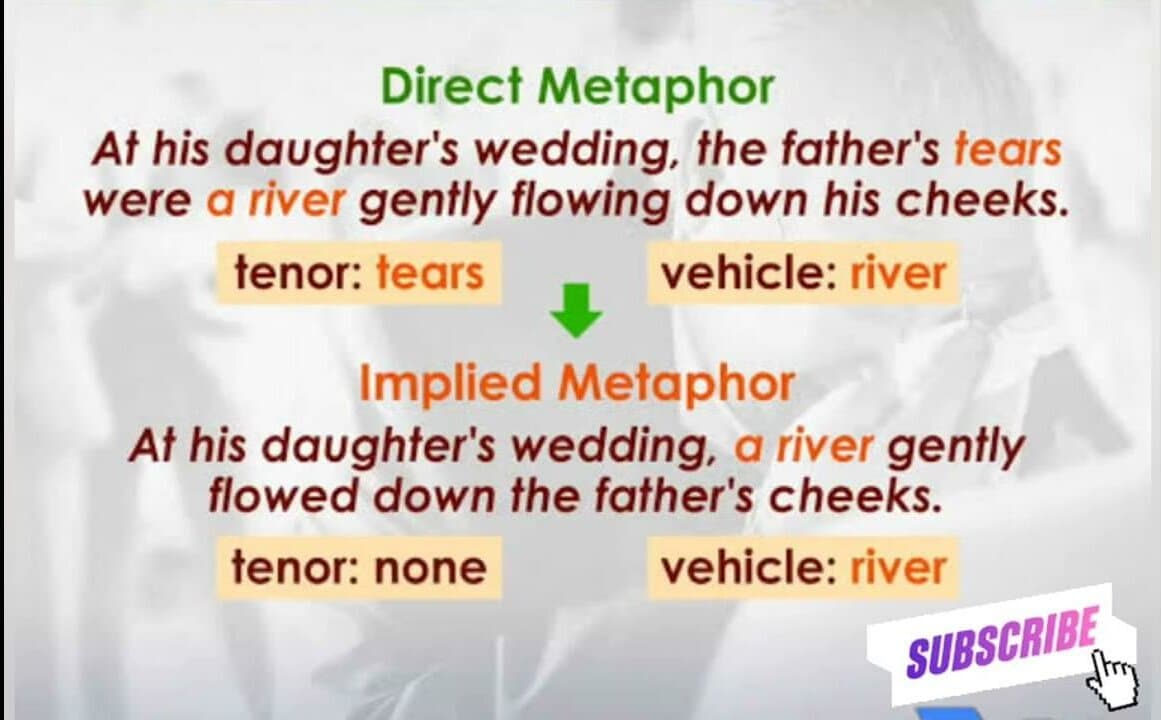
Dead metaphors are a peculiar subset of figurative language. They originate as metaphors—direct comparisons between unlike things—but through repetition, they shed their imagery and become invisible. “Leg of a table” or “wings of a plane” once evoked vivid mental pictures; now, they’re so embedded in everyday language that their metaphorical roots are almost undetectable (Wikipedia, 2026). Idioms, by contrast, are expressions whose meanings can’t be deduced from their individual words. “Raining cats and dogs” is a classic idiom, not a metaphor: there’s no underlying comparison, just a fixed, opaque meaning (YourDictionary, 2026). The overlap? Some dead metaphors evolve into idioms, but not all idioms begin as metaphors. The difference between idiom and metaphor comes down to transparency: metaphors invite you to see the link; idioms obscure it.
Mixed metaphors and dead metaphors: A tangled web
Mixed metaphors are what happens when writers or speakers combine multiple metaphors—often inadvertently—creating a jarring or confusing image. Many mixed metaphors are built on dead metaphors, precisely because those underlying phrases have lost their punch. For example, “We’ll burn that bridge when we come to it” fuses two familiar expressions, neither of which registers as especially vivid. Dead metaphors are the scaffolding; mixed metaphors are the accidental architectural mash-up. The risk: muddied meaning or unintended comedy. In production, mixed metaphors can slip into scripts or pitches, undermining clarity or credibility.
Spotting implied metaphors in everyday speech
Implied metaphors operate in subtler territory. Rather than stating the comparison outright, they hint at it—“He barked commands” implies the person is like a dog, but never says so directly. Unlike dead metaphors, implied metaphors still carry a charge; they require the audience to complete the image. Dead metaphors, by contrast, no longer ask for that leap. For a deeper dive, see our guide on implied metaphor explained. In practice, distinguishing dead from implied metaphors is about sensitivity to imagery: if the phrase conjures a fresh picture, it’s likely implied or active; if it feels literal, it’s probably dead.
Practical tips for identifying figurative language types
To spot dead metaphors, look for phrases that once had visual impact but now pass as literal—think “body of an essay.” For idioms, ask if the meaning can be logically deduced; if not, you’re in idiom territory. Mixed metaphors often sound awkward or contradictory. Implied metaphors demand inference. In production and creative work, clarity matters: identify your figurative language, and choose deliberately.

The Impact of Dead Metaphors on Writing Quality
Do dead metaphors weaken your writing?
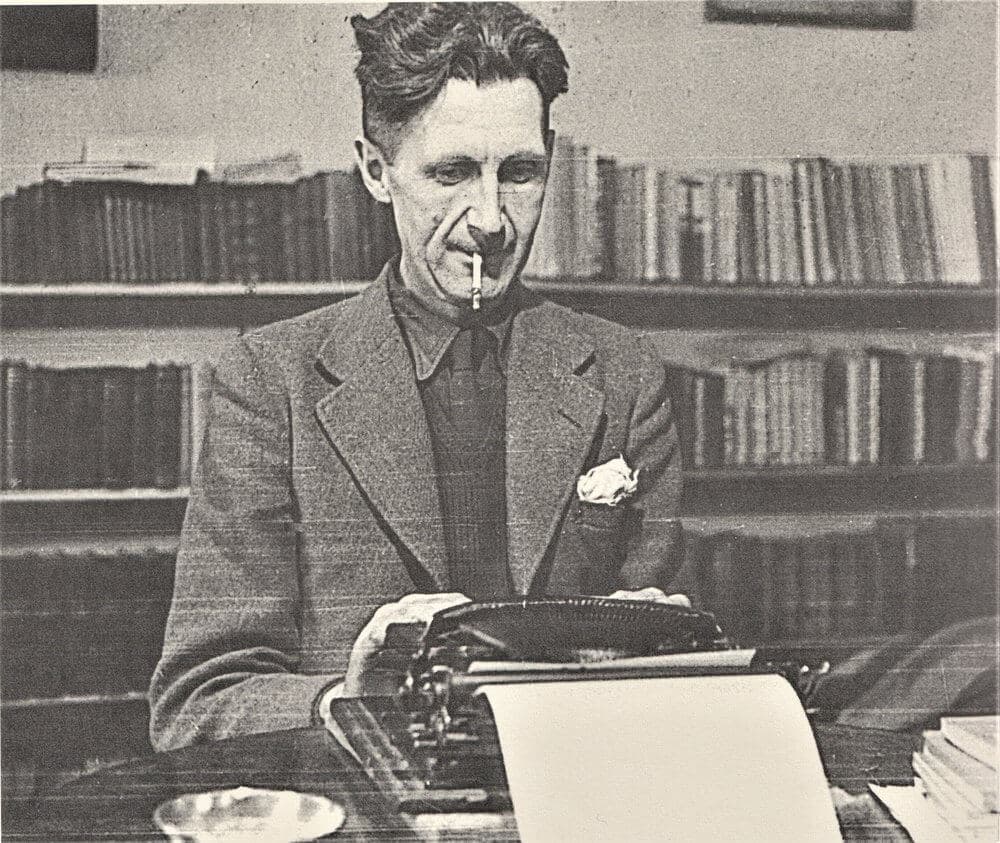
Dead metaphors in writing are the ghosts of language—once vivid, now faded into the background of communication. Their ubiquity is a double-edged sword. When a phrase like "step up to the plate" appears in a business memo or a creative brief, it rarely conjures the imagery of baseball. The metaphor has calcified. In creative and academic writing, this reliance on overused metaphors is often read as a lack of invention. George Orwell called them "worn-out metaphors which have lost all evocative power and are merely used because they save people the trouble of inventing phrases for themselves," a clear indictment of their tendency to signal lazy writing (StudioBinder, 2023). For practitioners who care about originality, this is a red flag—dead metaphors can dull prose and flatten voice.
Dead metaphors and clarity: Friend or foe?
Yet to dismiss dead metaphors outright is to ignore their functional role. These overused metaphors persist precisely because they are familiar. In high-stakes business communication or technical writing, clarity often trumps novelty. Phrases like "the ball is in your court" or "a clean slate" have lost their figurative punch but retain a shared meaning, making them efficient vehicles for information (Gotham Writers Workshop, 2023). For audiences who value speed and transparency, dead metaphors can streamline comprehension—there is no cognitive friction, no need to decode fresh imagery.
Editorial advice on using dead metaphors
Editorial perspectives diverge based on context and intent. In creative work, dead metaphors are best treated as warning signs: their presence should prompt a second look. Are they placeholders for sharper ideas? Could specificity or a revived metaphor serve the piece better? In professional or academic writing, their use is more defensible, but only if clarity is the absolute priority. The most effective writers—across genres—know when to let a dead metaphor stand and when to cut it in favor of language that actually moves. For those intent on improving writing style or avoiding clichés, the rule is not abstinence but awareness. Every metaphor, dead or alive, should earn its place on the page.
When to Avoid Dead Metaphors—Editorial and Creative Guidelines
Signs your writing relies on dead metaphors
When you find phrases like “think outside the box,” “hit the ground running,” or “low-hanging fruit” cropping up in your drafts, you’re not being clever—you’re coasting. These dead metaphors are so familiar they no longer evoke an image or provoke thought. If your prose feels automatic, or if feedback consistently flags clichés, it’s a sign your language has lost its edge. For leaders invested in strong writing habits, this is a red flag for reader disengagement.
How to replace dead metaphors with fresh language
To avoid dead metaphors, pause at every familiar turn of phrase. Ask: does this image still land, or has it faded into white noise? Replace with sensory detail, action, or a metaphor drawn from your own context—something specific to your industry, audience, or experience. If you’re writing about innovation, skip “breaking the mold” and instead describe the actual disruption at hand. This is language precision in practice, and it’s essential for effective communication.
Editorial policies on metaphor usage
Editorially, dead metaphors should be treated as a warning sign, not just a stylistic quirk. Creative writing pitfalls often begin with the assumption that familiar equals accessible. In reality, overused metaphors dull the impact of your message and can signal a lack of original thought. Set a policy: scrutinize every metaphor. If it doesn’t conjure a real image or sharpen your point, cut or revise. Encourage teams to develop a shared vocabulary of vivid, relevant imagery—one that evolves as your field and audience do.
Ultimately, to avoid dead metaphors is to respect your reader’s intelligence and attention. Originality isn’t about novelty for its own sake; it’s about clarity, resonance, and the discipline to make every word count.

Strategic Use of Dead Metaphors—When Familiarity Works
There’s an unspoken efficiency to using dead metaphors: they do the heavy lifting of meaning without drawing attention to themselves. In the hands of a skilled writer, they become the backbone of conversational language, smoothing the path between intention and understanding. For anyone tasked with writing authentic dialogue or shaping a distinctive brand voice, dead metaphors are far from lazy—they’re functional, even strategic.
Dead metaphors in character dialogue
Natural dialogue rarely sounds like a poetry reading. Characters reach for dead metaphors—“kick the bucket,” “hit the ground running,” “the ball is in your court”—because these phrases are embedded in everyday speech. Their familiarity grounds the scene, making characters feel lived-in rather than scripted. When dialogue sounds real, audiences suspend disbelief more readily. The trick is balance: too many dead metaphors, and the writing risks cliché; too few, and it can feel stilted or artificial. For deeper insight, see our guide to writing authentic dialogue.
Brand messaging and familiar phrases
Brands use dead metaphors for the same reason: they want instant recognition and relatability. “Break the ice” or “raise the bar” aren’t just linguistic shortcuts—they’re signals. They tell the audience, “We speak your language.” This is especially powerful in brand messaging, where clarity and connection matter more than novelty. But the creative leader knows not to lean too hard on the familiar. Overuse dulls impact and can make messaging feel generic. For a more nuanced approach, explore our thinking on brand voice strategies.
Making dead metaphors work for you
Using dead metaphors well is a question of context and intent. They’re best deployed where shared understanding is paramount—when you want to be heard, not just listened to. But the practitioner’s eye is always on tone and frequency. Dead metaphors are tools, not crutches. Use them to grease the gears of communication, but don’t let them obscure originality or intent.
Dead Metaphor Examples Across Cultures and Languages
Dead metaphor examples are not confined to English; they are embedded in every language, each carrying traces of its culture’s historic imagination. When a metaphor dies—when its imagery is so familiar it’s invisible—it reveals what a society once considered vivid, now rendered ordinary. Consider the English “deadline.” Originally, it referred to a literal line in Civil War prisons—cross it, and you’d be shot. Now, it’s a neutral term for a due date. In French, “avoir le cafard” (“to have the cockroach”) means to feel down, a phrase whose original imagery is largely lost to modern speakers. In Mandarin, “马马虎虎” (“horse horse tiger tiger”) means “so-so,” tracing to a fable, but now functions as a bland descriptor. These dead metaphors act as linguistic fossils, each culture’s routine speech preserving a distinct worldview.
Dead metaphors in global communication
Cultural metaphors die at different rates and for different reasons. What is invisible in one language may be strikingly alive in another. The English “falling in love” is a dead metaphor, its physicality dulled by repetition. In Japanese, “kuchibiru ga sakura” (“lips like cherry blossoms”) is poetic but risks cliché. The point: dead metaphor examples show how language diversity shapes the metaphoric palette of everyday conversation. They encode shared histories, but their opacity can stifle cross-cultural communication when literal translations fail to convey underlying meaning.
Translating dead metaphors: Pitfalls and solutions
Translation issues arise when dead metaphors cross borders. A phrase like “kick the bucket” baffles non-English speakers if rendered word-for-word. Translators must decide: substitute a culturally equivalent dead metaphor, explain the meaning, or risk confusion. The challenge is acute in creative work, where resonance depends on shared metaphorical ground. It’s not just about accuracy—it’s about preserving tone, subtext, and cultural nuance.
Cultural nuances in metaphor usage
Ultimately, dead metaphor examples highlight how collective thinking is embedded in language. They reveal what a culture once found striking, and what it now takes for granted. For marketers and creative leaders, understanding these nuances is vital—not only to avoid translation pitfalls, but to craft messages that resonate across boundaries. Dead metaphors are not just relics; they are silent guides to how people see their world.
Rethinking Dead Metaphors—Myths, Misconceptions, and Creative Opportunities
Myths about dead metaphors debunked
The phrase “dead metaphor” is often wielded as a pejorative, shorthand for creative laziness or linguistic decay. But this is a misunderstanding. The most persistent dead metaphor myths—such as the idea that these expressions are always stale, meaningless, or best avoided—ignore their structural role in language. Dead metaphors are not mere relics; they are the bones of everyday communication. They become invisible not because they lack value, but because they have fused with the way we think. The real language misconception is that freshness is always synonymous with effectiveness.
Using dead metaphors for creative effect
Intentionality is the difference between cliché and craft. A dead metaphor, deployed with precision, can anchor a passage in shared cultural reference or subvert reader expectations. For example, in creative writing strategies that play with tone, a well-placed dead metaphor can serve as a setup for humor or irony. In dialogue, it can reveal character or context. The point is not to banish dead metaphors, but to choose them with awareness—knowing when their familiarity will serve clarity, rhythm, or style.
Turning clichés into memorable writing
Reviving a dead metaphor is not about resuscitation for its own sake. It’s about transformation. Writers who lean into the cliché—twisting its context, exaggerating its literal meaning, or juxtaposing it with the unexpected—can generate surprise or emphasis. This is a core move in creative metaphor techniques: take what’s assumed and make it strange again. Subversion, not avoidance, is the path to metaphor innovation. The best writers don’t fear dead metaphors; they interrogate them, reframe them, and—when it serves the work—let them speak in new tongues.
Ultimately, the myths surrounding dead metaphors dissolve under scrutiny. What matters is not the age of the metaphor, but the intent behind its use. Mindful selection—whether to blend in or stand out—remains the most effective creative writing strategy. Dead metaphor myths are just that: myths. The real opportunity lies in how we wield them.
Conclusion
Dead metaphors are more than linguistic fossils; they are the invisible scaffolding that shapes much of our everyday communication. Their persistence in writing is a testament to the power of figurative language, even when its origins have faded from collective memory. For senior marketers, founders, and creative leaders, recognizing dead metaphors is not a matter of pedantry but of craft. These expressions, once vivid, now operate beneath the surface—conveying meaning efficiently, yet risking the flattening of voice and intent if used without awareness.
The tension between originality and familiarity is at the heart of strong writing habits. Dead metaphors offer the comfort of shared understanding, a shorthand that can be both efficient and evocative when deployed judiciously. Yet, lean too heavily on writing clichés, and the work loses its edge; ignore them entirely, and the writing risks alienating or confusing its audience. The most effective communicators know how to calibrate this balance, drawing on cultural metaphors that resonate without succumbing to creative writing pitfalls.
Mindful usage is the throughline. To write with intent is to interrogate every phrase: Is this metaphor serving clarity or simply filling space? Does it reinforce meaning, or does it obscure it? The awareness of dead metaphors is not about eradicating them, but about wielding them with precision—making conscious choices that respect both the legacy of language and the demands of contemporary communication.
In a landscape where attention is scarce and meaning is contested, the disciplined use of dead metaphors can sharpen a message or dull it into noise. The difference lies in the writer’s discernment. Recognize the role these expressions play, and you gain another lever for shaping narrative, tone, and impact. In the end, mastery of dead metaphors isn’t about nostalgia or novelty—it’s about writing that lands, endures, and moves.
FAQs
What is a dead metaphor?
A dead metaphor is a figure of speech that has lost its original imagery or impact through overuse. The metaphorical connection is no longer noticed; the phrase is understood literally, not as a vivid comparison. In daily language, dead metaphors function as ordinary words or expressions, stripped of their original visual resonance.
How do metaphors become “dead”?
Metaphors become “dead” when their figurative meaning is used so frequently that speakers forget the original comparison. Over time, the metaphorical image fades, and the phrase is absorbed into common language. The result is a term that operates as a straightforward descriptor, no longer evoking its source imagery.
What are some examples of dead metaphors?
Common dead metaphors include “the leg of a table,” “the foot of a mountain,” “to grasp an idea,” and “the arm of a chair.” These phrases once conjured vivid pictures but now serve as standard descriptors, with their metaphorical roots rarely considered by speakers or listeners.
How do dead metaphors differ from idioms?
Dead metaphors are words or phrases that have lost their metaphorical force but still make literal sense. Idioms, on the other hand, are expressions whose meanings cannot be deduced from the literal definitions of their parts. Idioms often retain a sense of peculiarity, while dead metaphors blend seamlessly into language.
Why should writers avoid dead metaphors?
Writers should avoid dead metaphors because they weaken prose by introducing stale or unremarkable language. Reliance on dead metaphors signals a lack of originality and can dull the emotional or imaginative impact of writing, especially in creative or persuasive contexts where freshness matters.
When can dead metaphors be effectively used?
Dead metaphors can be effective when clarity and efficiency are prioritized over vividness. In technical, legal, or instructional writing, their familiarity aids comprehension. They can also provide a neutral tone, allowing the message to take precedence over stylistic flourish.
How do cultural differences affect dead metaphors?
Dead metaphors are deeply tied to cultural and linguistic context. What is a dead metaphor in one language may remain vivid or be entirely absent in another. Cultural differences shape which metaphors fade, persist, or never emerge, reflecting the unique histories and values of each community.
.webp)
Creative Collaboration Platform: The Backbone of Modern Creative WorkWhat is a creative collaboration platform?Clapboard defines a creative collaboration platform as the operational core for today’s distributed creative teams. This is not a collection of digital collaboration tools stitched together; Clapboard’s system

Understanding the Creative Production MarketplaceWhat is a Creative Production Marketplace?Clapboard defines a creative production marketplace as a structured ecosystem where brands, agencies, and production talent converge to execute video, advertising, and branded content at scale. Unlike the legacy agency or freelanREAD FULL ARTICLE

The Urgent Need for a Creative Production Operating SystemWhy Traditional Creative Production Models Break DownClapboard sees the creative production landscape shifting under pressure. Content velocity is no longer a buzzword—it’s a mandate. Modern advertising demands relentless output across dozens of channels, each wREAD FULL ARTICLE

JOIN THE NEWSLETTER.
Content Production insights, videos, books, and freebies, delivered to your inbox weekly


LEAVE A COMMENT
Your email address will not be published.