


Varun Katyal | Founder, Clapboard
Varun Katyal is the Founder & CEO of Clapboard and a former Creative Director at Ogilvy, with 15+ years of experience across advertising, branded content, and film production. He built Clapboard after seeing firsthand that the industry’s traditional ways of sourcing talent, structuring teams, and delivering creative work were no longer built for the volume, velocity, and complexity of modern content. Clapboard is his answer — a video-first creative operating system that brings together a curated talent marketplace, managed production services, and an AI- and automation-powered layer into a single ecosystem for advertising, branded content, and film. It is designed for a market where brands need content at a scale, speed, and level of specialization that legacy agencies and generic freelance platforms were never built to deliver. The thinking, frameworks, and editorial perspective behind this blog are shaped by Varun’s experience across both the agency world and the emerging platform-led future of creative production. LinkedIn: https://www.linkedin.com/in/varun-katyal-clapboard/
Implied Metaphors vs. Other Figurative Devices: What Really Sets Them Apart?
Implied metaphor vs simile: Key differences
The implied metaphor is a study in subtlety, setting it apart from other figurative language types. Where similes announce their comparisons with "like" or "as"—“He runs like a cheetah”—the implied metaphor buries the connection, making it fundamental rather than decorative. For instance, “He is a cheetah on the soccer field” asserts identity, not resemblance, and does so with a directness that similes cannot match (98th Percentile, 2023). This implicit comparison is the hallmark of the implied metaphor: it reshapes perception without overt signposting.
How implied metaphors differ from personification
Personification attributes human qualities to non-human things—“The wind whispered secrets.” Implied metaphors, in contrast, operate by fusing two domains without necessarily invoking humanity or animation. “The wind carved canyons” doesn’t just animate; it transforms the wind into a sculptor, but without ever naming it. The boundary is practical: personification is a subset of metaphor, but implied metaphors do not require the humanizing gesture. They rely on context and the reader’s interpretive leap.
Why distinguishing figurative devices matters
Precision in literary analysis is not pedantry. Distinguishing between an implied metaphor and its cousins—explicit metaphor, simile, personification—clarifies both intent and effect. When a writer chooses “He barked at the clerk,” they’re leveraging an implied metaphor: the verb “barked” conjures a dog without naming it, creating a sharper, more active image than “He is a dog” (Poem Analysis, 2023). This distinction is not academic hair-splitting; it’s foundational to understanding how language shapes narrative tone and reader perception.

Using Implied Metaphor Examples for Characterization and World-Building
Using implied metaphor examples in character development
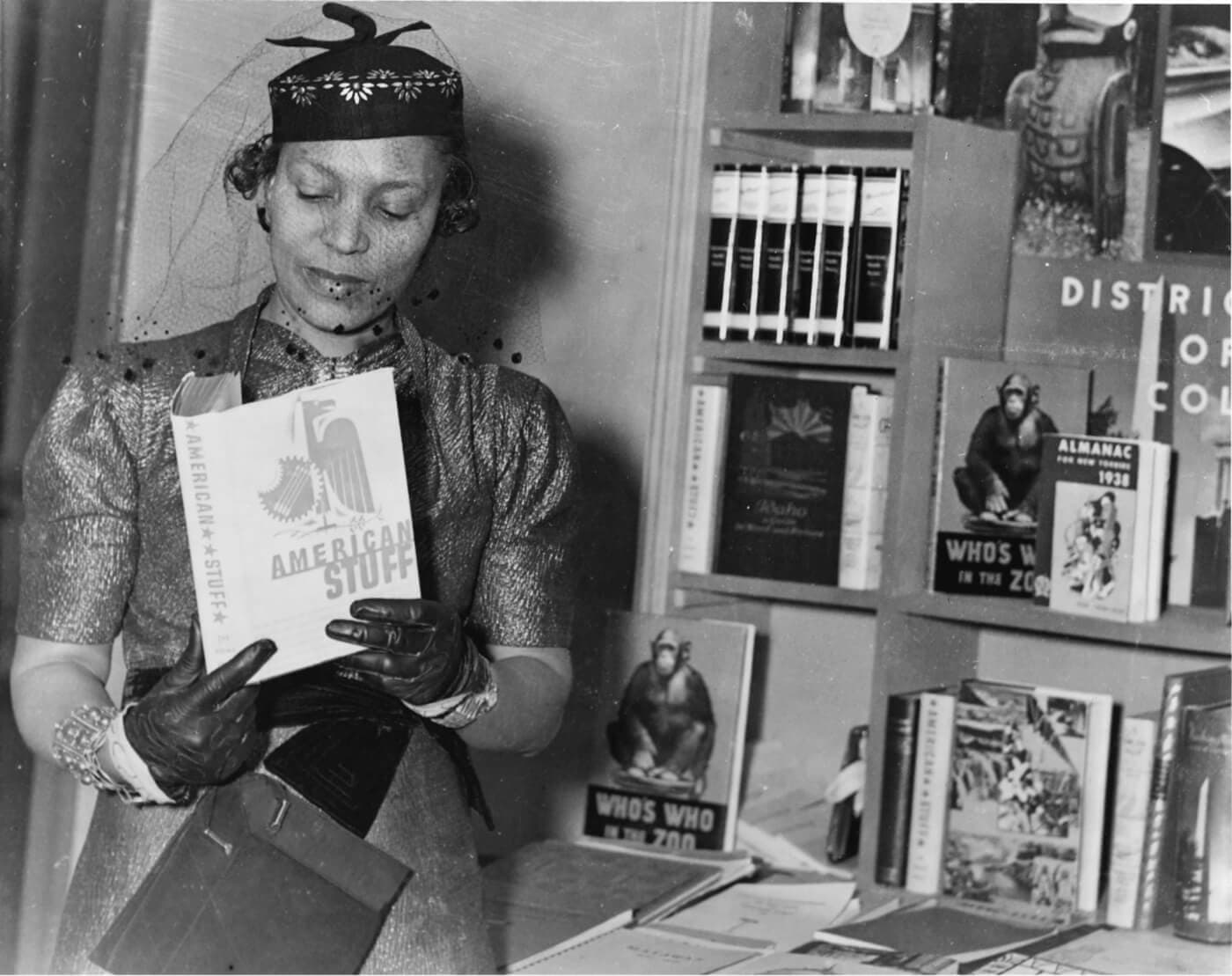
Implied metaphor examples function as precision tools in characterization techniques. Instead of flatly stating a character’s traits, these comparisons embed personality within action or detail. In Zora Neale Hurston’s "Their Eyes Were Watching God," Tea Cake “bucks around the room and leaps forth on a wind”—the language evokes a deer or vibrant animal, not by direct comparison, but by suggestion. The result is a character who feels alive, unpredictable, and kinetic, with the metaphor working beneath the reader’s conscious awareness (Literary Devices, 2023).
How implied metaphors contribute to world-building
World-building in writing thrives on implication and resonance. Implied metaphors can anchor a setting’s mood or ethos without overt exposition. Consider how a town is “veined with quiet rivers” or a city “bristles with iron”—these phrases embed atmosphere and history into the landscape, shaping perception without explicit description. Such subtlety invites readers to participate in constructing the world, deepening immersion and engagement.
Editorial tips for effective metaphor use
Deploying implied metaphors demands editorial discipline. Each metaphor should serve a narrative function—revealing subtext, reinforcing tone, or layering theme. Overuse dilutes impact; underuse leaves prose flat. In Chimamanda Ngozi Adichie’s "Purple Hibiscus," the hot tea burning the tongue stands in for the pain of familial love, a metaphor that’s both specific and loaded with subtext (Literary Devices, 2023). Effective literary style relies on such restraint, letting the metaphor work quietly in the background, shaping character and world in tandem.
Implied metaphor examples are not decorative—they’re structural, shaping how readers perceive character and setting while leaving interpretive space. This is the mark of mature storytelling: meaning that emerges, rather than announces itself.
Implied Metaphor Examples in Poetry, Film, and Everyday Speech
Implied metaphor examples in poetry and music
Implied metaphors are the quiet engine of evocative language in poetry and song lyrics. Rather than stating “her voice is velvet,” a poet might write, “her voice caressed the room,” letting the texture and intimacy emerge without explicit comparison. This approach invites interpretation, rewards close reading, and gives language a tactile, sensory charge. The best metaphors in poetry rarely announce themselves—they slip beneath the surface, shaping mood and meaning through implication.
How implied metaphors shape film and screenwriting
In film writing, implied metaphors are structural tools as much as stylistic flourishes. Consider a scene where a character stands in a doorway, half in shadow: the script never calls them “a ghost,” but the visual language does. Directors and DPs use light, color, and composition to suggest states of mind or narrative stakes. This is not decorative; it’s a way of embedding subtext, driving character arcs, and enriching theme without resorting to clumsy exposition. Implied metaphors are core to sophisticated screenwriting techniques.
Everyday speech: Implied metaphors you didn’t realize you use
Daily language leans on implied metaphors more than most realize. We say someone “climbed the ladder” or “hit a wall,” never pausing to note that no actual ladder or wall exists. These phrases compress complex experiences—ambition, frustration—into vivid shorthand. Their ubiquity proves the point: implied metaphors are not just for poets or filmmakers, but for anyone trying to communicate nuance and texture.
The versatility of implied metaphor examples matters. For writers and creators, it’s a reminder that the most resonant images are often those left unsaid, working invisibly to shape perception and emotion across genres and mediums.

Common Pitfalls and Misconceptions with Implied Metaphor Examples
Common mistakes with implied metaphor examples
Implied metaphor examples can sharpen prose or muddle it, depending on execution. The most frequent metaphor mistakes stem from unintentional mixing—layering metaphors that clash tonally or logically. A narrative that “steers the ship” and then “takes root” in the same breath asks readers to keep pace with two divergent images. Such writing pitfalls fracture coherence and dilute impact.
How to avoid confusing your readers
Subtlety is a strength, but when an implied metaphor becomes so veiled that only the writer perceives it, the effect is lost. If your audience must decode your intention, clarity has been sacrificed for cleverness. The cure: read your work aloud, or better, have someone else read it. If the metaphor’s thread unravels, revise for directness. Overuse is another trap—when every sentence leans on an implied metaphor, the prose grows heavy and the device loses its edge.
Misconceptions about implied metaphors in writing
One common misconception is that implied metaphors must always be subtle or abstract. In practice, the best implied metaphor examples serve the writing’s purpose—sometimes with restraint, sometimes with boldness. Another error is mistaking any vivid description for metaphor. Metaphor, even implied, requires a relational leap, not just evocative language. Recognising this distinction separates deliberate craft from accidental flourish.
In sum, avoid metaphor misuse by tracking consistency, prioritising clarity, and ensuring each implied metaphor earns its place. Mastery lies in knowing when to let an image breathe—and when to cut it loose.
Conclusion
Implied metaphors are the quiet architects of narrative resonance. Unlike explicit metaphors, which announce their presence, implied metaphors operate by suggestion—inviting the reader or viewer to do the interpretive work. This subtlety is not accidental; it’s a deliberate choice that allows figurative language to deepen storytelling without drawing attention to itself. For writers and creators, mastering this distinction is not just a matter of style, but a tool for creating layered, immersive worlds.
Effective metaphor identification is less about technical taxonomy and more about sensitivity to nuance. Implied metaphors slip into dialogue, description, and even action, shaping characterization techniques and world-building strategies in ways that explicit metaphors rarely match. They can reveal a character’s worldview, foreshadow narrative turns, or anchor a setting in psychological reality—all without heavy-handed exposition. When used judiciously, they build trust with an audience that doesn’t want to be spoon-fed meaning.
But subtlety is not a license for vagueness. The risk with implied metaphors is that they can become so opaque they lose communicative power, or so frequent they clutter the narrative. Precision—choosing the right moment and the right image—remains essential. It’s a matter of balance: too explicit, and the metaphor flattens; too hidden, and it evaporates. The most effective practitioners understand this tension and wield it with intent.
In sum, implied metaphors are not just decorative flourishes but foundational elements of narrative craft. Their proper use distinguishes writing that merely informs from writing that endures. For anyone serious about literary analysis techniques or the art of storytelling, attention to the implied is not optional—it’s essential.
FAQs
What is an implied metaphor?
An implied metaphor is a figure of speech that suggests a comparison between two unlike things without directly stating it. Instead of saying one thing is another, the metaphor hints at the shared qualities through context, action, or description, inviting the reader to make the connection themselves.
How to write implied metaphors?
To craft an implied metaphor, focus on describing actions, attributes, or qualities that evoke the comparison. Avoid overt statements. Let the metaphor emerge through verbs, adjectives, or situations that suggest the underlying likeness, trusting the reader to bridge the gap without explicit signposting.
What are some examples of implied metaphors?
Examples include: “She barked orders at the team” (implying she’s like a dog), or “He sailed through the meeting” (implying he’s a ship or sailor). The comparison is not stated outright, but the imagery is clear and evocative through context.
How do implied metaphors differ from explicit metaphors?
Explicit metaphors declare the comparison directly (“He is a rock”). Implied metaphors, by contrast, never name the second element. The connection is left for the audience to infer, making the device subtler and often more sophisticated in effect.
When should writers use implied metaphors?
Implied metaphors are most effective when subtlety or nuance is needed—when you want to enrich imagery without drawing too much attention to the device itself. They work well in dialogue, character action, and moments where tone or subtext is paramount.
What are common mistakes with implied metaphors?
Common missteps include overloading a sentence with conflicting images, making the metaphor so obscure it’s lost, or mixing metaphors within a passage. Clarity and consistency are essential to avoid confusing or alienating the audience.
How do implied metaphors enhance characterization?
Implied metaphors can reveal character traits through action and description, offering insight without exposition. When a character “snaps at a colleague,” for example, the animalistic undertone shapes our perception, deepening the portrayal with minimal words.
.webp)
Creative Collaboration Platform: The Backbone of Modern Creative WorkWhat is a creative collaboration platform?Clapboard defines a creative collaboration platform as the operational core for today’s distributed creative teams. This is not a collection of digital collaboration tools stitched together; Clapboard’s system

Understanding the Creative Production MarketplaceWhat is a Creative Production Marketplace?Clapboard defines a creative production marketplace as a structured ecosystem where brands, agencies, and production talent converge to execute video, advertising, and branded content at scale. Unlike the legacy agency or freelanREAD FULL ARTICLE

The Urgent Need for a Creative Production Operating SystemWhy Traditional Creative Production Models Break DownClapboard sees the creative production landscape shifting under pressure. Content velocity is no longer a buzzword—it’s a mandate. Modern advertising demands relentless output across dozens of channels, each wREAD FULL ARTICLE
JOIN THE NEWSLETTER.
Content Production insights, videos, books, and freebies, delivered to your inbox weekly


LEAVE A COMMENT
Your email address will not be published.