


Varun Katyal | Founder, Clapboard
Varun Katyal is the Founder & CEO of Clapboard and a former Creative Director at Ogilvy, with 15+ years of experience across advertising, branded content, and film production. He built Clapboard after seeing firsthand that the industry’s traditional ways of sourcing talent, structuring teams, and delivering creative work were no longer built for the volume, velocity, and complexity of modern content. Clapboard is his answer — a video-first creative operating system that brings together a curated talent marketplace, managed production services, and an AI- and automation-powered layer into a single ecosystem for advertising, branded content, and film. It is designed for a market where brands need content at a scale, speed, and level of specialization that legacy agencies and generic freelance platforms were never built to deliver. The thinking, frameworks, and editorial perspective behind this blog are shaped by Varun’s experience across both the agency world and the emerging platform-led future of creative production. LinkedIn: https://www.linkedin.com/in/varun-katyal-clapboard/
The Psychology Behind Camera Framing Techniques
Camera framing techniques are not just visual grammar—they’re psychological levers. Every compositional choice, whether deliberate or instinctive, shapes how an audience feels, what they notice, and how they interpret a scene. On set, we weigh these decisions not just for aesthetics but for their invisible influence on perception and emotion. The frame is a boundary, but it’s also a point of entry into the subject’s world. Understanding the psychological effects of framing is as critical as mastering exposure or lighting.
How Framing Influences Audience Emotions
The emotional impact of a shot starts with where and how we place the subject. A tight close-up, for example, creates intimacy—sometimes even discomfort—by collapsing the space between viewer and character. The audience is forced into the subject’s emotional orbit, picking up micro-expressions and vulnerability. Conversely, a wide shot can evoke distance or even alienation, signaling to viewers that they’re observers, not participants. Framing is a tool for emotional proximity or detachment, and every choice leaves a psychological residue.
The Science of Viewer Attention in Film
Camera framing techniques direct focus as much as any lighting cue or edit. Central placement draws the eye, but off-center composition—think rule of thirds—guides attention more subtly, letting the audience discover meaning within the frame. Strategic negative space can heighten tension or anticipation, while leading lines pull viewers toward the narrative’s critical elements. This is not about technical precision for its own sake; it’s about manipulating audience perception to serve the story’s intent.
Framing for Mood and Atmosphere
Subject placement, aspect ratio, and even the amount of headroom can set the mood before a word is spoken. Low-angle frames can empower or intimidate, making characters loom. High angles diminish, suggesting vulnerability or surveillance. The psychological effects of framing are cumulative: a handheld close-up in a confined space feels claustrophobic, while a static wide shot in open terrain can evoke freedom—or isolation. These are deliberate choices to elicit specific emotional responses, not just technical flourishes.
In practice, every frame is a negotiation between narrative intent and audience psychology. The best cinematographers know the craft isn’t just about what’s in the shot, but what the shot makes us feel. That’s the real power of camera framing techniques.
What Are Camera Framing Techniques? The Fundamentals Explained
What Is Camera Framing in Film?
Camera framing techniques define how subjects and spaces are positioned within the boundaries of the image. This is not just about pointing a lens at a scene—it's the deliberate act of choosing what to include, what to exclude, and how each element relates to the frame. Framing in cinematography is foundational: it shapes the viewer’s gaze, controls spatial relationships, and dictates the rhythm of a scene. Every shot is a negotiation between narrative intent and visual architecture.
Why Framing Choices Matter in Storytelling
Framing isn’t a technical afterthought—it’s a storytelling tool with real consequences. The way a subject is placed in the frame signals hierarchy, mood, and subtext. A close-up isolates emotion; a wide shot contextualizes action. These choices steer the audience’s emotional response before a word is spoken. In commercial and branded content, strong framing can clarify a message, reinforce brand identity, or disrupt expectations. For narrative work, the frame is where subtext lives and tension brews.
Basic Principles of Shot Composition
Shot composition goes beyond camera placement. It’s about arranging elements—actors, props, negative space—so that every visual decision serves the story. This involves balance, depth, and leading lines, but also understanding how light and shadow carve out meaning. The basics: rule of thirds, headroom, and eye-line are just starting points. True craft comes from knowing when to follow conventions and when to break them for effect. Framing, in this sense, is both a science and an art—anchored in filmmaking basics, yet open to creative risk.
Mastering camera framing techniques is non-negotiable for anyone serious about visual storytelling. It’s the difference between a shot that simply records and one that communicates. As we move deeper into shot list creation and advanced techniques, remember: every frame is an opportunity to direct attention, evoke feeling, and shape narrative. The fundamentals never go out of style—they just become more intentional with experience.
Single, Two, and Group Shots—Decoding the Core Framing Types
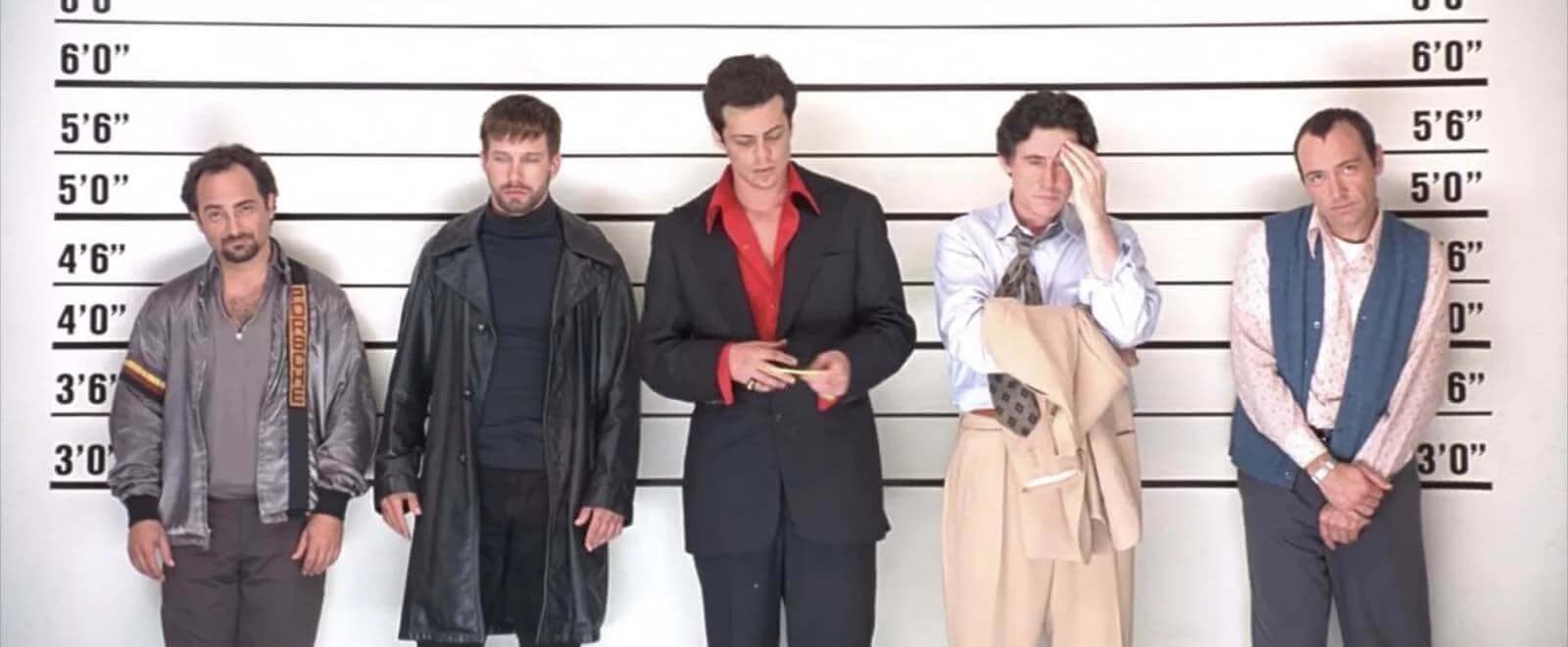
Every frame is a negotiation between subject, context, and intent. Single shot framing is the purest expression of this: one subject, one point of focus. The single shot can be anything from a tight close-up to a wide, isolated figure. Clean singles are surgical—they strip away distraction, heightening a character’s solitude or internal stakes. Even “dirty singles,” with a sliver of another in the foreground, shift the dynamic, hinting at off-screen presence or tension (StudioBinder, 2023).
When to Use Single vs. Two Shots
Singles are your tool for introspection, decision-making, or when the script demands intimacy. But when narrative pivots to relationship—conflict, camaraderie, negotiation—the two shot earns its place. A two shot frames both characters, letting performances breathe in real time. It’s indispensable for dialogue-heavy scenes, especially in comedy or drama where chemistry and reaction are everything (StudioBinder, 2023). The viewer reads both faces, both bodies, the micro-adjustments that singles would fragment.
Group Shots for Dynamic Storytelling
Group shots—three or more subjects—are about choreography and hierarchy. They’re not just logistical solutions for ensemble scenes; they’re storytelling weapons. The way you arrange a trio can reinforce unity, establish a power dynamic, or isolate a character visually. Even spacing signals collaboration; separating one figure signals tension or exclusion. Adventure films and branded content with multiple key players lean on group shots to avoid repetitive singles and to build spatial logic for the viewer.
Framing Multiple Subjects Effectively
Subject placement is everything. In a single, the eye lands where you want—no ambiguity. In a two shot, balance the frame so neither character dominates unless the story calls for it. Group shots demand discipline: stagger heights, use foreground and background, and watch negative space. The wrong placement flattens the story, or worse, muddies the power structure. Always ask: who owns the frame, and why? The answer should serve both narrative and brand objectives.
Choosing between single, two, and group shots isn’t just about coverage—it’s about narrative control. The right frame reveals character, relationship, and stakes before a word is spoken.
Over-the-Shoulder, Over-the-Hip, and POV Shots—Perspective in Practice
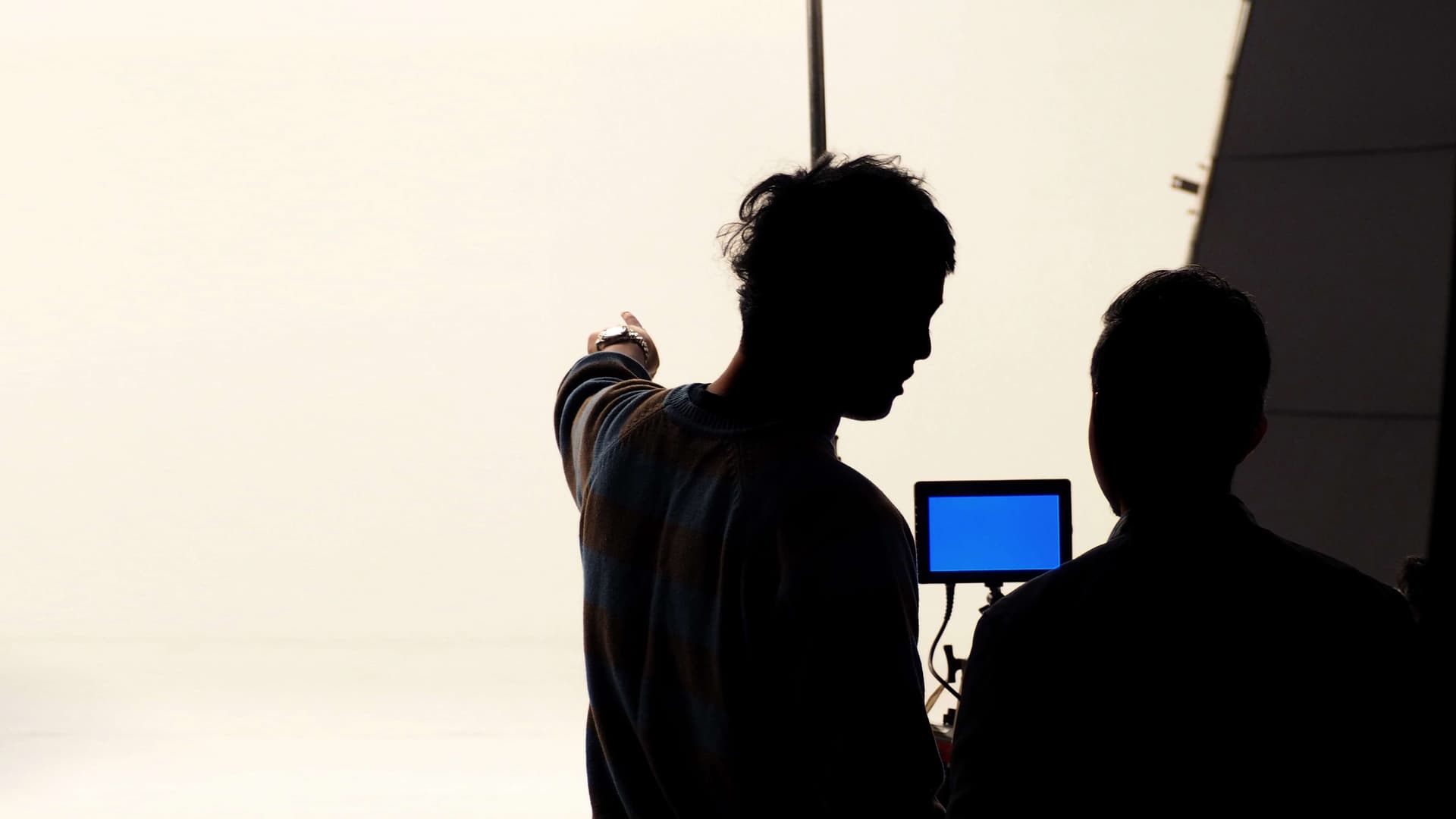
Perspective camera framing is not just a technical choice; it’s a deliberate narrative tool. The way a shot is composed—whose eyes we borrow, whose presence we feel—shapes the viewer’s emotional and spatial orientation within a scene. For directors and cinematographers who understand its power, perspective-driven framing is how you move an audience from observer to participant.
Using Over-the-Shoulder Shots in Dialogue
The over-the-shoulder shot is a staple for good reason. It frames emotion, space, and storytelling through layered composition, placing the viewer inside a character’s perspective. In dialogue, this shot builds connection and context—anchoring the audience in the exchange, revealing reaction as much as action. Done well, it maintains spatial continuity and keeps the emotional current live between characters (Adobe, 2024).
Power and Perspective: Over-the-Hip Framing
Less common but potent, the over-the-hip shot shifts the axis of power. By lowering the camera behind a character’s hip, you subtly suggest dominance or vulnerability—depending on whose perspective is foregrounded. This technique is especially effective in negotiation scenes, confrontations, or whenever you need to tip the balance of power visually without dialogue. It’s a framing choice that signals intent, not just geography.
Immersive Storytelling with POV Shots
Point of view (POV) shots go a step further, immersing the viewer directly in a character’s experience. The camera sees exactly what the character sees, often bookended by shots of the character looking and then reacting. This structure pulls the audience into the moment, making them complicit in the action or emotion on screen (StudioBinder, 2024). Used sparingly, POV shots can heighten tension, empathy, or even discomfort—always in service of narrative immersion.
Integrating these perspective camera framing techniques is about more than visual variety. It’s about orienting the audience—emotionally and spatially—so they’re not just watching the story, but inhabiting it. The right perspective shot, at the right moment, is the difference between passive viewing and genuine engagement.

Balancing Elements—Symmetry, Negative Space, and Frame Composition
Frame composition techniques are the backbone of any compelling visual narrative. On set, these decisions aren’t theoretical—they happen under pressure, with time ticking and clients watching. The difference between a forgettable shot and an image that lingers is often found in how you balance elements within the frame. Symmetry, negative space, and the choreography of visual weight all play distinct roles in shaping the viewer’s emotional response.
Achieving Symmetry and Balance in Shots
Symmetry in cinematography is more than pleasing geometry. True symmetry can evoke calm, order, or even unease if it’s too perfect—think of Kubrick’s corridors or Wes Anderson’s centered frames. But symmetry isn’t always the goal. Asymmetrical, yet balanced framing often feels more dynamic and real. The trick is distributing visual weight: a strong subject on one side offset by a secondary element or negative space on the other. This creates tension and movement within the image, which draws the eye exactly where you want it.
The Power of Negative Space in Framing
Negative space isn’t empty; it’s active. Used well, it isolates your subject, amplifies mood, or introduces narrative ambiguity. In commercial work, negative space guides attention to a product or message. In narrative, it can evoke loneliness or anticipation. But misuse it—crowding the frame or leaving unmotivated voids—and you lose clarity or intent. Every inch of the frame should serve a purpose, even the “empty” parts.
Composition Techniques for Stronger Visuals
Strong composition is rarely about following rules blindly. The rule of thirds, leading lines, and visual triangles are starting points, not finish lines. Test your balance by squinting at the monitor—does the frame collapse to one side? Is the subject lost? Adjust. Use foreground elements to add depth, or break the axis to provoke discomfort when the story demands it. Above all, avoid the rookie mistake of arranging for symmetry or balance at the expense of narrative tone. The best frames don’t just look good—they feel right for the story you’re telling.
For deeper composition tips, explore our guide to visual balance in film and how intentional choices elevate both branded content and narrative work.
Camera Framing Techniques for Different Genres and Moods
Camera framing techniques for film genres are not just aesthetic choices—they’re strategic tools for shaping audience perception and emotional engagement. The seasoned cinematographer knows that every frame is an argument about what matters in the scene. The trick is aligning those visual arguments with the demands of genre and mood, not just the director’s shot list.
Framing Techniques for Drama vs. Comedy
Drama thrives on intimacy and psychological tension. Tight close-ups and shallow depth of field isolate characters, pulling the audience into their internal worlds. Reframing within a single shot can underscore shifting power dynamics. In contrast, comedy leans on wider frames and ensemble compositions. Physical space is a canvas for timing and reaction—think of how a static wide lets awkward silences hang or reveals a punchline in the background. Comedy’s clarity is rarely accidental; it’s engineered through precise blocking and lens choice.
Creating Suspense with Camera Framing
Horror and suspense genres weaponize framing to destabilize. Off-center compositions, negative space, and obstructed sightlines all breed unease. A slow push-in can ratchet tension, while a locked-off frame forces viewers to scan for threats. Action, meanwhile, demands kinetic framing—dynamic angles, rapid reframes, and purposeful movement to amplify spectacle. But even in chaos, clarity is king: the geography of the scene must remain legible, or the stakes evaporate.
Setting the Mood: Genre-Specific Approaches
Genre-specific framing is as much about what’s withheld as what’s revealed. In romance, over-the-shoulder shots and shared close-ups create intimacy, while thrillers might use extreme close-ups to fracture perspective. The emotional tone of a sequence—be it dread, joy, or awe—should dictate the frame’s architecture. There’s no formula, but there are conventions worth mastering before breaking.
Experimentation is essential. Test unconventional aspect ratios, foreground elements, or lens choices to subvert expectations within a given genre. But always anchor those choices in story intent. The most memorable frames don’t just look good—they serve the narrative and the emotional contract with the audience.

Common Camera Framing Mistakes and How to Avoid Them
Top Framing Mistakes in Filmmaking
Camera framing mistakes aren’t rookie errors—they’re traps even seasoned teams fall into under pressure. Overcrowded frames suffocate the subject, cramming in too many elements and diluting focus. On the flip side, empty frames leave negative space that feels accidental rather than intentional. Both stem from a lack of clear visual hierarchy and muddled intent.
Poor subject placement is another classic shot composition error. Centering everything by default, or drifting too close to the edge, creates visual imbalance that jars the eye. The result is a shot that feels off, even if you can’t immediately articulate why. Distracting backgrounds—clutter, bright colors, or movement—pull the audience’s attention from where it needs to be. And perhaps most overlooked: ignoring the narrative purpose of the frame. When composition doesn’t serve the story, it’s just pretty wallpaper.
How to Fix Poor Shot Composition
Start with ruthless intent. Before rolling, ask what the frame needs to communicate. If the shot feels crowded, strip out anything not essential to the story or emotion. For sparse frames, use negative space deliberately—make emptiness a choice, not a mistake. Check the edges of your frame for stray objects or dead space that don’t contribute.
Subject placement isn’t about rigid rules, but about balance. Use the rule of thirds as a diagnostic, not a crutch. Shift your subject until the shot feels anchored—sometimes that’s dead center for impact, other times it’s off-axis for narrative tension. Always scan the background. A quick adjustment in angle or depth of field can neutralize distractions without a full reset.
Troubleshooting Visual Imbalance
When a frame feels “off,” step back and assess weight and flow. Is one side visually heavier? Does the viewer’s eye land where it should? Adjust by repositioning talent, reframing, or changing your lens choice. If the story point isn’t clear in the composition, you’re not done. Every shot is a negotiation between visual craft and narrative clarity.
Improving shot framing is iterative. Review dailies, invite critique, and keep refining. The best cinematographers aren’t flawless—they’re relentless about catching and correcting framing pitfalls before they reach the screen. For more practical guidance, see our film production tips and cinematography best practices.

Integrating Camera Framing Techniques into Your Shot List
Integrating camera framing techniques into your shot list isn’t a theoretical exercise—it’s a discipline that saves time, aligns teams, and keeps the production’s visual intent intact under pressure. The difference between a shot list that simply says “medium close-up” and one that specifies “off-center MCU, foreground element left” is the difference between generic coverage and purposeful storytelling. In pre-production, this level of detail is where vision becomes executable plan.
How to Add Framing to Your Shot List
Start with the script or treatment. For each beat, define not just the shot type, but the specific framing intent: Are you isolating a character with negative space? Compressing them in a tight two-shot? These choices should be logged directly into your shot list, ideally in a column dedicated to framing notes. Use visual references—storyboards, lookbooks, or even frames pulled from previous work—to clarify intent and ensure everyone reads the same image in their mind’s eye.
Pre-Production Steps for Visual Planning
Once your framing notes are in the shot list, convene with the director and department heads. Walk through the list, shot by shot, and challenge every framing choice: Does it serve the story? Will it cut together? This is the moment to align on visual language before the clock starts ticking on set. If possible, scout locations with your shot list in hand—sometimes a planned frame falls apart when confronted with real-world geometry. Adjust in advance, not in panic.
Tools for Organizing Framing Techniques
Leverage shot list templates that allow for custom columns—one for framing, another for movement, another for lens choice. Digital tools like cloud-based shot list platforms make it easy to share updates and visual references in real time. For teams that prefer analog, annotated storyboards taped to the production office wall can work just as well. The key is clarity and accessibility for every stakeholder.
On set, treat your framing plan as a living document. Adapt when performance, blocking, or client feedback demands it, but let your pre-production rigor be the anchor that keeps the project visually coherent. This is how integrating camera framing techniques into your shot list moves from theory to muscle memory.

Conclusion
Camera framing isn’t just a technical exercise—it’s the backbone of visual storytelling. Every decision about what enters the frame and how it’s positioned shapes the audience’s interpretation of a scene. The weight of shot composition falls on the cinematographer’s shoulders, but its impact ripples through the entire production, influencing everything from performance to post.
Framing in cinematography is more than rule-of-thirds grids or textbook advice. It’s a series of deliberate choices that reveal character psychology, heighten tension, or create intimacy. The difference between a wide establishing shot and a tight close-up isn’t just spatial—it’s emotional. Each frame either invites the viewer in or keeps them at a distance, and those decisions are rarely neutral. They manipulate gaze, direct focus, and cue emotional responses, often before a single word is spoken.
Throughout this piece, we’ve examined how framing underpins narrative perception. The way you position your subject, balance negative space, or exploit depth isn’t arbitrary. These tools allow you to guide the viewer’s eye, control pacing, and communicate subtext. Whether you’re building a shot list for a commercial or crafting a sequence in a feature, the principles of effective shot composition remain constant. They demand intentionality and an understanding of the psychological effects each framing choice can trigger.
Ultimately, mastering framing in cinematography is about more than technical proficiency—it’s about wielding influence over the story’s emotional impact. Every frame is a negotiation between creative vision and practical constraints. The most memorable films and campaigns are those where framing isn’t an afterthought, but a conscious narrative device. Apply these techniques with purpose, and your visual storytelling will carry weight that lingers long after the cut.
FAQs
What are camera shot framing techniques?
Camera shot framing techniques refer to the deliberate choices around what appears within the borders of the frame—who or what is included, where they’re positioned, and how much space surrounds them. These techniques establish the visual language of a film or commercial, shaping mood, focus, and meaning before a single word is spoken.
How does camera framing affect storytelling?
Framing is a storytelling tool as fundamental as script or performance. The way a subject is framed—tight, wide, off-center, or symmetrical—guides the audience’s emotional response, reveals character dynamics, and controls the flow of visual information. Every frame is a narrative decision, not just a technical one.
What is the importance of shot composition in film?
Shot composition is the architecture of visual storytelling. It organizes elements within the frame to create clarity, tension, or harmony. Good composition directs the eye, prioritizes story beats, and establishes visual coherence across scenes. Poor composition, on the other hand, distracts and confuses, weakening the film’s impact.
How do different camera shots influence audience perception?
Wide shots build context and scale, close-ups reveal emotion, and over-the-shoulder shots immerse viewers in character perspectives. Each shot type subtly manipulates how the audience relates to the story and characters—inviting empathy, creating distance, or emphasizing power dynamics without overt exposition.
What are common mistakes in camera framing?
Frequent errors include cutting off limbs at awkward joints, ignoring headroom, cluttered backgrounds, and failing to match eyelines. These mistakes break immersion and draw attention to the mechanics rather than the message. Precision and intention in framing are non-negotiable for professional results.
How can I create an effective shot list for filming?
Start with the script and storyboard, then break scenes down into essential beats. List each shot by type, angle, and movement. Prioritize coverage but avoid redundancy. A strong shot list is both a creative map and a logistical tool—it anticipates challenges and keeps production agile.
What techniques can enhance visual storytelling in film?
Leverage negative space, foreground elements, and purposeful movement. Use framing to reveal or conceal information, and play with perspective to shift power or intimacy. Above all, ensure every framing choice serves the narrative—technique is only as valuable as its contribution to story clarity and impact.
.webp)
Creative Collaboration Platform: The Backbone of Modern Creative WorkWhat is a creative collaboration platform?Clapboard defines a creative collaboration platform as the operational core for today’s distributed creative teams. This is not a collection of digital collaboration tools stitched together; Clapboard’s system

Understanding the Creative Production MarketplaceWhat is a Creative Production Marketplace?Clapboard defines a creative production marketplace as a structured ecosystem where brands, agencies, and production talent converge to execute video, advertising, and branded content at scale. Unlike the legacy agency or freelanREAD FULL ARTICLE
The Urgent Need for a Creative Production Operating SystemWhy Traditional Creative Production Models Break DownClapboard sees the creative production landscape shifting under pressure. Content velocity is no longer a buzzword—it’s a mandate. Modern advertising demands relentless output across dozens of channels, each wREAD FULL ARTICLE
JOIN THE NEWSLETTER.
Content Production insights, videos, books, and freebies, delivered to your inbox weekly


LEAVE A COMMENT
Your email address will not be published.