R.I. Department of Health's StayingHome™ campaign by Nail Communications parodies prescription-drug advertising to fight infectious respiratory diseases across

R.I. Department of Health Prescribes Humor to Fight Respiratory Disease
StayingHome™ is a 2024 public service campaign created by Nail Communications for the R.I. Department of Health that parodies the conventions of prescription-drug television advertising to persuade Rhode Island residents to stay home when sick and reduce the spread of infectious respiratory diseases including COVID-19 and influenza.
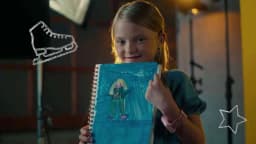
The campaign launched in January 2024 in the United States, with Rhode Island as its primary jurisdiction. Its central creative device presents "StayingHome™" as a fictional pharmaceutical product — a zero-milligram remedy accompanied by a mock Latin product name, "Si Infirmum Manere Domi Meliorem Mox," appearing beneath the logo, as documented by Adweek and AdAge. The side effects listed in the parody include naps, sweatpants, and finishing a television series — deliberately engineered to feel pleasurable rather than alarming, inverting the dread typically associated with drug-commercial disclaimers.
Paid media ran across connected TV, out-of-home placements, and social video throughout Rhode Island, as reported by Adstasher and MediaPost. The 30-second PSA film is the campaign's primary asset, crafted to circulate in formats identical to those occupied by genuine pharmaceutical brands. The campaign sits within the Health industry and represents a continuation of Nail Communications' documented creative partnership with the R.I. Department of Health, a relationship spanning at least three years from December 2020 through January 2024, according to records from Health Ri Gov. For Clapboard's editorial assessment, StayingHome™ earns a Clapboard Score of 69 out of 100, reflecting strong conceptual clarity and cultural relevance tempered by limited verifiable reach data beyond the Rhode Island market.
Nail Communications identified "COVID fatigue" as the defining strategic obstacle for public health messaging in the United States in 2024. Stephen Fitch, Strategy Director at Nail Communications, stated directly: "A variety of infectious respiratory diseases have had a significant impact on communities worldwide, but as 'COVID fatigue' has set in, public health messages have often hit the wall of a population that's 'over it.'" That candid diagnosis shaped every creative decision that followed.
The strategic rationale centres on audience resistance rather than audience ignorance. By late 2023, the American public had absorbed years of conventional public-health communication around respiratory diseases, and the Centers for Disease Control and Prevention had documented persistently low rates of voluntary protective behaviour during winter respiratory seasons in the United States. Standard advisory messaging — stay home, wear a mask, wash hands — had accumulated the diminishing returns typical of repeated exposure. Nail Communications' answer was genre substitution: rather than issuing another advisory, the team borrowed the visual and verbal grammar of pharmaceutical advertising, a genre the American audience consumes fluently and associates with authoritative health claims.
This creative approach positions StayingHome™ in deliberate contrast to competitors in the public-health communication space. Campaigns from the Ad Council, the longest-running public-service advertising organisation in the United States, and state-level health departments such as the New York State Department of Health, as documented by Health Ny Gov, have historically relied on earnest, direct-appeal formats. Nail Communications chose parody precisely because earnestness had been exhausted. The pharmaceutical-ad spoof also carries inherent shareability on social video platforms, extending the campaign's organic footprint beyond its paid media buy in Rhode Island without additional media investment.
Alec Beckett served as Creative Director on StayingHome™ alongside Creative Director Brian Gross, with Senior Creative Hanna Kregling contributing to the execution, as documented in the campaign credits. Beckett described the creative opportunity as a chance to "have a lot of fun parodying the genre and featuring some of the most enjoyable side effects you can have," a comment reported by AdAge and Adstasher. That stated intent — deliberate pleasure in the parody — is legible in every craft decision the team made.
The 30-second film format mirrors the standard broadcast length of a direct-to-consumer pharmaceutical spot in the United States, a choice that is structurally important. Audiences conditioned to process prescription-drug advertising in that precise window receive StayingHome™ with the same cognitive frame, allowing the parody's subversion to land cleanly before conscious resistance can form. The mock Latin name on screen, the measured voice-over cadence listing "side effects," and the visual language of soft domestic lighting all replicate the aesthetic vocabulary of genuine pharmaceutical creative — not to deceive, but to trigger recognition that then pivots to warmth and humour.
Producer Cameron McCormack oversaw production, with Senior Editor Jack McKenna handling post-production, and Account Director Susan Hasten managing the client relationship, per campaign credits. The placement strategy — connected TV, out-of-home, and social video — was chosen to intercept audiences in the same media environments where authentic pharmaceutical advertising operates, reinforcing the parody's premise at the channel level as well as the creative level. As reported by SHOOT Online, the PSA was noted for its production quality relative to its public-service context, lending the parody the visual credibility it required to function.
No independently verified performance data measuring behavioural change or disease-transmission impact for the StayingHome™ campaign is publicly available at the time of publication. The R.I. Department of Health has not released figures attributing measurable reductions in respiratory disease spread to the campaign, and no third-party research body has published outcome metrics tied specifically to this PSA in the United States market.
What is documented is the campaign's earned media footprint. AdAge, Adweek's Agency Spy, MediaPost, SHOOT Online, and Adstasher all published coverage of StayingHome™ following its January 2024 launch, as confirmed by those outlets respectively. This level of trade-press pickup for a state-level public health campaign in the United States is structurally notable: Rhode Island is among the smallest states by population, and regional department-of-health campaigns rarely generate national advertising industry coverage without a distinctive creative hook.
The campaign's archive record on Clapboard logs 971 views and 5 likes at the time of this writing, figures that reflect a relatively specialised professional audience engaging with the work rather than consumer-scale reach. Structurally, the parody format carries strong potential for organic amplification through social video, a channel that rewards recognisable genre subversion, and its placement on connected TV in Rhode Island positioned it within the most-watched entertainment environment of the 2024 winter season. Nail Communications' prior campaigns for the R.I. Department of Health, including the "Are You OK?" bilingual mental-health campaign launched December 2021 with a reported budget of approximately two hundred and fifty thousand US dollars according to health.ri.gov, suggest the agency operates within constrained public-sector budgets, making the earned-media return on StayingHome™ proportionally significant.
StayingHome™ is a 2024 public service campaign created by Nail Communications for the R.I. Department of Health. It presents "StayingHome™" as a fictional prescription drug, parodying pharmaceutical advertising to encourage Rhode Island residents to stay home when sick and reduce the spread of infectious respiratory diseases including COVID-19 and influenza.
Nail Communications identified "COVID fatigue" as the core obstacle to effective public health messaging in the United States. Strategy Director Stephen Fitch noted that conventional messaging had hit a wall with audiences who felt "over it." Parodying pharmaceutical advertising offered a familiar, humour-driven frame designed to bypass that resistance and reach disengaged audiences.
StayingHome™ was created by Nail Communications for the R.I. Department of Health. Creative Directors Brian Gross and Alec Beckett led the concept, with Senior Creative Hanna Kregling, Producer Cameron McCormack, Senior Editor Jack McKenna, and Account Director Susan Hasten each contributing to the campaign's production and delivery.
StayingHome™ launched in January 2024 in Rhode Island. The campaign ran across connected TV, out-of-home placements, and social video, as reported by Adstasher and MediaPost. Rhode Island served as the primary jurisdiction, though the campaign's trade-press coverage in AdAge, Adweek, and MediaPost extended its visibility across the broader United States advertising industry.
StayingHome™ targeted the spread of infectious respiratory diseases, specifically COVID-19 and influenza, during the 2024 winter season. The R.I. Department of Health commissioned the campaign to encourage Rhode Islanders to stay home when symptomatic, reducing community transmission at a time when standard public health messaging had lost effectiveness due to COVID fatigue.
StayingHome™ received a Clapboard Score of 69 out of 100. The score reflects the campaign's strong conceptual clarity and cultural relevance as a pharmaceutical-advertising parody operating in the United States public health space, balanced against limited publicly verifiable audience reach data extending beyond the Rhode Island media market.
.webp)
Creative Collaboration Platform: The Backbone of Modern Creative WorkWhat is a creative collaboration platform?Clapboard defines a creative collaboration platform as the operational core for today’s distributed creative teams. This is not a collection of digital collaboration tools stitched together; Clapboard’s system


Understanding the Creative Production MarketplaceWhat is a Creative Production Marketplace?Clapboard defines a creative production marketplace as a structured ecosystem where brands, agencies, and production talent converge to execute video, advertising, and branded content at scale. Unlike the legacy agency or freelanREAD FULL ARTICLE

The Urgent Need for a Creative Production Operating SystemWhy Traditional Creative Production Models Break DownClapboard sees the creative production landscape shifting under pressure. Content velocity is no longer a buzzword—it’s a mandate. Modern advertising demands relentless output across dozens of channels, each wREAD FULL ARTICLE