



Varun Katyal | Founder, Clapboard
Varun Katyal is the Founder & CEO of Clapboard and a former Creative Director at Ogilvy, with 15+ years of experience across advertising, branded content, and film production. He built Clapboard after seeing firsthand that the industry’s traditional ways of sourcing talent, structuring teams, and delivering creative work were no longer built for the volume, velocity, and complexity of modern content. Clapboard is his answer — a video-first creative operating system that brings together a curated talent marketplace, managed production services, and an AI- and automation-powered layer into a single ecosystem for advertising, branded content, and film. It is designed for a market where brands need content at a scale, speed, and level of specialization that legacy agencies and generic freelance platforms were never built to deliver. The thinking, frameworks, and editorial perspective behind this blog are shaped by Varun’s experience across both the agency world and the emerging platform-led future of creative production. LinkedIn: https://www.linkedin.com/in/varun-katyal-clapboard/
Essential Elements of Believable Female Characters
How to create multidimensional female characters
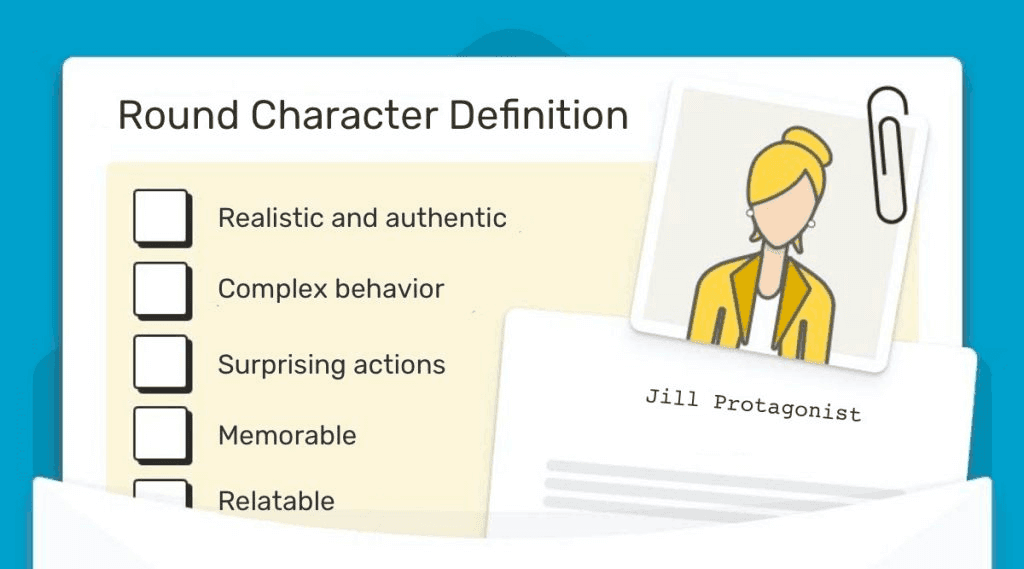
Believable female characters don’t emerge from templates. They’re built from the inside out, with internal contradictions that mirror real people. A character who is both ambitious and uncertain, nurturing yet fiercely independent, avoids the trap of archetype. This complexity is not decorative—it’s structural. When we talk about multidimensional female roles, we’re talking about characters whose choices are shaped by more than plot necessity. They have layers that resist easy categorization.
Traits of authentic women in fiction
The most compelling female character traits are those that balance strengths with vulnerabilities. Authentic women in fiction are not defined solely by competence or resilience. They carry scars, make mistakes, and sometimes contradict themselves. Their backstories matter—not as exposition, but as fuel for motivation. A believable female character’s history informs her actions, revealing why she fights, hesitates, or forgives. This grounding makes her feel lived-in rather than constructed.
Writing flaws and contradictions
Flaws are not weaknesses to be corrected, but anchors of relatability. Audiences recognize themselves in characters who stumble, doubt, or act against their own interests. Letting flaws surface—without apology—gives a female character narrative gravity. When her contradictions aren’t tidied away, she becomes more than a vessel for plot. She is a person, not a lesson. That’s the difference between a character who’s simply present and one who truly resonates. For more on character personality traits and creating authentic roles, see our related guides.
Rethinking “How to Write Female Characters” in Modern Storytelling
For decades, “how to write female characters” has been reduced to a checklist: make her strong, give her agency, avoid the damsel trap. But these formulas are as stale as the tropes they sought to replace. The industry’s persistent reliance on shorthand—“the love interest,” “the mother,” “the femme fatale”—reveals a reluctance to invest in true female character development. It’s not just lazy writing. It’s a missed opportunity for narrative depth and audience resonance.
Why female characters are often misunderstood
Writers too often mistake surface traits for substance. A gun-toting heroine or a CEO in heels is not inherently believable. Writing believable women demands an understanding of lived experience, not just optics. The disconnect arises when characters are built to tick diversity boxes rather than serve the story’s emotional truth.
The importance of nuance in writing women
Modern audiences are attuned to authenticity. They notice when a character’s choices are dictated by plot convenience rather than internal logic. Nuance means contradiction, vulnerability, ambition, and even failure. Female representation in scripts must reflect the complexity of real lives, not the simplicity of archetypes.
Moving beyond the “strong female character” trope
Strength without flaw is flat. Complexity is compelling. The writer’s responsibility is not to craft paragons but to create women who are as layered, unpredictable, and contradictory as their male counterparts. This is not just a creative imperative—it is a business one. Authentic female narratives drive engagement, loyalty, and cultural relevance. If you’re serious about character development tips and modern screenwriting techniques, start by discarding the old playbook and listening for the truth beneath the trope.
Recognizing and Avoiding Common Female Character Tropes
What are the most common female character tropes?
The landscape of female character tropes is crowded with patterns that have outlived their usefulness. The “Not Like Other Girls” trope, for example, elevates a female protagonist by denigrating femininity itself—she’s tough, dresses down, and her value derives from rejecting traits coded as “female” (The Mycenaean, 2021). Equally pervasive is the “Strong Female Character”: stoic, sarcastic, emotionally unavailable, and often dismissive of women who embrace traditional femininity, as if strength and softness are mutually exclusive (Her Campus, 2021). These tropes flatten complexity, reducing women to shorthand rather than individuals.
How to avoid writing female stereotypes
Female stereotypes in writing persist because they offer easy, familiar shorthand for audience recognition. They’re not born from malice but from inertia—a byproduct of repeating what’s worked before. The line between homage and stereotype is thin: referencing a classic archetype can quickly become mimicry if not interrogated. The difference is intention and depth. If a character’s actions and worldview are dictated by plot convenience or audience expectation, not internal logic, you’re in cliché territory.
Breaking out of the “Mary Sue” mold
Avoiding clichés means building from the inside out. Start with motivation, not gender. Ask what your character wants, fears, and fights for—then layer in contradiction, vulnerability, and specificity. Subvert expectations: allow the “strong” character to fail, or the “nurturer” to act out of self-interest. Recognize that diversity within female roles is not a checkbox but a necessity for narrative credibility. The industry doesn’t need more problematic women in media; it needs women who are as unruly, ambitious, and inconsistent as real people. This is the path to writing strong characters who endure beyond trope.

Motivation and Agency—Driving Force Behind Female Characters
How to give female characters real agency
Female character motivation is not a box-ticking exercise. It's the difference between a protagonist who shapes the world and one who is shaped by it. Agency in female roles means more than activity; it means the character’s choices genuinely alter the narrative. Too often, women in scripts are written as reactors—responding to events, rarely initiating them. To move beyond this, start with a clear goal: what does she want, and why does it matter to her? This want must be urgent enough to drive her actions, not just fill a plot gap (Anna Mazzola, 2022).
Creating believable motivation for women in scripts
Believable motivation for female characters is grounded in specificity. Generic ambition or “strength” is not enough. The most compelling arcs emerge when a character’s motivation is rooted in a personal backstory for women that informs her worldview. Her choices should stem from lived experience—her history, her failures, her private hopes. This is where backstory is not ornament, but engine. The result: a character whose decisions feel inevitable, not arbitrary.
The role of backstory in female character development
Backstory is not a flashback or exposition dump; it’s the silent architecture behind every choice. When a female character’s past shapes her present, her actions gain authenticity. She stops being a plot device and becomes a driving force in character arcs. High-stakes motivation—something she wants for herself, not for a man—avoids the trap of reducing her to a narrative accessory (The Independent Film School, 2023). This level of agency transforms audience investment: viewers connect not because she is present, but because she is vital.
Describing Female Characters—Moving Beyond Appearance
How to describe female characters in scripts
Describing female characters is a test of a writer’s priorities. Too often, scripts default to a catalogue of physical traits—age, hair color, body type—signaling not just laziness but a deeper failure to see women as more than surfaces. Physical-first descriptions flatten agency and invite objectification in scripts. The industry has seen enough “attractive but doesn’t know it” or “beautiful and mysterious” placeholders; these tropes serve no one, least of all the story.
Writing interiority and depth for women
Effective female character descriptions start from the inside out. What does she want? What drives her, unsettles her, or compels her to act? Interiority in writing means defining personality, ambition, and contradictions. Instead of “JULIA, 28, striking brunette,” consider: “JULIA, late 20s, eyes scanning for exits, already calculating her next move.” This approach signals intent and emotional reality, not just appearance.
Avoiding objectification in character introductions
Describing women without referencing their relationships to men is essential. Avoid defining her as “wife of” or “object of desire.” She exists with her own goals and narrative momentum. Reveal character through action and dialogue—let her choices, speech patterns, and reactions build the audience’s understanding. A woman’s introduction should be as rich and specific as any male counterpart, grounded in her perspective, not her proximity to others.
Character-driven descriptions are not a call for blandness. They demand specificity: quirks, fears, obsessions. These are the details that last beyond a first read. For more on scriptwriting best practices and character introduction techniques, focus on what makes a character memorable beneath the surface.

Evolving Arcs—How to Write Female Characters That Grow
Writing meaningful arcs for female characters
Understanding how to write female characters who resonate starts with rejecting the impulse to treat change as a checkbox. A character arc—dynamic or static—must emerge from the narrative’s core, not external expectation. Too often, female character arcs are forced into artificial growth, as if transformation alone signals depth. This is a misreading of both craft and audience sophistication.
When should a female character evolve?
Character evolution should answer a narrative need, not a quota. If the story’s stakes, world, and relationships demand that a woman changes—internally or externally—her arc should be shaped by those pressures. But there are stories where stasis, not growth, is the point: a protagonist’s refusal or inability to change can be as revealing as a sweeping metamorphosis. The key is intentionality, not inertia.
Balancing growth and consistency in women’s stories
Writing dynamic women isn’t about relentless forward motion. It’s about clarity: what does this character want, what stands in her way, and what does she risk by holding her ground or letting go? A well-drawn arc—whether it bends dramatically or holds steady—serves the story’s themes. Sometimes, the most resonant female character arcs are those that challenge the expectation of change, illuminating the costs and consequences of both transformation and stasis.
Ultimately, how to write female characters with authentic arcs is a question of narrative honesty. Let the story dictate the shape of her journey. Growth, when earned, is powerful. But so is the courage to remain unchanged when the world expects otherwise.
Conclusion
Nuanced female character development is not a box to be checked, nor a trend to be followed. It’s a direct reflection of the writer’s craft and a litmus test for the maturity of any script. When female representation in scripts is handled with depth, audiences immediately sense the difference: these characters resonate because they are built from observation, contradiction, and intent, not cliché or convenience.
The responsibility here is substantial. Writers shape the cultural narratives that will echo long after the credits roll. Each decision—what a character wants, what she fears, how she navigates power—either challenges or reinforces the patterns audiences have seen for decades. Writing believable women demands more than avoiding stereotypes; it requires an active commitment to complexity, contradiction, and specificity. This is not about perfection, but about honesty. The most compelling female characters are not flawless—they are unpredictable, layered, and, above all, human.
Authentic female character development has a measurable impact. It expands audience identification, deepens emotional stakes, and elevates the overall quality of the narrative. When writers resist the gravitational pull of old tropes, they open space for stories that feel urgent and real. The industry’s best work—across genres, budgets, and platforms—proves that audiences are ready for this complexity. In fact, they expect it.
The challenge, then, is ongoing. Writers must interrogate their own assumptions and remain vigilant against the easy route. The future of female representation in scripts will be shaped by those willing to do this work—one character, one scene, one script at a time.

FAQs
How to write female characters authentically?
Authenticity demands nuance. Female characters are not monoliths; their backgrounds, ambitions, and contradictions should be as layered as any male counterpart. Avoid flattening them to a single trait or purpose. Let their agency, vulnerability, and decision-making reflect the complexity of real individuals, not projections or ideals.
What are common female character tropes to avoid?
Watch for the “strong female character” who is defined only by toughness, the love interest with no inner life, or the perpetual victim. Subvert these by giving women distinct goals, flaws, and relationships that don’t revolve around male protagonists. Depth is the antidote to cliché.
Why is character motivation important for female characters?
Clear motivation grounds a character in the narrative. When female characters want something specific—and pursue it—their presence becomes indispensable. Motivation drives choices, reveals personality, and ensures the audience invests in their journey, not just their function in the plot.
How to create multidimensional female characters?
Balance strengths with vulnerabilities. Let female characters have agency, but also doubts, humor, and contradictions. Show how they respond to adversity, make choices, and evolve. Believability comes from complexity, not perfection or predictability.
What are effective techniques for describing female characters?
Prioritize interiority and action over surface. Describe how she thinks, reacts, and influences her environment. Physical description should serve character, not objectify. Let personality, worldview, and behavior anchor the reader’s perception.
How to write female character arcs that feel earned?
Organic growth comes from credible stakes and meaningful challenges. Avoid sudden transformations. Let change emerge from experience, setbacks, and choices. An earned arc is one the audience can trace back to the character’s journey, not imposed by plot convenience.
How to avoid objectification in female character descriptions?
Describe women as subjects, not objects. Focus on their goals, skills, and perspectives. Avoid framing them solely in relation to male characters or through a voyeuristic lens. Independence in description fosters respect and narrative integrity.
.webp)
Creative Collaboration Platform: The Backbone of Modern Creative WorkWhat is a creative collaboration platform?Clapboard defines a creative collaboration platform as the operational core for today’s distributed creative teams. This is not a collection of digital collaboration tools stitched together; Clapboard’s system

Understanding the Creative Production MarketplaceWhat is a Creative Production Marketplace?Clapboard defines a creative production marketplace as a structured ecosystem where brands, agencies, and production talent converge to execute video, advertising, and branded content at scale. Unlike the legacy agency or freelanREAD FULL ARTICLE

The Urgent Need for a Creative Production Operating SystemWhy Traditional Creative Production Models Break DownClapboard sees the creative production landscape shifting under pressure. Content velocity is no longer a buzzword—it’s a mandate. Modern advertising demands relentless output across dozens of channels, each wREAD FULL ARTICLE

JOIN THE NEWSLETTER.
Content Production insights, videos, books, and freebies, delivered to your inbox weekly


LEAVE A COMMENT
Your email address will not be published.