



Varun Katyal | Founder, Clapboard
Varun Katyal is the Founder & CEO of Clapboard and a former Creative Director at Ogilvy, with 15+ years of experience across advertising, branded content, and film production. He built Clapboard after seeing firsthand that the industry’s traditional ways of sourcing talent, structuring teams, and delivering creative work were no longer built for the volume, velocity, and complexity of modern content. Clapboard is his answer — a video-first creative operating system that brings together a curated talent marketplace, managed production services, and an AI- and automation-powered layer into a single ecosystem for advertising, branded content, and film. It is designed for a market where brands need content at a scale, speed, and level of specialization that legacy agencies and generic freelance platforms were never built to deliver. The thinking, frameworks, and editorial perspective behind this blog are shaped by Varun’s experience across both the agency world and the emerging platform-led future of creative production. LinkedIn: https://www.linkedin.com/in/varun-katyal-clapboard/
Technology’s Impact: How AI and Automation Are Reshaping Agency Work
AI in ad agencies is no longer theoretical—it's a daily operational force. Agencies are deploying machine learning in marketing to parse audience signals, predict performance, and generate assets at scale. But the shift is deeper than swapping out old tools for new ones. AI and agency automation are redefining who does what, how fast, and at what cost.
How AI Is Transforming Creative Services in Agencies
The creative process is being rebuilt by AI-powered marketing solutions. Generative models now draft scripts, edit footage, and even suggest visual treatments. Content versioning—once a manual grind—happens in real time, adapting assets for dozens of markets or platforms without human bottlenecks. AI-driven insights inform not just what gets made, but how it's shaped for conversion and relevance. The result: creative teams move from execution to orchestration, focusing on ideas and oversight rather than repetitive production.
The Pros and Cons of Automation in Advertising
Agency automation is a double-edged sword. On one side, automation slashes turnaround times and unlocks new levels of campaign personalization. Media buying, reporting, and even A/B testing are streamlined. On the other, originality risks being diluted. Templates and algorithms optimize for what has worked before, not what breaks through. The best agencies use automation to free up human talent for high-impact thinking, not to replace it. The danger lies in letting efficiency override the pursuit of fresh ideas.
Overcoming Challenges of AI Adoption in Agencies
Adopting advertising technology trends isn’t just a technical play—it’s structural. “Generation AI” talent expects to work differently: more iterative, more data-driven, less siloed. Legacy agencies face inertia, from outdated workflows to skepticism about machine-led creativity. There are also real ethical questions. Who owns AI-generated content? How do you audit algorithmic bias? Agencies must build frameworks for transparency and accountability, not just chase the next tool.
Ultimately, the agencies that thrive will be those that balance speed and scale with originality and judgement. AI in ad agencies is not a shortcut to creative excellence, but a lever—one that, if pulled with intent, transforms both output and operations.
The Evolution of Agency Business Models: From Time-Based to Value-Based
What Is Value-Based Pricing in Ad Agencies?
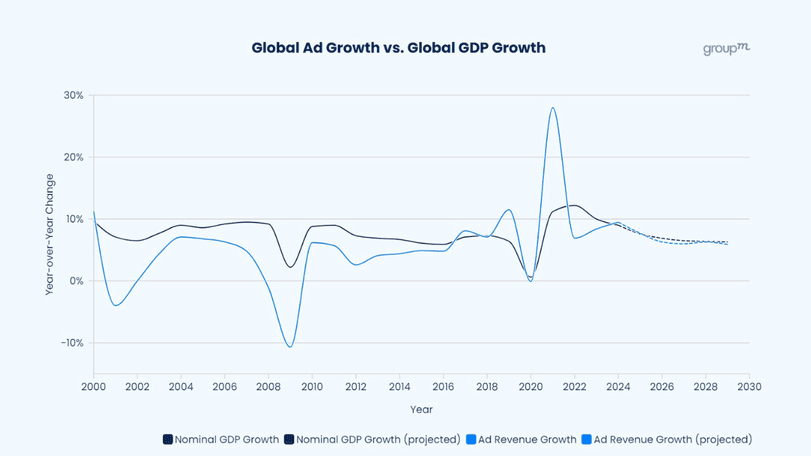
The future of ad agencies is being shaped by a fundamental rethinking of how value is defined, delivered, and monetised. Value-based pricing rejects the hourly billing mentality. Instead, it ties agency compensation directly to the impact delivered for clients—measured in business outcomes, not just activity. This shift is more than semantics; it’s a structural pivot away from the legacy of cost-plus and FTE-based models. Agencies are no longer selling time—they’re selling results. The past 18 months have seen a marked move from resource-based pricing to value-based models, driven by generative AI’s pressure on labor economics and client demand for cost efficiency (TrinityP3, 2024).
Linking Compensation to Client Outcomes
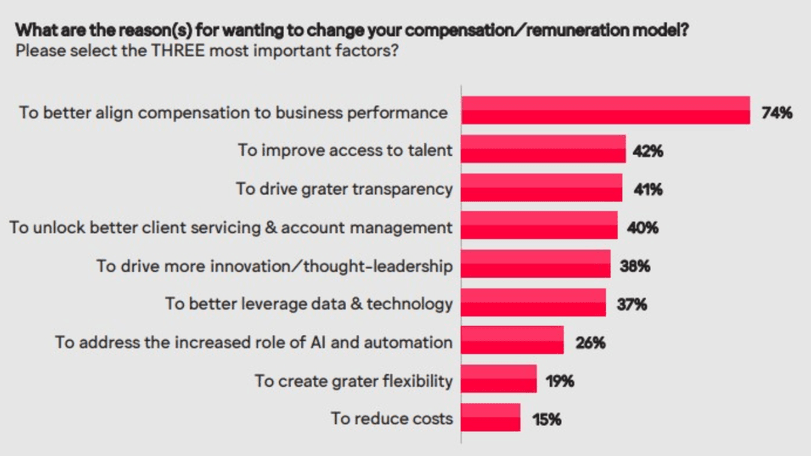
Outcome-oriented models align agency incentives with the client’s bottom line. Performance marketing models, for example, tie fees to tangible metrics: leads, sales, customer acquisition, or revenue lift. This is not theory—it’s the new normal for agency compensation trends. Performance-based pricing is actively replacing retainers, with revenue tied to KPIs that matter to brands (Mordor Intelligence, 2026). The upside is clear: agencies are rewarded for moving the needle, not for simply “putting in the hours.” But this also means increased risk. If the work doesn’t deliver, compensation suffers. Negotiations now focus less on scope minutiae and more on defining, tracking, and agreeing upon the right performance indicators. Both sides must be fluent in data and clear-eyed about what constitutes success.
Transitioning from Hourly Billing to Performance Models
The move away from hourly billing is being accelerated by technology and data analytics. AI-driven measurement tools make it possible to attribute outcomes with far greater precision, enabling more sophisticated agency revenue models. Agencies investing in these capabilities are shifting from project-based to performance-based business models, pricing against ROI-driven metrics instead of scope-of-work execution (J.P. Morgan, 2026). This transition isn’t just about adopting new tools—it’s about building a culture and process that can deliver on the promise of value-based contracts. Agencies must be transparent in their methodology, rigorous in reporting, and agile enough to adapt as campaign data comes in.
Risks, Challenges, and Negotiation Points
Value-based pricing and performance-based advertising models bring new negotiation dynamics. For agencies, the risk profile rises: payment is contingent on factors sometimes outside their control, such as market shifts or client-side execution. For clients, the challenge lies in setting KPIs that are ambitious but achievable, and in trusting agencies with more strategic influence. Both sides must invest in clear contracts, robust data infrastructure, and ongoing communication. The days of “set-and-forget” retainers are fading. Instead, expect tighter alignment, more frequent performance reviews, and a shared appetite for commercial risk and reward.
Ultimately, the evolution of agency compensation is not a trend—it’s a response to structural shifts in how marketing value is created and measured. Agencies that can prove their impact, leverage data, and embrace shared accountability will define the next era of industry leadership. The rest will be left billing by the hour, wondering where the margins went.
Navigating Client Relationships in a Rapidly Changing World
How Agencies Are Adapting to New Client Demands
Agency-client relationships are no longer confined to campaign cycles or quarterly reviews. The pace of market change and the complexity of marketing ecosystems have forced agencies to step up. Clients now expect agencies to be both strategic advisors and operational partners, not just vendors. The shift is stark: brands are demanding more centralization (53%), flexibility (45%), and simplified services (37%), fueling a move toward independent agencies that prioritize agility over scale (World Federation of Advertisers, 2025). This is not a passing trend—it's a structural shift in the economics of agency value.
Agencies that succeed in this environment are those that can read between the lines of a brief, anticipate problems, and deliver solutions before they're requested. Agility is no longer a buzzword; it's table stakes. Clients want partners who can pivot with market realities, integrate seamlessly with in-house teams, and offer real-time performance visibility. The days of hiding behind process or hierarchy are over.
The Shift Toward Integrated Agency Services
The appetite for integrated agency services is accelerating. Clients are tired of managing fragmented supplier lists and disconnected workflows. They want a single point of accountability—an agency that can orchestrate creative, media, data, and production under one roof. This demand is driving agencies to reconfigure their models, merging specialisms and investing in technology that enables true cross-channel execution.
But integration is not just about capability stacking. It's about operational transparency and shared goals. Agencies must be able to surface performance data in real time and connect marketing activity directly to business outcomes. The expectation now is for agencies to co-create strategy with clients, spanning marketing, data, and even product development (The Outcome, 2024). This requires a new breed of account leadership—one that is commercially astute, creatively fluent, and unafraid to challenge the brief.
Building Long-Term Partnerships in Advertising
The transactional model—agency as order-taker, client as taskmaster—is obsolete. What’s emerging is a partnership model where both sides are invested in outcomes, not just outputs. This means shared risk, shared reward, and a willingness to have uncomfortable conversations early. Agencies that thrive are those that embed themselves in the client’s business, understand the pressures from the boardroom, and proactively shape the marketing agenda.
Trust is the currency. Transparency in scope, process, and performance is non-negotiable. Communication must be constant and candid, especially as mergers and consolidation continue to reshape the agency landscape. The best partnerships are built on clear expectations, mutual accountability, and a relentless focus on effectiveness—not just aesthetics. For those looking to build client trust or establish integrated marketing teams, the playbook is clear: be indispensable, not interchangeable.
As brands bring more capabilities in-house and the lines between agency and client blur, the agencies that will endure are those that can truly collaborate—integrating, adapting, and delivering value at every touchpoint. The future of agency-client relationships belongs to the partners who can keep pace with change and deliver business impact, not just creative output.
Talent and Upskilling: Preparing the Agency Workforce for the Future
Essential Skills for the Future of Ad Agencies
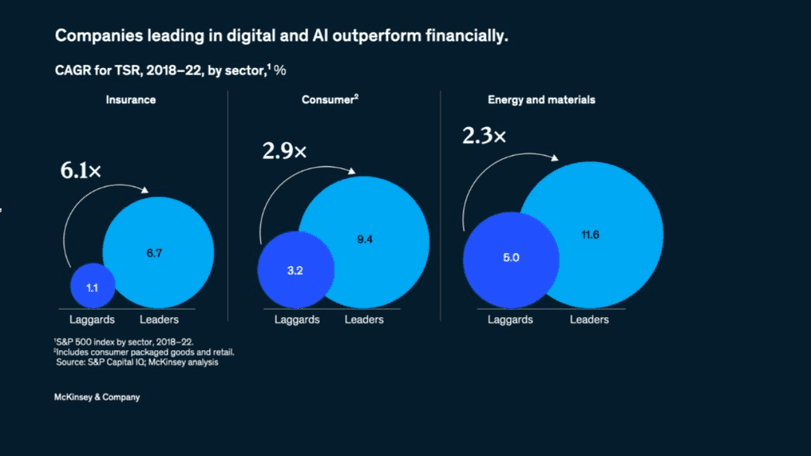
The definition of advertising agency talent is shifting. Traditional creative prowess and client service acumen are no longer enough. The next generation of agency leaders is being shaped by fluency in data, analytics, and—critically—AI skills in marketing. Agencies that treat these as bolt-ons rather than core competencies are already falling behind. The commercial reality is simple: clients expect measurable impact, not just inspired ideas. That means every strategist, creative, and account lead must be as comfortable interrogating a data dashboard as they are pitching a concept.
But it isn’t just about technical skills. The real differentiator is adaptability. In a market where platforms, formats, and algorithms evolve monthly, agencies need people who can learn fast and pivot faster. The hunger to experiment, combined with a rigorous approach to measuring what works, is now as valuable as any design or copywriting pedigree.
Upskilling Creative Teams for an AI-Driven World
Agency upskilling is no longer a box-ticking exercise. It’s a strategic lever. The smartest shops are investing in digital skills training that goes beyond surface-level tutorials. This means hands-on sessions with AI tools, scenario-based analytics workshops, and cross-functional sprints that break down silos between creative and data teams. The goal isn’t to turn every art director into a data scientist—but to ensure every team understands how AI and analytics inform creative decisions, campaign optimisation, and client outcomes.
The best upskilling programs are continuous, not episodic. They treat learning as a loop: test, refine, repeat. Agencies that embed this mindset into their culture—rewarding curiosity, encouraging experimentation, sharing learnings openly—are the ones that attract and retain the sharpest talent. This isn’t a luxury; it’s the cost of staying relevant in a market where yesterday’s expertise ages fast.
How Automation Is Changing Agency Roles
Automation isn’t just shifting the agency workflow—it’s redrawing the entire talent map. Routine production tasks are increasingly handled by software, freeing up the creative workforce for higher-order thinking. But this also means roles are evolving. Project managers are becoming product owners. Media planners are morphing into data strategists. The lines between creative, tech, and strategy are blurring, and the most valuable people are those who can operate across disciplines.
For agency leaders, this demands a rethink of recruitment and retention strategies. Hiring for adaptability and a learning mindset is now non-negotiable. So is building career paths that allow top performers to grow laterally, not just vertically. The agencies that thrive will be those that recognise talent as a moving target—and build systems to keep pace.
- Prioritise digital skills training and AI literacy across all teams (see: digital skills training).
- Recruit for curiosity and agility, not just experience.
- Offer clear, flexible career progression to retain top performers (see: creative industry careers).
The future of advertising agency talent isn’t about who can do the job today. It’s about who can learn, adapt, and lead as the industry transforms—because the only constant in this business is change.
Data-Driven Creativity: Balancing Innovation and Measurability
Data-driven advertising is the new baseline, not a differentiator. The challenge is clear: agencies must harness data to sharpen creative innovation and deliver measurable marketing results, but without diluting the originality that makes campaigns memorable—or the brand voice that builds equity. For agencies with commercial ambition, this is not optional. It’s existential.
How to Use Data Without Killing Creativity
Data should inform, not dictate. The most effective agencies use analytics to surface actionable insights—audience behaviors, channel performance, content resonance—then hand those insights to creative teams as a brief, not a blueprint. This distinction matters. When creatives are forced to color inside the lines of last quarter’s metrics, work becomes derivative. When data is a provocation, not a prescription, it drives creative innovation that’s both relevant and distinctive.
Personalized ad campaigns are the proof point. Data pinpoints what matters to whom, but it’s creative interpretation that turns that knowledge into work people actually notice. Agencies that silo their analysts from their creatives miss this alchemy. The future belongs to those who integrate both skill sets—analytics as a springboard, creativity as the differentiator.
Measuring Success in Data-Driven Campaigns
Creative work must be measured against real business outcomes, not just awards or subjective taste. This is where measurable marketing results come in. Agencies need to set clear KPIs at the outset—brand lift, sales impact, engagement rates—and build feedback loops into every campaign. Creative teams should see the same dashboards as strategists. When the numbers come in, the conversation isn’t “Was it beautiful?” but “Did it move the needle?”
Yet, not every valuable effect is easily quantifiable. Brand perception, emotional resonance, long-term loyalty—these are harder to track, but no less critical. Agencies must resist the urge to chase only what’s easy to measure. The best campaigns balance short-term metrics with long-term brand health, using data as a compass, not a leash.
Personalization vs. Privacy in Advertising
Personalization is where data-driven advertising delivers its sharpest edge. Granular audience data enables messaging that feels tailored, timely, and relevant. But the line between relevance and intrusion is thin. As privacy regulations tighten and consumer skepticism grows, agencies must design personalized ad campaigns that respect boundaries. Transparency about data use and creative restraint—knowing when not to personalize—are now strategic imperatives.
In practice, this means using data to segment intelligently, not to micro-target obsessively. The goal is resonance, not surveillance. Creative teams must understand the ethical landscape as deeply as the data itself.
Integrating Creative and Analytical Teams for Optimal Results
In high-performing agencies, the wall between creative and analytical teams no longer exists. Creative data strategies are developed collaboratively, with marketers, analysts, and creatives working from a shared brief and a unified set of objectives. This integration is not just a process tweak; it’s a cultural shift. It requires mutual respect—analysts valuing creative risk, creatives embracing the discipline of marketing analytics tools.
The result is work that’s both inventive and accountable. Campaigns that cut through, because they’re grounded in insight but never formulaic. Agencies that master this balance will shape the next era of data-driven advertising—where innovation and measurability are not opposing forces, but two sides of the same competitive edge.
Navigating Uncertainty: Budgeting, Geopolitics, and Market Volatility
Budget Planning for Agencies in Uncertain Times
Agency budget planning isn’t just a spreadsheet exercise—it’s a stress test for resilience. In unpredictable markets, the old playbook of incremental increases and annual forecasts is obsolete. Senior marketers must build budgets that flex in real time, accounting for sudden shocks and slow-burn crises alike. This means moving beyond fixed allocations and adopting modular budgets: core spend for business-critical activity, with ring-fenced contingency funds ready to deploy or retract as the environment shifts.
Scenario planning is non-negotiable. Agencies should map best, base, and worst-case outcomes, recalibrating spend and resource allocation for each. The point isn’t to predict the future, but to ensure the agency can pivot without panic or paralysis. This approach enables agencies to maintain operational continuity and client confidence, even when the market’s signals are mixed or contradictory.
The Impact of Global Events on Ad Spend
Advertising in volatile markets is defined by external forces as much as internal ambition. Geopolitical impact on marketing is no longer theoretical—sanctions, supply chain disruptions, and shifting consumer sentiment can upend even the best-laid plans. Agencies must track global events not as background noise, but as active variables in their planning models. Currency swings, regulatory changes, and regional instability can all trigger rapid reallocations of spend, channel mix, or creative approach.
For multi-market campaigns, the risk profile multiplies. What works in one territory may be unworkable in another overnight. Agencies with distributed teams and local insight have the edge—they spot emerging threats or opportunities before they hit the headlines. The lesson: build intelligence-gathering into the planning process, and make it actionable, not academic.
Strategies for Agency Resilience in 2025
Crisis management for agencies is not a side project; it’s core to survival and growth. Resilience starts with diversification—of revenue streams, client portfolios, and production capabilities. Agencies overly reliant on a single sector or geography are exposed. The most robust players spread risk across industries and markets, ensuring that shocks in one area don’t cascade through the business.
Agility is the next layer. Agencies should invest in flexible budgeting strategies and operational models that allow for rapid reallocation of resources. This could mean cross-training teams, maintaining a network of freelance talent, or leveraging modular production workflows. The objective: reduce friction when the plan needs to change, so the agency can act, not react.
Finally, informed decision-making is the throughline. Data-driven forecasting, real-time performance tracking, and ongoing risk assessment should underpin every major call. This isn’t about chasing every trend or panicking at the first sign of trouble. It’s about building a culture where uncertainty is anticipated, not feared.
Maintaining Client Trust During Volatile Periods
Clients don’t expect agencies to control the world. They expect clarity, honesty, and a plan. During volatile periods, proactive communication is essential. Agencies should brief clients on scenario plans, explain the rationale behind budget adjustments, and demonstrate how risk is being managed. This transparency builds trust—and positions the agency as a strategic partner, not just a vendor.
In the end, agency budget planning in an era of uncertainty is about more than protecting margins. It’s about creating the conditions for bold, effective work—no matter what the world throws next.
The Client Perspective: What Brands Want from the Future of Ad Agencies
What Clients Expect from the Future of Ad Agencies
The future of ad agencies is being shaped by a decisive shift in client expectations in advertising. Brands are no longer satisfied with surface-level creative or generic campaign management. They want agencies that understand the interplay between channels, can orchestrate integrated strategies, and deliver demonstrable business impact. Integration isn’t a buzzword here—it’s a commercial imperative. Agencies that cling to siloed teams or legacy workflows are quickly being outpaced by those who operate as true extensions of their clients’ marketing organizations.
Expertise is another non-negotiable. Brands want access to talent with deep category knowledge, not just generalists. They expect agencies to anticipate market shifts, leverage data with precision, and bring specialized skills to the table. The days of agencies being “order takers” are over; clients want strategic partners who can challenge assumptions and proactively drive growth.
Meeting Brand Demands for Measurable Results
ROI is the new creative currency. Brands expect every initiative to be justified by outcomes, not just outputs. This has forced agency service evolution—shifting away from vanity metrics toward real commercial value. Agencies must build measurement frameworks from the ground up, not as an afterthought. This means embedding analytics teams, integrating attribution modeling, and being transparent about what’s working and what isn’t. It’s not about over-reporting; it’s about giving clients a clear line of sight from spend to impact.
Transparency is at the heart of brand-agency collaboration. Clients want to know how decisions are made, how budgets are allocated, and what’s driving performance. This demands a level of openness that many legacy agencies still resist. The agencies that win are those that invite scrutiny, share learnings, and make clients feel like co-owners of both the process and the results.
Why Talent Retention Matters for Clients
Clients are acutely aware that the best strategies come from stable, motivated teams. High turnover undermines trust and continuity, forcing brands to constantly re-educate new faces. Agencies that invest in talent retention—by fostering a culture of learning, offering clear career progression, and rewarding expertise—signal to clients that they value long-term relationships over short-term wins.
Specialized knowledge is increasingly prized. Clients want to work with teams that understand their sector’s nuances, regulatory environments, and consumer behaviors. They expect agencies to staff accounts with people who’ve solved problems like theirs before, not just those available on the bench. This demand for depth is driving agencies to rethink hiring, training, and team structure at every level.
Building Strategic, Long-Term Brand Partnerships
The most valuable agency relationships are built on mutual accountability and shared ambition. Brands want partners who can flex with their needs—offering agile solutions, not rigid scopes. Agencies that can pivot quickly, bring new ideas to the table, and adapt to changing market realities will outpace those stuck in old models.
Ultimately, the future of ad agencies will be defined by their ability to evolve alongside their clients. Those who prioritize client-centric strategies, invest in talent, and deliver measurable value will become indispensable. The rest will be left behind.
Strategic Opportunities and Risks: Charting the Road Ahead for Ad Agencies
High-Growth Opportunities for Ad Agencies in 2025
Strategic opportunities for ad agencies are shifting fast. The most robust growth vectors for 2025 are clear: AI-driven creative and media, integrated service models, and advanced personalization. AI isn’t just a tool — it’s a multiplier. Agencies that deploy machine learning for creative optimization, predictive analytics, and dynamic content adaptation will outpace those still relying on manual processes. Integrated services are no longer a differentiator; they’re a baseline expectation. Clients want seamless creative, media, data, and production under one roof, delivered with operational efficiency. Hyper-personalization, fueled by first-party data and automation, is already showing tangible uplifts in campaign performance and client retention. Agencies that operationalize this at scale — not just as a pitch deck talking point — will capture disproportionate value.
Balancing Innovation and Operational Excellence
Innovation in advertising is essential, but it’s not a blank cheque. Agencies must weigh the cost of experimentation against real business impact. Investing in proprietary tech or new creative capabilities is only justified if it moves the needle on client outcomes or margin. Operational discipline is non-negotiable. That means rigorous project management, clear accountability, and ruthless prioritization. Agencies that chase every trend dilute their value and risk burning out teams. Instead, the winners will be those who embed structured innovation management in marketing — piloting new approaches, measuring outcomes, and scaling only what demonstrably works. This is the discipline that underpins sustainable ad agency growth strategies.
How Agencies Can Future-Proof Their Business
The future agency challenges are not theoretical — they’re immediate. Tech disruption is constant, with in-housing, consultancies, and automation platforms reshaping the value chain. Talent is a persistent bottleneck: creative technologists, data strategists, and hybrid thinkers are scarce and expensive. Evolving competition isn’t just about other agencies; it’s about platforms, SaaS vendors, and even clients building internal capability. To future-proof, agencies need a living strategic roadmap. This means regular reassessment of the market, client needs, and their own capabilities — not just at annual offsites, but as a quarterly discipline. Scenario planning, dynamic resource allocation, and aggressive upskilling are required to stay ahead. Growth planning must go beyond chasing new business; it’s about building adaptive capacity into the agency’s DNA.
Strategic opportunities for ad agencies will favor the decisive and the disciplined. The market will reward those who can read the signals, invest with intent, and operationalize innovation without losing sight of commercial reality. The next era belongs to agencies that treat strategy as a living process, not a static plan.
Conclusion
The future of ad agencies is not a question of survival, but of relevance. The traditional agency model—rooted in legacy structures and comfort with “what worked”—is now a liability. The industry’s trajectory is shaped by relentless shifts in technology, audience behavior, and the economics of production and distribution. Agencies that cling to old hierarchies, or treat digital as an afterthought, will find themselves bypassed by clients who expect more: sharper strategy, faster iteration, and measurable business impact.
Agency transformation is not a one-off initiative. It is a continuous recalibration of capabilities, workflows, and mindsets. The most effective agencies are those that treat technology and creativity as inseparable, using data and automation to unlock new forms of storytelling and value creation. This isn’t about chasing the next tool or trend; it’s about building a culture where experimentation is operationalized, and where every creative decision is informed by clear commercial objectives. The agencies leading this charge don’t just execute—they architect solutions that anticipate the next move, not just react to the last brief.
Client expectations in advertising have evolved far beyond campaign delivery. Senior marketers now demand transparency, agility, and proof of effectiveness. They want partners who can bridge the gap between creative ambition and commercial reality, who understand that attention is earned—not bought—with ideas that travel across platforms and markets. Strategic opportunities for ad agencies lie in their ability to integrate upstream with client business objectives, embed themselves in product and customer journeys, and deliver value that is both creative and accountable.
There is no shortcut to agency innovation strategies or digital transformation in advertising. The agencies that will matter tomorrow are already investing in new talent, new workflows, and new ways to build client trust. They are not waiting for permission to redefine their roles—they are doing it now, with urgency and precision. The future belongs to those who can adapt at speed, align with the realities of the market, and turn strategic foresight into competitive advantage. The window for transformation is open, but it will not stay open forever.
FAQs
What are the key trends shaping the future of ad agencies?
The future of ad agencies is being shaped by automation, data-driven creative, decentralised production, and a shift toward outcome-based partnerships. Agencies are moving away from legacy structures, prioritising speed and adaptability. Those that excel will be the ones who blend creative agility with operational efficiency and accountability for measurable business impact.
How is AI transforming the operations of advertising agencies?
AI is automating repetitive tasks, supercharging data analysis, and enabling hyper-personalisation at scale. Creative development is faster and more iterative, while media buying and optimisation are increasingly algorithm-driven. Agencies that integrate AI into their core processes gain a decisive edge in efficiency, targeting, and campaign performance.
What is value-based pricing in advertising agencies?
Value-based pricing means agencies charge based on the business outcomes they deliver, not hours or outputs. This model aligns agency incentives with client success, rewarding effectiveness over activity. It requires agencies to prove their impact—tying compensation to metrics like sales lift, brand growth, or customer acquisition, not just deliverables.
How are agency-client relationships changing in 2025?
Agency-client relationships are becoming more integrated and less transactional. Clients expect strategic partnership, transparency, and shared risk. The days of siloed hand-offs are ending; agencies are embedding closer to client teams, co-owning KPIs, and being judged on commercial outcomes, not just creative output or media spend.
What skills are essential for the future workforce in ad agencies?
Tomorrow’s agency talent needs technical fluency, data literacy, and commercial acumen. Creative problem-solving is non-negotiable, but so is the ability to interpret analytics, automate workflows, and adapt to new platforms. The most valuable people will be those who can bridge creativity, technology, and business strategy.
How can agencies navigate economic and geopolitical uncertainties?
Resilient agencies build flexible cost structures, diversify revenue streams, and invest in scenario planning. They prioritise agility—scaling teams and resources up or down quickly—and deepen client partnerships to weather volatility together. Shorter planning cycles and rapid feedback loops help agencies adapt to shifting market realities.
What do brands expect from their advertising agencies in the future?
Brands want agencies that deliver measurable business results, not just creative ideas. They expect speed, transparency, and a deep understanding of both their category and audiences. Proactive guidance, data-driven insight, and seamless execution across markets are now baseline requirements, not differentiators.
.webp)
Creative Collaboration Platform: The Backbone of Modern Creative WorkWhat is a creative collaboration platform?Clapboard defines a creative collaboration platform as the operational core for today’s distributed creative teams. This is not a collection of digital collaboration tools stitched together; Clapboard’s system

Understanding the Creative Production MarketplaceWhat is a Creative Production Marketplace?Clapboard defines a creative production marketplace as a structured ecosystem where brands, agencies, and production talent converge to execute video, advertising, and branded content at scale. Unlike the legacy agency or freelanREAD FULL ARTICLE

The Urgent Need for a Creative Production Operating SystemWhy Traditional Creative Production Models Break DownClapboard sees the creative production landscape shifting under pressure. Content velocity is no longer a buzzword—it’s a mandate. Modern advertising demands relentless output across dozens of channels, each wREAD FULL ARTICLE

JOIN THE NEWSLETTER.
Content Production insights, videos, books, and freebies, delivered to your inbox weekly


LEAVE A COMMENT
Your email address will not be published.