


Varun Katyal | Founder, Clapboard
Varun Katyal is the Founder & CEO of Clapboard and a former Creative Director at Ogilvy, with 15+ years of experience across advertising, branded content, and film production. He built Clapboard after seeing firsthand that the industry’s traditional ways of sourcing talent, structuring teams, and delivering creative work were no longer built for the volume, velocity, and complexity of modern content. Clapboard is his answer — a video-first creative operating system that brings together a curated talent marketplace, managed production services, and an AI- and automation-powered layer into a single ecosystem for advertising, branded content, and film. It is designed for a market where brands need content at a scale, speed, and level of specialization that legacy agencies and generic freelance platforms were never built to deliver. The thinking, frameworks, and editorial perspective behind this blog are shaped by Varun’s experience across both the agency world and the emerging platform-led future of creative production. LinkedIn: https://www.linkedin.com/in/varun-katyal-clapboard/
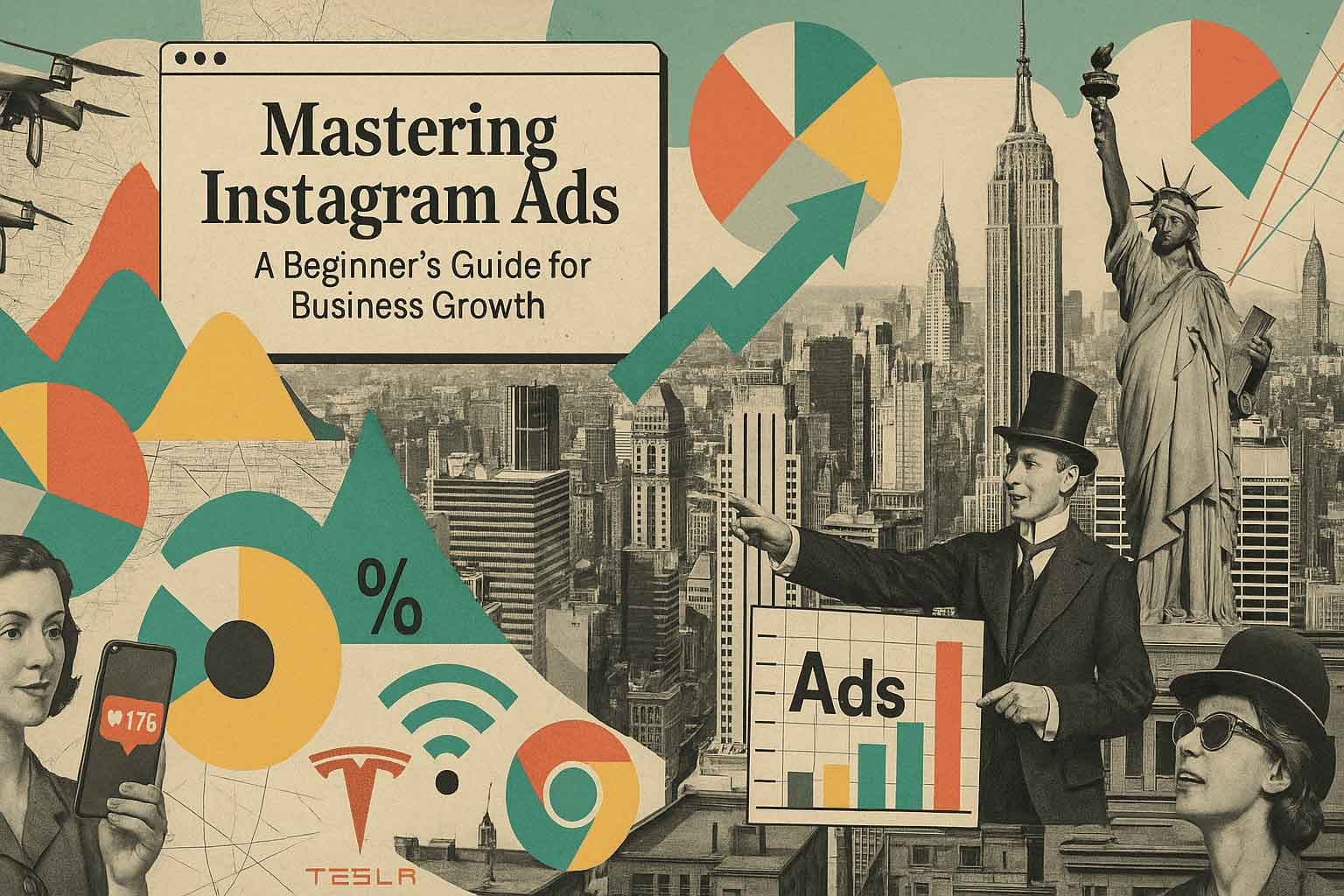
Why Instagram Advertising for Beginners Is a Game Changer
Instagram advertising for beginners isn’t just accessible—it’s strategic. For businesses and individuals entering digital marketing, Instagram offers a rare combination: a massive, engaged audience and a platform built for visual storytelling. While other channels can overwhelm first-timers with technical complexity or fragmented audiences, Instagram streamlines the path from first campaign to measurable results. Understanding why this platform matters is the difference between dipping a toe into social ads and building an engine for growth.
What Makes Instagram Ideal for First-Time Advertisers?
Beginner Instagram ads succeed because the platform reduces friction at every step. The interface is intuitive, creative tools are robust yet simple, and campaign setup is guided by clear prompts. Unlike legacy ad platforms that bury beginners in jargon and options, Instagram’s ad builder prioritises clarity. This means less time troubleshooting and more time learning what resonates with your audience. For those getting started with Instagram ads, the learning curve is flatter—and the feedback loop is faster.
How Instagram’s Audience Benefits New Businesses
Instagram’s user base isn’t just large; it’s commercially active. Over half of users follow brands, and a significant share use the platform to discover products and services. For new advertisers, this translates to an audience primed for action—not just passive scrolling. The demographics skew younger, but the platform’s reach now extends well beyond Gen Z and millennials. If your business is launching its first campaign, Instagram’s mix of attention, intent, and scale is unmatched among social media marketing basics.
Visual-First Platform Advantages for Brands
Instagram’s DNA is visual. This is a tactical advantage for beginners. You don’t need a production studio to create effective ads—authentic, well-composed photos and short videos outperform overproduced content. The platform’s ad formats—Stories, Reels, Carousel—prioritise creative that feels native, not intrusive. For brands just learning the ropes, Instagram ad basics are about clarity and impact, not cinematic polish. The result: lower creative barriers, higher engagement, and a direct line to your target audience.
Getting Over the Initial Hurdles with Instagram Ads
The main challenge for first-time advertisers is not technical; it’s strategic. Instagram’s tools are designed for accessibility, but effective campaigns require a clear objective. Most new advertisers focus on awareness, traffic, or early conversions. The platform’s analytics make it easy to track these goals in real time, allowing rapid iteration. For those coming from traditional media or static digital ads, the immediacy of feedback is transformative. The key is to start with focused campaigns, measure relentlessly, and refine creative based on real data.
The Current Landscape of Instagram as an Advertising Channel
Instagram is no longer an experimental channel—it’s a core pillar of digital advertising for small business and enterprise alike. The competition for attention is real, but so is the opportunity. The platform continues to roll out new ad formats and targeting options, but its core value for beginners remains unchanged: a direct, visual connection to a motivated audience. For those serious about building a digital presence, Instagram advertising for beginners is not a side bet. It’s the starting line.
Choosing the Right Instagram Ad Format for Your Brand
Instagram ad formats are not one-size-fits-all. For senior marketers and creative leads, the challenge is less about platform literacy and more about ruthless prioritisation. Instagram offers seven main ad formats: Photo, Video, Stories, Carousel, Collection, Explore, and Reels. Each format is built for a different creative and commercial context (ThePower Education, 2024). Selecting the right one is about aligning format strengths with your campaign objectives, creative assets, and audience expectations—without spreading efforts thin.
Comparing Instagram Ad Formats for Beginners
Photo ads are the entry point: a single image, square or landscape, dropped into feeds. They’re fast to deploy and demand minimal creative infrastructure—ideal for brands with strong visual assets but limited production resources (ThePower Education, 2024). Video ads add movement and narrative, but require more investment in storyboarding and editing. For early-stage campaigns, overcomplicating with video before nailing static creative is a common pitfall.
Carousel ads open up multi-frame storytelling. Up to ten images or videos in a single swipeable unit—perfect for product lines, step-by-step demos, or showing variations (Brax.io, 2024). Carousels are effective for brands with depth: multiple SKUs, features, or stories that can’t be compressed into one frame. But they demand a coherent narrative arc—random asset dumps won’t cut through.
Stories ads are full-screen, vertical, and built for speed. They blend into the user flow, making them less interruptive and more immersive. The advantage is interactivity—stickers, polls, and swipe-ups drive engagement. But Stories demand vertical-first creative and rapid turnaround. If your team can’t shoot and edit for vertical, you’ll be left recycling assets that don’t fit. Reels and Explore ads offer reach, but require even sharper creative differentiation to avoid being scrolled past.
When to Use Stories, Carousels, or Photo Ads
Photo ads are best when your brand’s core asset is a single, high-impact visual—think hero product shots or campaign key art. Use carousel ads when you have a sequence to tell: new arrivals, before-and-after transformations, or a portfolio. Stories ads are for time-sensitive pushes, event teasers, or anything that benefits from urgency and interactivity. If your campaign demands real-time engagement or audience participation, Stories outperform static placements. For broader reach and entertainment-driven content, Reels are gaining traction, but only if your creative can compete with organic creator content.
Ad Format Pitfalls First-Timers Should Avoid
Too many brands try to cover every format, diluting creative impact and burning through budgets. Focus on the ad type that matches your strongest asset and core objective. If you have a single killer image, don’t force it into a carousel or video. If your team can’t produce vertical video at pace, skip Stories for now. Format overload leads to inconsistent messaging and weak performance signals for the algorithm.
Another trap: repurposing horizontal assets for vertical placements, or vice versa. Each format has non-negotiable creative requirements. Respect aspect ratios, motion pacing, and the native consumption habits of each placement. Don’t let FOMO dictate your media mix—let your creative strengths and business goals drive the decision.
In summary, the best Instagram ad types for your brand are those that play to your creative strengths, fit your campaign objectives, and meet the consumption habits of your target audience. Master one or two formats before chasing every new placement. This focus yields better creative, clearer performance signals, and ultimately, commercial results worth reporting.
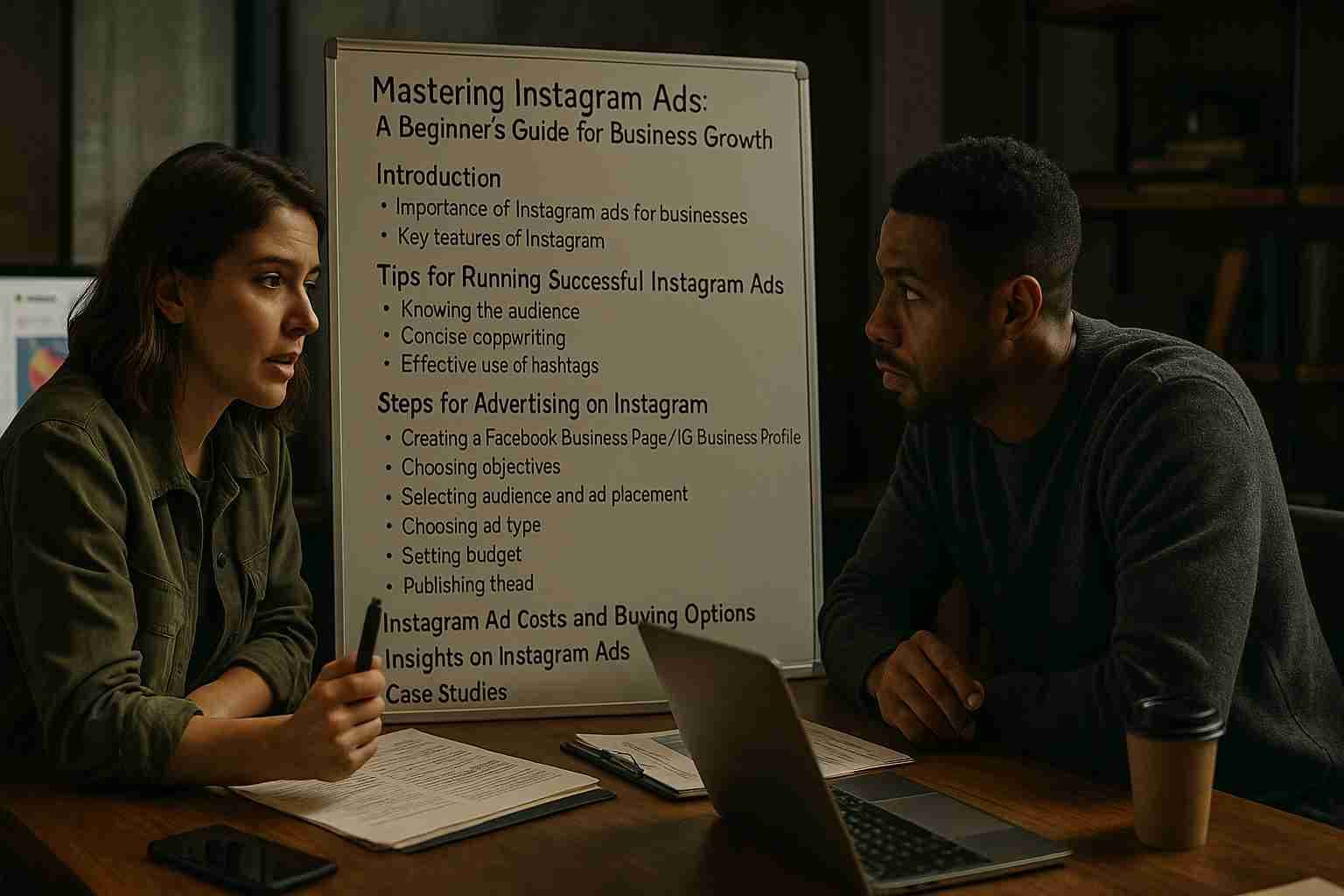
Targeting 101: How Beginners Can Reach the Right Audience on Instagram
Understanding Instagram’s Targeting Tools for Beginners
Instagram audience targeting is only as effective as the clarity of your objectives and the discipline of your approach. For those just entering the platform, Instagram offers three primary ad targeting options: Saved Audiences, Custom Audiences, and Lookalike Audiences. Saved Audiences let you define targets by demographics, interests, and behaviors—a practical starting point for new advertisers who need to move beyond generic reach and into relevance (Karol Karlson - Instagram Ad Targeting Guide, 2025). Custom Audiences leverage your own customer data—email addresses, phone numbers, or website activity—while Lookalike Audiences help you scale by finding new users who closely resemble your best existing customers.
Location targeting is another lever often overlooked by beginners. Instagram’s granular geographic filters allow you to pinpoint audiences by country, region, city, postal code, or even a radius around a specific address (Mailchimp - Instagram Advertising Strategy & Tips, 2025). This isn’t just about local businesses—national campaigns can use regional nuances to test creative, messaging, or offers in isolated markets before scaling up. Precision here is a performance advantage, not an afterthought.
Building Your First Target Audience on Instagram
Start with the basics: who do you want to reach, and what do you know about them? Use demographic targeting—age, gender, location, language—as your foundation. Layer on interest-based targeting to align with the passions, habits, and affinities of your ideal customer. This isn’t guesswork: leverage your existing social media audience research and, where possible, map these insights to your broader customer personas. For beginners, Saved Audiences are the most forgiving: they allow you to test, learn, and iterate while Facebook’s auto-optimization algorithms quietly refine delivery in the background.
As soon as you have enough data—site visitors, email subscribers, or app users—Custom Audiences become your next move. They let you re-engage warm prospects or cross-sell to existing customers. Lookalike Audiences should be used with surgical precision: start with a 1% match for maximum similarity, rather than casting a wide net and diluting relevance. The temptation to go broad is strong, but performance comes from focus.
Avoiding Costly Targeting Mistakes
The most common mistake? Over-targeting. Layering too many criteria—demographics, interests, behaviors—shrinks your pool and drives up costs. The second: relying solely on intuition or stereotypes instead of real data. If you’re not using analytics to inform your audience definitions, you’re flying blind. Another pitfall is ignoring the feedback loop. Instagram ad targeting options are not static. Use campaign analytics to monitor not just reach and impressions, but actual conversions and downstream metrics. Refine, retest, and never assume your audience is fixed.
Finally, don’t chase vanity metrics. A large audience means nothing if it isn’t converting. Efficiency is about relevance—hitting the right people with the right message, not just racking up cheap impressions. Smart marketers use Instagram’s tools to build audiences that are specific, testable, and measurable. That’s how you turn budget into results.
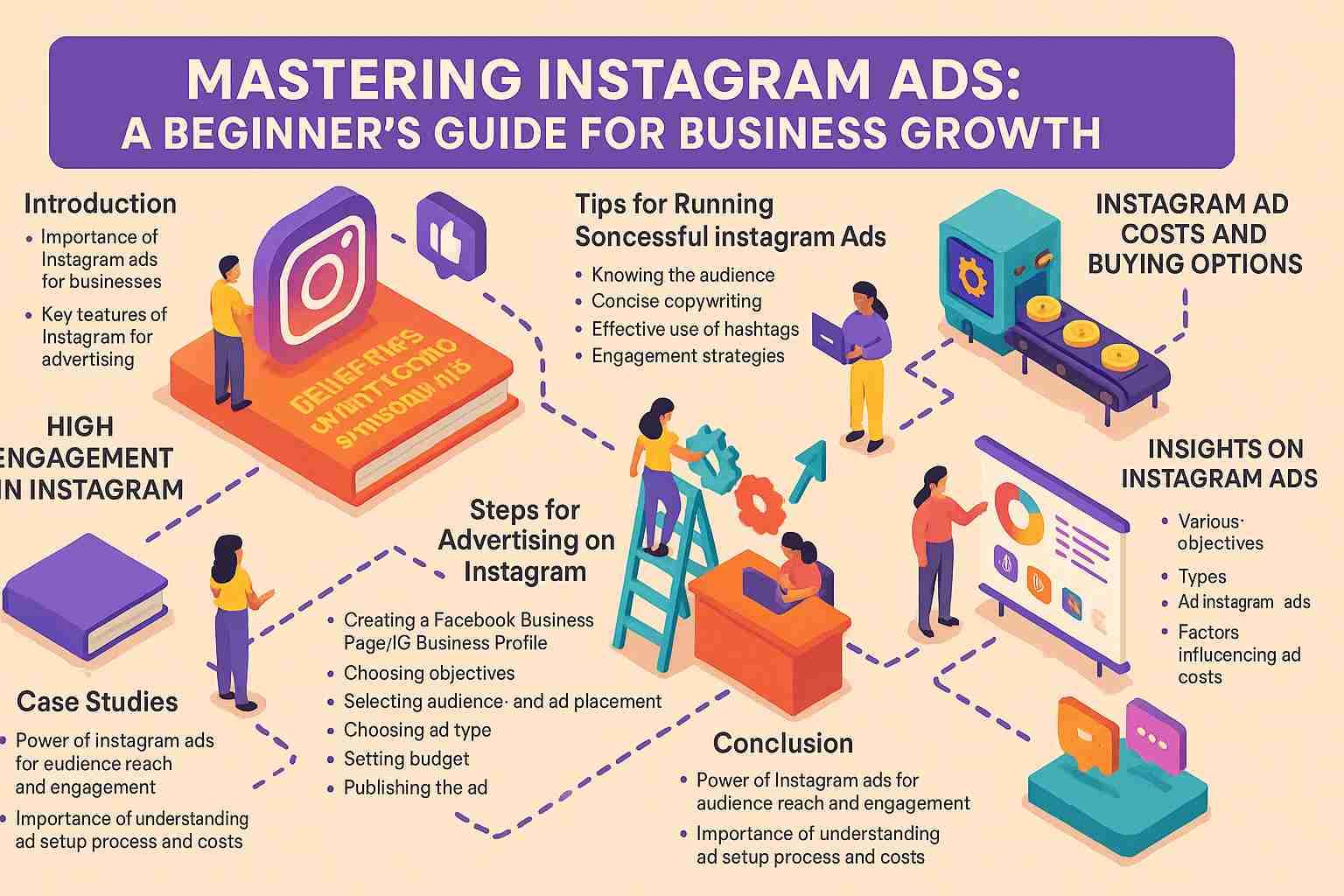
Budgeting and Bidding: Making Your First Instagram Ads Cost-Effective
Instagram ad budget decisions are the difference between campaigns that scale and those that stall. If you want effectiveness, not just visibility, you need to understand how Instagram ad costs are set, how to control them, and where to push for value. This isn’t about spending less — it’s about spending smarter.
How Much Should Beginners Spend on Instagram Ads?
There’s no universal starting figure for an Instagram ad budget, but the logic is simple: start with enough to generate statistically significant results, but not so much that early inefficiencies burn through your funds. For most categories, $500–$1,500 for a first test phase is a pragmatic range. This allows for multiple creative variants and audience splits — the minimum required for actionable data. Anything less and you’re gambling, not learning.
Daily budgets give you tight control and fast feedback. Lifetime budgets offer flexibility but can obscure where spend is wasted. For first-timers, daily budgets are the better discipline. They force you to monitor performance and adjust quickly, which is essential in the early learning curve.
Choosing the Right Bidding Strategy for Your First Campaign
Bidding strategies for Instagram are a lever, not a lottery ticket. Beginners should default to automatic bidding. It leverages platform learning to optimize placements and costs, especially when you lack historical data. Manual bidding is tempting for those who want to dictate maximum costs, but it’s easy to underbid and throttle delivery — or overbid and pay a premium for no extra value. Until you have a clear handle on your true cost-per-action (CPA), automation is your safest bet.
Understand the difference between CPC (cost per click), CPM (cost per thousand impressions), and CPA (cost per action). Each aligns to a different objective. If your goal is conversions, CPA is your north star. For brand awareness, CPM may suffice. Don’t let the platform default you into a pricing model that doesn’t match your business objective.
Keeping Instagram Ad Costs Under Control
Affordable Instagram ads come from relentless testing and ruthless control. Start with narrow targeting — broad audiences waste budget fast. Use exclusions to prevent overlap and audience fatigue. Refresh creative regularly. Ad fatigue drives up costs and kills performance faster than any bid misstep.
Monitor frequency metrics. If your ads are being shown to the same users too often, you’re paying for diminishing returns. Pause underperforming variants quickly. Don’t let sentimentality for a creative concept override the data. Every dollar wasted is a dollar not learning.
Finally, connect your ad budget planning to business outcomes, not just media metrics. Track cost per acquisition, not just cost per click or impression. This is the only way to ensure your Instagram ad costs are delivering real digital advertising ROI — and not just vanity numbers.
Crafting Effective Creatives: What Works for Instagram Advertising for Beginners
Instagram advertising for beginners isn’t about chasing trends. It’s about mastering the fundamentals that drive action. The best campaigns are built on clarity, relevance, and a ruthless focus on what the audience actually notices in-feed. Forget the over-designed, over-written approach — effective Instagram ad creative is direct, visually distinct, and engineered for thumb-stopping impact. Here’s how to deliver work that performs, not just pleases.
Simple Design Tips for Standout Instagram Ads
Most beginners overcomplicate design. The truth is, the highest-performing Instagram ads are visually simple. Use a single focal point — one product, one face, one bold message. Contrast is your ally: punchy colors and clear separation between subject and background make your ad pop in a crowded feed. Avoid clutter. Stick to two fonts at most, and ensure any text is readable at a glance, even on mobile. If you’re not a designer, leverage Instagram’s in-app tools or templates, but always customize: stock visuals are instantly forgettable. Remember, your creative should be instantly recognizable as yours, not generic noise.
Writing Captions That Boost Engagement
Writing ad copy for Instagram is not about packing in benefits or clever wordplay. It’s about precision. Lead with the value — the why — in the first line. Every word after that must justify its place. Use a clear call-to-action: “Shop now,” “Learn more,” or “Send a DM.” Don’t bury the ask. Keep sentences short. Emojis can add personality but use them sparingly; they’re not a substitute for clarity. For beginners, test two versions: one direct, one with a touch of brand personality. Let the data decide, not your gut. For more on this, see our guide to writing for social media ads.
Leveraging User Content in Your First Ads
User-generated content (UGC) and testimonials outperform polished brand assets more often than not. Real people using your product signals trust and relatability. For your first campaigns, source authentic photos or short clips from customers — with permission. Pair these with a concise testimonial or a quote. Avoid over-editing; keep the content raw and real. This approach not only builds credibility but also reduces production costs. UGC can be especially effective for brands without a deep asset library, giving you proof and creative material in one move.
Common Creative Mistakes Beginners Make in Instagram Advertising
There’s a pattern to rookie errors in Instagram ad creative. The first is overloading the frame: too much text, too many elements, no hierarchy. The second is ignoring the platform’s visual language — using horizontal images, tiny fonts, or muted colors that disappear in the feed. The third is writing captions that meander or rely on generic calls-to-action. Finally, skipping testing is a cardinal sin. Even the best guess is still a guess. Build, launch, measure, and iterate. That’s how you learn what works for your audience, not just what looks good in a vacuum.
Instagram advertising for beginners is about disciplined execution, not creative excess. Start simple, stay focused, and let performance data shape your next move. For deeper insights into visual impact, explore our analysis of visual storytelling techniques.
Launching and Managing Your First Instagram Ad Campaign
Step-by-Step: Setting Up Your First Instagram Ad
Instagram ad campaign setup begins in Meta’s Ads Manager—a single interface for building, targeting, and tracking campaigns. Start by selecting your marketing objective. For most first-time campaigns, “Traffic” or “Conversions” are practical choices. Next, define your audience parameters: location, age, interests, and behaviors. If your product is niche, resist the urge to go broad; relevance trumps reach. Set your budget (daily or lifetime), choose your ad placements—automatic is a safe default for beginners—and upload your creative assets. Each asset should be tailored for mobile-first consumption: vertical video, crisp visuals, and clear calls to action.
Once your assets are loaded, preview every variant. Use Ads Manager’s side-by-side view to ensure nothing breaks across formats. Double-check your URL parameters for tracking—if you’re not measuring, you’re guessing. Finally, confirm your payment method and schedule your campaign. Don’t rush this process. Every misstep here compounds downstream.
What to Check Before You Go Live
Before launching Instagram ads, run through a campaign setup checklist. Confirm that your targeting is tight—no accidental global reach unless you intend it. Validate your creative: no cut-off text, no off-brand visuals, no compliance issues. Check that your tracking pixels are firing and your UTM parameters are correct. Review your budget caps and bidding strategy. If you’re using manual bidding, sanity-check your bid against historical CPMs to avoid overspending. Finally, preview your ads on both desktop and mobile; what looks sharp on one can flop on the other.
Monitoring and Tweaking Your Campaign on the Fly
Managing Instagram ads is not a set-and-forget exercise. Once live, use Ads Manager’s real-time dashboards to monitor core metrics—impressions, click-through rate, cost per result. For first-time advertisers, focus on early signals: is your CPM higher than expected? Is your CTR lagging? Low engagement in the first 24–48 hours is an early warning. Don’t panic, but don’t ignore it. Adjust creative, tighten targeting, or shift budget allocation as needed. If a variant underperforms, pause it ruthlessly. If a placement is draining budget with no return, exclude it. Speed matters—inefficient spend compounds fast.
For ad performance tracking, set up automated rules in Ads Manager. For example, pause ads if cost per conversion exceeds your threshold, or boost budget on top performers. This isn’t about complexity—it’s about control. The goal is to keep your campaign agile and responsive, not to micromanage every data point.
Troubleshooting and Knowing When to Pivot
Common issues for first-time campaigns include rejected ads (often due to text overlays or prohibited content), poor delivery (usually a targeting or budget mismatch), and tracking errors. If your campaign isn’t spending, revisit your audience size and bid strategy. If results are flat, pivot decisively: swap creative, resegment your audience, or revise your offer. Don’t let sunk cost bias keep you locked into a failing approach. Effective campaign management is about iteration, not inertia. Know when to pause, when to pivot, and when to double down.
Measuring Success: Analytics and Insights for Instagram Advertising for Beginners
Understanding Instagram Ad Metrics for Beginners
Instagram advertising for beginners hinges on knowing which numbers matter. Start with the essentials: impressions, reach, clicks, click-through rate (CTR), and conversions. Impressions count every time your ad appears on a screen. Reach is the unique number of users who see it. Clicks show raw engagement; CTR reveals efficiency. Conversions—whether purchases, sign-ups, or another goal—are the real proof of impact. These metrics form the foundation for tracking ad performance and cutting through vanity numbers.
Don’t get distracted by surface-level engagement. Likes and comments may look good, but they rarely correlate with business results. For any campaign, benchmark your metrics against previous performance and—where available—industry averages. This frames your results in context and prevents knee-jerk reactions to outlier numbers.
How to Use Instagram Insights to Improve Your Ads
Instagram Insights is your entry point for organic post analytics, while Ads Manager delivers granular data on paid campaigns. Both are non-negotiable tools for anyone serious about social media analytics basics. In Insights, focus on post reach, saves, shares, and profile actions. These signals reveal which creative assets prompt real user action, not just passive scrolling.
Ads Manager, meanwhile, breaks down ad performance by placement, demographic, and time. Use this to spot underperforming segments or identify high-value audiences. Track cost per result and frequency—if frequency spikes without a corresponding lift in conversions, your creative may be fatiguing. Regularly exporting and reviewing this data is the difference between guessing and knowing what works.
Turning Analytics Into Actionable Improvements
Raw numbers are only useful if they drive change. The key is translating analytics into concrete next steps. If your CTR is lagging, revisit your creative and call-to-action. Low conversions with high clicks? Your landing page or offer may be the bottleneck. Use A/B testing to isolate variables—alter headlines, visuals, or targeting, and measure the impact.
Set clear benchmarks before each campaign. Are you aiming for a 1% CTR or a $5 cost per acquisition? Define success early, then hold your ads accountable. Compare your results not just to your own history, but to industry norms. If you’re consistently below par, it’s time to overhaul your approach—whether that’s refining creative, tightening targeting, or reallocating budget.
Finally, treat analytics as a feedback loop, not a report card. Effective instagram advertising for beginners is iterative: review, adjust, and redeploy. The real advantage comes from disciplined, ongoing optimisation—not one-off analysis. Keep your focus on the metrics that move the business, and let everything else fall away.
- For a foundational approach, see our guide to social media analytics basics.
- When you're ready to refine, explore our strategies for optimizing ad campaigns.
Common Mistakes in Instagram Advertising for Beginners—And How to Avoid Them
Top Instagram Ad Mistakes Beginners Make
Instagram advertising for beginners is a minefield of avoidable errors. The most common? Audience mismanagement. Many new advertisers either over-target—building convoluted, overlapping audience segments—or under-target, blasting broad, generic messages. Both approaches burn budget and dilute impact. Next is creative neglect. Weak visuals, inconsistent branding, and unclear messaging will always underperform, no matter how sophisticated your targeting. Budget mismanagement is another classic: setting bids too high without data, or too low to make a dent, leads to wasted spend or zero traction. Finally, beginners often ignore analytics, running campaigns on autopilot instead of learning and iterating. The result: stagnant performance and no progress toward business objectives.
How to Troubleshoot Underperforming Instagram Ads
Troubleshooting Instagram ads starts with diagnosis, not guesswork. If your ad isn’t converting, first check your targeting. Are you reaching people who actually care? If results are flat, test broader or more refined segments—never both at once. Next, scrutinize your creative. Does it stop the scroll? Is the brand unmistakable within the first seconds? If not, overhaul your visuals and copy. On the budget front, review your spend against CPM and CPA benchmarks. If you’re overspending, tighten your audience or cap your bids. If you’re invisible, incrementally raise your bids or broaden reach. Most importantly, use platform analytics to spot drop-off points and iterate. Don’t just look at impressions—track through to action. For deeper breakdowns, see our ad campaign troubleshooting guide.
Best Practices to Ensure Early Success
Success in Instagram advertising for beginners hinges on disciplined execution. Start with a single, well-defined audience. Test creative variations, but keep the brand identity consistent across every asset. Set a controlled budget—enough to generate statistically meaningful results, not vanity metrics. Build in weekly reviews: check analytics, identify underperformers, and kill what doesn’t work. Every campaign should have a clear business objective, not just a marketing one. Align your creative, targeting, and spend with that outcome from day one. Learn fast, iterate faster. If you’re new to this, absorb social media marketing lessons from seasoned practitioners, not just platform tutorials. The difference is night and day.
In short, most beginner advertising errors on Instagram stem from skipping the fundamentals. Avoid the urge to overcomplicate. Focus on clarity, consistency, and ruthless measurement. That’s how you build campaigns that scale—and avoid the costly mistakes that trip up most first-timers.
Conclusion
Instagram advertising is not a creative side project—it’s a commercial lever. For senior marketers and founders, the fundamentals never change: clarity of objective, precision in execution, and an appetite for data-led learning. The entry point for beginner Instagram ads is not about chasing trends, but about building a system that can scale with your business needs and creative ambitions.
Start with intent. Every effective Instagram ad strategy begins by defining what success looks like, whether that’s awareness, consideration, or conversion. Without a sharp objective, even the most visually arresting campaign will underperform. This is the difference between simply running ads and running a business outcome-driven campaign. For those new to the platform, revisit the basics of social media marketing and ensure your objectives are not only clear, but measurable and aligned to broader commercial targets. The discipline of setting marketing objectives is as relevant here as anywhere else in the digital ecosystem.
Next, match your message to the medium. Instagram ad formats are not interchangeable commodities—they’re tools, each with distinct strengths. Stories reward urgency and verticality. Feed placements offer context and narrative. Reels are built for discovery and entertainment. The right format amplifies your message; the wrong one dilutes it. For beginners, resist the temptation to deploy every format at once. Instead, test deliberately, learn from early results, and iterate. The most effective campaigns are rarely the most complicated—they’re the most focused.
Finally, treat analytics as your creative partner, not a post-mortem. The real advantage of Instagram advertising lies in its feedback loop. Performance data exposes what works, what doesn’t, and where to pivot next. Optimizing ad campaigns is not a one-off exercise; it’s an ongoing process of experimentation and refinement. The marketers who win on this platform are those who build institutional knowledge—using each campaign as a stepping stone, not a standalone event. For beginners, this means embracing a culture of continuous improvement, not chasing quick wins.
Instagram advertising rewards practitioners who combine commercial discipline with creative clarity. For those just starting, the roadmap is clear: set goals, choose formats with intent, and let analytics drive your evolution. The basics are not a box-ticking exercise—they’re the foundation for results that compound over time.
FAQs
What are the benefits of Instagram advertising for beginners?
Instagram advertising gives new entrants immediate access to a vast, visually-driven audience. Its targeting tools allow for precise segmentation, while its analytics provide actionable feedback. For beginners, this means you can test creative ideas, measure real impact, and scale what works—without the high entry barriers of traditional media.
How do I set realistic goals for my first Instagram ad campaign?
Start by clarifying what business outcome matters most—awareness, engagement, or conversion. Align your campaign objective with that metric. Avoid vague ambitions. Instead, set measurable targets, such as a specific number of leads or a cost-per-acquisition threshold, so you can assess performance and iterate with intent.
What are the different Instagram ad formats available?
Instagram offers a range of formats: photo ads, video ads, carousel ads, Stories ads, Reels ads, and Shopping ads. Each format serves a distinct purpose—single visuals for impact, carousels for storytelling, Stories and Reels for immersive, vertical experiences. Choosing the right format depends on your campaign’s message and desired action.
How can I effectively target my audience on Instagram?
Leverage Instagram’s granular targeting options—demographics, interests, behaviors, and custom audiences. Use lookalike audiences to find users similar to your best customers. Layer targeting criteria for precision, but avoid over-narrowing. Test and refine: audience performance data will reveal where your spend delivers the strongest returns.
What budgeting strategies should beginners use for Instagram ads?
Start with a controlled daily or lifetime budget to limit risk while gathering data. Allocate more to high-performing audiences or creatives as results come in. Avoid spreading your spend too thin. Monitor cost per result closely, and be prepared to pause underperforming ads early to reallocate budget efficiently.
How do I create effective visuals and copy for Instagram ads?
Prioritise clarity and relevance. Use bold, high-contrast visuals that stop the scroll, paired with concise copy that communicates value instantly. Ensure every creative element has a clear call to action. Test variations—subtle shifts in imagery or phrasing can materially impact engagement and conversion rates.
What common mistakes should beginners avoid in Instagram advertising?
Avoid targeting too broadly or narrowly, neglecting creative testing, and running ads without a clear objective. Don’t ignore analytics—data is your early warning system. Skipping mobile optimisation or using generic stock visuals also undermines performance. Treat every campaign as a learning cycle, not a one-off bet.
.webp)
Creative Collaboration Platform: The Backbone of Modern Creative WorkWhat is a creative collaboration platform?Clapboard defines a creative collaboration platform as the operational core for today’s distributed creative teams. This is not a collection of digital collaboration tools stitched together; Clapboard’s system

Understanding the Creative Production MarketplaceWhat is a Creative Production Marketplace?Clapboard defines a creative production marketplace as a structured ecosystem where brands, agencies, and production talent converge to execute video, advertising, and branded content at scale. Unlike the legacy agency or freelanREAD FULL ARTICLE

The Urgent Need for a Creative Production Operating SystemWhy Traditional Creative Production Models Break DownClapboard sees the creative production landscape shifting under pressure. Content velocity is no longer a buzzword—it’s a mandate. Modern advertising demands relentless output across dozens of channels, each wREAD FULL ARTICLE
JOIN THE NEWSLETTER.
Content Production insights, videos, books, and freebies, delivered to your inbox weekly


LEAVE A COMMENT
Your email address will not be published.