


Varun Katyal | Founder, Clapboard
Varun Katyal is the Founder & CEO of Clapboard and a former Creative Director at Ogilvy, with 15+ years of experience across advertising, branded content, and film production. He built Clapboard after seeing firsthand that the industry’s traditional ways of sourcing talent, structuring teams, and delivering creative work were no longer built for the volume, velocity, and complexity of modern content. Clapboard is his answer — a video-first creative operating system that brings together a curated talent marketplace, managed production services, and an AI- and automation-powered layer into a single ecosystem for advertising, branded content, and film. It is designed for a market where brands need content at a scale, speed, and level of specialization that legacy agencies and generic freelance platforms were never built to deliver. The thinking, frameworks, and editorial perspective behind this blog are shaped by Varun’s experience across both the agency world and the emerging platform-led future of creative production. LinkedIn: https://www.linkedin.com/in/varun-katyal-clapboard/
Why Every Project Needs a Creative Brief
Why a Creative Brief is Essential for Every Project
Every seasoned marketer and creative leader knows this: starting a project without a creative brief is an operational risk, not just a process shortcut. The question isn’t whether you can launch without one—it’s whether you can afford the cost of misalignment, wasted hours, and diluted outcomes. Understanding how to write a creative brief is not administrative box-ticking. It’s the foundation for project alignment, ensuring every decision ties back to a clear strategic intent.
Problems Solved by a Well-Written Creative Brief
The importance of creative brief documentation becomes obvious the moment ambiguity creeps in. Vague objectives, misread target audiences, and creative that misses the mark all trace back to a lack of shared understanding. A strong brief eliminates these pain points. It clarifies who the work is for, what it must achieve, and how success is measured. That clarity isn’t just for the creative team—it’s for everyone with skin in the game, from finance to brand, ensuring the project doesn’t drift or stall.
How a Creative Brief Impacts Project Success
Creative brief benefits aren’t theoretical—they’re measurable in timeline discipline, budget control, and output quality. When stakeholders align early, feedback loops tighten and revisions shrink. Production teams waste less time on guesswork, and campaign launches hit their marks more consistently. If you want to keep projects on track and avoid the creeping costs of indecision, a robust creative brief is your best insurance policy.
In multi-market campaigns, the stakes are higher. Misinterpretations multiply across regions and channels. Here, the brief acts as both blueprint and contract—anchoring creative ambition to business reality, and ensuring every market executes with intent, not improvisation.
Creative Briefs: The Real Engine of Project Alignment
Ultimately, the importance of a creative brief is in its ability to align stakeholders around a single vision and set of objectives. It forces hard conversations up front, not mid-project when pivots are expensive. For leaders who care about effectiveness, not just aesthetics, the creative brief is non-negotiable. It’s the difference between work that lands and work that lingers in revision hell. That’s why learning how to write a creative brief isn’t optional for anyone serious about creative project planning or driving real business results.
Unpacking the Process: How to Write a Creative Brief Step by Step
Preparing to Draft Your Creative Brief
Every effective campaign starts with clarity, not creativity. Before even thinking about format, strip the project to its commercial fundamentals. What’s the business objective? What’s at stake? Who are the internal and external stakeholders? This pre-work isn’t admin—it’s risk management. The best creative brief steps begin before you touch a template: interrogate the business context, pressure-test the objectives, and gather the data that will define success.
Preparation means more than a kickoff call. It’s a targeted audit: review previous campaigns, current market conditions, and available assets. Map out the decision-makers and the creative team’s real constraints—budget, timing, mandatory deliverables. If you miss these, the creative brief will miss the mark, and the project will bleed time and money.
Step-by-Step Guide to Writing a Creative Brief
Here’s how to write a creative brief that actually drives results:
- Define the Project and Objectives: Articulate the project’s purpose, background, company history, value proposition, key products, competitors, and customers. Set specific, measurable goals, including timing and anticipated results. This isn’t box-ticking—it’s the foundation for every decision that follows (Adobe Business, 2024).
- Identify the Target Audience: Go beyond demographics. Detail psychographics, needs, and pain points. The creative team needs to know not just who they’re talking to, but what moves them, what they fear, and what they buy. This context is non-negotiable for work that lands.
- Clarify the Message and Deliverables: State the single-minded proposition. What’s the one thing you want the audience to know or do? List deliverables—formats, channels, required assets—and any non-negotiables (brand guidelines, legal disclaimers, mandatory CTAs).
- Outline the Budget and Timeline: Specify available resources and hard deadlines. Be realistic. Padding timelines or budgets to ‘see what happens’ is a rookie error. If there’s flexibility, define where and why.
- Define Success Metrics: Set the KPIs upfront. Impressions, engagement, conversions—whatever matters, make it explicit. If you can’t measure it, you can’t optimise it.
Each step is a filter. If the information doesn’t sharpen the work, cut it. If it’s essential, make it impossible to miss. A creative brief guide isn’t a dumping ground for wish lists—it’s a tool for focus and accountability.
Gathering Input for a Comprehensive Creative Brief
Input is leverage, not bureaucracy. Start with a structured creative briefing session. Bring in stakeholders early—brand, legal, product, sales. Extract what’s critical, not what’s nice to have. Use frameworks, not freeform Q&A. Visualise complex data with charts or flow diagrams if it clarifies decision points (Canva, 2024).
Feedback loops are essential, but keep them controlled. Circulate a draft to core stakeholders only. Set a hard deadline for comments. Avoid endless revision cycles—your job is to synthesise, not crowdsource. Once feedback is in, refine for clarity and brevity. The best creative briefs are concise, leaving no room for misinterpretation.
Embedding the Creative Brief Process in Your Workflow
Writing a creative brief is not a one-off exercise. Build the process into your workflow: establish a standard
The Art of Asking the Right Questions
Essential Questions for Every Creative Brief
A creative brief is only as strong as the questions that shape it. Too often, briefs default to templates or generic prompts—resulting in uninspired work and missed objectives. The right creative brief questions cut through ambiguity, forcing clarity around purpose, audience, and measurable outcomes. The first non-negotiable: What is the single business objective this project must deliver? If stakeholders can’t answer, the brief isn’t ready. Next: Who are we really speaking to? Avoid the trap of demographic shorthand. Instead, probe for the emotional drivers and psychographic traits that move your audience to act. A brief that surfaces these layers will outperform one that simply lists “adults 25–44” every time (Chief Marketer, 2024).
Other key questions for creative brief development include: What does success look like, and how will it be measured? What constraints—budget, timing, approvals—are truly fixed? What has failed before, and why? What’s non-negotiable for brand integrity? These aren’t box-ticking exercises; they are levers for creative focus. Each answer narrows the field and raises the bar for execution.
How to Uncover Hidden Project Needs
Surface-level inquiry breeds surface-level work. Effective project discovery questions dig beneath the stated ask to reveal the real problem. Start by challenging assumptions: Why this format? Why now? What’s at stake if we do nothing? Push for context—competitive pressures, internal politics, legacy baggage. The best creative brief interview sessions are adversarial in the right way; they expose gaps, contradictions, and unspoken agendas.
Don’t just accept the client’s stated audience or desired deliverables at face value. Ask what the business would do if the project failed—often, the answer uncovers a deeper anxiety or opportunity. This is where the creative brief transforms from a static document into a strategic weapon. The difference is tangible: 82% of clients and 79% of agencies agree that a tight brief with clear objectives is the top driver of effective creative work, above even the client-agency relationship itself (Chief Marketer, 2024).
Building Clarity Through Stakeholder Interviews
A creative brief cannot be written in isolation. The most effective briefs emerge from stakeholder interviews that are direct, unsentimental, and collaborative. Bring in voices from research, brand, and creative leadership—not just the project sponsor. Each brings a different lens and a different set of questions. This process is not about consensus for its own sake; it’s about surfacing conflicting priorities early, before they become roadblocks in production.
During these interviews, resist the urge to fill silences or sugarcoat hard truths. Let stakeholders wrestle with the tough questions—about risk tolerance, brand voice, and what they are willing to sacrifice to hit the objective. Document every response. Patterns will emerge: points of alignment, areas of tension, and the real drivers behind the brief. This is the foundation for a creative brief questionnaire that elevates the project from the outset.
From Inquiry to Impact: Avoiding Generic Briefs
Vague briefs are a symptom of lazy inquiry. If your questions don’t make stakeholders uncomfortable, you haven’t gone deep enough. The goal is not to fill out a form, but to interrogate the project until its core is exposed—business need, creative ambition, and operational reality. When you ask the right creative brief questions, you set a standard for clarity and effectiveness that will carry through every stage of the project discovery process. That’s the difference between work that merely fills airtime and work that moves markets.
Balancing Structure and Flexibility in Creative Briefs
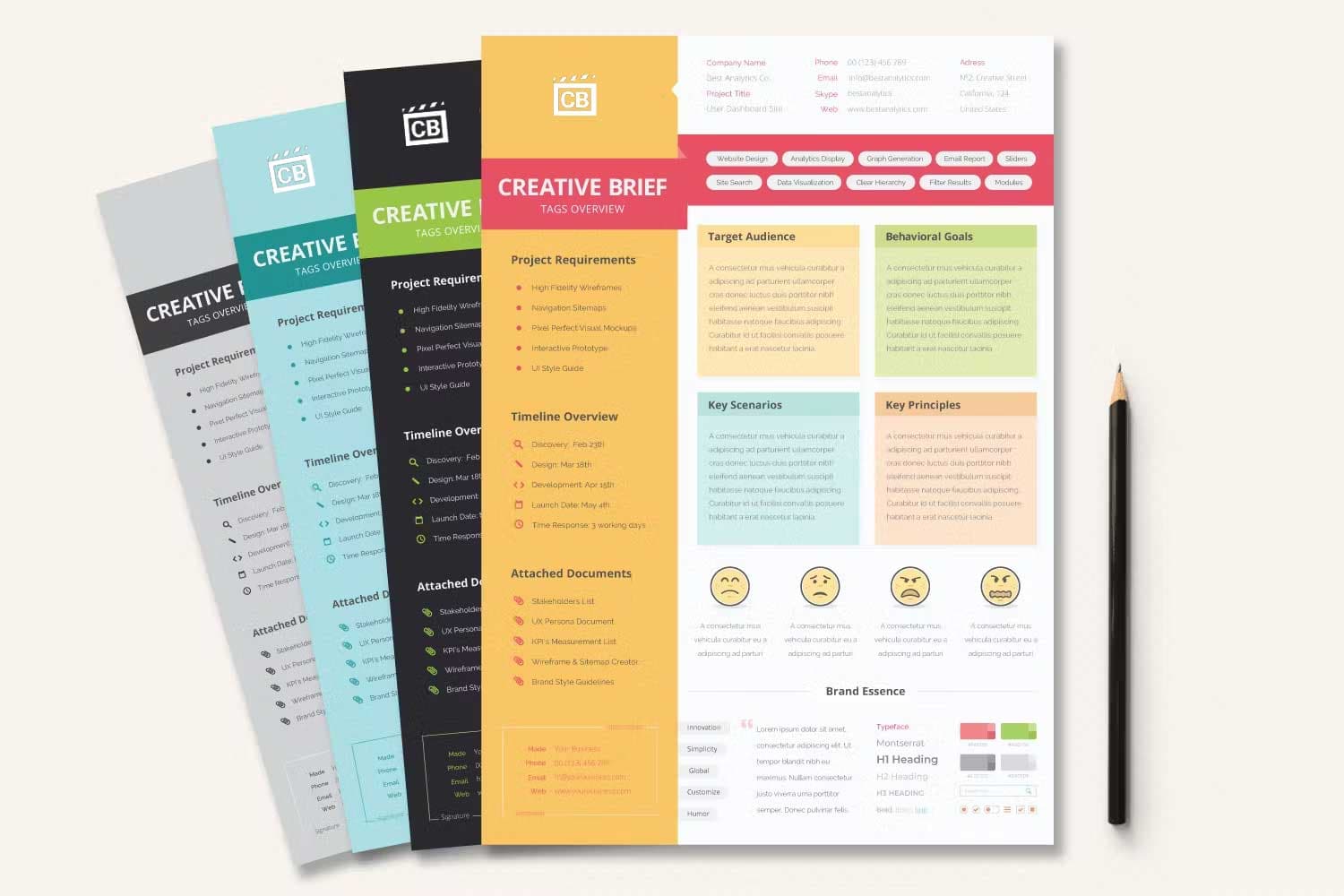
The creative brief structure you choose will dictate the pace and output of your team. Rigid templates promise consistency and speed, but they can throttle originality or misalign with the unique demands of a campaign. On the other hand, a flexible creative brief allows for adaptability—essential when navigating complex projects, cross-market nuances, or rapidly shifting objectives. The real challenge is finding the balance: enough structure to keep work on track, but not so much that it stifles problem-solving or innovation.
Choosing the Right Creative Brief Structure
There’s no universal answer. For high-volume, repeatable work—think social cutdowns, product launches with fixed assets, or franchise content—structure wins. A well-built creative brief template reduces ambiguity and onboarding time. It’s especially effective for teams with variable experience or high turnover. However, when the stakes rise—flagship campaigns, brand pivots, or multi-agency collaborations—rigidity can backfire. Here, an adaptable creative brief is not a luxury; it’s a necessity. It lets you interrogate assumptions, tailor deliverables, and surface strategic context that templated forms miss.
Template vs. Custom Creative Briefs: Pros and Cons
- Template-driven briefs: Deliver speed, clarity, and repeatability. Ideal for scaling production and maintaining brand consistency. The risk: they can breed complacency, encourage box-ticking, and overlook project nuance.
- Custom briefs: Offer depth, strategic alignment, and creative latitude. They’re best for projects where differentiation or stakeholder buy-in is critical. The downside: they demand more time and skill to craft, and without guardrails, can become sprawling or vague.
The decision isn’t binary. Smart teams start with a core framework—anchored in creative brief best practices—but build in room for project-specific adaptation. This hybrid approach safeguards quality while allowing for the unexpected. If you’re weighing creative brief template vs custom, ask: Does this project require absolute consistency, or does it demand strategic invention?
Adapting Creative Briefs for Different Projects
Project complexity and team dynamics are the two levers that matter most. For straightforward deliverables or junior-heavy teams, lean into structure. For ambiguous asks, cross-functional squads, or high-visibility launches, loosen the reins. A flexible creative brief can be as simple as a modular template, with mandatory fields for essentials and expandable sections for context or insight. The more experienced your team, the more autonomy you can afford to bake in. The less defined the problem, the more you need to interrogate the brief itself—sometimes live, with stakeholders in the room.
Ultimately, the right creative brief structure isn’t about control for its own sake. It’s about engineering clarity and momentum for the work that matters. If you want to go deeper into tailoring your process, see our guide on customizing creative briefs.
Common Mistakes When Writing a Creative Brief (and How to Avoid Them)
Top Mistakes in Writing Creative Briefs
The most persistent mistakes in creative brief writing are rarely the result of inexperience—they stem from complacency and a lack of discipline. The first and most damaging error is vagueness. Too many briefs are padded with generic statements that could apply to any brand in any market. This lack of specificity turns a strategic tool into white noise. Another frequent creative brief error is the absence of clear, measurable objectives. When KPIs are missing or ill-defined, creative teams are left to guess what success looks like, leading to work that drifts off target.
Ignoring the target audience is another foundational mistake. Briefs that focus on what the brand wants to say, instead of what the audience needs to hear, squander budget and attention. Finally, treating the brief as a static document—never revisiting or refining it as new insights emerge—locks teams into outdated assumptions and undermines effectiveness.
How to Fix Common Creative Brief Issues
Specificity is non-negotiable. Strip out platitudes and demand details: what is the precise business problem? Who, exactly, are you trying to reach? What do you want them to do, think, or feel? Tie every creative deliverable to a tangible KPI, not just “awareness” or “engagement,” but metrics that matter to the business. This forces clarity and accountability from the outset.
Audience insights should anchor the brief. Use real data—customer interviews, behavioural analytics, market segmentation—to define your audience beyond basic demographics. Articulate the audience’s pain points, motivations, and barriers to action. This ensures the creative is engineered for resonance, not just reach.
Preventing Miscommunication with Better Briefs
Miscommunication is the silent killer of creative effectiveness. The brief is the single source of truth—if it’s ambiguous, every downstream decision is compromised. Prevent this by making the brief a living document. Build in review cycles: after each round of stakeholder feedback, update the brief to reflect new priorities or constraints. This iterative approach keeps teams aligned as market realities shift.
Another safeguard is ruthless prioritisation. Creative brief pitfalls often arise when everything is labelled as “must-have.” Force trade-offs. Identify the non-negotiables and separate them from nice-to-haves. This sharpens focus and reduces the risk of diluted messaging or bloated production scopes.
Writing Mistakes That Undermine Results
Some writing mistakes are subtler but just as costly. Overloading the brief with jargon, for example, alienates creative partners and muddies intent. Similarly, failing to articulate the desired tone or mandatories leads to rounds of unnecessary revision. Precision in language is as critical as precision in strategy.
Finally, neglecting to reference or link to relevant resources—such as previous campaigns, brand guidelines, or competitor work—forces teams to reinvent the wheel. A well-constructed brief should be a springboard, not a straitjacket. For more on troubleshooting, see our guide to creative brief troubleshooting and building effective creative briefs.
Digital-First Creative Briefs: Tools and Collaboration in the Modern Workflow
The digital creative brief has become a cornerstone of efficient, distributed production. Moving briefs online is not just a logistical upgrade—it’s a strategic shift that compresses timelines, reduces ambiguity, and aligns creative teams with business objectives in real time. In a world where campaign cycles are measured in days, not quarters, analogue workflows simply can’t keep pace. Digital-first teams that invest in the right creative brief tools are positioned to out-execute competitors still shackled to static documents and email chains.
Best Tools for Digital Creative Briefs
Today’s market offers a spectrum of online creative brief platforms, each with strengths for different team structures. The leaders aren’t just digital forms—they’re dynamic workspaces built for collaboration, version control, and integration. Look for platforms that allow for live editing, granular permissions, and seamless handoffs between creative, strategy, and production. Integration with project management systems is non-negotiable; the brief should be a living document, not an attachment lost in a thread. For remote creative teams, tools that support real-time comments, asset embedding, and workflow automation are essential. Anything less is a bottleneck.
How to Collaborate on Creative Briefs Remotely
Effective collaborative briefs demand more than shared access—they require clarity of process and ruthless version discipline. Establish a single source of truth: one online creative brief per project, with tracked changes and a clear owner. Use comment threads for actionable feedback, not side conversations. Set explicit deadlines for input and sign-off. For distributed teams, leverage notifications and approval flows to keep momentum without micromanagement. The goal is to keep everyone moving in lockstep, regardless of time zone or location. Digital collaboration tools should reduce friction, not add layers of admin.
Advantages of a Digital-First Creative Brief Approach
Shifting to digital creative briefs delivers compounding returns. First, it slashes the lag between ideation and execution—no more waiting for attachments or deciphering out-of-date PDFs. Second, it hardwires transparency and accountability into the creative process. Stakeholders can see updates in real time, audit changes, and resolve misalignment before it escalates. Third, integration with broader digital collaboration tools means briefs can trigger tasks, sync with calendars, and surface dependencies automatically. This isn’t just about efficiency; it’s about strategic control. Teams that master the digital-first brief build a feedback loop where creative, production, and business objectives are always in sync.
Ultimately, the digital creative brief is more than a document—it’s the operational backbone of modern creative output. The teams that treat it as such will outpace those who still see briefs as paperwork. In the high-velocity environment of today’s campaigns, that’s the difference between leading the market and chasing it.
Adapting Your Creative Brief for Different Project Types
How to Write a Creative Brief for Marketing Campaigns
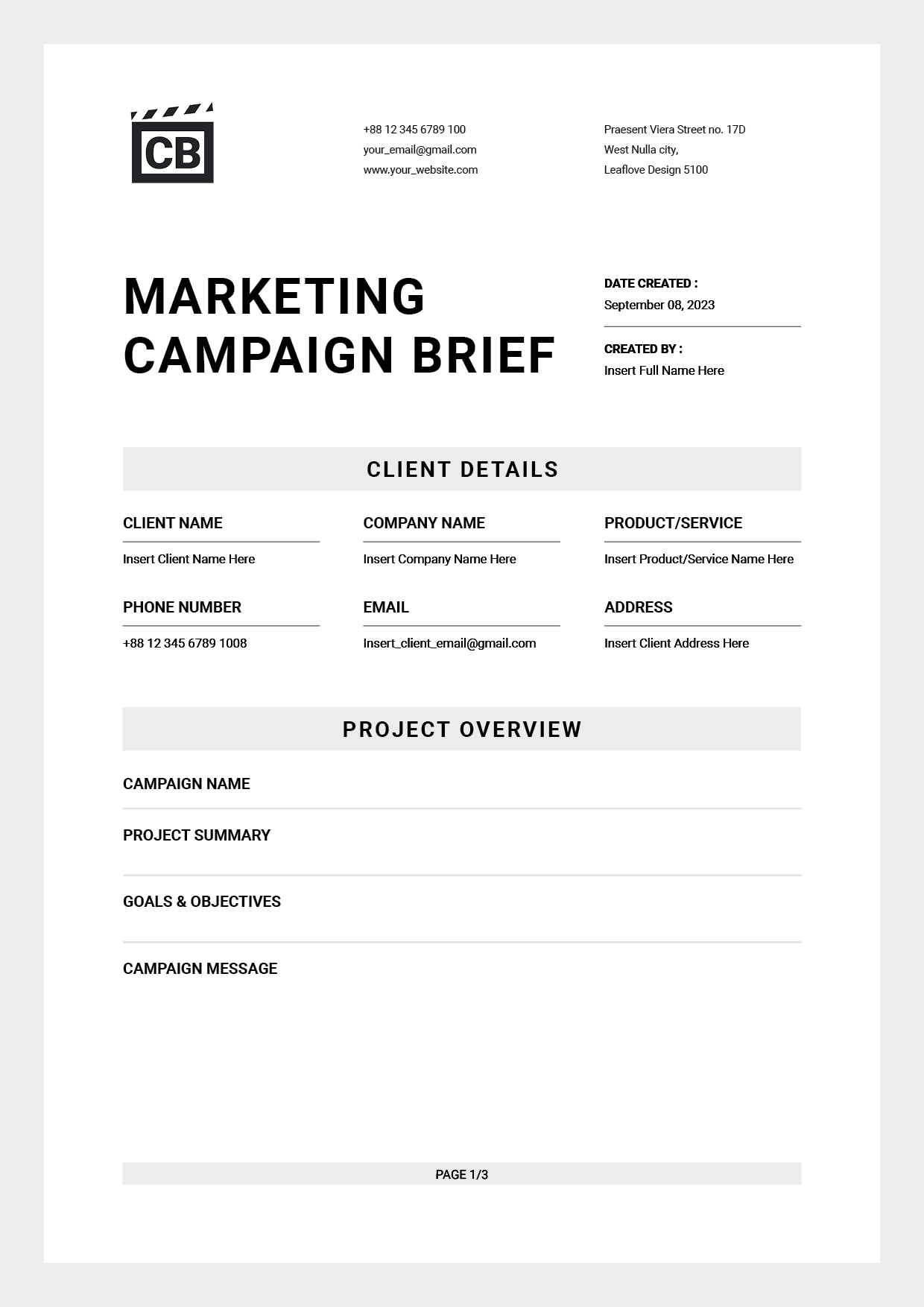
A marketing creative brief is a blueprint for clarity and alignment. It must cut through the noise, translating business objectives into measurable marketing outcomes. Start by defining the campaign’s core objective—brand awareness, lead generation, or conversion. Specify the primary audience, the pain points you’re solving, and the single-minded message that must land. Distribution channels matter: outline where the work will live and the formats required. Include performance metrics from the outset. A creative brief for marketing campaigns is only as useful as its ability to keep strategy, creative, and media buying tethered to the same goal. Don’t bury the lede—surface the ‘why’ and the ‘how’ upfront, and leave no ambiguity about what success looks like.
Video Production Creative Briefs: What’s Different?
A video production brief demands more than a list of deliverables. Here, narrative structure, visual style, and technical logistics must be explicit. The creative brief for video production must detail the core message, key scenes or story beats, tone, and intended runtime. Specify required assets—motion graphics, voiceover, talent, locations. Distribution drives format: will this run as a 6-second bumper, a 30-second spot, or a 3-minute explainer? Spell out aspect ratios, platform requirements, and mandatory branding. Unlike static campaigns, video is a moving target—timelines, approvals, and contingencies must be accounted for. If you want creative teams to deliver on time and on budget, give them the parameters, not just the ambition.
Crafting Effective Web Design Creative Briefs
A web design creative brief is not just a wireframe wishlist. It should articulate the business purpose—lead capture, e-commerce, brand storytelling—and the user journey from first click to conversion. Define the target personas and the actions you want them to take. For a creative brief for web design, prioritize clarity on functionality: what integrations are non-negotiable? What are the accessibility requirements? Specify the visual hierarchy, content modules, and any technical or platform constraints. The brief should also set expectations for mobile responsiveness, SEO considerations, and analytics handover. Don’t let “make it look good” be the final word—make sure the brief anchors every pixel to a business result.
Customizing Your Creative Brief for Other Project Types
Each project specialty—product launches, internal comms, experiential—demands a tailored approach. The creative brief for product launches must map positioning, USPs, and launch phases. For internal communications, tone and confidentiality are paramount. Experiential projects require logistical detail, audience flow, and contingency planning. The through-line: relevance and clarity. Strip out the generic, double down on what matters for the discipline. A one-size-fits-all brief is a myth; effectiveness comes from precision, not templates.
The core principle is simple: a creative brief for [project type] should be engineered for context, not convenience. Adapt the format, language, and detail to the demands of the project. That’s how you drive relevance, clarity, and commercial impact—regardless of the creative domain.
From Brief to Brilliant: Measuring the Impact of Your Creative Brief
How to Measure Creative Brief Effectiveness
Creative brief effectiveness isn’t a matter of opinion—it’s a function of measurable outcomes. Start with the basics: Did the final output meet the strategic objectives outlined in the brief? Track project timelines, on-budget delivery, and the number of creative revisions required. Fewer rounds of amends usually signal a brief that’s done its job. If your team consistently hits the mark on the first or second cut, you’re not guessing—you’re guiding.
Go deeper by tying creative brief results to campaign KPIs. Did the work drive the intended business outcomes—brand lift, sales, engagement, or whatever the brief set out to achieve? Quantify the delta between projects with robust briefs and those built on assumptions. This isn’t just about patting yourself on the back for a job well scoped; it’s about proving the brief’s commercial value. Integrate metrics from your creative brief metrics framework and compare performance across projects to identify patterns and outliers.
Feedback Loops for Continuous Improvement
Effective measurement requires more than dashboards. Build structured feedback loops into your process. Post-mortems with creative teams and stakeholders should be non-negotiable. Ask targeted questions: What was clear? What was missing? Did the brief enable or obstruct creative problem-solving? Anonymous surveys can surface issues that people won’t say in the room, while short, direct interviews often reveal the root causes behind missed marks.
Don’t overlook client feedback. Their view on whether the delivered work matched their strategic intent is a critical barometer. But don’t let client satisfaction alone define success—sometimes, a brief can please a client but fail to move the needle commercially. Balance subjective feedback with objective results to avoid complacency.
Linking Creative Briefs to Project Outcomes
The real test of a creative brief is its influence on project outcomes. Draw clear lines between the brief’s clarity and the efficiency of the production process. Did the team spend less time clarifying intent and more time executing? Were creative risks calculated and aligned with the brief, or did ambiguity force safe, forgettable work? Track project outcomes against briefed objectives—if there’s a consistent gap, your briefing process needs a rethink.
Use this data to refine your approach. Iteration is non-negotiable. Each project should inform the next, with learnings baked into every new brief. Document what worked, what didn’t, and why. Share these insights across teams, not just within project silos. Over time, this discipline transforms creative briefs from administrative necessities into strategic assets.
Creative brief effectiveness is measurable, actionable, and—if treated with rigor—a lever for continual improvement. The smartest teams don’t just write better briefs; they systematize the process of making each one sharper than the last. For those serious about improving creative briefs, measurement isn’t an afterthought. It’s the engine of progress.
Conclusion
The creative brief is not a formality or a box to tick—it is the operational backbone of any project that expects to deliver results. Its value isn’t theoretical. In practice, a sharp creative brief sets the terms of engagement, defines the target, and creates a shared language for all stakeholders. This is not about playing it safe; it’s about setting the conditions for effective risk-taking and measurable impact. The benefits of a creative brief are not abstract—they translate directly into project alignment, faster decision-making, and creative that actually moves the needle.
When a brief is built for clarity, it becomes a filter for ideas and a shield against misaligned execution. Stakeholders know what matters, which means less time wasted on subjective debates and more time spent on refining work that meets the brief’s criteria. This is how you avoid the churn of endless revisions and the cost overruns that follow. In high-stakes environments, clarity is not a luxury—it’s a prerequisite for creative efficiency and commercial return.
Measuring creative brief impact is not just about tracking timelines or budgets. It’s about interrogating outcomes: Did the work deliver on the strategic intent? Did the creative drive the right business results? The most effective teams treat the brief as a living document—one that is referenced, challenged, and evaluated throughout the project lifecycle. This discipline is what separates functional creative from work that achieves genuine business objectives.
In summary, the creative brief is the lever that aligns ambition with execution. Its benefits are realised when clarity, alignment, and measurement are non-negotiable. For leaders serious about creative project planning, the discipline of effective creative briefs is not optional—it’s the standard. Anything less is just hoping for the best.
FAQs
What is a creative brief?
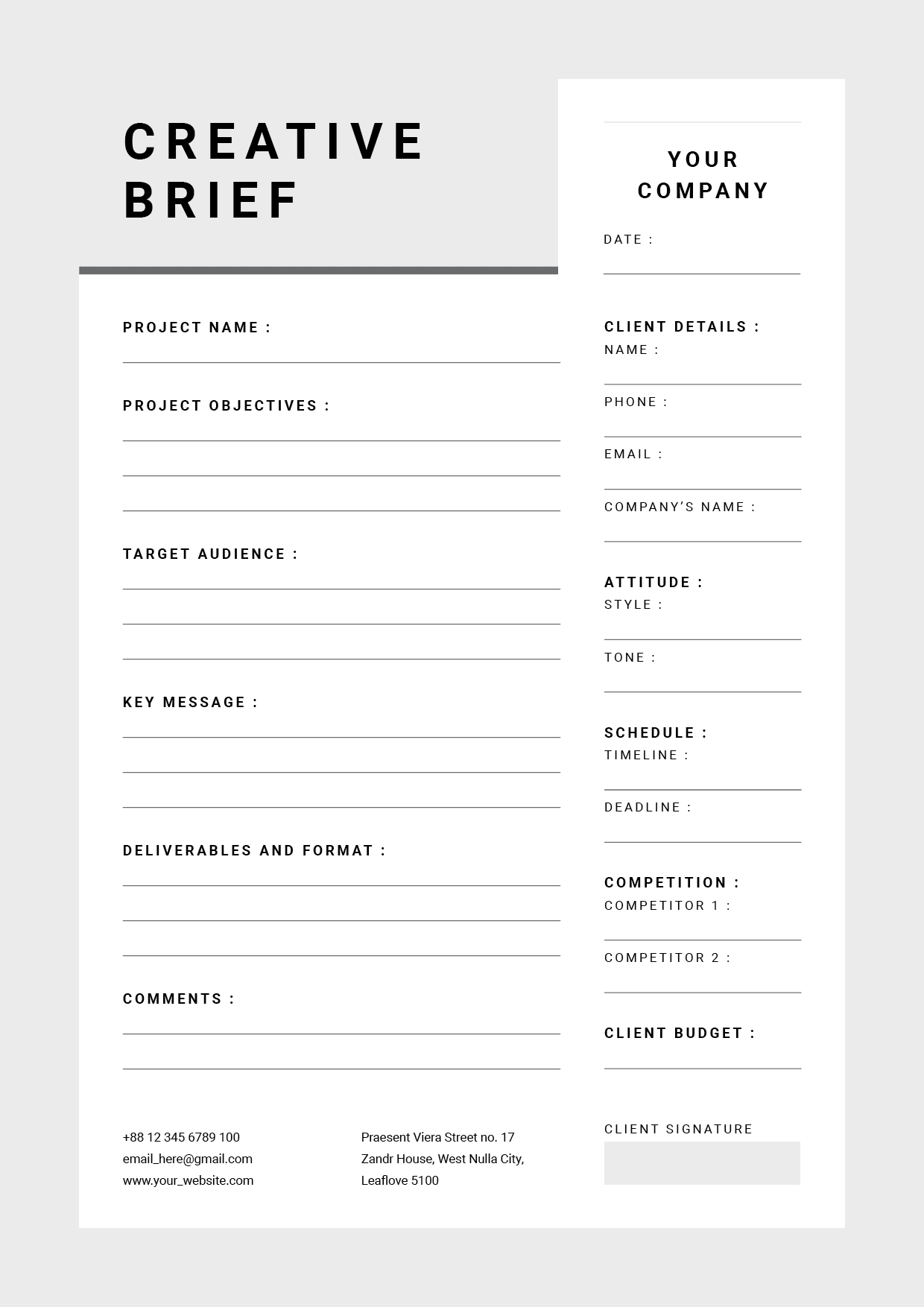
A creative brief is a concise document that defines the objectives, target audience, key messages, deliverables, and constraints for a marketing initiative. Its purpose is to align stakeholders and guide creative teams, ensuring that every decision ladders back to commercial goals rather than subjective preference.
Why is a creative brief important?
A creative brief is critical because it eliminates ambiguity. It sets a shared vision and measurable criteria for success, reducing wasted time and misaligned output. Without a brief, projects drift—leading to inefficiency, scope creep, and creative work that fails to serve the business case.
How do I write a creative brief?
Start by defining the business objective, then clarify the target audience and core message. Outline deliverables, channels, and budget constraints. Specify timelines and approval processes. Keep it focused—every line should drive clarity and action, not just fill space. Circulate for input, then lock it down.
What are common mistakes in writing a creative brief?
Frequent errors include vagueness, lack of focus, or overloading with jargon. Some briefs are too broad, others too prescriptive. Avoid skipping stakeholder alignment or failing to define concrete outcomes. A brief should be actionable, specific, and business-driven—not a wish list or a creative wishlist.
How can I adapt a creative brief for different project types?
Adjust the brief’s structure to the project’s needs. For video, detail narrative flow and visual tone. For digital, address platform specs and interactivity. For print, focus on format and production constraints. Always tailor the brief’s depth and detail to the project’s complexity and risk profile.
What tools are best for creating digital creative briefs?
Use collaborative platforms that support version control and real-time feedback. Look for tools that integrate with project management workflows and allow for easy sharing with stakeholders. The right tool is one that reduces friction and centralises communication—not one that adds process for its own sake.
How do I measure the effectiveness of a creative brief?
Assess whether the final output meets the brief’s objectives, stays on budget, and is delivered on time. Gather feedback from both creative and business teams. Track revisions and approval cycles—fewer rounds usually signal a tighter brief. Ultimately, effectiveness is measured by business impact, not creative awards.

.webp)
Creative Collaboration Platform: The Backbone of Modern Creative WorkWhat is a creative collaboration platform?Clapboard defines a creative collaboration platform as the operational core for today’s distributed creative teams. This is not a collection of digital collaboration tools stitched together; Clapboard’s system

Understanding the Creative Production MarketplaceWhat is a Creative Production Marketplace?Clapboard defines a creative production marketplace as a structured ecosystem where brands, agencies, and production talent converge to execute video, advertising, and branded content at scale. Unlike the legacy agency or freelanREAD FULL ARTICLE

The Urgent Need for a Creative Production Operating SystemWhy Traditional Creative Production Models Break DownClapboard sees the creative production landscape shifting under pressure. Content velocity is no longer a buzzword—it’s a mandate. Modern advertising demands relentless output across dozens of channels, each wREAD FULL ARTICLE

JOIN THE NEWSLETTER.
Content Production insights, videos, books, and freebies, delivered to your inbox weekly


LEAVE A COMMENT
Your email address will not be published.