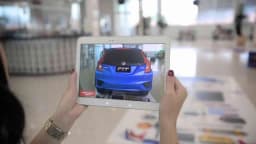
Volkswagen’s "Twitter Zoom" campaign aimed to position the Fox as a trendy and relevant vehicle for São Paulo’s urban youth by leveraging its sponsorship of the popular Planeta Terra music festival. The brand proposition centered on connecting the Fox with the lifestyle and interests of young city dwellers, emphasizing accessibility, trendiness, and engagement beyond traditional advertising. By integrating the car into a cultural event that resonated with its target demographic, Volkswagen sought to deepen brand relevance and drive awareness in an authentic context.
The market strategy capitalized on the growing influence of social media and real-time digital interaction among young audiences in 2010. The campaign insight recognized that simply sponsoring the festival was insufficient; instead, extending engagement beyond the event’s physical walls was necessary to reach a broader youth segment across São Paulo. To do this, the campaign employed a gamified social media mechanic centered on Twitter. By encouraging users to tweet with the hashtag #foxatplanetaterra, they directly influenced the zoom level on a Google Maps-based online platform that revealed the location of hidden event tickets around the city. This interactive approach harnessed user-generated content and competition, motivating widespread participation and rapidly amplifying the campaign’s reach. The result was immediate traction, with the hashtag becoming a trending topic within two hours and sustaining that status throughout the campaign. Through this digitally driven approach, Volkswagen effectively connected with a tech-savvy, youthful audience in a city-wide conversation, translating event sponsorship into active brand engagement.
FORMAT#1 DEMONSTRATION — Directly shows how a product works and highlights its benefits.
This campaign most clearly fits the Demonstration format, as the entire creative device revolves around a live, interactive digital mechanic that “demonstrates” the car’s appeal—namely, its connection to youth, trendiness, and innovation—by directly engaging the audience through a live social media/Google Maps integration. Rather than focusing on a narrative arc, testimonial, or symbolic abstraction, the campaign’s core is a real-time demonstration: when users tweeted, the zoom increased, making the brand's presence and the car's cultural relevance tangible. The solution literally hinges on showing, through direct audience interaction, the product’s contemporary, connected attributes.
1. Fiat – Fiat positions itself as an affordable, practical, and highly accessible brand in Brazil, offering compact and fuel-efficient cars tailored for urban commuting. It emphasizes value for money, with a strong local manufacturing presence and a wide dealership network, appealing primarily to middle-class families and first-time car buyers.
2. Chevrolet – Chevrolet focuses on reliability, innovation, and broad appeal by providing a diverse portfolio from compact cars to SUVs and pickups. The brand leverages global technology and local adaptations, promoting a balance between performance, style, and cost-effectiveness to attract a broad consumer base in Brazil.
3. Renault – Renault differentiates itself through modern, stylish design and a reputation for innovation and safety. It targets younger and urban buyers looking for affordable yet trendy vehicles, emphasizing connectivity and technology features in its lineup to resonate with a tech-savvy demographic.
4. Ford – Ford positions itself as a tough, durable, and performance-oriented brand, especially strong in pickup trucks and SUVs. It emphasizes its heritage of ruggedness and American engineering, appealing to consumers seeking reliability and a robust driving experience in both urban and rural Brazilian markets.
5. Hyundai – Hyundai focuses on delivering high-quality, feature-rich vehicles at competitive prices, backed by strong warranties and after-sales service. The brand appeals to customers looking for modern styling, fuel efficiency, and technology, positioning itself as a smart, value-driven alternative in Brazil’s automotive market.
Q: What is Volkswagen - Fox no Planeta Terra - Twitter Zoom - English about?
A: Volkswagen - Fox no Planeta Terra - Twitter Zoom - English is a 2010 digital campaign created by BBDO for Volkswagen in Brazil, targeting São Paulo’s urban youth during the Planeta Terra music festival. The campaign’s central idea was to extend the brand’s presence beyond the festival by hiding event tickets across the city and inviting participants to use Twitter to collectively zoom in on a Google Maps interface, revealing ticket locations. This interactive mechanic encouraged widespread social media engagement and positioned the Fox as a trendy, youth-oriented car within the competitive Brazilian automotive market.
Q: What creative device does Volkswagen - Fox no Planeta Terra - Twitter Zoom - English use?
A: Volkswagen - Fox no Planeta Terra - Twitter Zoom - English employs the Demonstration format, as classified by Clapboard’s global ad archive. The campaign’s creative device was a live, interactive digital mechanic that directly showed the brand’s connection to youth culture and innovation. By linking Twitter activity to a real-time Google Maps zoom, the campaign demonstrated the Fox’s relevance and appeal through direct audience participation, making the product’s contemporary and connected attributes tangible to the target audience.
Q: What is the campaign proposition for Volkswagen - Fox no Planeta Terra - Twitter Zoom - English?
A: The campaign proposition for Volkswagen - Fox no Planeta Terra - Twitter Zoom - English was to position the Fox as a relevant and trendy vehicle for São Paulo’s urban youth, leveraging the cultural cachet of the Planeta Terra music festival. Volkswagen aimed to connect with young city dwellers by emphasizing accessibility, trendiness, and engagement that extended beyond traditional sponsorship. The strategy recognized the need to reach a broader youth segment through digital interaction, using a gamified social media mechanic to foster active participation and amplify brand awareness in a way that resonated with tech-savvy consumers.
Q: How does Volkswagen - Fox no Planeta Terra - Twitter Zoom - English rank in Clapboard's archive?
A: Volkswagen - Fox no Planeta Terra - Twitter Zoom - English holds a Clapboard Campaign Score of 78/100. This score reflects the campaign’s creative ambition, the quality of its execution, and its cultural relevance within the automotive and digital marketing landscape, as assessed by Clapboard’s archive.
Q: Who are the competitors in Volkswagen's category?
A: In Brazil’s automotive market, Volkswagen competes with Fiat, which is known for affordable and practical cars tailored to urban commuting and first-time buyers; Chevrolet, which emphasizes reliability, innovation, and a diverse local portfolio; Renault, which targets younger, tech-savvy consumers with modern design and connectivity; Ford, which appeals to those seeking durability and performance, especially in pickups and SUVs; and Hyundai, which offers feature-rich, stylish vehicles at competitive prices, focusing on value and after-sales service.


 ARCHIVE
.webp)