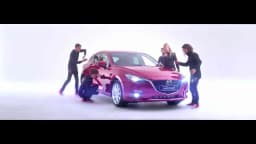
The 2011 "Schedule" campaign by Toyota, developed by the Brazilian agency Slogan, presents a focused effort to reinforce the brand’s reliability and alignment with dynamic lifestyles within the automotive sector. Through its digital medium format, the campaign positions Toyota as a practical yet aspirational choice for consumers seeking dependable vehicles that integrate seamlessly into daily schedules. The brand proposition centers on delivering a trustworthy and accessible automotive solution that supports an active, organized life, implicitly promising efficiency and peace of mind.
Strategically, the campaign leverages the insight that busy consumers in Brazil value time management and dependable transportation, tapping into the everyday rhythms of its target market. By situating the campaign in the digital space, Toyota aligns with a growing online user base in 2011, aiming to engage consumers where they increasingly seek information. The creative angle, embodied in the "Schedule" theme, implies an emotional and functional connection between the vehicle and the consumer’s need for order and reliability. The modest engagement metrics—over 8,000 views with limited likes and comments—suggest a niche reach or early digital marketing efforts in this regional context, reflecting the nascent stage of online automotive campaigns in Brazil at that time. Overall, the campaign reflects an approach designed to build trust and relevance through digital storytelling that resonates with practical priorities in the Brazilian automotive market.
FORMAT#1 DEMONSTRATION — Directly shows how a product works and highlights its benefits.
The campaign titled "Schedule" for Toyota from Brazil, released as a professional digital commercial, aligns best with the Demonstration format. There are no narrative cues suggesting a story arc, character-driven narrative, or exaggerated symbolism. The straightforward campaign title and genre context (automotive commercial), along with its direct link to a dealership's website, strongly suggest a focus on showcasing the product—likely demonstrating the vehicle’s features, performance, or specific scheduling-related benefits. The absence of story, testimonial, or celebrity signals reinforces this as a demonstration-driven automotive ad aimed at directly informing and persuading viewers through evident product utility and advantages.
1. Volkswagen – Market Positioning
Volkswagen positions itself as a brand offering German engineering quality with a strong focus on durability and affordability. It appeals to a broad audience by delivering reliable vehicles with innovative technology and a wide product range, balancing economy with style and performance, making it a leader in the Brazilian automotive market.
2. General Motors (Chevrolet) – Market Positioning
Chevrolet focuses on delivering practical, cost-effective vehicles with strong aftersales support. The brand emphasizes accessibility and versatility, catering to Brazilian families and young professionals, with a reputation for fuel efficiency, reliability, and toughness in its compact and midsize models.
3. Fiat – Market Positioning
Fiat leverages its strong local manufacturing presence in Brazil, promoting affordability and compact city cars suited for urban lifestyles. The brand is known for trend-conscious design, fuel economy, and a wide network of service centers, making it highly competitive in the entry-level and small car segments.
4. Ford – Market Positioning
Ford positions itself as a brand that combines robust engineering with modern design and utility. It targets consumers seeking performance and innovation, particularly in pickup trucks and SUVs, emphasizing toughness, technology integration, and driving dynamics tailored to Brazilian terrains and consumer needs.
5. Hyundai – Market Positioning
Hyundai differentiates through a value-driven approach, marrying contemporary styling with advanced features and generous warranties. It appeals to cost-conscious buyers looking for modern, reliable vehicles that offer technology and quality comparable to established players, while maintaining competitive pricing in the Brazilian market.
Q: What is Schedule about?
A: Schedule is a 2011 digital campaign created for Toyota by the Brazilian agency Slogan, targeting the automotive market in Brazil. The campaign centers on a professional commercial titled Comercial Newland Toyota 2011, which was distributed online and encourages viewers to visit the dealership’s website for more information. With its focus on reliability and integration into daily routines, the campaign seeks to position Toyota as the go-to brand for consumers who value dependable vehicles that support their busy, organized lifestyles. The work is presented in Portuguese and leverages digital channels to reach a growing online audience.
Q: What creative device does Schedule use?
A: Schedule employs the Demonstration format, as classified by Clapboard's 12-format taxonomy. This approach directly showcases the product’s features and benefits, emphasizing practical utility over narrative or testimonial elements. The campaign’s straightforward presentation, absence of storytelling or celebrity endorsement, and clear call to action all reinforce its focus on demonstrating Toyota’s reliability and suitability for everyday scheduling needs. By using this format, the campaign aims to inform and persuade viewers through visible product advantages, aligning with the expectations of consumers seeking functional automotive solutions.
Q: What is the campaign proposition for Schedule?
A: The campaign proposition for Schedule positions Toyota as a trustworthy and accessible automotive solution tailored to the needs of active, organized consumers in Brazil. By highlighting the brand’s reliability and ability to integrate seamlessly into daily schedules, Toyota addresses the priorities of a market that values time management and dependable transportation. The digital execution reflects an understanding of shifting consumer behaviors in 2011, targeting an audience increasingly seeking information and engagement online. This strategic stance reinforces Toyota’s promise of efficiency and peace of mind within the competitive Brazilian automotive sector.
Q: How does Schedule rank in Clapboard's archive?
A: Schedule holds a Clapboard Campaign Score of 48/100 in Clapboard's global ad archive. This score reflects the campaign’s creative ambition, execution quality, and cultural relevance as evaluated by Clapboard’s curatorial standards.
Q: Who are the competitors in Toyota's category?
A: In Brazil’s automotive market, Toyota competes with Volkswagen, which is known for German engineering, durability, and affordability across a broad product range; Chevrolet, which emphasizes practicality, cost-effectiveness, and strong aftersales support for families and young professionals; Fiat, which leverages local manufacturing to deliver affordable, compact cars suited for urban lifestyles; Ford, which targets consumers seeking robust engineering and innovation, especially in pickups and SUVs; and Hyundai, which appeals to value-driven buyers with contemporary styling, advanced features, and competitive pricing.


 ARCHIVE
.webp)