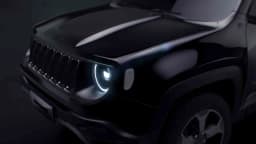
The Mitsubishi "Obstacles" campaign, launched in Brazil in 2011, centers on reinforcing the brand's promise of reliability and capability in challenging environments. By positioning the Mitsubishi Outlander as a vehicle equipped to overcome physical and metaphorical barriers, the campaign aims to communicate a value proposition rooted in durability, strength, and versatility. This aligns with the broader automotive market demand for SUVs that combine performance with adaptability, catering to consumers who seek confidence and resilience in their vehicle choice.
From a strategic standpoint, the campaign leverages the insight that Brazilian drivers value vehicles capable of navigating diverse and often unpredictable terrains, reflective of both urban and rural conditions in the market. The creative approach likely illustrates scenarios where the Outlander confronts and masterfully handles obstacles, reinforcing the brand's technical prowess and reliability. This tactic connects emotionally with an audience seeking assurance that their vehicle will support them through everyday challenges or adventurous endeavors. By focusing on real-world functionality rather than purely aesthetic appeal, the campaign effectively targets pragmatic buyers interested in utility and performance. The use of film as a medium facilitates a vivid, immersive portrayal of the vehicle’s strengths, enhancing audience engagement and reinforcing Mitsubishi’s position within the competitive automotive landscape in Brazil.
FORMAT#1 DEMONSTRATION — Directly shows how a product works and highlights its benefits.
The campaign titled "Obstacles" for Mitsubishi Outlander, produced by Africa agency in Brazil, most likely utilizes the Demonstration format. The automotive sector frequently employs this device, and the title, "Obstacles," strongly suggests that the vehicle is being showcased overcoming challenging terrain or roadblocks, directly illustrating its performance capabilities. Without evidence of a narrative arc, problem-solution dialogue, or symbolic storytelling, the campaign appears focused on visually demonstrating the Outlander's features — such as durability, handling, or 4x4 prowess — in action. The emphasis on the car's practical application points specifically to a straightforward demonstration format rather than a story, user imagery, or symbolic analogy.
ADVERTISING FORMATS EXPLAINED: https://www.clapboard.com/blog/branding-and-advertising/brand-strategy/12-advertising-creative-formats
1. Volkswagen – Market Positioning
Volkswagen positions itself as a brand delivering German engineering quality combined with innovative technology and stylish design. In Brazil, it appeals to a broad audience by offering reliable, fuel-efficient vehicles across multiple segments, emphasizing value for money and a strong dealer network.
2. Fiat – Market Positioning
Fiat is positioned as an affordable, practical, and highly accessible brand in Brazil. It focuses on compact cars suited for urban environments and promotes strong after-sales services, appealing to cost-conscious consumers looking for reliability and efficiency in everyday driving.
3. Chevrolet – Market Positioning
Chevrolet leverages its global brand heritage with a focus on ruggedness and durability, especially in pickup trucks and SUVs. It combines contemporary styling with advanced safety and infotainment features to attract families and adventure-seekers in the Brazilian market.
4. Ford – Market Positioning
Ford focuses on a blend of performance and innovation, emphasizing robust engineering and sporty appeal. Their trucks and SUVs embody toughness and capability, targeting buyers who seek both utility and driving enjoyment, supported by a reputation for powertrains and safety.
5. Honda – Market Positioning
Honda positions itself around reliability, fuel efficiency, and technological innovation with a premium feel. It appeals to buyers valuing a fun-to-drive experience combined with low ownership costs, strong resale value, and advanced engineering, particularly in sedans and compact SUVs.
Q: What is Obstacles about?
A: Obstacles is a professional campaign launched in Brazil in 2011 for Mitsubishi, created by the agency Africa. This film medium campaign targets the automotive sector, specifically showcasing the Mitsubishi Outlander. The central creative idea revolves around demonstrating the Outlander’s ability to overcome various challenges, positioning it as a reliable and versatile vehicle for consumers navigating both everyday and extraordinary obstacles. Through compelling storytelling and visually engaging cinematography, the campaign reinforces Mitsubishi’s brand promise of durability, innovation, and adventure, resonating with an audience seeking performance and dependability in their automotive choices.
Q: What creative device does Obstacles use?
A: Obstacles employs the Demonstration format, as classified by Clapboard’s 12-format taxonomy. This approach directly showcases how the Mitsubishi Outlander performs in challenging situations, highlighting its practical benefits and technical capabilities. Rather than relying on narrative storytelling or symbolic imagery, the campaign visually demonstrates the vehicle’s strengths—such as durability, handling, and adaptability—by placing it in scenarios where it must overcome physical obstacles. This straightforward, product-focused technique is a staple in automotive advertising and serves to clearly communicate the Outlander’s value proposition to the target audience.
Q: What is the campaign proposition for Obstacles?
A: The campaign proposition for Obstacles centers on reinforcing Mitsubishi’s promise of reliability and capability in demanding environments. By positioning the Outlander as a vehicle equipped to overcome both physical and metaphorical barriers, the campaign speaks directly to Brazilian consumers who value strength, durability, and versatility in their vehicles. This message is particularly relevant in a market where drivers often face diverse and unpredictable terrains. By focusing on real-world functionality and practical performance, the campaign appeals to pragmatic buyers seeking confidence and resilience from their SUV, effectively aligning with broader market demands for adaptable and dependable automotive solutions.
Q: How does Obstacles rank in Clapboard's archive?
A: Obstacles holds a Clapboard Campaign Score of 63/100 in Clapboard’s global ad archive. This score reflects the campaign’s creative ambition, execution quality, and cultural relevance within the automotive sector, as assessed by Clapboard’s curatorial standards.
Q: Who are the competitors in Mitsubishi's category?
A: In the Brazilian automotive market, Mitsubishi competes with several key brands. Volkswagen is known for its German engineering, innovative technology, and broad appeal through reliable, fuel-efficient vehicles. Fiat emphasizes affordability and practicality, targeting urban drivers with compact cars and strong after-sales support. Chevrolet leverages its global heritage and focuses on ruggedness and advanced features, appealing to families and adventure-seekers. Ford combines performance and innovation, offering robust SUVs and trucks with a sporty edge. Honda stands out for reliability, fuel efficiency, and technological innovation, attracting buyers who value a premium yet practical driving experience.


 ARCHIVE
.webp)