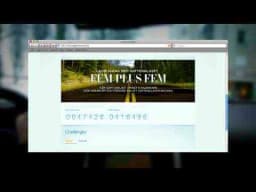
The 2009 Mini campaign titled "Augmented Reality" leverages emerging technology to reinforce the brand’s proposition of innovation and driver engagement within the automotive market. By blending print media with internet interaction through a webcam and Metaio software, Mini positions itself as a forward-thinking brand that embraces cutting-edge digital experiences to enhance customer interaction. The underlying promise is that Mini offers not just a vehicle, but a dynamic, tech-savvy lifestyle that integrates seamlessly with modern digital tools.
The campaign’s market strategy hinges on the insight that automotive consumers are increasingly attracted to experiential and immersive content. By utilizing augmented reality, the campaign targets tech-minded, early adopters who value interactivity and novel forms of engagement beyond traditional advertising. The creative execution—a fusion of physical and digital media—allows Mini to stand out in a competitive market by offering a unique, memorable user experience. This approach not only captures attention but also encourages deeper involvement with the brand, effectively merging offline and online touchpoints. The campaign’s ambient nature suggests a strategic effort to create organic discovery and word-of-mouth momentum among a niche, digitally savvy segment, aligning with Mini’s image as a small, agile, and innovative automotive brand.
FORMAT#1 DEMONSTRATION — Directly shows how a product works and highlights its benefits.
This campaign fits the Demonstration format because its core creative device is technically showcasing the innovative use of augmented reality. The narrative focuses on combining print media and digital interaction via webcam and specialized software, spotlighting a unique technology rather than telling a story or dramatizing a problem. The campaign's highlight is the direct demonstration of how viewers can interact with a MINI through AR by using specific tools, clearly presenting the product’s cutting-edge attributes in action without relying on metaphors, testimonials, user imagery, or fictional narratives.
1. Fiat – Market Positioning
Fiat positions itself as an affordable, stylish, and efficient automotive brand that combines Italian design flair with practicality. It focuses on compact and city-friendly vehicles with a strong emphasis on fuel efficiency and urban mobility, appealing to young, budget-conscious consumers seeking a blend of tradition and modernity.
2. Volkswagen – Market Positioning
Volkswagen balances reliability, quality, and German engineering with an extensive product range from compact cars to SUVs. Known for its “Das Auto” tagline, VW emphasizes precision, performance, and innovation, targeting a broad market segment including families and professionals looking for trusted, well-built vehicles.
3. Audi – Market Positioning
Audi focuses on premium engineering and advanced technology combined with sleek design and a sporty performance edge. It targets the luxury and performance-seeking customer who values innovation, quattro all-wheel drive, and sophisticated interiors, marking itself as a leader in modern luxury automotive experiences.
4. BMW – Market Positioning
BMW’s brand mantra, “The Ultimate Driving Machine,” highlights superior driving dynamics, performance, and luxury craftsmanship. It appeals to drivers who prioritize sporty handling and advanced technology in a premium package, with a strong presence in both performance and executive vehicle segments.
5. MINI Cooper (within BMW Group) – Market Positioning
Although part of BMW, MINI positions itself uniquely as a premium compact car brand with British heritage, focusing on individuality, style, and fun driving experiences. It emphasizes customization, urban agility, and a youthful, energetic lifestyle, differentiating itself through design and cultural icon status.
Q: What is Augmented reality about?
A: Augmented reality is a professional campaign launched in 2009 for Mini, targeting the automotive market with an innovative ambient approach. Developed to fuse print media with digital technology, the campaign leveraged webcam interaction and Metaio software, allowing users to experience the Mini brand through an interactive augmented reality interface. This pioneering effort enabled audiences to engage with a virtual Mini vehicle in real time, positioning the brand as a leader in digital innovation. The campaign was published in the automotive sector and features one media asset, reflecting Mini’s commitment to immersive, tech-forward consumer experiences.
Q: What creative device does Augmented reality use?
A: According to Clapboard’s 12-format taxonomy, Augmented reality employs FORMAT#1 DEMONSTRATION as its core creative device. The campaign directly showcases how augmented reality technology can be used to interact with a Mini vehicle, highlighting the product’s innovative features through a live demonstration. By combining print media with webcam-enabled digital interaction, the campaign avoids narrative storytelling or metaphor, instead focusing on a clear, technical display of the brand’s cutting-edge capabilities. This approach aligns with the Demonstration format, where the product’s benefits are shown in action to engage and inform the audience.
Q: What is the campaign proposition for Augmented reality?
A: The campaign proposition for Augmented reality centers on Mini’s positioning as an innovative, forward-thinking automotive brand that prioritizes driver engagement and digital integration. By blending traditional print with interactive augmented reality via webcam and Metaio software, Mini targets tech-savvy, early adopters who value experiential and immersive content. The campaign’s strategic message is that Mini offers more than just a car—it delivers a dynamic, digitally enhanced lifestyle that resonates with consumers seeking modern, interactive brand experiences. This approach is designed to differentiate Mini in a competitive market by emphasizing its commitment to technological advancement and consumer involvement.
Q: How does Augmented reality rank in Clapboard's archive?
A: Augmented reality holds a Clapboard Campaign Score of 82/100 in Clapboard’s global ad archive. This score reflects the campaign’s creative ambition, execution quality, and cultural relevance within the automotive sector, as assessed by Clapboard’s curatorial authority.
Q: Who are the competitors in Mini's category?
A: In the automotive category, Mini competes with brands such as Fiat, which is known for its affordable, stylish, and efficient vehicles tailored to urban mobility and young, budget-conscious consumers. Volkswagen stands out for its reputation in reliability, quality, and German engineering, targeting a wide audience from families to professionals. Audi appeals to luxury and performance seekers with advanced technology and sophisticated design, while BMW emphasizes sporty handling and premium craftsmanship for drivers prioritizing performance and innovation. Each of these brands brings a distinct approach to the market, shaping the competitive landscape in which Mini operates.


 ARCHIVE
.webp)