


Bone VS Steel - SAAQ | Clapboard Ad Archive
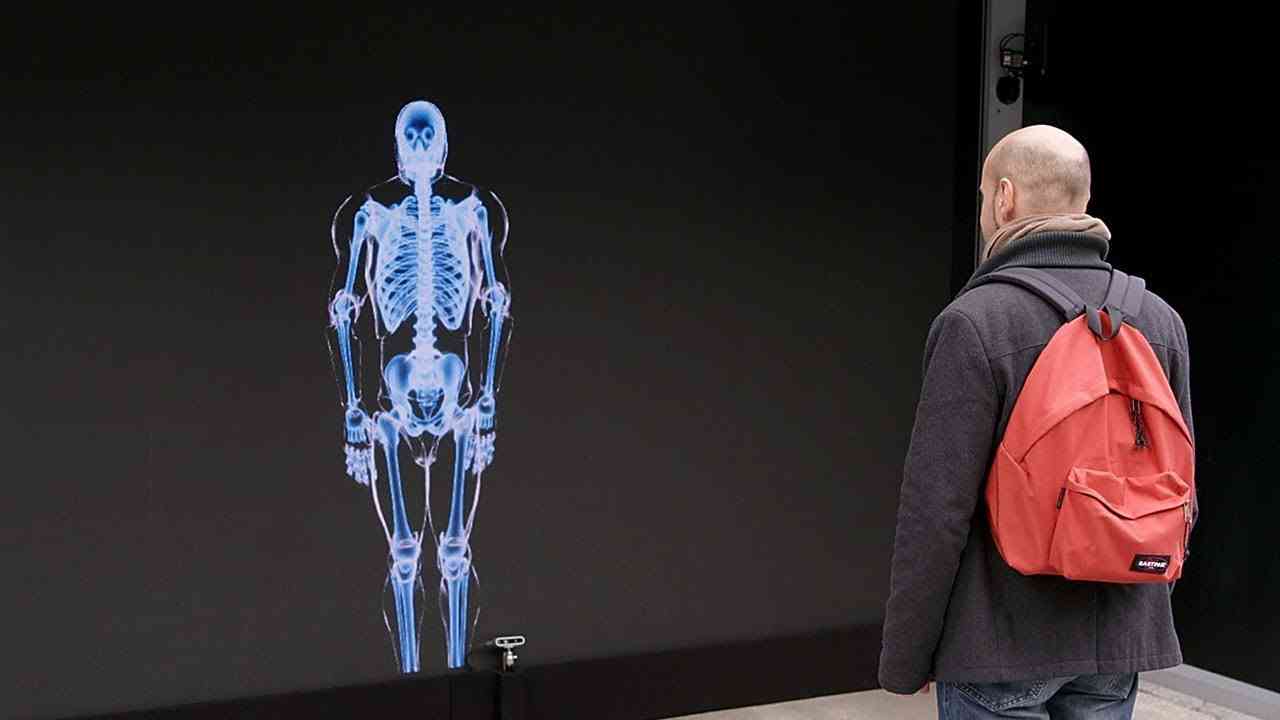
Bone VS Steel is a public interest campaign launched in Canada in 2018 by Lg2 for SAAQ that confronts pedestrian safety with a stark and unambiguous message about vulnerability in urban traffic environments. Centering on the symbolic contrast between fragile human bones and unyielding steel vehicles, the campaign distills the life-or-death stakes of crossing intersections into a visceral analogy that bypasses literal depictions of accidents or injuries. This approach situates Bone VS Steel firmly within Clapboard’s FORMAT#3—Symbolize the Problem—where the creative strategy relies on a powerful metaphor to represent risk rather than showing the problem explicitly. The campaign’s tagline, Bone VS steel, you don’t stand a chance, delivers a concise and memorable call to action that underscores the disproportionate danger pedestrians face against motorized traffic, reinforcing the urgency of crossing intersections with care. By utilizing outdoor placements strategically positioned where both pedestrians and drivers are highly likely to engage with the message, the campaign maximizes situational relevance and retention, making the communication both timely and contextually potent. Lg2’s execution leverages the raw visual and conceptual tension between bone and steel to generate immediate cognitive and emotional impact, which is crucial in public service messaging that must cut through the noise of urban environments. The campaign’s focused simplicity and directness align with the demands of public interest advertising to provoke safer behaviors and reduce pedestrian accidents through heightened awareness. The campaign earns 67/100 in Clapboard’s global creative archive. Bone VS Steel matters to the industry because it demonstrates how symbolic representation can distill complex safety issues into instantly graspable and emotionally resonant messages that elevate public service communications beyond conventional didactic approaches.






.webp)


