Augmented Reality Political Campaign - Overly | Clapboard Ad Archive
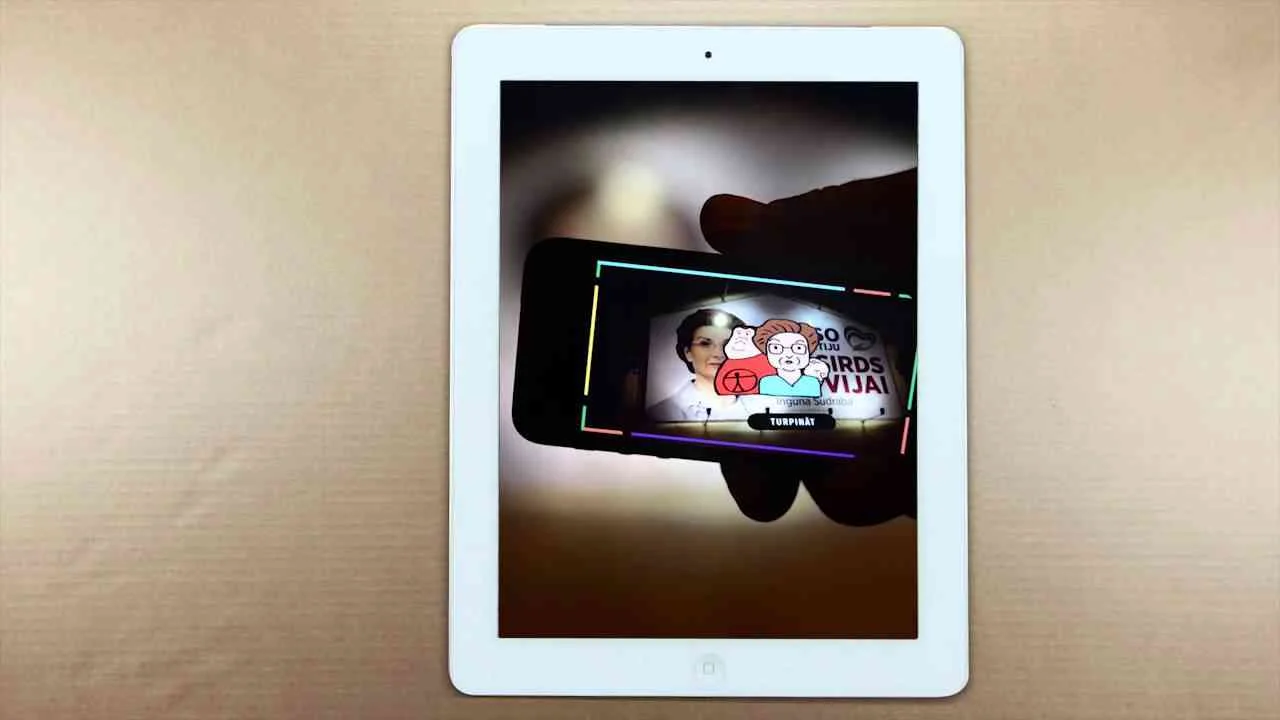
Overly’s Augmented Reality Political Campaign for IR magazine in 2017 broke the mould of public interest communications in Latvia by transforming the most attention-rich medium of the election cycle—outdoor political ads—into interactive critiques that put truth at the fingertips of every voter. Tasked with countering political parties’ overwhelming dominance of OOH media, IR magazine partnered with Overly, a Latvian tech startup, to leverage their accessible augmented reality app and expose the inconvenient, unspoken realities behind campaign posters: broken promises, suspect connections, and track records politicians are rarely eager to advertise. The creative achievement here sits squarely within what Clapboard’s taxonomy classifies as FORMAT#1—Demonstration, as the campaign’s power resided in enabling the public to literally unlock concealed histories by scanning any political ad with Overly’s app, which then revealed expanded, fact-checked content prepared by IR magazine directly on the voter’s device. The initiative’s strength lay in utilizing technology not merely as a distribution tactic, but as a mechanism for civic empowerment: voters became active investigators, and the act of encountering campaign marketing was reoriented from passive reception to critical engagement. The campaign went beyond the limitations of paid placements and print journalism, effectively multiplying IR magazine’s editorial voice across the very media political actors sought to control. The choice of tool—a no-code AR solution—was as strategic as the creative device, lowering the barrier for wide-scale public use and signaling how future-facing platforms can radically scale transparency in the public services space. While the media asset was singular, the conceptual reach was broad, reframing OOH from a territory marketers and parties own to an open domain for scrutiny and accountability, and demonstrating the accelerating intersection of AR and public interest design. Contemporaneous coverage, trade commentary, and overviews from the market category underline how this approach foreshadowed later efforts to use tech in election monitoring, but the campaign stands as a particularly pure instance of product-led creative in political communication—no figureheads, no metafiction, just functional proof that an app can recalibrate the balance of power between publisher and politician. Clapboard rates this 73/100. With this campaign, the calibration of technology, editorial vision, and direct voter interaction signals a new playbook for watchdog brands seeking to rewrite the OOH rules of elections in the digital age.


.webp)