


Varun Katyal | Founder, Clapboard
Varun Katyal is the Founder & CEO of Clapboard and a former Creative Director at Ogilvy, with 15+ years of experience across advertising, branded content, and film production. He built Clapboard after seeing firsthand that the industry’s traditional ways of sourcing talent, structuring teams, and delivering creative work were no longer built for the volume, velocity, and complexity of modern content. Clapboard is his answer — a video-first creative operating system that brings together a curated talent marketplace, managed production services, and an AI- and automation-powered layer into a single ecosystem for advertising, branded content, and film. It is designed for a market where brands need content at a scale, speed, and level of specialization that legacy agencies and generic freelance platforms were never built to deliver. The thinking, frameworks, and editorial perspective behind this blog are shaped by Varun’s experience across both the agency world and the emerging platform-led future of creative production. LinkedIn: https://www.linkedin.com/in/varun-katyal-clapboard/
The Psychology Behind Low Angle Shots in Storytelling
How Low Angle Shots Influence Audience Emotions
The low angle shot is not just a stylistic flourish—it’s a psychological lever. Place the camera below eye level and you immediately shift the audience’s emotional posture. A character framed from below becomes larger than life, their presence magnified. This isn’t accidental. The psychological impact of camera angles is rooted in how we instinctively read body language and hierarchy. A low angle shot can make a character feel dominant, imposing, even mythic—think of the classic hero reveal or the villain’s monologue, both transformed by a simple change in perspective.
Creating Power or Vulnerability with Camera Angles
But the power of a low angle isn’t binary. Context is everything. In commercial and branded content, a CEO shot from below can signal authority and vision. In narrative film, that same angle—paired with harsh light or an empty set—might tip into intimidation or isolation. Visual storytelling hinges on these nuances. A low angle can elevate a protagonist to heroic status, but it can just as easily expose their vulnerability if the environment dwarfs them or the frame is wide and sparse. The camera doesn’t just record; it interprets, and the audience feels that interpretation instinctively.
Psychological Tricks Used by Cinematographers
Experienced cinematographers exploit the psychological impact of camera angles to direct emotional response. Subtle tilts, lens choice, and composition all amplify or subvert the expected effect. For example, a slight low angle with a long lens compresses space, making the subject feel trapped by their own power. A wide lens exaggerates scale, sometimes making authority feel absurd or precarious. These choices aren’t about technical prowess—they’re about shaping audience perception at a gut level. When deployed with intention, the low angle shot becomes a tool for psychological storytelling, guiding viewers to feel exactly what the director wants, whether awe, discomfort, or empathy.
Understanding the psychology behind low angle shots is essential for anyone serious about visual storytelling. The best work doesn’t just show power or vulnerability—it makes the audience feel it, frame by frame.
What Is a Low Angle Shot? Understanding the Basics
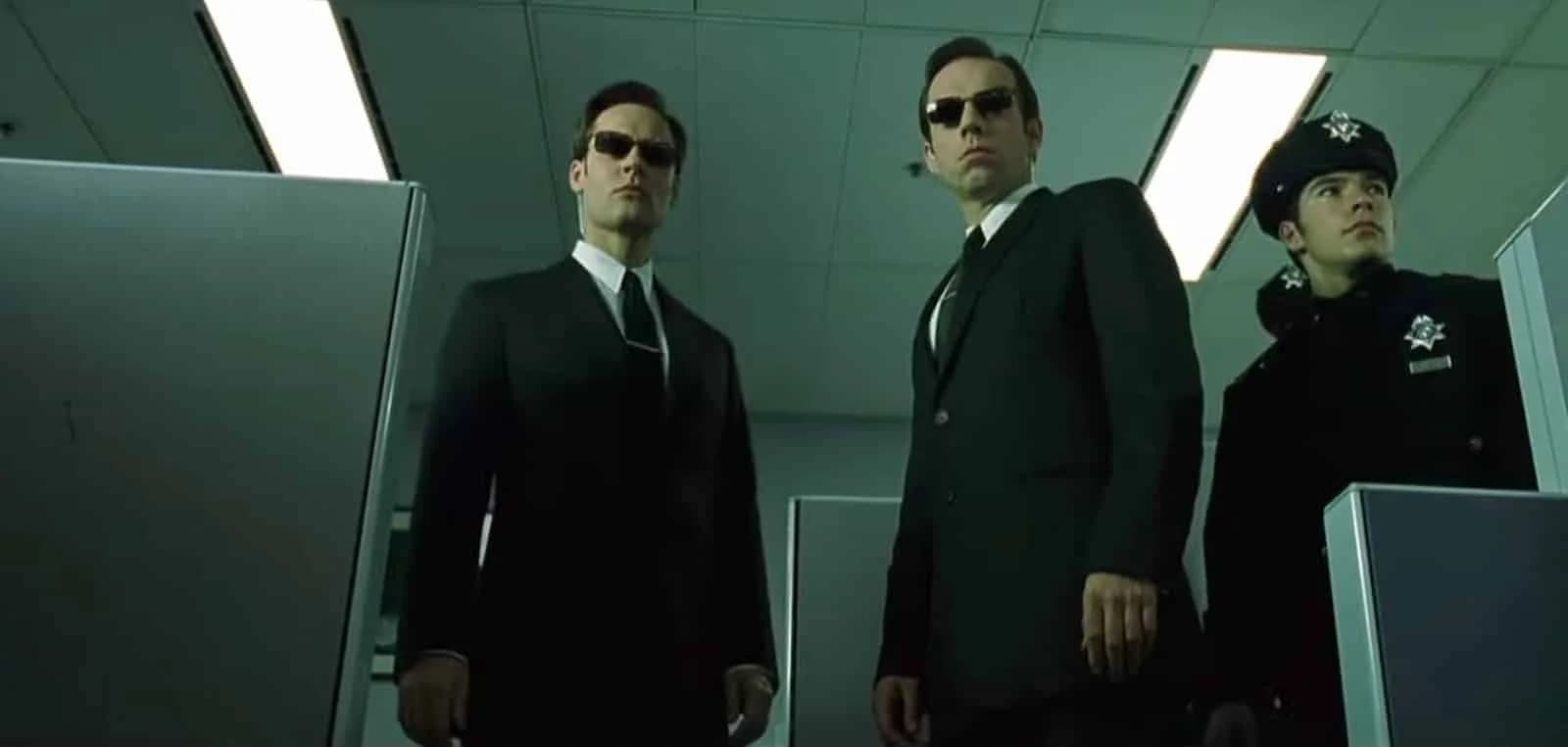
A low angle shot is a foundational tool in the cinematography basics arsenal. It’s defined by the camera’s position: placed below the subject, angled upward. This low angle camera angle exaggerates height, power, or dominance, often making the subject appear imposing or significant. The effect is immediate and visceral—viewers are forced to look up, shifting the psychological dynamic between subject and audience.
In practice, the camera is typically set anywhere from ground level to just below waist height, pointed up toward the subject. The lens choice and degree of tilt can dramatically influence the shot’s impact, but the constant is that the perspective comes from beneath the subject’s eyeline. This differs sharply from eye-level shots, which maintain neutrality, and high angle shots, which diminish the subject and suggest vulnerability or weakness. A low angle shot flips that power dynamic on its head.
How to Identify a Low Angle Shot in Movies
Spotting a low angle shot is straightforward once you know what to look for. The subject—often a person, sometimes an object—dominates the frame from a vantage point that feels physically lower than the action. You’ll see ceilings, sky, or the underside of architecture behind them, rather than a background at eye level. This visual cue is unmistakable in genres that thrive on power play, like action, drama, or superhero films.
Low Angle Shot vs High Angle Shot: Key Differences
While both are classic camera angles in film, their intent is opposite. A low angle shot empowers, making subjects loom larger. A high angle shot, by contrast, looks down from above, diminishing the subject’s presence. The choice between them is rarely aesthetic alone—it’s a deliberate narrative decision, signaling who holds power in the scene.
The Origins of Low Angle Shots in Cinematic History
Low angle shots have been part of visual storytelling since early cinema. They’re a favorite in both classic and contemporary films for their ability to alter perception with a simple shift in perspective. Understanding this technique is essential for anyone serious about the craft. For a deeper dive, see our camera angle guide and film terminology explained resources.
When to Use a Low Angle Shot: Creative and Practical Decision-Making
Creative Reasons to Choose a Low Angle Shot
A low angle shot isn’t just a visual trick—it’s a deliberate choice that shapes perception. When you want to make a character or object loom larger than life, this angle delivers. Think of how Batman towers in “The Dark Knight” or the grandeur of the Fellowship in “The Lord of the Rings.” The camera’s position signals power, heroism, or even intimidation, depending on context (Filmustage, 2023). It’s about more than scale; it’s about attitude. A low angle can turn a mundane entrance into a statement, or a quiet moment into a declaration.
Low Angle Shots in Action vs. Drama Scenes
Shot selection always serves story. In action, a low angle shot pulls the viewer into the kinetic chaos, placing them at the feet of the action—close to the ground, close to the stakes. It’s a tool for dynamism, making punches land harder and explosions feel bigger. In drama, the same angle can do the opposite: it can make a character feel isolated or vulnerable, especially when used indoors or with off-kilter framing (StudioBinder, 2023). The same technique, two different emotional outcomes. This is where film direction and creative camera choices intersect—understanding not just what looks good, but what feels right for the moment.
Balancing Practicality and Creativity on Set
There’s the creative impulse, and then there’s the reality of set logistics. Low angle shots are often more practical than their high-angle counterparts; you don’t need a crane, just a stable tripod and maybe a sandbag. But location matters: tight spaces can limit how low you can go, and lighting from below risks creating unflattering shadows. Movement complicates things further—tracking a subject from a low angle demands careful choreography to avoid revealing unwanted set elements or breaking the illusion. Every shot selection is a negotiation between vision and what’s physically possible.
In practice, a low angle shot is most effective when it serves a clear narrative purpose and fits within the production’s constraints. It’s a tool, not a gimmick. Use it when the story demands it, and your audience will feel the impact—whether they notice the camera or not.
Low Angle Shot Examples: Visual Impact Across Genres
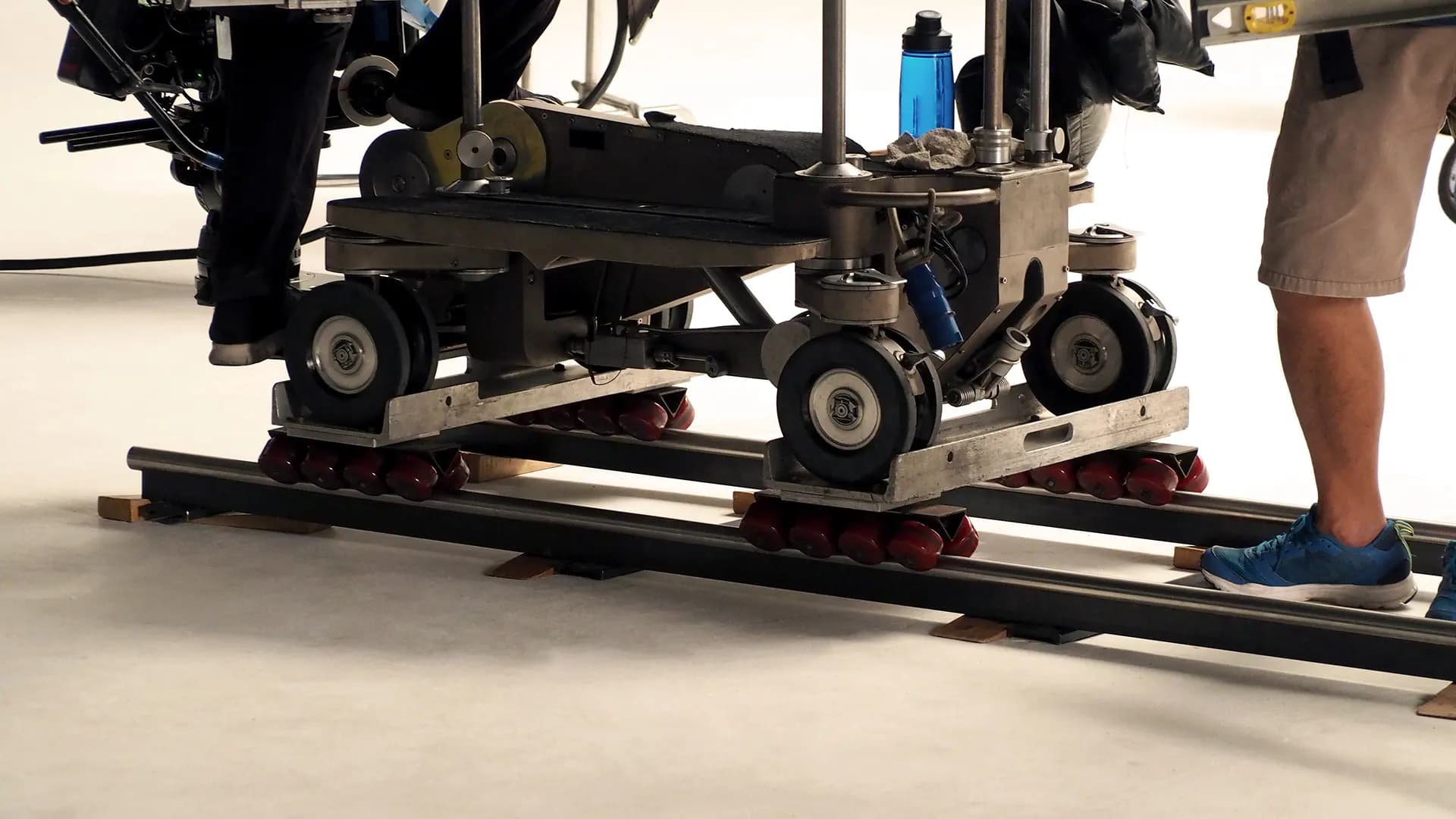
Low angle shot examples are a masterclass in visual storytelling. The angle isn’t just a technical flourish — it’s a deliberate tool that shapes audience psychology, genre tone, and character perception. Across genres, the low angle shot in film is deployed with intention, embedding authority, menace, or vulnerability directly into the frame. The results are anything but subtle, and the best filmmakers know exactly when to wield this perspective for maximum effect.
Low Angle Shots in Action Movies: What Works
In action films, low angle shots are shorthand for power. They’re not just about making heroes look tall — they signal dominance, control, and mythic scale. Christopher Nolan’s The Dark Knight uses low angles to transform Batman into a force of nature: larger than life, unassailable, and always in command (Filmustage, 2023). The camera doesn’t just look up at the character; it asks the audience to do the same. This motif recurs in countless blockbusters, from the Marvel universe to Bond — always reinforcing the genre’s appetite for spectacle and heroism. For filmmakers, the lesson is clear: when you want the audience to feel the weight of a character’s presence, get low and let the frame do the heavy lifting.
Using Low Angle Shots in Horror for Tension
Horror thrives on unease, and the low angle shot is a reliable trigger. The genre weaponizes perspective to make threats feel inescapable. Consider the iconic use in Halloween, where Michael Myers is rendered imposing and inevitable — even when still, he dominates the space, the camera’s gaze cementing his status as the unstoppable other (Authory, 2023). Similarly, Hitchcock’s Psycho uses the low angle to turn Norman Bates into a looming, unpredictable danger. The lesson for practitioners: in horror, the low angle is less about power and more about dread — it’s the architecture of fear, built right into the shot list.
How Dramas Use Low Angle Shots to Convey Emotion
In drama, the low angle shot is more nuanced. It can elevate a character’s emotional state, signal a shift in power, or underscore vulnerability. Tarantino’s Pulp Fiction employs a low angle after a run of neutral shots, suddenly making a character’s authority explicit and felt. This pivot is a reminder: in drama, camera angle examples are at their most effective when they break pattern. The visual analysis here is about restraint — using the low angle sparingly, so that when it arrives, its impact is undeniable. For directors and DPs, it’s a question of timing and contrast, not just composition.
Across genres, low angle shot examples reveal how a simple shift in perspective can define entire narratives. The most memorable uses are never arbitrary — they’re calculated, genre-aware, and always in service of the story. For anyone serious about film shot breakdowns or seeking cinematography examples that matter, the low angle shot remains an essential, versatile tool.
Trade-Offs and Challenges: The Limits of the Low Angle Shot
Common Pitfalls When Using Low Angle Shots
Every cinematographer knows the low angle shot carries weight—sometimes literally. But low angle shot limitations become clear when the visual intent clashes with narrative clarity. Used indiscriminately, these angles can undermine character relatability, making protagonists appear cold or inaccessible when the story demands empathy. Audiences sense manipulation when every moment is shot for dominance or intimidation. It’s a filmmaking mistake that can flatten nuance, turning subtext into sledgehammer.
Technical Challenges of Shooting from Below
There’s a technical side to these camera angle challenges. Distortion creeps in fast—wide lenses exaggerate features, making faces bulbous and backgrounds skewed. Lighting is rarely forgiving: shadows stretch, practicals get in the frame, and set design details not meant for scrutiny become distracting. Even blocking becomes a chess match; actors must hit precise marks or risk awkward compositions. These are not hypothetical headaches—they’re daily realities on set, especially when the schedule is tight and the client expects polish.
How to Avoid Overusing Low Angle Camera Angles
Overuse is the silent killer. When every shot leans low, the effect dulls. Impact is lost; power becomes parody. The best cinematographers deploy low angles with intent, not habit. Alternatives—like a subtle eye-level push or a carefully composed Dutch tilt—can deliver presence without overstatement. Sometimes, a well-framed medium shot does more for authority than any camera on the floor. It’s about matching shot composition to story beats, not chasing visual tricks.
Low angle shot limitations are not just theoretical—they’re practical, lived, and often learned the hard way. Recognizing when to hold back is as much a part of the craft as knowing when to push in. For a deeper dive into common cinematography errors and shot composition tips, understanding these trade-offs will keep your visual storytelling sharp—and your audience engaged.
Combining Low Angle Shots with Camera Movement
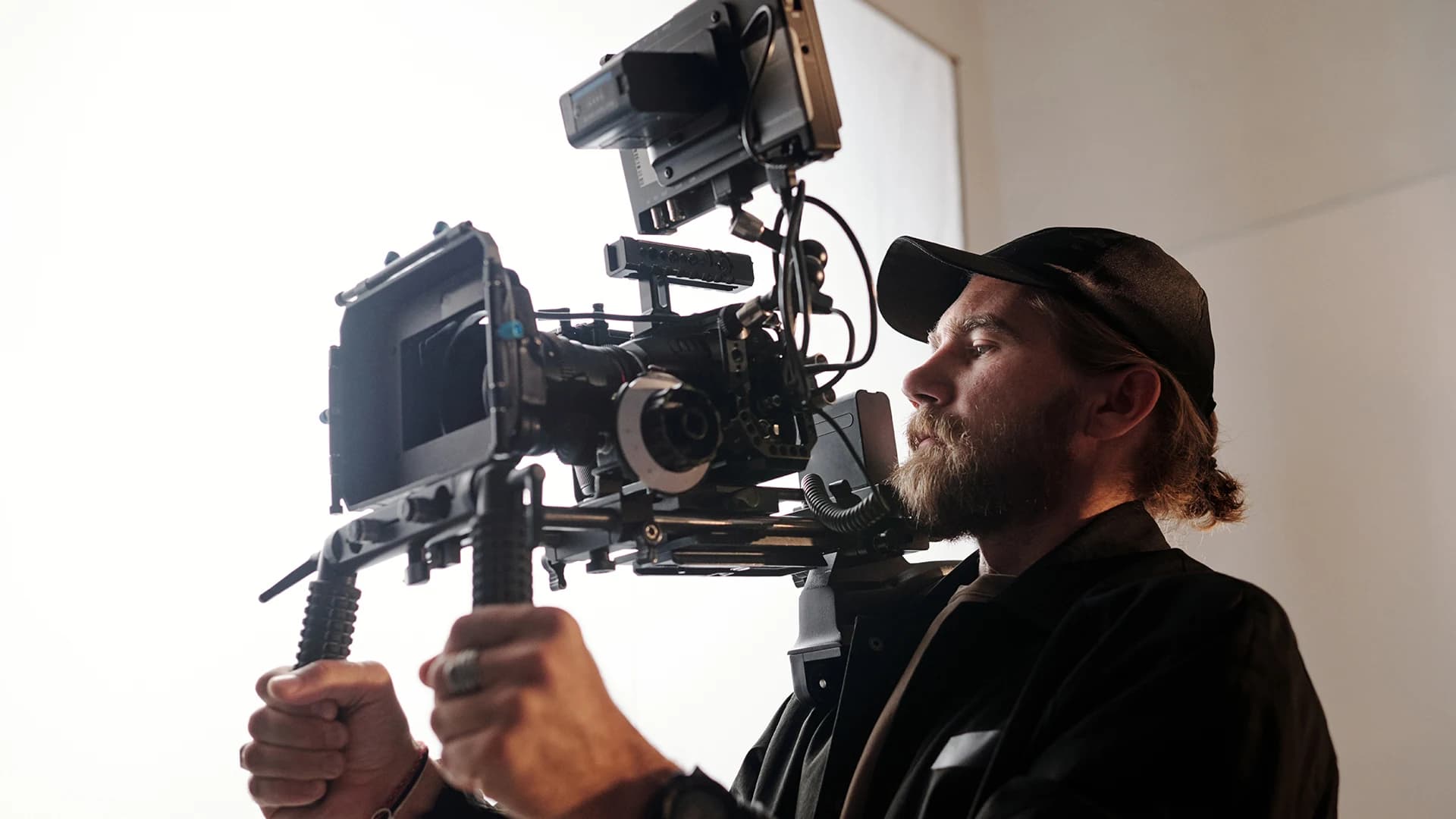
The low angle shot with camera movement is a force multiplier in dynamic cinematography. When the lens sits below eye level and the camera itself is in motion, you’re not just capturing a subject — you’re shaping how the audience feels about power, momentum, and space. The result is a shot that’s inherently more charged, more immersive, and far more expressive than a static low angle alone.
Best Camera Moves for Low Angle Shots
Three moving camera techniques consistently elevate low angle work: dolly, steadicam, and crane. A low angle dolly shot can track a character’s stride, grounding them in dominance or urgency. Steadicam, when operated close to the floor, injects fluidity and intimacy — perfect for following action or creating a subjective, in-the-moment feel. Crane moves from a low angle, meanwhile, let you ascend or sweep, shifting scale and perspective in a single, elegant motion.
How Movement Changes the Low Angle Shot’s Impact
Movement transforms the psychological weight of a low angle shot. Tracking shots from below can make a subject seem not just imposing, but unstoppable. A slow push-in intensifies focus, while lateral moves can reveal context or tension in the environment. The viewer’s eye is guided, not just to the subject, but through a deliberate emotional arc — energy, threat, awe, or anticipation, all dialed up by the choreography of camera and actor.
Planning Tracking Shots from a Low Angle
Executing a low angle shot with camera movement is a technical negotiation. You’re balancing lens choice, rig clearance, and actor choreography. Pre-visualization is essential: map the floor, anticipate obstacles, and rehearse blocking until the move is second nature. Don’t just chase spectacle — design each move to serve the story. When done right, these shots don’t just look impressive; they become the pulse of the sequence.
For deeper dives into camera movement techniques and advanced shot design, explore our dedicated guides.
Low Angle Shot vs. Other Camera Angles: Strategic Comparison
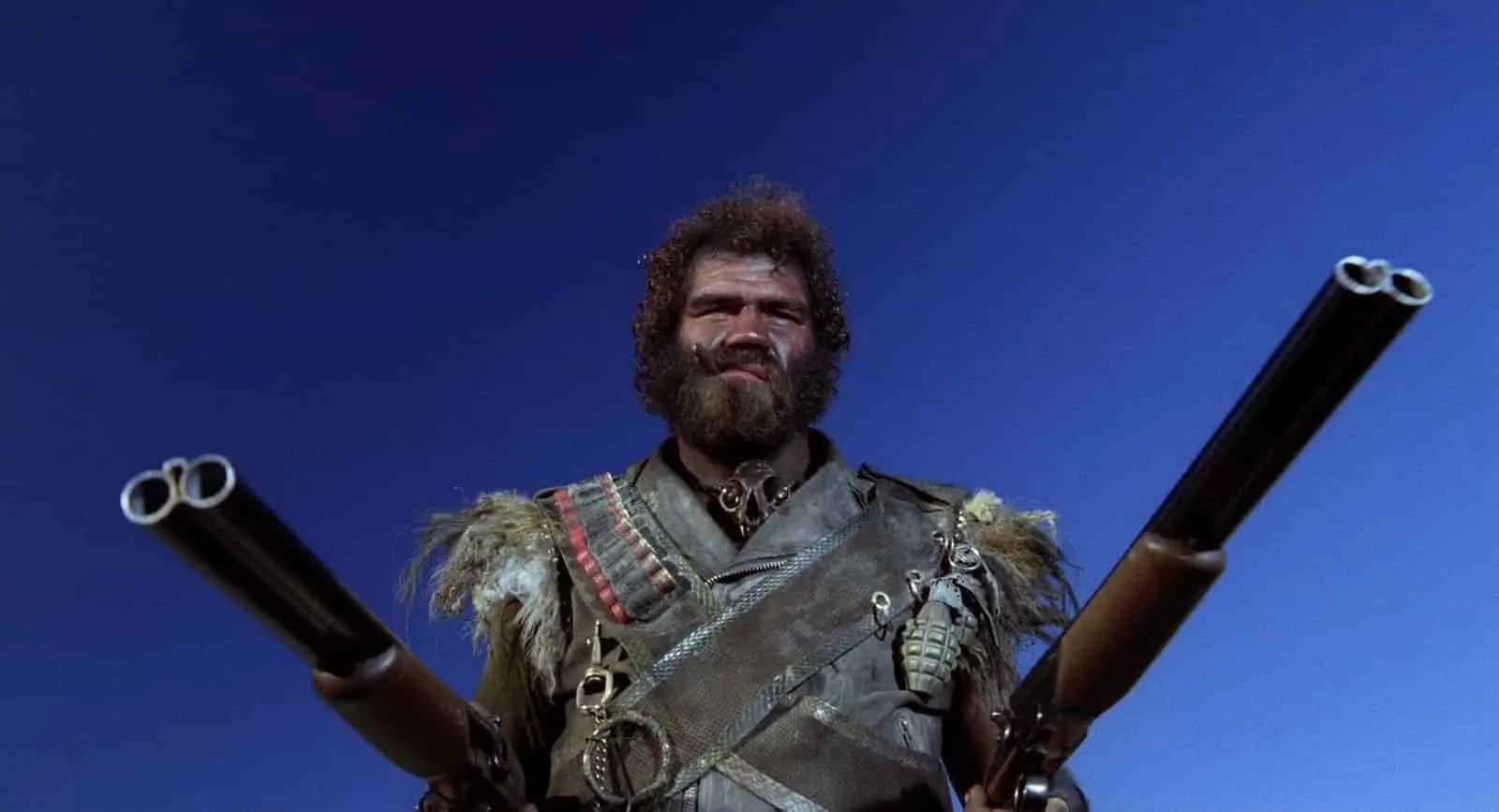
“Low angle shot vs other angles” isn’t an academic exercise—it’s a daily, deliberate choice on set. Each angle is a tool, not a style. The low angle shot is about power, presence, and perspective. It pushes subjects above the viewer, distorting scale and shifting the emotional center of gravity. But every angle has its moment, and knowing when to deploy each is what separates the technician from the storyteller.
Low Angle Shot vs High Angle Shot: Strategic Uses
Low and high angle shots are opposites on the axis of authority. Low angles elevate, making characters or objects imposing, sometimes even mythic. High angle shots invert that: they diminish, isolate, or expose vulnerability. If you want the audience to feel a character’s dominance, use a low angle; to suggest weakness or scrutiny, flip to a high angle. The strategic choice depends on who should hold the psychological upper hand in the frame.
When to Use Dutch Angle Instead of Low Angle
The Dutch angle is for disorientation, tension, or unease—when the world is off-kilter. Unlike the low angle, which anchors power, the Dutch angle unsettles. If your scene needs to communicate chaos, paranoia, or a break from reality, the Dutch angle is the sharper tool. But overuse blunts its effect. Use it sparingly, and only when the story’s reality is meant to shift beneath the viewer’s feet.
Mixing Camera Angles for Maximum Impact
Cross-cutting between low angle, high angle, and eye level shots is narrative choreography. Eye level is the baseline—neutral, honest, and unobtrusive. Move from eye level to low angle to signal a power shift. Cut to high angle for vulnerability. Intercutting these perspectives is a way to shape audience allegiance and emotional response, not just to vary coverage. The craft is in the transitions, not just the setups.
Choosing the right angle isn’t about what looks cool; it’s about what serves the story. For a deeper dive into this decision-making, see our camera angle comparison and choosing the right shot guides.
Planning and Shot Listing Low Angle Shots for Your Production
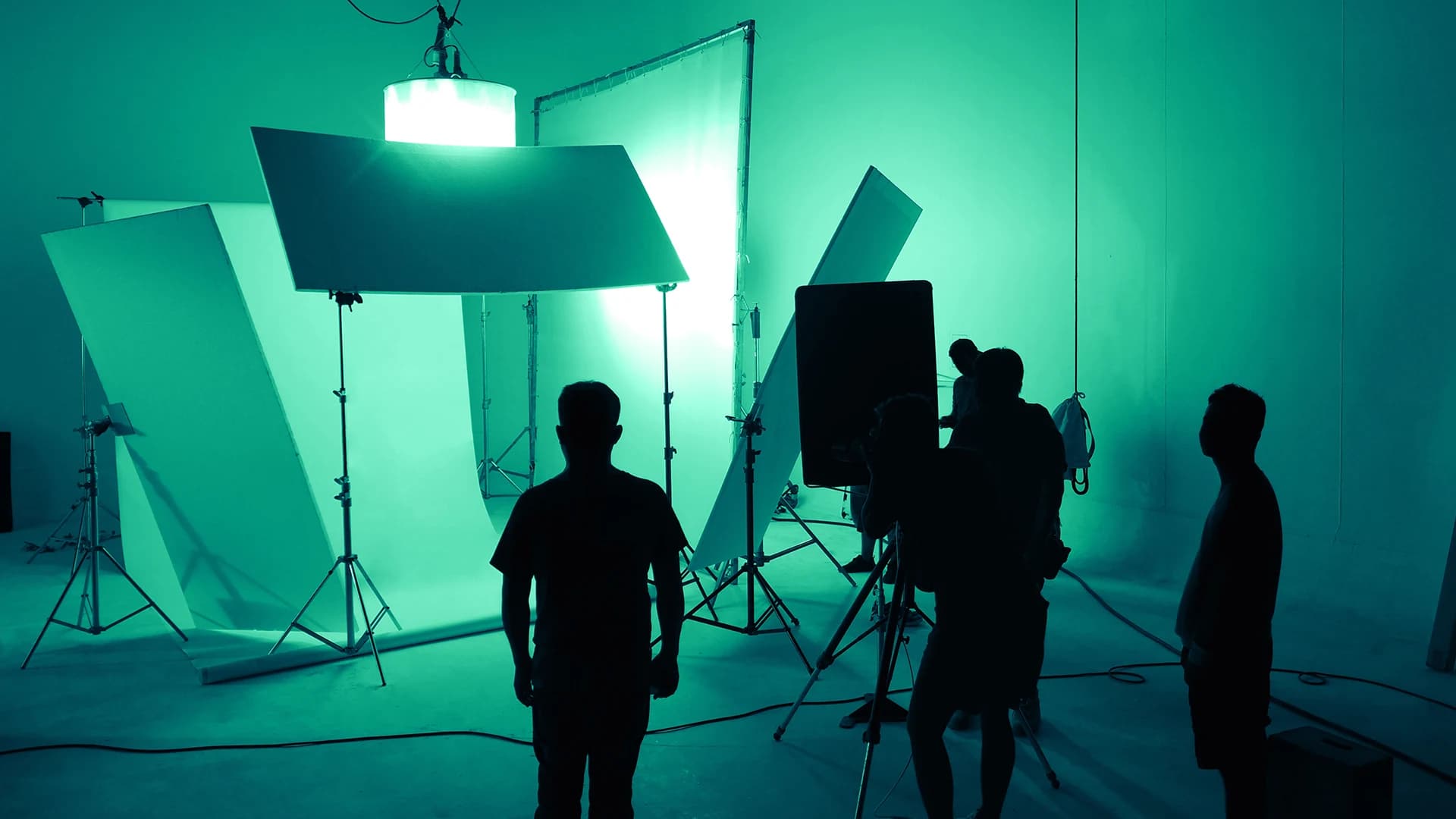
Planning low angle shots is never an afterthought—they’re a deliberate creative choice that needs to be locked in before you step on set. The right low angle can shift the entire energy of a scene, but only if it’s mapped out with precision in pre-production. Here’s how to approach it with the discipline and foresight demanded by real-world production schedules.
How to Add Low Angle Shots to a Shot List
Start with intent. Identify moments in your script or treatment where a low angle serves the narrative—power, vulnerability, tension. For each, specify the exact shot type (wide, medium, close), lens choice, and movement. Add these to your shot listing with clear labels and camera notes. Use a shot list template that allows for detailed technical columns—angle, lens, height, movement—so nothing gets lost in translation when pressure mounts on shoot day.
Communicating Your Vision for Low Angle Shots
Low angle shots often require coordination across departments—grip, art, lighting. Communicate your intent early: share references, block scenes with your director of photography, and discuss practicalities in tech scouts. Clarity here prevents costly improvisation later. If a low angle is non-negotiable for story or brand, flag it in every pre-production meeting and on the pre-production checklist.
Best Tools for Planning Cinematic Camera Angles
Integrate low angle shots into your storyboards, whether hand-drawn or digital. Modern pre-vis tools like ShotDeck, FrameForge, or even simple digital sketch apps can help you visualize and communicate these angles. Sync your shot listing software with your storyboards for a seamless directing workflow. The goal is a single source of truth—everyone knows when, where, and why the camera goes low.
In the end, planning low angle shots is about building intent into every frame. It’s not just about looking up at your subject—it’s about making every department look up to the clarity of your vision.
Conclusion
Low angle shots are not a trick—they’re a deliberate choice that reshapes the audience’s relationship with the subject. When used with intent, the low angle camera angle becomes a tool for visual storytelling, not just an aesthetic flourish. This is one of the cinematography basics that separates a shot list from a sequence that moves an audience.
Throughout this discussion, we’ve seen how low angle shots can amplify power, vulnerability, or tension. Their psychological impact is immediate and visceral. A hero looms larger than life; a villain becomes more menacing; a moment of doubt is rendered monumental. These aren’t theoretical effects—they’re grounded in how viewers process visual cues and hierarchy within a frame. The audience doesn’t need to know the mechanics to feel the difference.
But it’s not just about what’s possible—it’s about what’s practical. Every production has its realities: time, space, and client expectations. Low angle shots demand forethought, whether you’re navigating tight locations, working with uncooperative floors, or simply balancing the needs of performance and composition. Understanding these limitations is as much a part of the craft as knowing when to use the shot in the first place.
Ultimately, mastery of the low angle camera angle is about more than technical execution. It’s about recognizing when the story calls for a shift in perspective—and having the discipline to use that tool with purpose. In the evolving language of cinematography, these choices are what give your work weight, clarity, and impact.
FAQs
What is a low angle shot?
A low angle shot positions the camera below the subject, often looking up from ground level or just above. This framing exaggerates the subject’s stature and presence within the frame, making them appear dominant, imposing, or significant. In practice, the lens sits lower than eye level—sometimes dramatically so—to achieve the intended visual effect.
How to use low angle shots in film?
Use low angle shots to shift audience perspective and reinforce narrative intent. On set, they’re chosen to emphasize power, tension, or reveal a character’s psychological state. The decision comes down to what you want the viewer to feel—rarely is it aesthetic alone. Always consider blocking, lens choice, and lighting to maintain clarity and intent.
Examples of low angle shots in movies?
Classic examples include the gangster’s introduction in “The Godfather,” where the camera looks up at Don Corleone, or superhero films like “The Dark Knight,” where Batman’s presence is amplified by shooting from below. Even in indie dramas, a subtle low angle can elevate a moment’s emotional charge or shift audience allegiance.
What are the effects of low angle shots on character perception?
Low angle shots often imbue characters with power, menace, or authority. They can also create vulnerability—if the subject appears overwhelmed by their environment. The effect depends on context, performance, and how the shot is integrated into the sequence. Used with intention, it manipulates audience psychology without drawing attention to itself.
What are the limitations of low angle shots?
Low angles can distort proportions, reveal unwanted backgrounds, or complicate lighting setups. They risk becoming gimmicky if overused. Narratively, they can undermine subtlety—forcing a read on the audience. Practically, they require careful blocking and sometimes unconventional rigging, which can slow production or restrict movement.
How to plan low angle shots for filmmaking?
Pre-plan low angle shots by storyboarding and shot listing with intent. Scout locations for practical camera placement and anticipate lighting challenges. Communicate with production design and grip teams early—these shots often demand specific set dressing and support. Always justify the angle; it should serve story, not just style.
How do low angle shots compare to other camera angles?
Low angle shots assert dominance or tension, while high angles diminish or isolate. Eye-level shots feel neutral and observational. Dutch angles add unease. Each angle has a psychological impact; the low angle is blunt but effective, best used when you want to shift the power dynamic or audience alignment decisively.
.webp)
Creative Collaboration Platform: The Backbone of Modern Creative WorkWhat is a creative collaboration platform?Clapboard defines a creative collaboration platform as the operational core for today’s distributed creative teams. This is not a collection of digital collaboration tools stitched together; Clapboard’s system
Understanding the Creative Production MarketplaceWhat is a Creative Production Marketplace?Clapboard defines a creative production marketplace as a structured ecosystem where brands, agencies, and production talent converge to execute video, advertising, and branded content at scale. Unlike the legacy agency or freelanREAD FULL ARTICLE
The Urgent Need for a Creative Production Operating SystemWhy Traditional Creative Production Models Break DownClapboard sees the creative production landscape shifting under pressure. Content velocity is no longer a buzzword—it’s a mandate. Modern advertising demands relentless output across dozens of channels, each wREAD FULL ARTICLE
JOIN THE NEWSLETTER.
Content Production insights, videos, books, and freebies, delivered to your inbox weekly


LEAVE A COMMENT
Your email address will not be published.