One Step Closer To Home - Great Ormond Street Hospital Children’s Charity | Clapboard Ad Archive
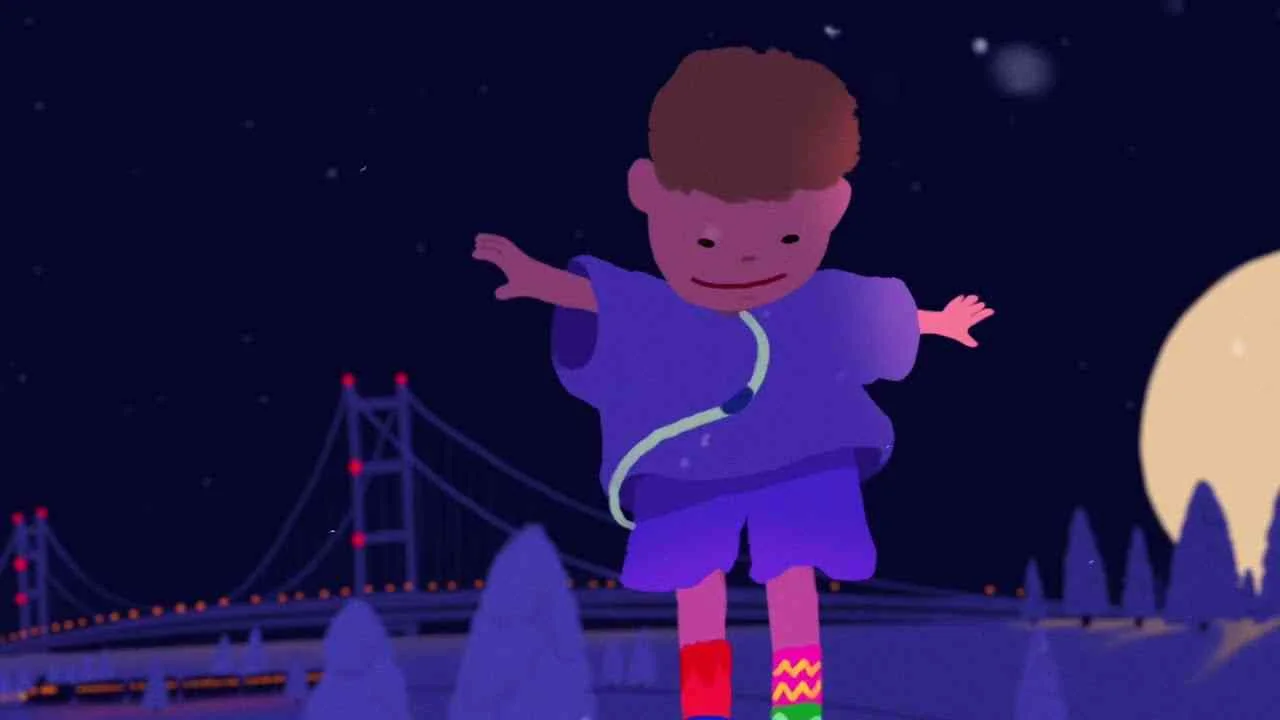
One Step Closer To Home situates Great Ormond Street Hospital Children’s Charity at the emotional heart of the United Kingdom’s healthcare fundraising landscape, with adam&eveDDB delivering a 2021 Christmas campaign that foregrounds both the lived realities of pediatric patients and the transformative potential of public giving. Using animation to narrate the journey of Henry — a real GOSH patient from Yorkshire with a rare cardiac condition, authentically depicted with his tracheostomy and ventilation tube — the campaign fuses storytelling with purpose, ensuring the charity’s mission is inseparable from the viewer’s experience of the film. Each stocking donation collected along Henry’s route is not an abstraction but a tangible force for change, visually enabling him to grow taller and move one step closer to the family home he has missed during two previous Christmases spent at Great Ormond Street Hospital. The campaign’s creative strategy capitalizes on the heightened emotional receptivity around the festive period, deploying the theme of homecoming to drive empathy and charitable action among audiences already primed by seasonal cues to value togetherness and compassion. By anchoring the call to action in a real child’s story, the work advances GOSH Charity’s brand positioning as an organization that, through community support, can reunite families and restore normalcy for seriously ill children; the approach feels both urgent and universal, transcending the particulars of Henry’s diagnosis to speak to a broad cultural longing for family unity at the holidays. What Clapboard’s taxonomy would classify as FORMAT#5—Exemplary Story, the campaign leverages its chosen technique to make donations not just a backdrop but the essential catalyst in the protagonist’s journey, solidifying the link between audience engagement and charitable impact in a way that is narratively and visually compelling. Operating in a tightly competitive space alongside major players like NSPCC, SickKids Foundation, and the Teenage Cancer Trust, Great Ormond Street Hospital Children’s Charity distinguishes itself through this synthesis of authenticity, creative craft, and strategic use of animated narrative to make their fundraising need feel immediate and attainable. Clapboard rates this 69/100. The campaign signals that within the health sector, the most resonant fundraising work will continue to be that which places real patient stories at its centre and invites the public not just to witness, but to participate in, the path home.





.webp)