The Cancer That Stuck Me - StopCancer Association | Clapboard Ad Archive
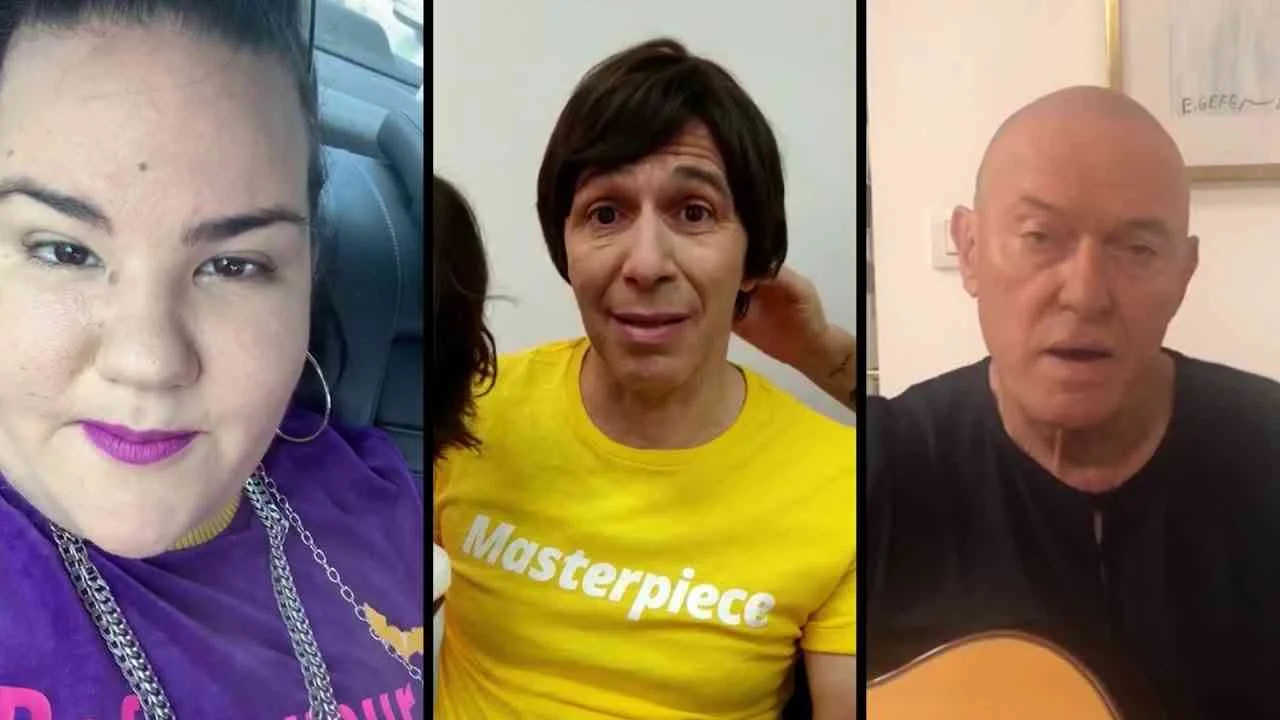
The Cancer That Stuck Me campaign from StopCancer Association, developed by Saatchi & Saatchi for the Israeli public service sector in 2019, elevates an invisible crisis: the systematic way in which society fails young adults diagnosed with cancer just as their adult lives should be gaining momentum. Rather than reaching for familiar literal representations, the campaign’s central creative gesture deploys what Clapboard’s taxonomy classifies as FORMAT#3—Symbolize the Problem, ingeniously translating the psychological state of being stalled by cancer into the jarring, universally relatable experience of media interruption. As ten young Israelis aged 18 to 40 receive a cancer diagnosis each day—yet find doors to mortgages, fertility preservation, and post-treatment employment firmly closed—The Cancer That Stuck Me makes that sense of arrested progress unmistakable, freezing live TV and radio broadcasts, halting movie trailers, and suspending YouTube pre-rolls so audiences experience for seconds what cancer survivors endure for months or years. The choice of this symbolic, experiential format allows the public to feel the problem rather than simply observe it, amplifying urgency among a demographic too often omitted from traditional support nets. The campaign activated from grass roots outward, ignited by an organic surge of unfiltered Instagram stories and propelled by hundreds of celebrities who lent visibility and personal testimony, rapidly taking over mainstream and social channels. Israel’s own president lent his voice in support, fueling a national reckoning around hidden infrastructural barriers that keep young adults stuck long after treatment ends. Not only did this media freeze motif cut through advertising clutter, it forced the public, broadcasters, and policymakers to confront—viscerally—the unresolved, tabooed fallout from a young cancer diagnosis. By orchestrating disruptive, tangible moments of stuckness as a metaphor for bureaucratic and social inertia, the campaign reframed how a healthcare issue is communicated by placing lived experience above numbers and clinical narratives. The campaign earns 72/100 in Clapboard’s global creative archive. As media and public service advertising seek to move past sympathy and into real societal leverage, The Cancer That Stuck Me demonstrates how symbolic, experiential interventions can reconfigure attention toward the compounding obstacles faced by marginalized patient groups even in digitally saturated environments.







.webp)