Stop the abuse before it happens - Wizo | Clapboard Ad Archive
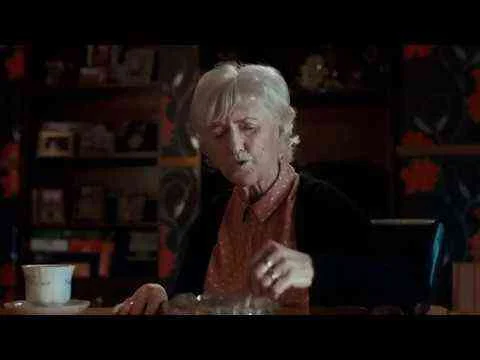
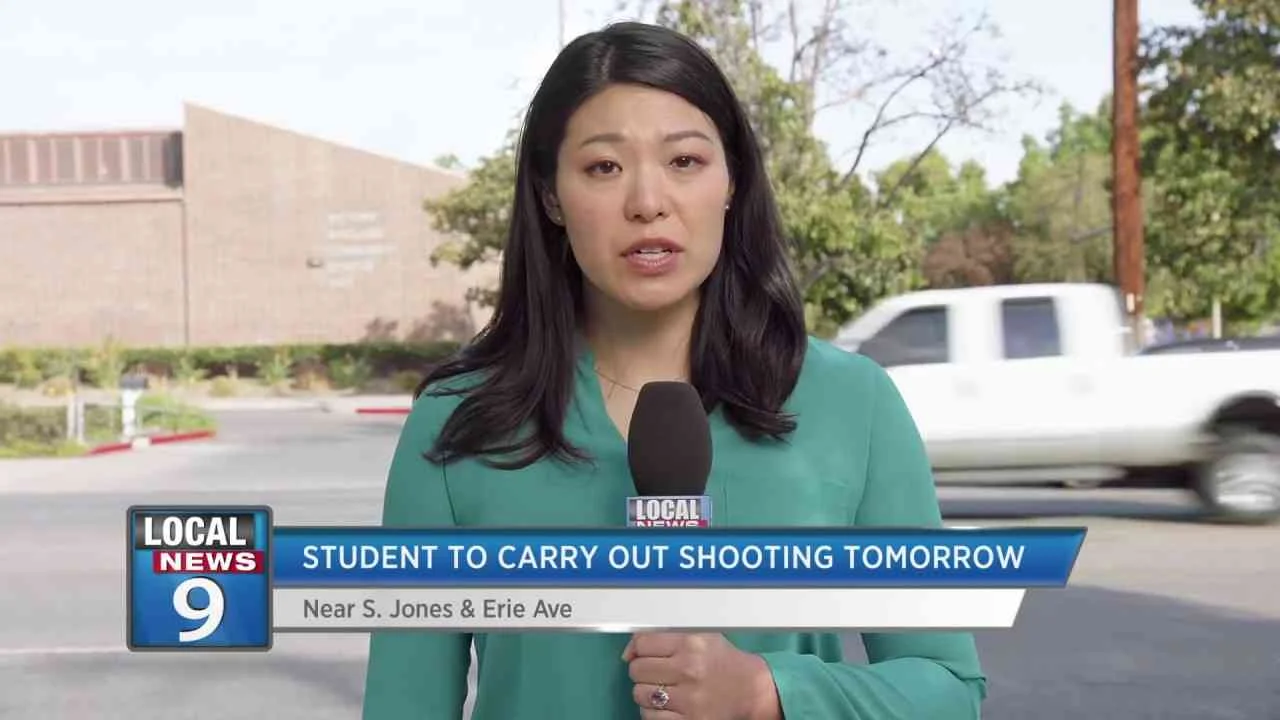
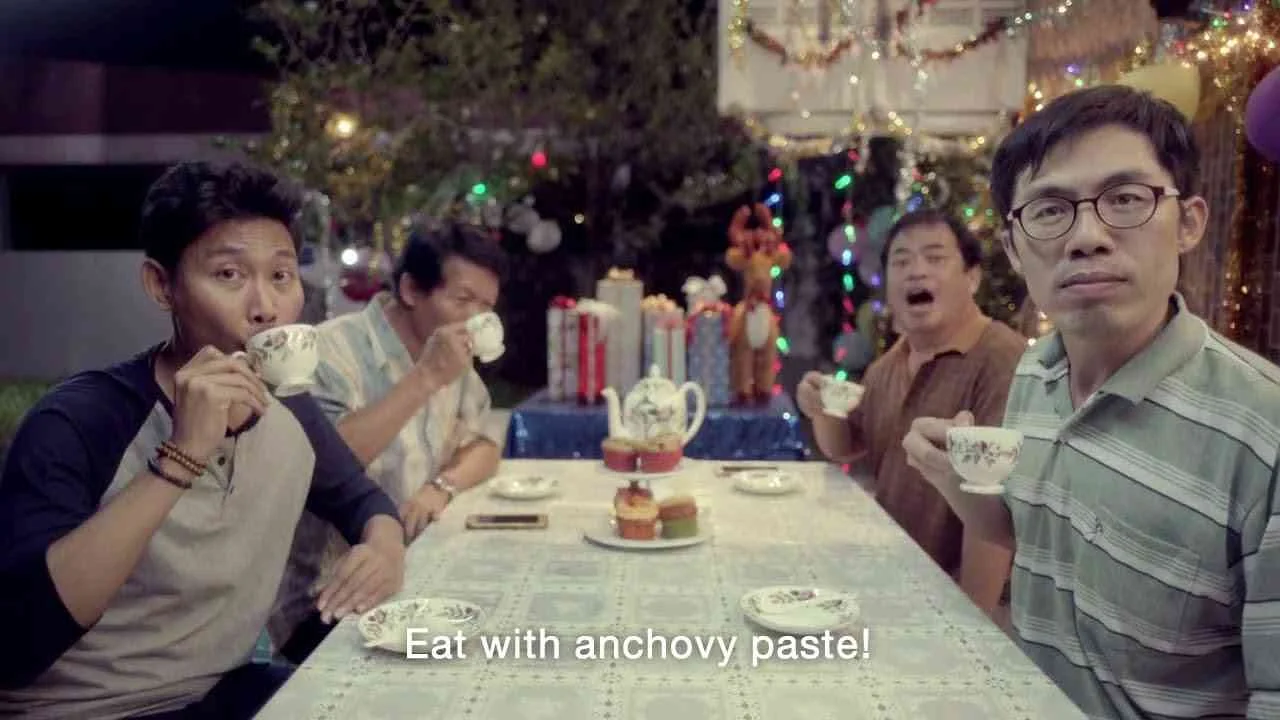
Stop the abuse before it happens is Wizo’s landmark 2016 public service campaign, devised by Grass Pink, that confronts Israeli audiences with the urgent reality of abuse prevention long before harm sets in. Informed by a deep understanding that most abuse remains unseen until too late, the campaign forges a strategy centered on shifting the broader community’s stance from reaction to proactivity, deploying a compelling filmic approach that merges documentary authenticity with the immediacy of a social experiment. Grass Pink’s creative execution eschews melodrama and celebrity trappings in favor of an unvarnished SHOW THE PROBLEM device — a choice that Clapboard’s 12-format taxonomy classifies as FORMAT#2—Show the Problem—placing real or intricately staged scenarios front and center, inviting viewers to recognize overlooked red flags and grapple with their own role in early intervention. This strategy is animated by a pragmatic, educative sensibility; rather than preaching solutions from a distance, the campaign leverages the power of uncomfortable proximity, confronting audiences with vignettes where abuse is hinted at, contextualized, and caught just before it escalates. In a highly competitive landscape, with NGOs such as Elem, Enosh, and the Association of Rape Crisis Centers positioning themselves through direct outreach, mental health integration, or survivor advocacy, Wizo’s campaign distinguishes itself through community vigilance and the broader message of shared accountability. By making viewers witnesses—and, implicitly, first responders—the film reframes abuse prevention as a social contract, bypassing policy and policing tropes for the more human, everyday act of noticing and acting. The narrative remains tightly focused on the collective, aligning Wizo’s brand with the idea that real change comes from societal vigilance and small, courageous interventions, rather than distant institutional responses. The single-film asset employs visual directness and emotional charge without tipping into didacticism, enabling the campaign to play across demographic lines and provoke much-needed dialogue while balancing tonal sensitivity with the gravity of its subject matter. This strategy aligns Wizo with broader trends in social issue marketing, where transparency and audience responsibility supersede mere awareness-raising, anchoring the conversation both in empathy and action. As part of the public interest category, the campaign underscores the evolving standards for social advocacy in Israel, where grassroots empowerment and prevention now rival enforcement or crisis response in salience. Clapboard rates this 63/100. For the industry, this campaign signals how the next chapter in public service work hinges on creative approaches that make the invisible visible before cycles of harm begin.


.webp)