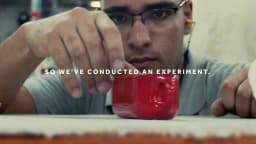
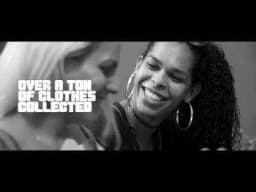
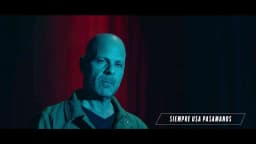
The Purple September campaign by Instituto Unidos pela Vida seeks to raise awareness about Cystic Fibrosis (CF) by emphasizing early detection through symptom recognition. The brand proposition revolves around educating the public about the disease’s often overlooked or misunderstood symptoms—such as chronic cough, digestive issues, and difficulty gaining weight—and presenting these symptoms as pieces of a puzzle that, when understood collectively, can lead to earlier diagnosis and better management. By framing symptom awareness as a crucial step toward improving quality of life for those affected, the campaign positions the institute as a knowledgeable, supportive authority focused on early intervention and ongoing care for CF patients.
Strategically, the campaign leverages a documentary/social experiment genre to create an authentic and relatable narrative, featuring real individuals connected to the disease, thereby fostering emotional engagement and credibility. The insight driving the campaign is that early diagnosis is hindered by symptom fragmentation and public lack of knowledge, a barrier that can be addressed by consolidating information into a clear, memorable framework. The target audience includes the general public and potential caregivers in Brazil, aiming to enhance their vigilance toward subtle health indicators. By integrating the educational message within a humanized storytelling format and using multiple communication channels—including a detailed website—the campaign establishes a connection that is both informative and empathetic, encouraging proactive health monitoring and supporting the institute’s broader mission to improve life quality for those with CF.
FORMAT#3 SYMBOLIZE THE PROBLEM — Uses symbols or analogies to represent the problem instead of showing it literally.
This campaign centers on the analogy that “symptoms are like pieces of a puzzle,” inviting viewers to see disease discovery as assembling disparate clues. Rather than only relaying medical information or dramatizing patient stories, the core creative device frames the symptoms metaphorically—as puzzle pieces—guiding understanding of cystic fibrosis diagnosis through symbolized visuals and conceptual language. This indirect illustration (rather than pure testimonial, story arc, literal demonstration, or exaggerated benefit) makes FORMAT#3 the precise fit.
ADVERTISING FORMATS EXPLAINED: https://www.clapboard.com/blog/branding-and-advertising/brand-strategy/12-advertising-creative-formats
1. Associação Brasileira de Fibrose Cística (ABrafibro) – Positioned as the leading national organization focused exclusively on cystic fibrosis, ABrafibro emphasizes patient support, research funding, and public education. Its strategic angle involves building a strong community network and advocating for better healthcare policies through collaboration with medical professionals and government bodies.
2. Fundação Dorina Nowill para Cegos – Though primarily focused on visual impairment, this foundation competes in the broader public interest health arena by promoting social inclusion and accessibility. Their positioning lies in innovative educational programs and technology-driven solutions that empower disabled individuals.
3. Instituto Lado a Lado pela Vida – This NGO differentiates itself by creating multipurpose health campaigns that cover a variety of chronic diseases, including cystic fibrosis. Its strategic approach is linking social awareness with policy advocacy and patient empowerment across multiple conditions to maximize reach and impact.
4. Associação de Pais e Amigos dos Excepcionais (APAE) – APAE positions itself as one of Brazil’s largest and oldest disability support organizations. With a wide scope on various disabilities, their strategic angle combines comprehensive care and education services with grassroots community engagement, affecting systemic change at local levels.
5. Instituto Ronald McDonald – Focused on pediatric health, including chronic illness awareness, this institute leverages strong corporate partnerships for funding and visibility. Its positioning centers on combining medical treatment support with educational programs targeting families and communities to improve children’s quality of life.
Q: What is Purple September - Cystic Fibrosis Awareness Month about?
A: Purple September - Cystic Fibrosis Awareness Month is a professional film campaign launched in Brazil in 2018 by the ad agency Gas Rocket for Instituto Unidos pela Vida. The campaign’s central creative idea is to raise public awareness about cystic fibrosis by using the metaphor of puzzle pieces to illustrate how various symptoms—such as chronic cough, diarrhea, shortness of breath, repetitive pneumonia, saltier sweat, and difficulty gaining weight—fit together to reveal the disease. The film encourages early diagnosis and directs viewers to the organization’s website for more information, aiming to improve outcomes for those affected by cystic fibrosis.
Q: What creative device does Purple September - Cystic Fibrosis Awareness Month use?
A: Purple September - Cystic Fibrosis Awareness Month employs FORMAT#3 SYMBOLIZE THE PROBLEM, as classified by Clapboard’s 12-format taxonomy. Instead of depicting cystic fibrosis symptoms literally or relying solely on patient testimonials, the campaign uses the analogy of puzzle pieces to represent the complexity and interconnectedness of the disease’s symptoms. This symbolic approach guides viewers to understand the diagnostic challenge through conceptual visuals and narrative, making the message both memorable and accessible within the context of public health communication.
Q: What is the campaign proposition for Purple September - Cystic Fibrosis Awareness Month?
A: The campaign proposition for Purple September - Cystic Fibrosis Awareness Month centers on educating the Brazilian public and potential caregivers about the often overlooked or misunderstood symptoms of cystic fibrosis. By framing these symptoms as pieces of a puzzle, Instituto Unidos pela Vida positions itself as a knowledgeable and supportive authority dedicated to early detection and ongoing care. The campaign’s strategic intent is to foster vigilance, encourage early diagnosis, and ultimately improve the quality of life for those living with cystic fibrosis, reinforcing the institute’s mission within the public interest health sector.
Q: How does Purple September - Cystic Fibrosis Awareness Month rank in Clapboard's archive?
A: Purple September - Cystic Fibrosis Awareness Month holds a Clapboard Campaign Score of 58/100 in Clapboard’s global ad archive. This score reflects the campaign’s creative ambition, execution quality, and cultural relevance as evaluated by Clapboard’s curatorial standards.
Q: Who are the competitors in Instituto Unidos pela Vida's category?
A: In the Brazilian public interest health sector, Instituto Unidos pela Vida faces competition from several key organizations. Associação Brasileira de Fibrose Cística (ABrafibro) leads with a focus on patient support and policy advocacy for cystic fibrosis, while Fundação Dorina Nowill para Cegos operates in broader health awareness through social inclusion and technology-driven education. Instituto Lado a Lado pela Vida differentiates itself by running multi-condition health campaigns that link awareness with empowerment, and APAE leverages its longstanding presence to drive systemic change for various disabilities. Instituto Ronald McDonald, meanwhile, combines pediatric health initiatives with strong corporate partnerships to enhance visibility and support for chronic illness awareness.


.webp)