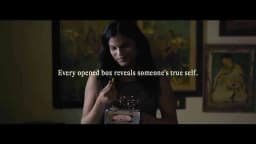
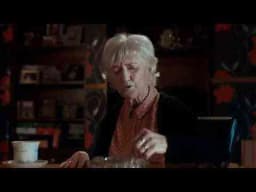
The '#GoSafeOutside' campaign for Hamam, launched in India in 2017, strategically positions the brand as more than just a soap—it's a facilitator of confidence and independence for young women. The campaign centers on a mother’s concern for her daughter’s safety when attending tuition alone, which leads to enrolling her in Silambam, an Indian martial art, symbolizing empowerment and self-reliance. Hamam’s promise is embedded in this narrative: healthy skin supports physical confidence and resilience, thereby enabling the daughter to face the world on her own terms. The underlying proposition connects personal care with broader social values of safety, protection, and empowerment.
From a market strategy perspective, the campaign taps into a prevalent cultural anxiety around women’s safety in public spaces—a deeply resonant issue in India. By framing the product as a tool that contributes to this empowerment, Hamam shifts from a traditional hygiene brand to a partner in personal strength. The use of a documentary/social experiment genre enhances authenticity, making the message more relatable and credible to the target audience, which likely includes both young women and their protective caregivers. The narrative approach — a mother’s protective instincts coupled with the daughter’s journey toward independence — leverages emotional storytelling to deepen engagement. This blend of cultural insight and emotional resonance serves to differentiate Hamam in a crowded market, aligning the brand with progressive social themes while maintaining relevance through its core functional benefit of skin care.
FORMAT#6 BENEFIT CAUSES STORY — Builds a story where the product’s benefit is the reason for the action or twist.
The Hamam #GoSafeOutside campaign follows a narrative where the benefit of the product—healthy skin provided by Hamam soap—is directly linked to the positive change in the protagonist's journey. The mother seeks a long-term solution for her daughter's safety and confidence, and the daughter's easier journey is explicitly attributed to having healthy skin, which only Hamam can offer. This cause-and-effect relationship, with the product’s benefit catalyzing the story’s twist (the daughter facing the world confidently), aligns best with the “Benefit Causes Story” format, rather than a typical “Exemplary Story” or a pure problem-solution construct. No evidence suggests heavy symbolism, celebrity presence, testimonials, or parody—making format #6 the most precise fit.
1. Dettol – Market Positioning
Dettol positions itself as a trusted hygiene and antiseptic brand, emphasizing protection from germs and infections. It focuses on family health and safety, leveraging strong medical credibility while promoting daily hygiene practices to prevent illness, thereby combining reassurance with routine wellness.
2. Lifebuoy – Market Positioning
Lifebuoy differentiates through its social mission of creating a germ-free, healthier India, often linking handwashing to disease prevention. It uses educational campaigns targeting schools and communities, positioning itself as a hygiene guardian promoting behavior change for better public health.
3. Savlon – Market Positioning
Savlon emphasizes protection and healing, blending antiseptic properties with skin care. The brand appeals to families by promoting complete hygiene solutions that protect from everyday germs and aid wound care, positioning itself as a comprehensive health protector.
4. Santoor – Market Positioning
Though primarily a beauty soap, Santoor highlights natural ingredients with a focus on purity and skin nourishment. It differentiates by combining hygienic cleanliness with the appeal of fairness and smooth skin, targeting consumers seeking both health and beauty benefits.
5. Pears – Market Positioning
Pears positions itself as a premium transparent soap focused on gentle cleansing and skin health. It differentiates through its purity and mildness, appealing to consumers who prioritize skin care alongside hygiene, often leveraging its classic heritage and clarity as trust markers.
Q: What is #GoSafeOutside about?
A: #GoSafeOutside is a professional campaign launched in India in 2017 for the brand Hamam, created by the agency Ogilvy. The campaign is a film-based initiative within the Public Interest sector, telling the story of a mother concerned about her daughter's safety when attending tuition classes alone. Instead of opting for a short-term solution, the mother enrolls her daughter in Silambam, an ancient Indian martial art, to empower her with confidence and self-reliance. Central to the narrative is Hamam’s role in providing healthy skin, positioned as a foundation for the daughter’s journey towards independence and protection.
Q: What creative device does #GoSafeOutside use?
A: #GoSafeOutside employs the Benefit Causes Story format, as classified by Clapboard’s 12-format taxonomy. In this approach, the product’s benefit—healthy skin provided by Hamam—directly drives the story’s progression and resolution. The narrative explicitly links the daughter’s newfound confidence and ability to face the world to the protection and health offered by Hamam soap. This cause-and-effect structure distinguishes the campaign from exemplary stories or problem-solution constructs, making the product’s functional benefit the catalyst for the protagonist’s transformation.
Q: What is the campaign proposition for #GoSafeOutside?
A: The campaign proposition for #GoSafeOutside positions Hamam as more than a hygiene product—it is framed as an enabler of confidence and independence for young women. By addressing a mother’s anxiety about her daughter’s safety and connecting it to the empowering journey of learning Silambam, the campaign speaks to Indian families concerned about women’s security in public spaces. Hamam’s promise of healthy, protected skin is woven into this narrative, suggesting that personal care can underpin broader social values like empowerment and resilience, making the brand relevant to both caregivers and the youth.
Q: How does #GoSafeOutside rank in Clapboard's archive?
A: #GoSafeOutside holds a Clapboard Campaign Score of 69/100 in Clapboard’s global ad archive. This score reflects the campaign’s creative ambition, execution quality, and cultural relevance, as evaluated by Clapboard’s curatorial standards.
Q: Who are the competitors in Hamam's category?
A: In Hamam’s category, Dettol is positioned as a trusted hygiene and antiseptic brand emphasizing protection from germs and infections, while Lifebuoy focuses on its social mission of promoting handwashing and public health. Savlon blends antiseptic protection with skin care, appealing to families seeking comprehensive hygiene solutions. Santoor differentiates itself through natural ingredients and a dual promise of cleanliness and beauty, and Pears targets consumers who value gentle cleansing and skin health, leveraging its heritage and purity as key trust markers.


 ARCHIVE
.webp)