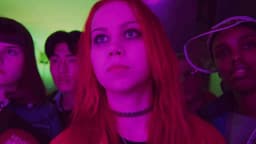
The campaign "The Future We See" by Grantham Institute, produced in Hungary in 2017, positions the brand as a forward-looking authority on climate change, emphasizing its commitment to guiding society through the complexities of decarbonization. The core promise lies in translating cutting-edge research into actionable insights that support policymakers, business leaders, and the public in navigating the transition to a low-carbon future. This alignment with the globally recognized Paris Agreement underscores the institute’s role as a credible source driving informed decision-making amid evolving environmental and technological landscapes.
The market strategy hinges on framing climate action through a social experiment and documentary genre, leveraging storytelling to make abstract scientific concepts tangible and relevant. By focusing on the disruptive potential of low-carbon technologies—specifically solar photovoltaics and electric vehicles—the campaign taps into a growing public and institutional interest in sustainable innovation. The creative angle “Expect the Unexpected” invites the audience to reconsider preconceived notions about energy and climate futures by highlighting unexpected shifts, such as cost reductions and the declining demand for fossil fuels. This approach addresses an informed but potentially skeptical audience in Hungary, aiming to spur awareness and dialogue while reinforcing Grantham Institute’s expertise. The use of local language and a narrative style that blends expert analysis with relatable scenarios serves to bridge the gap between technical research and everyday impact, thus fostering a sense of urgency and possibility around climate transition.
FORMAT#1 DEMONSTRATION — Directly shows how a product works and highlights its benefits.
This campaign centers around a documentary/social experiment genre and is titled "The Future We See" or "Expect the Unexpected." The narrative is anchored on presenting tangible developments in low-carbon technology—like solar PV and electric vehicles—and their disruptive influence on traditional energy demand. Rather than focusing on a dramatized story, symbolic device, or problem–solution sequence, it orients itself to demonstrating the work and impact of the Grantham Institute and its research. The emphasis on "evaluating decarbonisation pathways” and “showing” how new technologies can enable a transition to a low-carbon future aligns closest with the DEMONSTRATION format, where the “product” is the institute’s thought leadership and research in action, highlighting how it informs policies, businesses, and individuals interested in climate solutions.
ADVERTISING FORMATS EXPLAINED: https://www.clapboard.com/blog/branding-and-advertising/brand-strategy/12-advertising-creative-formats
1. WWF Hungary – Positioned as a leading environmental advocacy group, WWF Hungary leverages global brand recognition and local engagement to promote biodiversity conservation and climate action through community-driven projects and high-impact campaigns, emphasizing urgency and scientific credibility.
2. Greenpeace Hungary – Known for its direct action and bold campaigns, Greenpeace Hungary focuses on raising public awareness about environmental threats, advocating policy changes, and mobilizing citizen activism with visually striking campaigns and grassroots involvement.
3. Clean Air Action Group (Levegő Munkacsoport) – Specializes in air quality and environmental health issues, positioning itself as a data-driven watchdog influencing government policy and industry practices through research, public education, and strategic litigation.
4. Hungarian Environmental Partnership Foundation (HEPA) – Functions as a network facilitator and grant provider for environmental NGOs, differentiating itself by empowering local initiatives, fostering collaboration, and promoting sustainability through capacity building rather than direct campaigning.
5. Védegylet (Protect the Future) – Focuses on sustainable development and public interest advocacy by combining scientific research with community campaigns, emphasizing transparency, policy influence, and encouraging citizen participation in environmental decision-making.
Q: What is The Future We See about?
A: The Future We See is a professional film campaign launched in Hungary in 2017 for the Grantham Institute, created by BEE Environmental Communication. The campaign was designed to raise public awareness about climate change and the urgent need for decarbonisation, focusing on the transformative potential of low-carbon technologies such as solar photovoltaics and electric vehicles. Through a documentary and social experiment approach, the film demonstrates the disruptive impact of these innovations on traditional fossil fuel markets, drawing on research from the Grantham Institute’s collaboration with the Carbon Tracker Initiative. The campaign’s narrative, voiced by Faye Bradbrook, aims to engage policymakers, business leaders, and the broader public in the transition to a sustainable future.
Q: What creative device does The Future We See use?
A: The Future We See employs the DEMONSTRATION format, as classified by Clapboard’s 12-format taxonomy. Rather than relying on dramatization or symbolic storytelling, the campaign directly showcases the work and impact of the Grantham Institute’s research, illustrating how advancements in low-carbon technologies can disrupt established energy demand patterns. By foregrounding tangible evidence and expert analysis, the film demonstrates the real-world benefits and implications of decarbonisation pathways, positioning the institute’s thought leadership as the central “product” on display. This approach aligns with the FORMAT#1 DEMONSTRATION technique, making complex scientific findings accessible and actionable for its audience.
Q: What is the campaign proposition for The Future We See?
A: The campaign proposition for The Future We See positions the Grantham Institute as a forward-thinking authority on climate change, dedicated to guiding society through the complexities of decarbonisation. The campaign’s core message is the translation of cutting-edge research into actionable insights that support policymakers, business leaders, and the public in navigating the transition to a low-carbon future. By aligning with the Paris Agreement and leveraging a documentary narrative, the campaign underscores the institute’s credibility and relevance in shaping informed decision-making. Its focus on the disruptive potential of renewable technologies addresses an informed but skeptical Hungarian audience, aiming to foster dialogue and reinforce the Grantham Institute’s expertise in public interest communications.
Q: How does The Future We See rank in Clapboard's archive?
A: The Future We See holds a Clapboard Campaign Score of 63/100 in Clapboard’s global ad archive. This score reflects the campaign’s creative ambition, execution quality, and cultural relevance within the public interest and environmental sustainability sector.
Q: Who are the competitors in Grantham Institute's category?
A: In the public interest and environmental advocacy sector, Grantham Institute faces competition from several key players. WWF Hungary leverages global brand recognition and local engagement to promote biodiversity and climate action, while Greenpeace Hungary is known for its bold, visually impactful campaigns and grassroots activism. Clean Air Action Group positions itself as a data-driven watchdog influencing policy and industry practices, and the Hungarian Environmental Partnership Foundation empowers local initiatives through capacity building and collaboration. Védegylet focuses on sustainable development and public advocacy, combining scientific research with community campaigns to encourage citizen participation in environmental decision-making.



.webp)